Saved
Topic

Textiles

Cloth, and the labour behind every metre.

2
in technology
10:26
average
21 min
in total
97
across the network
Textiles across the network →
All briefs2
10:23

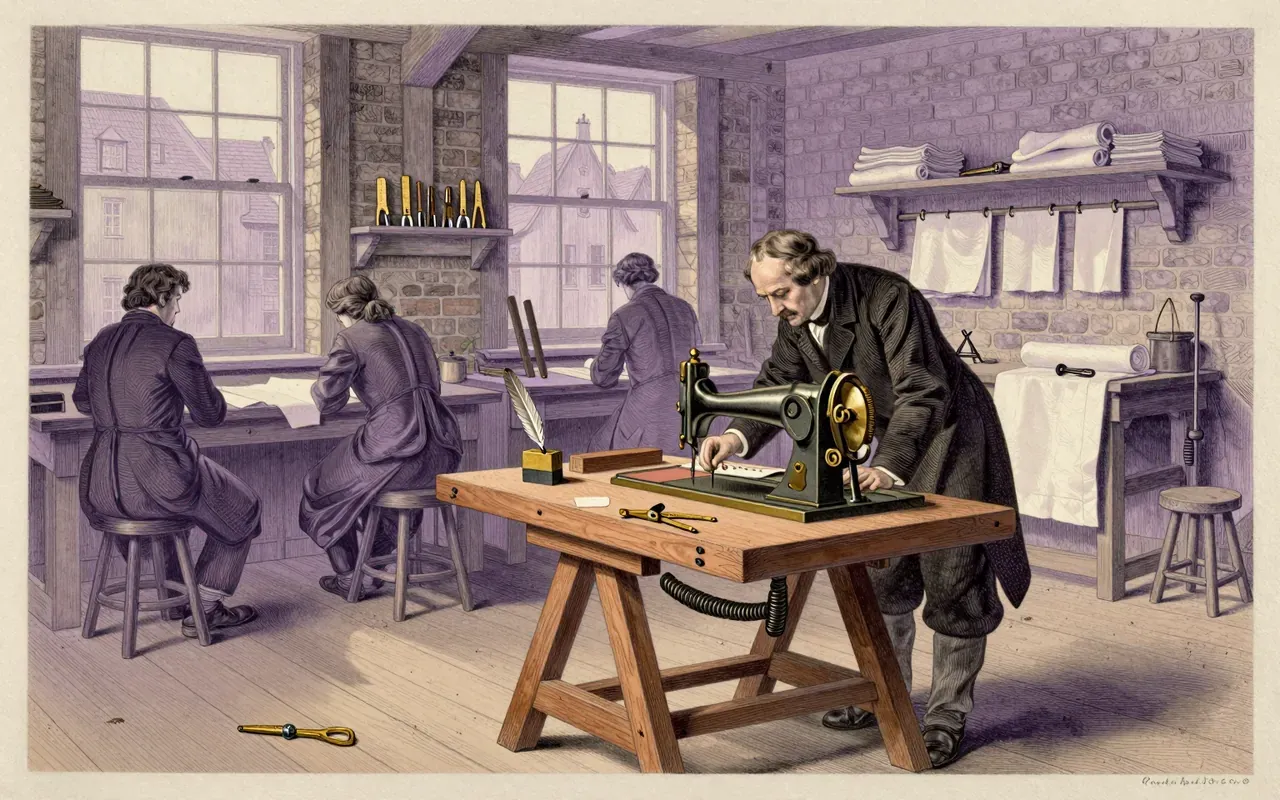
Spinning mule

Samuel Crompton · 1779

The spinning mule is a hybrid spinning machine invented by Samuel Crompton between 1775 and 1779. It combines Arkwright’s roller drafting with Hargreaves’s moving carriage to produce strong, thin, uniform yarn—specifically for muslin—using an intermittent draw-and-wind process. Its first version had 48 spindles and produced one pound of 60s thread daily. It raised yarn value sharply: 80s thread sold for 42 shillings per pound versus 14 shillings for coarser 40s. But its stop-start operation limited throughput and required manual intervention for clamping and reversal—making it powerful for quality, not speed.

More from technology

All briefs →
9:37

Crucial

Crucial was the brand under which Micron Technology sold its consumer memory and storage products, until the brand was discontinued in 2026.
8:44

Personal computer

A personal computer is a computer designed for personal use and operated directly by its user, rather than shared through time-sharing on a mainframe or minicomputer.
9:10

Thunderbolt

Thunderbolt is a hardware interface, developed by Intel with Apple, that carries PCI Express, DisplayPort and power over a single cable to connect external peripherals to a computer.
9:46

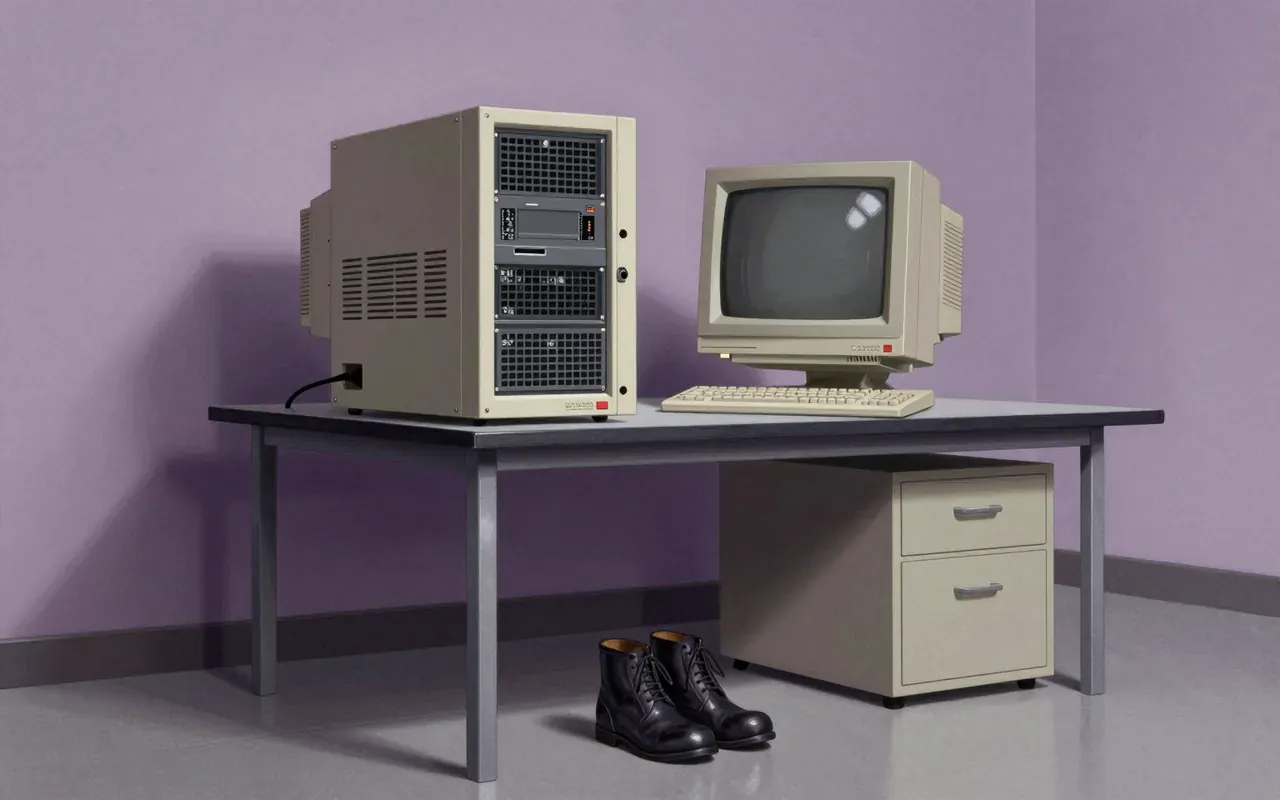
Silicon Graphics

Silicon Graphics · 1981

Silicon Graphics built the first practical hardware-accelerated 3D graphics systems. Its Geometry Engine — designed at Stanford under ARPA — delivered ~6 million geometry operations per second. It pioneered scalable cc-NUMA architectures in the mid-1990s. But its reliance on proprietary MIPS and failed transitions to Itanium and Xeon eroded its position as PC graphics commoditised. It filed for bankruptcy in 2009.