
China Mobile
Scale is its strategy—and its ceiling.
A research network that became the substrate for everything.


TCP/IP is a layered framework for end-to-end data communication. It specifies how data should be packetised, addressed, transmitted, routed, and received. Its architecture rests on the end-to-end principle—placing intelligence at the edges—and uses encapsulation and the robustness principle (conservative sending, liberal receiving) to achieve interoperability across heterogeneous networks. Developed by Cerf and Kahn starting in 1973 under DARPA, it replaced the ARPANET's NCP with a modular, host-responsible reliability model. IPv4 was installed in the ARPANET in 1983, and TCP/IP was formally adopted as the US DoD standard in March 1982. The defining technical specifications are RFC 1122 and RFC 1123, which codify its four-layer abstraction model.
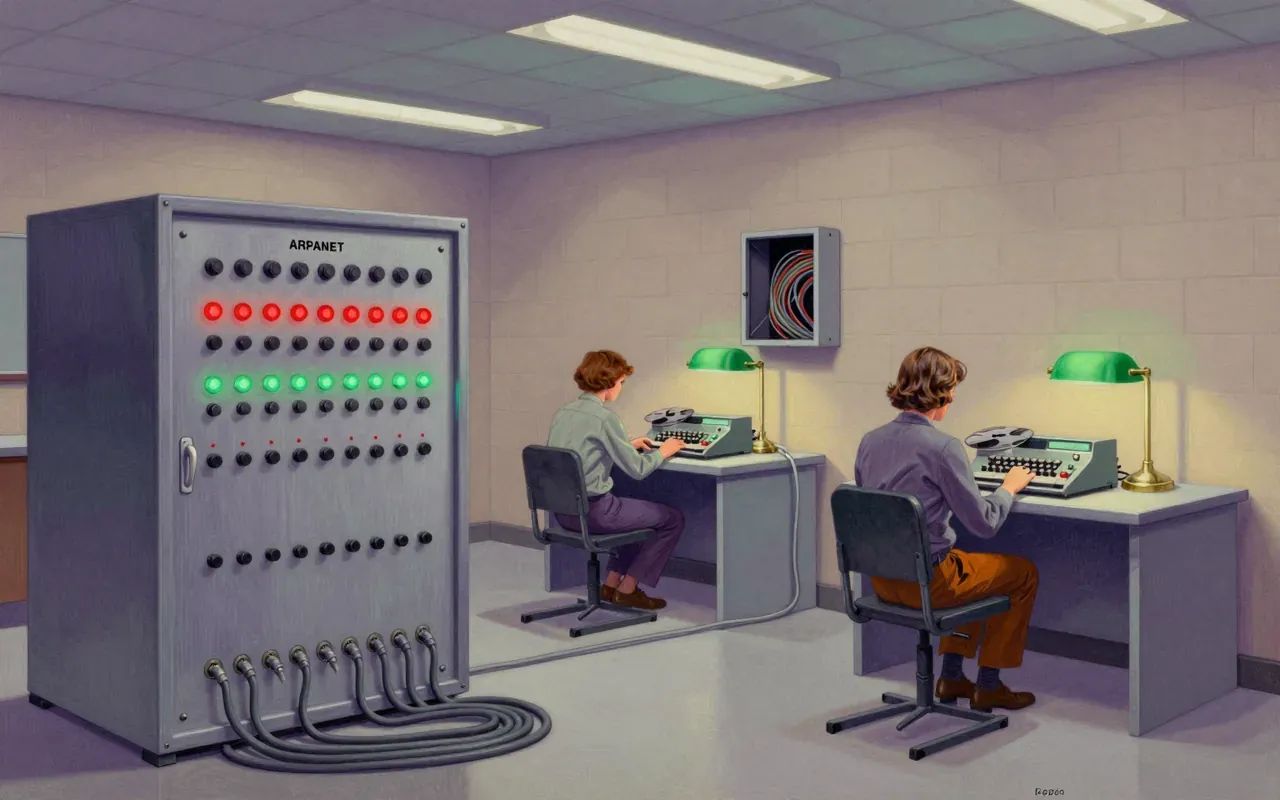
FTP is a foundational but fatally flawed protocol. It delivered interoperable file transfer in 1971, but its reliance on unencrypted channels and rigid two-connection architecture made it unsustainable. It changed how machines shared data — then became the textbook example of inherited insecurity.


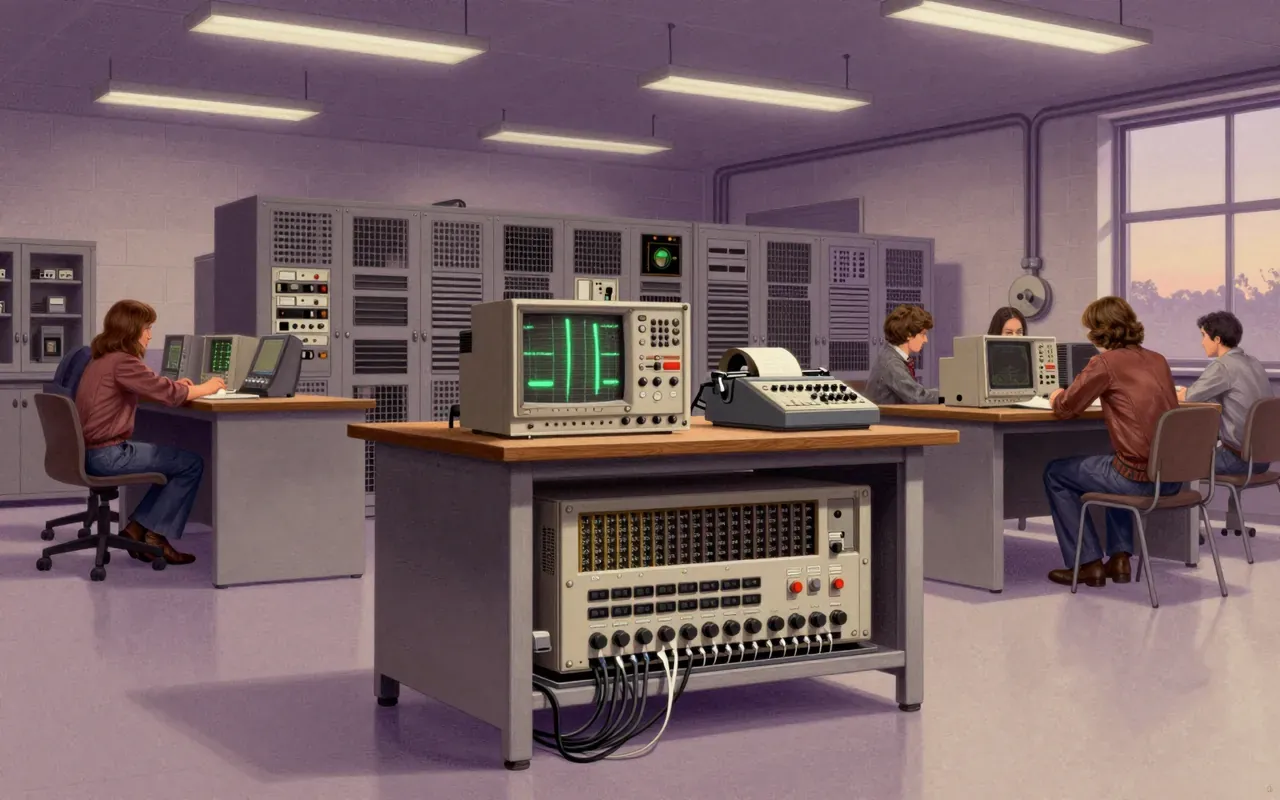



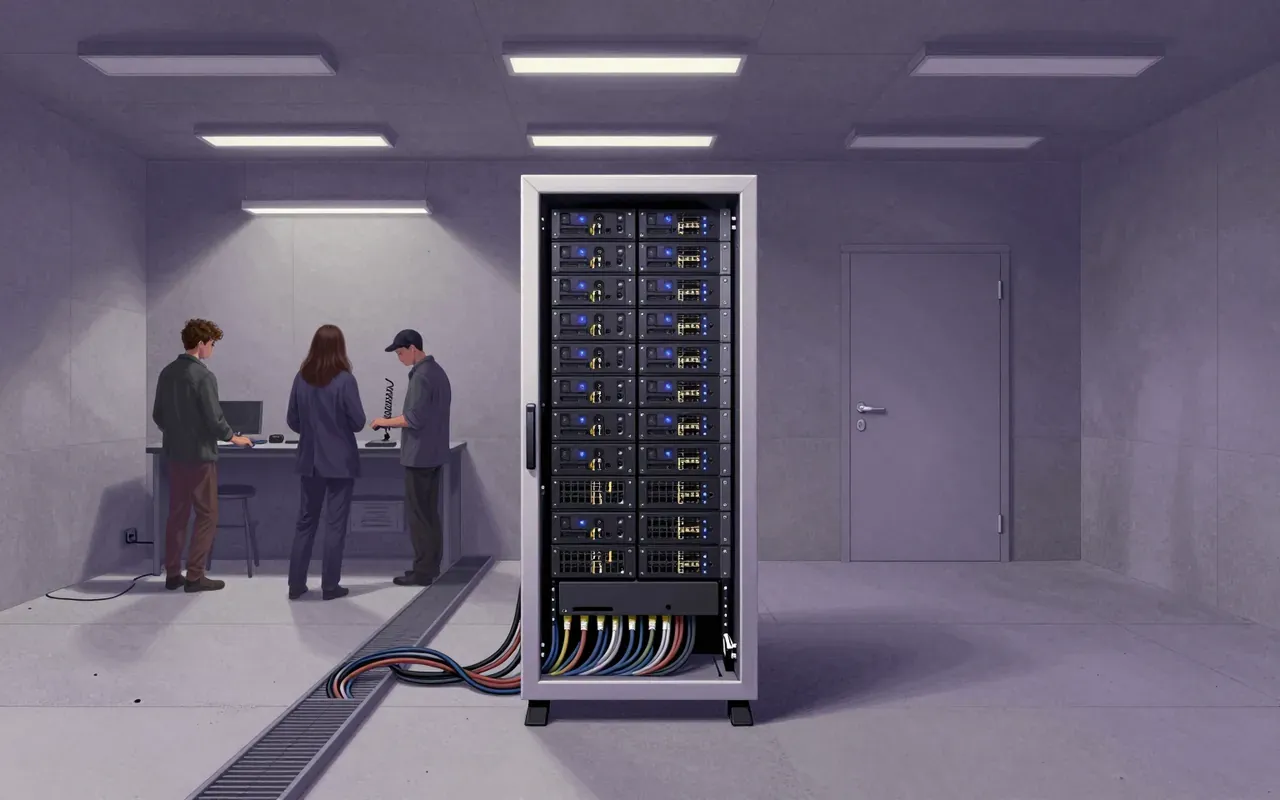




MySQL AB’s 2001 product was a lightweight, open-source RDBMS built to replace mSQL. It solved developer pain around speed and licensing—but deferred complexity into operational trade-offs. Its success hinged on embedding itself into LAMP, not on technical superiority.


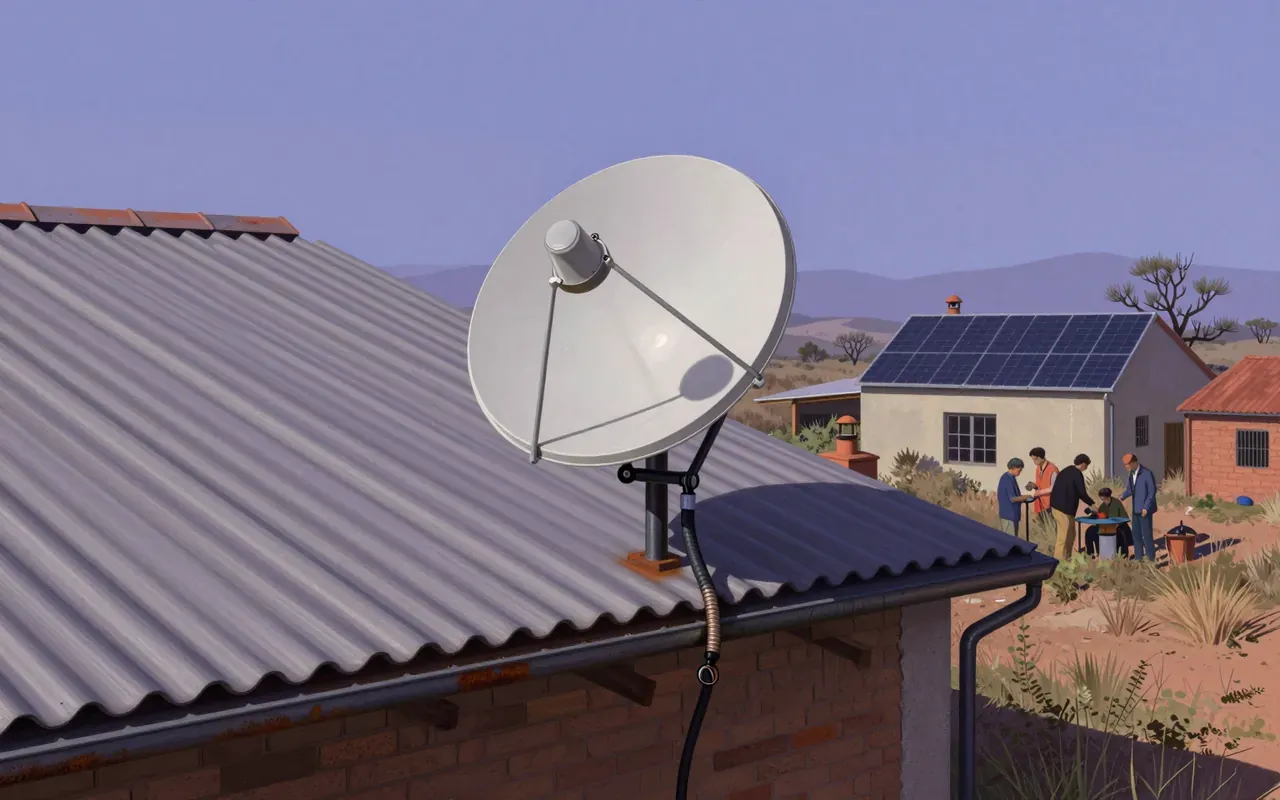


UTF-8 is a variable-width Unicode encoding co-designed by Ken Thompson and Rob Pike in 1992. It guarantees ASCII compatibility, supports all 1,112,064 Unicode code points, and became the dominant web encoding — over 90% of pages in 2019. Its strength is pragmatic interoperability; its weakness is zero tolerance for malformed input and no compression benefit.

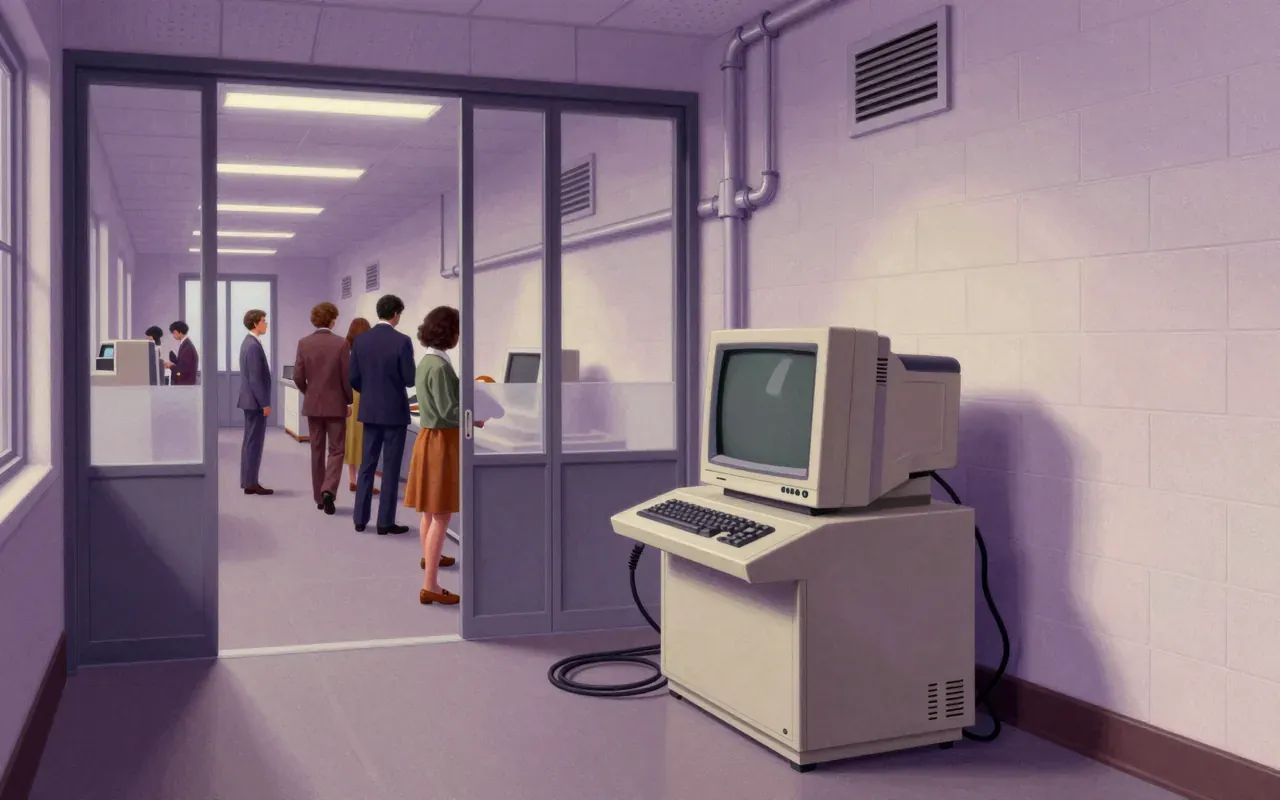

JavaScript is the de facto client-side language of the web — not because it was well-designed for beginners, but because it shipped fast, ran everywhere, and locked in a runtime model no site could ignore.

MIME is the foundational container syntax for internet messaging. It succeeded by being minimal, modular, and mandatory for interoperability — not by being elegant or complete.

NCSA Mosaic (1993) was the first browser to display images inline with text, submit forms, and explore collaborative annotation. Developed at NCSA by Marc Andreessen and Eric Bina, it launched in January 1993 as alpha/beta 0.5, reached version 1.0 in April, and shipped to Windows, Mac, and Amiga by October. Its blue/purple link convention and cross-platform ports catalysed explosive growth—from 50 to 10,000 websites and from 1% to 25% of internet users within a year. Collaborative annotation remained unshipped. It established the visual and functional grammar of the web—but offered no security model, no dynamic updating, and no scripting.

PNG is a specification, not a product. It is a response to legal constraint, not technical ambition. It works where it was designed to work — and fails where it was never meant to go.

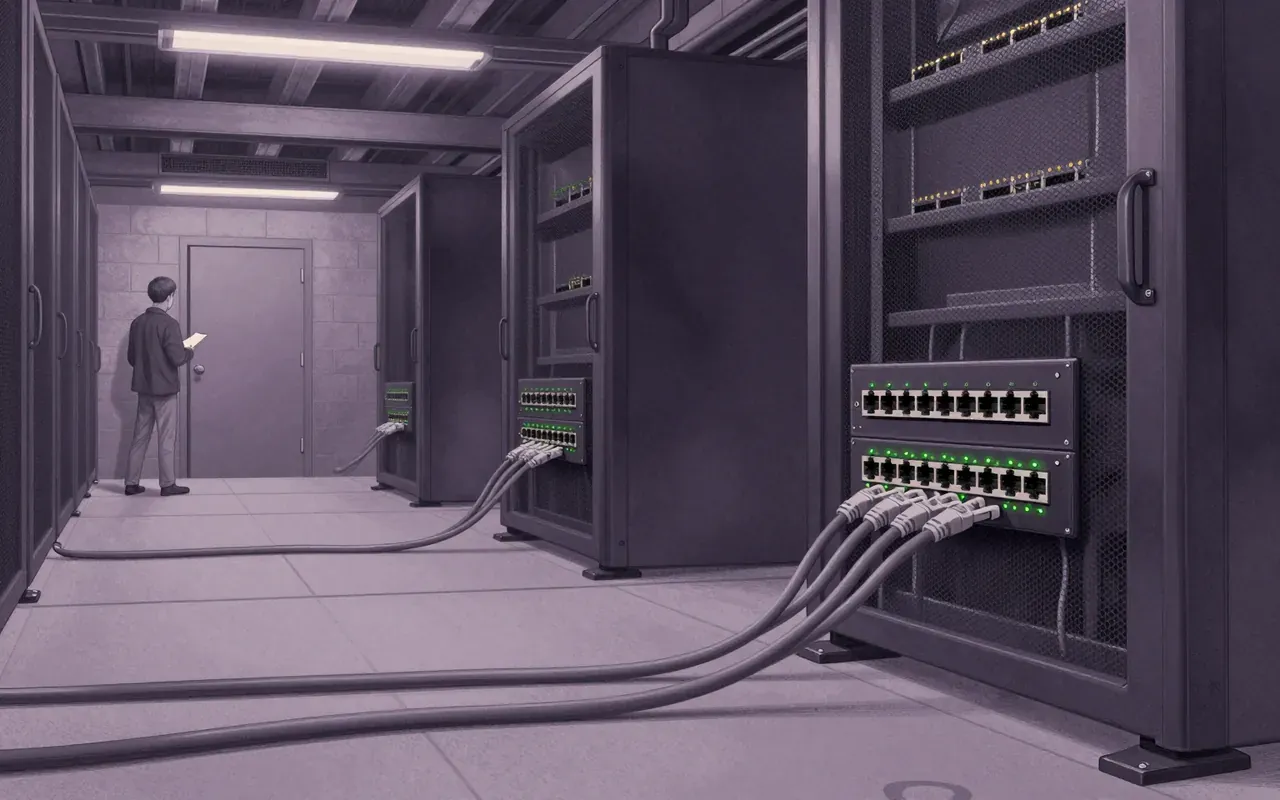
SFTP is a file protocol built for SSH-2. It assumes security is already solved. It delivers precise, stateful filesystem control. It never became an RFC. It remains widely deployed—not because it succeeded, but because alternatives failed.