EUV lithography
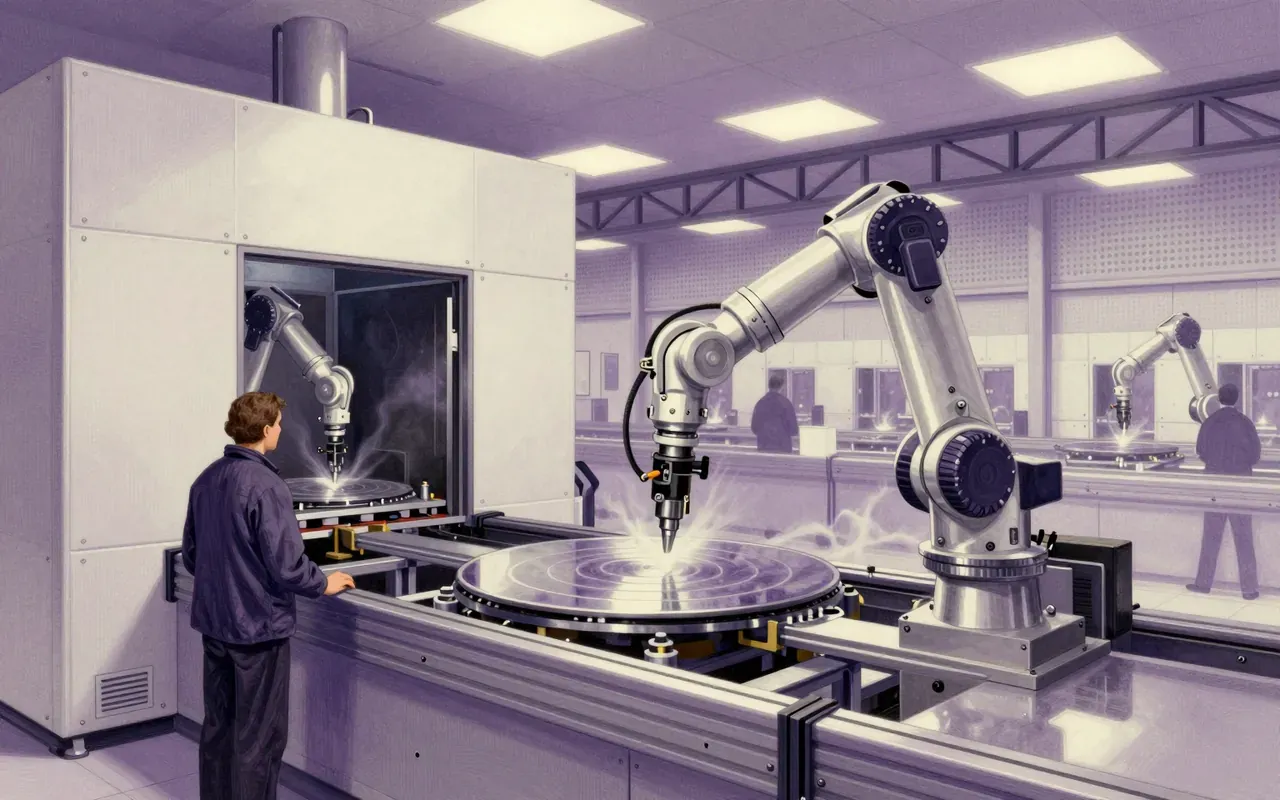
EUV lithography is not a refinement — it is a forced pivot into vacuum, reflection, and tin plasma, because light refused to keep shrinking.
The rules underneath, as far as they are known.




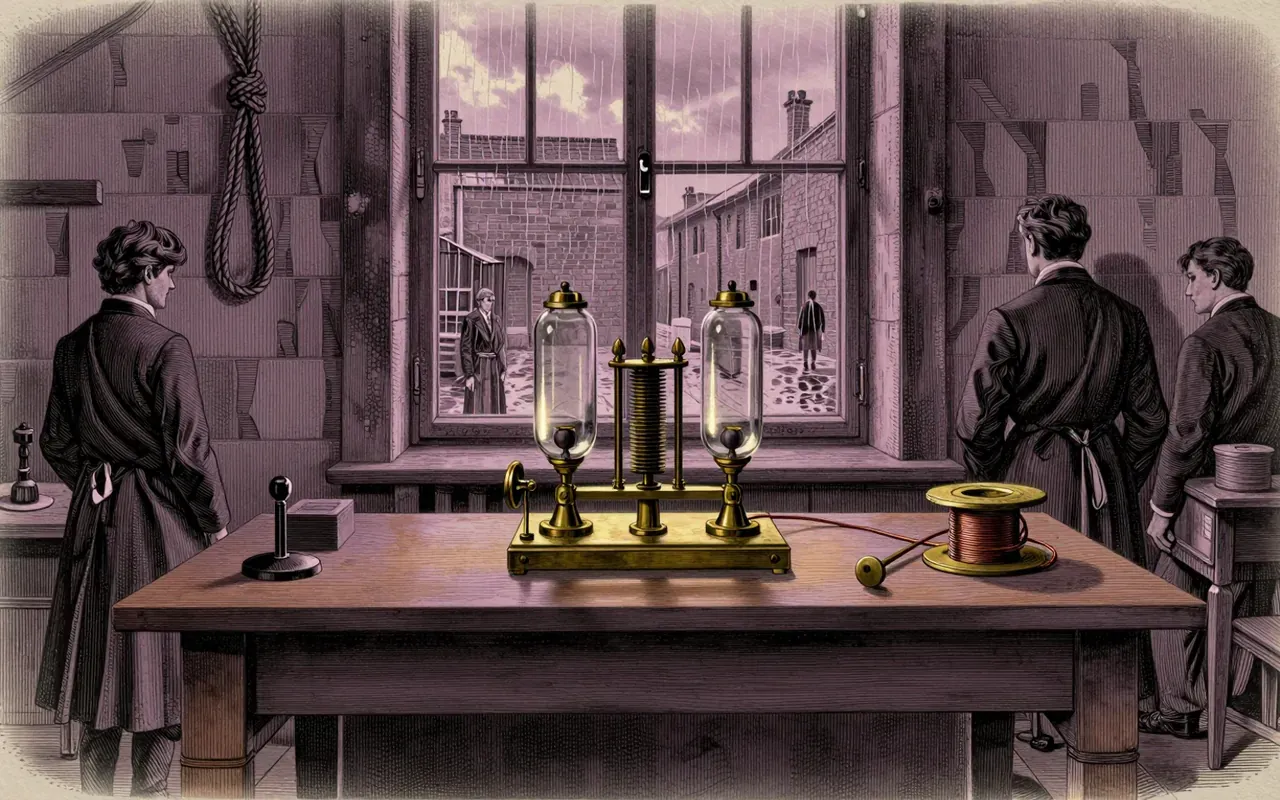
The electromagnetic wave equation is the foundational PDE for classical electromagnetism. Maxwell derived it mathematically; Hertz verified it physically — not as a vision of wireless communication, but as proof that light is electromagnetic vibration. It works precisely where fields are classical and sources are macroscopic. It fails where quanta matter. Its value lies not in novelty but in necessity: every radio, radar, and optical system still obeys it.
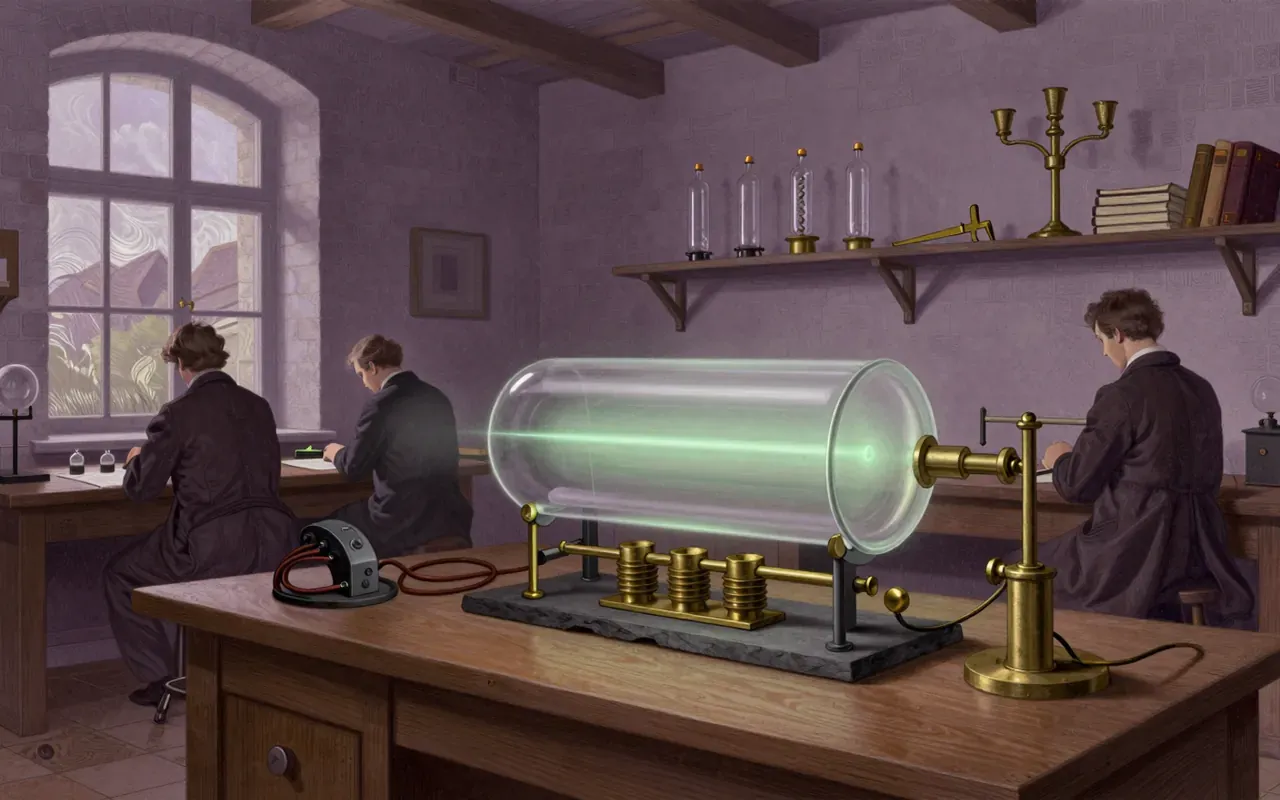
The Braun tube is a historically decisive but technically limited instrument: it proves electron beams can be displayed, but only at extreme voltage and with mechanical compromise. Its legacy lies in conception—not execution.

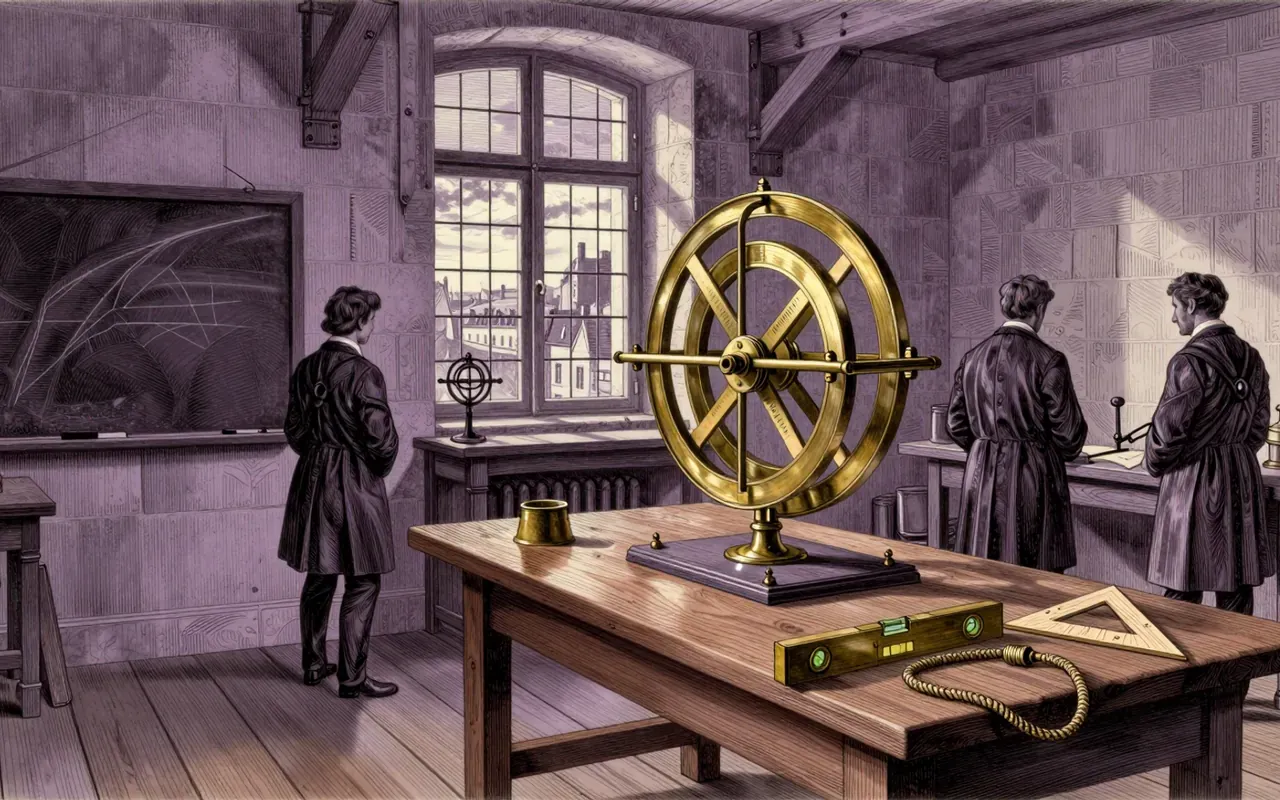
The gyroscope is a demonstration device, not a tool. It makes Earth’s rotation locally visible — for less than ten minutes — using nothing but inertia and friction. It changed pedagogy, not engineering.
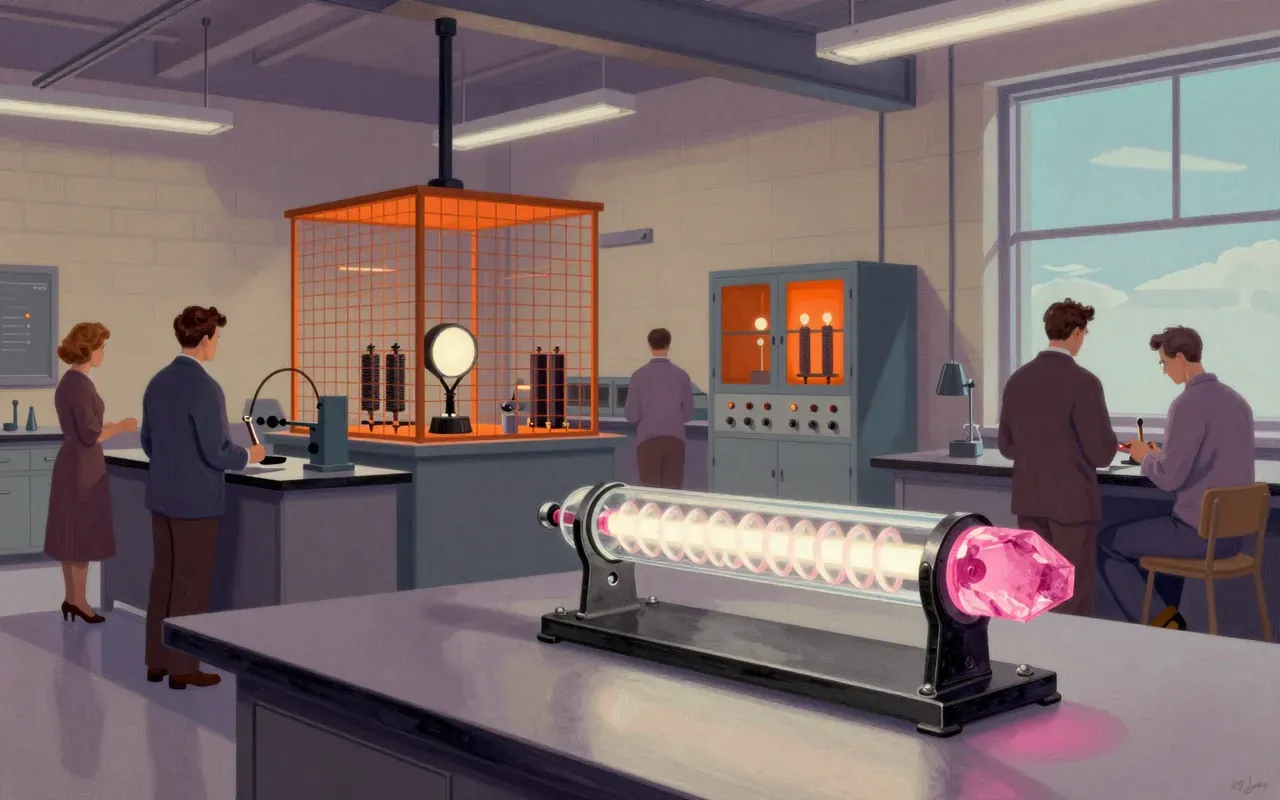
Theodore Maiman’s 1960 laser is a milestone in quantum electronics—not because it launched applications, but because it proved coherence could be engineered in a solid, at room temperature, using flashlamp excitation. Its limitations are structural: three-level pumping demands high peak power and prevents continuous operation. Its success lies in specificity: 694 nm, pulsed, ruby, May 16, Malibu.

Gauss’s 1833 magnetometer established absolute measurement of Earth’s magnetic field strength using oscillation frequency differences — a tenfold precision gain over predecessors. It was the first instrument to derive a non-mechanical quantity from mechanical fundamentals. It did not measure direction or local variation; it required stable conditions and assumed ideal magnetic and torsional behaviour. Its legacy is metrological, not operational.

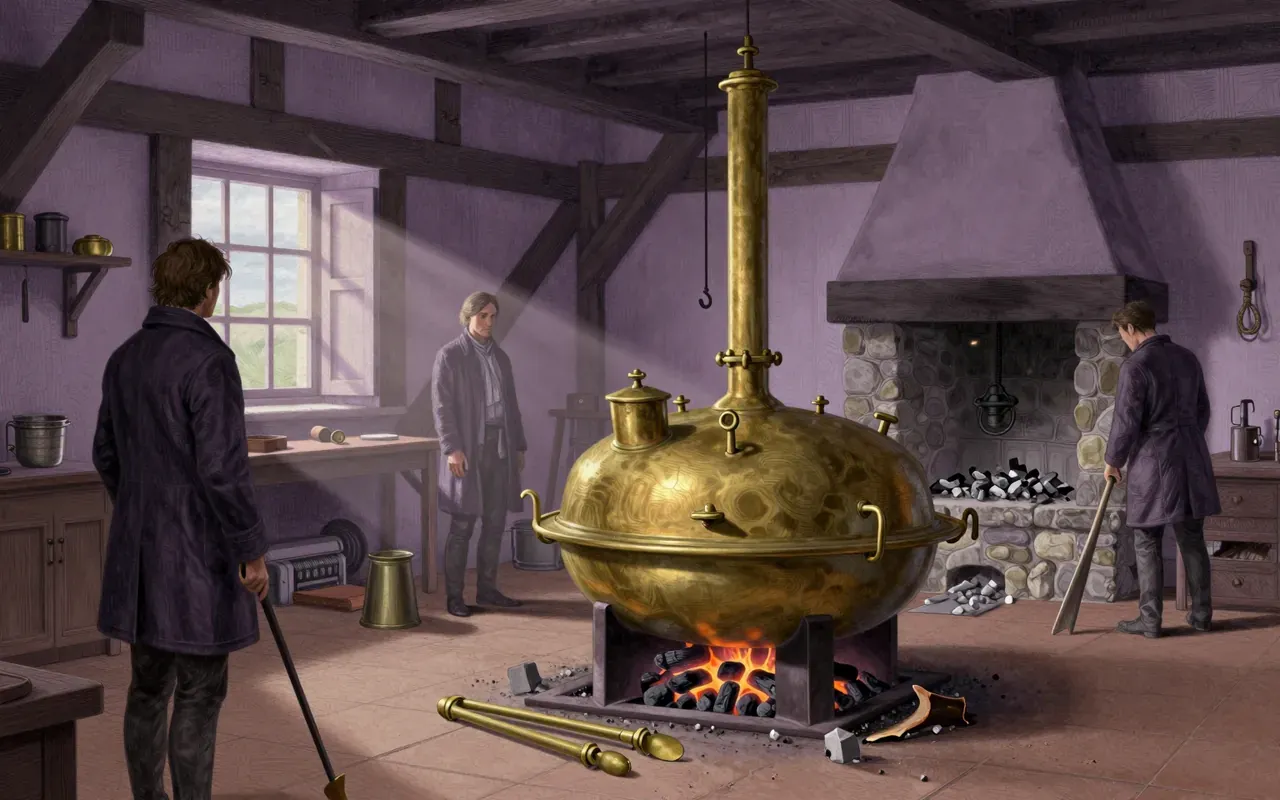
The steam digester is a 1679 experimental vessel that used trapped steam to raise boiling temperature and cut cooking time. It introduced the safety valve and demonstrated atmospheric pressure’s mechanical action — directly enabling Papin’s 1690 piston engine. It was never mass-produced, never used outside demonstration, and had no domestic adoption. Its value is archival and conceptual: it is the first device to treat pressure as a controllable variable in thermal systems.