technologybriefs
Topic

The Industrial Revolution

The moment human muscle stopped being the limit.

18
in technology
10:15
average
184 min
in total
66
across the network
The Industrial Revolution across the network →
All briefs18
video still
10:03

Bessemer process

Henry Bessemer · 1855

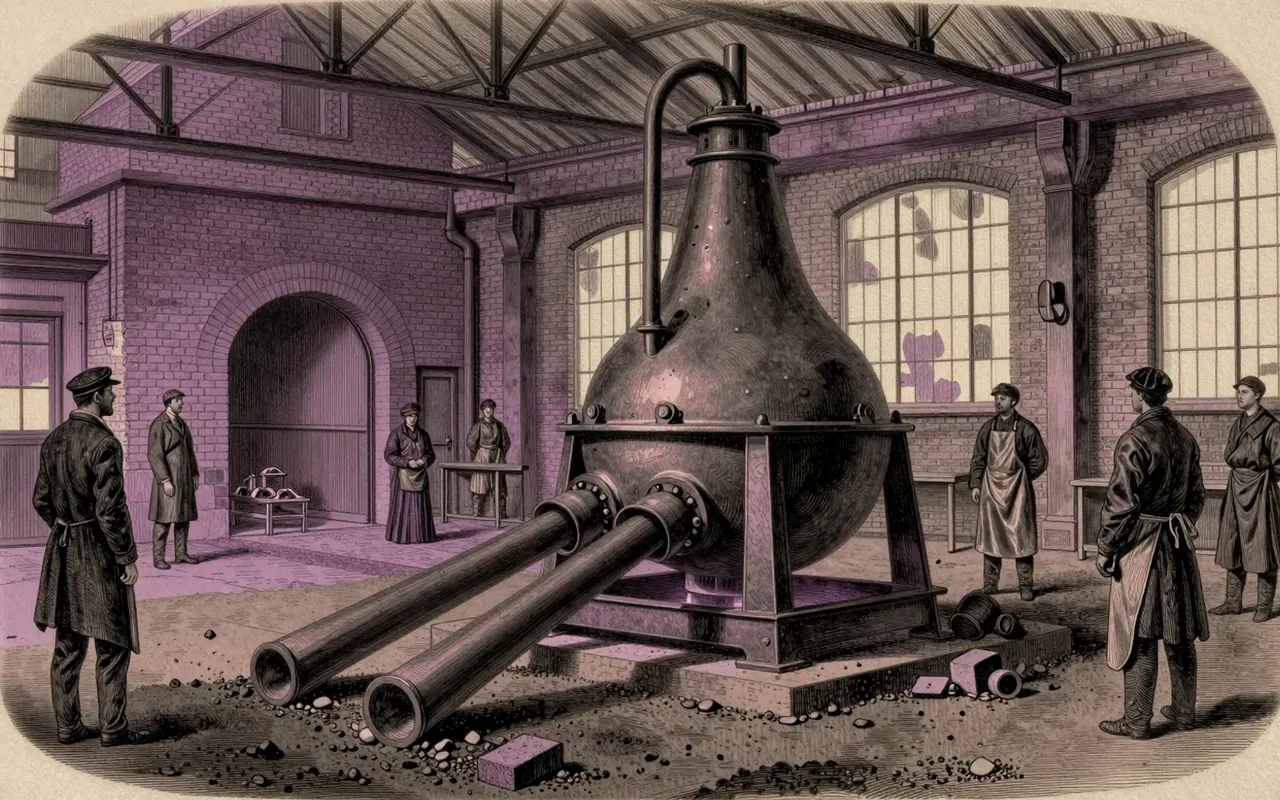
The Bessemer process is the first industrial method to mass-produce steel cheaply — by blowing air through molten pig iron to oxidise impurities, especially carbon. It works by self-heating oxidation, cuts batch time from a day to under 20 minutes, and forces deliberate carbon readdition. It fails to deliver finished steel in one step and cannot treat phosphorus-rich iron without later refinement. It changed structural engineering by enabling steel’s substitution for cast and wrought iron. It remains foundational — not because it endures, but because it proved scalable metallurgical control was possible.

video still
9:24

Bicycle

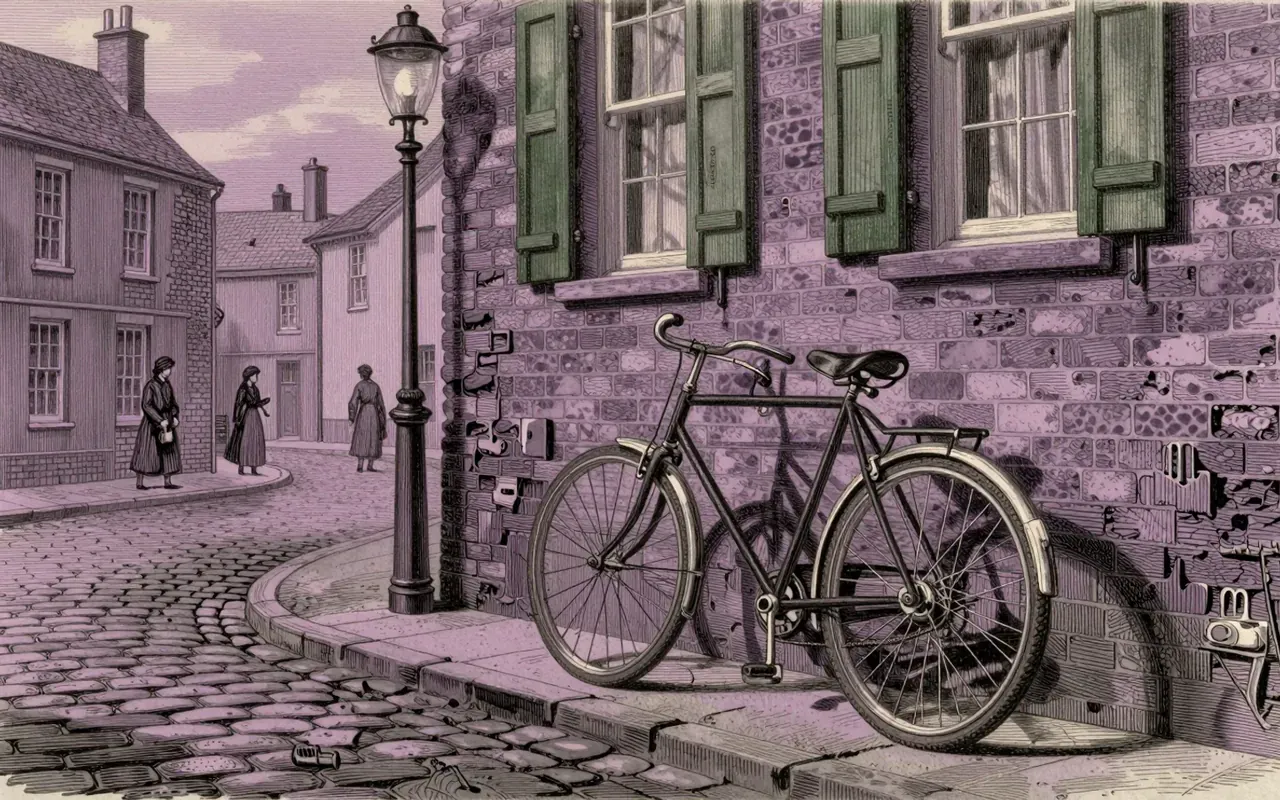
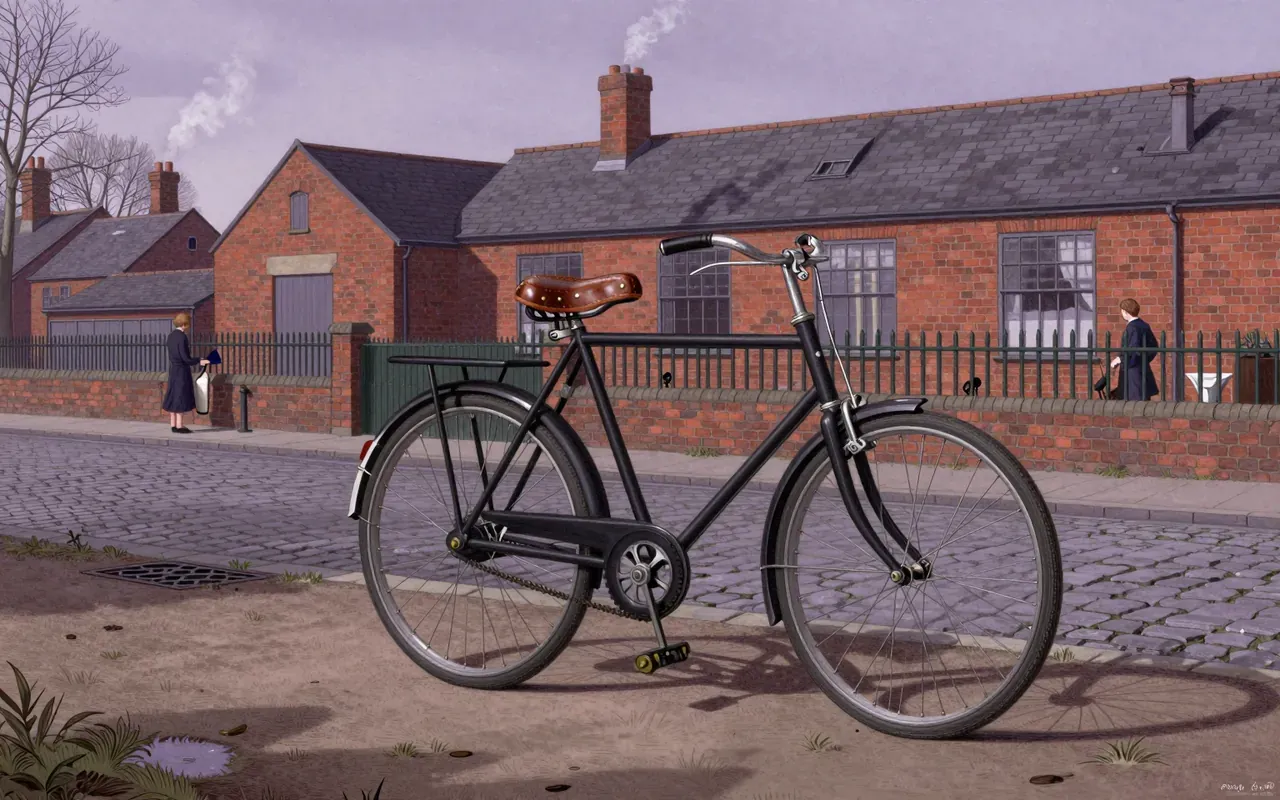
The 1885 safety bicycle didn’t invent mobility—it invented the industrial and cultural template for everything that followed.
video still
11:33

Cotton gin

Eli Whitney · 1793

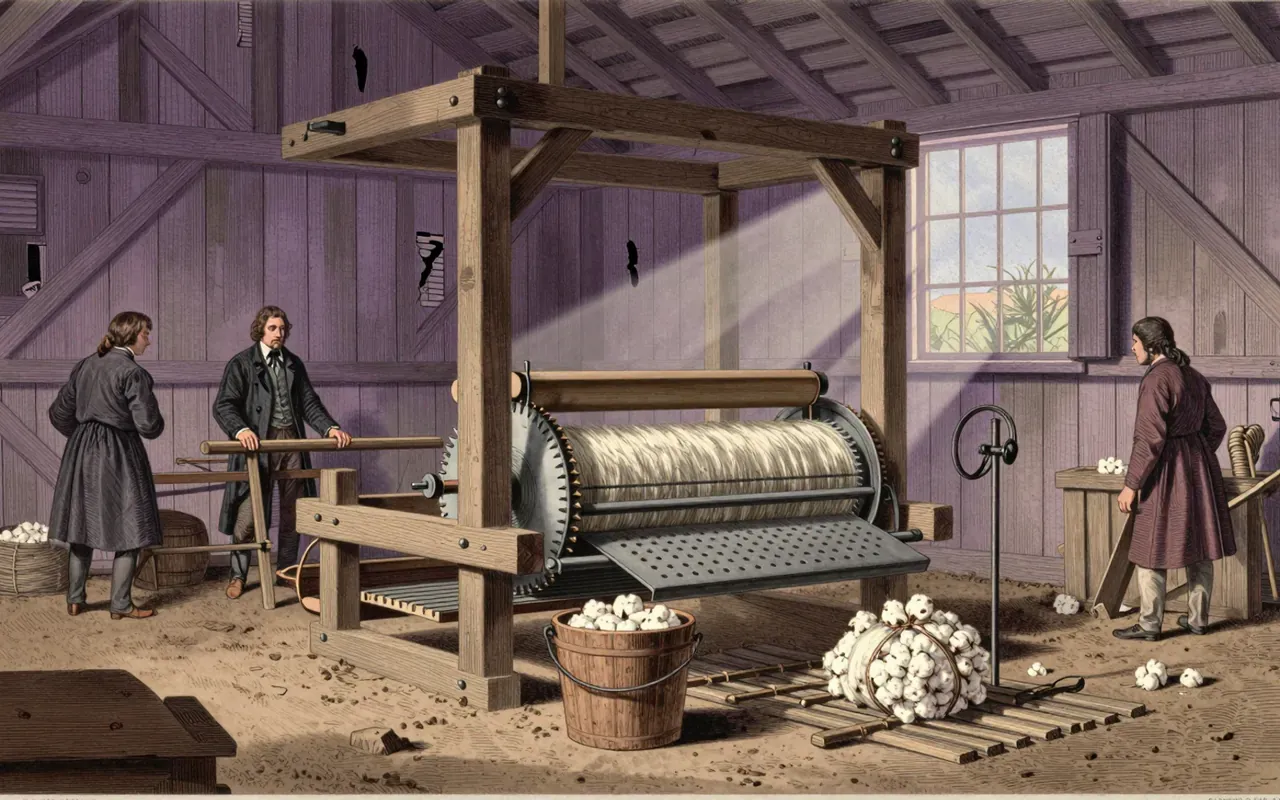
The cotton gin is a mechanical seed-removal device invented by Eli Whitney in 1793. It uses wire hooks on a rotating drum to pull cotton fibres through narrow ginning ribs, while a second rotating brush cylinder clears lint to prevent jams. It increased daily lint output from one pound (manual) to 50–55 pounds. This made cotton farming highly profitable, expanded U.S. cotton production, and catalysed a surge in exports—from under 500,000 pounds in 1793 to 93 million pounds by 1810. But it did not reduce overall labour demand. Instead, it shifted the bottleneck to field harvesting, intensifying reliance on enslaved people to pick cotton by hand. Its patent was granted in 1794 but not validated until 1807.

video still
10:53

Escalator

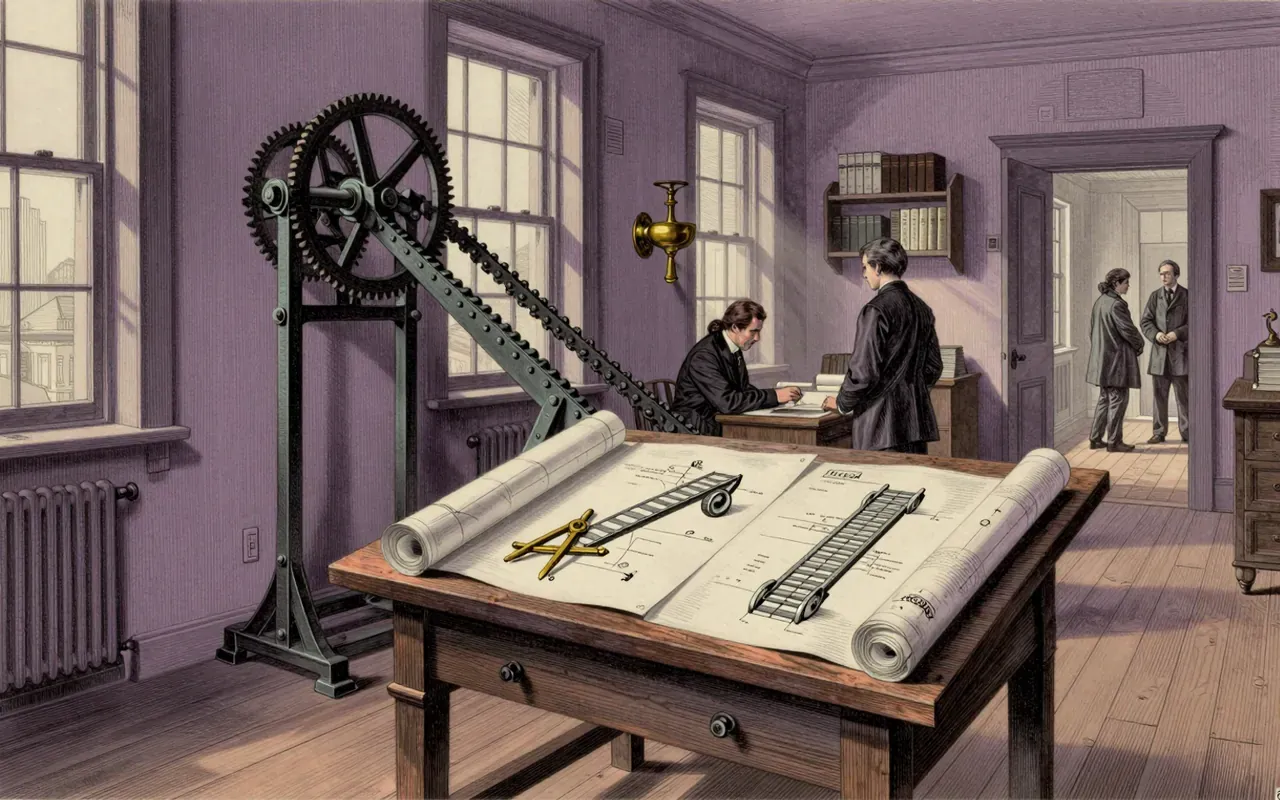
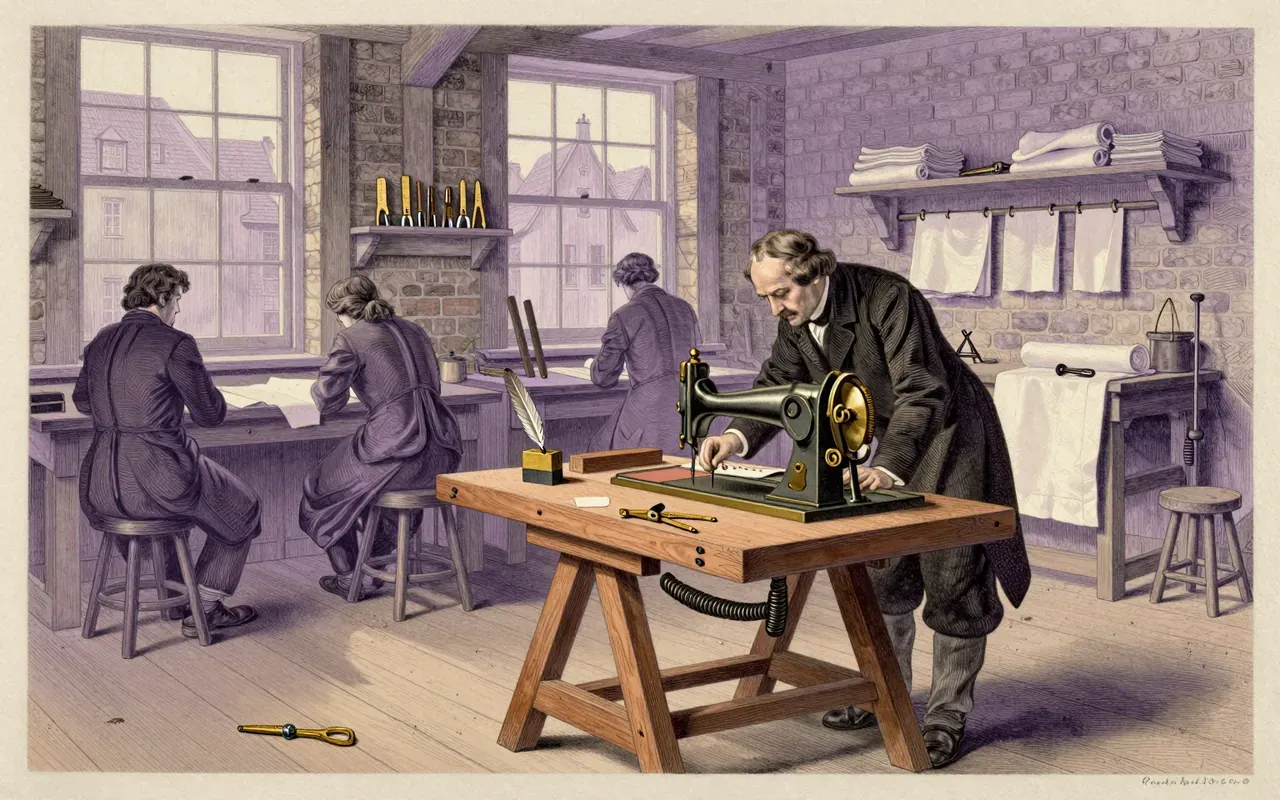
The escalator did not exist in 1891 — it was a series of failed patents, one working demo, and three years of silence before commerce.
video still
10:12

Gas-turbine engine

John Barber · 1791

John Barber’s 1791 gas-turbine patent describes a continuous-flow internal combustion engine with compressor, combustor, and turbine — the first to integrate all three in a self-contained gas-generator core. It operates on the Brayton cycle. No evidence exists that it was built or ran. It changes how we classify engines — distinguishing true gas turbines from exhaust-driven devices — but delivers no working performance, no efficiency data, and no engineering resolution of ignition, heat tolerance, or rotational balance. Its significance is taxonomic, not operational.

video still
9:46

Hydraulic press

Joseph Bramah · 1795

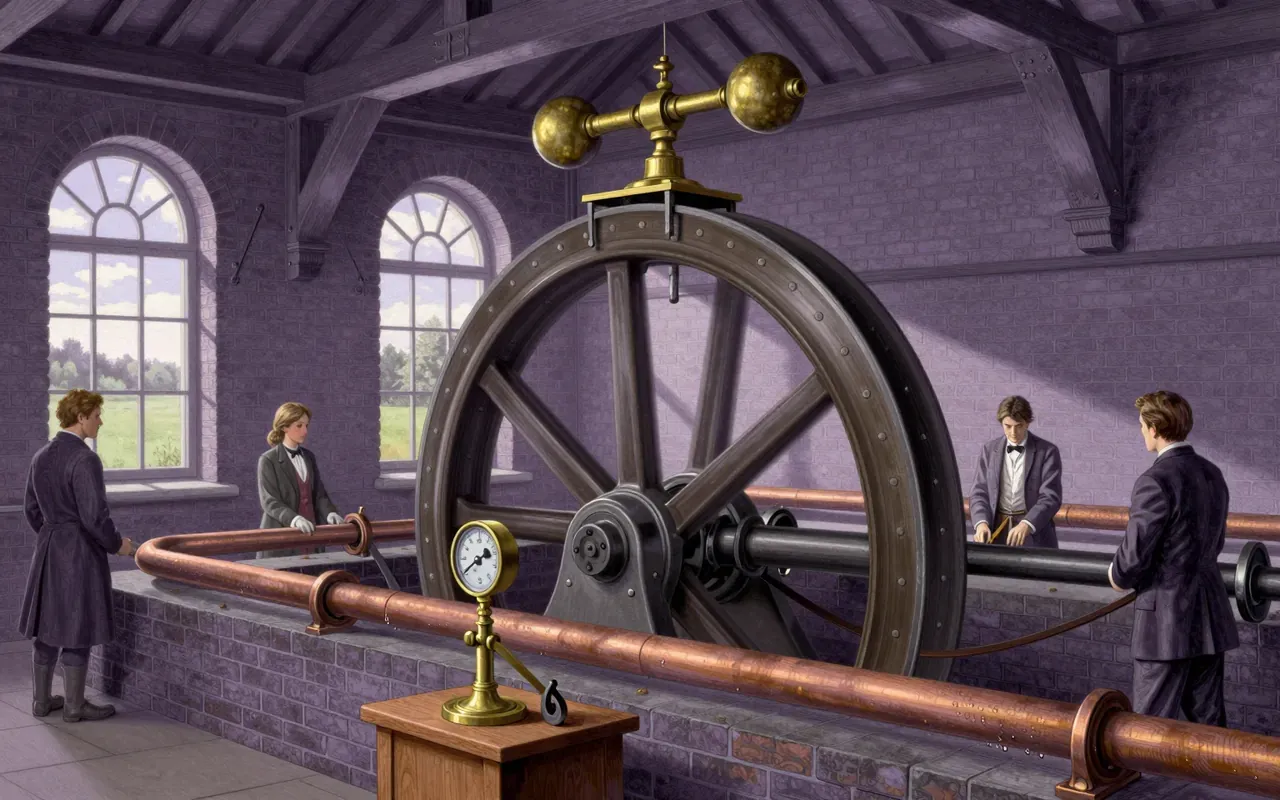
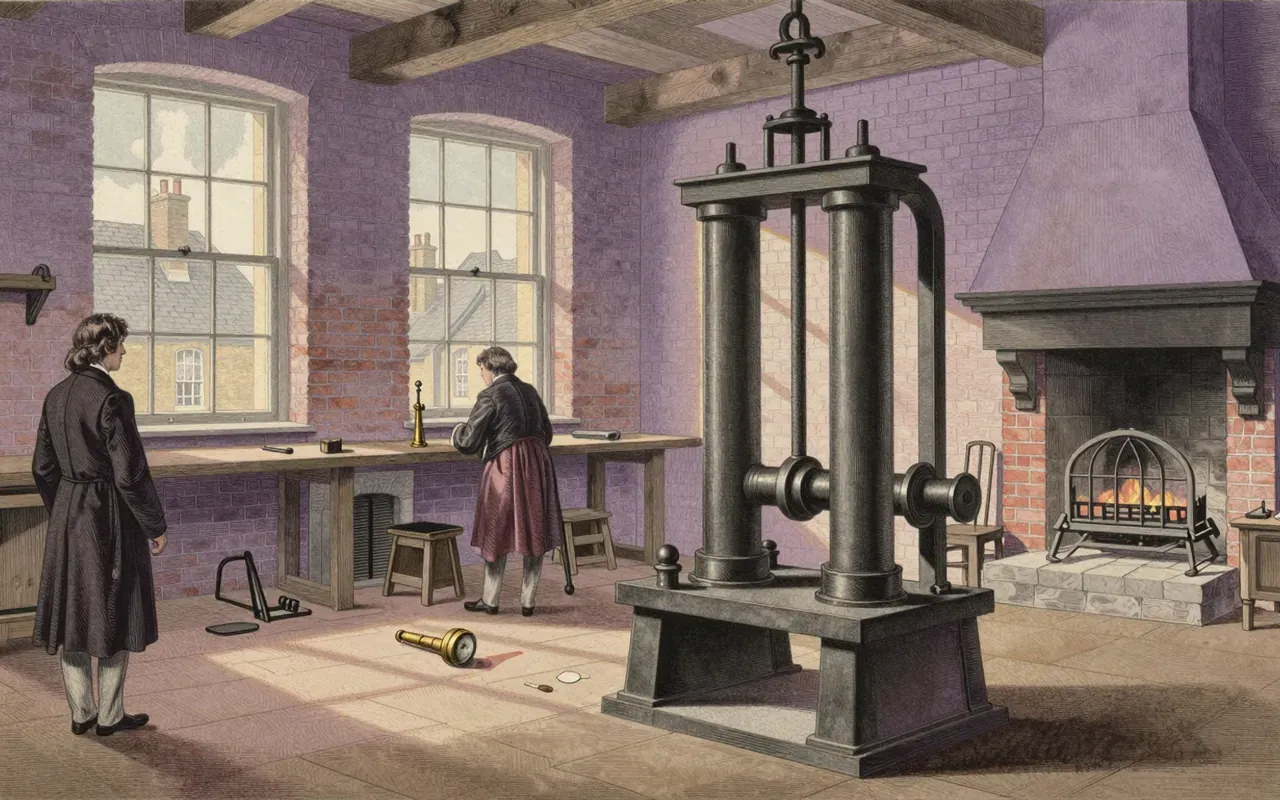
The hydraulic press is a force-amplifying apparatus built on Pascal’s principle. Bramah patented it in 1795. It works. It scales. It leaks. It endures.

video still
10:50

Linotype machine

Ottmar Mergenthaler

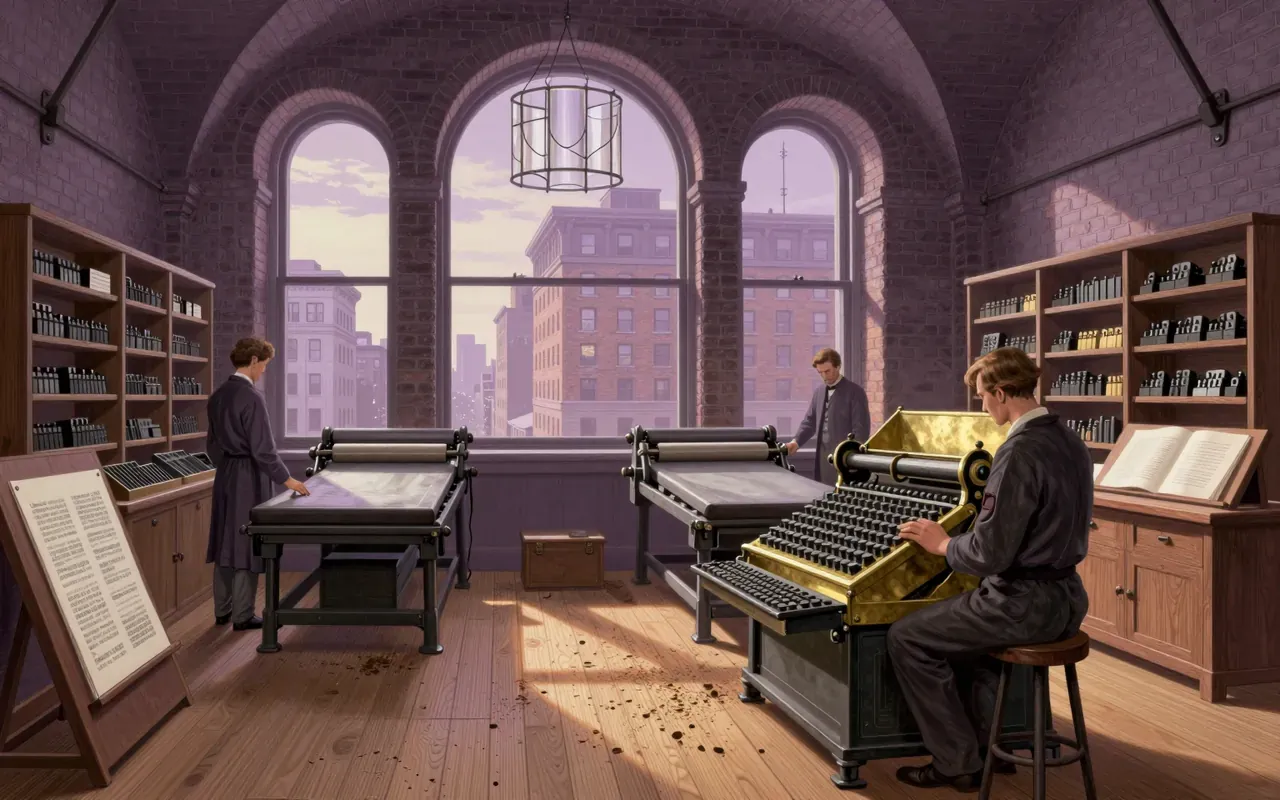
The Linotype machine is a hot metal line-casting system invented by Ottmar Mergenthaler and first commercially installed in July 1886 at the New York Tribune. It assembles matrices into lines and casts them as single slugs of type metal, returning matrices for reuse. It delivered three to five times faster composition than hand-setting and was immediately deployed on both daily newsprint and book production — beginning with The Tribune Book of Open-Air Sports. It did not eliminate metal handling, support proportional spacing, or function outside hot metal infrastructure. Its value lies in its immediate, measurable acceleration of mechanical typesetting — not in conceptual novelty or long-term inevitability.

video still
11:53

Newcomen atmospheric engine

Thomas Newcomen · 1712

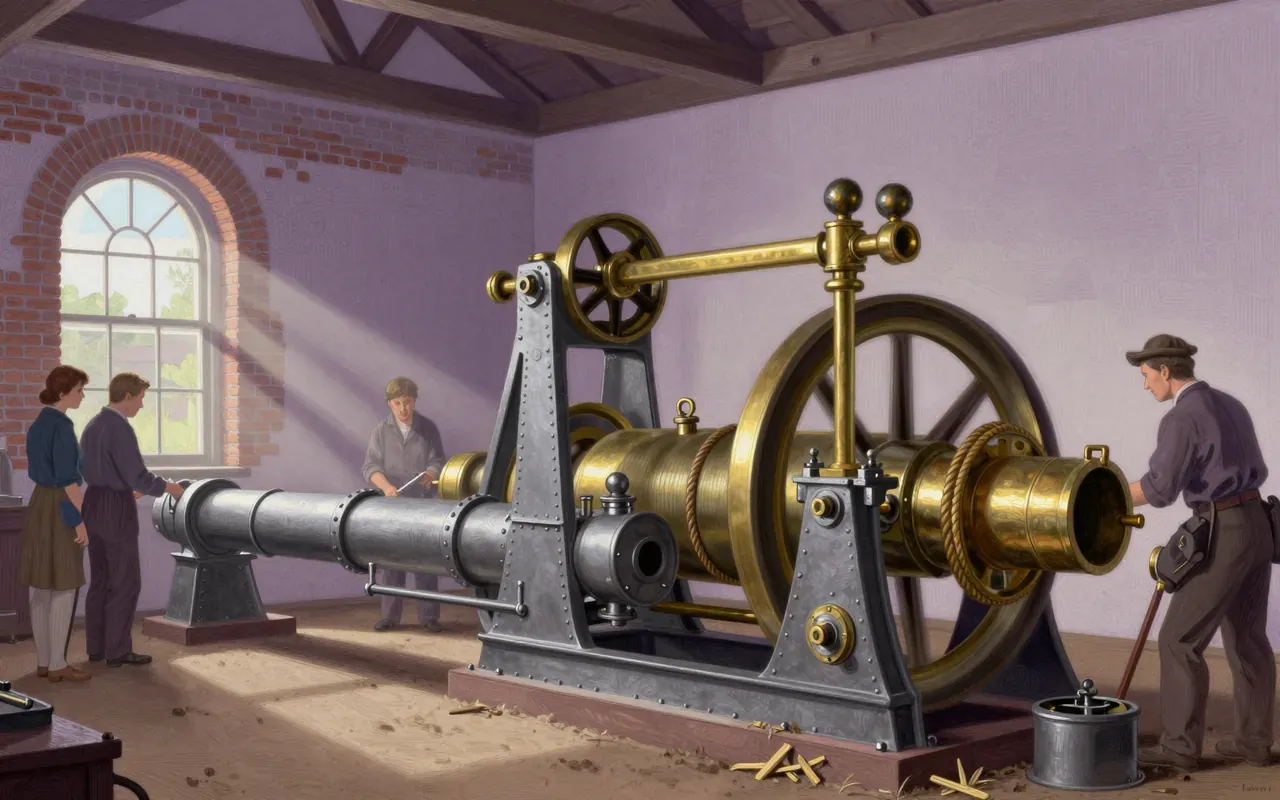
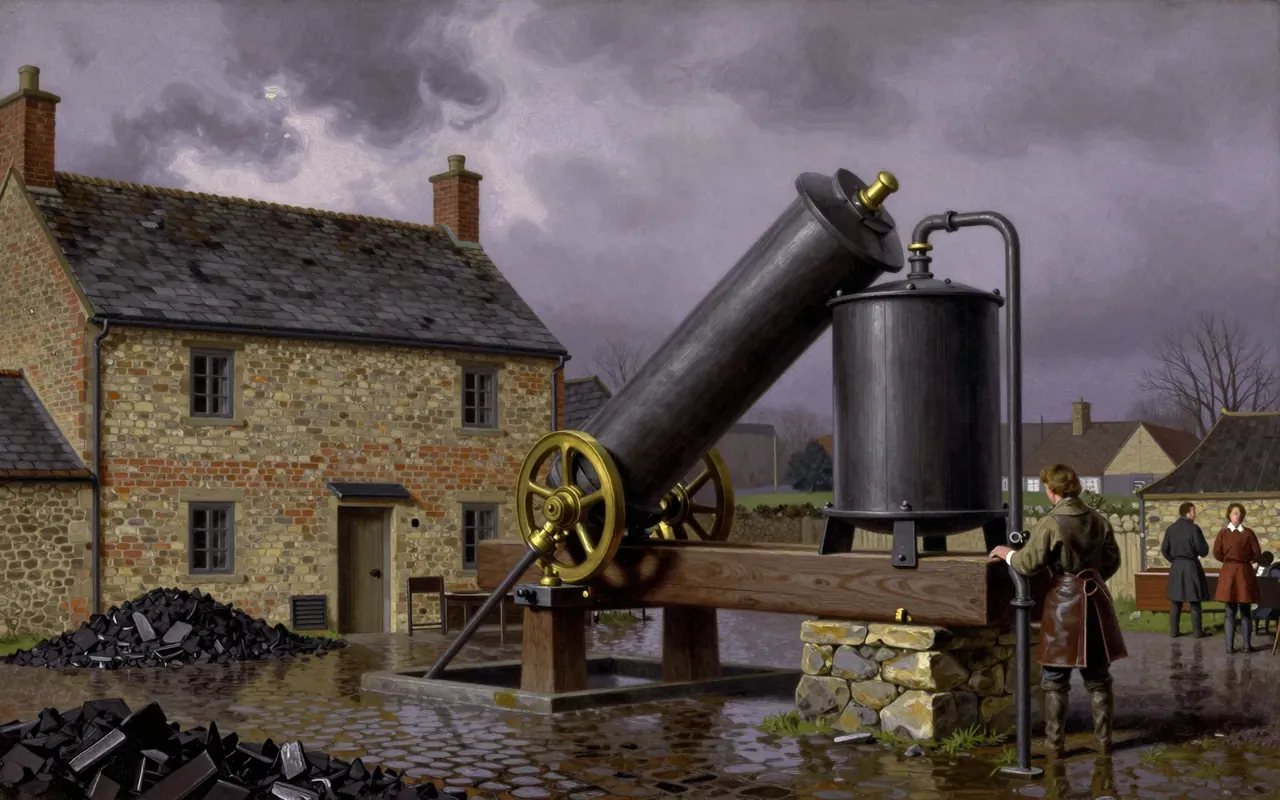
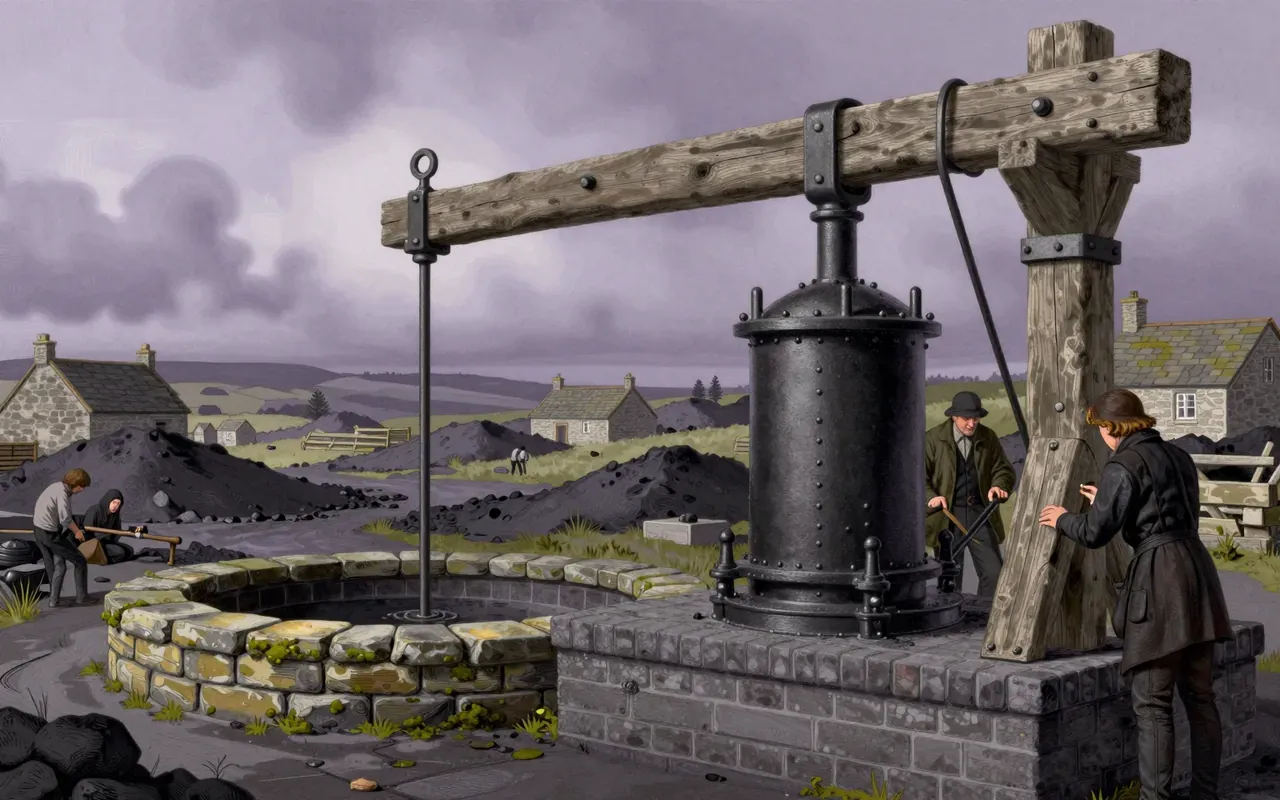
The Newcomen atmospheric engine was the first practical steam-powered device to produce mechanical work. It solved the problem of mine flooding beyond the 30-foot vacuum limit by using atmospheric pressure to drive a piston linked to a rocking beam and force pump. It worked by condensing steam in a cylinder to create a partial vacuum, allowing air pressure to push the piston down. Its motion lifted a weighted rod that operated a pump. It was inefficient due to repeated cylinder cooling, but matched the engineering limits of its time. Hundreds were built across Britain and Europe during the 18th century, with the first successful installation in 1712 at Conygree Coalworks in Tipton.

video still
9:31

Power loom

Edmund Cartwright · 1789

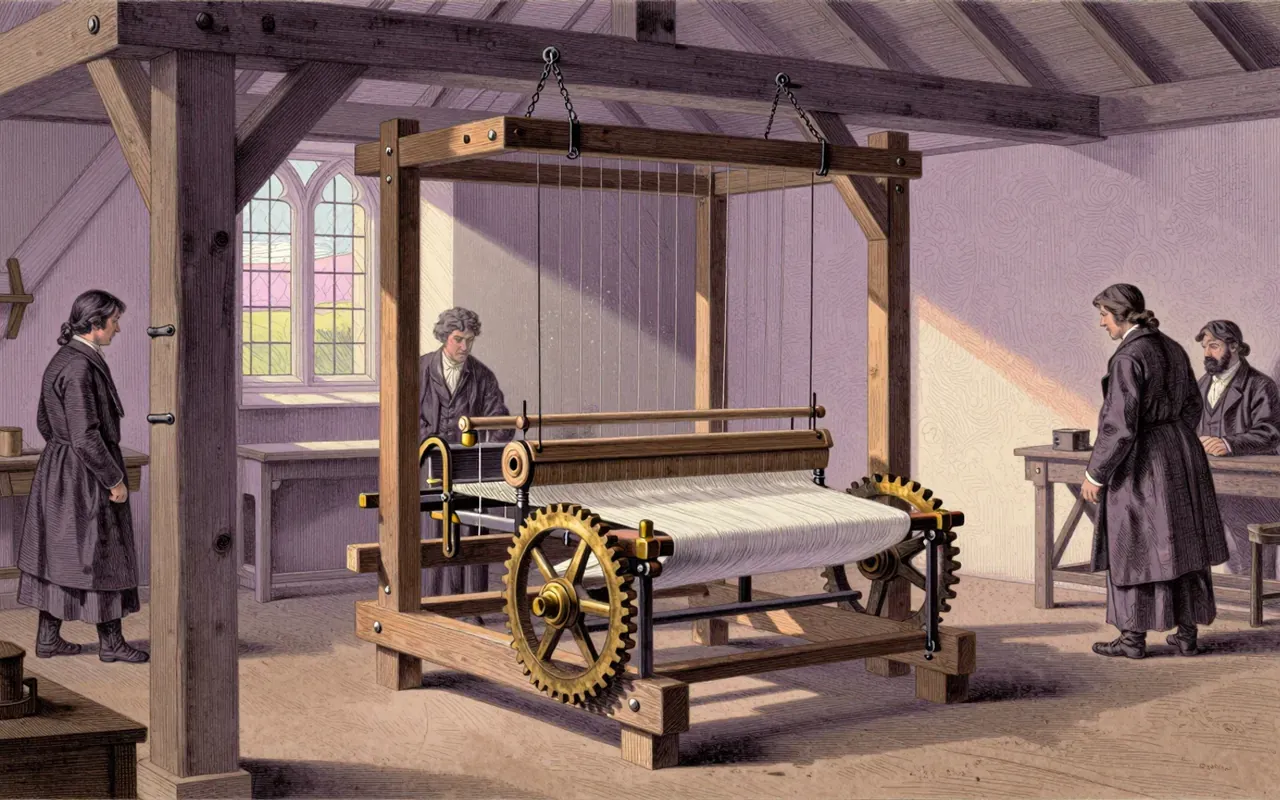
The power loom is a foundational failure: it proved automated weaving possible but could not sustain production. Its value lies in its mechanism—not its output—and its legacy is structural, not operational.

video still
9:58

Rotary printing press

Richard March Hoe

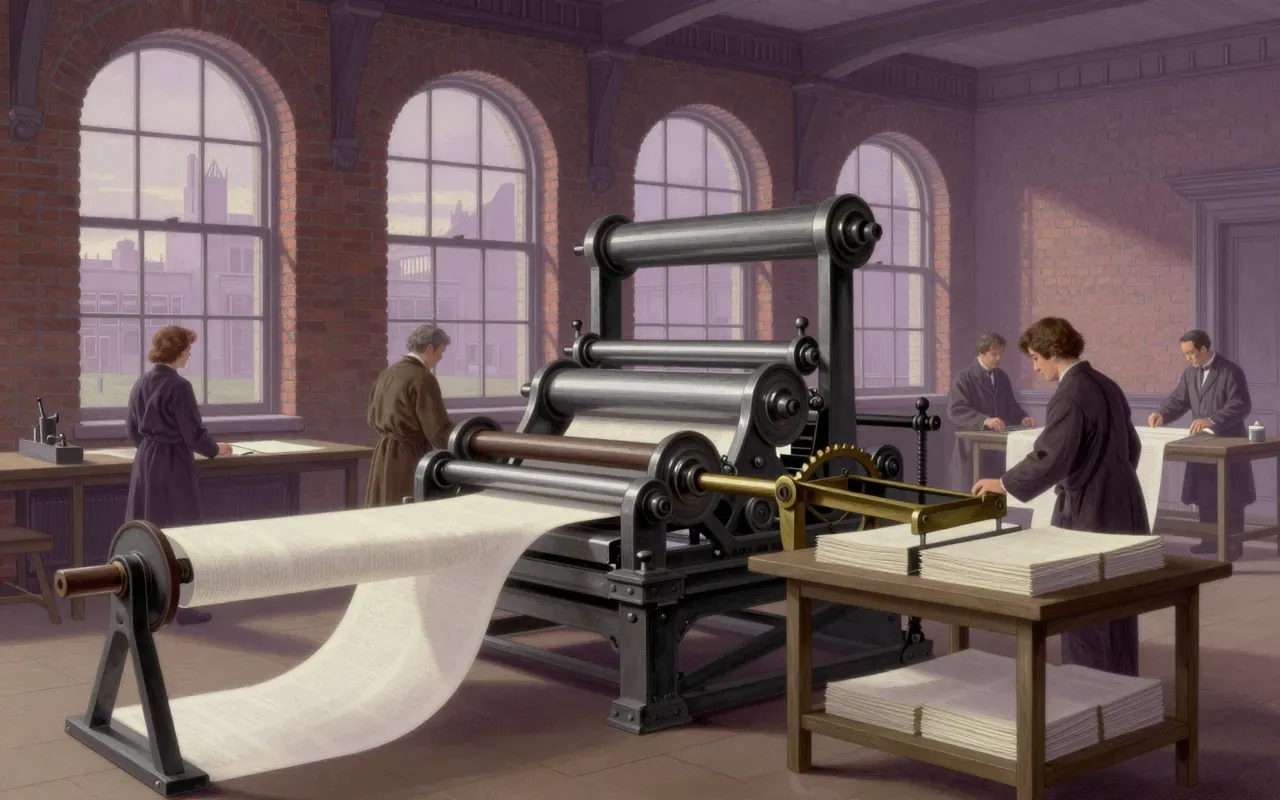
The rotary printing press solved the bottleneck of flatbed impression speed by rotating type cylinders against a fixed platform. It worked because rotation enabled stable, repeatable contact at scale. Its 1846 form was deployable; its 1870 web perfecting variant automated cutting and folding at 18,000 papers/hour. It did not eliminate manual feeding until the 1870 version. It changed publishing by making daily mass print economically viable. It matters for anyone studying how mechanical standardisation enables information scale.

video still
9:04

Safety bicycle

John Kemp Starley

The safety bicycle solved the penny-farthing’s fatal instability by lowering the rider, equalising wheel size, and moving power to the rear wheel via chain. Starley’s 1885 Rover succeeded not because it was first, but because it combined rear-chain drive, direct steering, and balanced geometry — while most contemporaries still used front drives or indirect steering. It made cycling broadly usable, but only after overcoming real mechanical and ergonomic trade-offs.

video still
11:08

Solvay process

Ernest Solvay

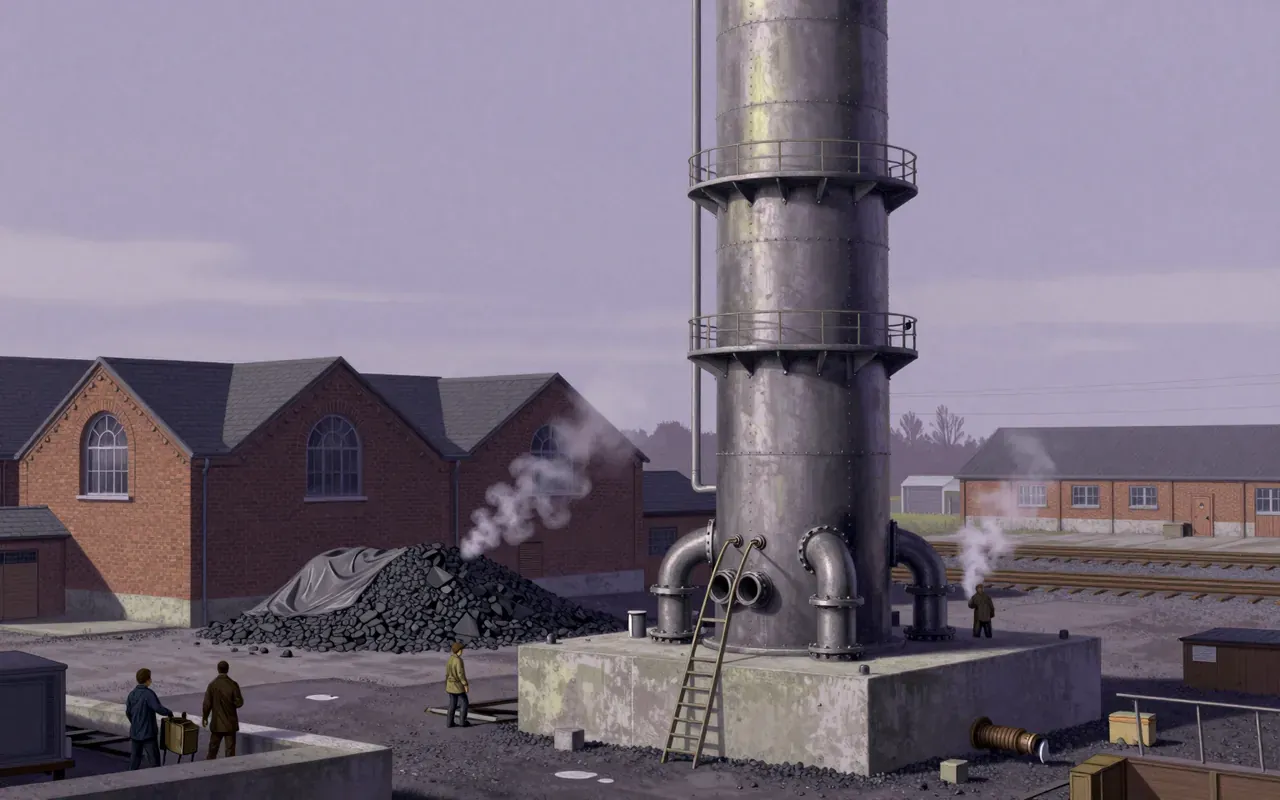
The Solvay process is the first industrially viable closed-loop chemical synthesis using a recoverable mediator. It works by exploiting ammonia’s solubility-shuttling effect to precipitate sodium bicarbonate from brine and CO₂—then thermally decomposing the solid to yield soda ash while reclaiming ammonia. It succeeded because it reduced raw material cost, eliminated major Leblanc pollutants, and scaled reliably in a purpose-built tower. It fell short in ammonia leakage, energy intensity of lime kilns, and dependence on precise brine purity. It changed bulk chemical manufacturing by proving that catalytic mediation could be engineered—not just observed. Worth your time if you design, regulate, or teach process systems.

video still
10:15

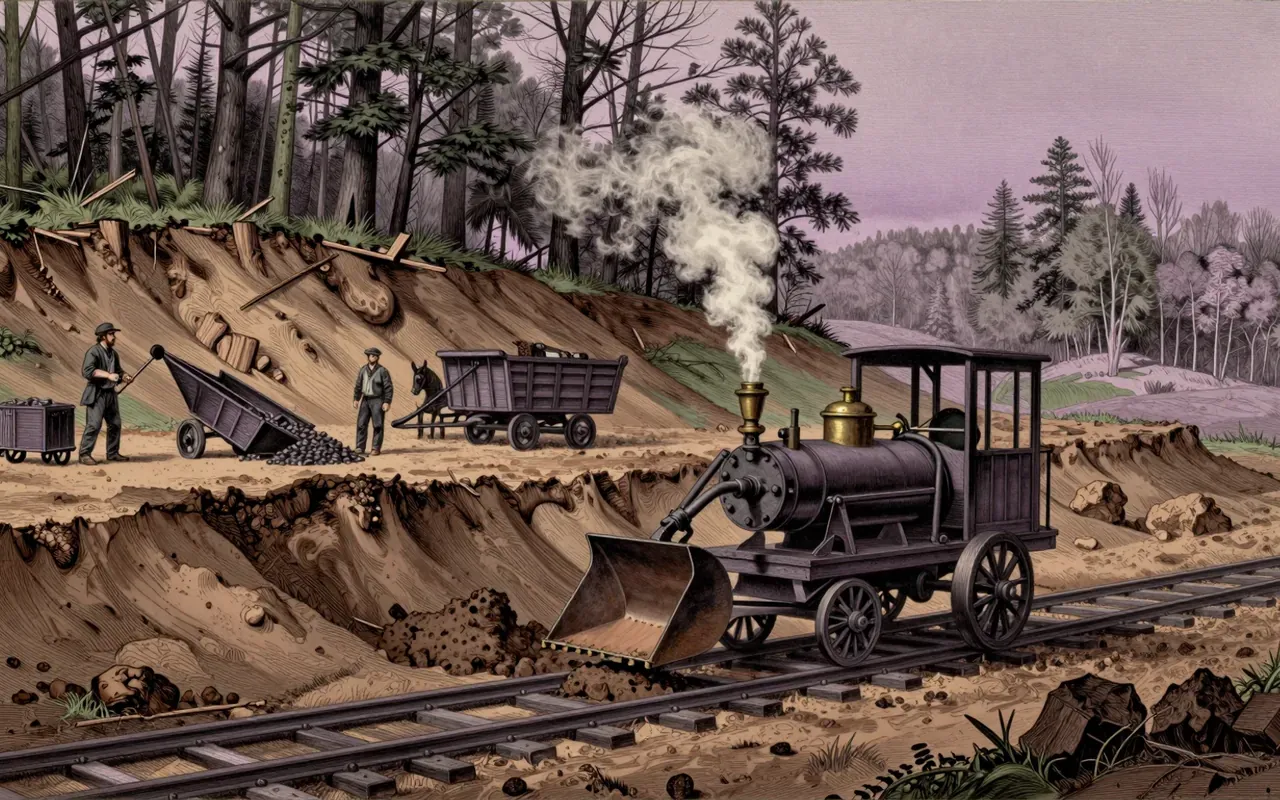
Steam shovel

William Otis · 1839

The steam shovel is a pivotal hardware innovation that mechanised excavation but remained tethered to rail logistics and partial rotation. It delivered measurable productivity gains (380 m³/day) in specific contexts — railroads, canals — yet offered no autonomy, adaptability, or terrain independence. Its legacy is infrastructural, not operational.

video still
9:06

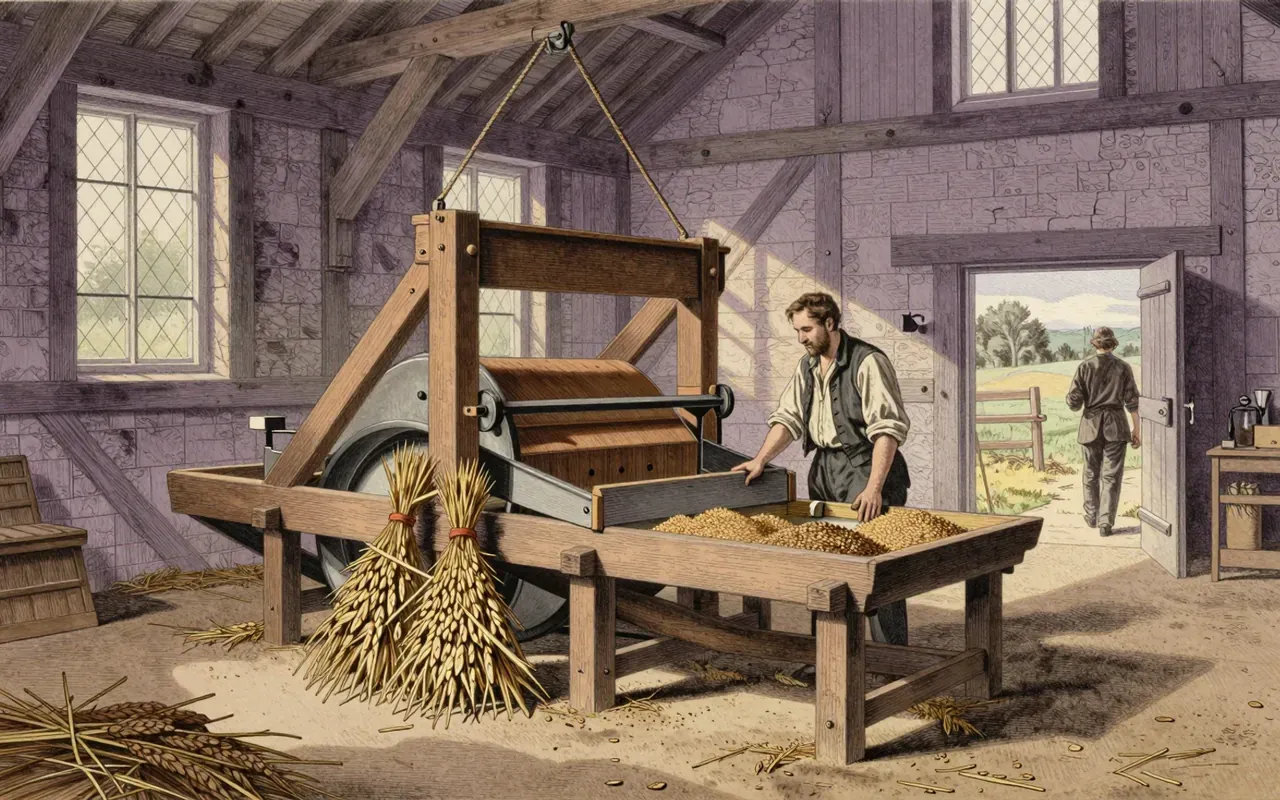
Threshing machine

Andrew Meikle · 1786

The threshing machine was the first agricultural device to mechanise grain separation—but its initial form solved only one step of a three-step process. Meikle’s 1786 invention used velocity-driven fixed beaters to dislodge grain. Early output remained mixed: straw, chaff, and grain formed a single heap. Only with added rakes, shakers, and fanners did it deliver clean, market-ready grain. It reduced labour by ~25%, lifted yield by up to 5%, and cut total processing cost below prior cleaning-only expense. It did not eliminate human oversight. It did not scale without infrastructure. It did not win immediate adoption. It established that mechanisation required integration—not just substitution.