ChromeOS
ChromeOS isn’t lightweight—it’s hollowed out.


























Fitbit is a hardware product that delivers verified, location-dependent accuracy for step counting and heart rate—but fails at wrist-based calorie estimation and caused documented allergic reactions. It changed consumer expectations for passive tracking, not clinical standards.









Grafana is open-source dashboard software that queries external data sources at render time. It unifies metrics, logs, and traces without storing data itself. Its JSON-based dashboards are versionable and composable. Since 2021, it uses AGPLv3 licensing. It originated from Graphite work at Orbitz and launched in January 2014. Its UI began as a fork of Kibana v3.

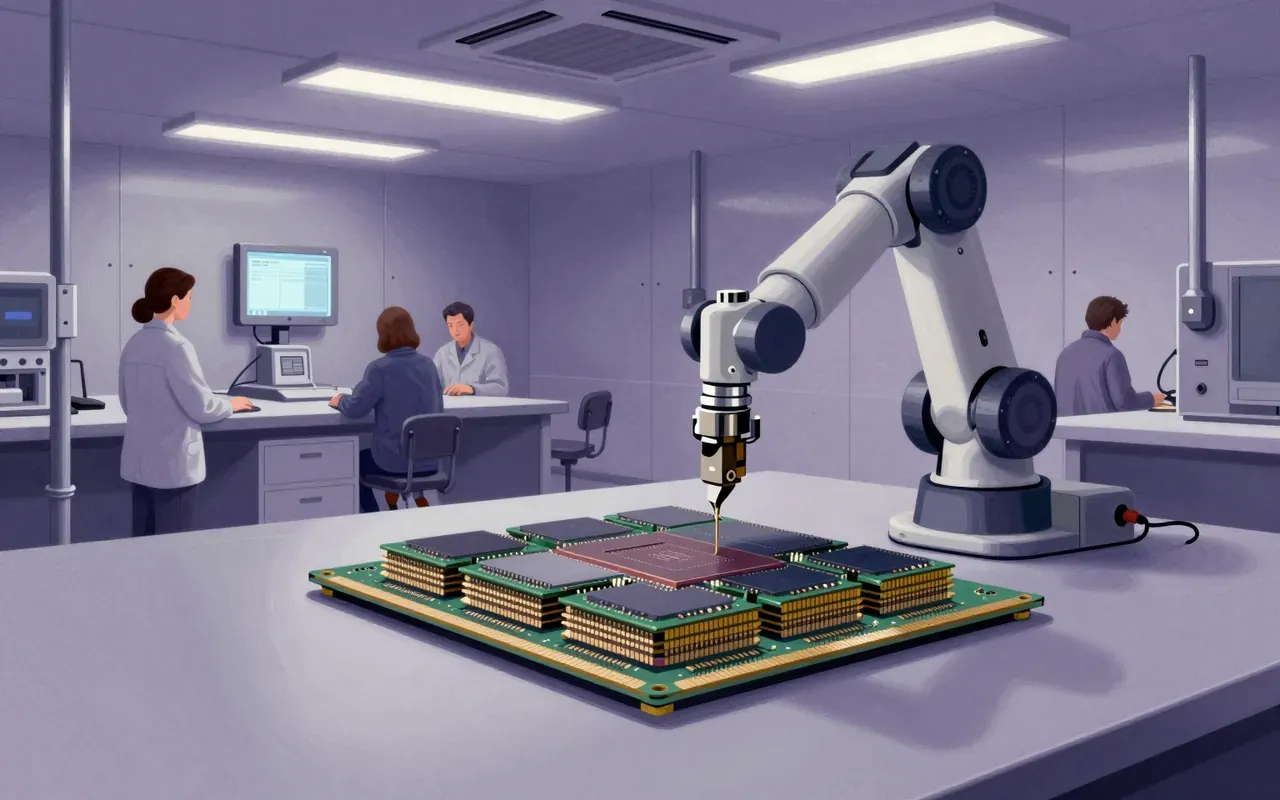




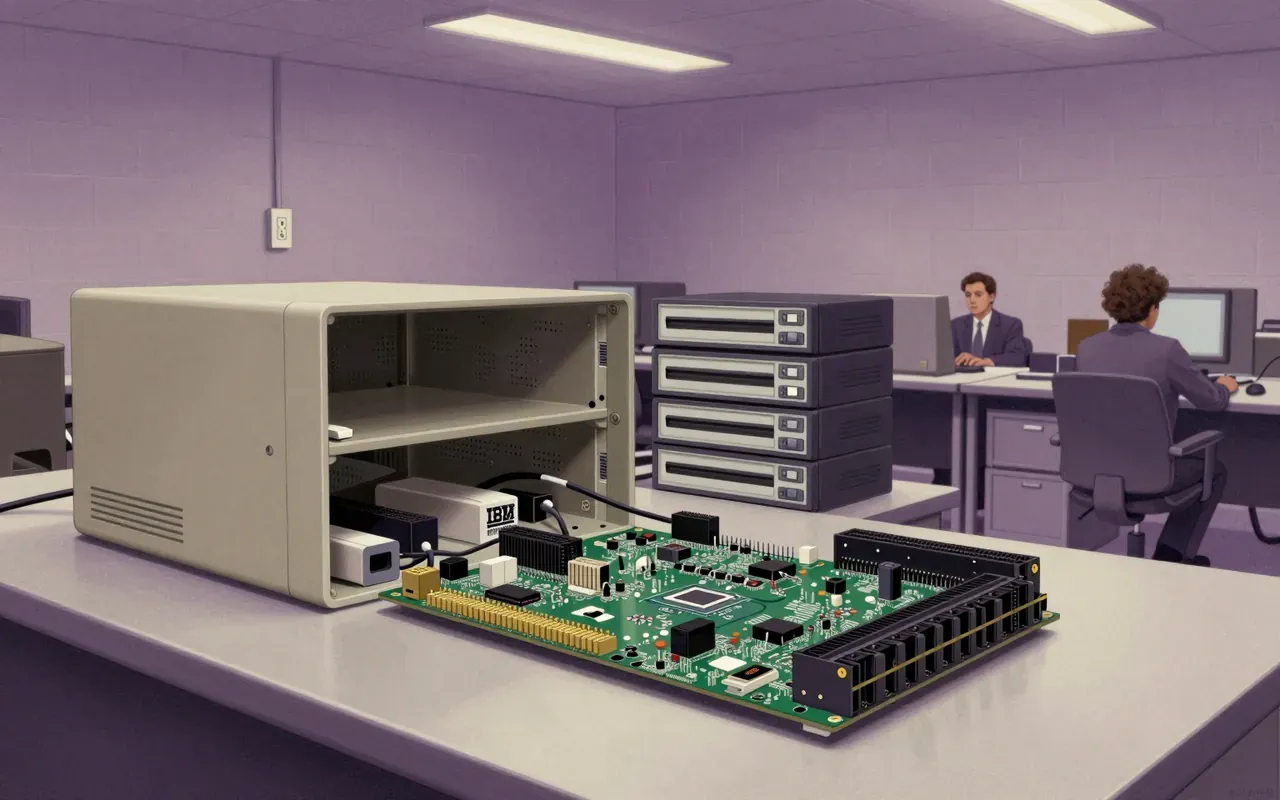

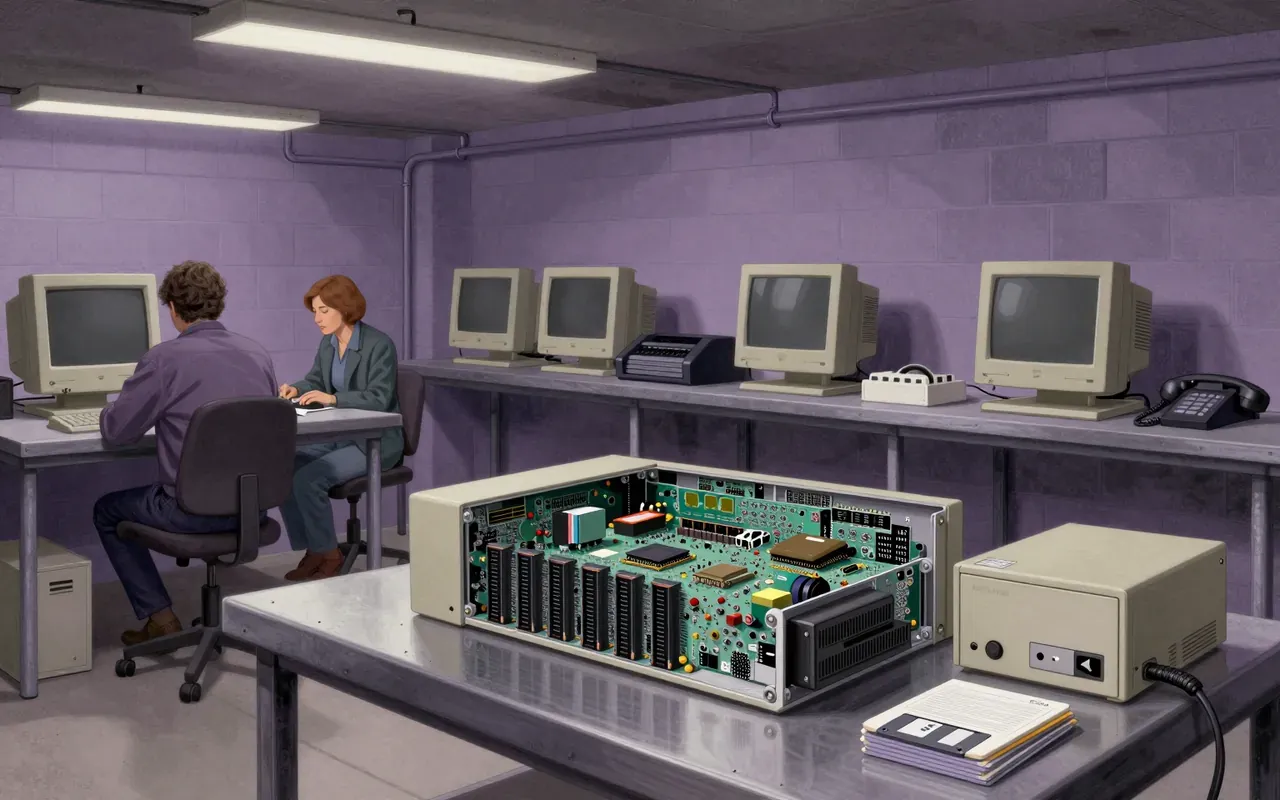











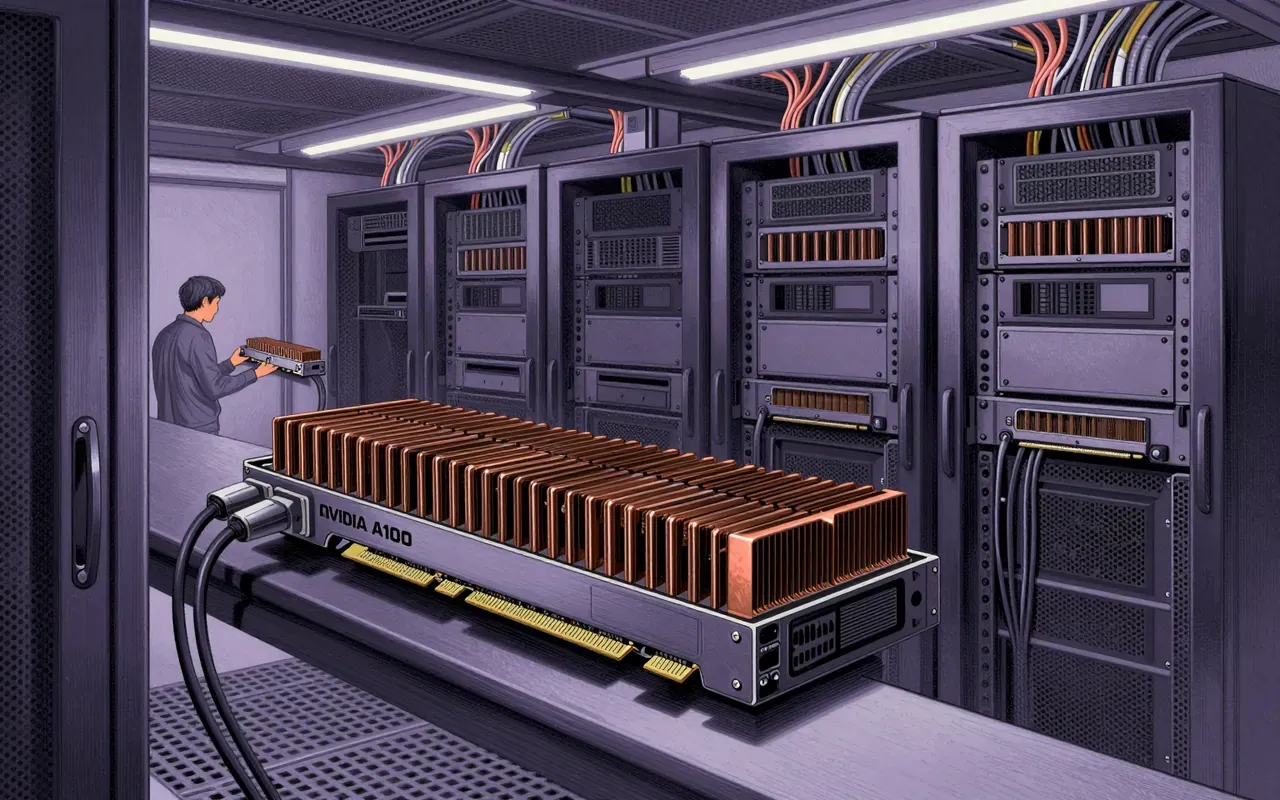




Memcached is a distributed in-memory key-value store designed to reduce load on databases in dynamic web applications. It delivers speed by bypassing disk and network I/O—but requires manual cache management, offers no consistency guarantees, and assumes trust within the network. It works because it is minimal, not because it is clever.

MongoDB is a document-oriented database program released in February 2009. It uses JSON-like BSON documents with optional schemas. It implements its own query language (MQL). It supports indexing with primary and secondary indices. It provides high availability via replica sets. It scales horizontally using sharding. It can be used as a file system called GridFS. It is source-available and designed for unstructured data. It added ACID transactions to broaden enterprise appeal. It launched Atlas, a SaaS offering, in 2016. It replaced AGPL with the Server Side Public License in 2018. As of 2025, it ranked fifth among database software and served over 65,200 customers. Atlas became 70 percent of MongoDB's revenue by 2024.



MQTT delivers what it promised in 1999: a lean, brokered telemetry protocol for expensive, low-bandwidth links. It works — but only where its constraints match your environment. Its standardisation cemented utility, not evolution.



MySQL AB’s 2001 product was a lightweight, open-source RDBMS built to replace mSQL. It solved developer pain around speed and licensing—but deferred complexity into operational trade-offs. Its success hinged on embedding itself into LAMP, not on technical superiority.

Neo4j is a graph database built for relationship-heavy workloads. It delivers expressive querying and transactional safety—but horizontal scaling, vector search, and unified standards arrived over a decade after launch. Its value is real, but bounded by what it ships—not what it promises.





The Nissan Leaf is a battery electric car produced by Nissan since 2010. It was unveiled on 1 August 2009 as the world's first mass-market electric and zero-emission vehicle. Production began on 22 October 2010 at the Oppama facility in Yokosuka, Kanagawa. The first generation used a 192-cell laminated lithium-ion battery pack co-developed with NEC, positioned under the floor between the wheels for optimized handling and space. Its motor delivered 80 kW (110 hp) and enabled ~160 km (100 miles) of range on a full charge. It was offered exclusively as a 5-door hatchback until 2025, when it became a crossover SUV model. By December 2020, cumulative global deliveries reached 500,000 units.