Dial-up Internet access
Dial-up didn’t democratise the Internet — it bottlenecked it on the phone company’s terms.

RSA is the first publicly described, usable public-key cryptosystem. It works by exploiting the asymmetry between modular exponentiation and root extraction modulo a composite number whose factorisation is secret. Its security depends on factoring difficulty—but that dependence is not proven equivalent. No published attack breaks it with large keys. It changed cryptography by enabling open protocols, trustless key exchange, and standardised role names like Alice and Bob.

ASIMO was Honda’s eleventh humanoid robot, built to test bipedal navigation in human environments. It worked — but only in narrow conditions. It climbed stairs autonomously, yet fell twice. It recognised faces and gestures, but only pre-trained ones. It ran one hour on lithium-ion power, but never left the lab. Retired in 2022, it changed robotics research, not robotics use.

Gauss’s 1833 magnetometer established absolute measurement of Earth’s magnetic field strength using oscillation frequency differences — a tenfold precision gain over predecessors. It was the first instrument to derive a non-mechanical quantity from mechanical fundamentals. It did not measure direction or local variation; it required stable conditions and assumed ideal magnetic and torsional behaviour. Its legacy is metrological, not operational.






The Nokia Lumia 920 is a hardware statement—not a platform victory. It shipped in November 2012 with three industry-first features: optical image stabilization, Qi inductive charging, and a sub-9 ms display response time. Its 8.7-megapixel BSI sensor and f/2.0 Carl Zeiss Tessar lens delivered tangible low-light gains. But its sealed 2000 mAh battery limited serviceability. Its Windows Phone 8 OS remained constrained by app scarcity and developer neglect. The device generated press optimism and internal hope at Nokia—but did not reverse the platform’s trajectory. It matters today as a case study in where hardware differentiation can—and cannot—compensate for ecosystem weakness.


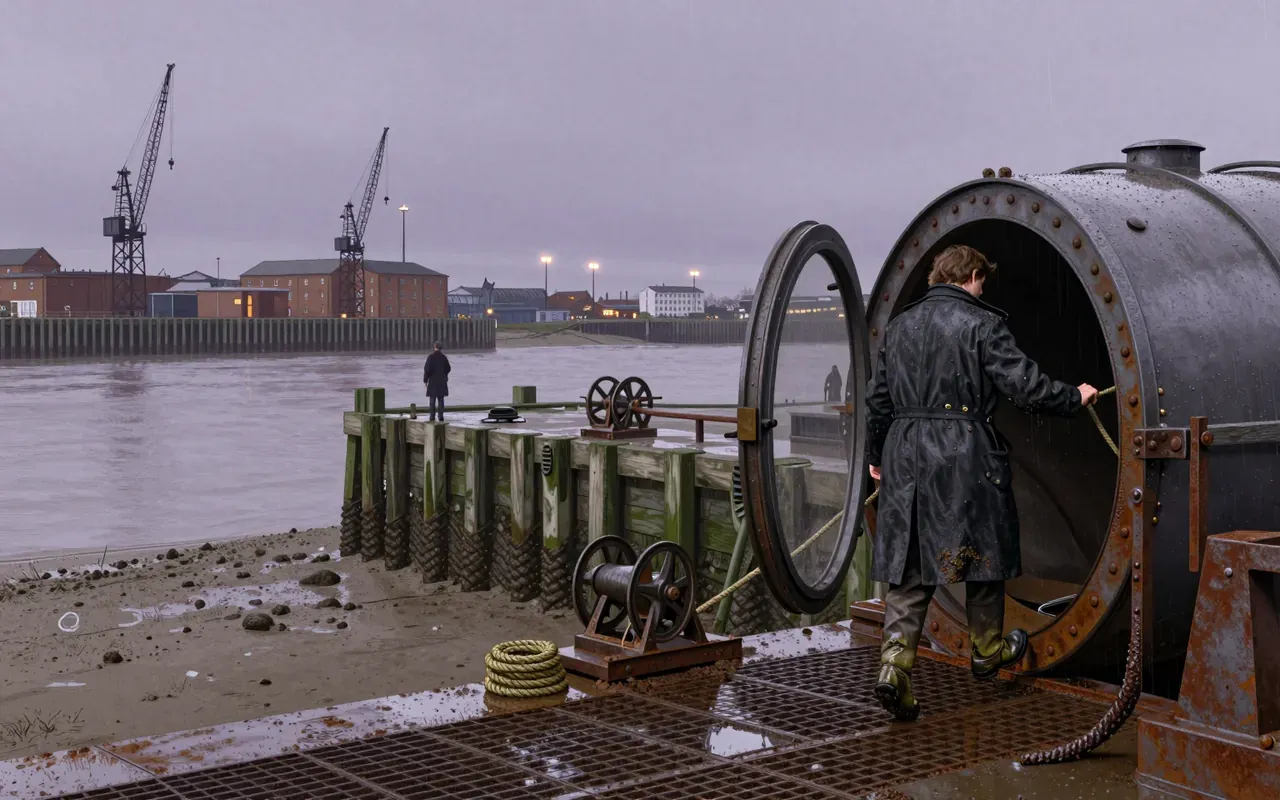
Greathead’s shield was not a tunnel boring machine in the modern sense — it did not rotate cutters or automate excavation. It was a pressurised, jacked, lined, and grouted soft-ground tunnelling system. It succeeded where earlier shields failed because it managed water, pressure, and ground movement as an integrated mechanism — not a collection of parts.

The DU spectrophotometer was not a leap in physics — it was a consolidation of optics, electronics, and procedure into one certified, usable tool. It replaced artisanal interpretation with repeatable numbers. Its value lies in enforced standardisation, not novelty.
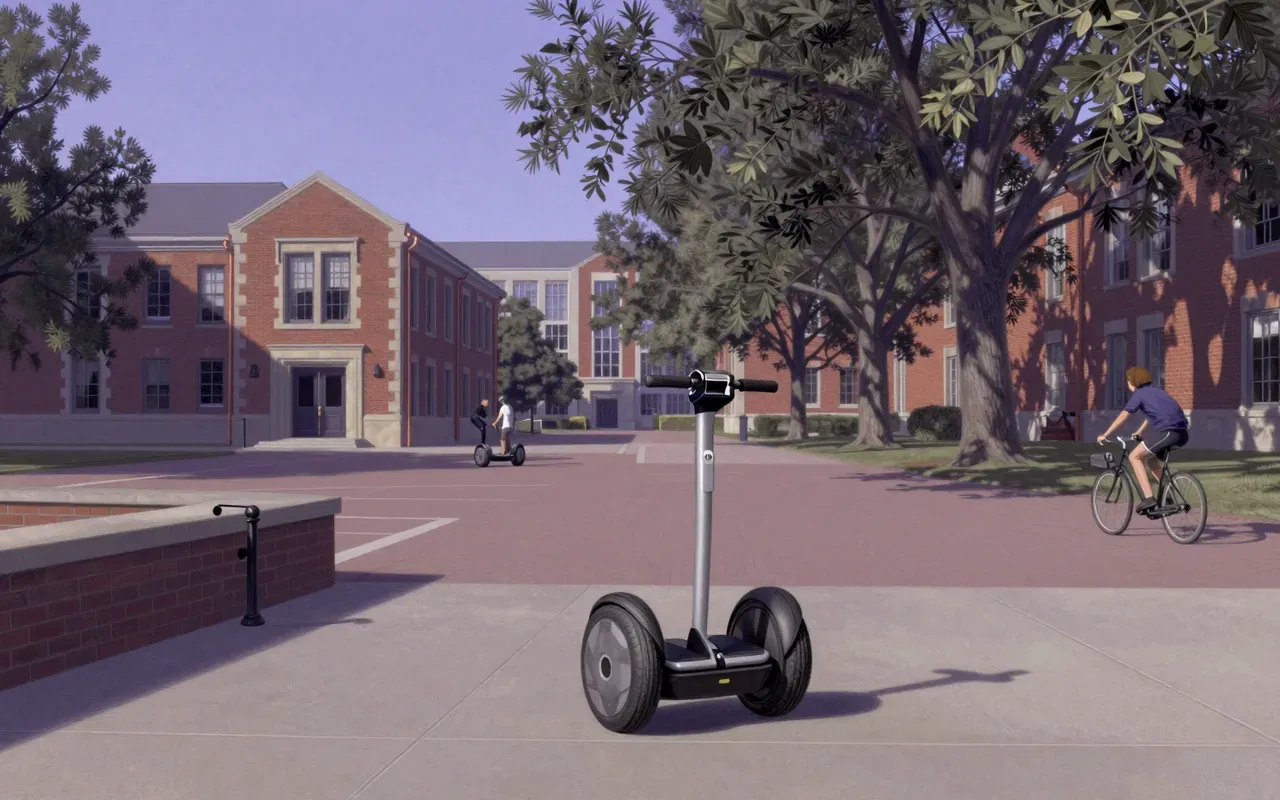
The Segway PT is a mechanically elegant, narrowly useful device born from medical robotics. It solved balance precisely, but failed to solve adoption. Its legacy is not in streets, but in patents, pivots, and the cautionary weight of overpromising hardware.

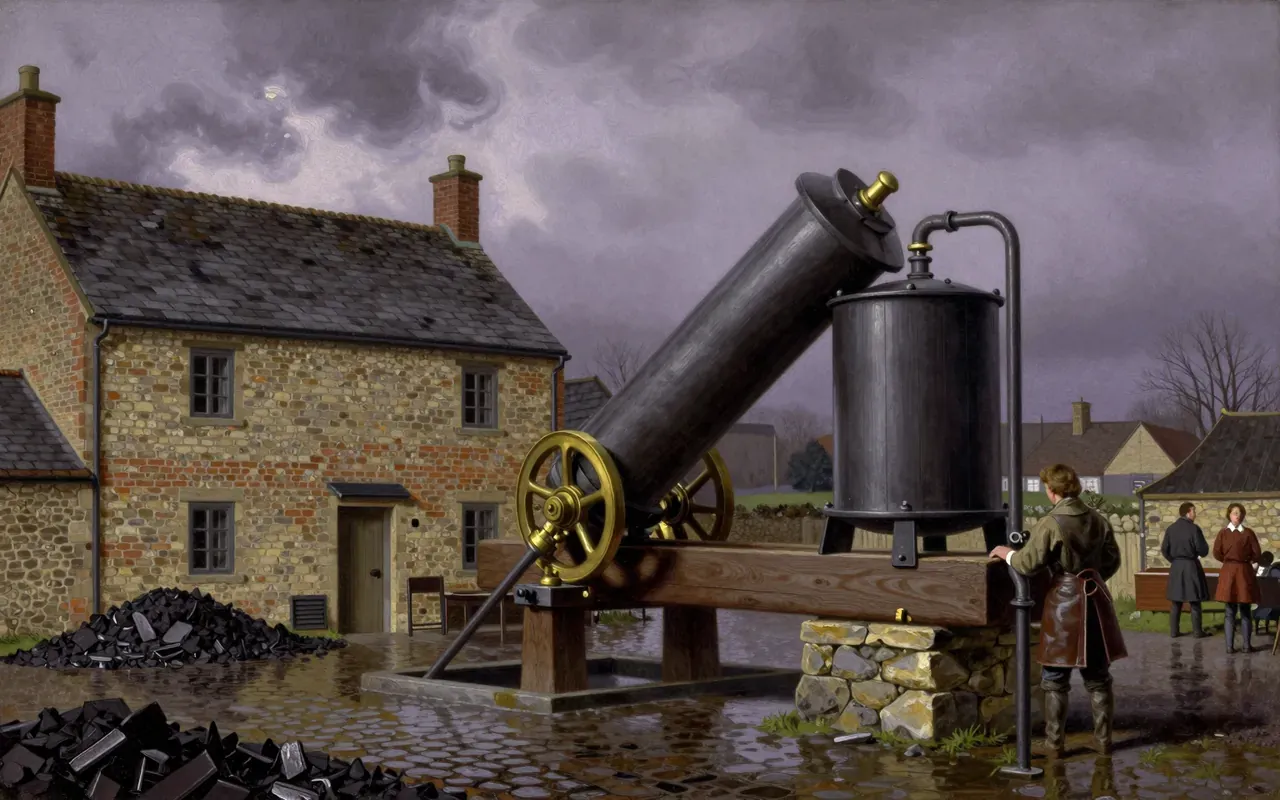
The Newcomen atmospheric engine was the first practical steam-powered device to produce mechanical work. It solved the problem of mine flooding beyond the 30-foot vacuum limit by using atmospheric pressure to drive a piston linked to a rocking beam and force pump. It worked by condensing steam in a cylinder to create a partial vacuum, allowing air pressure to push the piston down. Its motion lifted a weighted rod that operated a pump. It was inefficient due to repeated cylinder cooling, but matched the engineering limits of its time. Hundreds were built across Britain and Europe during the 18th century, with the first successful installation in 1712 at Conygree Coalworks in Tipton.

FM broadcasting is a noise-resilient analog transmission method that trades bandwidth for fidelity and static immunity. Armstrong engineered it deliberately—not as an evolution of AM, but as its functional alternative. Its mechanism works. Its early promise did not. Its regulatory impact did.


The Macintosh 128K delivers a complete graphical interface in a sealed, unexpandable box. It works by tightly integrating hardware and firmware — not by scaling up, but by locking down. Its success comes from constraint, not capability.


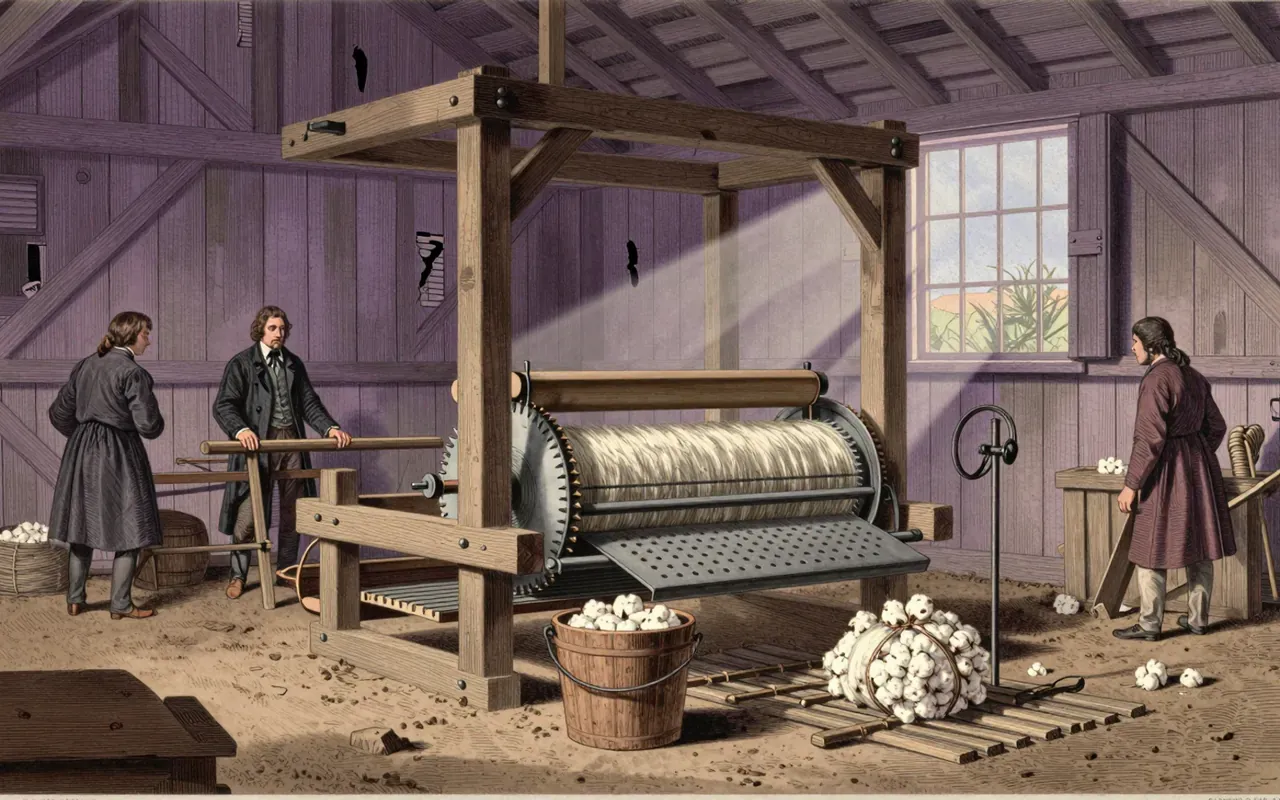
The cotton gin is a mechanical seed-removal device invented by Eli Whitney in 1793. It uses wire hooks on a rotating drum to pull cotton fibres through narrow ginning ribs, while a second rotating brush cylinder clears lint to prevent jams. It increased daily lint output from one pound (manual) to 50–55 pounds. This made cotton farming highly profitable, expanded U.S. cotton production, and catalysed a surge in exports—from under 500,000 pounds in 1793 to 93 million pounds by 1810. But it did not reduce overall labour demand. Instead, it shifted the bottleneck to field harvesting, intensifying reliance on enslaved people to pick cotton by hand. Its patent was granted in 1794 but not validated until 1807.
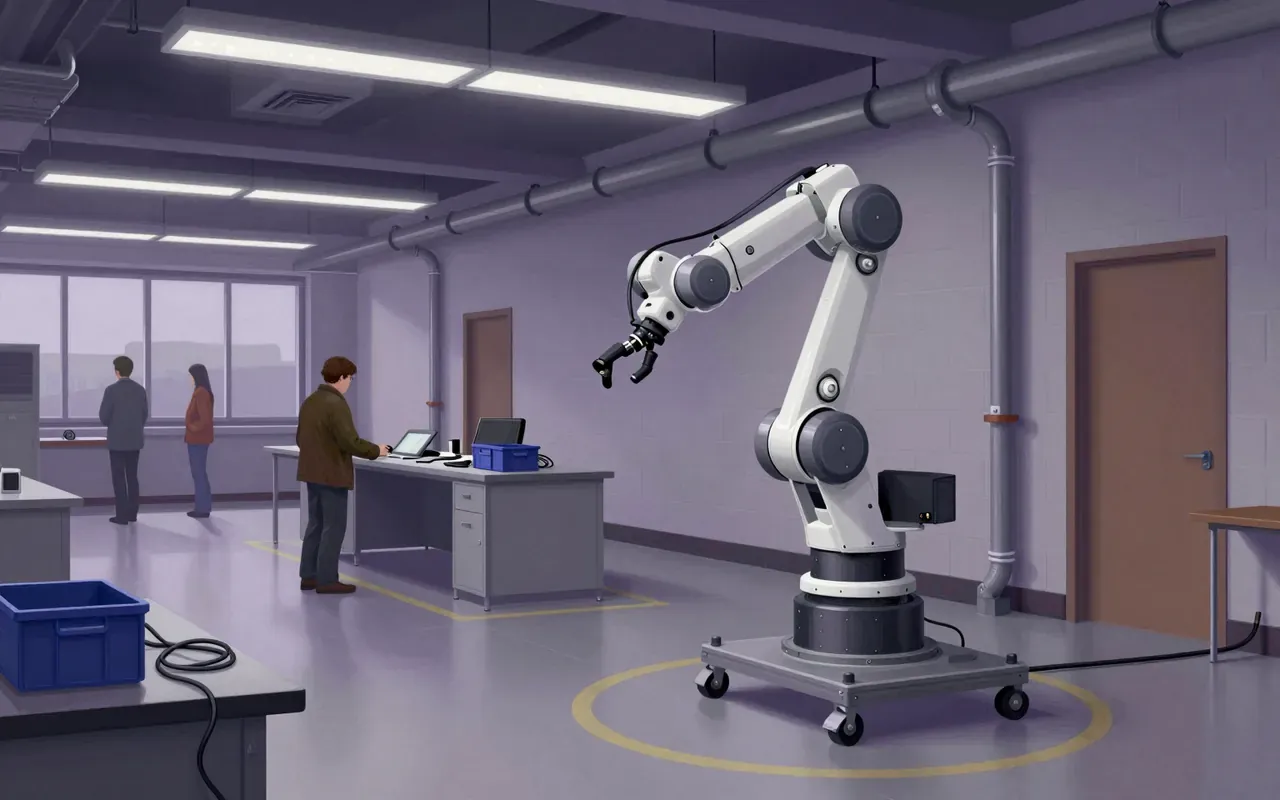
Rethink Robotics launched Baxter in 2012 as a collaborative industrial robot designed to work safely beside humans — using physical stoppage and manual override, not AI. It released Sawyer in 2015 for finer tasks, then went global with cobots in 2016. It ceased operations in October 2018. Its assets were sold. Its later relaunch attempts failed within a year. Its safety mechanisms worked. Its business model did not.

NCSA Mosaic (1993) was the first browser to display images inline with text, submit forms, and explore collaborative annotation. Developed at NCSA by Marc Andreessen and Eric Bina, it launched in January 1993 as alpha/beta 0.5, reached version 1.0 in April, and shipped to Windows, Mac, and Amiga by October. Its blue/purple link convention and cross-platform ports catalysed explosive growth—from 50 to 10,000 websites and from 1% to 25% of internet users within a year. Collaborative annotation remained unshipped. It established the visual and functional grammar of the web—but offered no security model, no dynamic updating, and no scripting.

The jet engine solved thrust scaling for high-speed flight, but Whittle’s and von Ohain’s first implementations were experimental dead ends — low-efficiency, non-production designs that proved the principle but not the path.

Capacitive sensing is not an invention by E.A. Johnson. He is a Canadian ecologist whose work concerns climate change, fire management, and geoscience-ecology interfaces. Capacitive sensing is an engineering method with no documented link to him. The technology relies on measurable electric field disruption—not intuition, ecology, or field observation.
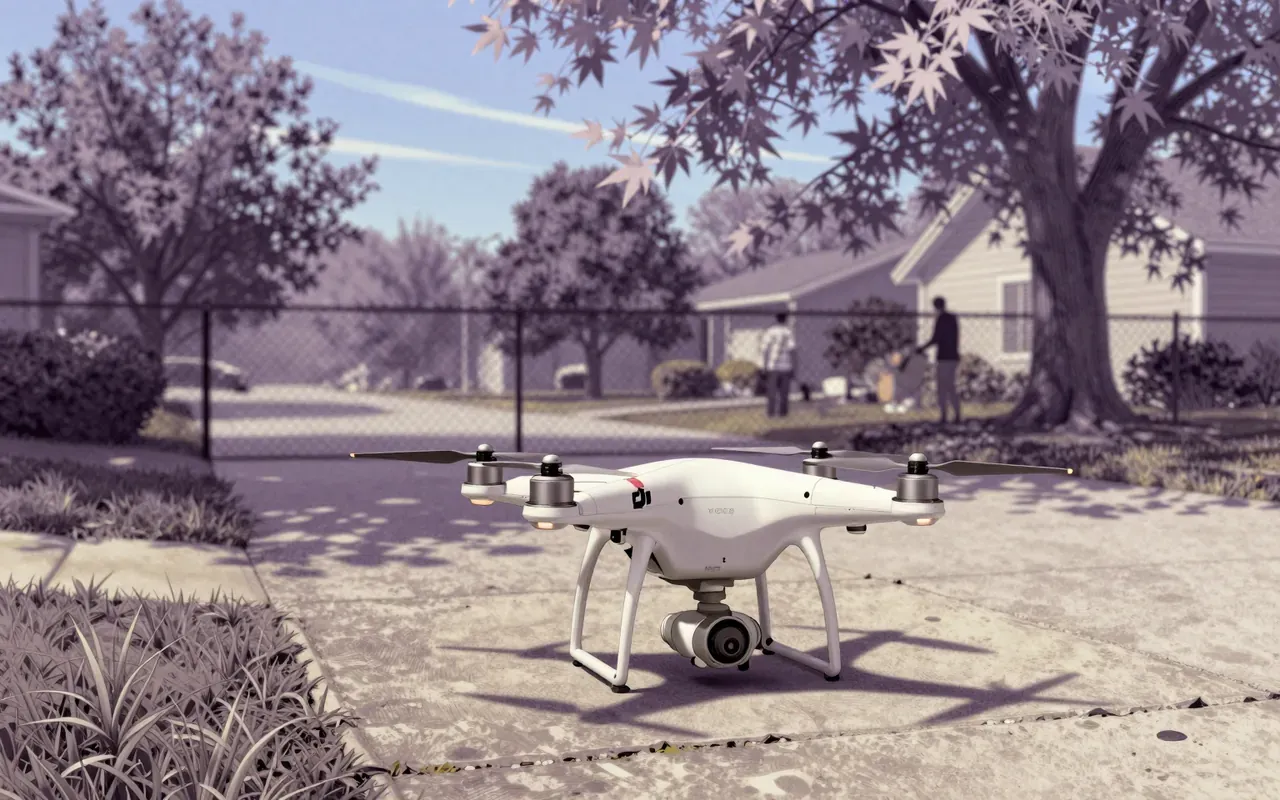
The DJI Phantom series launched in 2013 as an entry-level, GPS-stabilised quadcopter. It pioneered the consumer aerial photography drone form factor. It was DJI’s first fully assembled drone. It was priced at $629. It achieved 15 minutes of flight time. It supported optional GoPro mounting. It used a GPS-enabled NAZA-M autopilot. The Phantom 2 Vision introduced the first built-in camera in the series. The line was discontinued after the Phantom 4.

Safari is Apple’s proprietary web browser, introduced in January 2003 as part of Mac OS X Jaguar and made default with Mac OS X Panther later that year. It is deeply integrated into Apple's ecosystem—shipping with macOS, iOS, iPadOS, and visionOS—and relies on the WebKit rendering engine, an open-source fork of KHTML. Its initial development prioritized speed and innovation, with Apple claiming it was the fastest Mac browser at launch. The browser’s architecture evolved through successive versions, introducing features like Acid2 compliance (Safari 2), HTML5 and Acid3 support (Safari 4), reader mode and extensions (Safari 5), Intelligent Tracking Prevention (Safari 11), FIDO2 and Apple Pay support (Safari 13), and AI-powered Highlights (Safari 18). It has undergone major UI redesigns in Safari 15, 18, and 26, and now follows a calendar-year versioning scheme. While a Windows version existed between 2007 and 2012, it was discontinued due to low market share. Safari remains second globally in usage after Chrome, and its privacy and security features—including cross-site tracking prevention, Link Tracking Protection, and passkey support—are central to its modern identity.
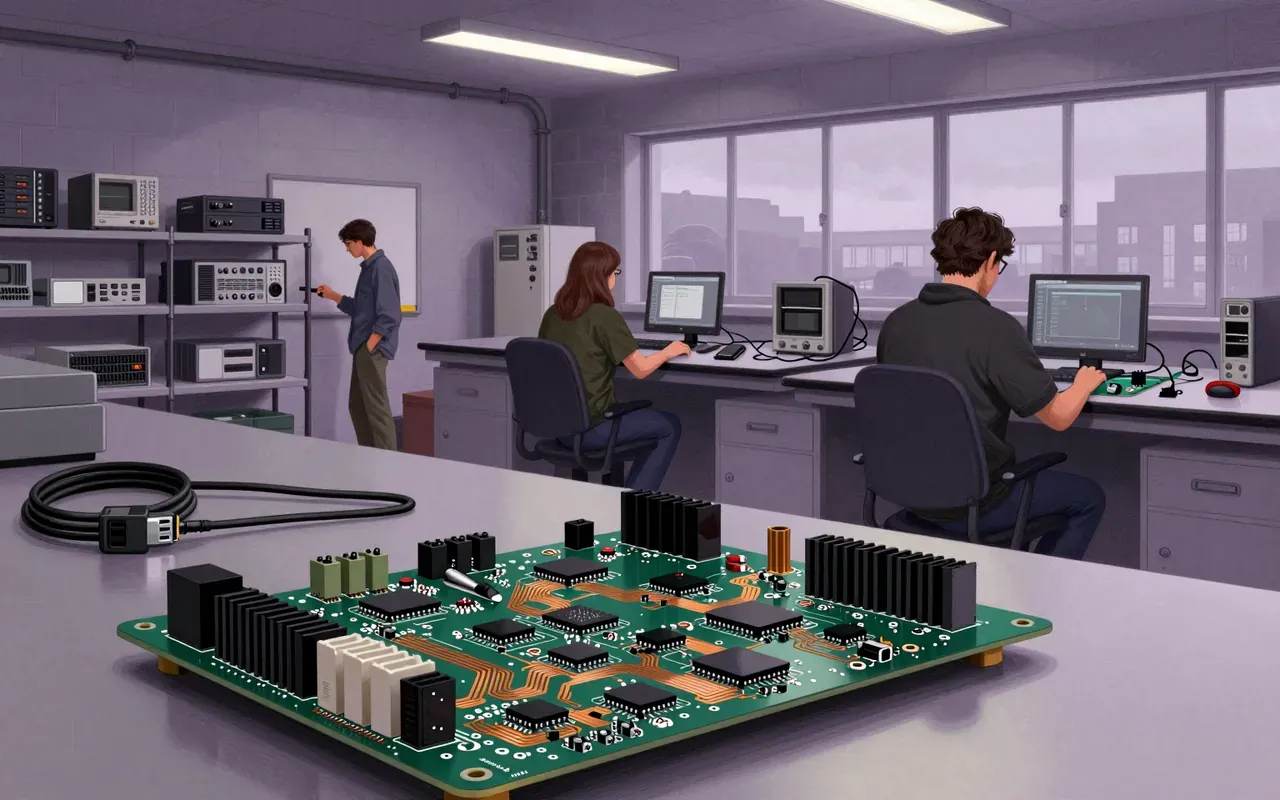
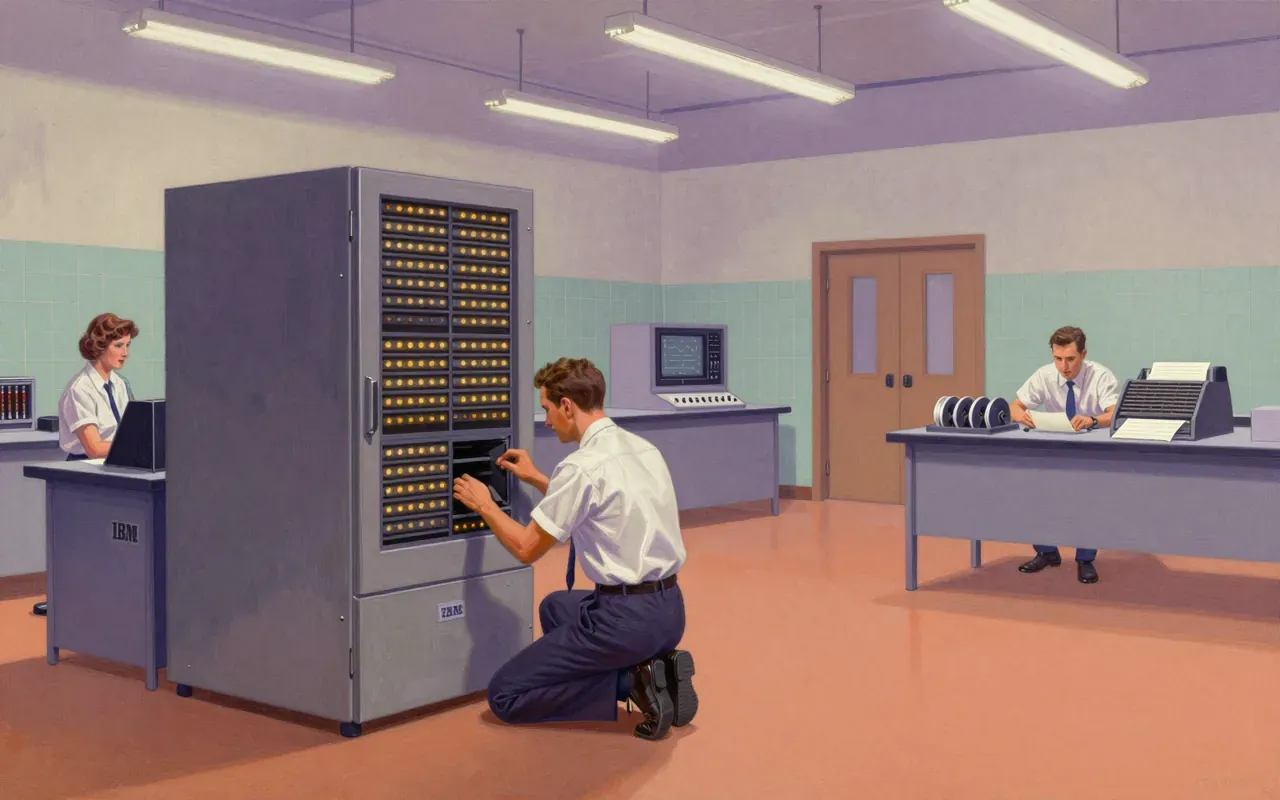
Fortran is the first high-level programming language to achieve broad use. It succeeded not by abstracting away hardware, but by proving abstraction could coexist with assembly-level performance — specifically for numeric computation on the IBM 704. Its compiler introduced the basic block and Monte Carlo–driven memory layout, establishing techniques that remain standard. It made computing accessible to scientists — but only those doing number-crunching, and only on IBM hardware.
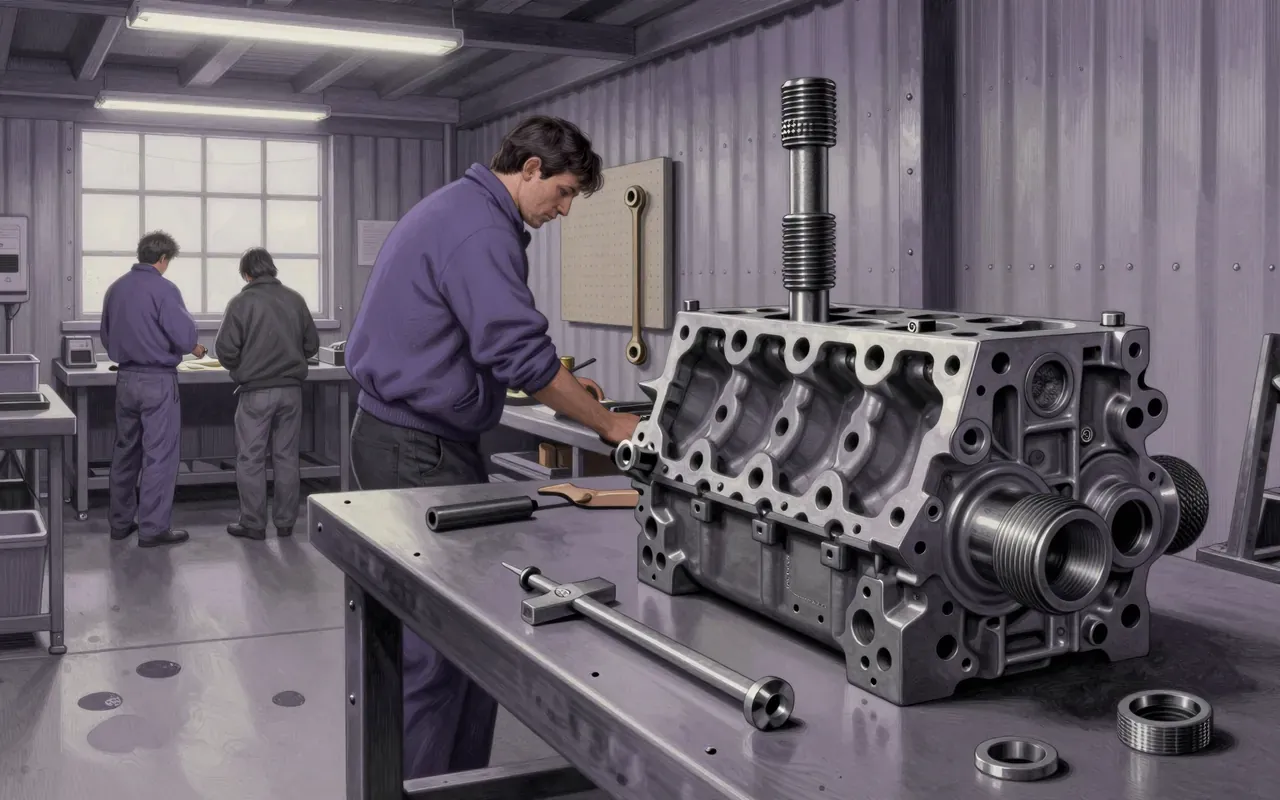
The ISO metric screw thread is a foundational hardware standard that enforces dimensional predictability across global manufacturing. Its value lies not in novelty but in binding force: once adopted, divergence carries real cost. It works where geometry matters more than brand—and fails where tolerance, material, or practice undermines its assumptions.

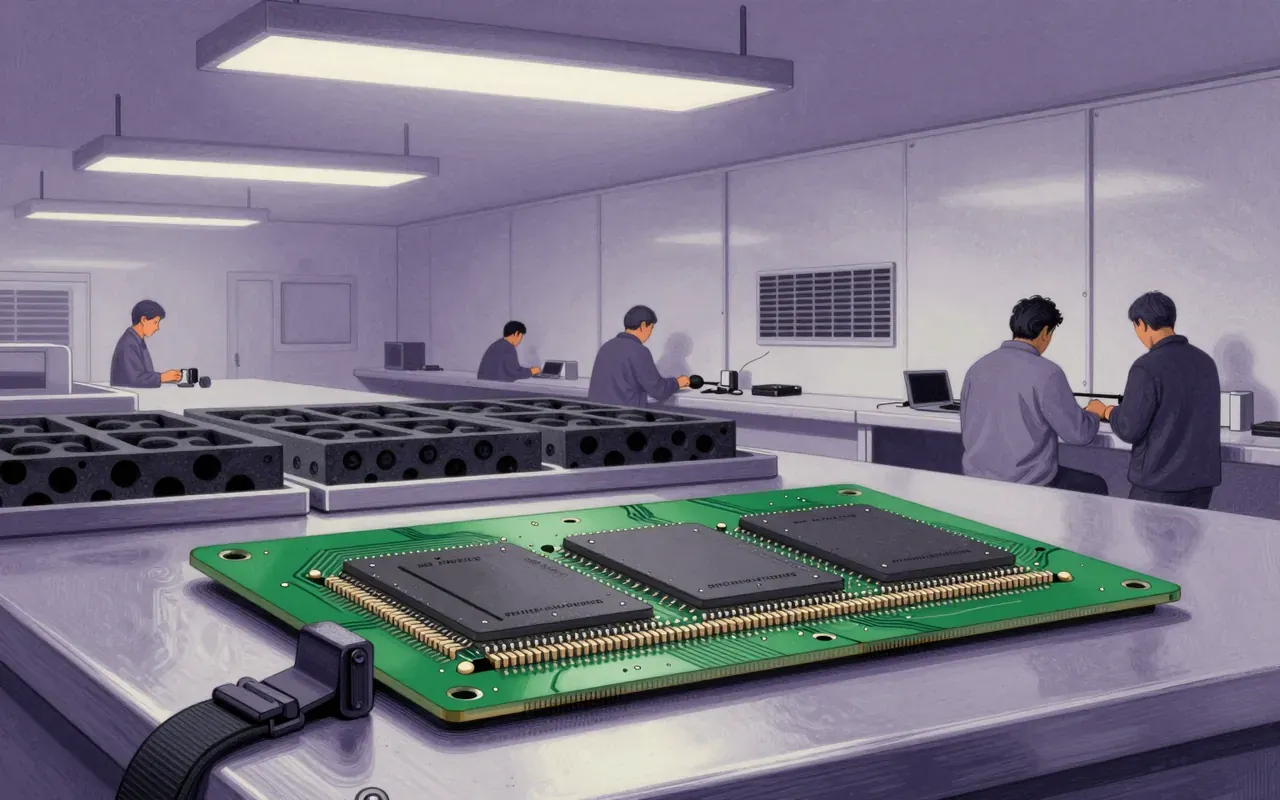
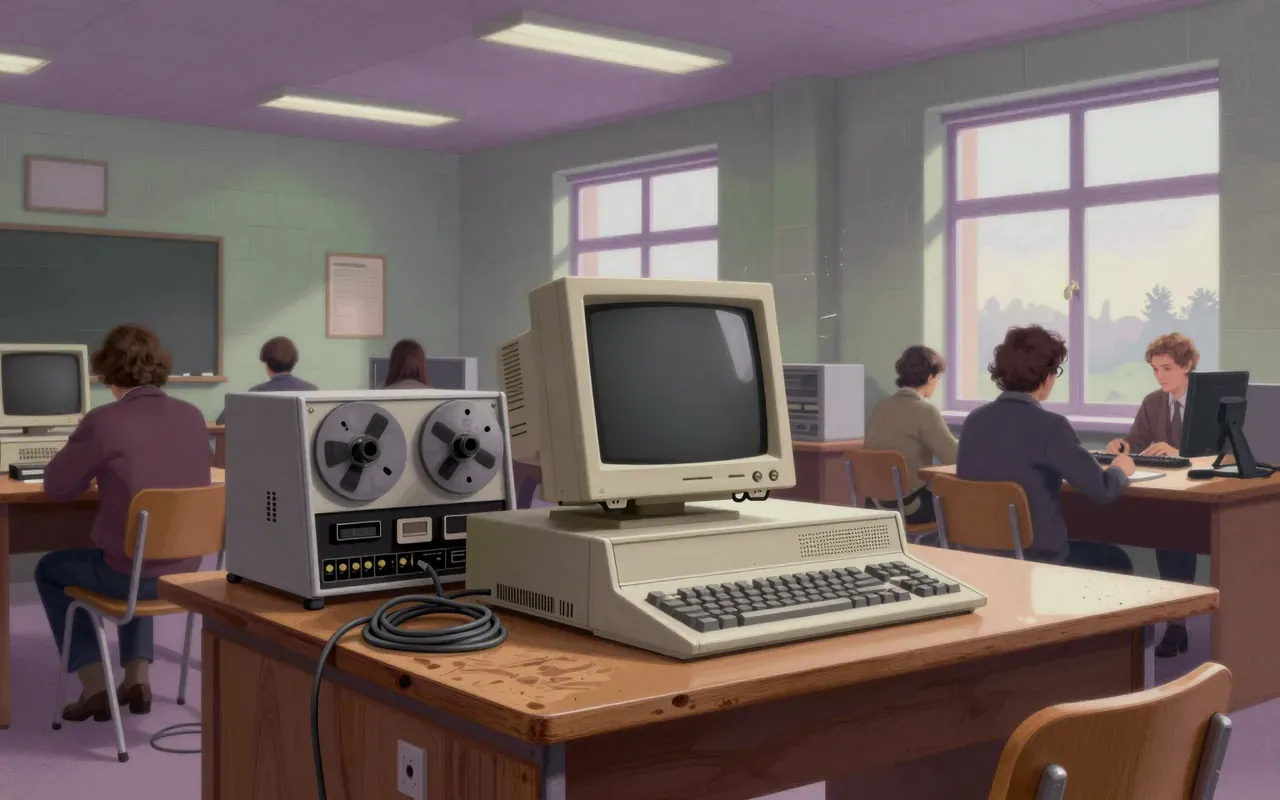
The BBC Micro was a procurement win first, an educational tool second. It succeeded because it met rigid broadcast and policy constraints—not because it was inherently superior to alternatives. Its architecture prioritised demonstrable compliance over user flexibility. Its dominance was guaranteed by subsidy rules, not market preference.

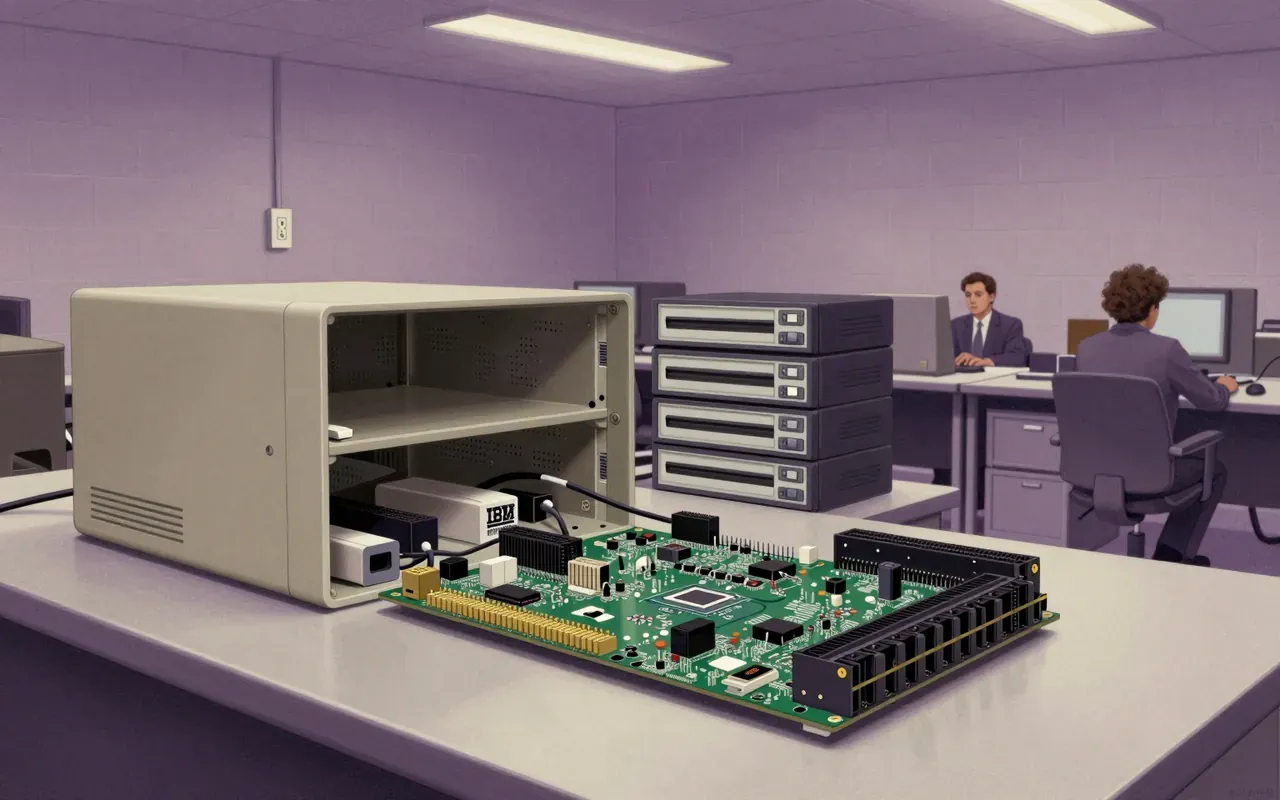

The OnePlus One delivered flagship hardware at lower cost by relying on Cyanogen OS and an invite-based launch. It worked as a provocation—not as a finished product. Its value was in exposing the fragility of Android's ecosystem, not in shipping a polished experience.


UTF-8 is a variable-width Unicode encoding co-designed by Ken Thompson and Rob Pike in 1992. It guarantees ASCII compatibility, supports all 1,112,064 Unicode code points, and became the dominant web encoding — over 90% of pages in 2019. Its strength is pragmatic interoperability; its weakness is zero tolerance for malformed input and no compression benefit.
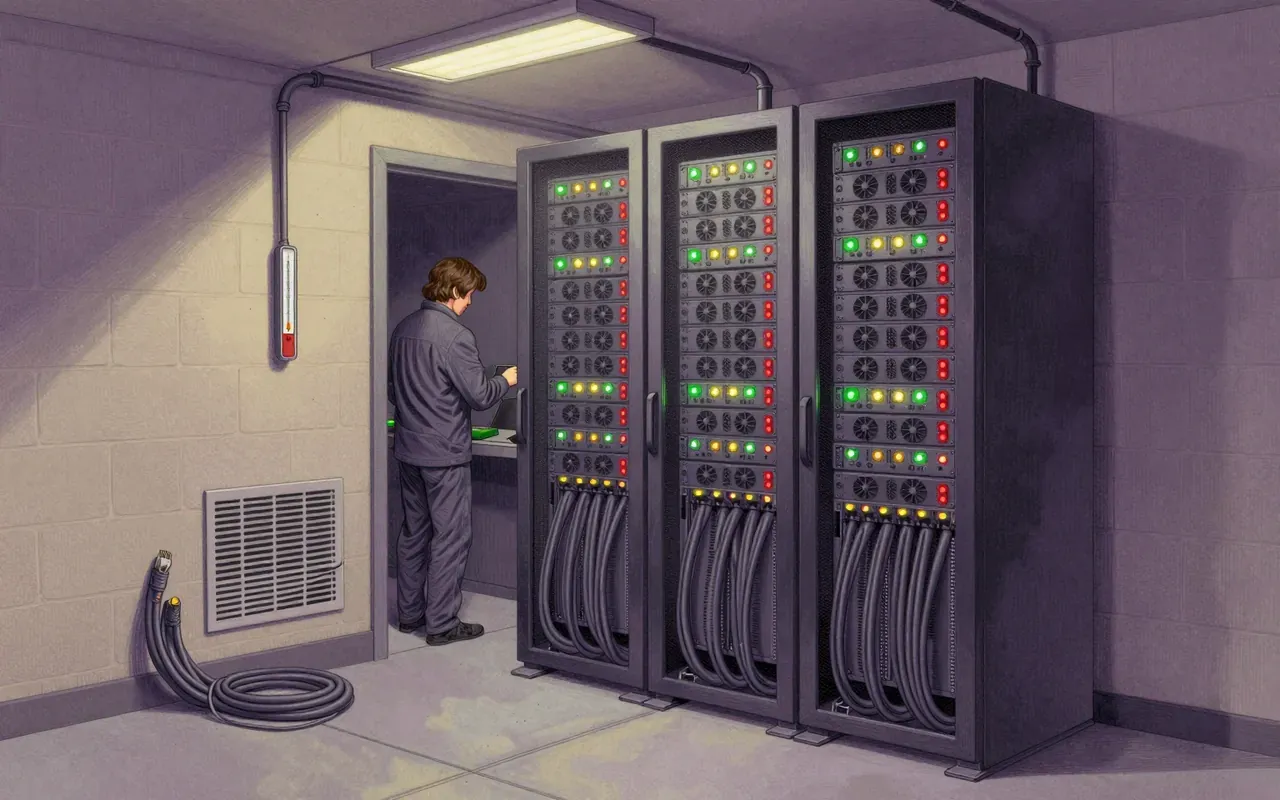
ImageNet is a foundational dataset infrastructure — not a model, not a tool, not a service. It succeeded by making scale measurable, not magical.

The barcode is a mechanically simple but commercially premature solution: a direct optical translation of Morse code into bars, read with repurposed cinema hardware. It worked in lab conditions but failed in practice—fading ink, no scanners, no standards, no buyers. Its value emerged only when retail infrastructure caught up, not because the invention matured.

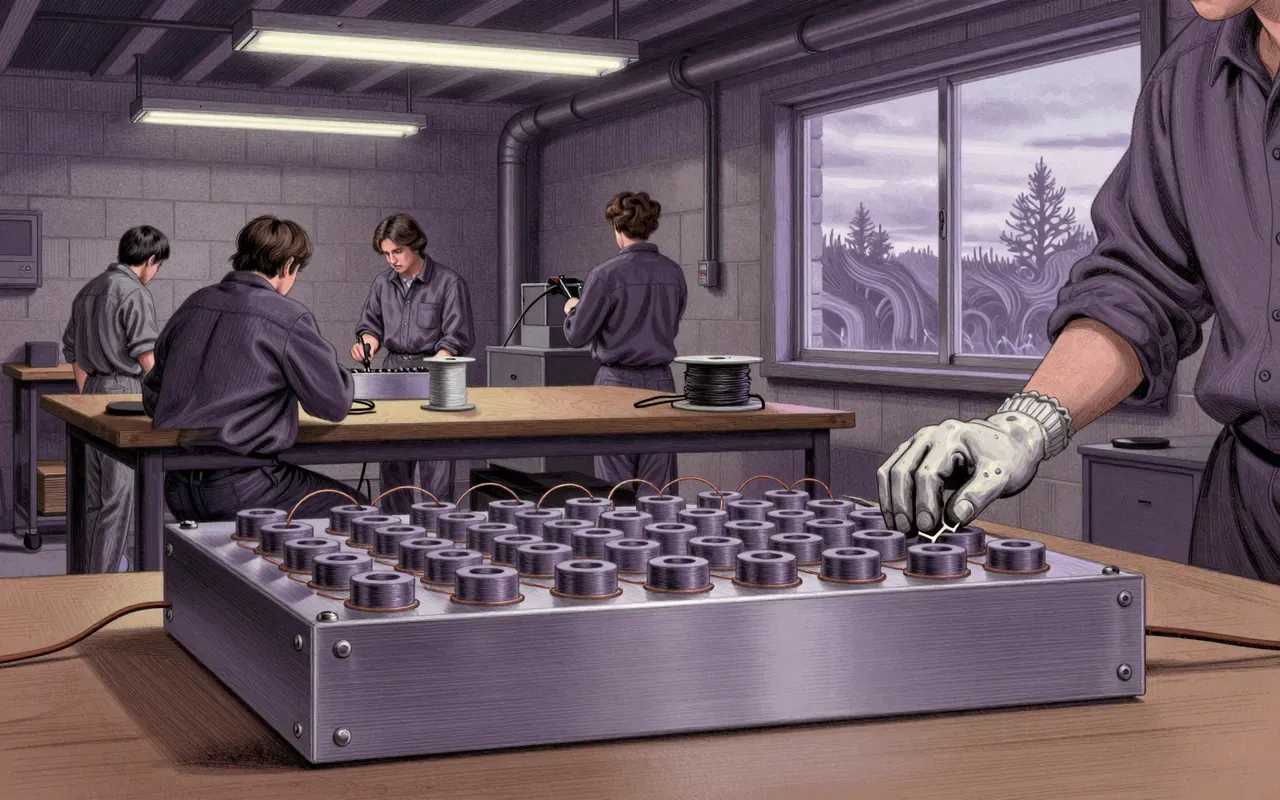


The Solvay process is the first industrially viable closed-loop chemical synthesis using a recoverable mediator. It works by exploiting ammonia’s solubility-shuttling effect to precipitate sodium bicarbonate from brine and CO₂—then thermally decomposing the solid to yield soda ash while reclaiming ammonia. It succeeded because it reduced raw material cost, eliminated major Leblanc pollutants, and scaled reliably in a purpose-built tower. It fell short in ammonia leakage, energy intensity of lime kilns, and dependence on precise brine purity. It changed bulk chemical manufacturing by proving that catalytic mediation could be engineered—not just observed. Worth your time if you design, regulate, or teach process systems.

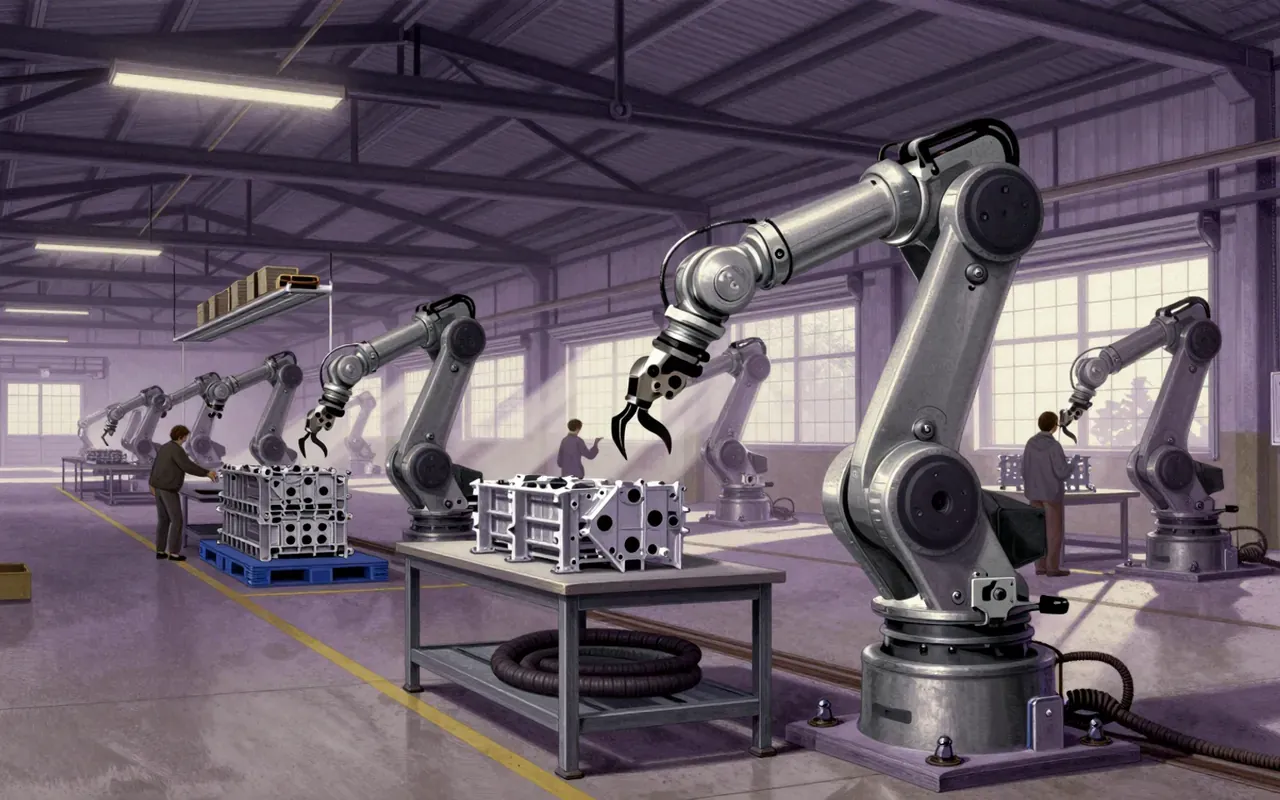
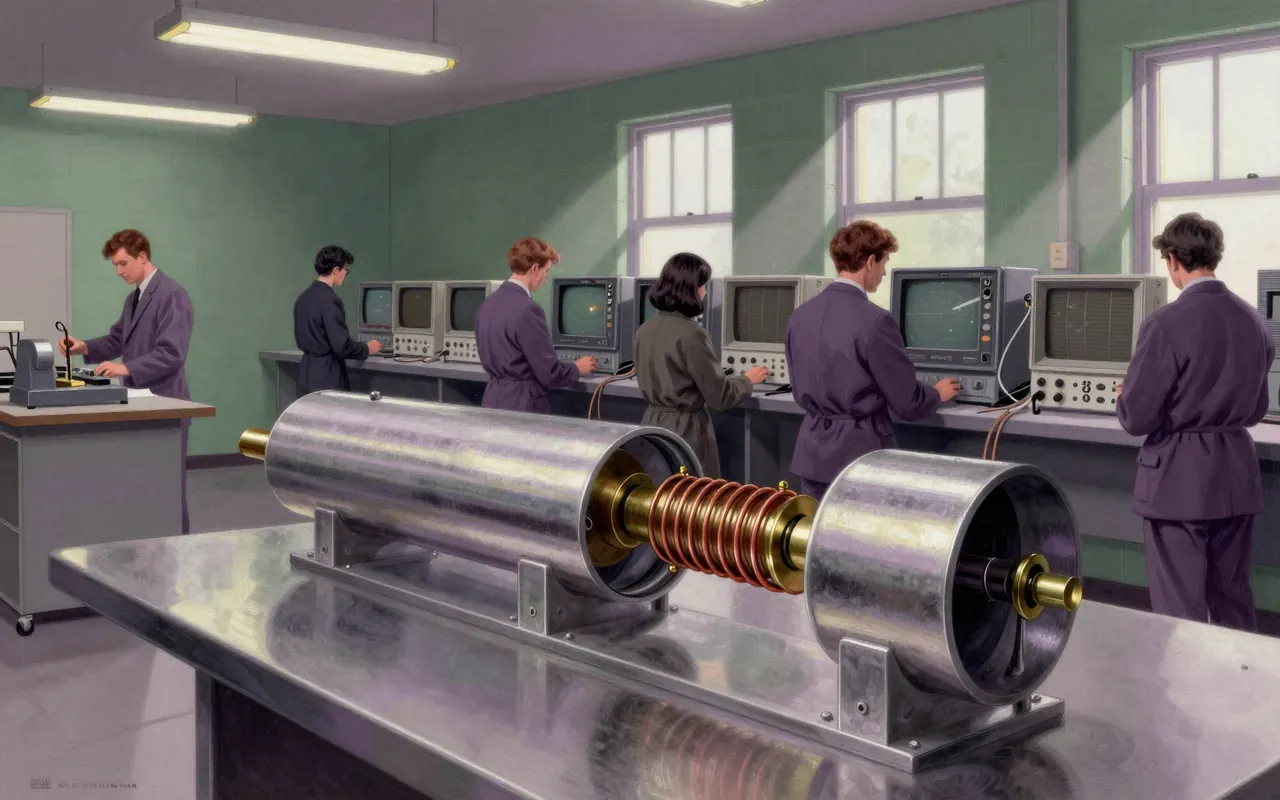

The electromagnetic wave equation is the foundational PDE for classical electromagnetism. Maxwell derived it mathematically; Hertz verified it physically — not as a vision of wireless communication, but as proof that light is electromagnetic vibration. It works precisely where fields are classical and sources are macroscopic. It fails where quanta matter. Its value lies not in novelty but in necessity: every radio, radar, and optical system still obeys it.

PlayStation VR is a tethered virtual reality headset developed by Sony Interactive Entertainment and released in October 2016. It requires a PlayStation 4, uses camera-based tracking via nine LEDs, and enforces a minimum 60 fps across all software. It sold at least 5 million units before being succeeded by PlayStation VR2 in 2023.
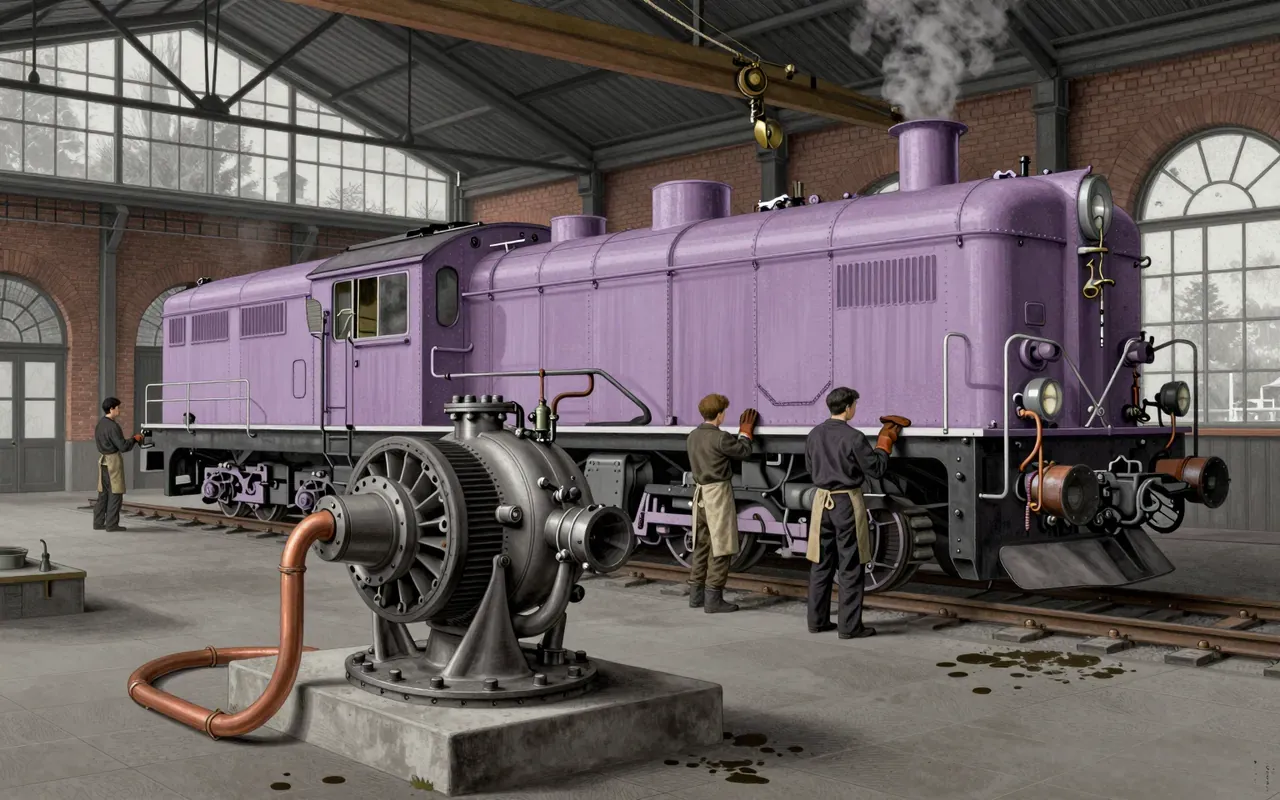
Alfred Büchi’s 1905 turbocharger patent established the axial turbine–compressor-on-common-shaft architecture still used today. It solved no immediate problem: the 1915 aircraft prototype failed. Its first functional applications were marine diesel engines in 1923 (1750 → 2500 hp) and stationary diesel engines in 1925 (1,300 → 1,860 kW, +40% efficiency). All verified successes occurred under Büchi’s direct supervision. No verified application existed outside large, slow-speed diesel systems before 1925.
Lisp is the first language to treat code as data—and the first to prove that a small set of primitives plus eval suffices for universal computation. Its cost is runtime overhead; its payoff is programmable programmability.

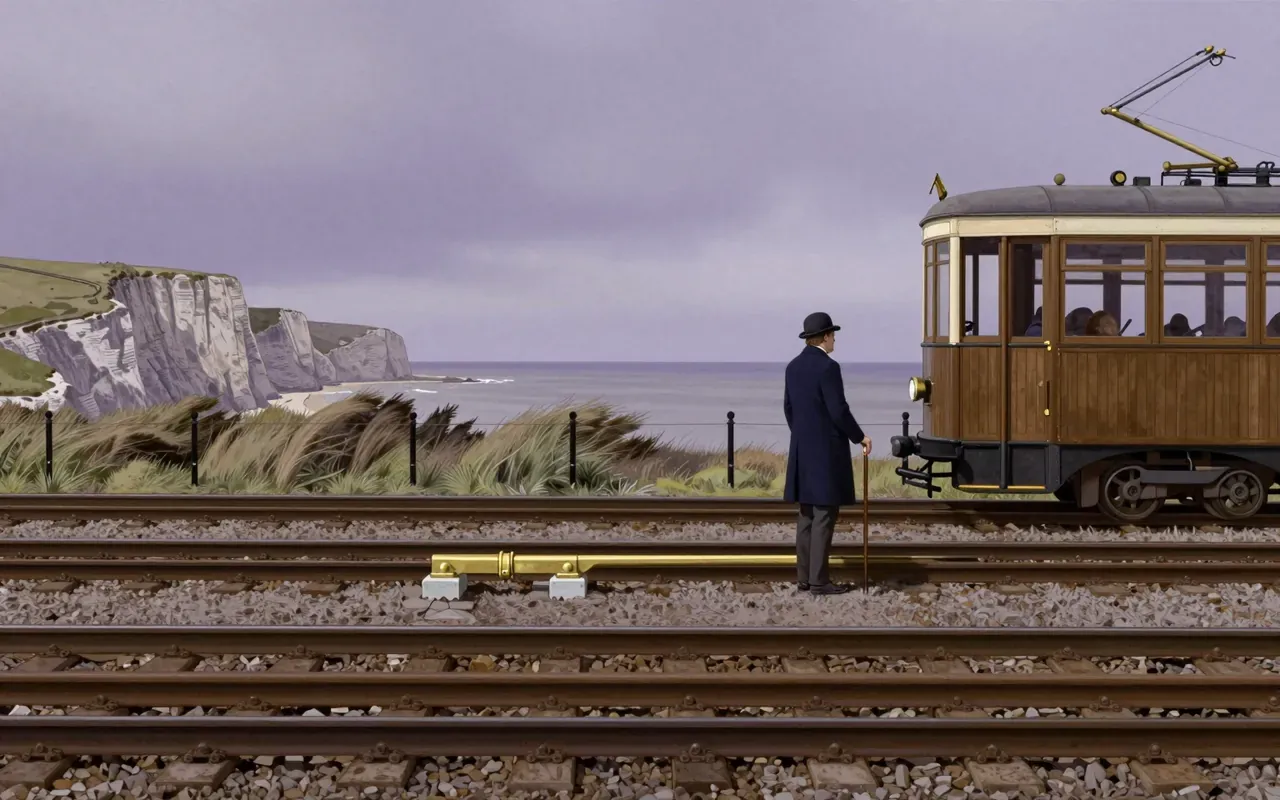
Volk's Electric Railway is operationally continuous but technically marginal. It demonstrates longevity, not leadership. Its engineering adaptations were local fixes — not transferable standards. Siemens set the template. Volk kept a line alive.

IEEE 802.3 standardises wired Ethernet’s physical and MAC layers using CSMA/CD. It succeeded by enabling interoperability—not speed or novelty. Its mechanism became obsolete before the standard did. It remains essential infrastructure, not evolutionary architecture.


The standard-gauge railway is a deliberate, legislated solution to fragmentation — not an inevitable outcome of engineering progress.
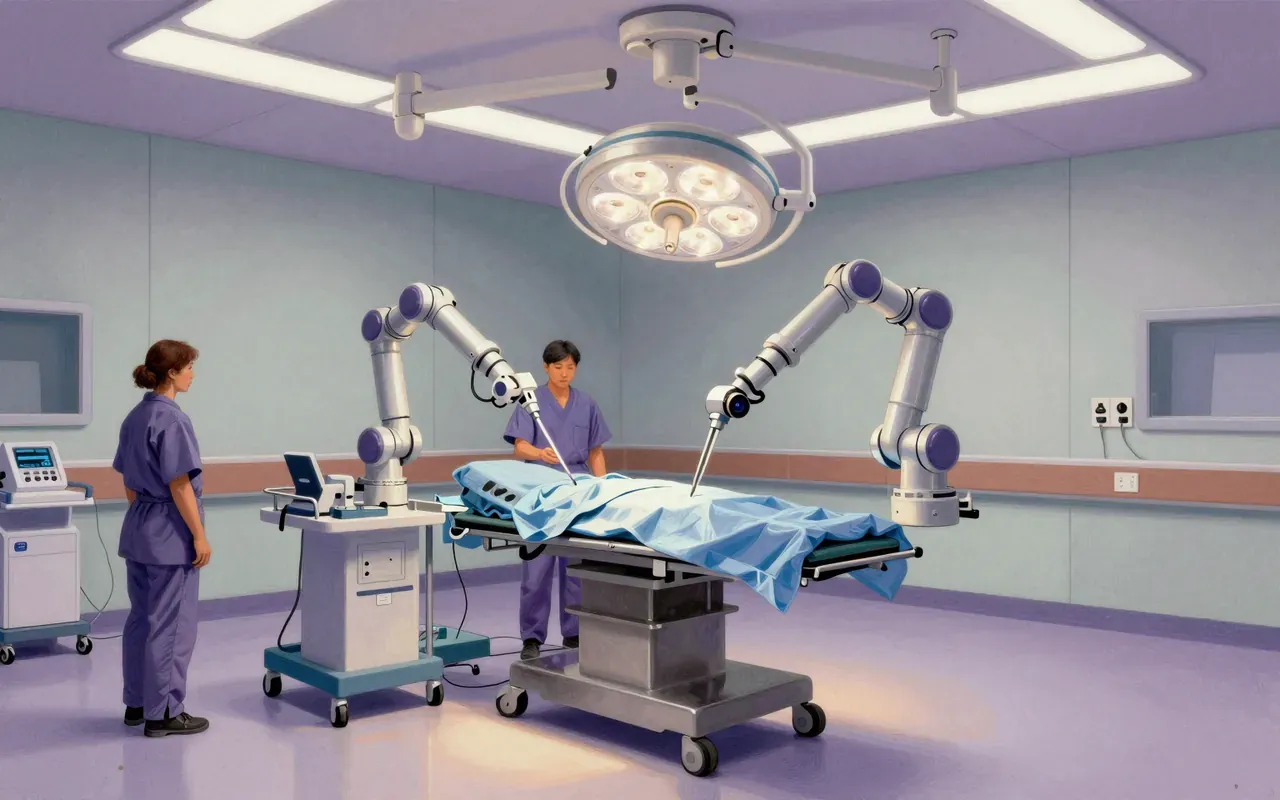
The Da Vinci Surgical System is a teleoperated robotic platform for minimally invasive surgery. It translates surgeon hand motions at a console into precise movements of up to four robotic arms at the patient’s side — one for 3D vision, the rest for tools. FDA-cleared in 2000, it had performed ~200,000 surgeries by 2012, mainly prostatectomies and hysterectomies. It does not demonstrate long-term superiority over laparoscopy. It demands high capital cost, proprietary software, dedicated training, and a full surgical team. Safety investigations by the FDA include reports of patient injury and death.
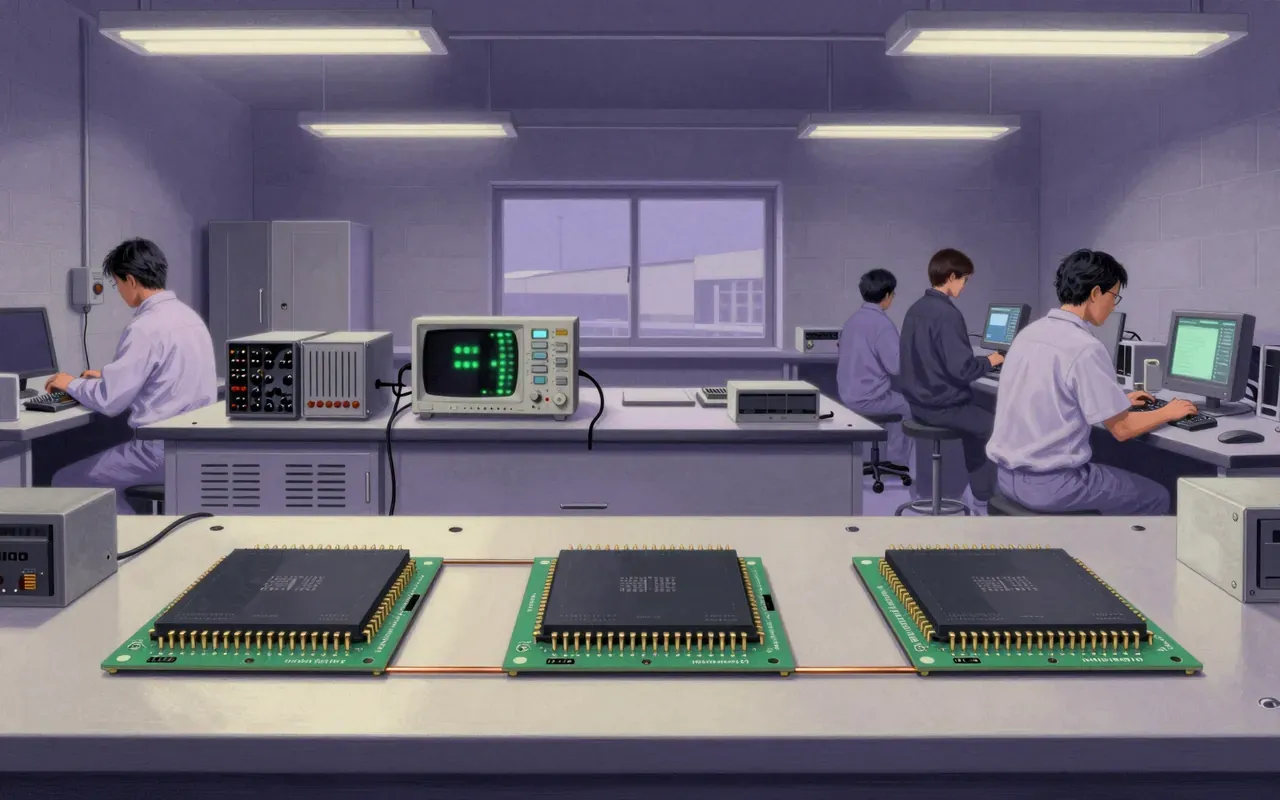
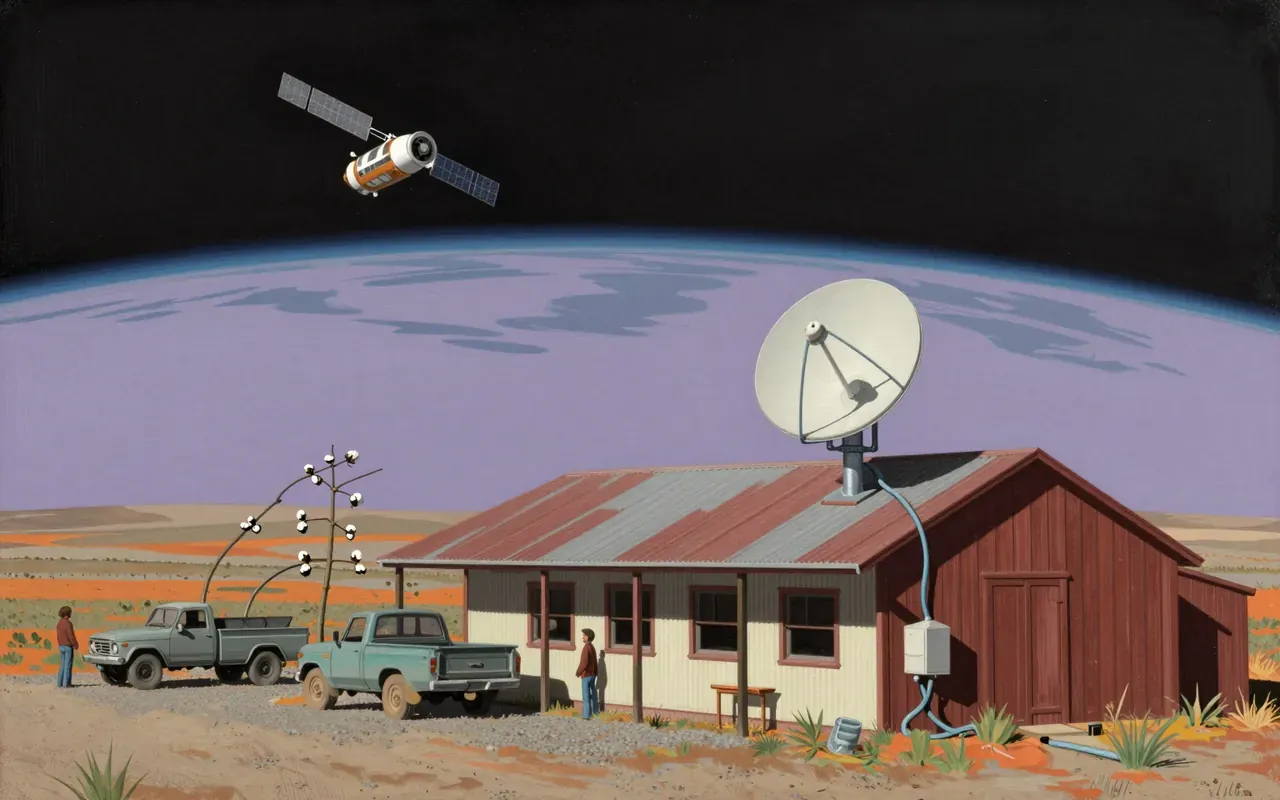


PNG is a specification, not a product. It is a response to legal constraint, not technical ambition. It works where it was designed to work — and fails where it was never meant to go.
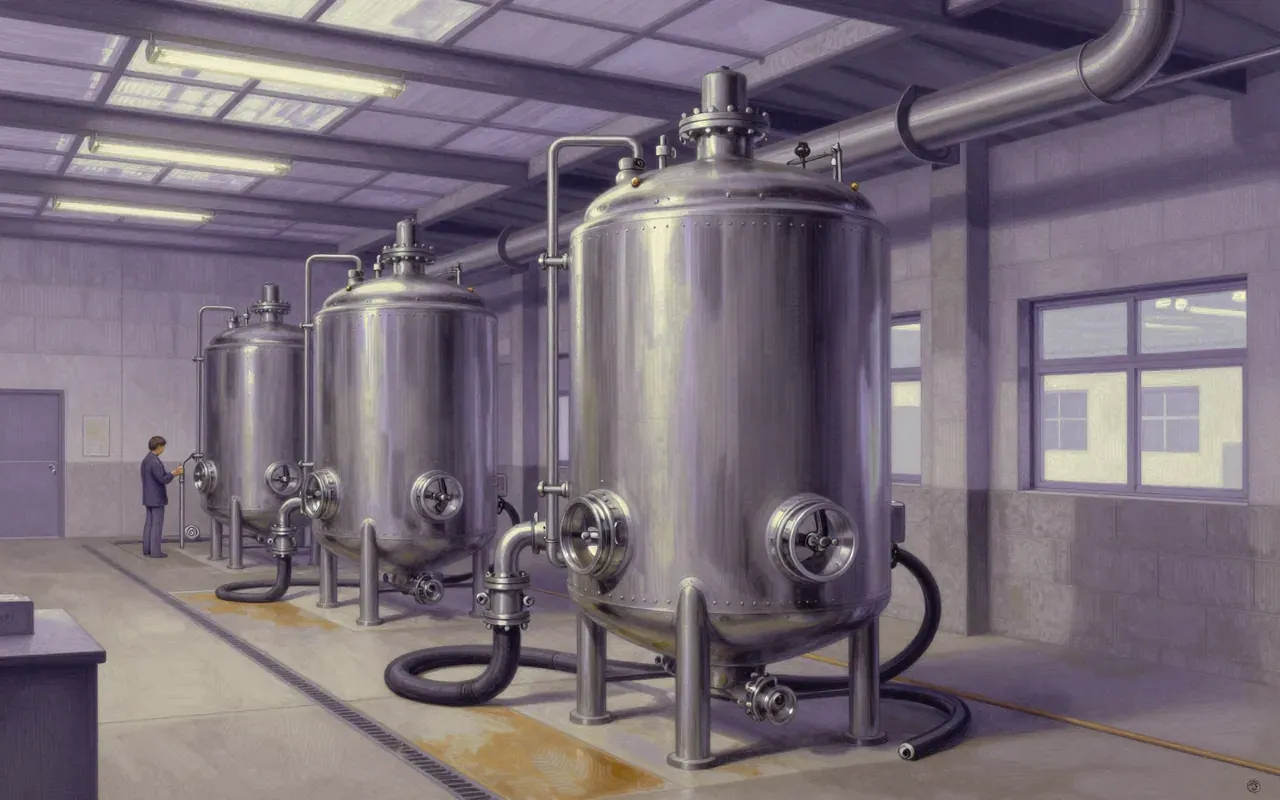


IBAN is a validation layer—not a payment rail, not a registry, not a protocol. It catches human input errors in account identifiers before they trigger costly rejections downstream. Its mechanism is simple: a fixed-position country code, two check digits, and a national account identifier, all validated via MOD-97-10. It works where people type numbers. It fails where logic, intent, or authority is required.


Linux is a Unix-like kernel, not an operating system. It filled GNU’s missing-kernel gap. It works by reimplementing Unix system calls from documentation—not AT&T code. It succeeded because GPLv2 enforced openness, and because it ran on cheap x86 hardware. It failed to be a standalone OS or POSIX-compliant out of the box. It changed how software projects scale: through licence-driven collaboration, not top-down design. It is worth your time if you need control, transparency, and the ability to rebuild every layer.

The chain drive is a mechanical transmission system using a roller chain and sprockets to move torque across distance. Hans Renold’s 1880 bush roller chain solved critical wear and slippage problems of earlier pin-and-link designs—and became the basis for all modern precision roller chains. It enables adjustable gear ratios and higher torque via duplex configurations. But it inherently produces speed variation (chordal effect) due to discrete link engagement. Its first commercial validation came in James Starley’s tricycles using his 1877 differential. It remains essential hardware—not legacy tech—where reliability, torque and spacing outweigh the need for constant velocity.



The Amiga 500 is a pivotal hardware milestone—not because it introduced new silicon, but because it delivered proven multitasking and colour graphics to mainstream retail at a time when competitors treated those features as optional or impossible in home systems. Its success relied on reuse, repackaging, and distribution—not invention.


The strain gauge is a bonded metallic foil sensor that translates mechanical strain into resistance change via conductor geometry. Invented independently in 1938 by Simmons (for shock-load metallurgy) and Ruge (for seismological water tank modelling), it solved measurement gaps where optical methods failed. It works reliably within elastic limits—but fails without precise adhesion or thermal control. Its legacy is not novelty but adoption: it became the standard interface between force and electronics because it was simple, scalable, and grounded in first principles—not hype.


The Linotype machine is a hot metal line-casting system invented by Ottmar Mergenthaler and first commercially installed in July 1886 at the New York Tribune. It assembles matrices into lines and casts them as single slugs of type metal, returning matrices for reuse. It delivered three to five times faster composition than hand-setting and was immediately deployed on both daily newsprint and book production — beginning with The Tribune Book of Open-Air Sports. It did not eliminate metal handling, support proportional spacing, or function outside hot metal infrastructure. Its value lies in its immediate, measurable acceleration of mechanical typesetting — not in conceptual novelty or long-term inevitability.

REST is Roy Fielding’s 2000 architectural style for the Web. It defines constraints—not rules—to diagnose scalability failures in distributed hypermedia systems. Its power lies in exposing gaps between promise and practice, especially around statelessness and HATEOAS. Most so-called RESTful APIs ignore its core mechanism: hypermedia-driven state transitions.

RISC-V is a free and open instruction set architecture developed in 2010 at UC Berkeley. Its specifications were published openly in 2011 and stewardship transferred to RISC-V International in 2015. It enables royalty-free processor design—but does not eliminate the engineering, tooling, or ecosystem work required to deploy it.