Password manager
It trades memorisation for concentration: one master password guards every door—and becomes the most valuable key in your digital life.


PostgreSQL is a free and open-source RDBMS that solves the problem of building reliable, scalable, and standards-compliant relational data systems without vendor lock-in. It emerged from Berkeley’s POSTGRES project in 1985 to address limitations in contemporary databases, especially Ingres’ lack of SQL support and type extensibility.



PyTorch is a Python-first deep learning library built by Meta in 2016 as Torch's successor. It enables rapid model prototyping via dynamic computation graphs (Autograd), tensor abstractions, and CUDA-accelerated training. As of 2025, it remains one of the most popular deep learning libraries—alongside TensorFlow and Keras—but its design prioritises researcher agility over production robustness, scalability, or deployment tooling.


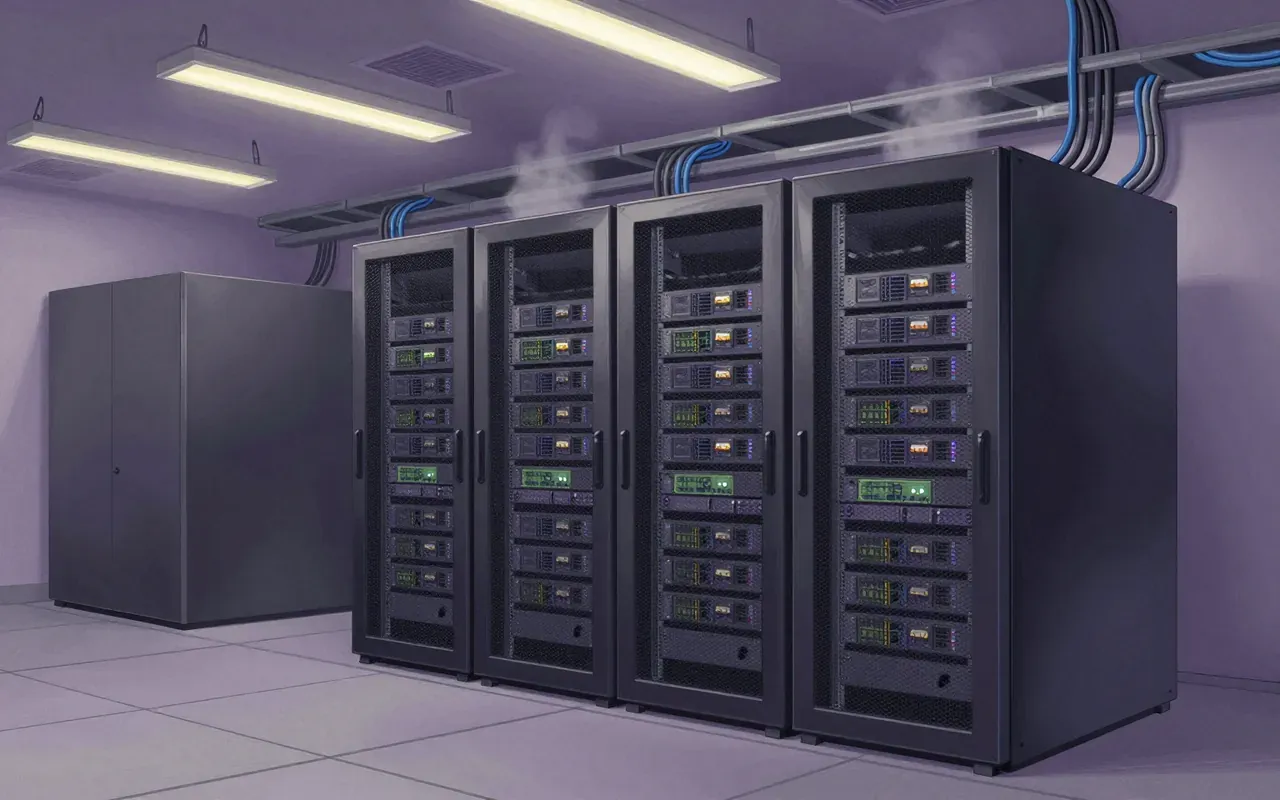
Redis is an in-memory key-value database introduced in 2009 by Salvatore Sanfilippo to solve scalability issues at his startup LLOOGG. It delivers low-latency operations by holding all data in memory and using the fork system call to enable concurrent client service and disk persistence. It supports two persistence methods—RDB snapshotting and AOF journaling—with journaling introduced in version 1.1 and considered safer. Default configuration limits data loss to a few seconds upon full system failure. Redis supports master-replica replication with hierarchical trees and introduced clustering in April 2015 with version 3.0. It grew into one of the world’s most popular databases for caching, message brokering, and primary storage. In December 2024, Sanfilippo returned to Redis and implemented the Vector Set data structure for vector similarity search.

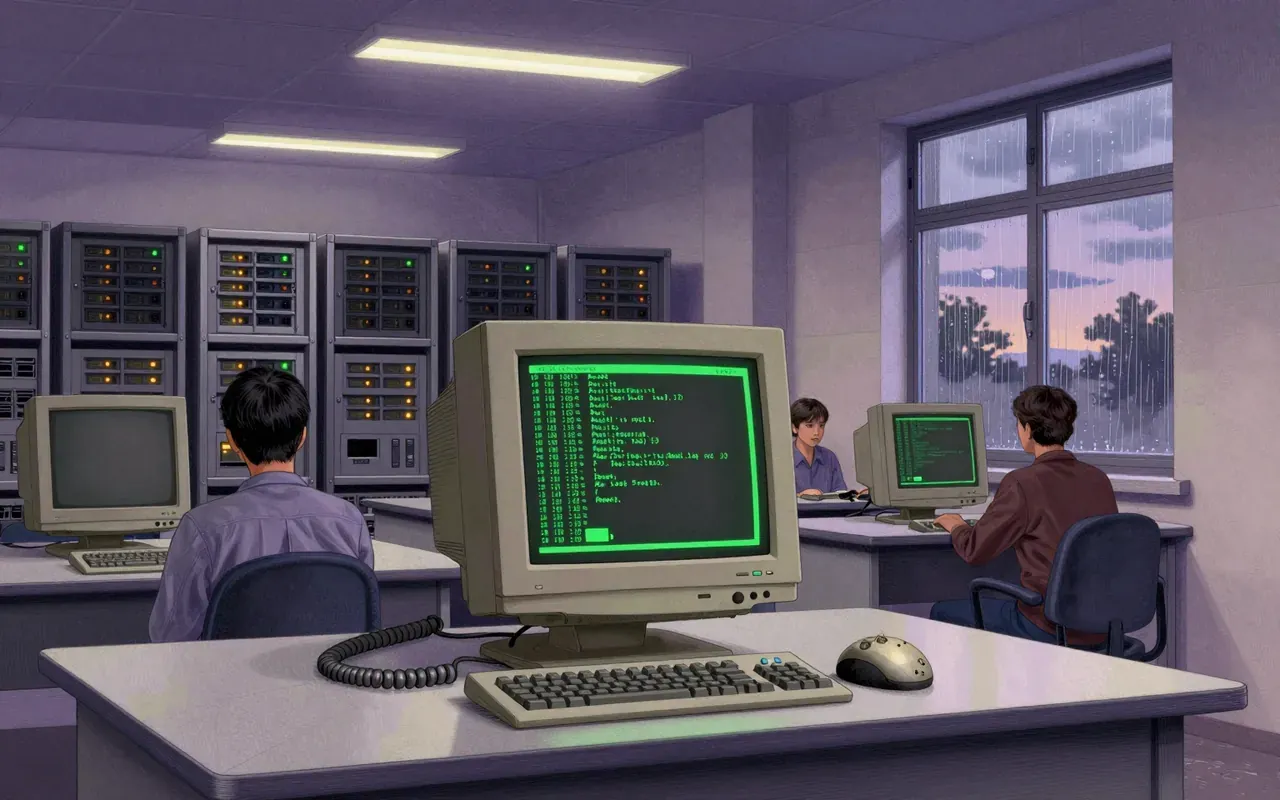





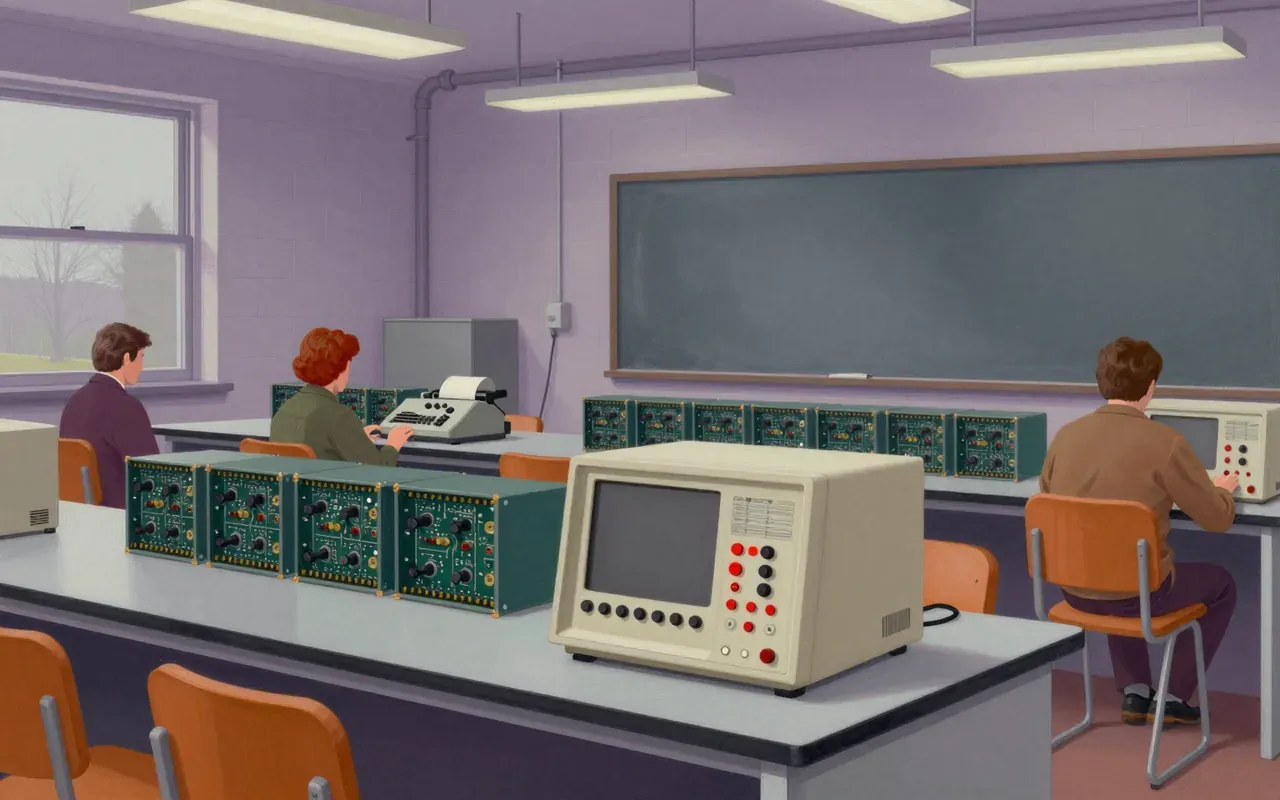
Smalltalk is a pure object-oriented language built for constructionist learning at Xerox PARC in the 1970s. Its first interpreter, Smalltalk-72, was written by Dan Ingalls in about 700 lines of BASIC for the Data General Nova in October 1972. It emerged from Alan Kay’s September 1972 bet that a message-passing core could fit on a page of code—and did so by the eighth morning. Smalltalk-80, released publicly in 1980, introduced foundational OOP ideas, featured an integrated development environment from inception, and established total reflection—both structural and computational. It has no primitive types: all values are objects, and all computation occurs via message passing. ANSI Smalltalk was ratified in 1998.



SQLite is a C library that embeds a relational database engine directly into applications. It stores data in a single cross-platform file. It delivers ACID transactions and most SQL-92 features—but omits materialized views, full trigger support, and ALTER TABLE. It relies on file-system locking, not internal concurrency control. It enforces access via file permissions, not users or roles. Its type system is dynamic by default. It is widely deployed because it requires no installation, configuration, or administration.





TensorFlow is a machine learning API developed by Google. It is used mainly for training and inference of neural networks. It is free and open-source software released under the Apache License 2.0. It was developed by the Google Brain team for Google's internal use in research and production. The initial version was released under the Apache License 2.0 in 2015. Google released an updated version, TensorFlow 2.0, in September 2019. TensorFlow can be used in a wide variety of programming languages, including Python, JavaScript, C++, and Java. It is one of the most popular deep learning frameworks, alongside others such as PyTorch.
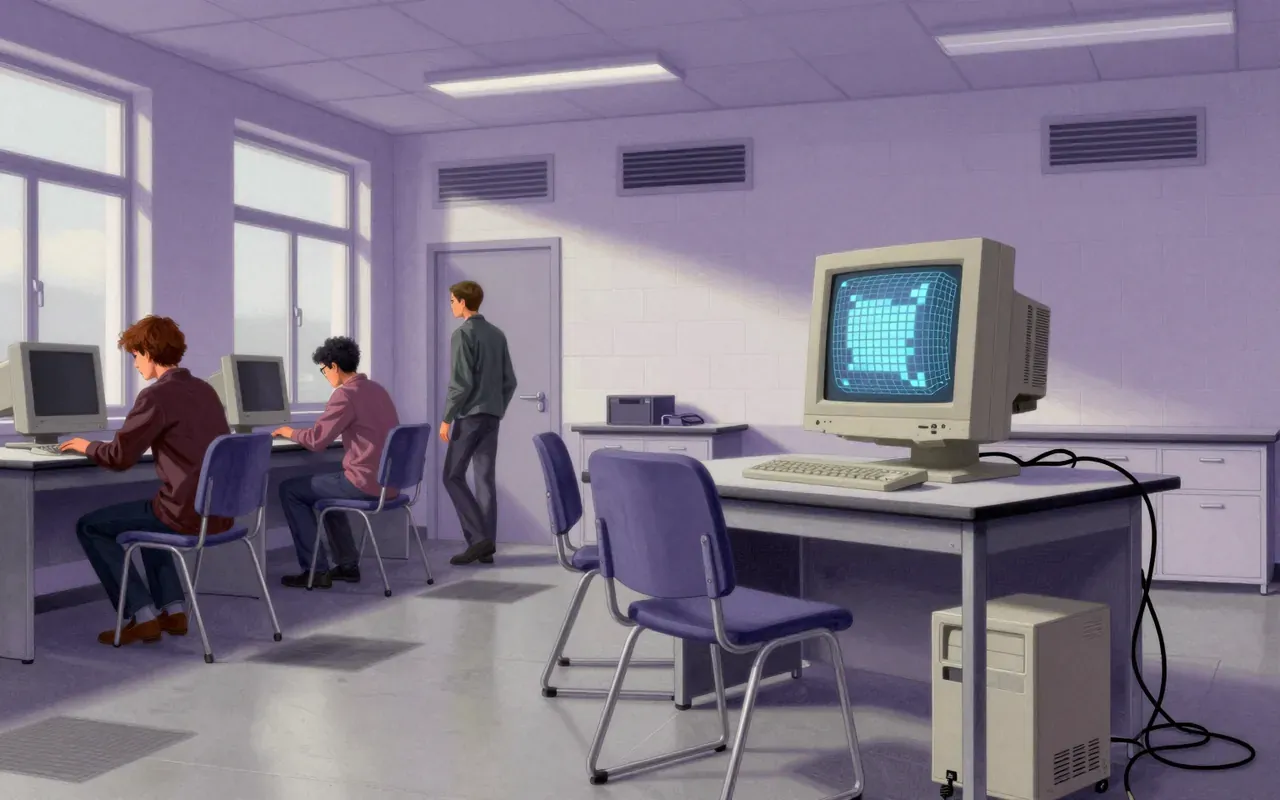
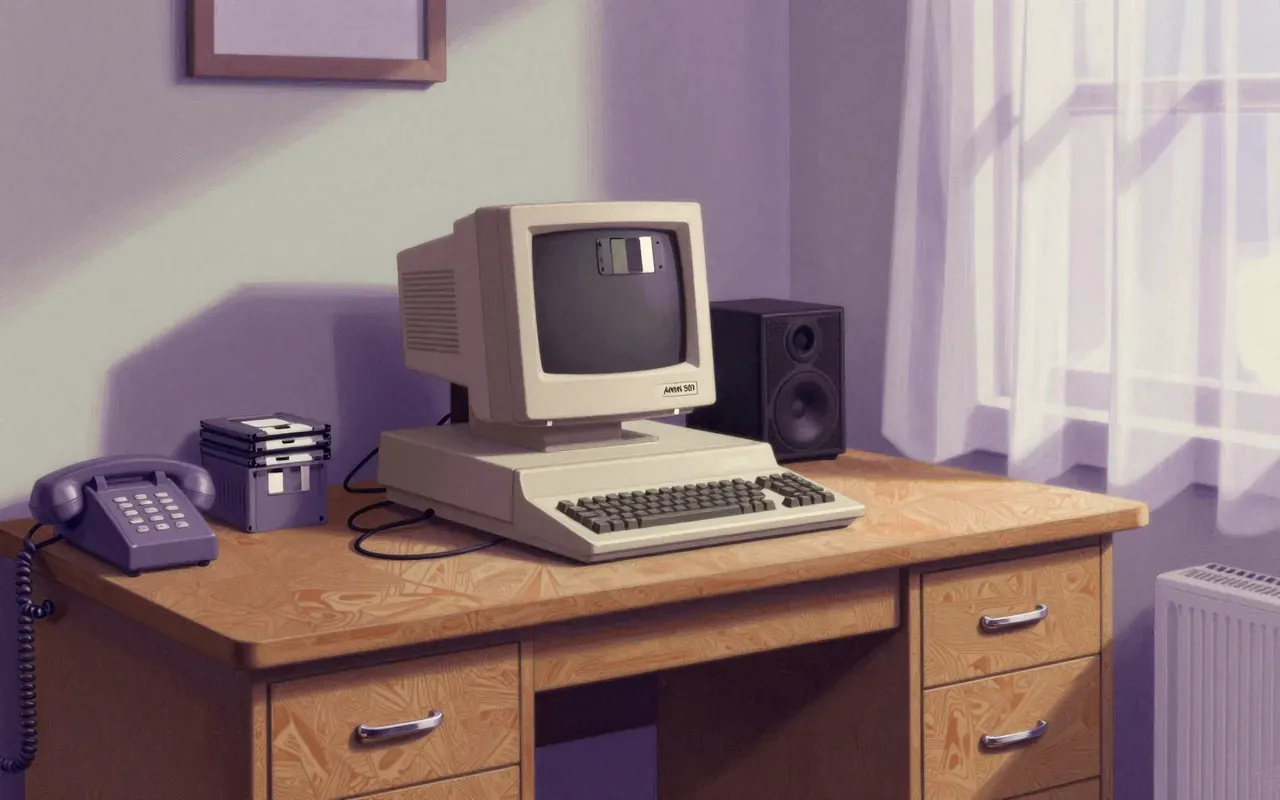
The Amiga 500 is a pivotal hardware milestone—not because it introduced new silicon, but because it delivered proven multitasking and colour graphics to mainstream retail at a time when competitors treated those features as optional or impossible in home systems. Its success relied on reuse, repackaging, and distribution—not invention.

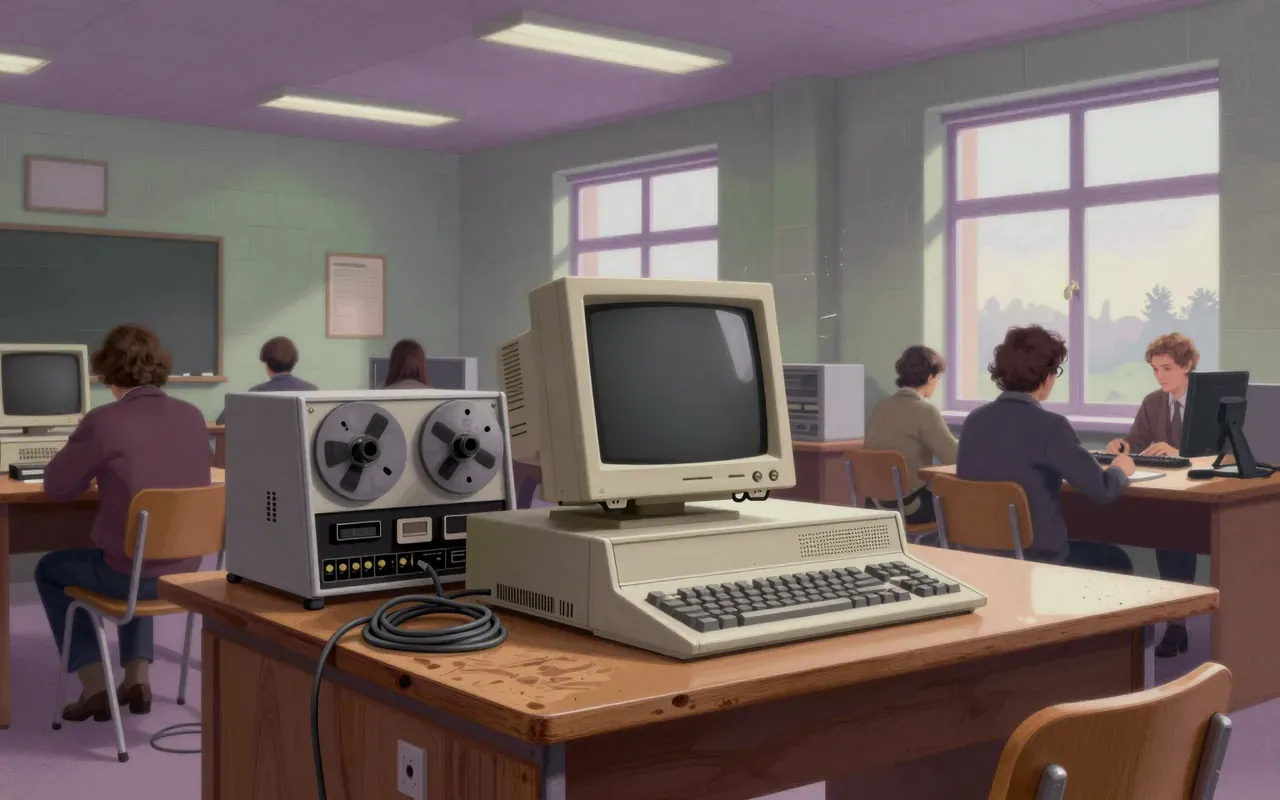
The BBC Micro was a procurement win first, an educational tool second. It succeeded because it met rigid broadcast and policy constraints—not because it was inherently superior to alternatives. Its architecture prioritised demonstrable compliance over user flexibility. Its dominance was guaranteed by subsidy rules, not market preference.

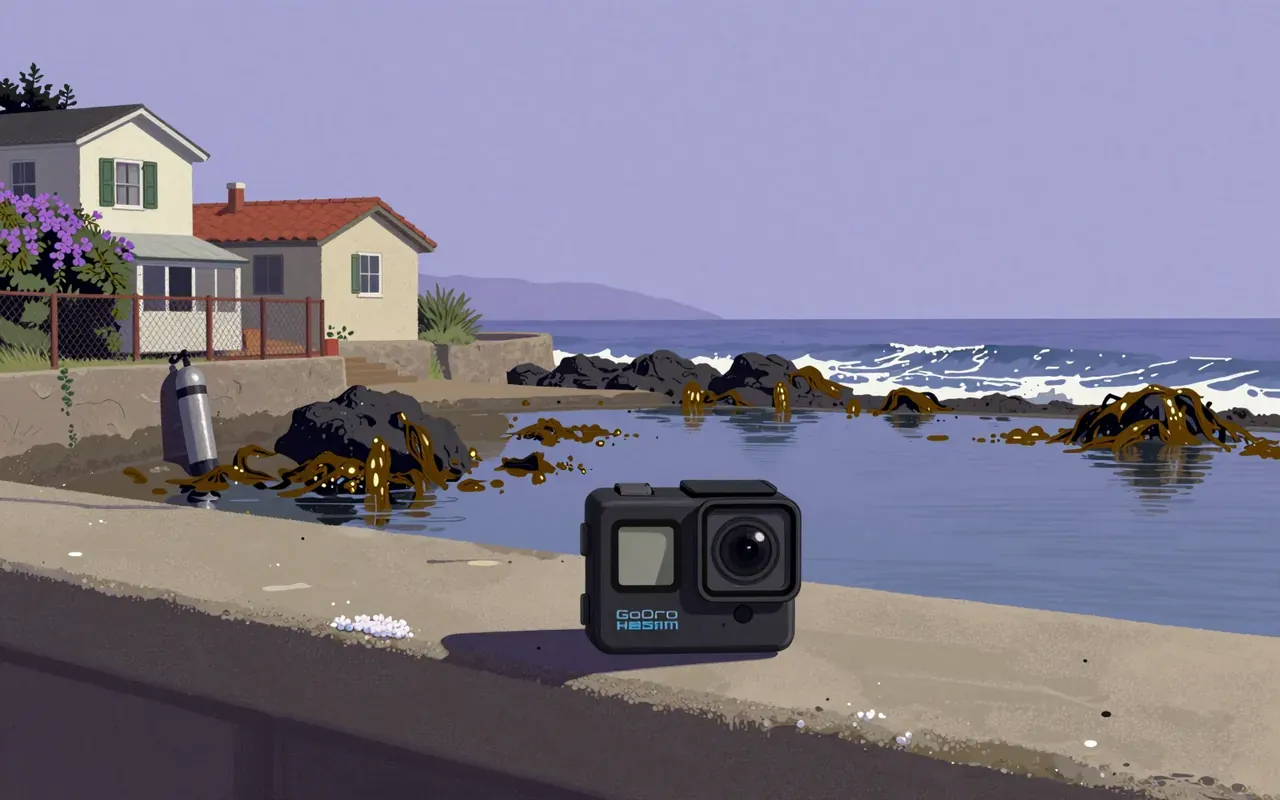
GoPro is a hardware product line defined by physical constraints and use-case discipline—not AI, cloud, or ecosystem. Its value lies in solving one narrow problem exceptionally well: rugged, wide-angle, first-person video capture. Its evolution from 35mm film to digital HD reflects adaptation—not disruption.
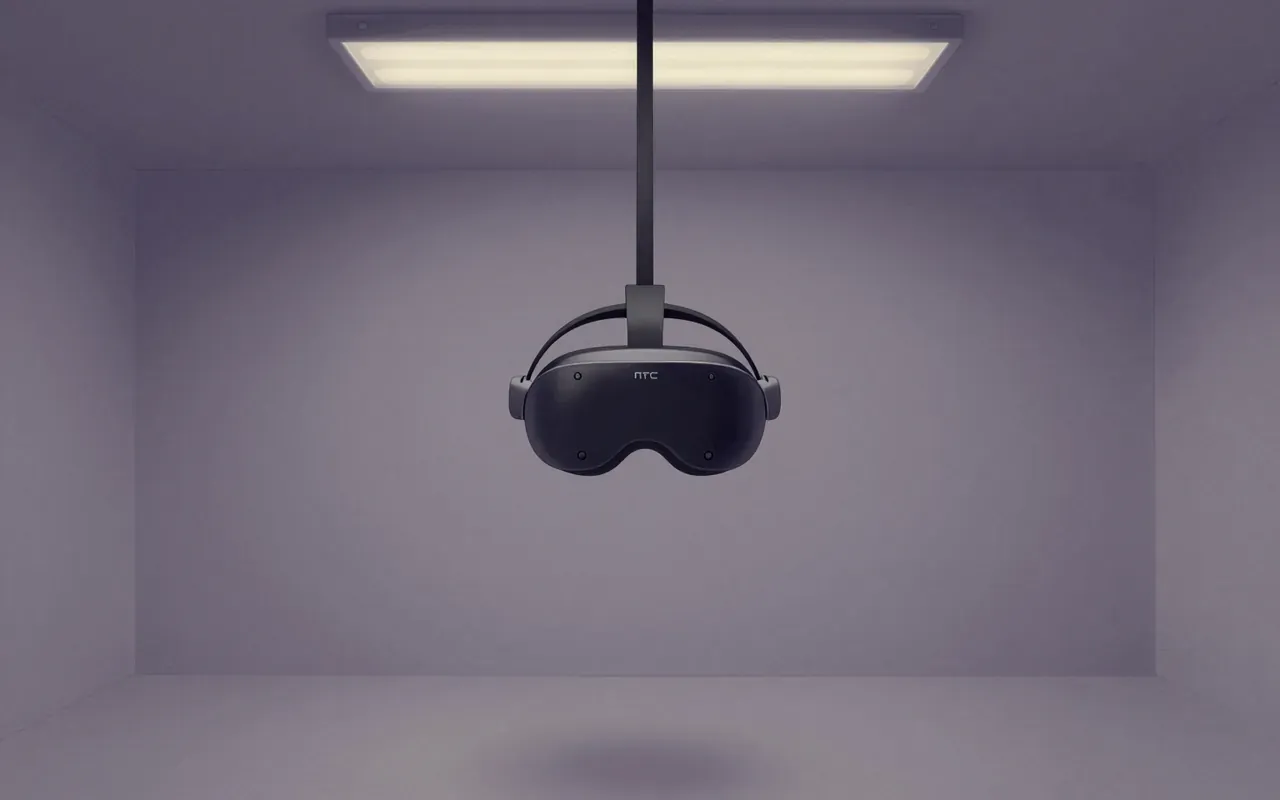


The iPad is a commercially dominant, long-lived tablet product line. It succeeded by committing to a specific form factor and interaction model—touch-first, app-centric, tightly integrated—then adapting its OS to sustain that model. Its scale (670M+ units) and market share (34.6%) confirm its category-defining role. It does not replace laptops or phones. It occupies the space between them—and has done so continuously since 2010.
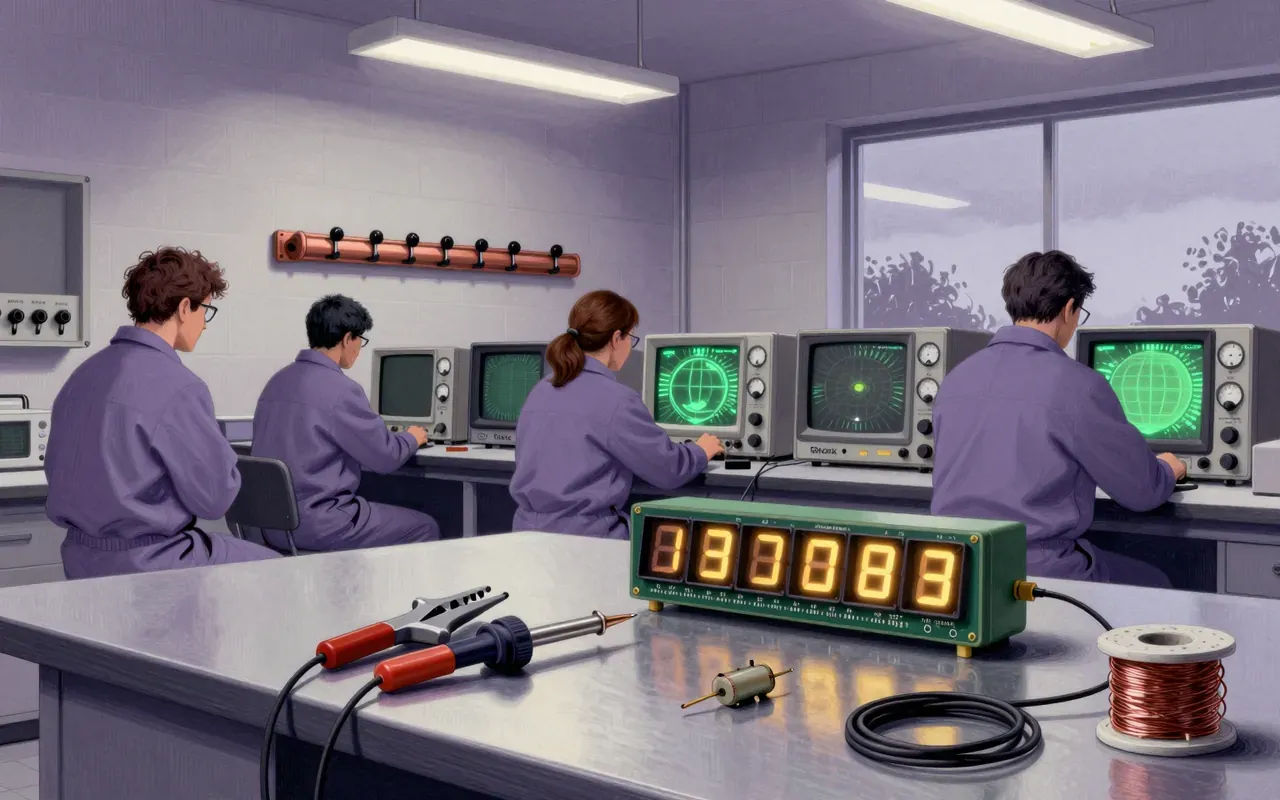
The LED display is not Holonyak’s invention — it is HP’s. Holonyak’s 1962 GaAsP LED enabled it. HP’s 1969 Model 5082-7000 was the first intelligent, IC-integrated numeric display — fast, solid-state, low-power, and monochromatic. It displaced Nixie tubes but could not render text, graphics, or colour. Later all-LED flat panels remained monochrome and experimental.




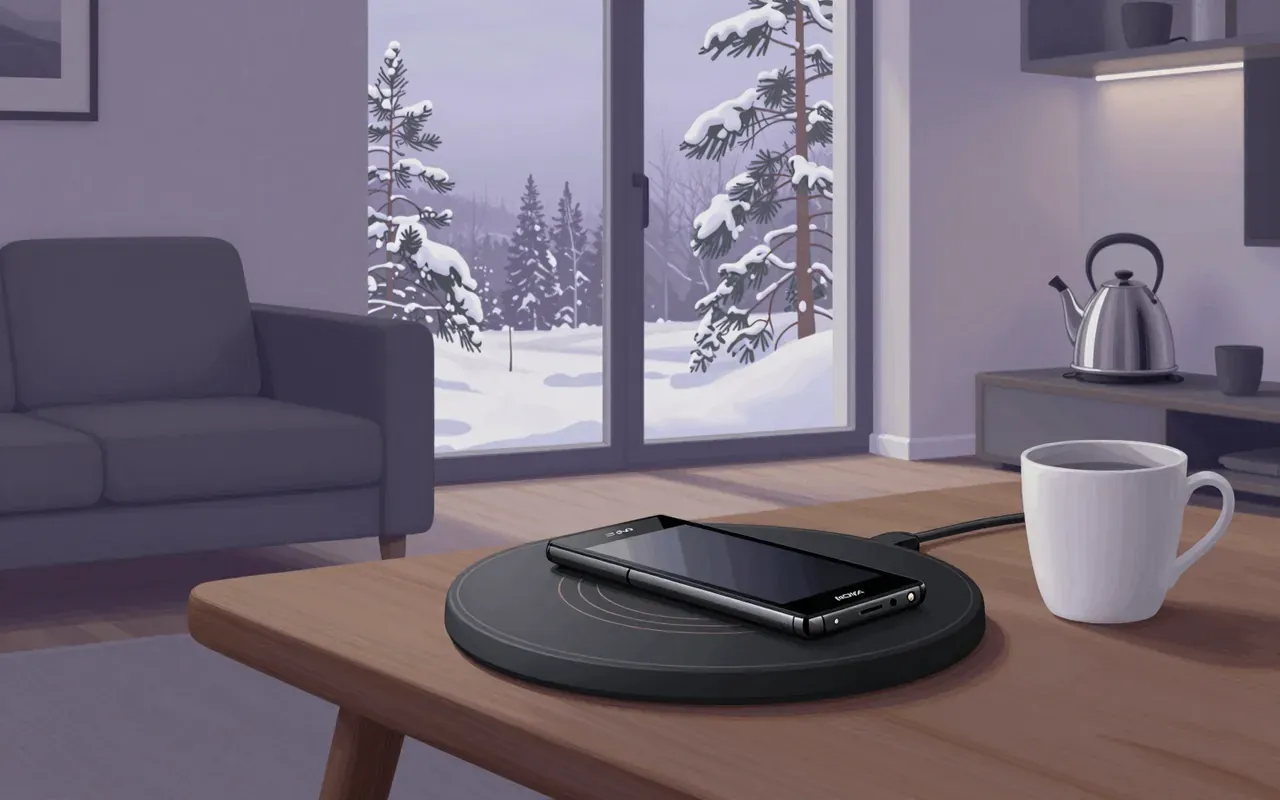
The Nokia Lumia 920 is a hardware statement—not a platform victory. It shipped in November 2012 with three industry-first features: optical image stabilization, Qi inductive charging, and a sub-9 ms display response time. Its 8.7-megapixel BSI sensor and f/2.0 Carl Zeiss Tessar lens delivered tangible low-light gains. But its sealed 2000 mAh battery limited serviceability. Its Windows Phone 8 OS remained constrained by app scarcity and developer neglect. The device generated press optimism and internal hope at Nokia—but did not reverse the platform’s trajectory. It matters today as a case study in where hardware differentiation can—and cannot—compensate for ecosystem weakness.


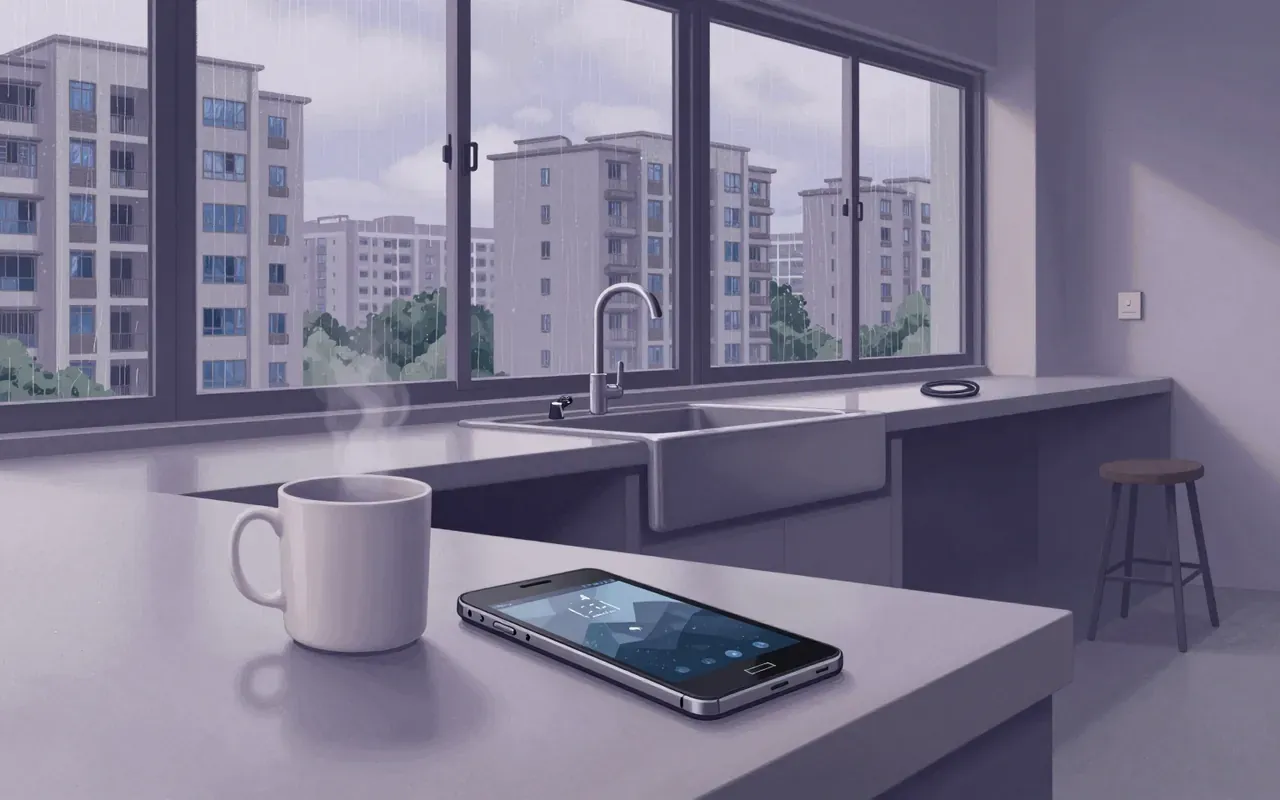
The OnePlus One delivered flagship hardware at lower cost by relying on Cyanogen OS and an invite-based launch. It worked as a provocation—not as a finished product. Its value was in exposing the fragility of Android's ecosystem, not in shipping a polished experience.
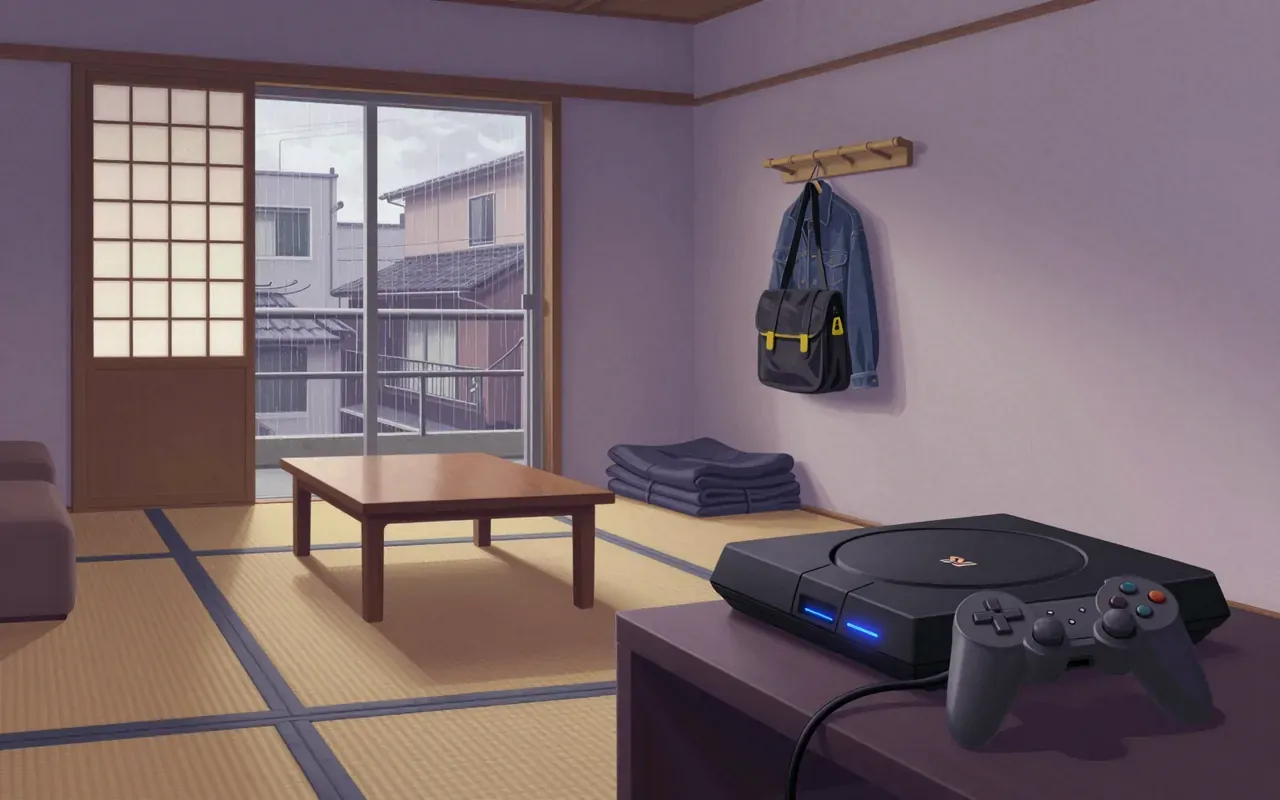
The PlayStation 2 is a home video game console developed by Sony Computer Entertainment, first released in Japan on March 4, 2000. It is the successor to the original PlayStation and a sixth-generation console that competed with Nintendo's GameCube, Sega's Dreamcast, and Microsoft's Xbox. It featured a built-in DVD drive and full backward compatibility with original PlayStation games and accessories. Its hardware included a custom-built Emotion Engine processor co-developed with Toshiba. It remains the best-selling video game console of all time, having sold 160 million units worldwide.
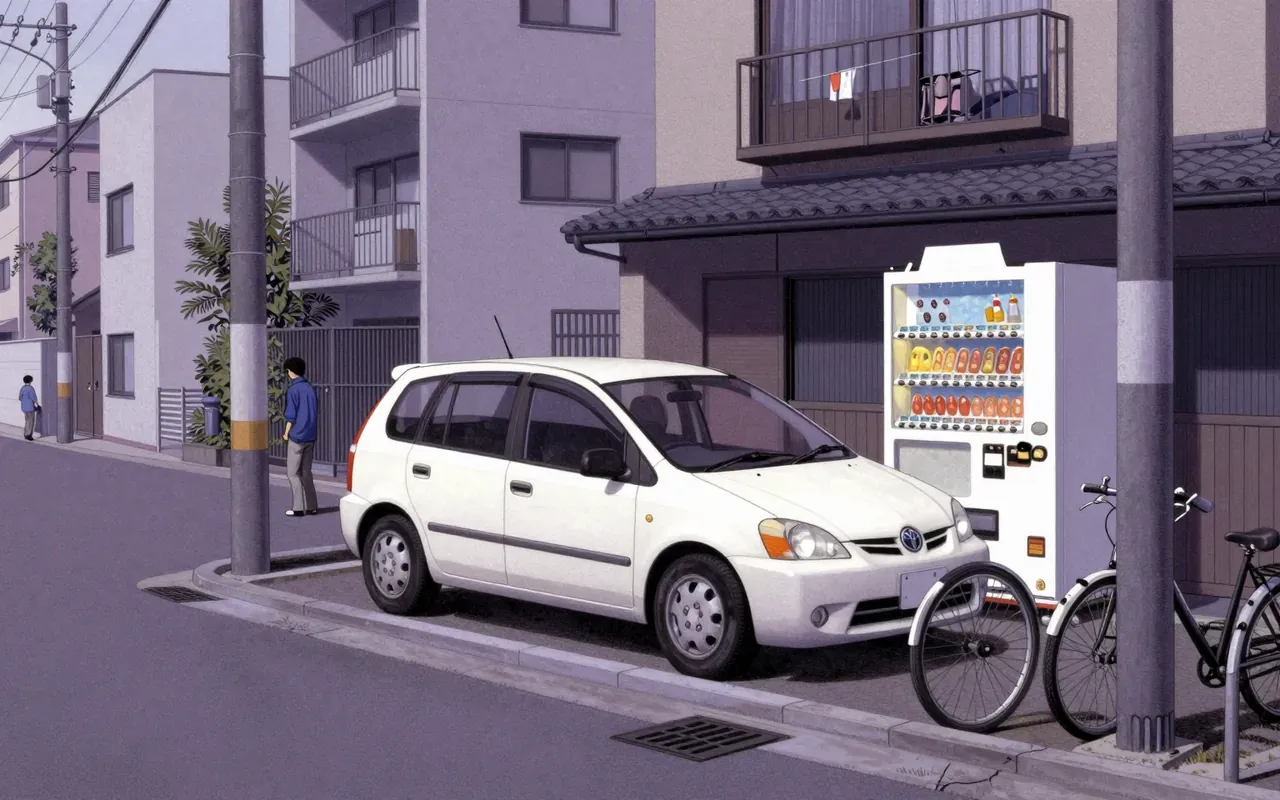
The Prius established hybrid electrification as a viable mass-production pathway—not through technical novelty alone, but by shipping, selling, iterating, and breaking even. Its real innovation was industrial execution under constraint.


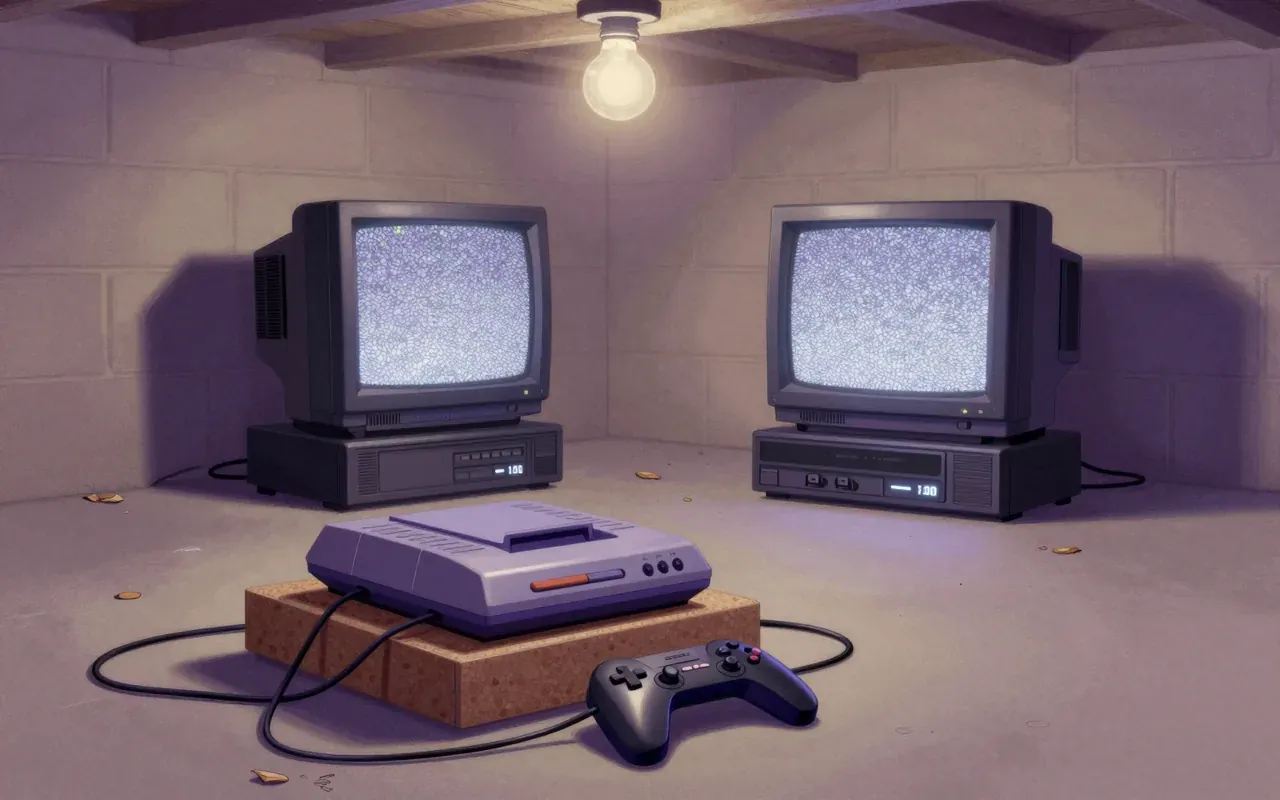
The Sega Genesis is a 16-bit fourth-generation home video game console adapted from Sega's System 16 arcade board, using a Motorola 68000 CPU and Zilog Z80 sound controller, released in Japan in October 1988 and North America in August 1989, playing over 800 ROM cartridge games, supporting add-ons like the Power Base Converter for Master System compatibility, and backed by two network services: Sega Meganet and Sega Channel.
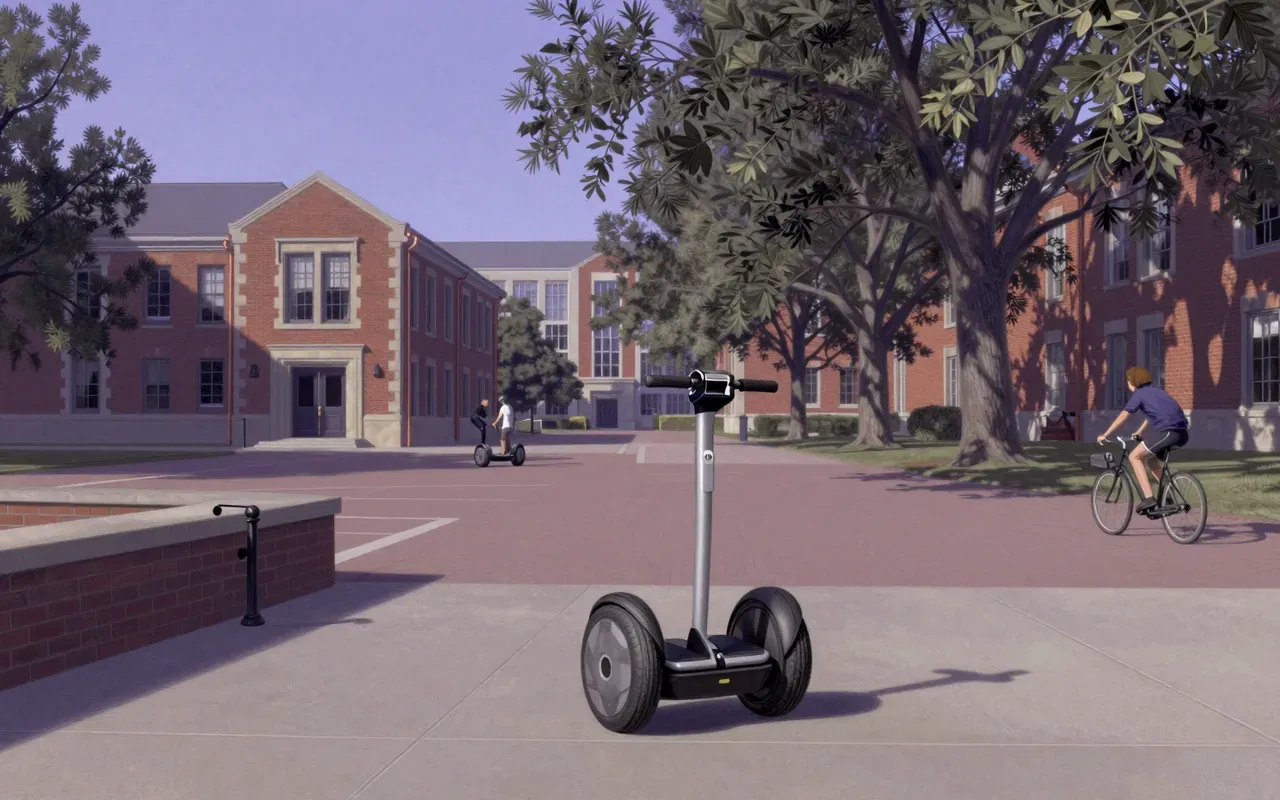
The Segway PT is a mechanically elegant, narrowly useful device born from medical robotics. It solved balance precisely, but failed to solve adoption. Its legacy is not in streets, but in patents, pivots, and the cautionary weight of overpromising hardware.


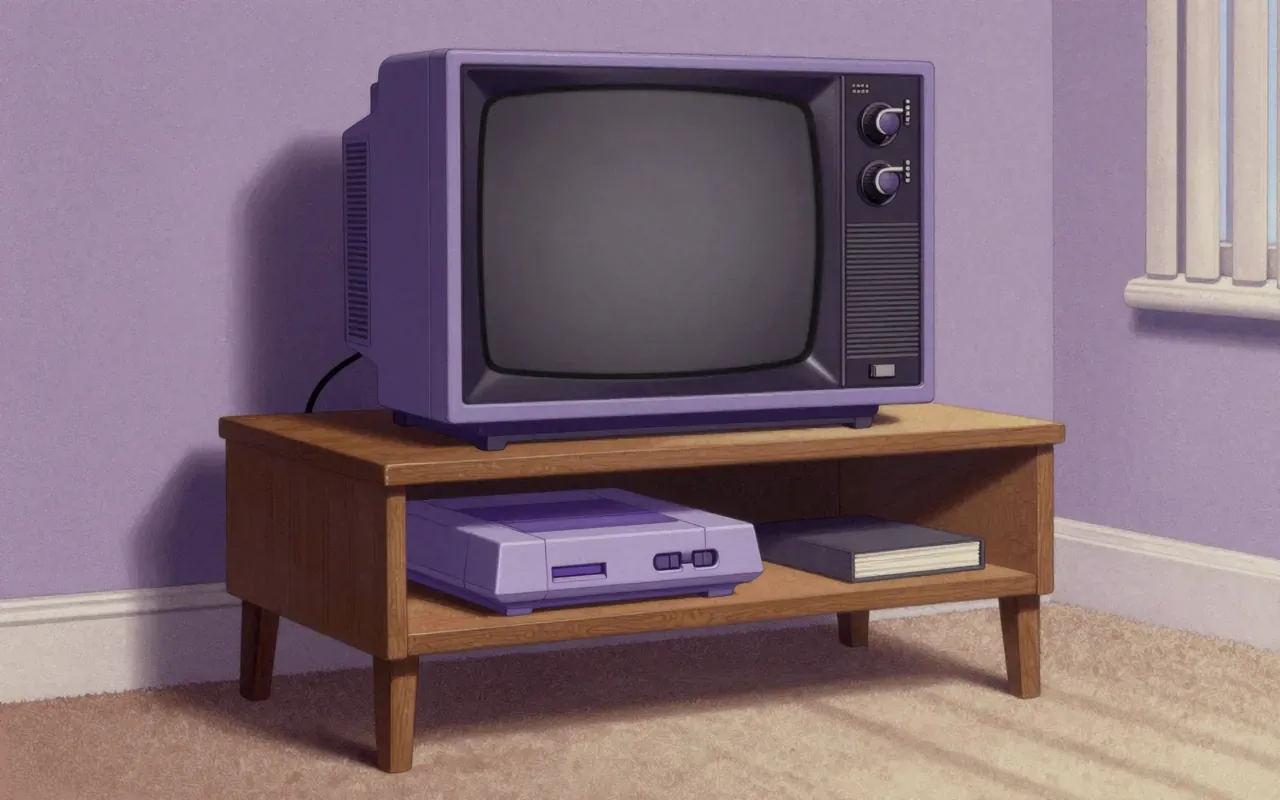
The SNES is a 16-bit fourth-generation home console developed by Nintendo as its second programmable system. Designed by Masayuki Uemura in response to the Sega Genesis and TurboGrafx-16, it launched in Japan on 21 November 1990 as the Super Famicom. Its technical strengths—Mode 7 graphics, eight-channel ADPCM audio, and cartridge-compatible enhancement chips—enabled expressive game design within strict hardware boundaries. It competed directly with the Genesis, achieved rapid early sales (300,000 units sold out in hours in Japan), and reached over 46 million combined units sold by mid-1992. Its life cycle extended until 1999 in the US and 2003 in Japan. It did not deliver true 3D, multitasking, networking, or firmware updates. Its legacy lies in proving that modular, cartridge-based hardware extensions could sustain a platform across a full generation.


UTF-8 is a variable-width Unicode encoding co-designed by Ken Thompson and Rob Pike in 1992. It guarantees ASCII compatibility, supports all 1,112,064 Unicode code points, and became the dominant web encoding — over 90% of pages in 2019. Its strength is pragmatic interoperability; its weakness is zero tolerance for malformed input and no compression benefit.