Hewlett-Packard
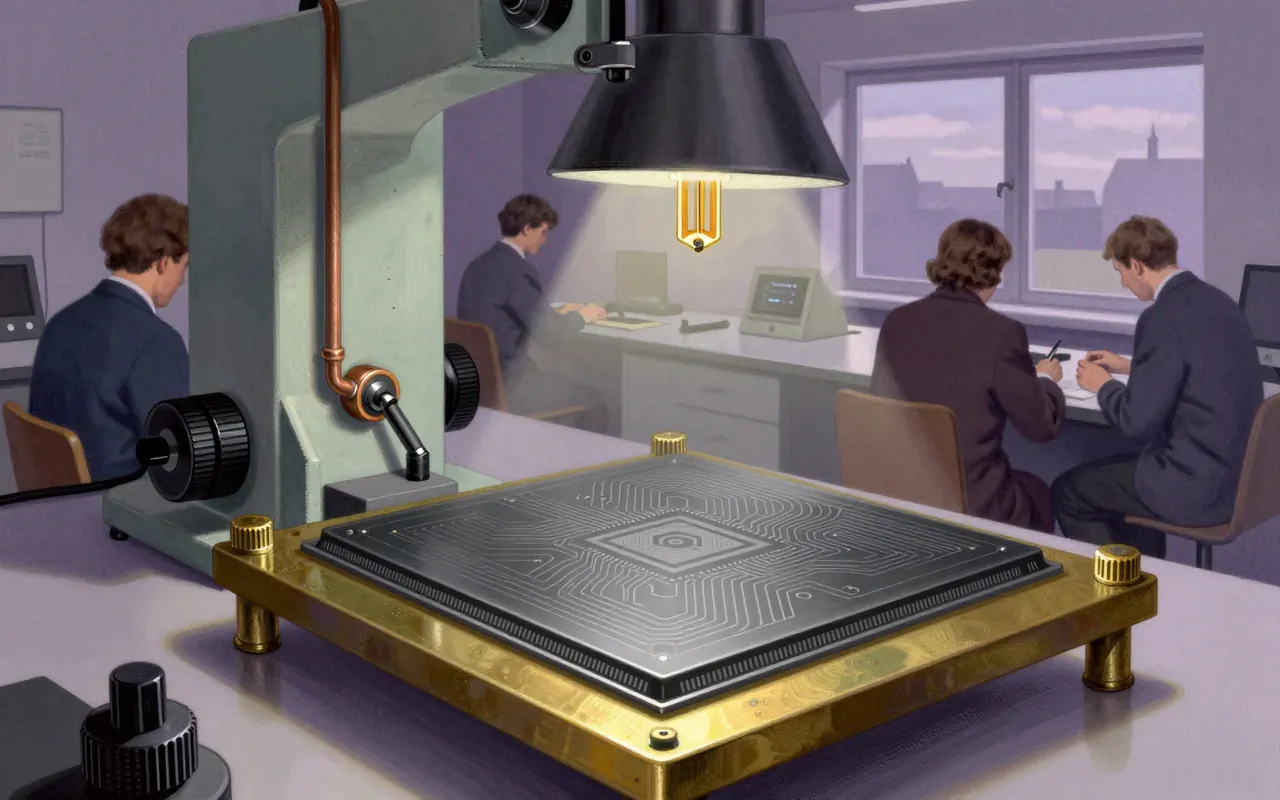
A light bulb—not transistors, not code—was HP’s first engineering breakthrough.
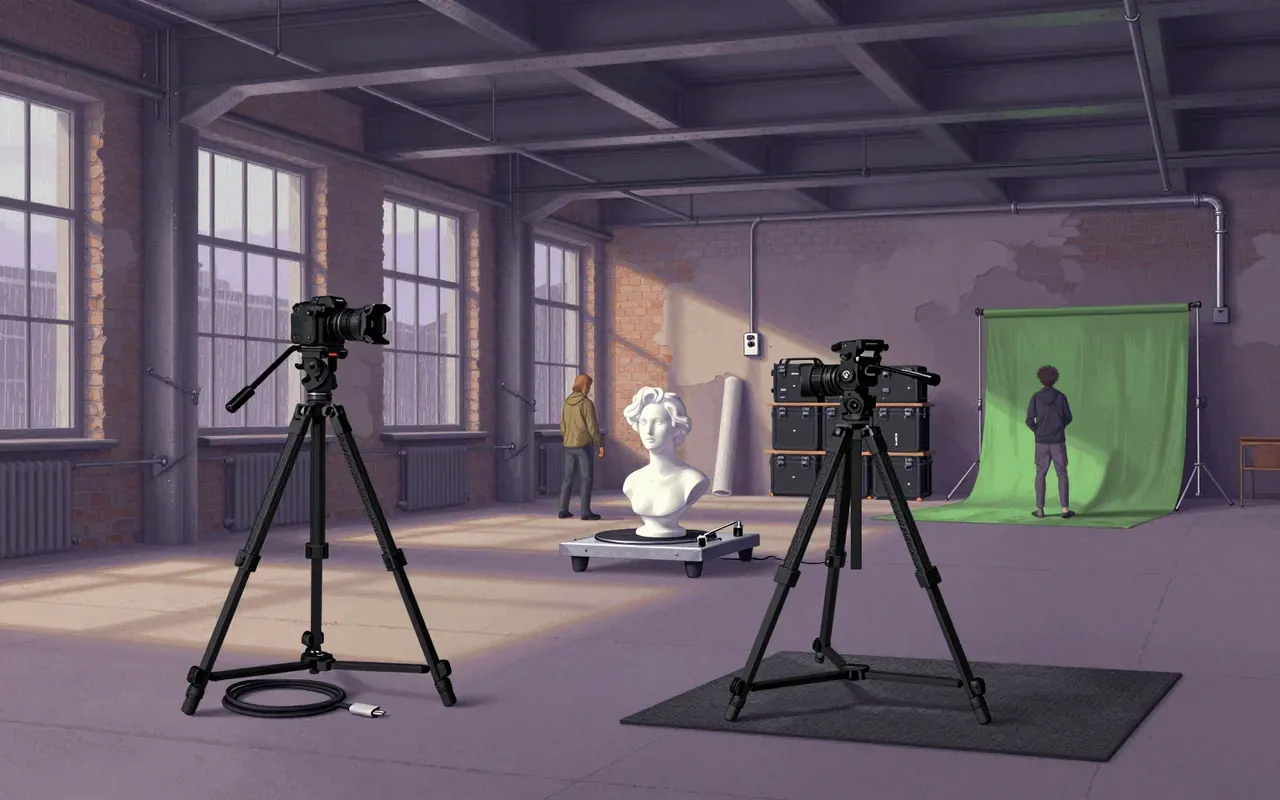

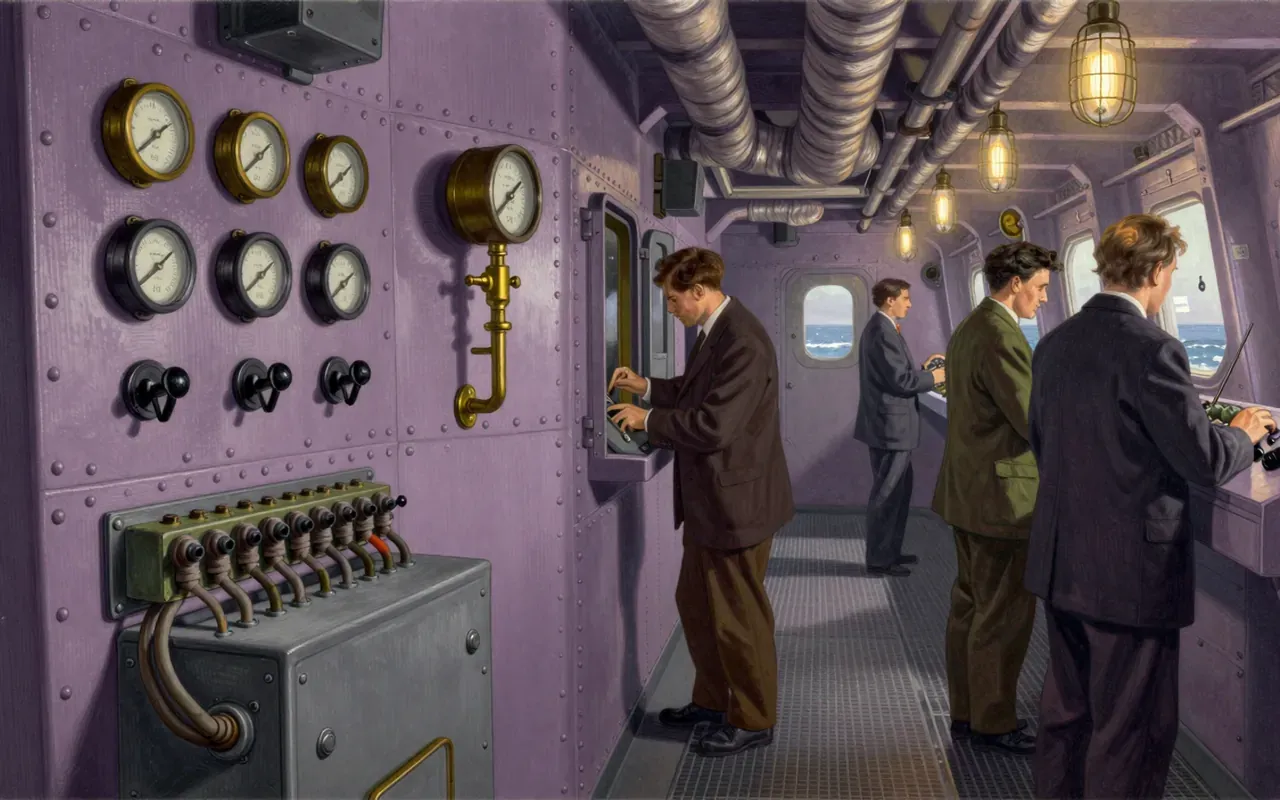
Closed-loop control uses feedback to regulate dynamical systems. It requires sensors, a controller, actuators, and a plant. It improves disturbance rejection, stability, and accuracy over open-loop methods—but depends entirely on correct implementation, sensor fidelity, and controller design. Nicholas Minorsky is not mentioned in the source material.
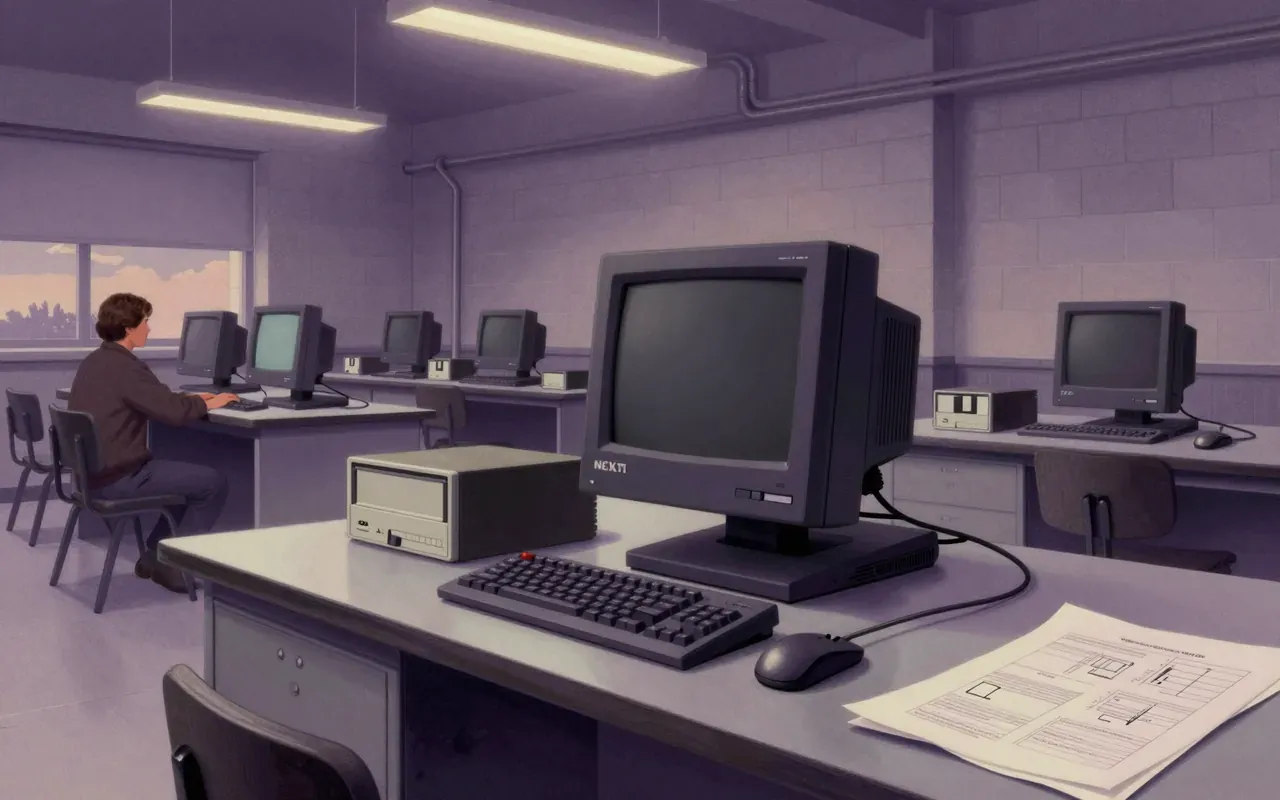
HTTP is the minimal, functional core that made the Web possible — not because it was elegant, but because it was small, implementable, and free.

Claude’s neon tube lighting was not the first gas-discharge light—but it was the first commercially viable one. Its success hinged on solving two engineering problems: keeping neon pure inside a sealed tube, and stopping electrodes from eroding under electrical stress. It turned air liquefaction waste into revenue. It did not enable low-power indicators—that came later, with Moore’s coronal-discharge lamp. It did not eliminate maintenance—it deferred it. Its real innovation was industrial integration, not physics.
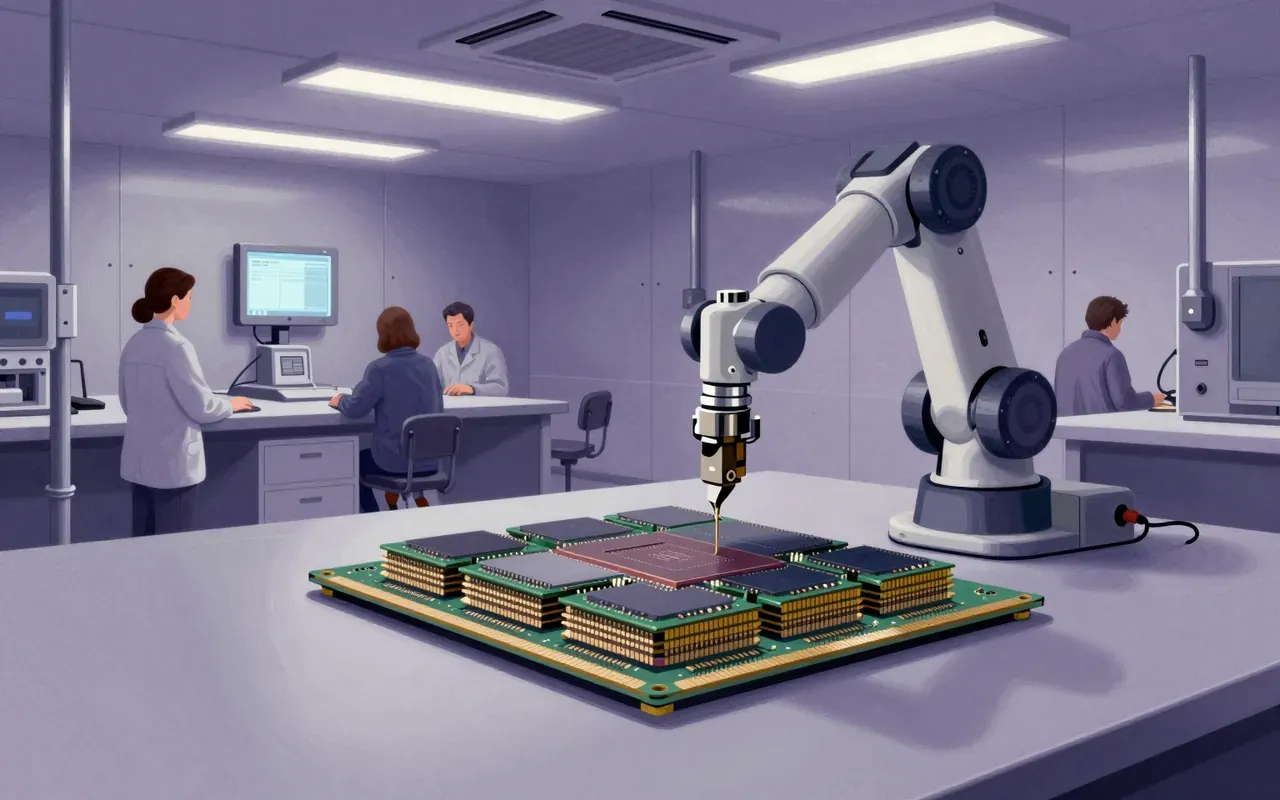
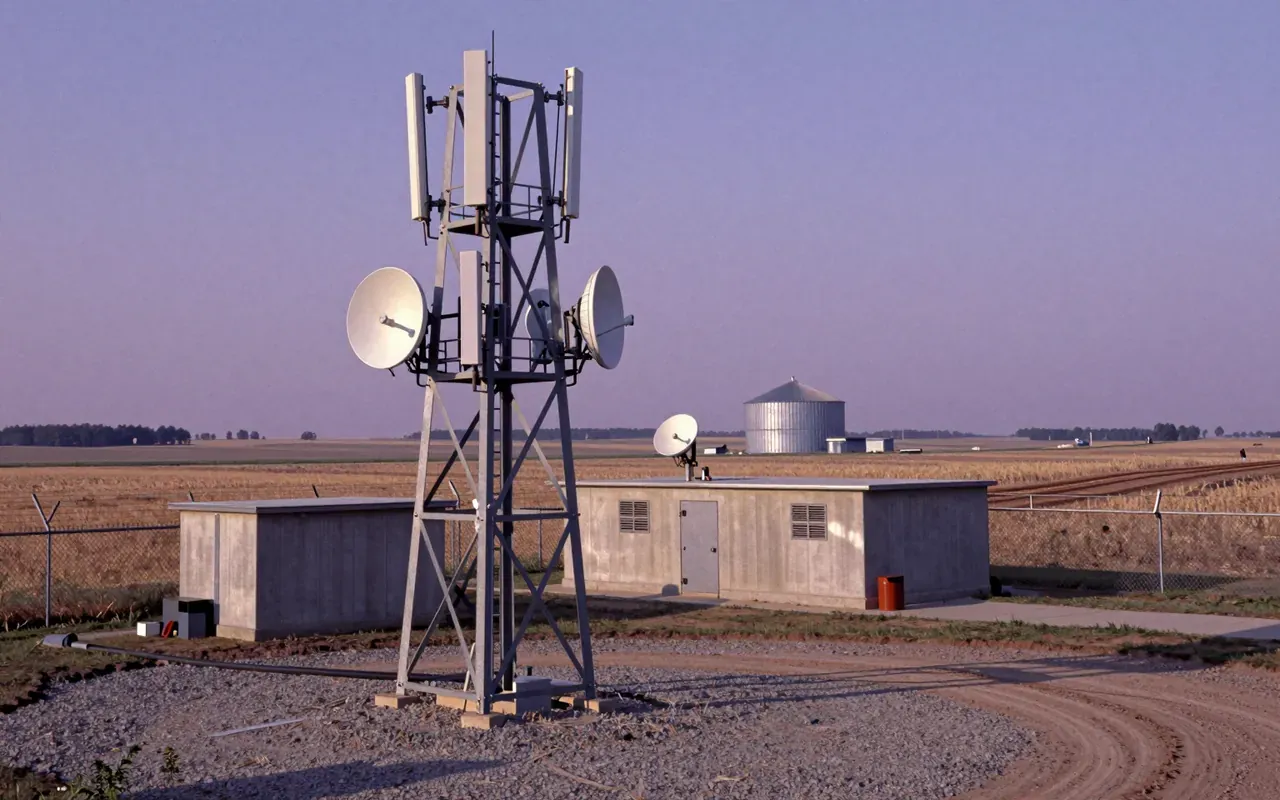
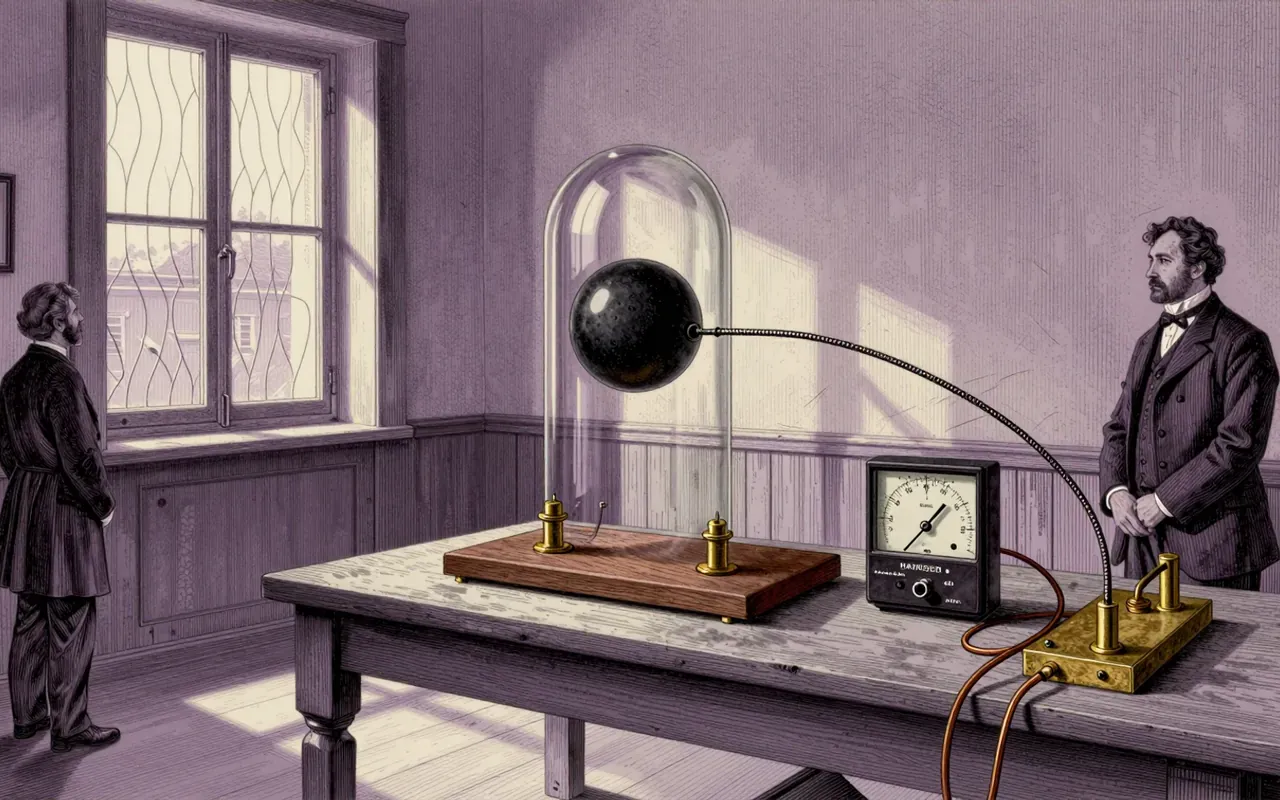
The thermistor is a semiconductor resistor whose resistance changes strongly with temperature. Michael Faraday discovered its NTC behaviour in silver sulfide in 1833. Commercial production did not begin until the 1930s due to manufacturing difficulty and limited applications. Samuel Ruben invented a commercially viable version in 1930.

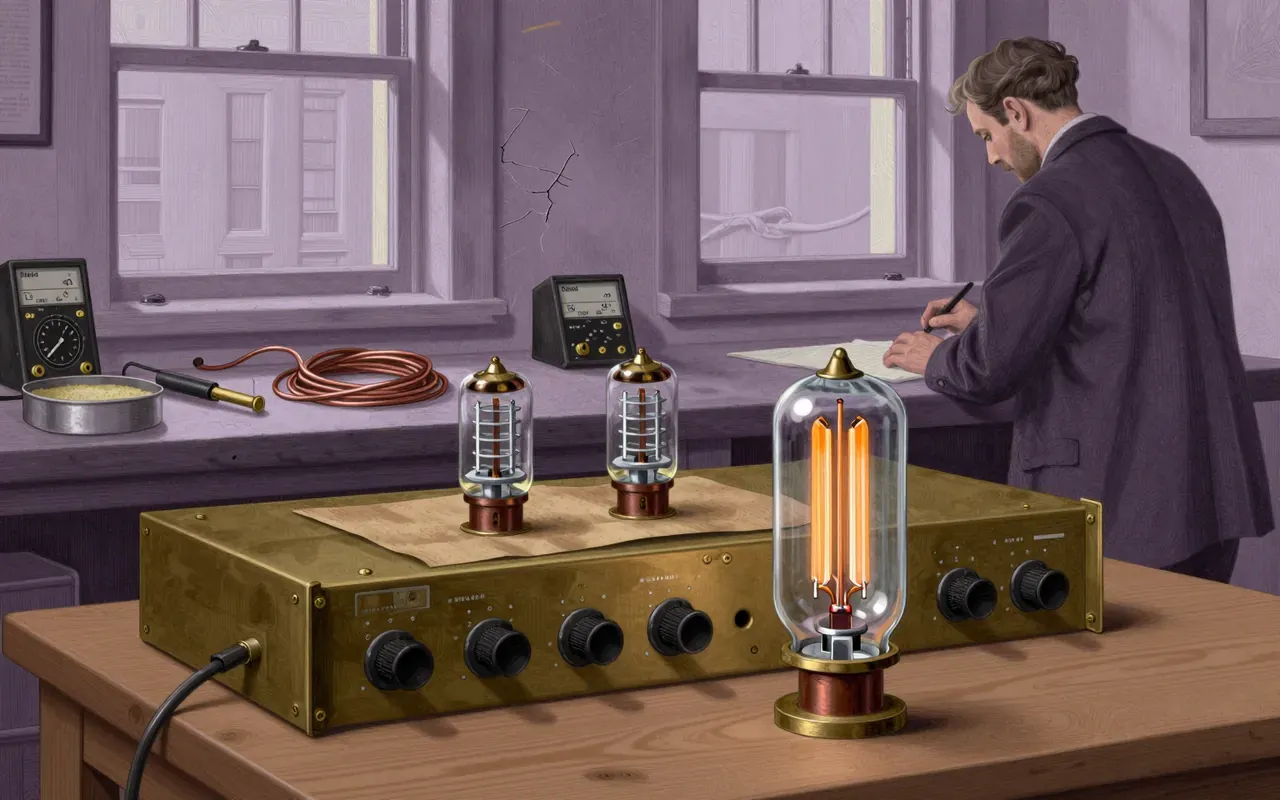
Lee de Forest’s triode valve amplifier is the first electronic amplifying device. It uses a control grid to modulate current flow. It first regenerated long-distance telephony signals. It amplified radio signals only slightly. It required residual gas and was initially unreliable. It enabled radio broadcasting, telephony, television, and computing.
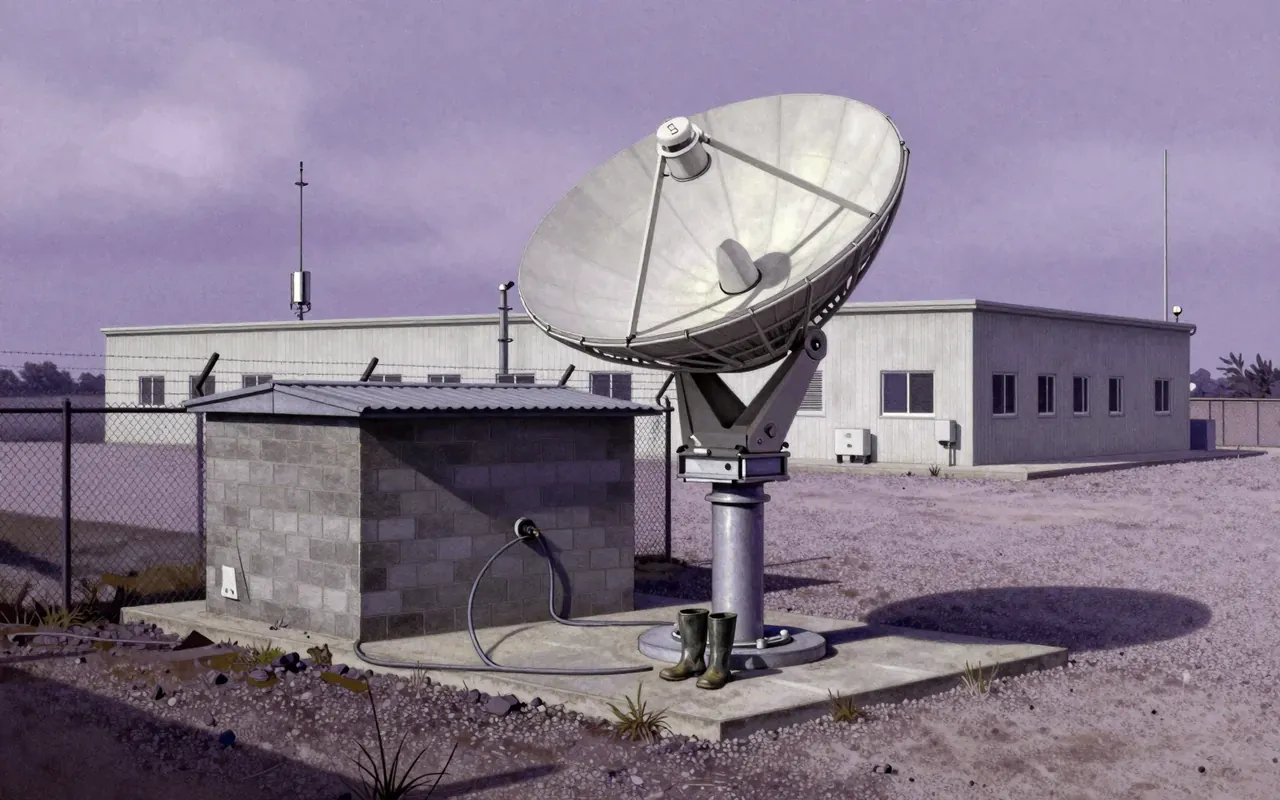
MQTT delivers what it promised in 1999: a lean, brokered telemetry protocol for expensive, low-bandwidth links. It works — but only where its constraints match your environment. Its standardisation cemented utility, not evolution.
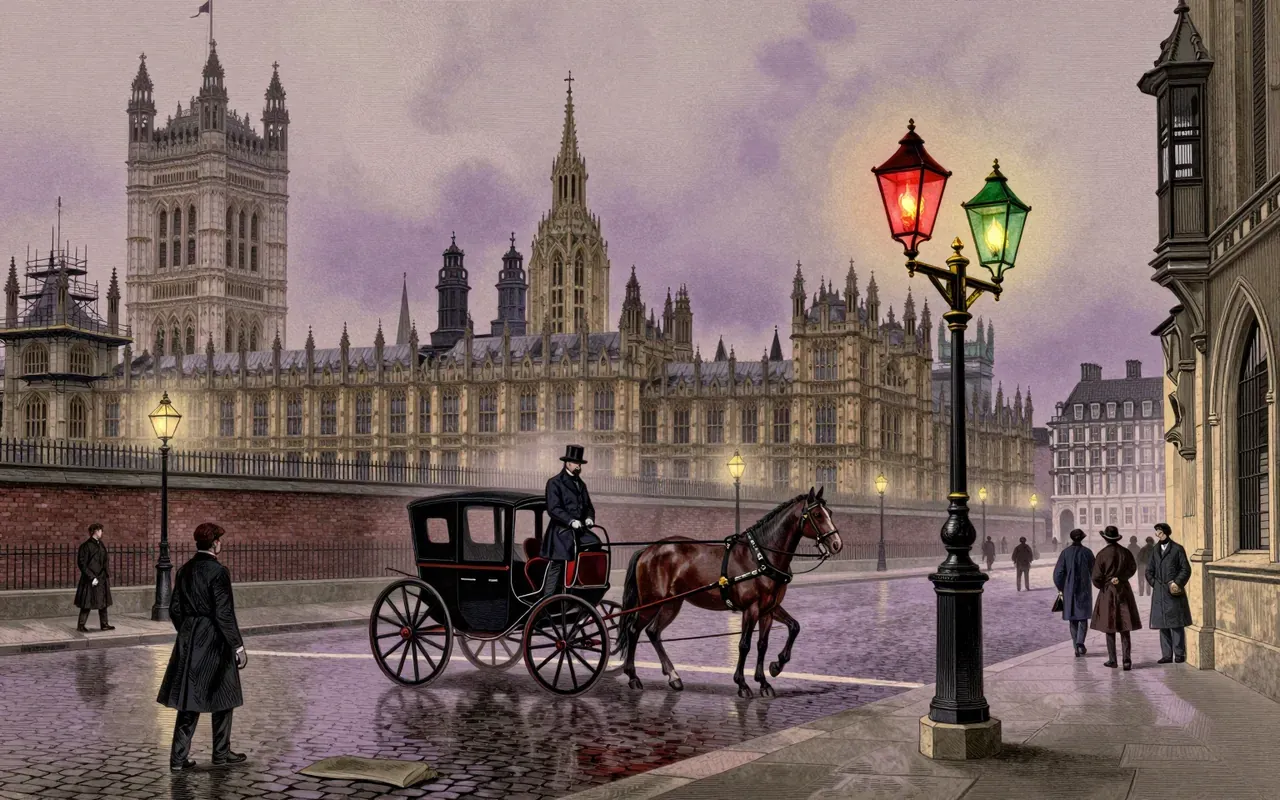
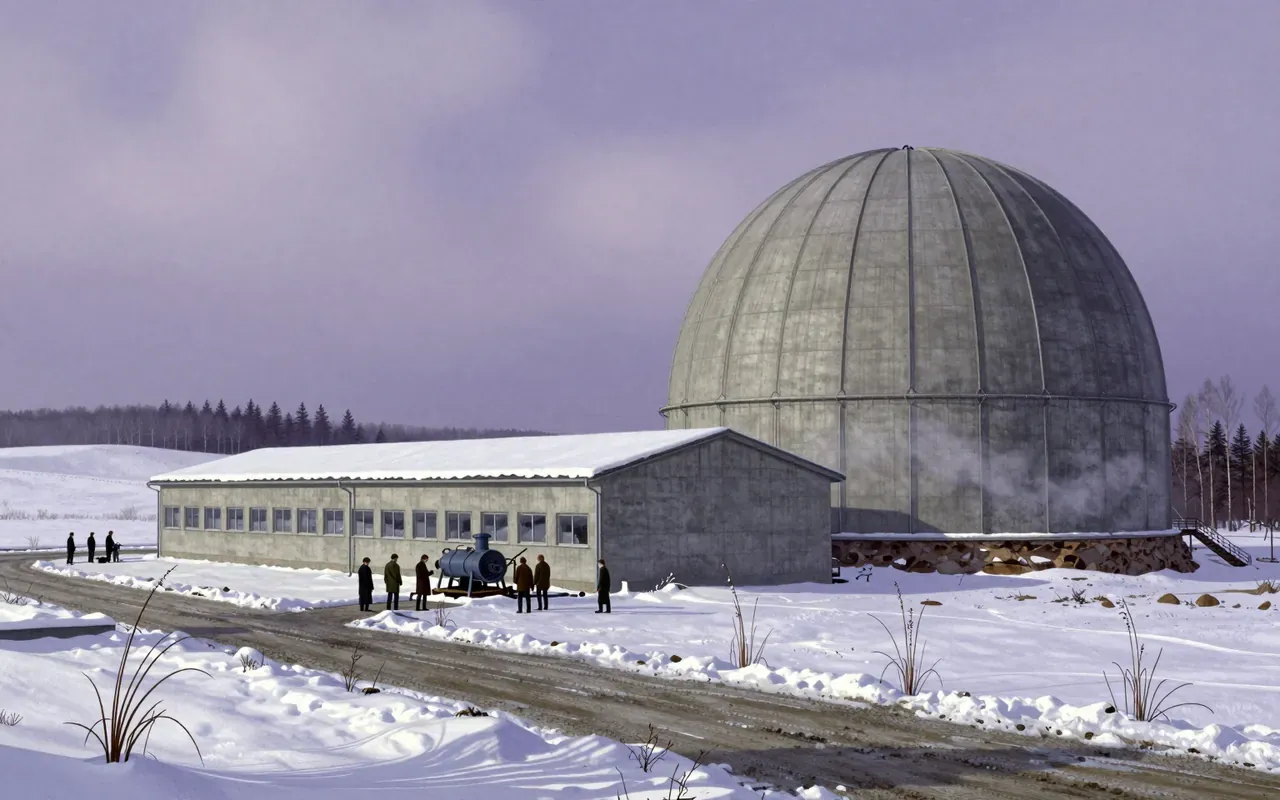

The 1892 Froelich tractor is a functional prototype — not a product, not a platform, not a pivot point. It works once, in one place, for one purpose. Its mechanism is clear. Its failure is documented. Its influence is retrospective mythmaking.
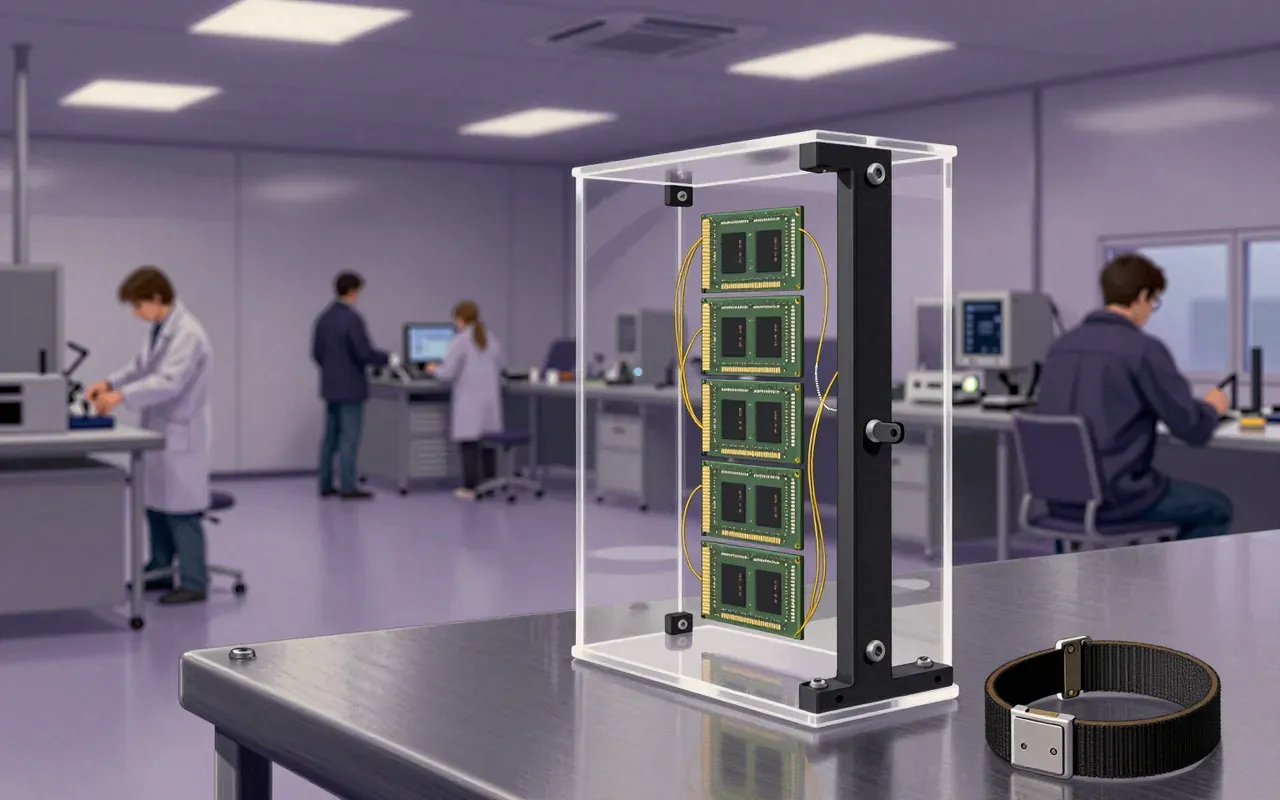
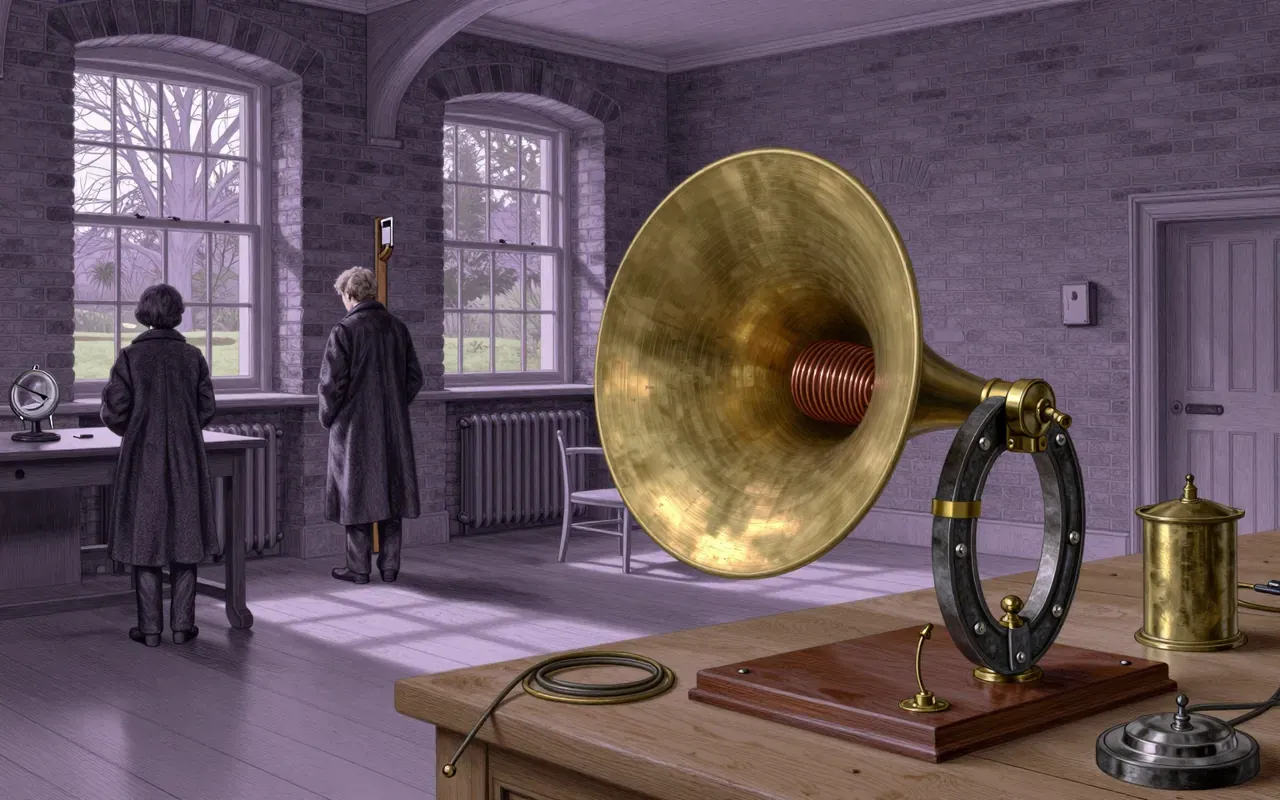
Lodge’s 1898 invention is the origin point of the moving-coil loudspeaker—but it was experimental, uncommercialised, and functionally limited. It proved electromagnetic transduction could move air. It did not solve amplification, fidelity, or scalability. Its value lies in principle, not performance.
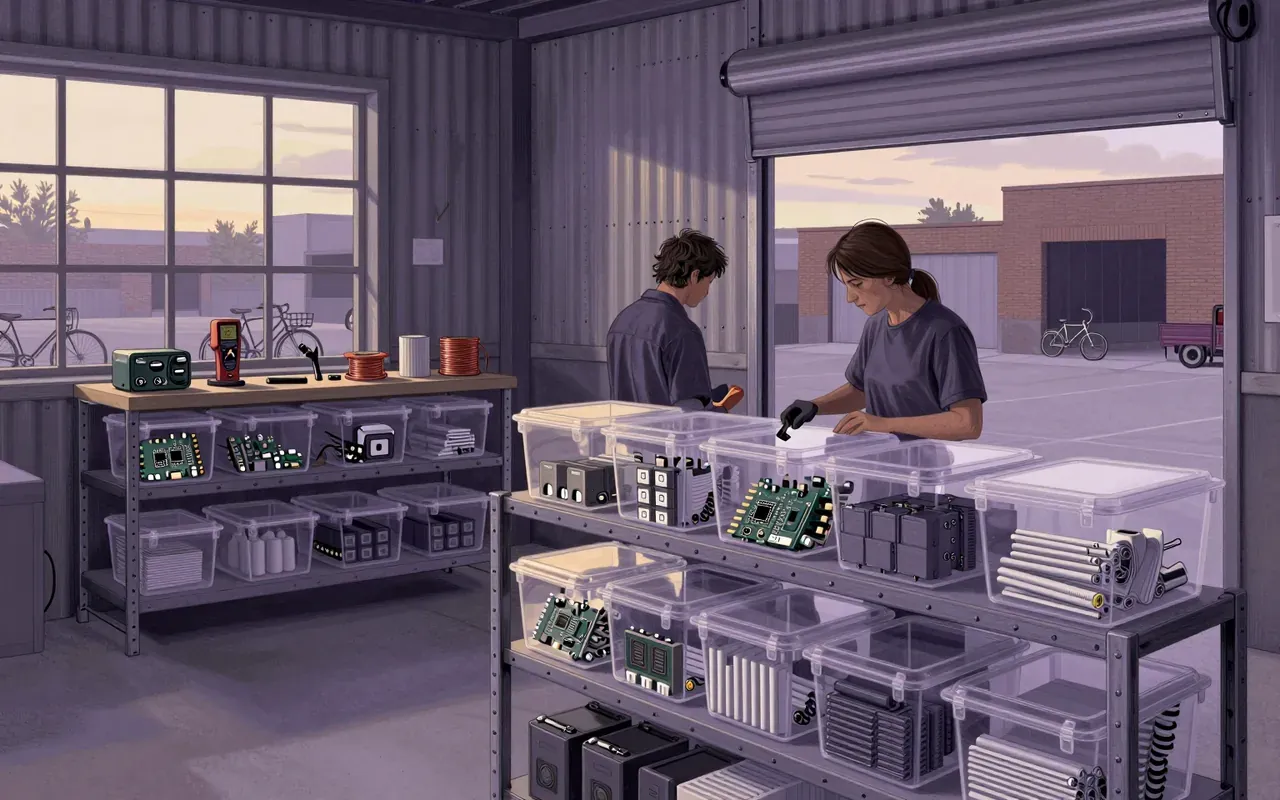
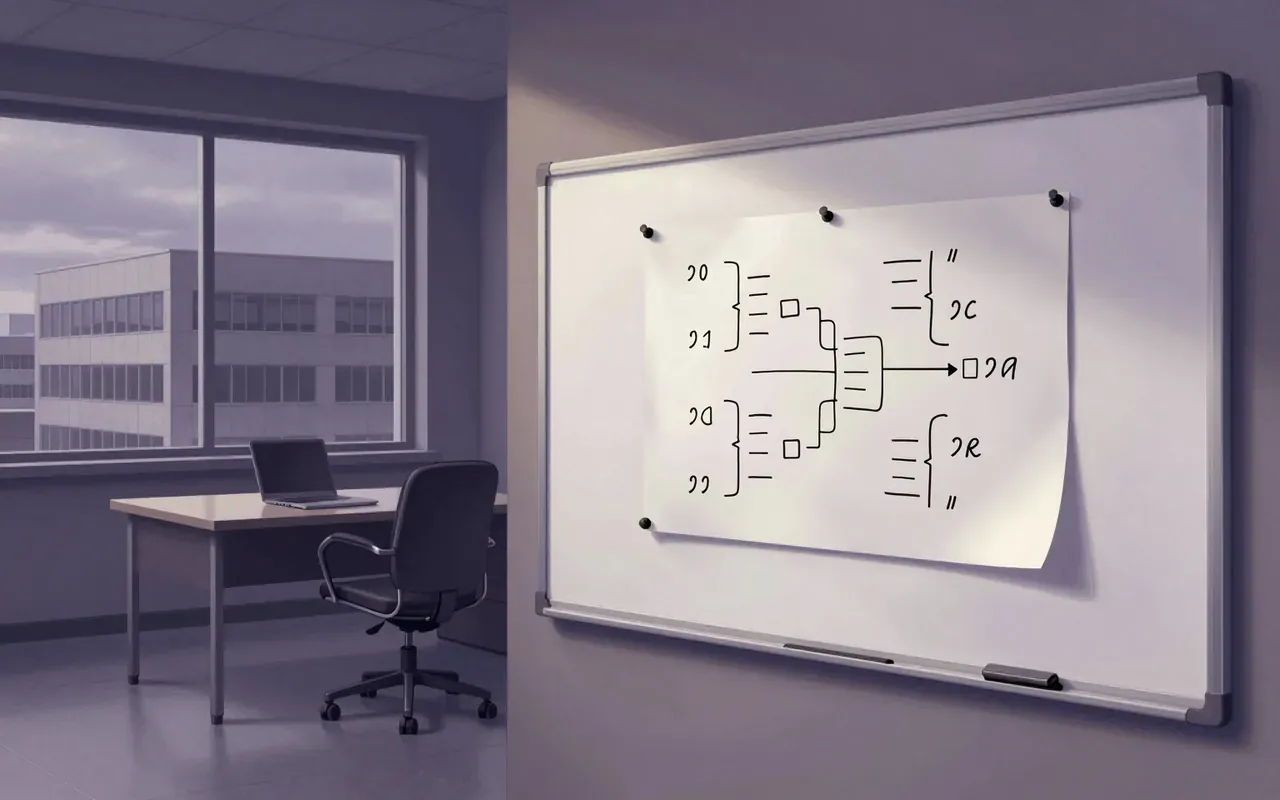
JSON is a syntactic constraint, not a data model. It works because it refuses to be more than a wire format — and fails wherever meaning, safety, or evolution is required.
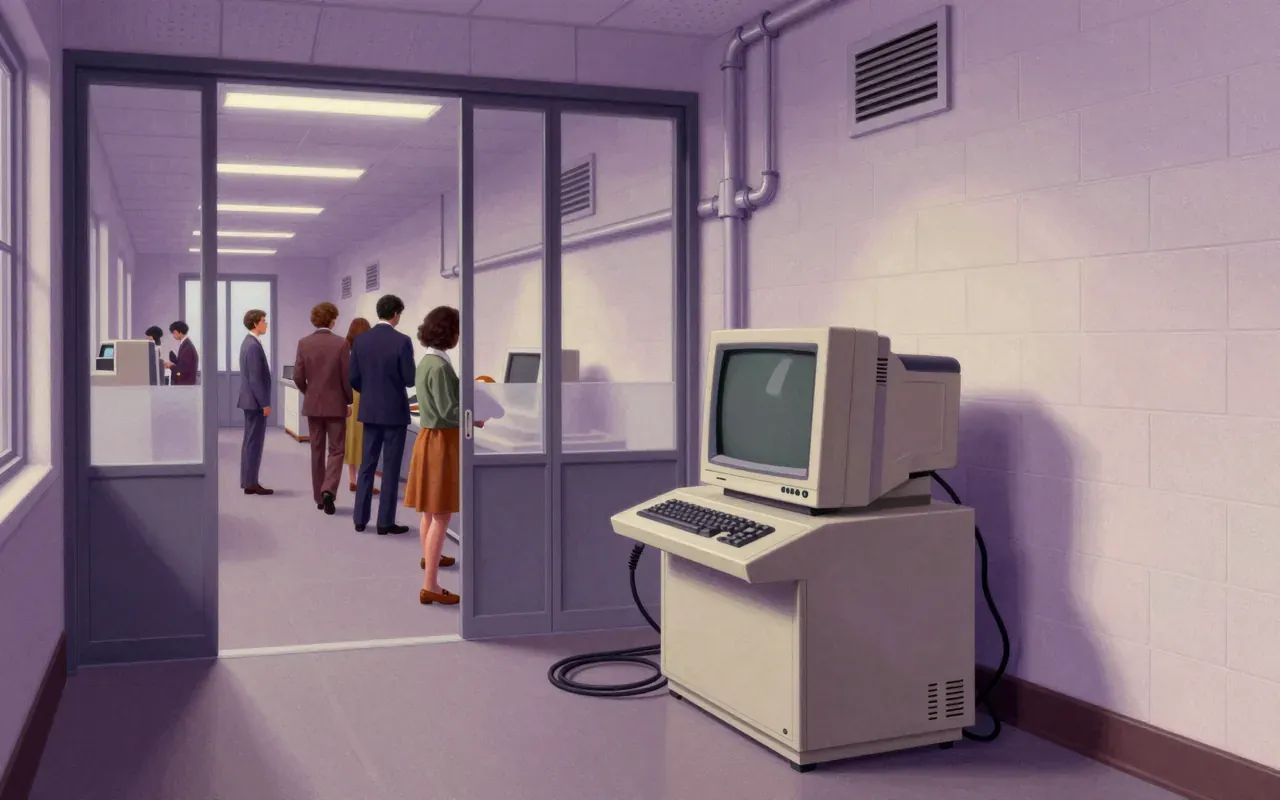
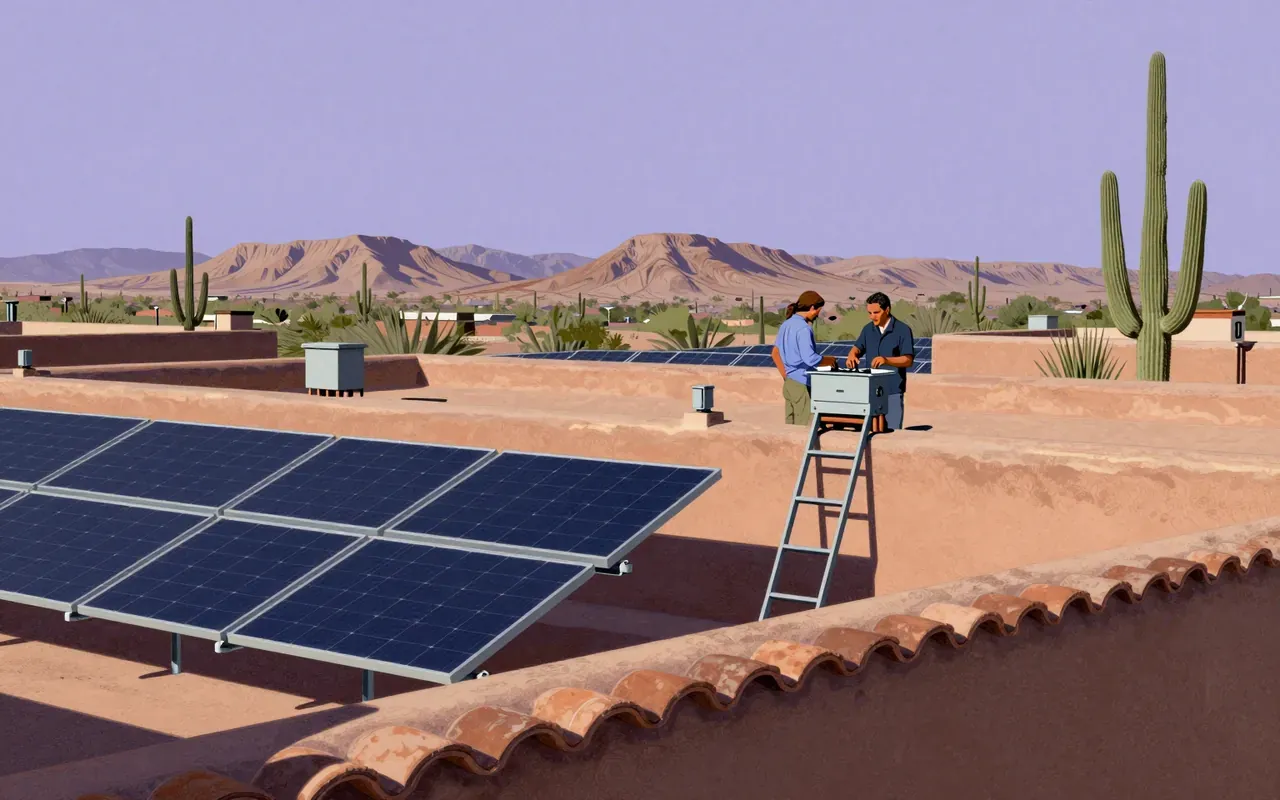

AES is a narrow, standardised, symmetric cipher mandated by NIST in 2001. It works reliably only when implemented correctly. It solves no problems beyond confidentiality of bulk data under fixed parameters. It demands careful key handling and side-channel mitigation — which it does not provide.


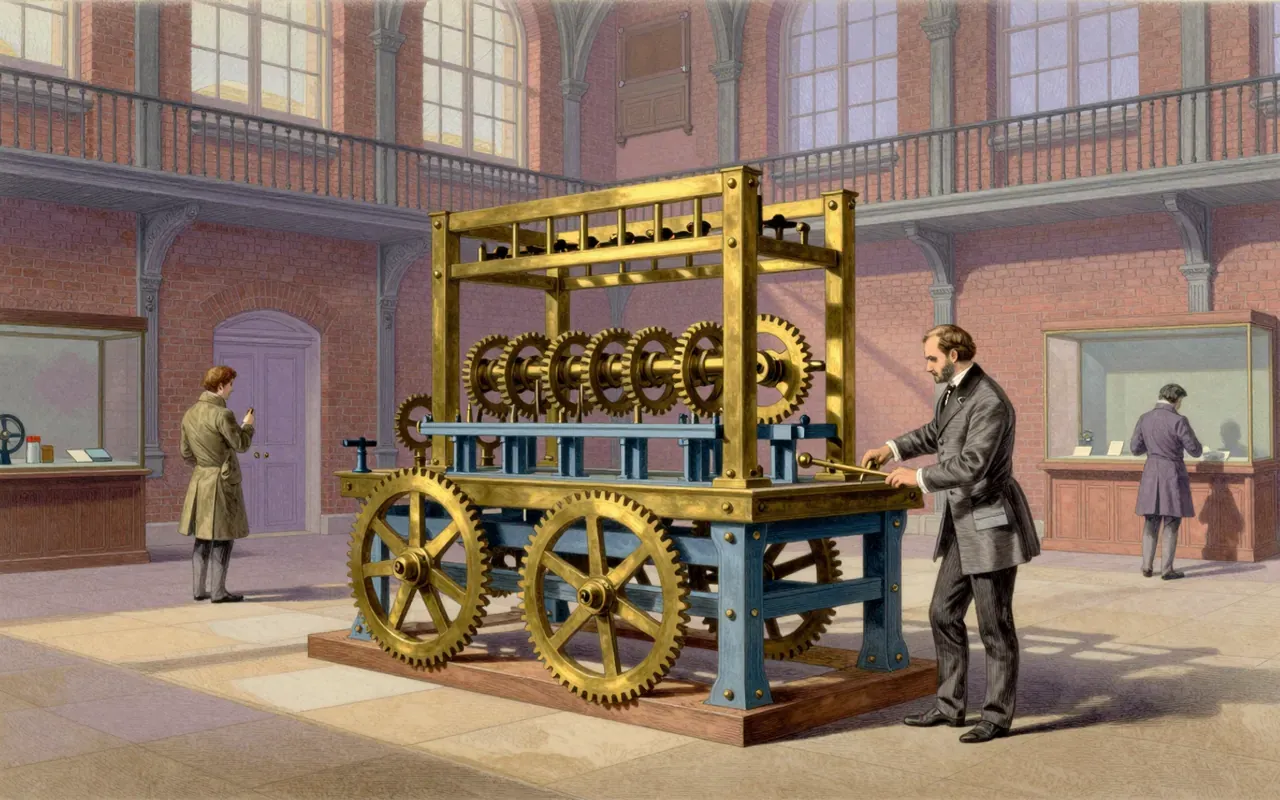
The difference engine is a proof that mechanical computation at high precision was possible in the 1820s—but only for one narrow class of problems, and only if built correctly. Its value lies not in what it delivered, but in what it demonstrated could be delivered.

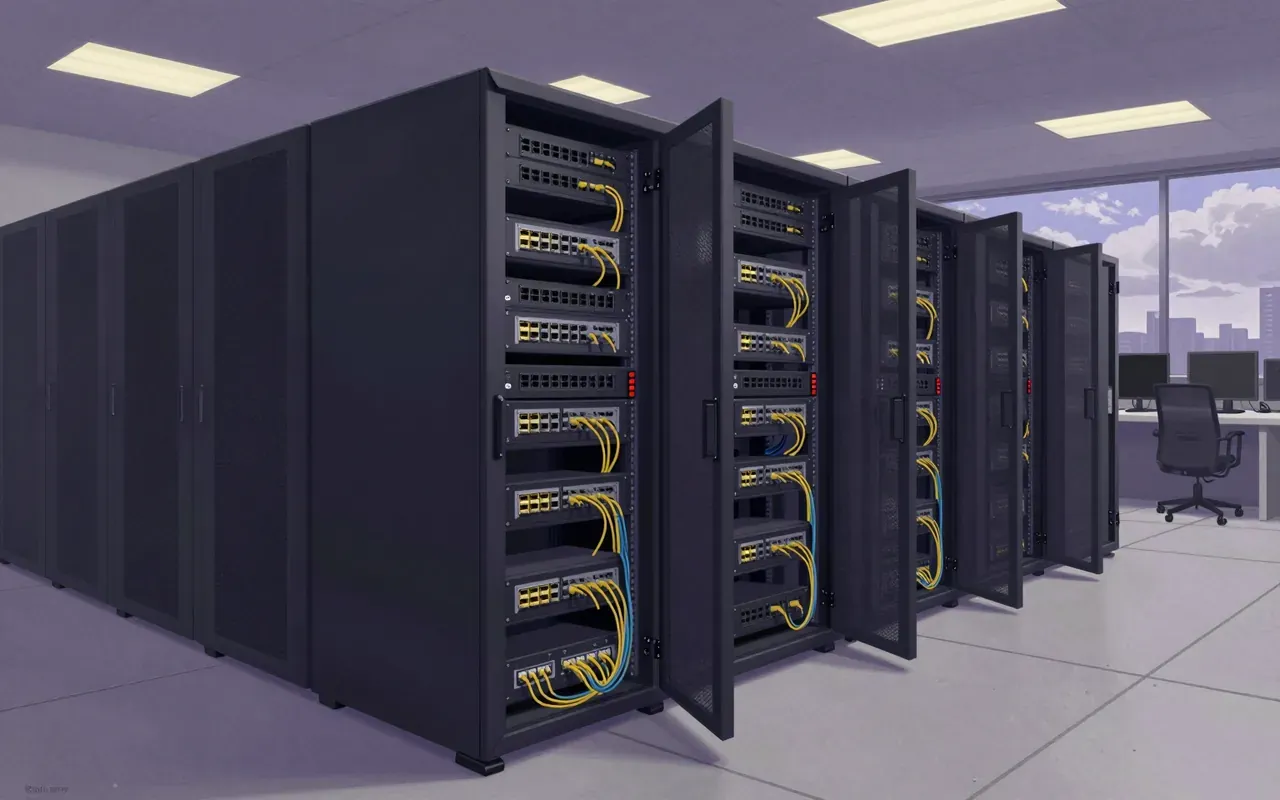

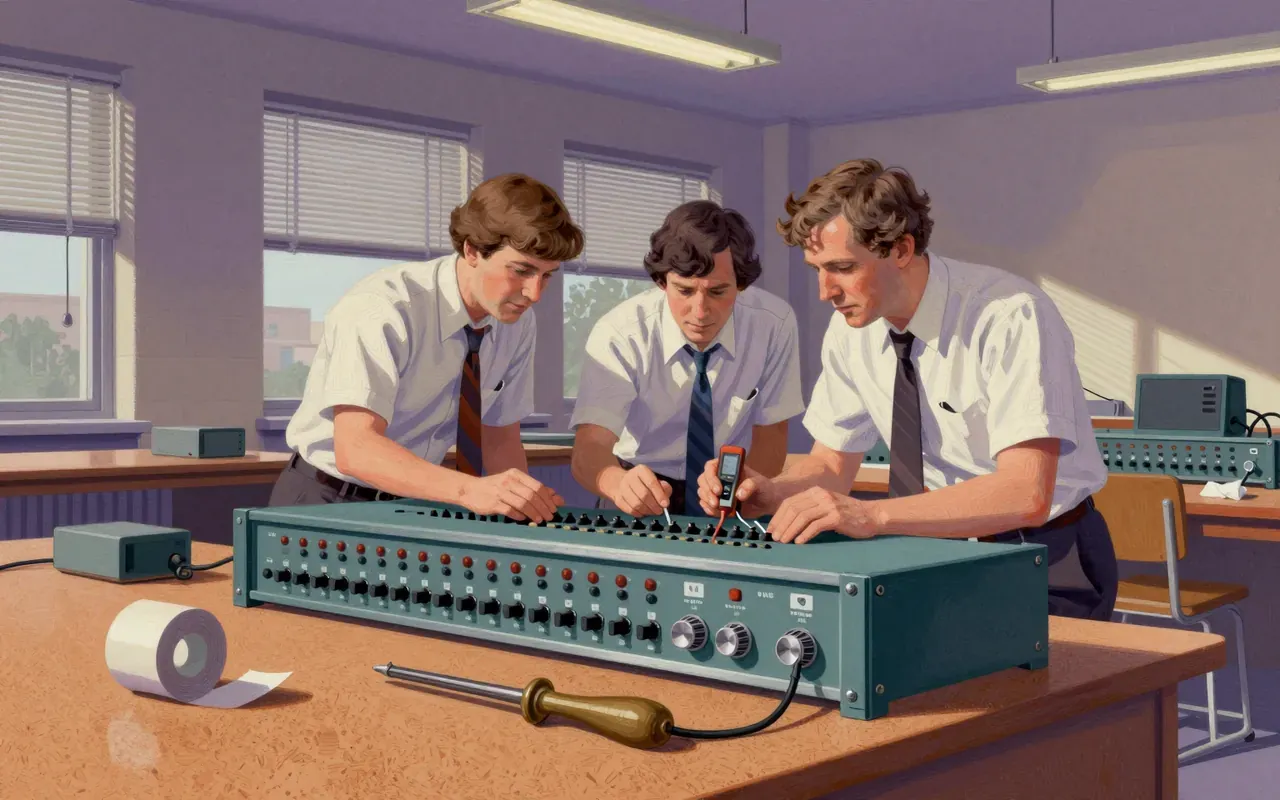
C is a deliberately minimal, hardware-close language that enabled Unix to become portable. It trades safety and abstraction for control and efficiency—and that trade still defines systems programming.

Rust delivers provable memory and thread safety through compile-time ownership and borrowing rules—not runtime enforcement. It works where it is applied strictly, fails where those rules are bypassed or ignored, and demands upfront investment in reasoning over runtime convenience. Its success lies not in eliminating trade-offs, but in making them explicit, auditable, and unignorable.
Prometheus is a pull-based, label-driven time-series monitoring system built by SoundCloud in 2012 to replace StatsD/Graphite for containerised infrastructure. It works well for short-lived services and dimensional querying—but requires operational discipline around scrape targets and lacks native horizontal scaling or logging integration.

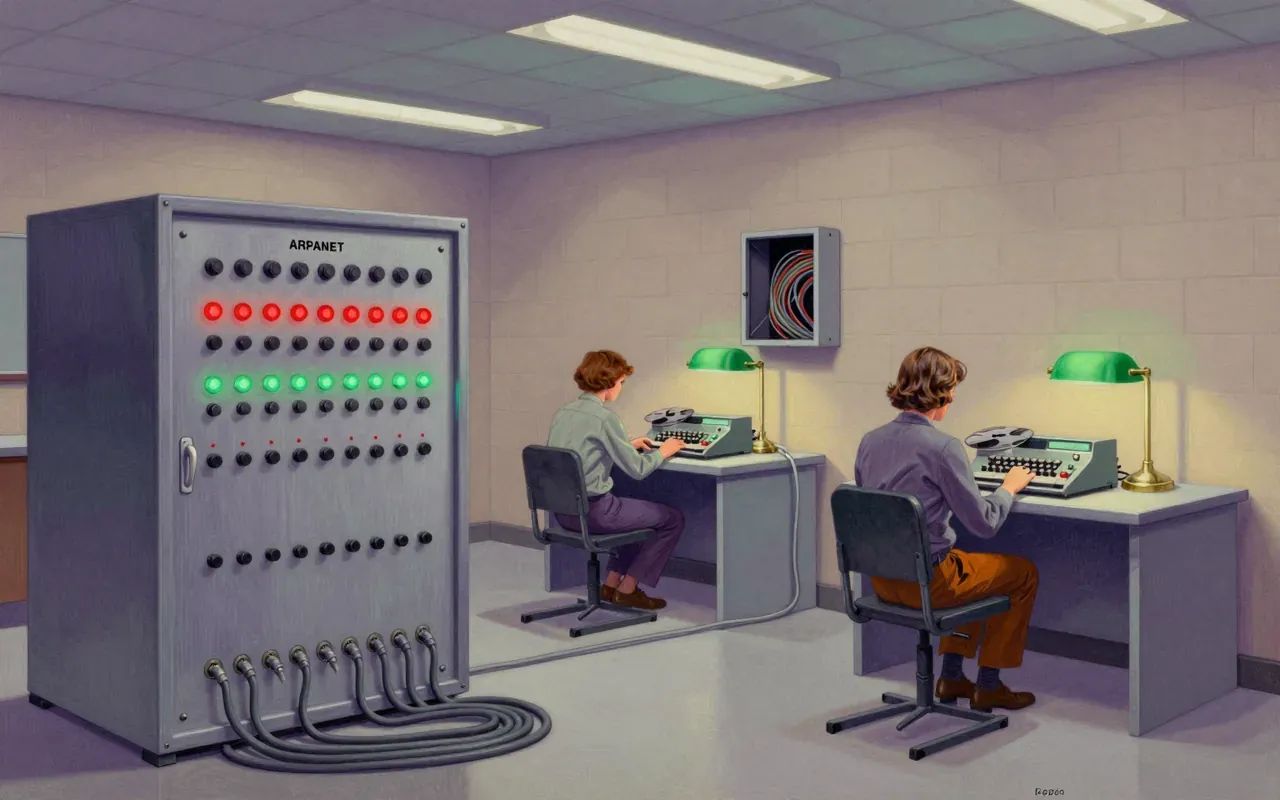
FTP is a foundational but fatally flawed protocol. It delivered interoperable file transfer in 1971, but its reliance on unencrypted channels and rigid two-connection architecture made it unsustainable. It changed how machines shared data — then became the textbook example of inherited insecurity.

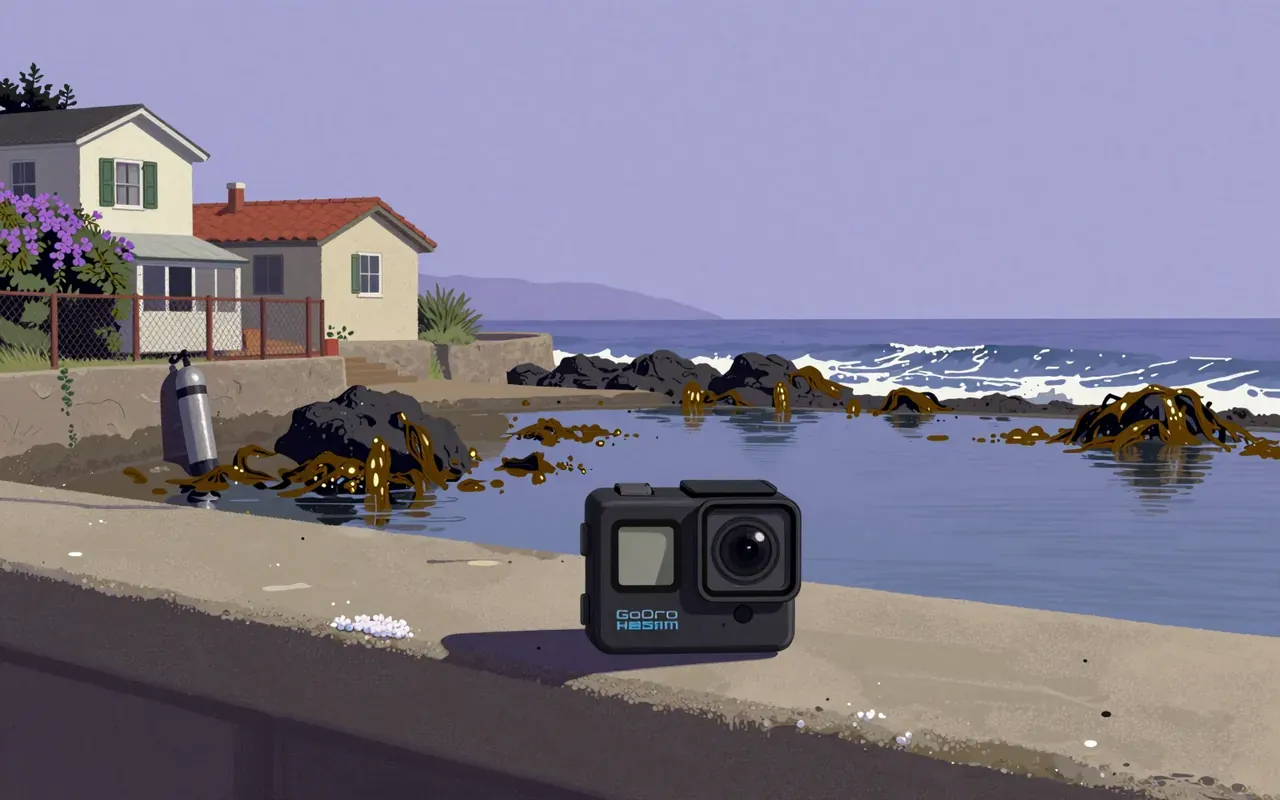
GoPro is a hardware product line defined by physical constraints and use-case discipline—not AI, cloud, or ecosystem. Its value lies in solving one narrow problem exceptionally well: rugged, wide-angle, first-person video capture. Its evolution from 35mm film to digital HD reflects adaptation—not disruption.
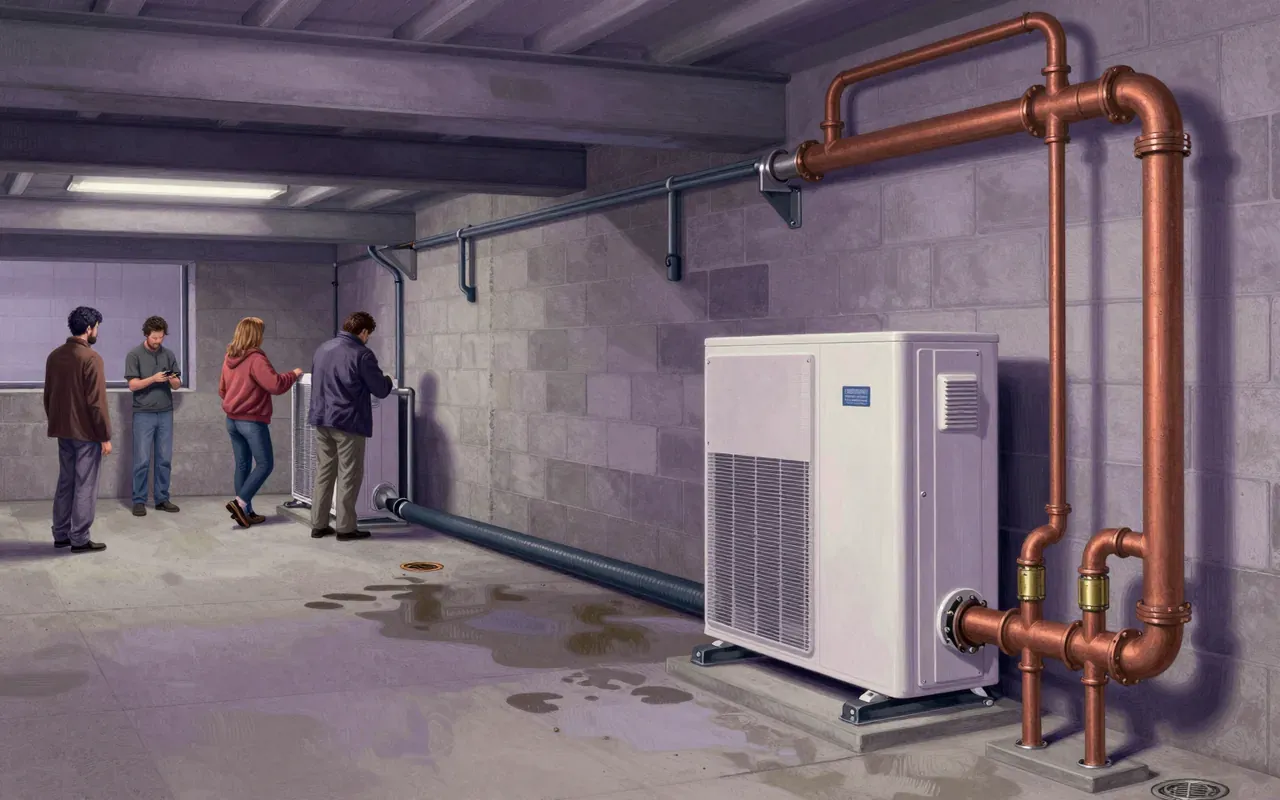
Robert C. Webber’s 1948 invention was not the first heat pump—but the first to use the ground as a thermal source. Its efficiency gain comes solely from stable input temperature, not new thermodynamics. It remains niche because it requires land, excavation, and integration at build stage—not after.



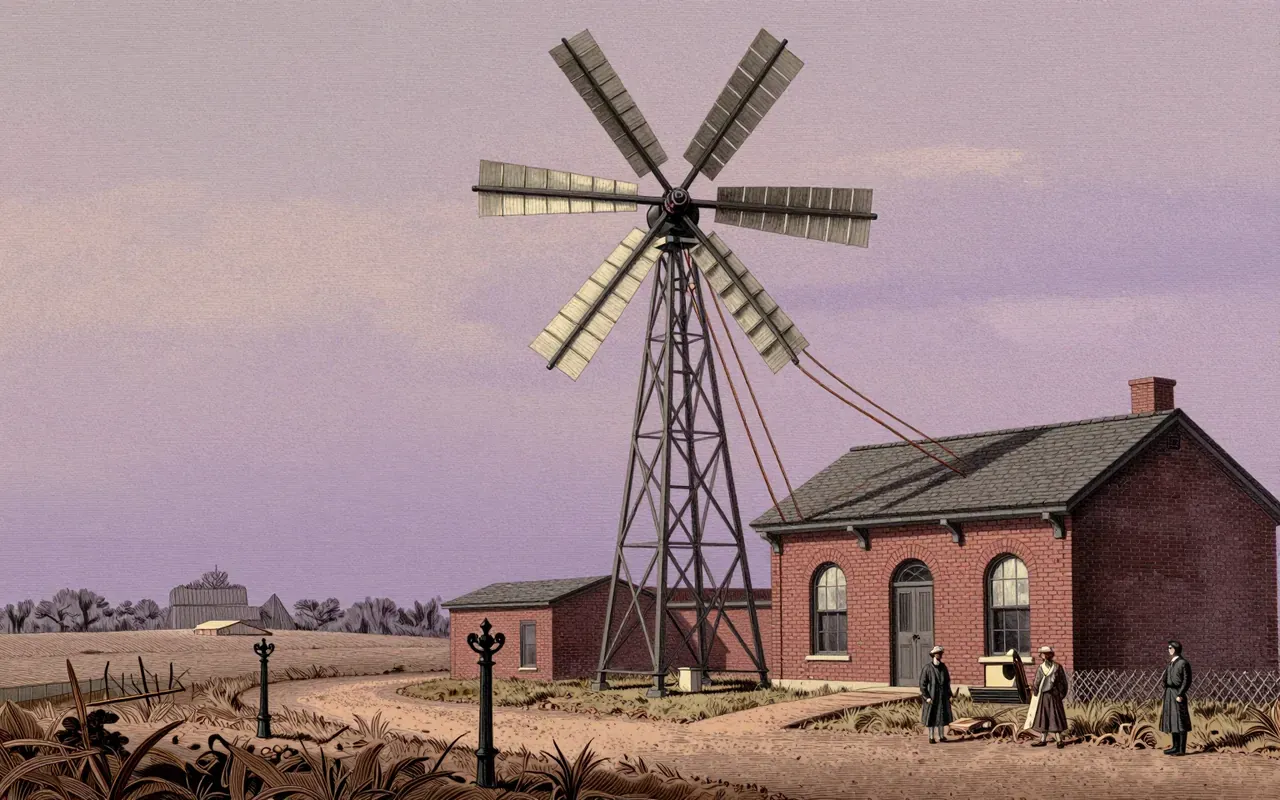
Charles F. Brush’s 1888 wind turbine was the first automatically operated system for electricity generation from wind. It powered his Cleveland mansion—the city’s first electrified home—for 20 years without failure, charging 12 batteries. Its success depended on isolation: wind electricity was more cost effective only where populations were widely scattered. It proved mechanical reliability but not scalability, economic transferability, or grid compatibility.

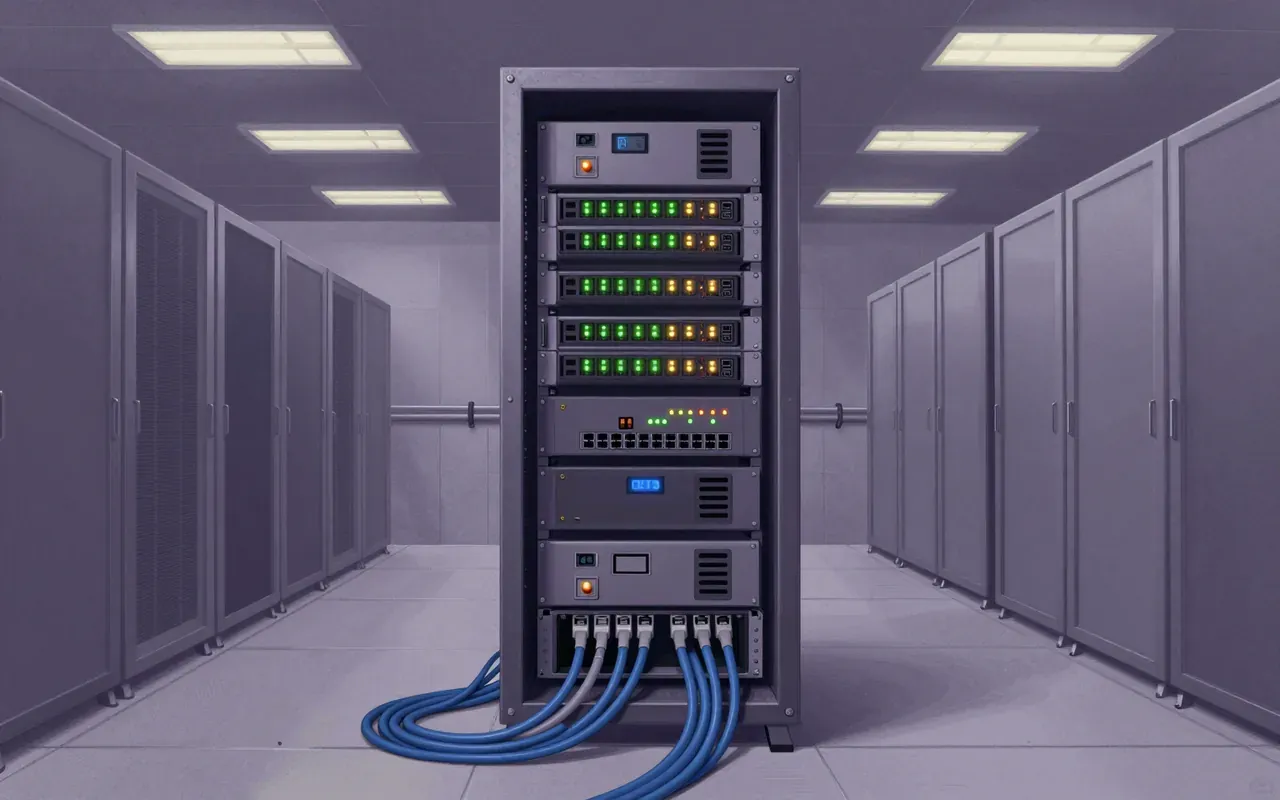
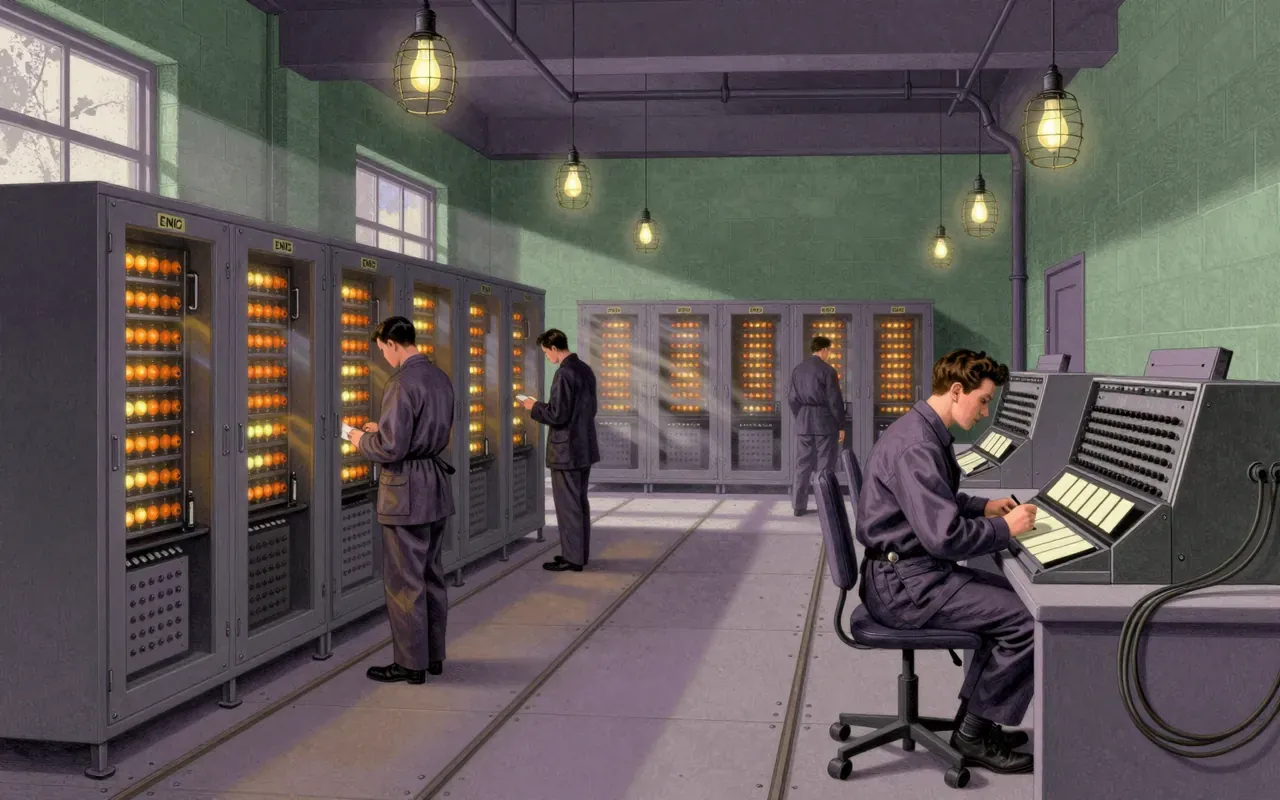

SQLite is a C library that embeds a relational database engine directly into applications. It stores data in a single cross-platform file. It delivers ACID transactions and most SQL-92 features—but omits materialized views, full trigger support, and ALTER TABLE. It relies on file-system locking, not internal concurrency control. It enforces access via file permissions, not users or roles. Its type system is dynamic by default. It is widely deployed because it requires no installation, configuration, or administration.


The Dreamcast was Sega’s final home video game console. It launched in Japan on November 27, 1998, and globally in late 1999. It used off-the-shelf components, shared hardware with the NAOMI arcade board, avoided DVD licensing with GD-ROM, and shipped with a built-in dial-up modem — the first console to do so. It achieved strong initial sales: 150,000 units sold out in Japan on day one; over 225,132 sold in North America in 24 hours; more than 500,000 in two weeks; and 31% of US video game revenue by Christmas 1999. But momentum collapsed in 2000. Competition from PlayStation 2 and Xbox, weak third-party support, and financial strain forced Sega to discontinue the console on March 31, 2001 — ending its hardware business. Total sales: 9.13 million units. Games released: over 600.
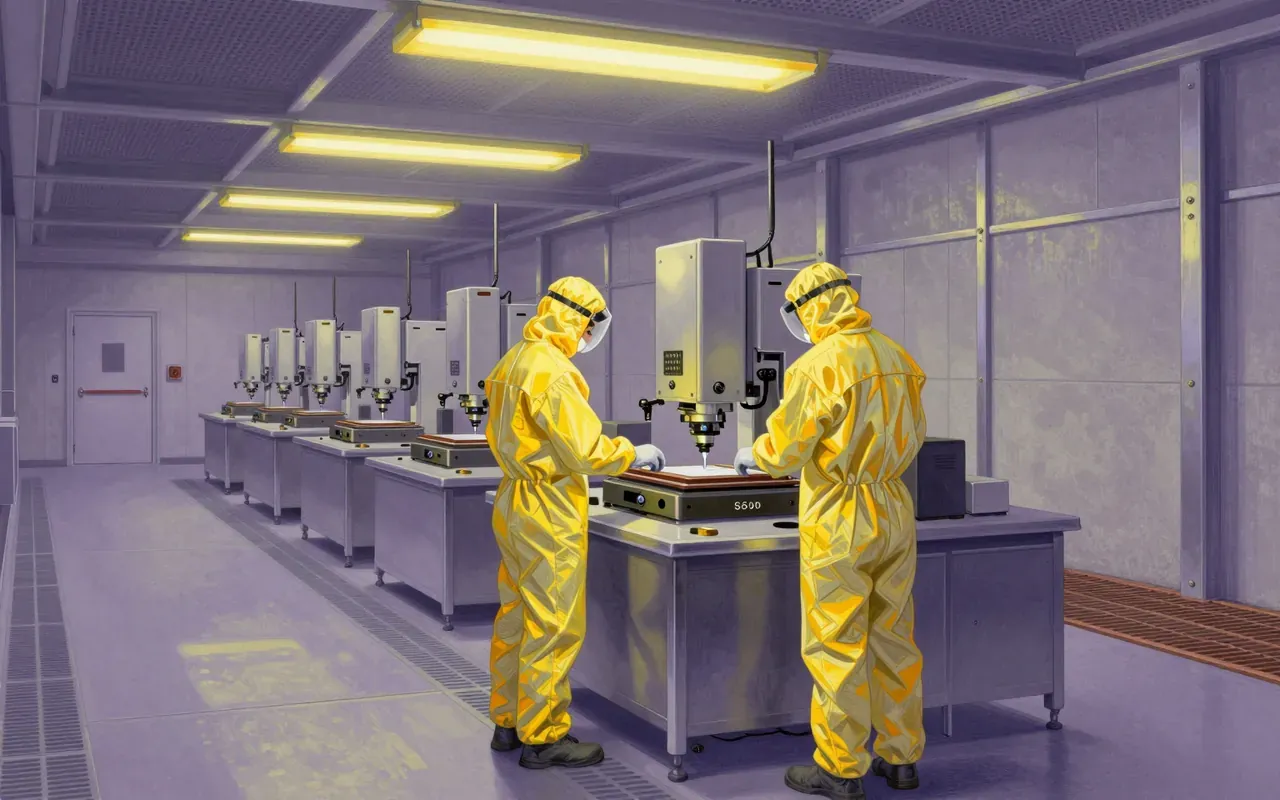

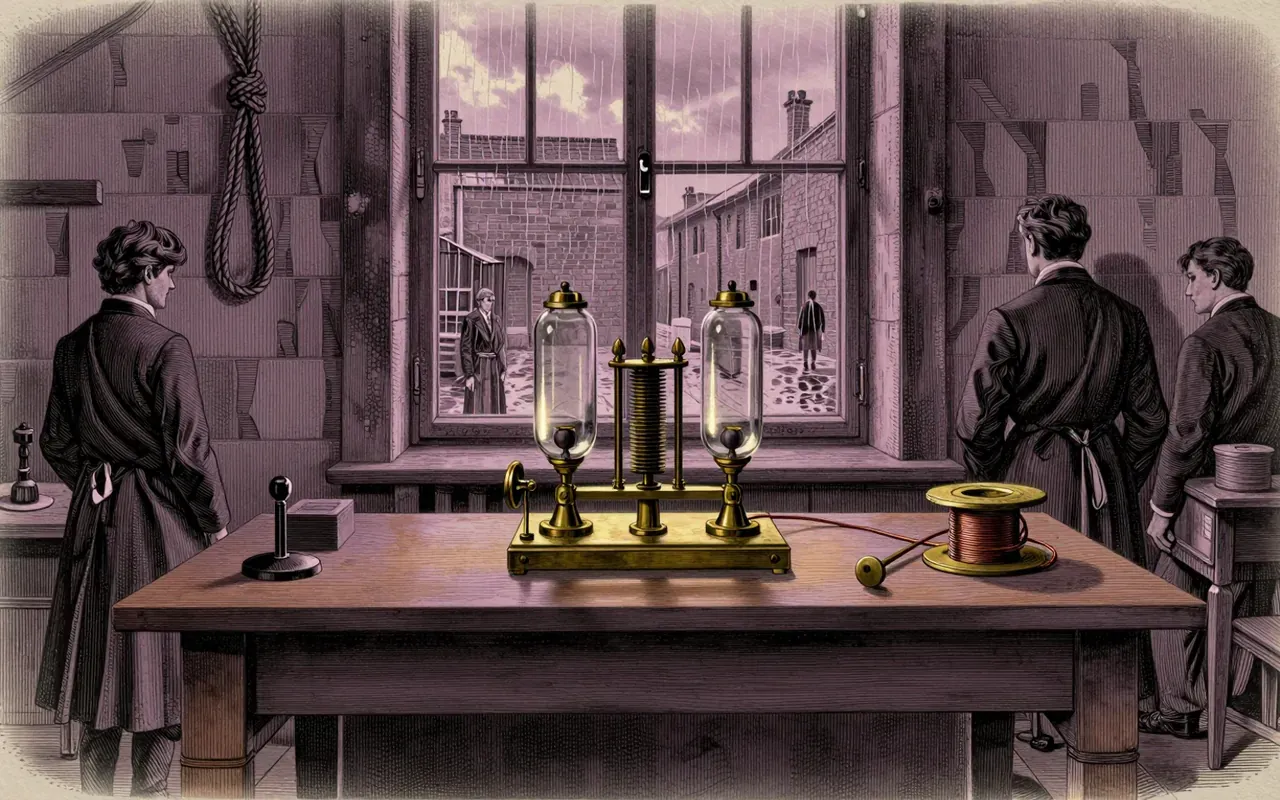
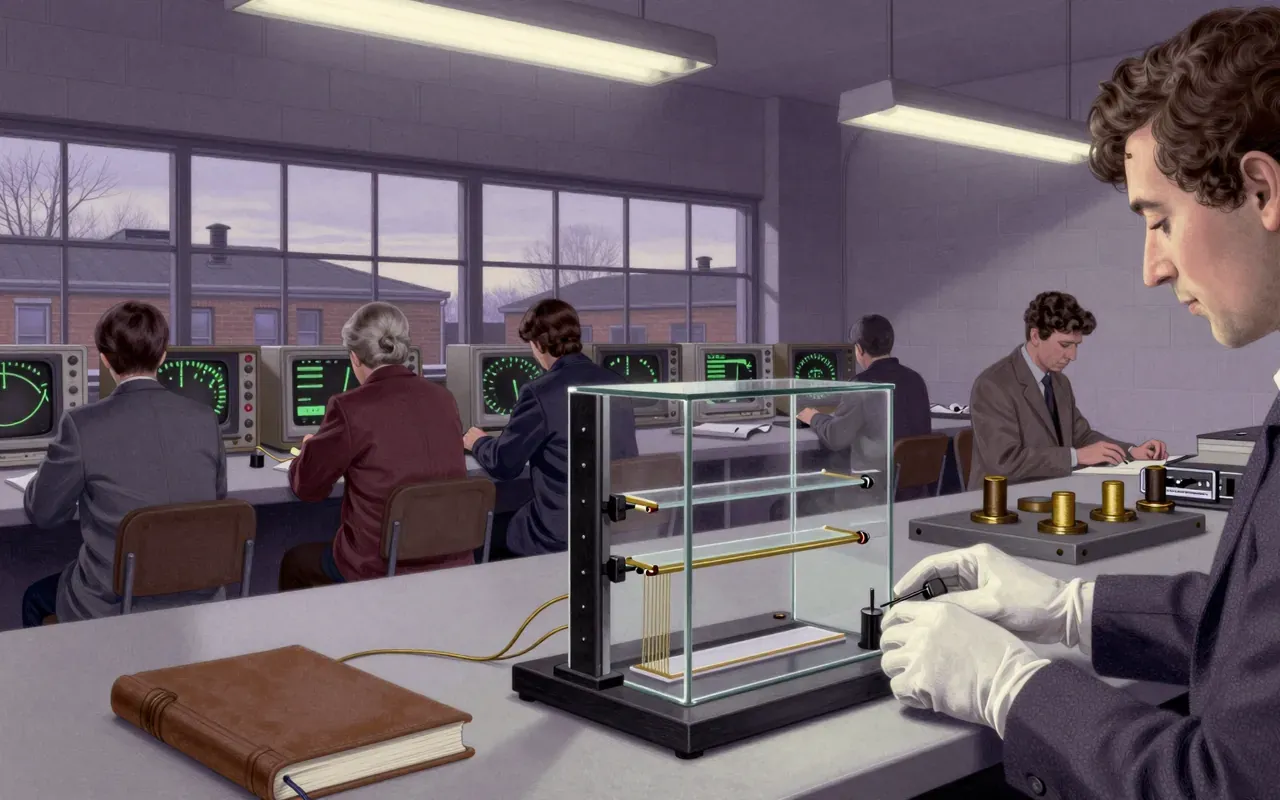
The Liquid-crystal display (LCD) invented by George H. Heilmeier at RCA in 1964 was the first operational display based on dynamic scattering mode (DSM). It solved the problem of achieving solid-state visual output by exploiting field-induced light scattering in liquid crystals — not alignment-based modulation. DSM works by applying voltage to switch the layer from transparent to turbid, enabling rudimentary on/off display states in transmissive or reflective modes. It required considerable current, limiting practical use. Though credited as the invention of the LCD, DSM was superseded within a decade due to its power demands and lack of scalability. It changed display R&D by proving liquid crystals could be electrically switched, but it did not deliver on low-power, high-density, or long-life promises.

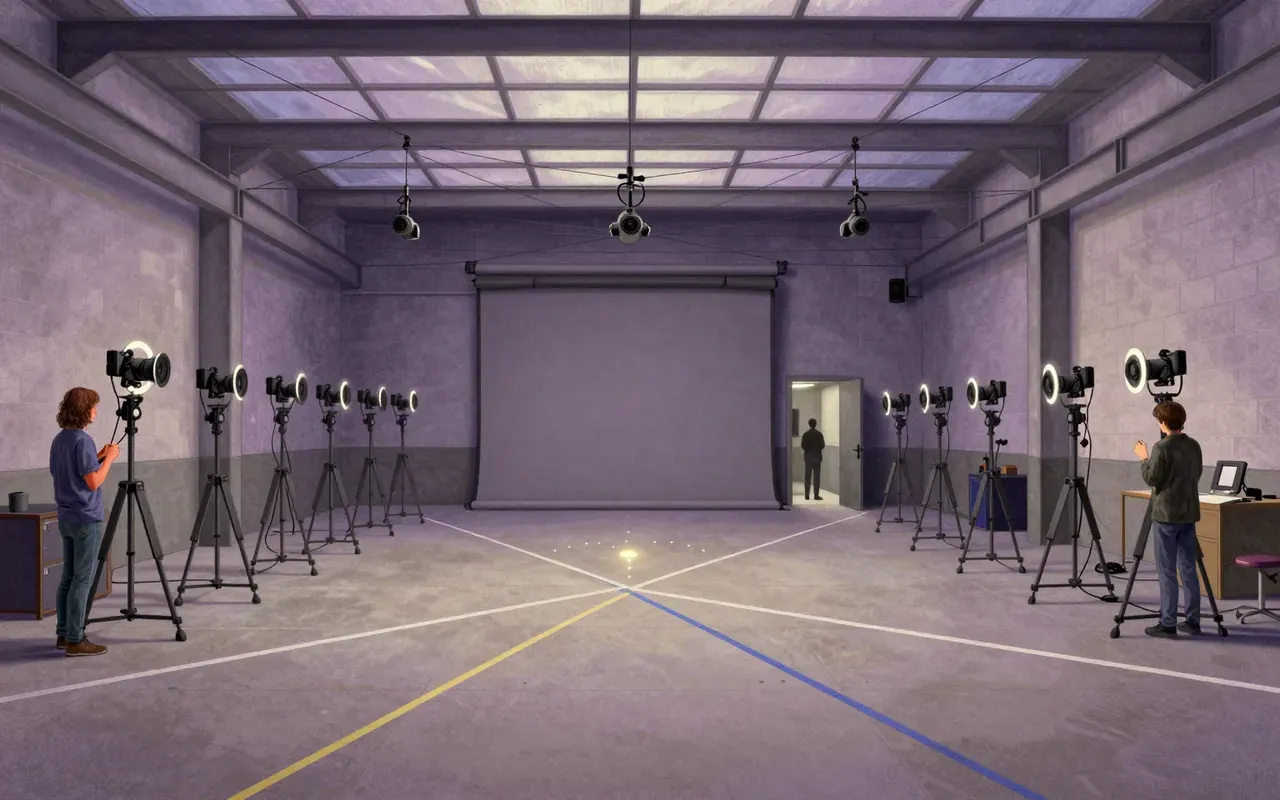


The iPad is a commercially dominant, long-lived tablet product line. It succeeded by committing to a specific form factor and interaction model—touch-first, app-centric, tightly integrated—then adapting its OS to sustain that model. Its scale (670M+ units) and market share (34.6%) confirm its category-defining role. It does not replace laptops or phones. It occupies the space between them—and has done so continuously since 2010.


TCP/IP is a layered framework for end-to-end data communication. It specifies how data should be packetised, addressed, transmitted, routed, and received. Its architecture rests on the end-to-end principle—placing intelligence at the edges—and uses encapsulation and the robustness principle (conservative sending, liberal receiving) to achieve interoperability across heterogeneous networks. Developed by Cerf and Kahn starting in 1973 under DARPA, it replaced the ARPANET's NCP with a modular, host-responsible reliability model. IPv4 was installed in the ARPANET in 1983, and TCP/IP was formally adopted as the US DoD standard in March 1982. The defining technical specifications are RFC 1122 and RFC 1123, which codify its four-layer abstraction model.
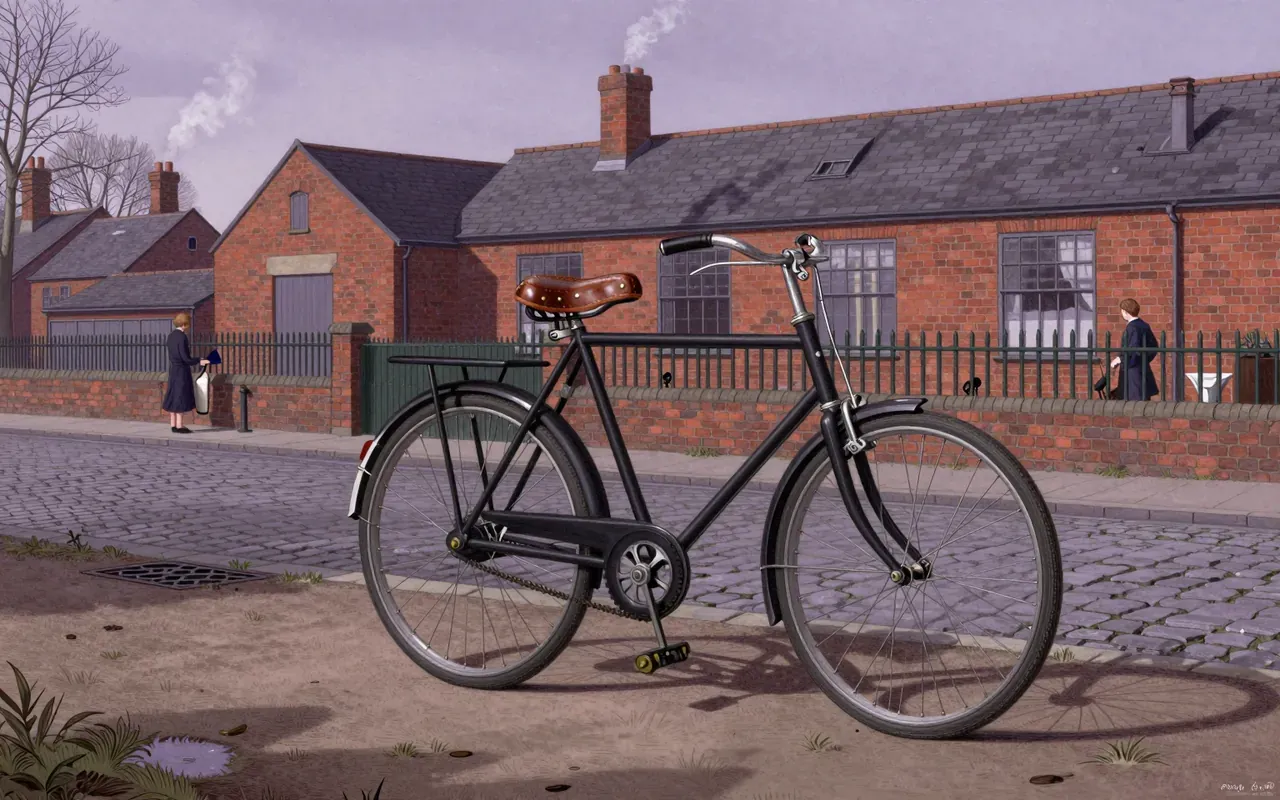
The safety bicycle solved the penny-farthing’s fatal instability by lowering the rider, equalising wheel size, and moving power to the rear wheel via chain. Starley’s 1885 Rover succeeded not because it was first, but because it combined rear-chain drive, direct steering, and balanced geometry — while most contemporaries still used front drives or indirect steering. It made cycling broadly usable, but only after overcoming real mechanical and ergonomic trade-offs.


JavaScript is the de facto client-side language of the web — not because it was well-designed for beginners, but because it shipped fast, ran everywhere, and locked in a runtime model no site could ignore.
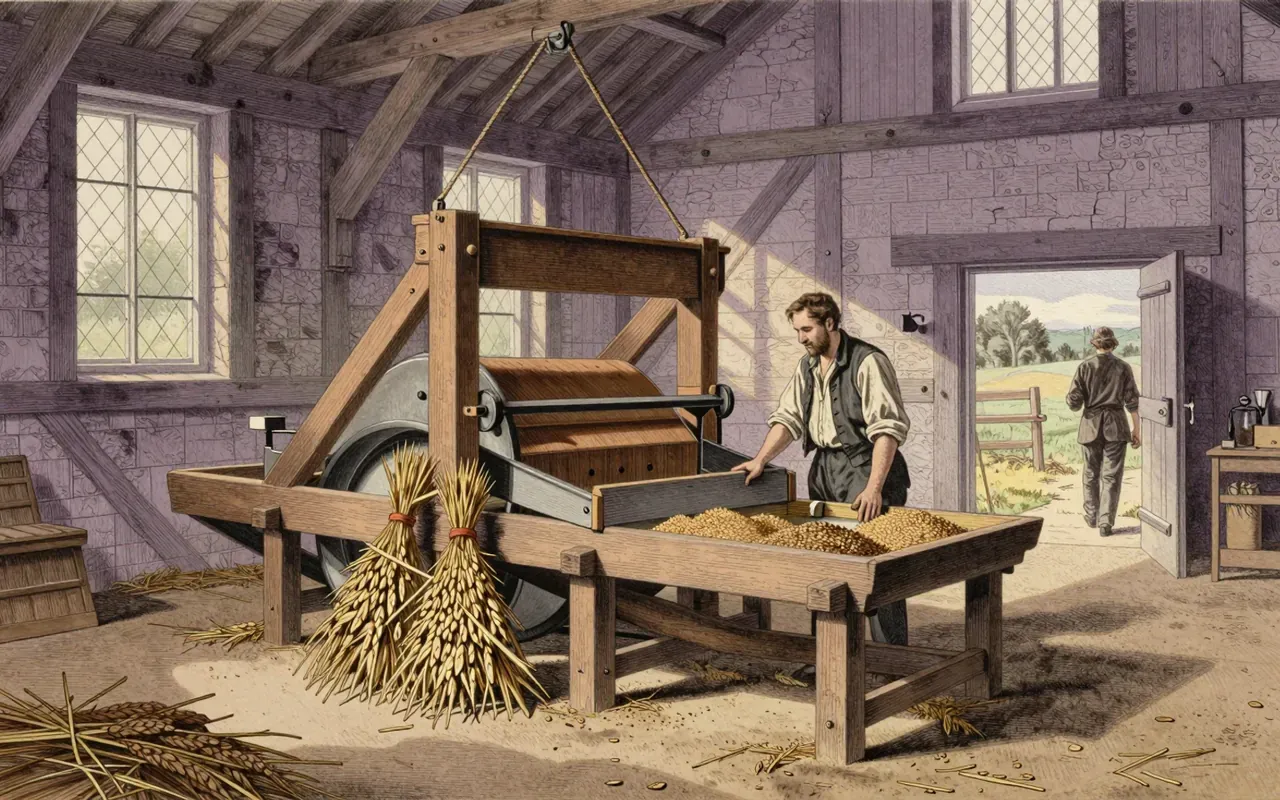
The threshing machine was the first agricultural device to mechanise grain separation—but its initial form solved only one step of a three-step process. Meikle’s 1786 invention used velocity-driven fixed beaters to dislodge grain. Early output remained mixed: straw, chaff, and grain formed a single heap. Only with added rakes, shakers, and fanners did it deliver clean, market-ready grain. It reduced labour by ~25%, lifted yield by up to 5%, and cut total processing cost below prior cleaning-only expense. It did not eliminate human oversight. It did not scale without infrastructure. It did not win immediate adoption. It established that mechanisation required integration—not just substitution.

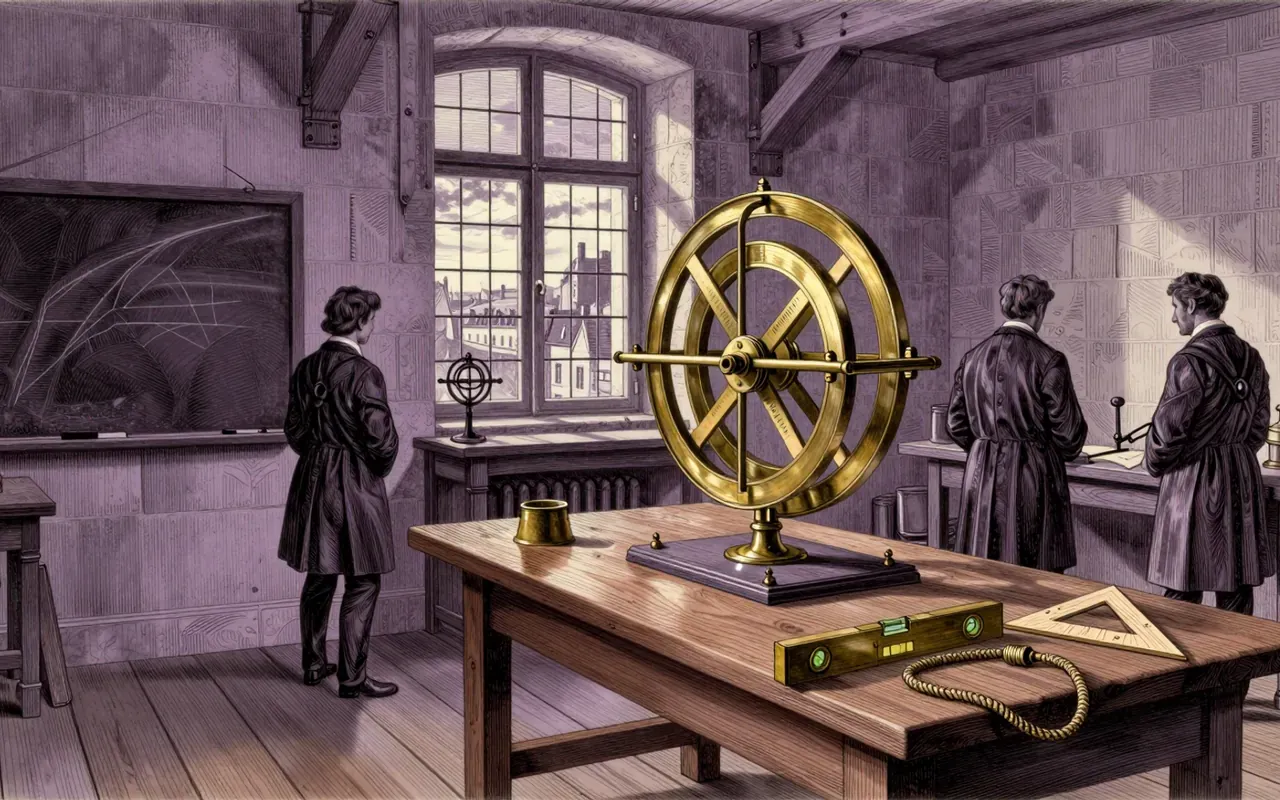
The gyroscope is a demonstration device, not a tool. It makes Earth’s rotation locally visible — for less than ten minutes — using nothing but inertia and friction. It changed pedagogy, not engineering.


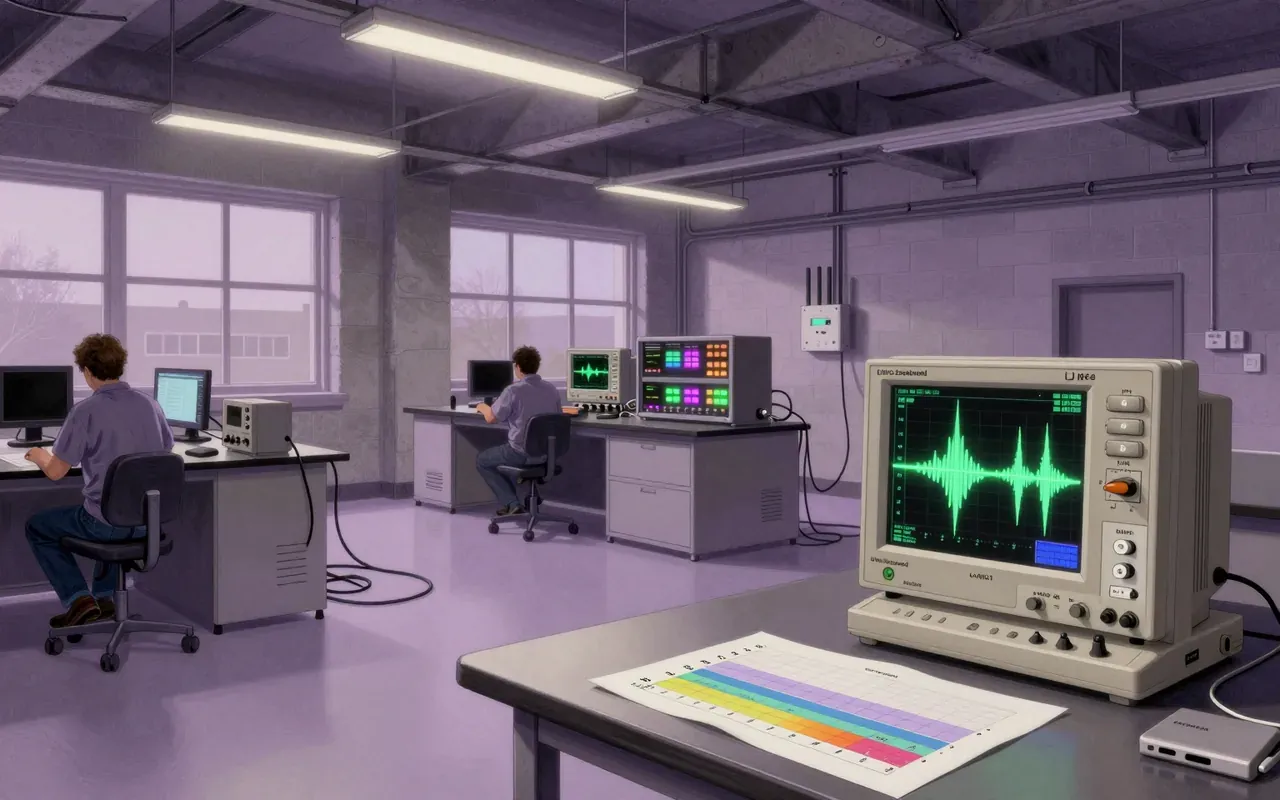
IEEE 802.11 is the foundational WLAN standard family. It defines MAC and PHY protocols for wireless local area networking. It uses CSMA/CA for channel access. It supports multiple bands and modulation schemes. It enables interoperability with Ethernet and IP. It was first released in 1997. Amendments extend functionality without replacing the base.
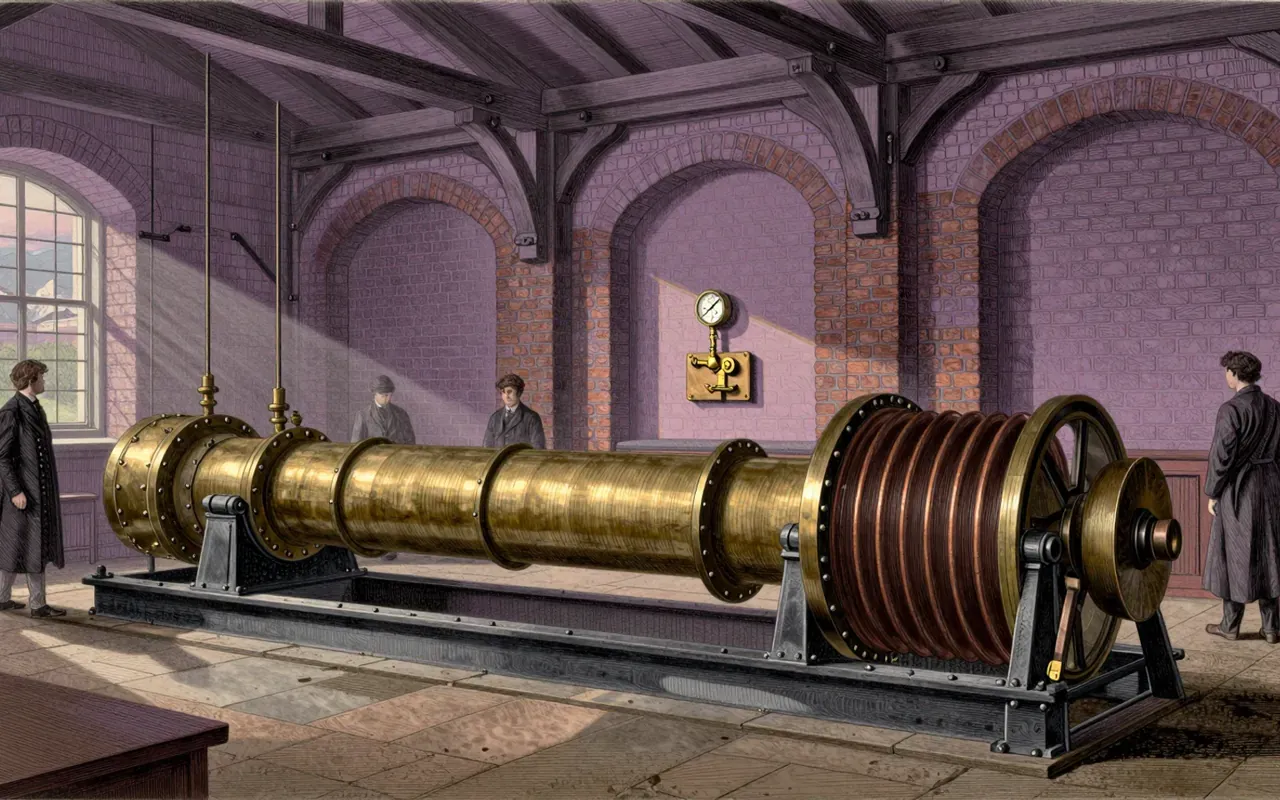
The steam turbine was not an incremental upgrade. It was a new mechanical paradigm: reaction-based, inherently scalable, and immediately deployable for electricity and propulsion. Its success came from eliminating reciprocating inertia, enabling higher speeds, smoother operation, and orders-of-magnitude growth in unit size. It delivered what it promised—cheap electricity and naval transformation—without hedging or delay.
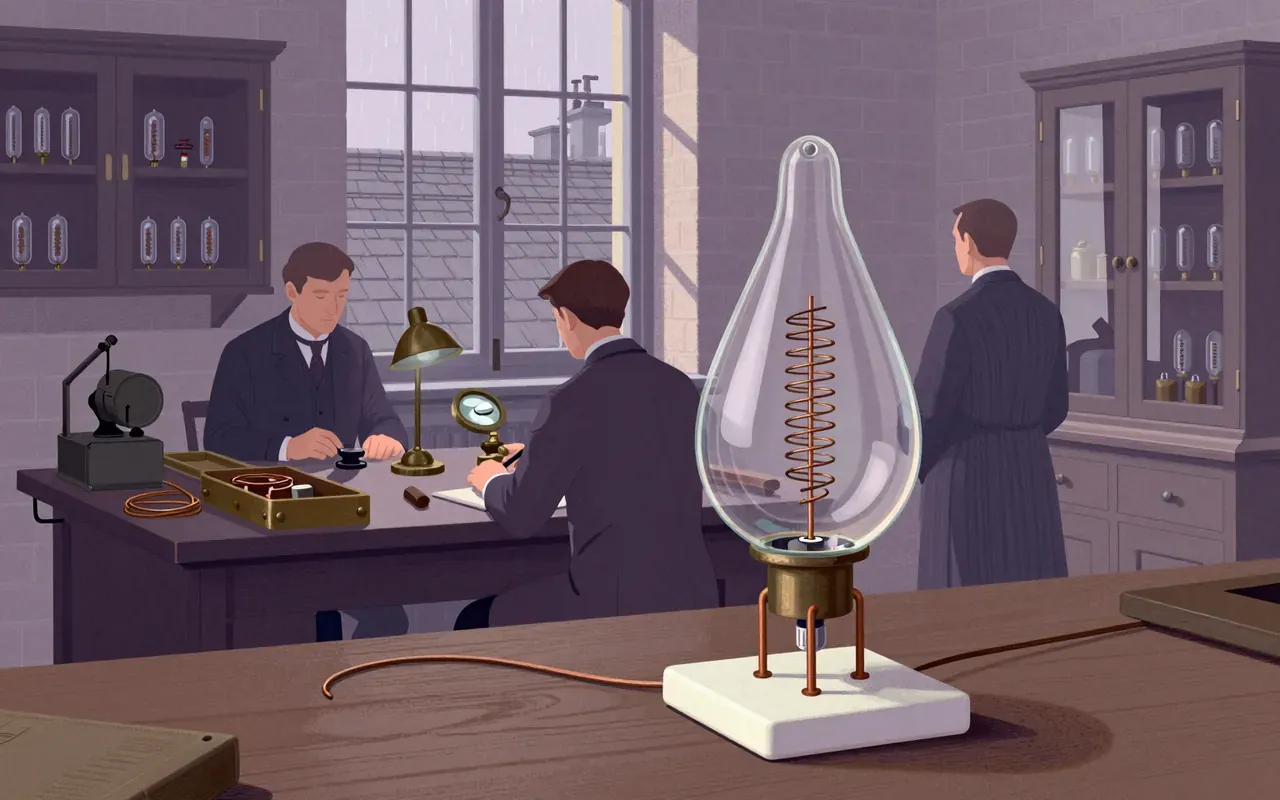


Fused filament fabrication is fused deposition modeling repackaged: same thermoplastic extrusion mechanism, same 1988 origin, same patent. RepRap renamed it to escape Stratasys’ trademark. Its real impact arrived only after the 2009 patent expiry enabled open hardware development. It delivers functional prototypes—not precision parts. It trades repeatability for accessibility.

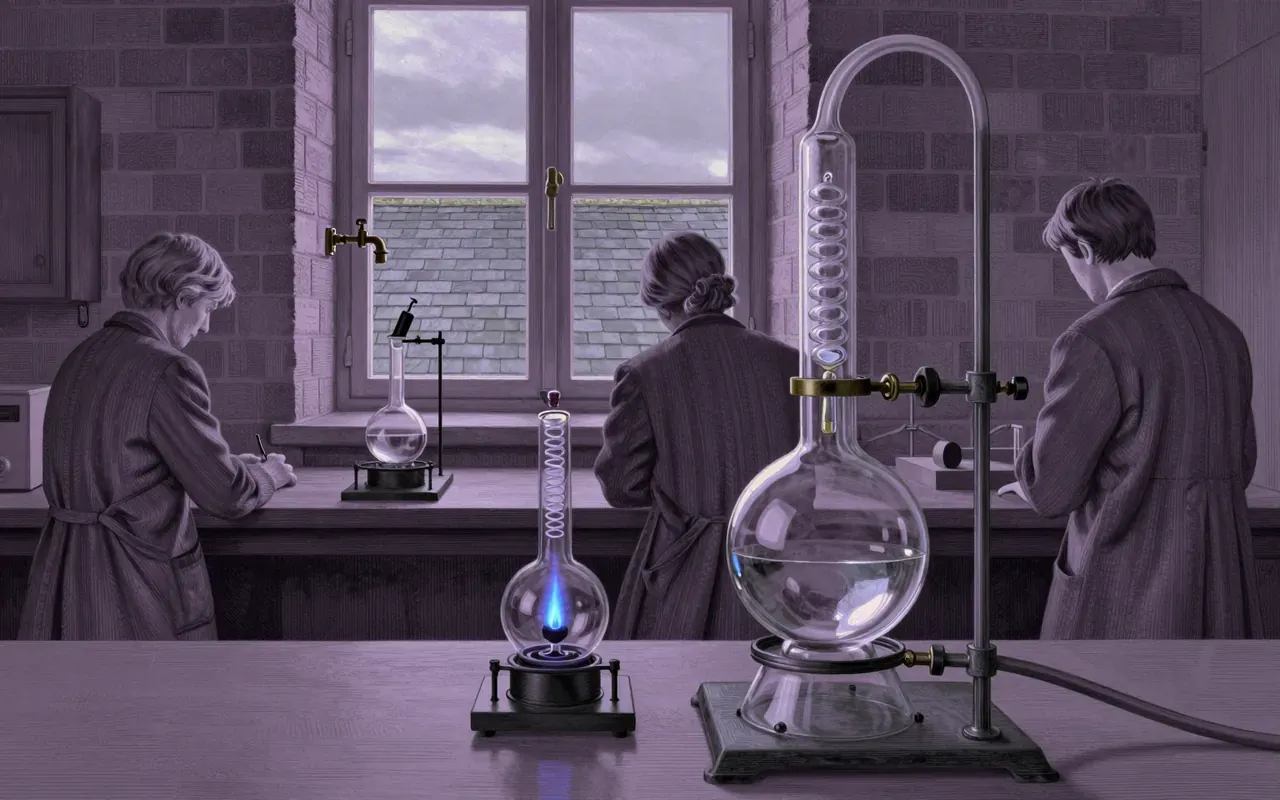
Synthetic rubber begins as a chemical demonstration, not an industrial replacement. Hofmann’s 1909 work proves isoprene polymerisation yields rubber — and nothing more. No performance, scale, or economics are stated. Its value lies in reframing rubber as synthesizable — not in delivering a usable material.

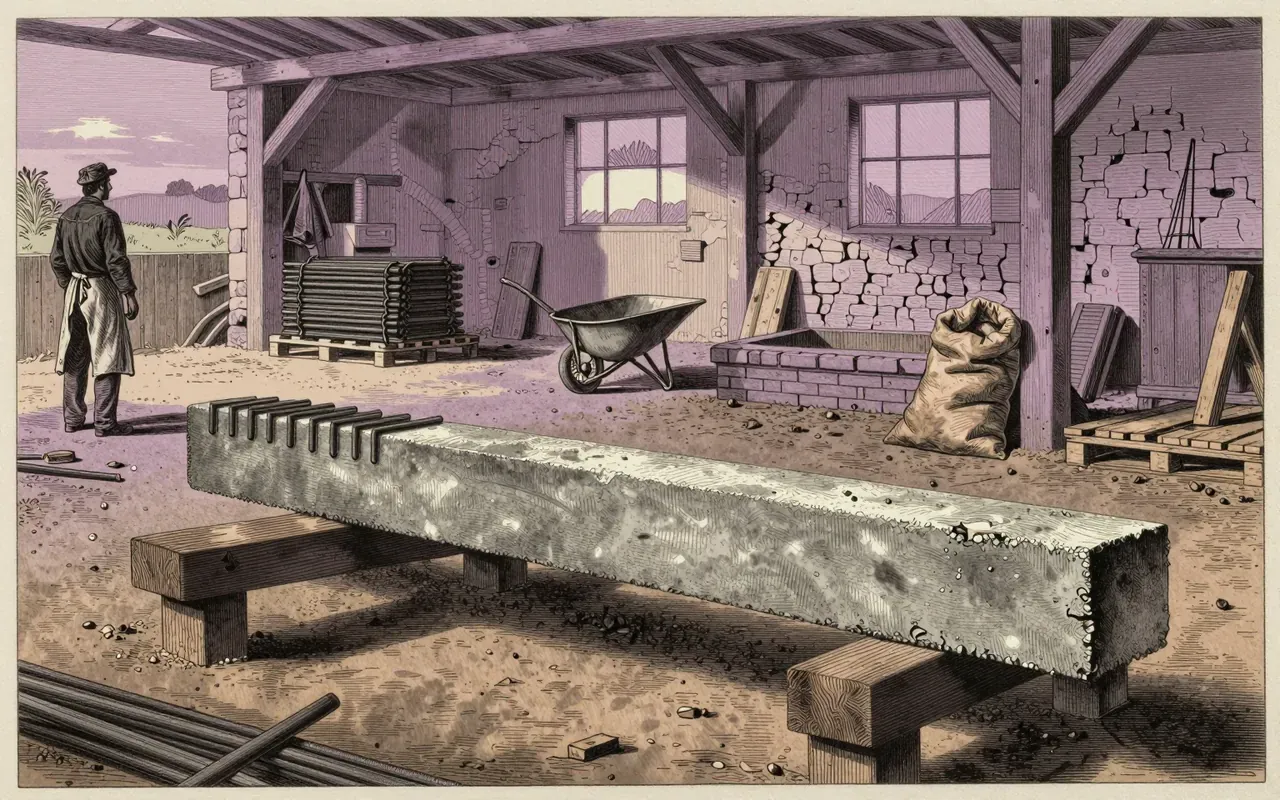
Reinforced concrete is not a theoretical breakthrough—it is a gardener’s empirical fix scaled into infrastructure. Monier solved flowerpot instability by embedding iron, then patented successive forms (wire mesh in 1867, iron rods in 1877) without quantifying mechanical gains. He proved thermal compatibility and rust protection through experiment—not calculation. His method enabled T-beams and pipes by 1878, but left tensile improvement unmeasured and corrosion science unexplored. It matters today because it reveals how material innovation begins in constraint, not abstraction.