technologybriefs
Highest rated

All briefs

620 briefs · 6210 min · 1–96 on page 1 of 7
11:05

Electromagnetic wave equation

Heinrich Hertz

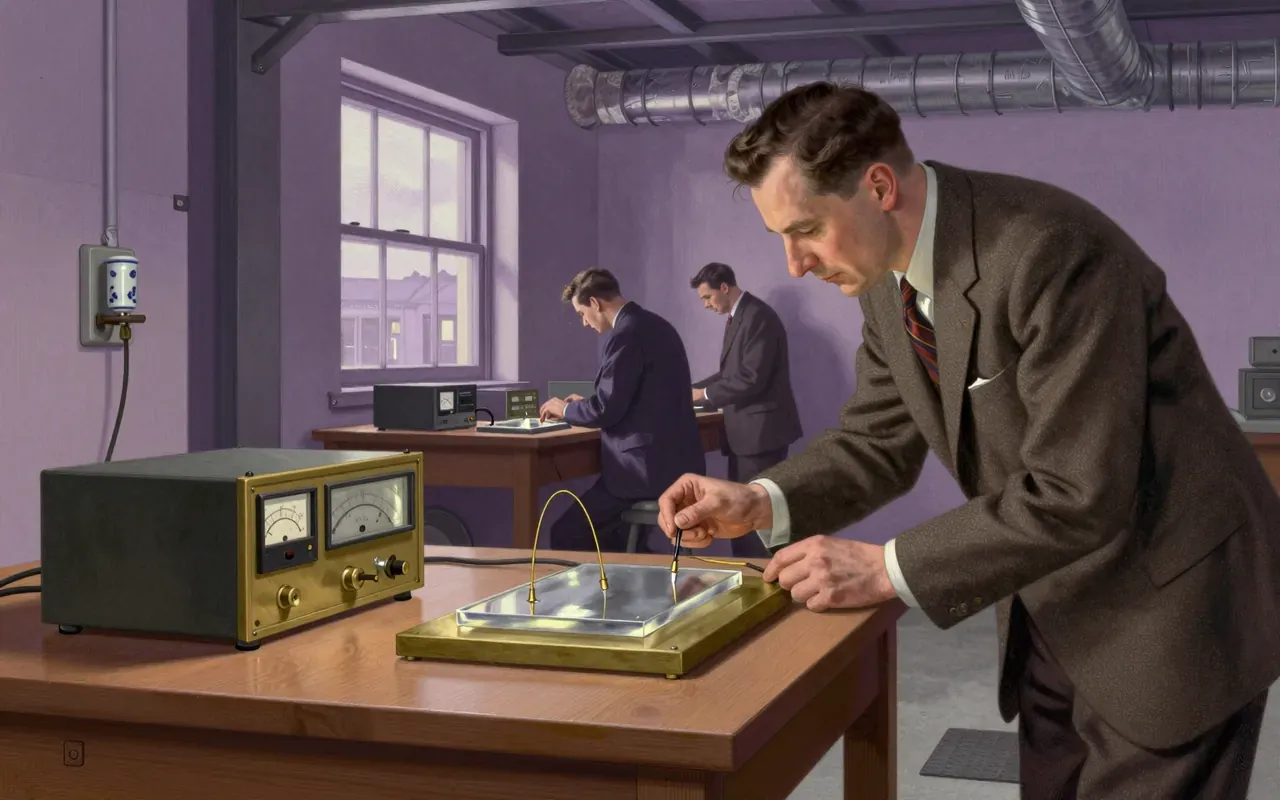
The electromagnetic wave equation is the foundational PDE for classical electromagnetism. Maxwell derived it mathematically; Hertz verified it physically — not as a vision of wireless communication, but as proof that light is electromagnetic vibration. It works precisely where fields are classical and sources are macroscopic. It fails where quanta matter. Its value lies not in novelty but in necessity: every radio, radar, and optical system still obeys it.
10:39

Semiconductor

Semiconductors aren’t magic—they’re doped crystals whose usefulness begins only when quantum physics meets deliberate impurity placement.
8:52

Hard disk drive

The hard disk drive didn’t invent storage—it invented *addressable* memory at scale.
9:38

3D printing

Chuck Hull

Chuck Hull’s stereolithography system is the origin point of digital additive manufacturing—not because it printed everything, but because it defined how digital models become physical things: via slicing, STL, and controlled solidification. It works for prototyping. It fails for production. Its legacy is infrastructural, not material.

9:44

API

APIs are not magic glue—they are brittle contracts that work only when someone enforces the abstraction.
11:42

Macintosh 128K

Apple · 1984

The Macintosh 128K delivers a complete graphical interface in a sealed, unexpandable box. It works by tightly integrating hardware and firmware — not by scaling up, but by locking down. Its success comes from constraint, not capability.

10:56

Biotechnology

Biotechnology is not a future promise — it is a century-old industrial method that runs on bacteria, not buzzwords.
10:00

Canning

Nicolas Appert · 1810

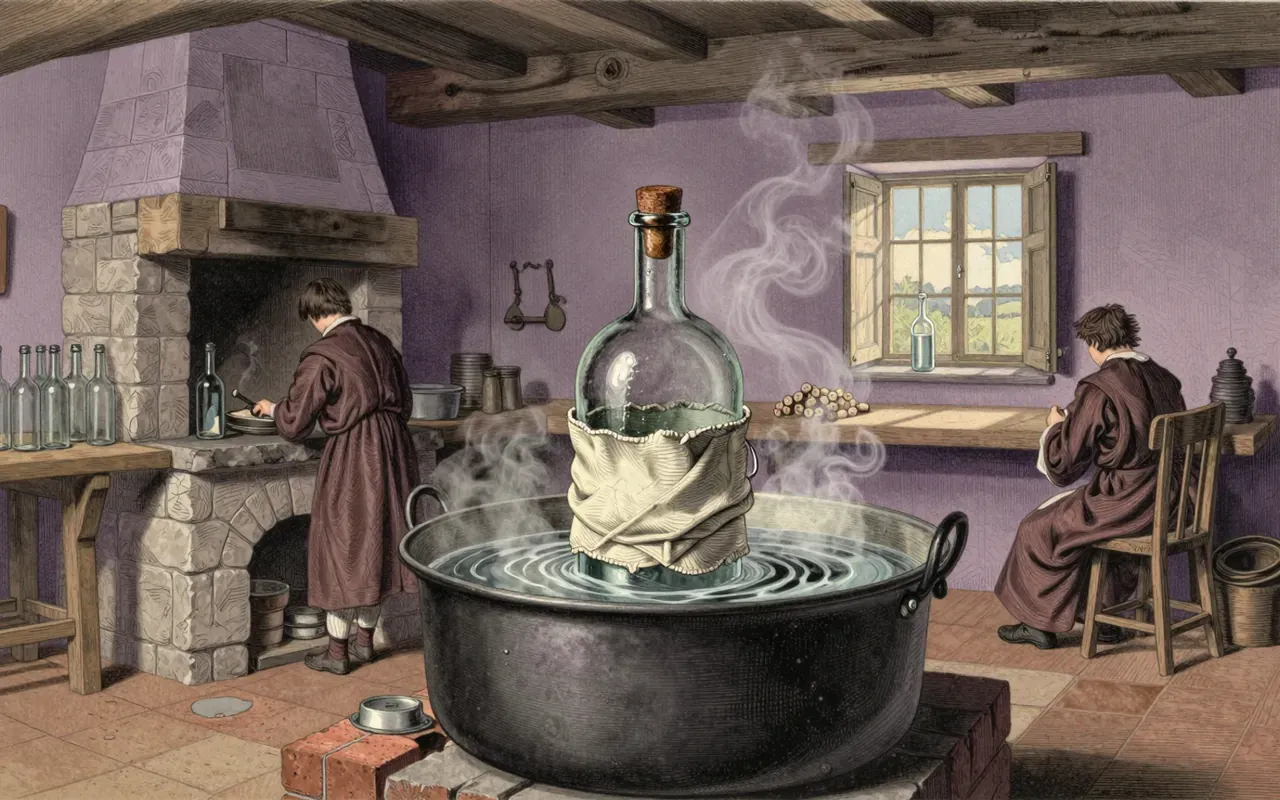
Appert’s canning was an empirical fix for spoilage: cook food inside a sealed glass jar, and it lasts — unless the seal leaks. He never knew why. He avoided tinplate. He boiled for variable times. He built the world’s first bottling factory in 1804. His 1810 prize recognised a working solution, not a scientific insight.

11:27

Capacitive sensing

E.A. Johnson

Capacitive sensing is not an invention by E.A. Johnson. He is a Canadian ecologist whose work concerns climate change, fire management, and geoscience-ecology interfaces. Capacitive sensing is an engineering method with no documented link to him. The technology relies on measurable electric field disruption—not intuition, ecology, or field observation.

10:14

Relational model

Codd · 1969

Codd’s 1969 relational model is a formal specification—not software, not SQL, not a product. It defines data as tuples in relations, enforces consistency via logic, and insists all information be explicit. Real databases violate it daily. That gap is where data engineering begins.

9:22

Domain Name System

Paul Mockapetris

DNS is the distributed name-resolution system invented by Paul Mockapetris in 1983. It replaced the ARPAnet’s central hosts file. It uses a hierarchical zone model and originally ran over UDP. Later concerns about reliability, security, and privacy drove TCP use and protocol extensions. RFCs 882, 883, 973, 1034, and 1035 define its evolution. Mockapetris implemented the first version, 'Jeeves', for TOPS-20 the same year.

9:27

ECC memory

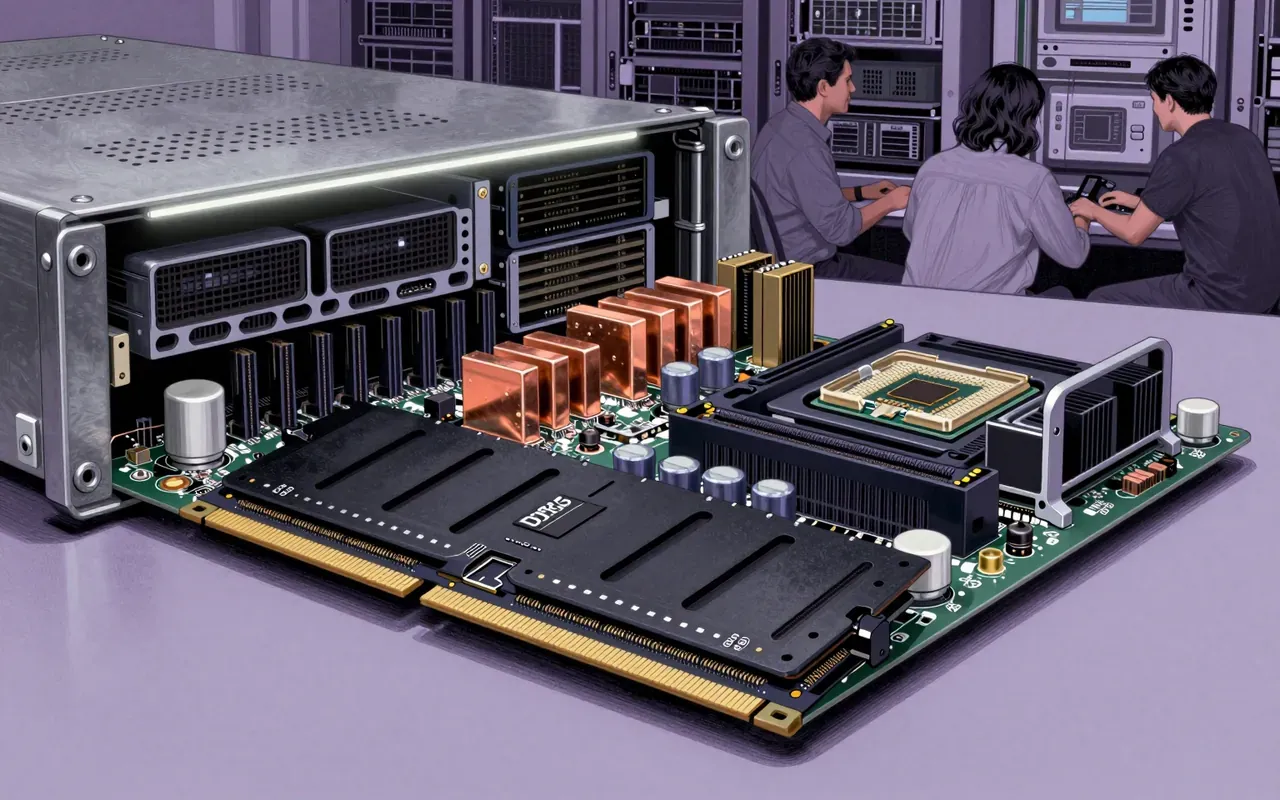
ECC memory doesn’t prevent memory errors—it prevents you from ever knowing they happened unless they’re too big to fix.
9:33

EUV lithography

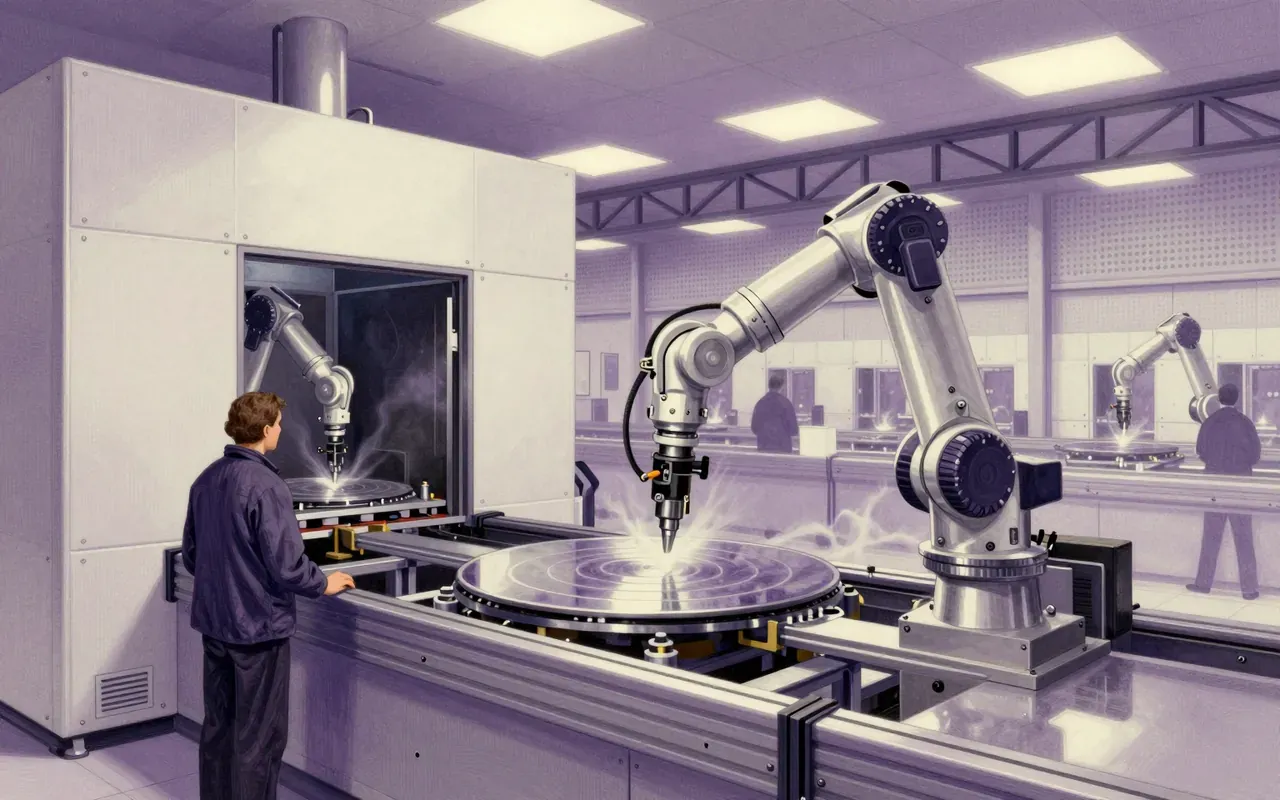
EUV lithography is not a refinement — it is a forced pivot into vacuum, reflection, and tin plasma, because light refused to keep shrinking.
9:45

Multigate device

One gate wasn’t enough — so engineers wrapped the channel in two, three, or more. That’s not evolution. It’s desperation.
11:00

IEEE 802.3

IEEE

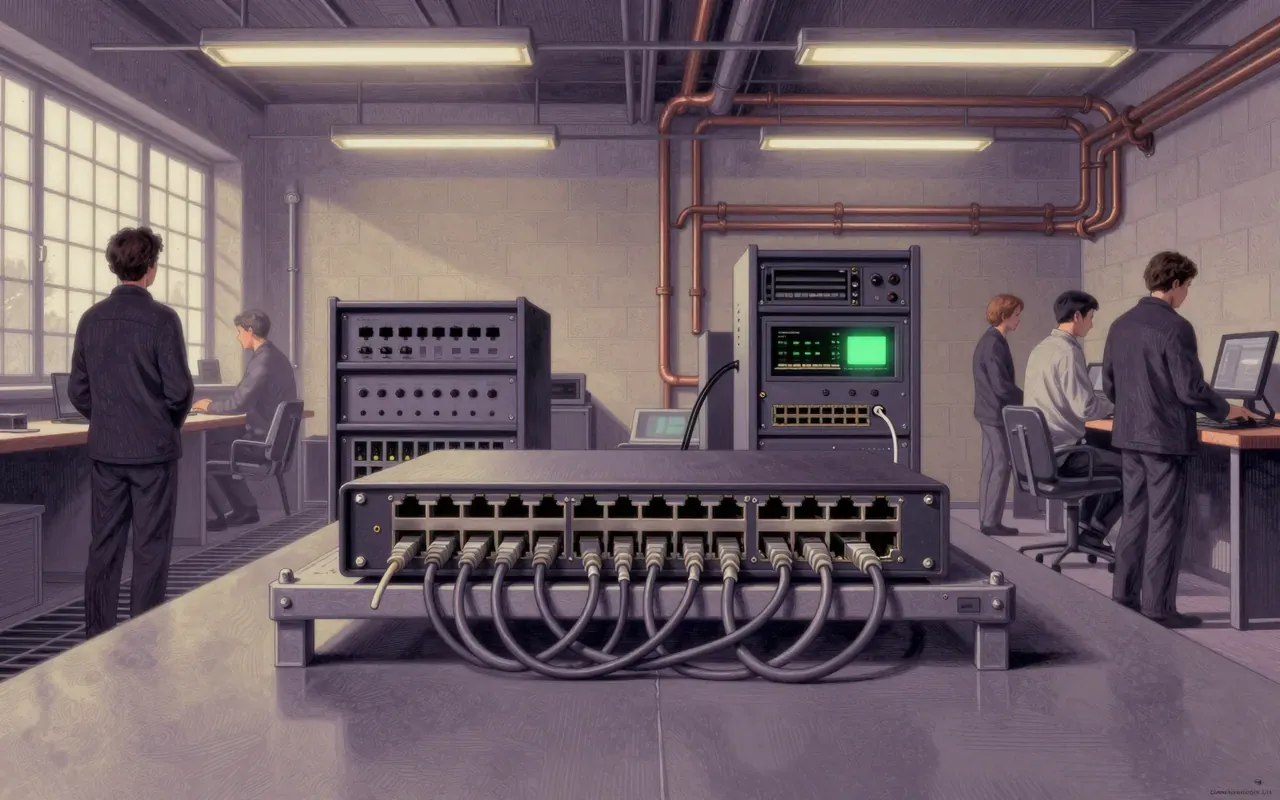
IEEE 802.3 standardises wired Ethernet’s physical and MAC layers using CSMA/CD. It succeeded by enabling interoperability—not speed or novelty. Its mechanism became obsolete before the standard did. It remains essential infrastructure, not evolutionary architecture.

9:34

Peering

Peering isn’t cooperation — it’s mutual hostage-taking with better ping.
10:41

Paper size

Deutsches Institut für Normung

ISO 216 is the international paper size standard. It originated as DIN 476 in Germany in 1922. It was adopted globally as ISO 216 in 1975. It uses a √2 aspect ratio. Each size halves the area of the next larger size. Tolerances are specified per dimension range. It governs usage everywhere except the US and Canada.

9:27

Liquid-propellant rocket

Liquid-propellant rockets trade simplicity for control—and every gain in mission flexibility comes with a penalty in infrastructure, safety, and cost.
8:48

Prometheus (software)

SoundCloud · 2012

Prometheus is a pull-based, label-driven time-series monitoring system built by SoundCloud in 2012 to replace StatsD/Graphite for containerised infrastructure. It works well for short-lived services and dimensional querying—but requires operational discipline around scrape targets and lacks native horizontal scaling or logging integration.

10:49

REST

Roy Fielding

REST is Roy Fielding’s 2000 architectural style for the Web. It defines constraints—not rules—to diagnose scalability failures in distributed hypermedia systems. Its power lies in exposing gaps between promise and practice, especially around statelessness and HATEOAS. Most so-called RESTful APIs ignore its core mechanism: hypermedia-driven state transitions.

10:02

Wafer (electronics)

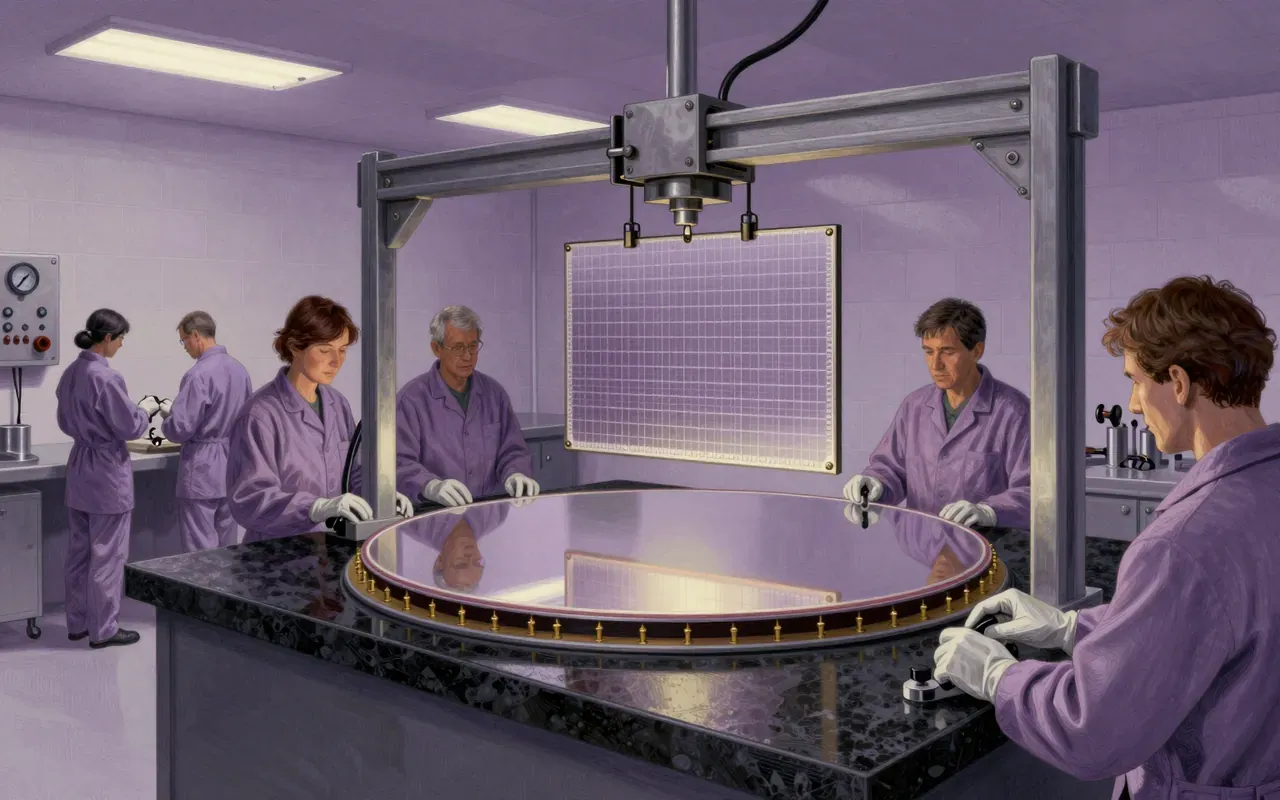
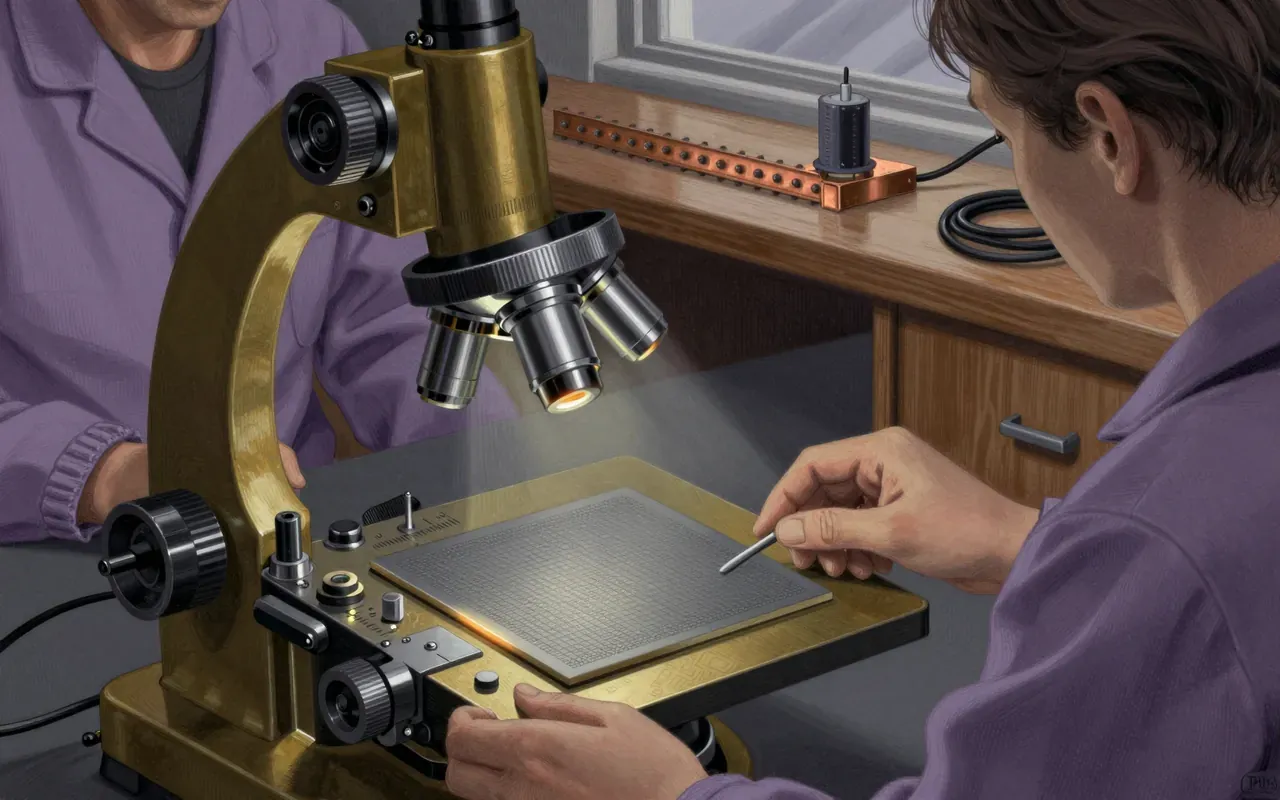
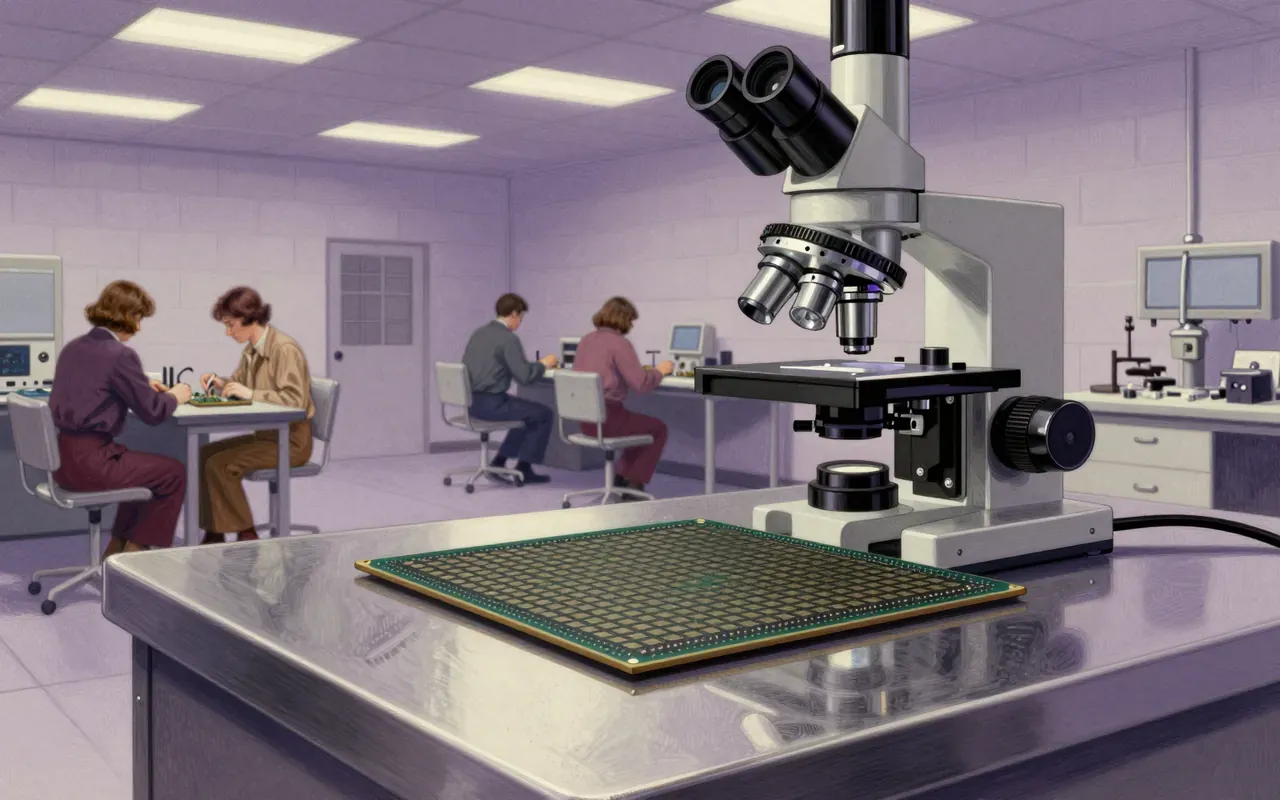
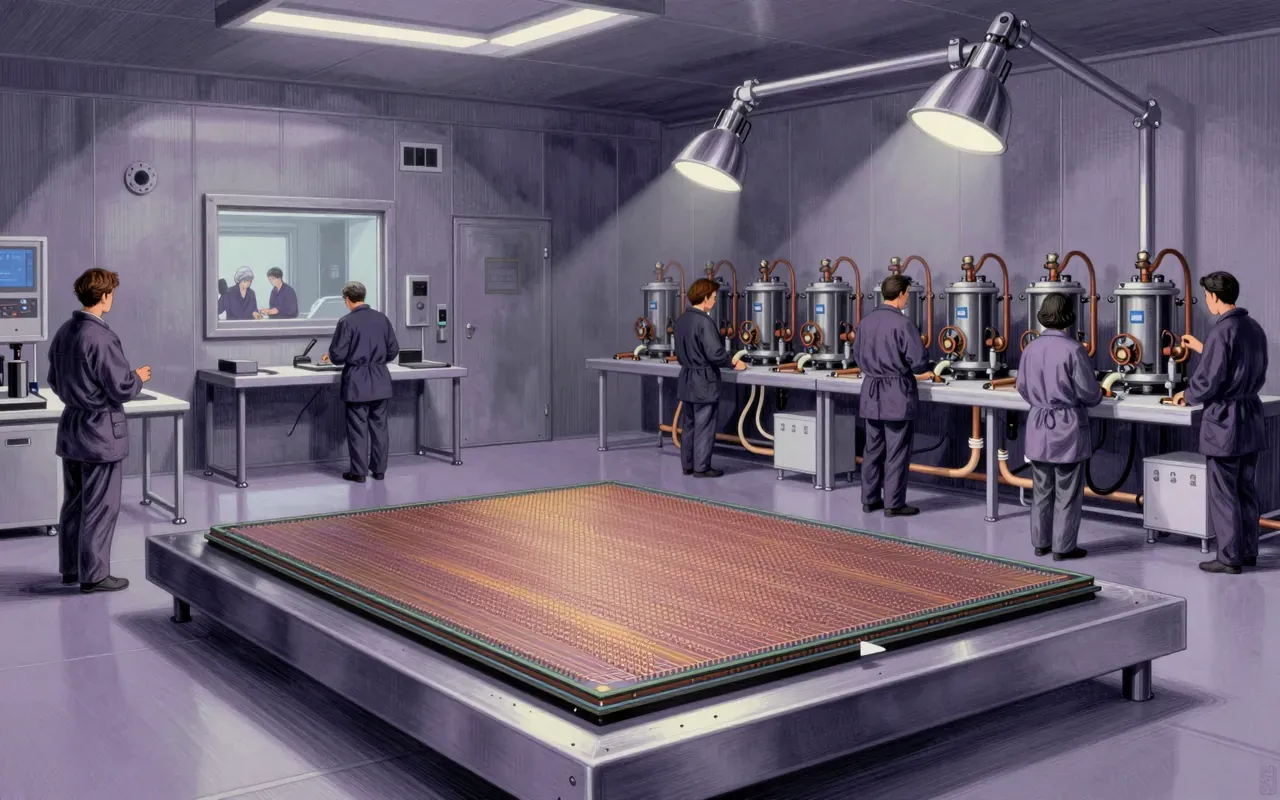
The wafer is not a component—it is the ground upon which computation is built, and its limits define what chips can do.
9:03

Internet protocol suite

Vint Cerf and Bob Kahn · 1975

TCP/IP is a layered framework for end-to-end data communication. It specifies how data should be packetised, addressed, transmitted, routed, and received. Its architecture rests on the end-to-end principle—placing intelligence at the edges—and uses encapsulation and the robustness principle (conservative sending, liberal receiving) to achieve interoperability across heterogeneous networks. Developed by Cerf and Kahn starting in 1973 under DARPA, it replaced the ARPANET's NCP with a modular, host-responsible reliability model. IPv4 was installed in the ARPANET in 1983, and TCP/IP was formally adopted as the US DoD standard in March 1982. The defining technical specifications are RFC 1122 and RFC 1123, which codify its four-layer abstraction model.

10:37

Containerization

Malcolm McLean

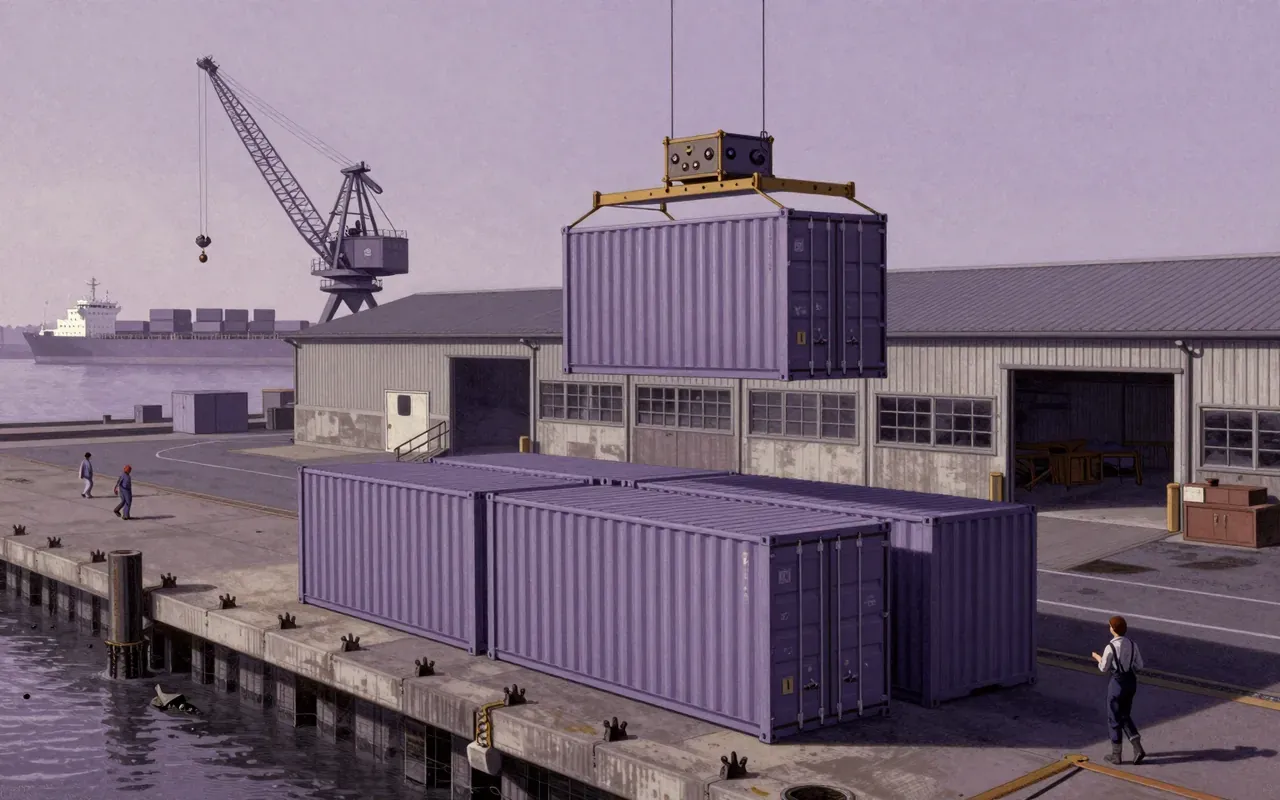
Containerization is the physical standardisation of cargo transport. It replaced break-bulk handling with sealed, stackable, crane-liftable steel boxes. McLean and Tantlinger designed it in 1955. Its twistlock corners enabled secure intermodal transfer. SeaLand released the patent in 1963. The design became the American and international standard in September 1965. It reduced cost and time. It displaced dock labour. It enabled just-in-time manufacturing. It remains the dominant form of non-bulk cargo transport.

8:22

Closed-loop controller

Nicholas Minorsky

Closed-loop control uses feedback to regulate dynamical systems. It requires sensors, a controller, actuators, and a plant. It improves disturbance rejection, stability, and accuracy over open-loop methods—but depends entirely on correct implementation, sensor fidelity, and controller design. Nicholas Minorsky is not mentioned in the source material.

9:41

Graphics processing unit

The GPU didn’t accelerate graphics—it relocated computation, and in doing so, rewrote the rules of what a chip could be used for.
10:11

Internet

U.S. Department of Defense (DARPA) · 1969

The Internet is a system for internetworking—designed to link disparate networks using standardised protocols. DARPA commissioned its core development in the 1970s. TCP/IP standardisation in 1982 enabled global proliferation. Its layered architecture and decentralised governance remain defining features—and enduring constraints.

9:52

Jacquard machine

Joseph Marie Jacquard · 1801

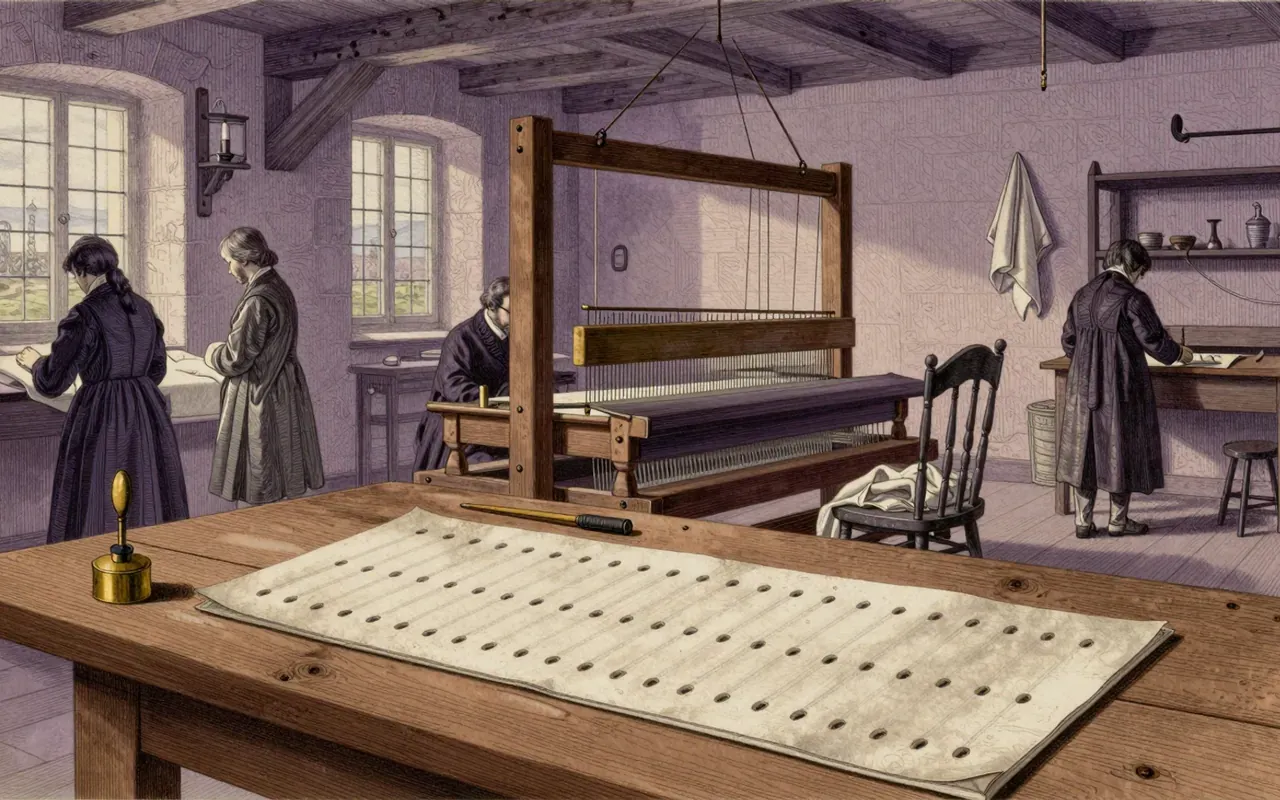
The Jacquard machine automated textile pattern weaving using replaceable punched cards — each encoding one row — to control warp threads individually. It improved fabric definition by drawing the figuring shed on every shot, not every fourth. It built directly on Bouchon, Falcon and Vaucanson, replaced Vaucanson’s paper strip with Falcon’s card chain by 1805, and was declared public property that year. Its use of external, swappable instructions influenced Babbage and became a conceptual precursor to programming — though it performed no computation, stored no state, and had no logic.

10:10

Fiber-optic communication

Charles K. Kao

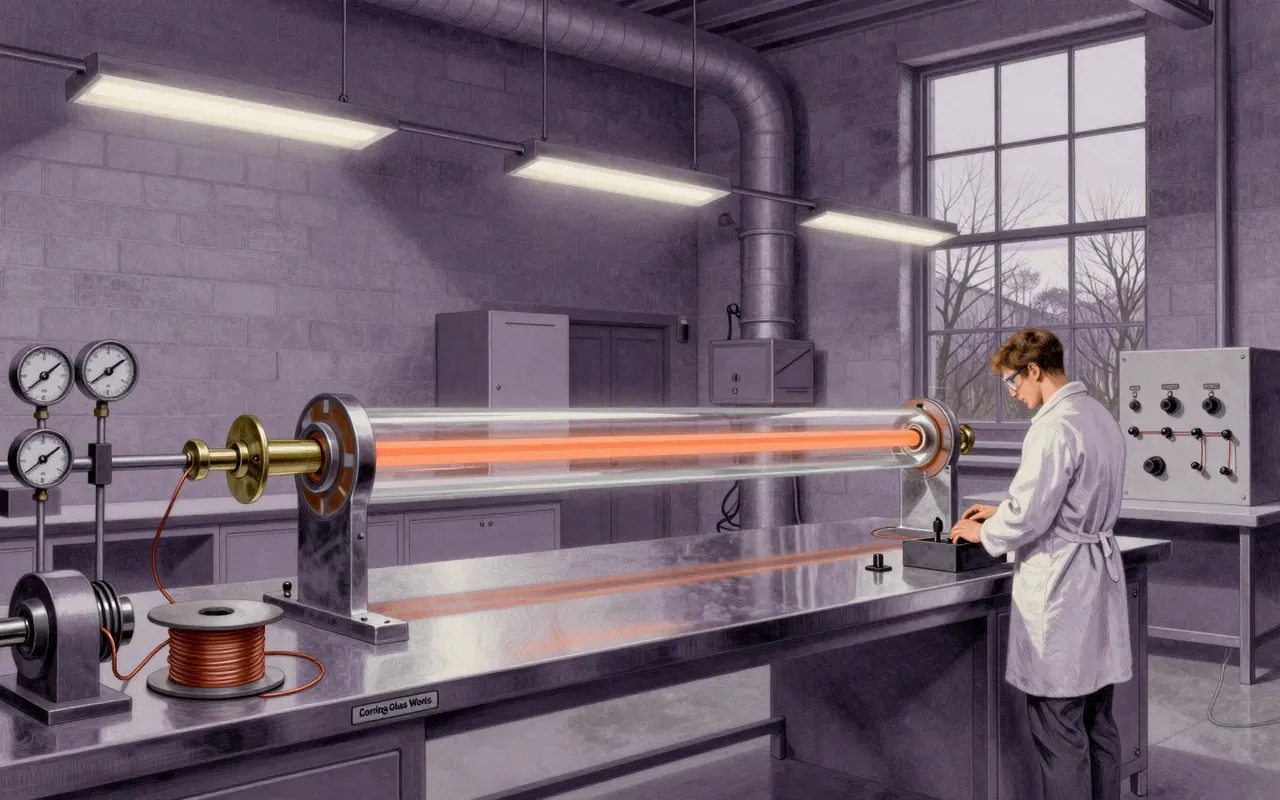
Kao and Hockham redefined optical fibre from a failed material into an engineering challenge. They showed attenuation was removable—not fundamental. That shifted R&D from ‘can we?’ to ‘how clean can we get?’. Corning hit 20 dB/km in 1970. Kao measured 4 dB/km in fused silica in 1969. Single-mode fibre became standard—but only after decades of laser and amplifier development. The invention is the insight, not the cable.

10:23

Pasteurization

Louis Pasteur · 1864

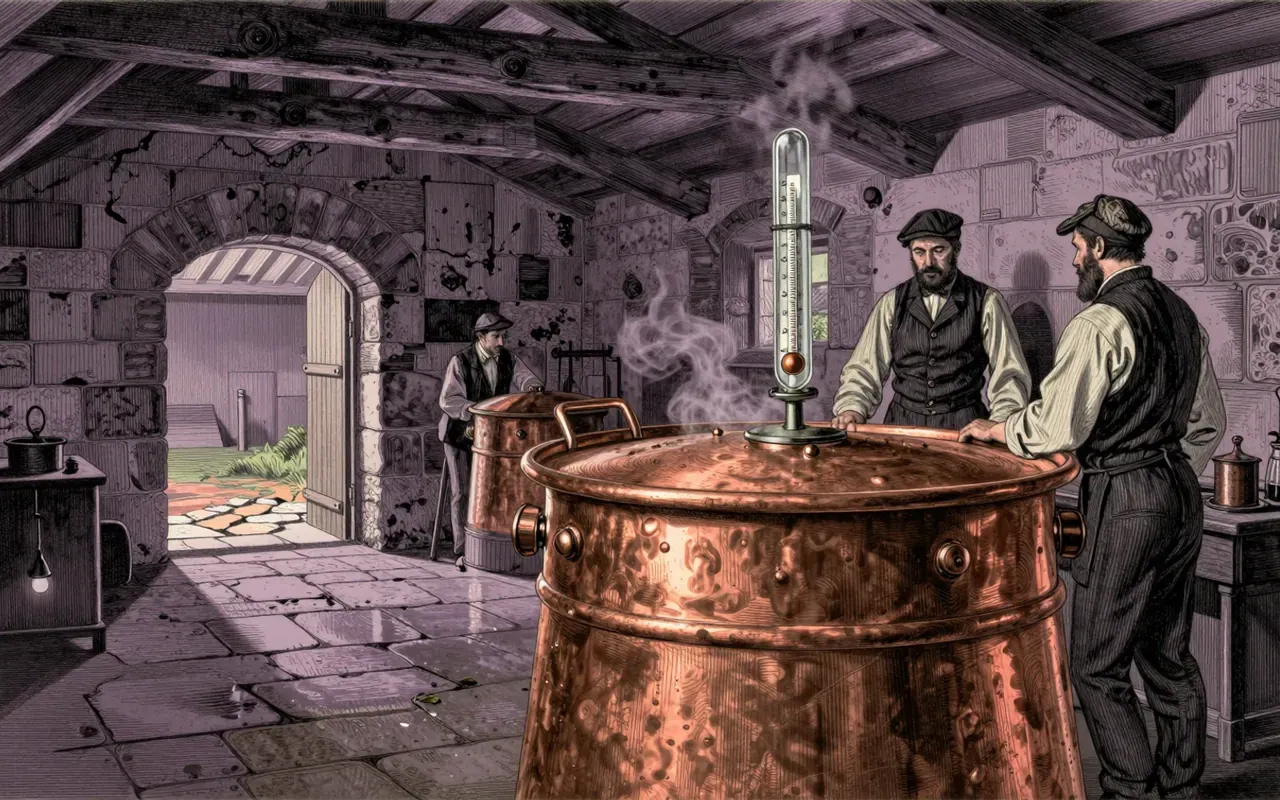
Pasteurization is a calibrated thermal intervention that stops microbial spoilage in liquids by killing vegetative bacteria and deactivating enzymes — without sterilising. It works because Pasteur proved microbes cause spoilage, not oxidation or time. Its limits are strict: spores survive, and efficacy depends on uniform heat delivery to every particle. It changed food safety from craft tradition to measurable process — but only where temperature can be controlled, verified, and sustained.

9:56

Satellite imagery

Satellite imagery is not about seeing more—it’s about measuring the same thing, repeatedly, from beyond reach.
10:33

Seat belt

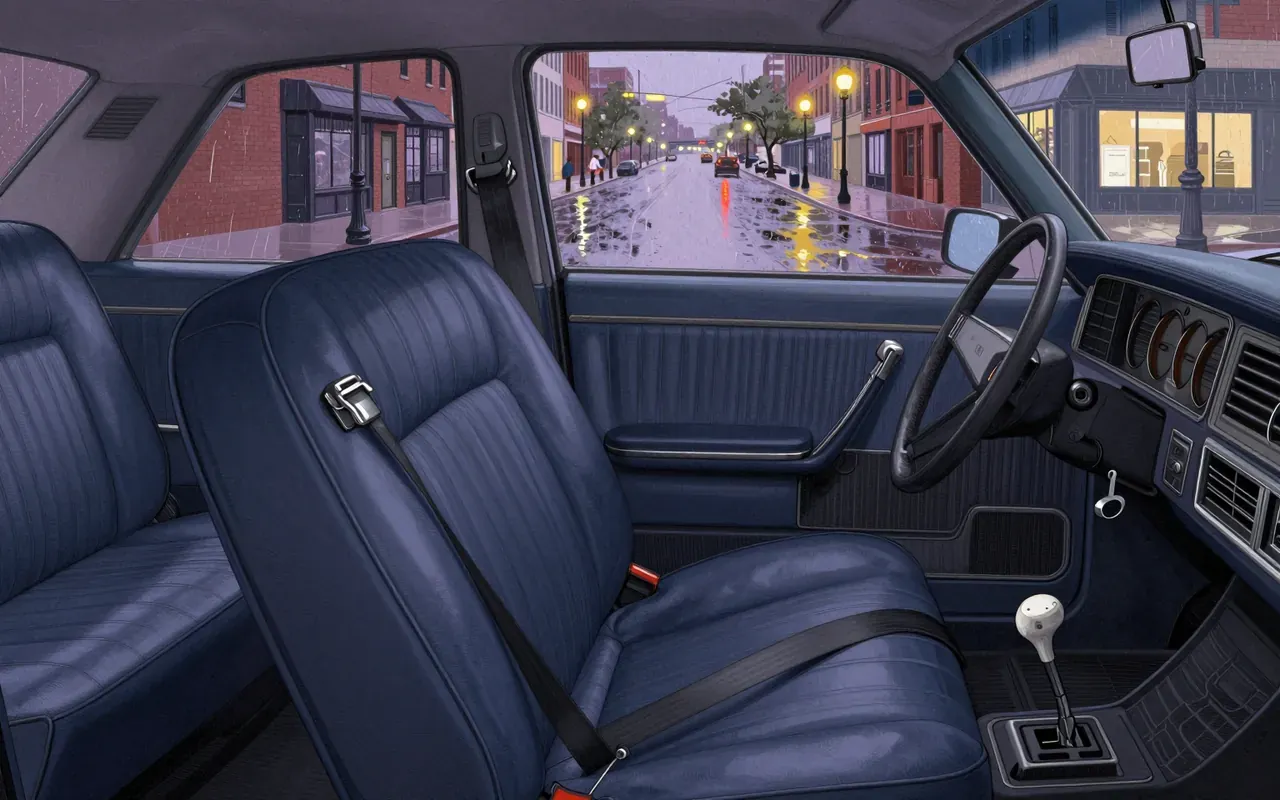
Seat belts save lives — but only if they’re tight, three-point, and used right.
10:04

ZX Spectrum

Clive Sinclair · 1982

The ZX Spectrum is an 8-bit home computer developed by Sinclair Research and launched in Britain on 23 April 1982. It prioritised low cost, simplicity, and compactness—using minimal components and transmitting video to televisions while loading software from audio cassettes. Its name highlighted its colour display, a key upgrade over the monochrome ZX81. Rick Dickinson designed its iconic case, rainbow motif, and rubber keyboard. Development began in September 1981, reusing parts from earlier models to accelerate production and reduce cost. The hardware centred on the Zilog Z80 microprocessor running at 3.5 MHz.

9:55

Electrical telegraph

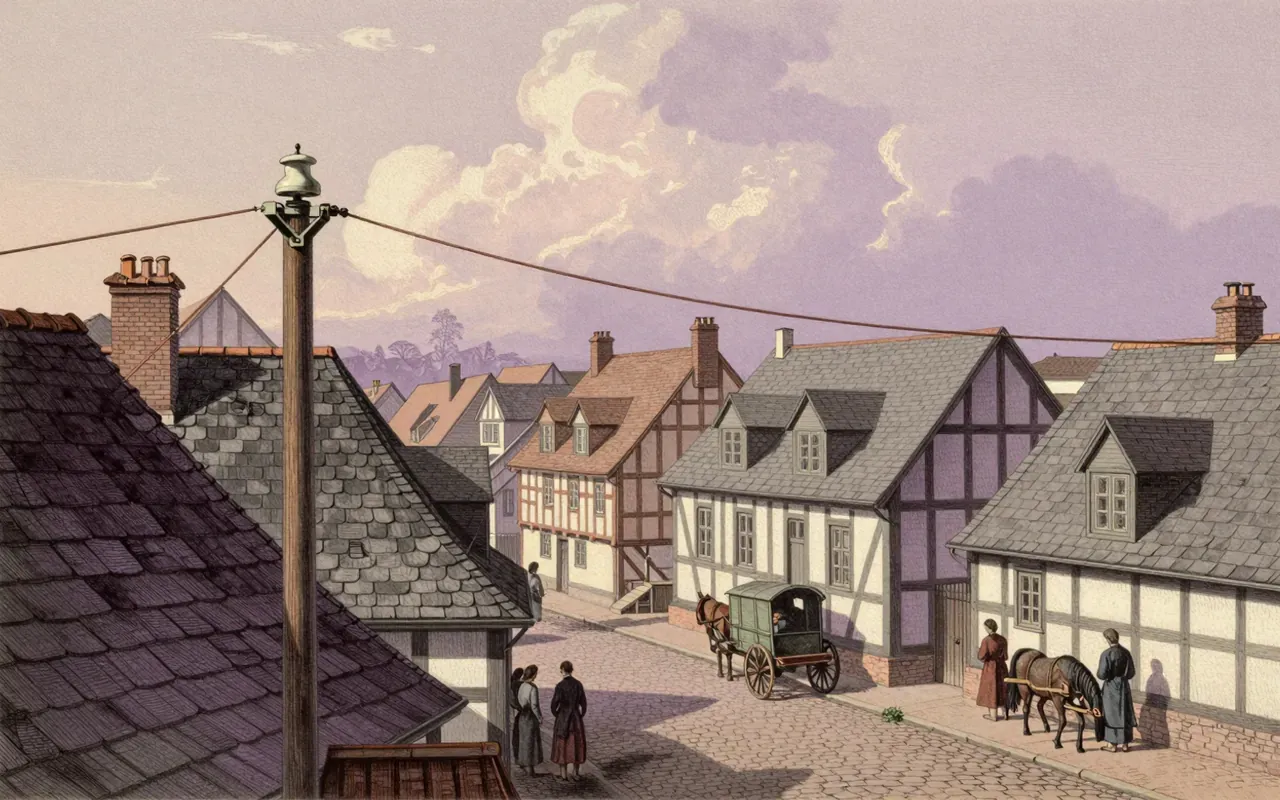
The telegraph wasn’t invented in 1816—it didn’t exist then, and no verified system predates Gauss and Weber’s 1833 wire.
9:24

Fleming valve

John Ambrose Fleming · 1904

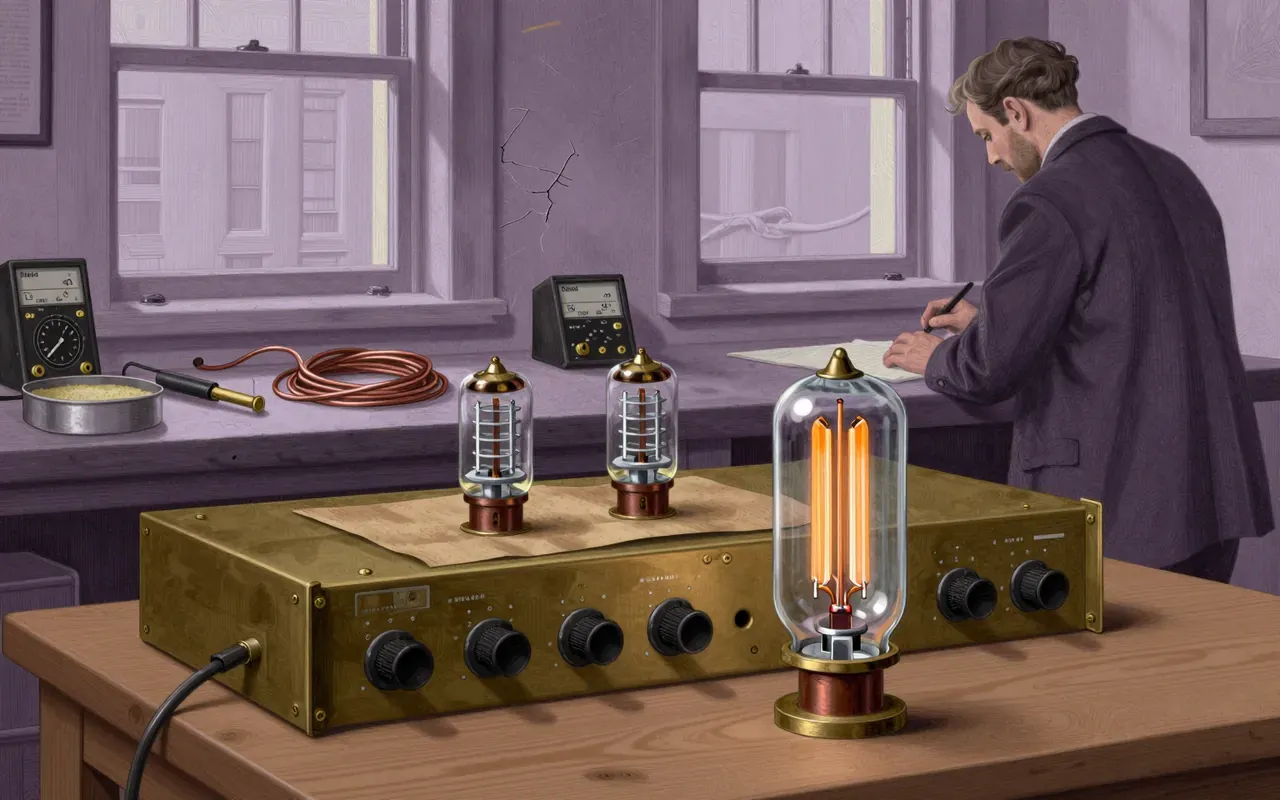
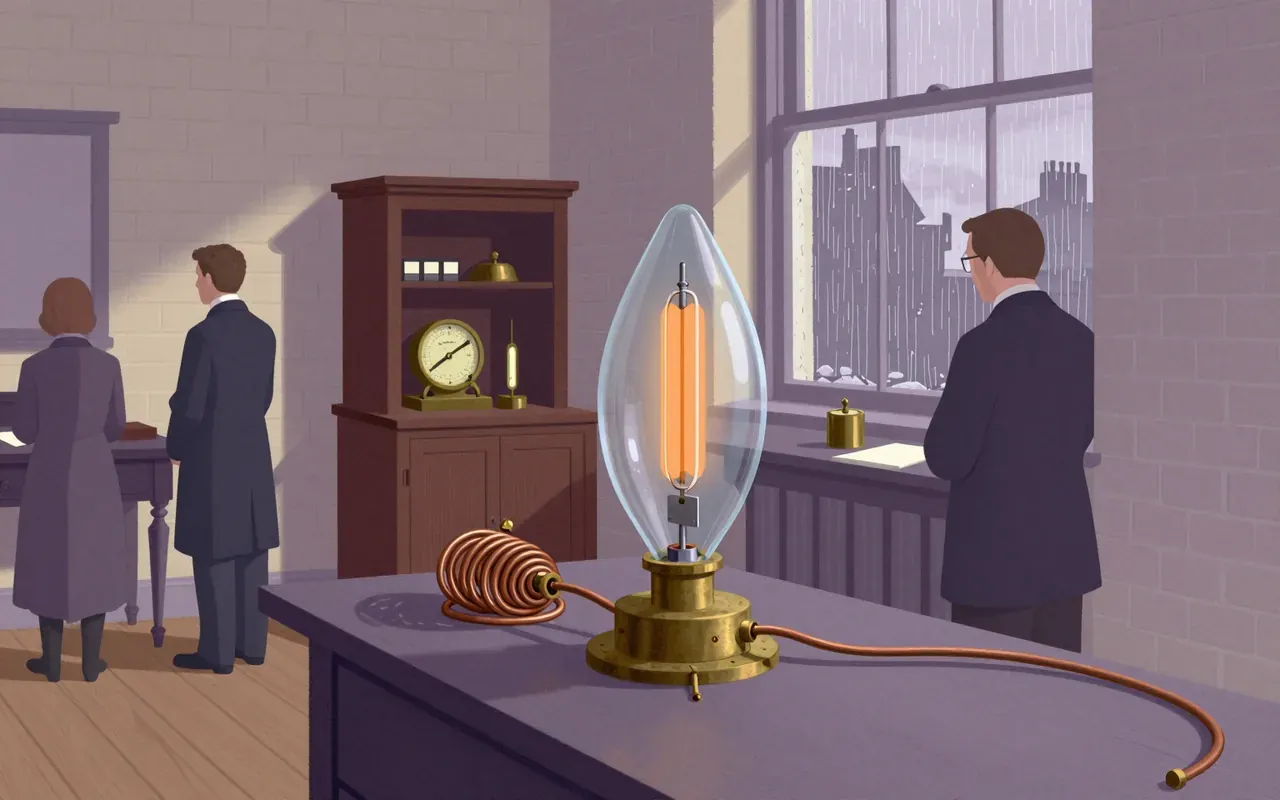
The Fleming valve is a two-electrode thermionic diode invented in 1904 to detect high-frequency radio signals in wireless telegraphy. It rectifies AC by permitting electron flow only from heated filament to positive anode — exploiting the Edison effect. It replaced the coherer in Marconi’s transatlantic receiver. It does not amplify. It requires continuous filament heating. It was used in radio and radar for over 50 years before being superseded by solid-state devices.

10:05

Turbofan

It trades jet speed for air mass—and rewrote aviation’s economics without ever breaking the sound barrier.
10:19

Turboprop

The turboprop trades jet speed for propeller efficiency—and it wins every time below 725 km/h.
8:35

Valve amplifier

Lee de Forest

Lee de Forest’s triode valve amplifier is the first electronic amplifying device. It uses a control grid to modulate current flow. It first regenerated long-distance telephony signals. It amplified radio signals only slightly. It required residual gas and was initially unreliable. It enabled radio broadcasting, telephony, television, and computing.

9:45

Watt steam engine

James Watt · 1776

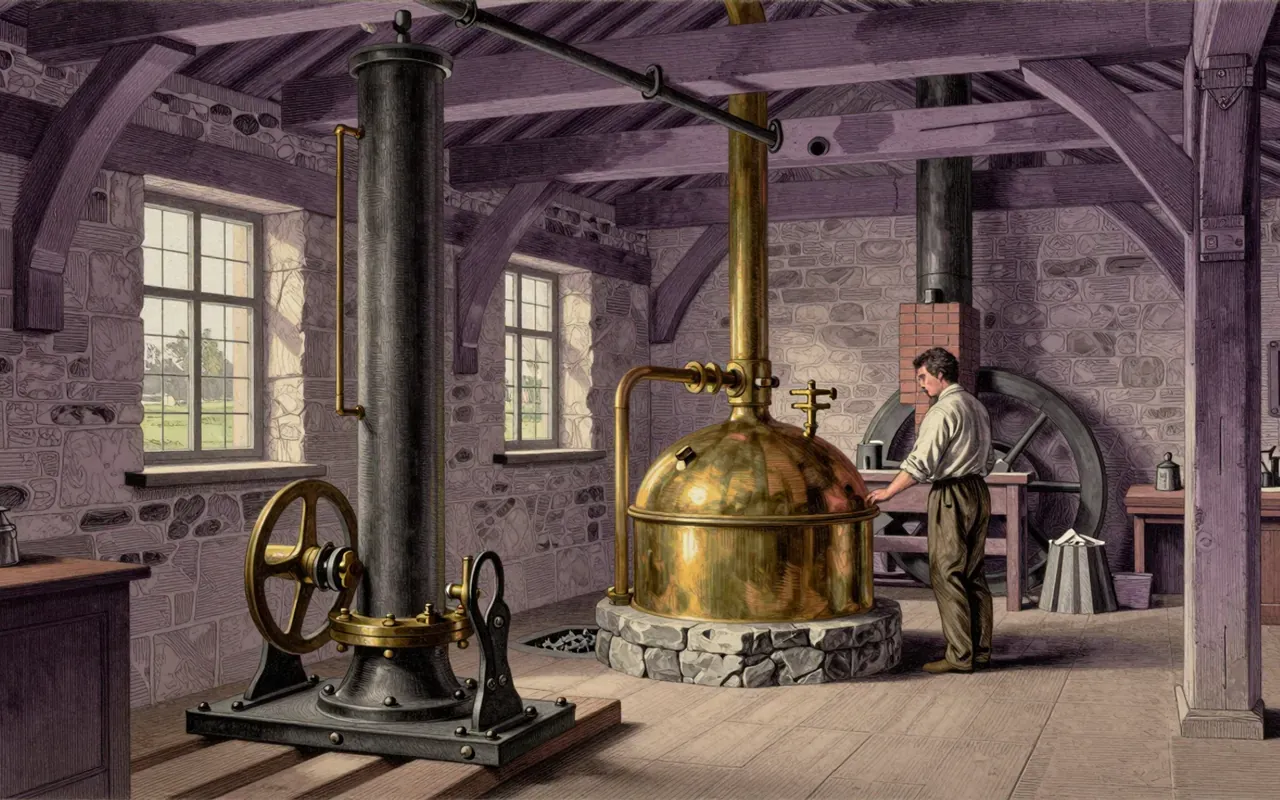
The Watt steam engine is not a leap forward in power—it is a correction of thermal waste. It separates condensation from the cylinder so steam condenses cold while the cylinder stays hot. This cut coal use in half versus the Newcomen engine. But the 1776 version delivered only reciprocating motion for mine pumps. Rotary motion, double-acting operation, and expansive steam were later additions—not features of the original commercial engine.

10:09

X86

x86 isn’t enduring because it’s good — it’s enduring because every fix creates new dependencies no one dares break.
10:03

Go (programming language)

Robert Griesemer, Rob Pike, Ken Thompson · 2009

Go is a statically typed, compiled programming language designed in 2007 by Robert Griesemer, Rob Pike, and Ken Thompson at Google to improve programming productivity for multicore, networked machines and large codebases. It combines static typing and runtime efficiency like C, readability and usability like Python, and high-performance networking and multiprocessing. Publicly announced in November 2009 and released as version 1.0 in March 2012, Go emphasizes simplicity, safety, and developer tooling — especially around concurrency via goroutines and channels, packaging, testing, and deployment — while deliberately omitting features like inheritance, assertions, pointer arithmetic, and implicit type conversions. Its design reflects a focus on the software development process itself rather than just language syntax or semantics.

11:43

FM broadcasting

Edwin Howard Armstrong

FM broadcasting is a noise-resilient analog transmission method that trades bandwidth for fidelity and static immunity. Armstrong engineered it deliberately—not as an evolution of AM, but as its functional alternative. Its mechanism works. Its early promise did not. Its regulatory impact did.

8:43

Advanced Encryption Standard

Joan Daemen and Vincent Rijmen · 1998

AES is a narrow, standardised, symmetric cipher mandated by NIST in 2001. It works reliably only when implemented correctly. It solves no problems beyond confidentiality of bulk data under fixed parameters. It demands careful key handling and side-channel mitigation — which it does not provide.

10:54

Chain drive

Hans Renold

The chain drive is a mechanical transmission system using a roller chain and sprockets to move torque across distance. Hans Renold’s 1880 bush roller chain solved critical wear and slippage problems of earlier pin-and-link designs—and became the basis for all modern precision roller chains. It enables adjustable gear ratios and higher torque via duplex configurations. But it inherently produces speed variation (chordal effect) due to discrete link engagement. Its first commercial validation came in James Starley’s tricycles using his 1877 differential. It remains essential hardware—not legacy tech—where reliability, torque and spacing outweigh the need for constant velocity.

10:36

Altair 8800

It did not invent personal computing — it proved people would pay for access to a CPU without abstraction.
10:34

Amiga 1000

Multitasking wasn’t added later — it shipped baked into the ROM, and that changed everything.
8:46

Arista Networks

Arista didn’t reinvent networking—it rebuilt the OS so failures stop spreading.
10:08

ARM architecture family

ARM isn’t about efficiency—it’s about offloading architectural control so others can build cheaper, cooler, more varied chips.
10:40

Bell Labs

Bell Labs didn’t invent the future — it built the tools to measure, contain, and repeat what already worked.
10:21

Cellular network

Cellular networks don’t eliminate spectrum scarcity—they just hide it behind geography and switching.
10:32

CERN

CERN is not a physics lab—it’s a treaty that turned particle collisions into diplomacy.
9:56

CSS

CSS did not make the web prettier—it made it governable.
10:20

Optical fiber

It does not carry electricity—but it carries light so precisely that medicine and telecoms had to rebuild themselves around it.
9:51

GNU

Free software began not with code, but with a resignation—and a recursive acronym.
8:50

HTML

HTML is not a programming language — it is a contract between author and browser about what text means, not how it looks.
9:45

Kotlin

Kotlin isn’t about elegance—it’s about eliminating Java’s tax on velocity, one stable release at a time.
9:52

NeXTSTEP

NeXTSTEP didn’t win the desktop — it rewrote the rules of OS design from the inside out.
9:08

Nokia 3310

Durability isn’t a feature — it’s the entire product architecture.

9:58

Multiplayer video game

Multiplayer video games are not about playing together—they’re about negotiating presence across broken pipes.
9:19

Packet switching

Packet switching doesn’t route data—it abandons it, trusting endpoints to find meaning in the wreckage.
10:40

PageRank

PageRank didn’t rank pages — it ranked links, and in doing so, rewired how machines read trust.
10:52

PDP-11

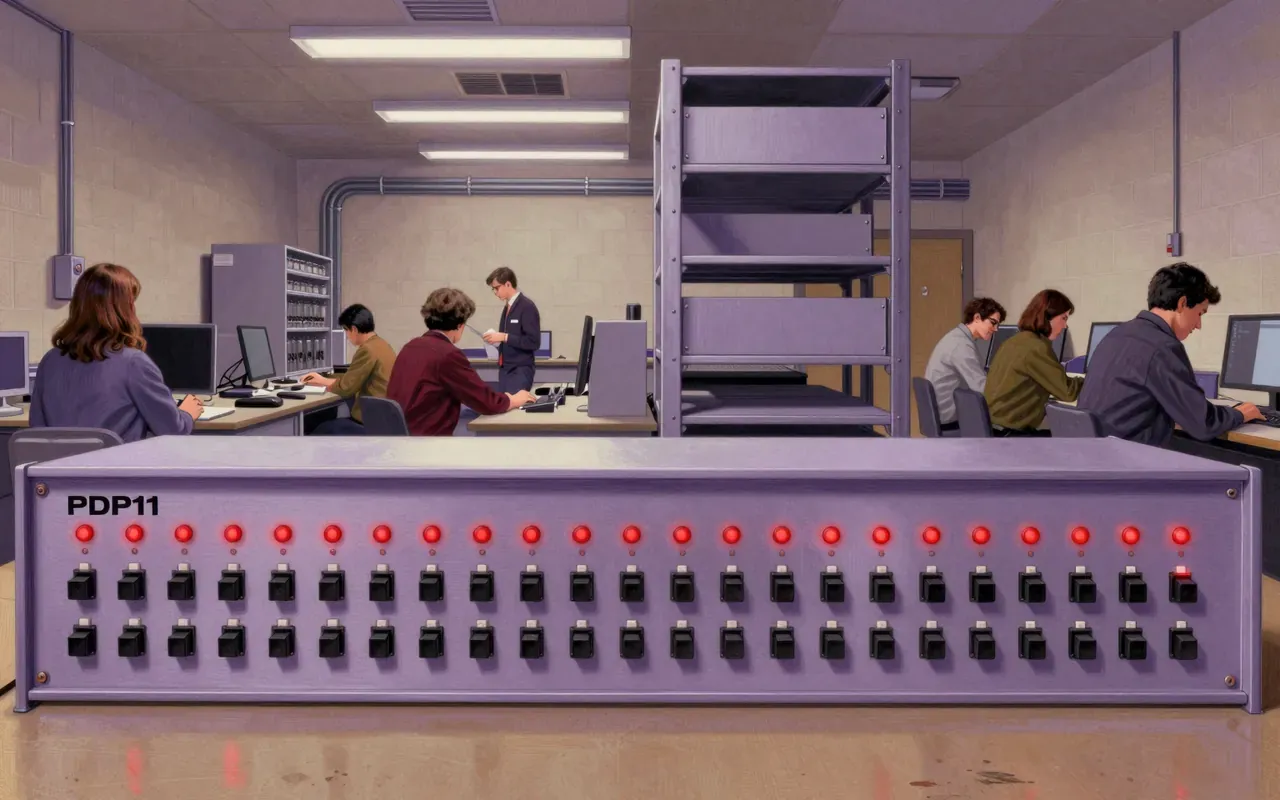
It didn’t invent computing — it made abstraction feel physical.
10:24

PDP-8

The PDP-8 didn’t invent the minicomputer—it weaponised price.
9:55

Photolithography

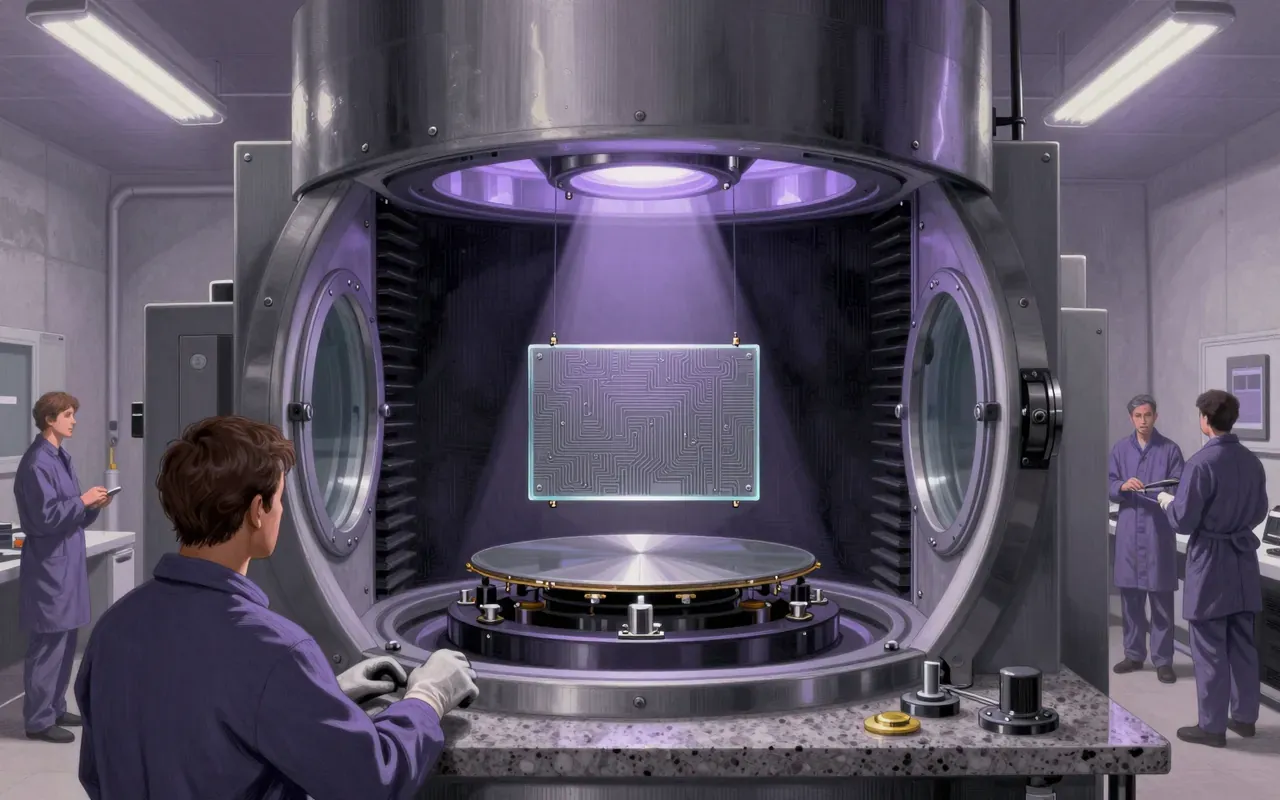
Photolithography didn’t invent the microchip—it made mass production inevitable.
10:18

PostgreSQL

University of California Berkeley · 1996

PostgreSQL is a free and open-source RDBMS that solves the problem of building reliable, scalable, and standards-compliant relational data systems without vendor lock-in. It emerged from Berkeley’s POSTGRES project in 1985 to address limitations in contemporary databases, especially Ingres’ lack of SQL support and type extensibility.

11:08

Random-access memory

Random access wasn’t invented to speed up computers—it was built to prove memory could be both volatile and trustworthy enough to hold a program.
9:15

Read-only memory

Read-only memory isn’t about limitation — it’s about guaranteeing what cannot change.
10:18

Smalltalk

Alan Kay and team · 1972

Smalltalk is a pure object-oriented language built for constructionist learning at Xerox PARC in the 1970s. Its first interpreter, Smalltalk-72, was written by Dan Ingalls in about 700 lines of BASIC for the Data General Nova in October 1972. It emerged from Alan Kay’s September 1972 bet that a message-passing core could fit on a page of code—and did so by the eighth morning. Smalltalk-80, released publicly in 1980, introduced foundational OOP ideas, featured an integrated development environment from inception, and established total reflection—both structural and computational. It has no primitive types: all values are objects, and all computation occurs via message passing. ANSI Smalltalk was ratified in 1998.

9:38

Space telescope

Space telescopes don’t transcend limits—they relocate them, from sky to rocket.
8:56

SQLite

D. Richard Hipp · 2000

SQLite is a C library that embeds a relational database engine directly into applications. It stores data in a single cross-platform file. It delivers ACID transactions and most SQL-92 features—but omits materialized views, full trigger support, and ALTER TABLE. It relies on file-system locking, not internal concurrency control. It enforces access via file permissions, not users or roles. Its type system is dynamic by default. It is widely deployed because it requires no installation, configuration, or administration.

8:46

SWIFT

SWIFT standardised syntax—not money, not speed, not trust.
9:18

System on a chip

SoCs shrink computers—but lock in obsolescence the moment they’re fabricated.
10:53

Amiga 500

Commodore · 1987

The Amiga 500 is a pivotal hardware milestone—not because it introduced new silicon, but because it delivered proven multitasking and colour graphics to mainstream retail at a time when competitors treated those features as optional or impossible in home systems. Its success relied on reuse, repackaging, and distribution—not invention.

9:12

Graphical user interface

The GUI didn’t democratise computing—it deferred the problem of expertise into new forms of visual literacy.