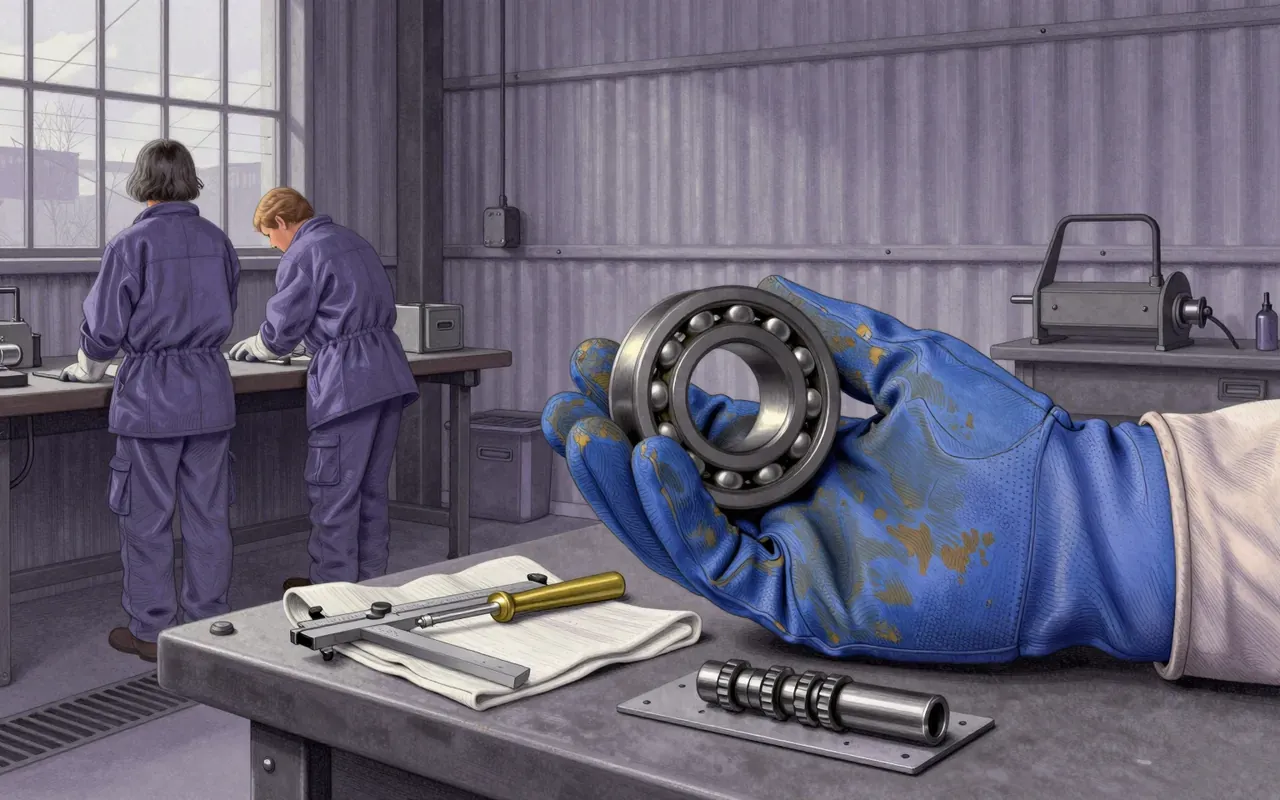
Tapered roller bearing
It doesn’t balance loads—it projects them, precisely, to a point no one can see.
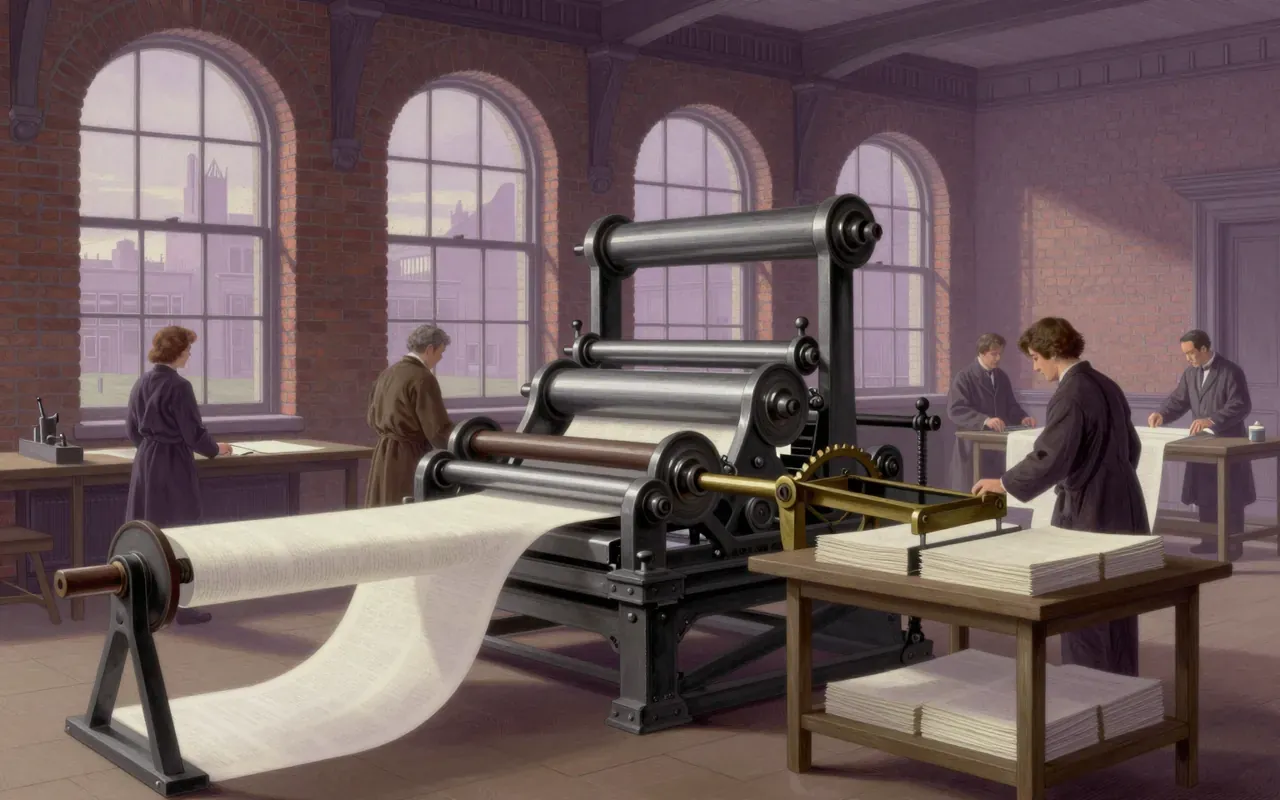
The rotary printing press solved the bottleneck of flatbed impression speed by rotating type cylinders against a fixed platform. It worked because rotation enabled stable, repeatable contact at scale. Its 1846 form was deployable; its 1870 web perfecting variant automated cutting and folding at 18,000 papers/hour. It did not eliminate manual feeding until the 1870 version. It changed publishing by making daily mass print economically viable. It matters for anyone studying how mechanical standardisation enables information scale.

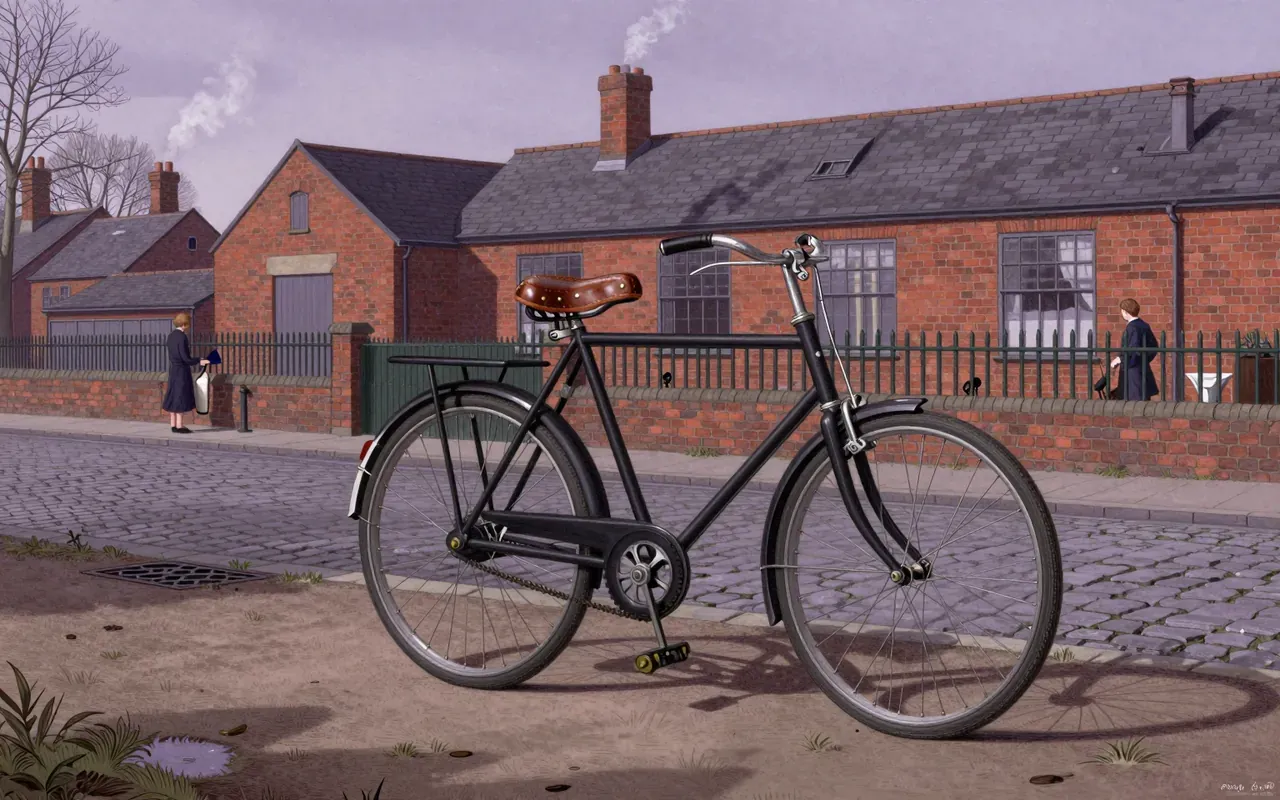
The safety bicycle solved the penny-farthing’s fatal instability by lowering the rider, equalising wheel size, and moving power to the rear wheel via chain. Starley’s 1885 Rover succeeded not because it was first, but because it combined rear-chain drive, direct steering, and balanced geometry — while most contemporaries still used front drives or indirect steering. It made cycling broadly usable, but only after overcoming real mechanical and ergonomic trade-offs.
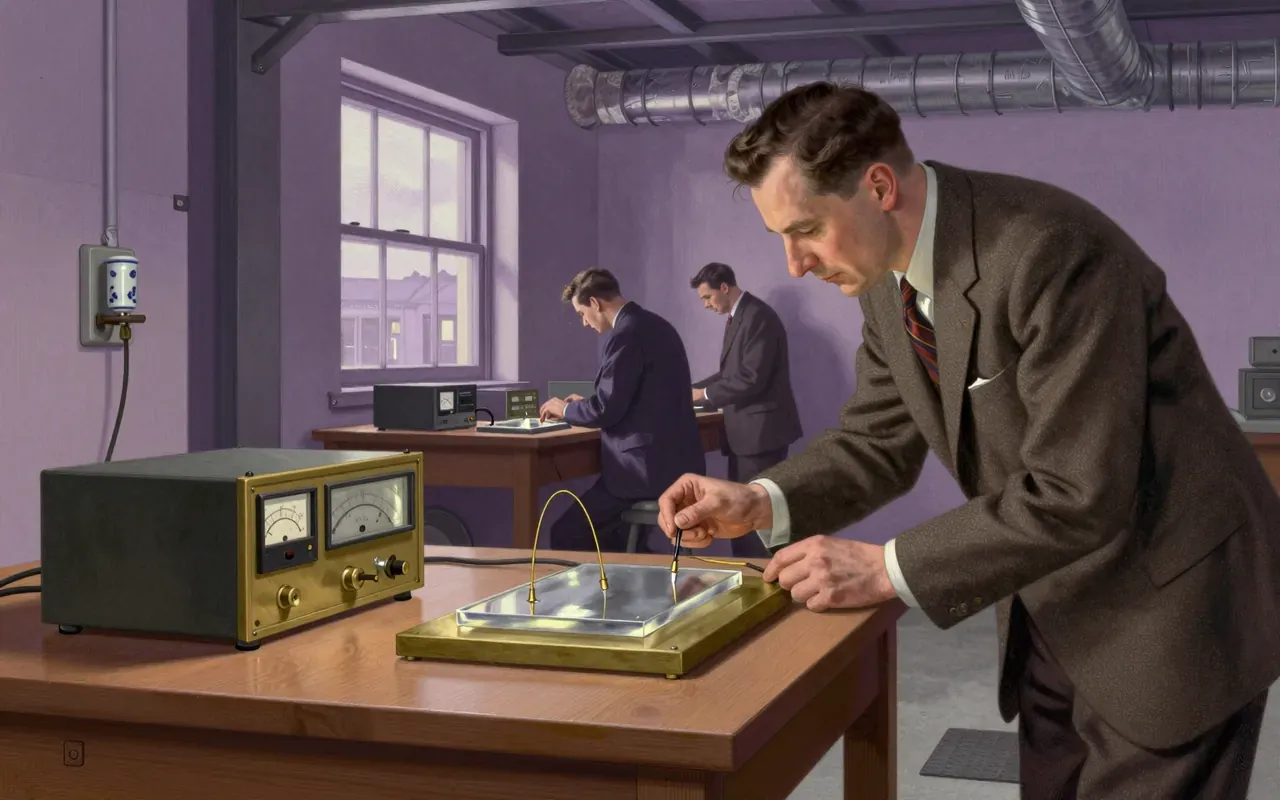
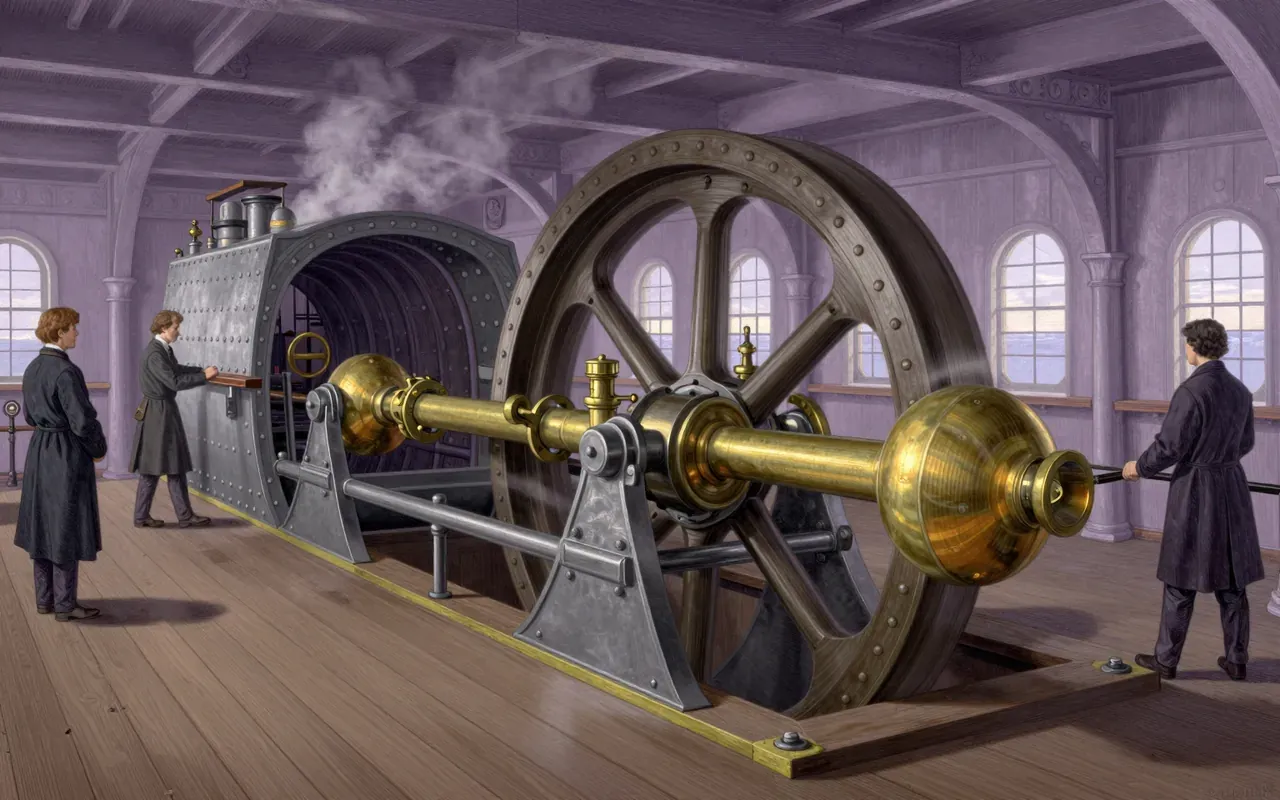

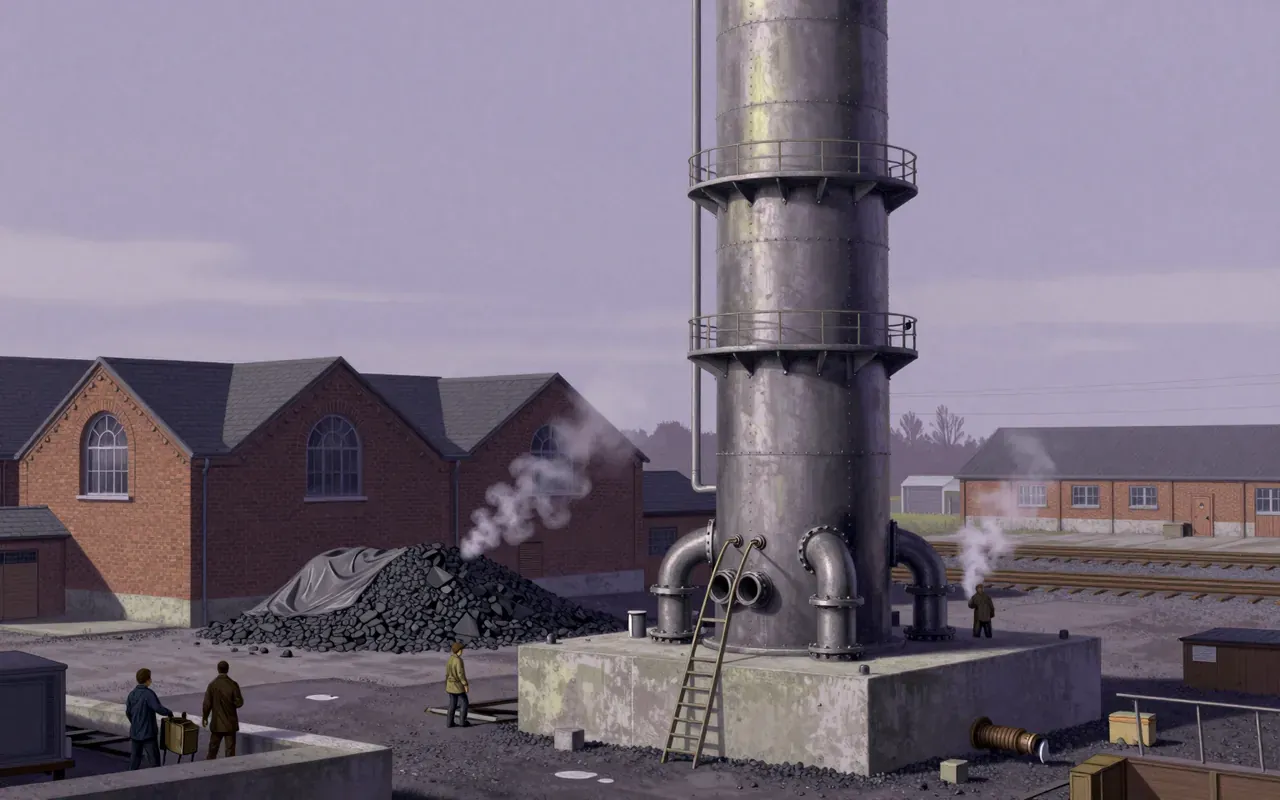
The Solvay process is the first industrially viable closed-loop chemical synthesis using a recoverable mediator. It works by exploiting ammonia’s solubility-shuttling effect to precipitate sodium bicarbonate from brine and CO₂—then thermally decomposing the solid to yield soda ash while reclaiming ammonia. It succeeded because it reduced raw material cost, eliminated major Leblanc pollutants, and scaled reliably in a purpose-built tower. It fell short in ammonia leakage, energy intensity of lime kilns, and dependence on precise brine purity. It changed bulk chemical manufacturing by proving that catalytic mediation could be engineered—not just observed. Worth your time if you design, regulate, or teach process systems.
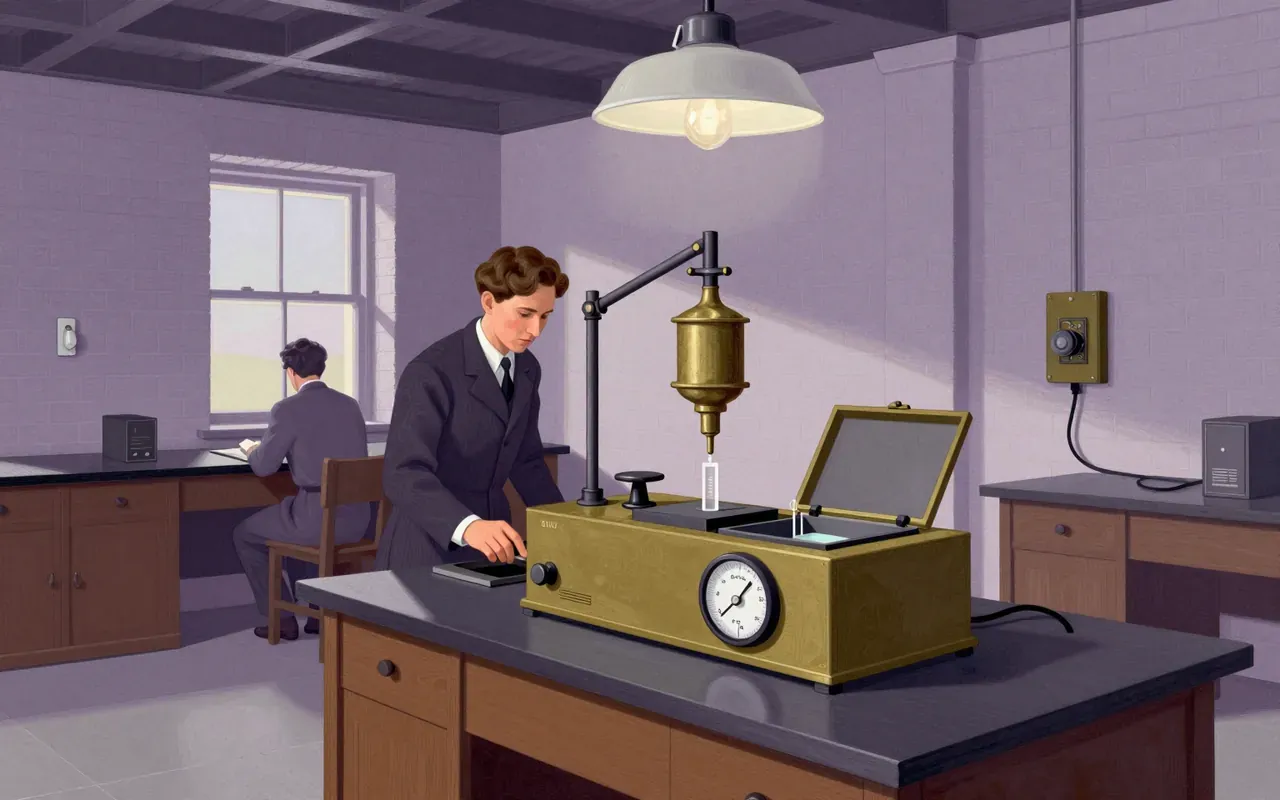
The DU spectrophotometer was not a leap in physics — it was a consolidation of optics, electronics, and procedure into one certified, usable tool. It replaced artisanal interpretation with repeatable numbers. Its value lies in enforced standardisation, not novelty.
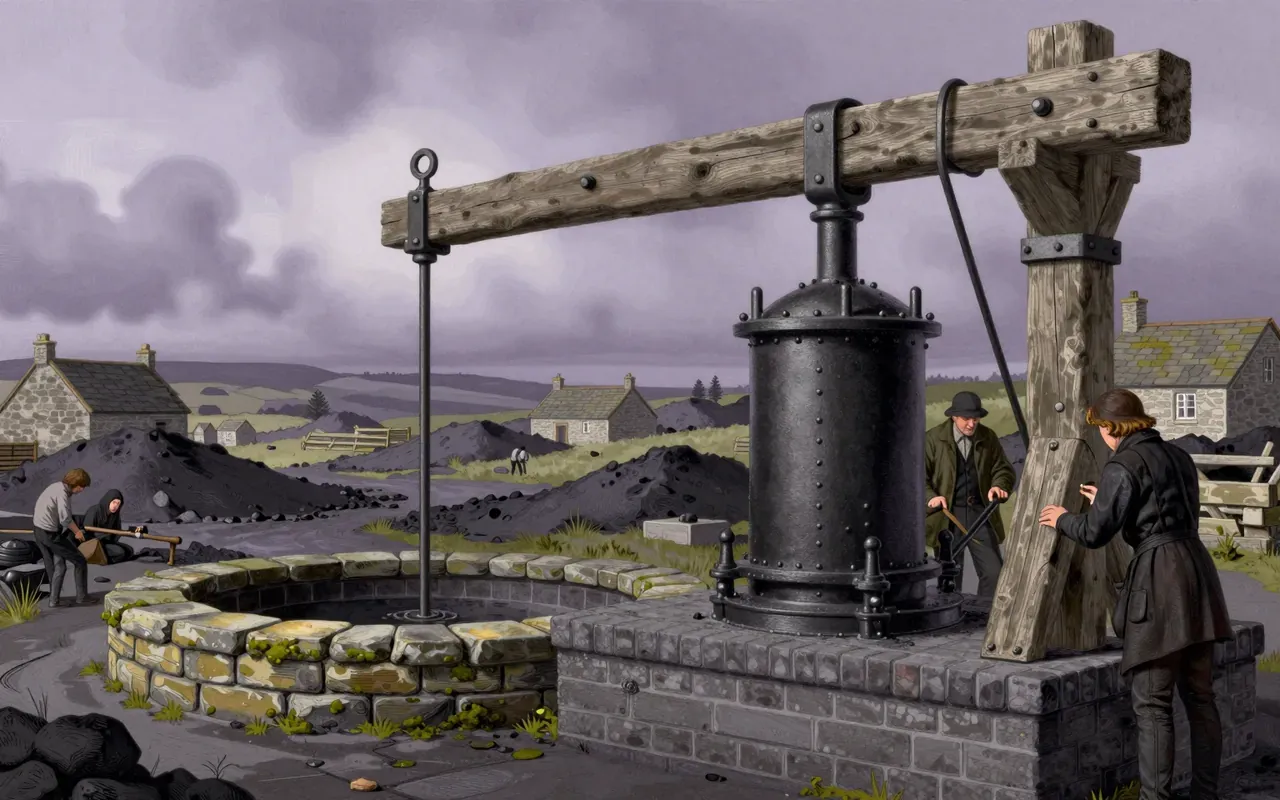
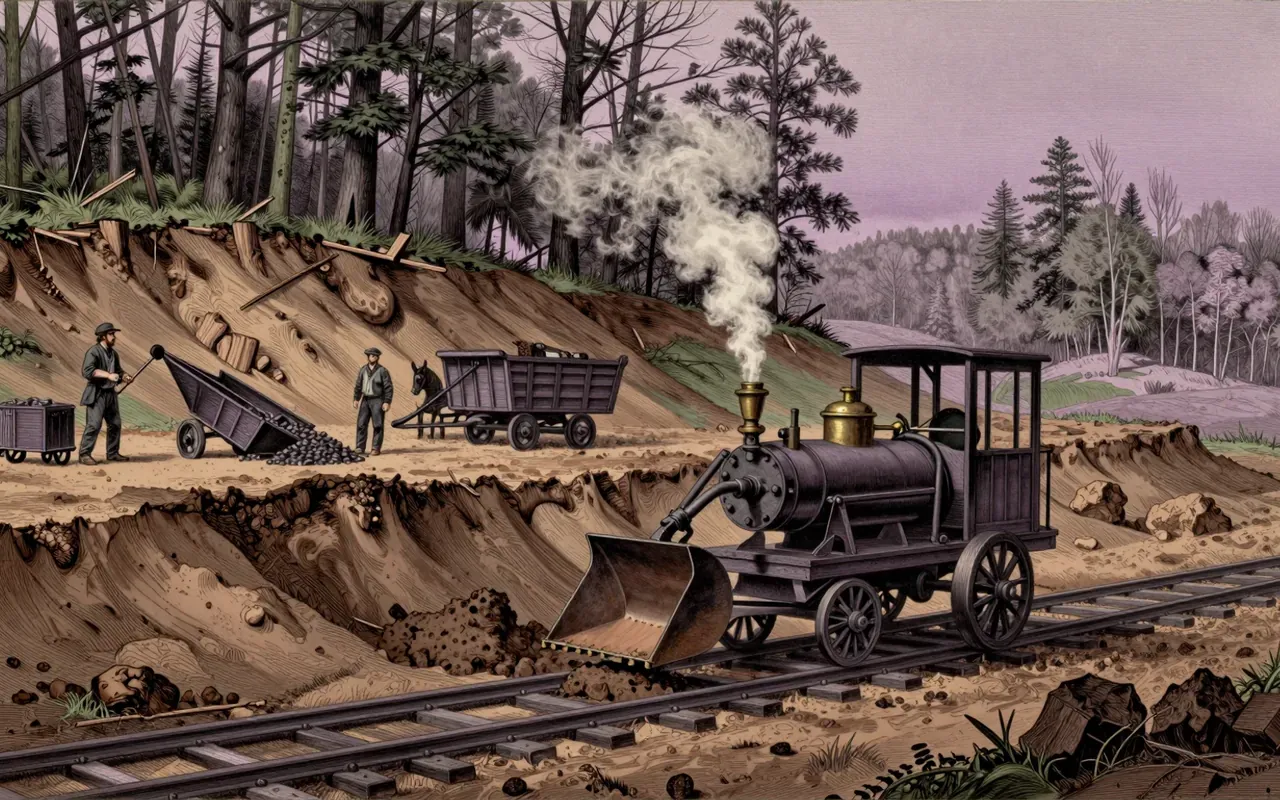
The steam shovel is a pivotal hardware innovation that mechanised excavation but remained tethered to rail logistics and partial rotation. It delivered measurable productivity gains (380 m³/day) in specific contexts — railroads, canals — yet offered no autonomy, adaptability, or terrain independence. Its legacy is infrastructural, not operational.
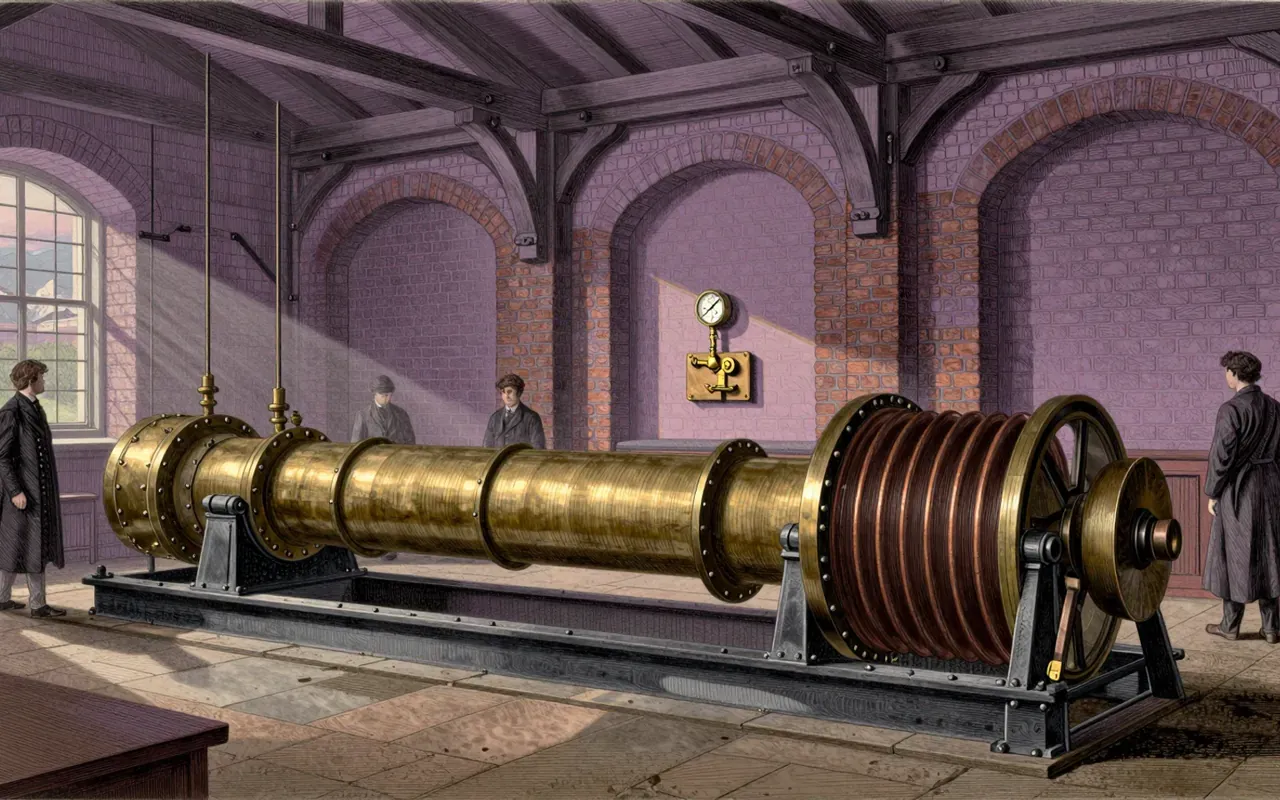
The steam turbine was not an incremental upgrade. It was a new mechanical paradigm: reaction-based, inherently scalable, and immediately deployable for electricity and propulsion. Its success came from eliminating reciprocating inertia, enabling higher speeds, smoother operation, and orders-of-magnitude growth in unit size. It delivered what it promised—cheap electricity and naval transformation—without hedging or delay.
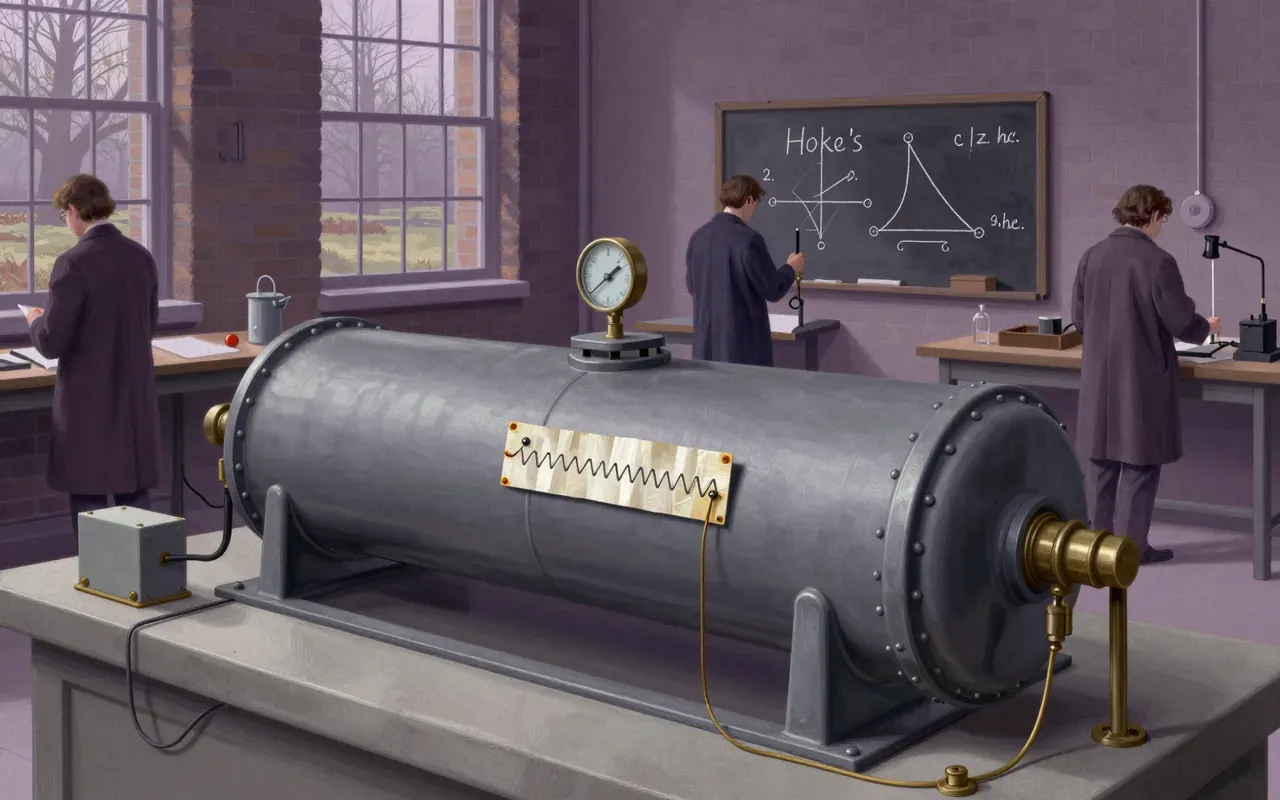
The strain gauge is a bonded metallic foil sensor that translates mechanical strain into resistance change via conductor geometry. Invented independently in 1938 by Simmons (for shock-load metallurgy) and Ruge (for seismological water tank modelling), it solved measurement gaps where optical methods failed. It works reliably within elastic limits—but fails without precise adhesion or thermal control. Its legacy is not novelty but adoption: it became the standard interface between force and electronics because it was simple, scalable, and grounded in first principles—not hype.
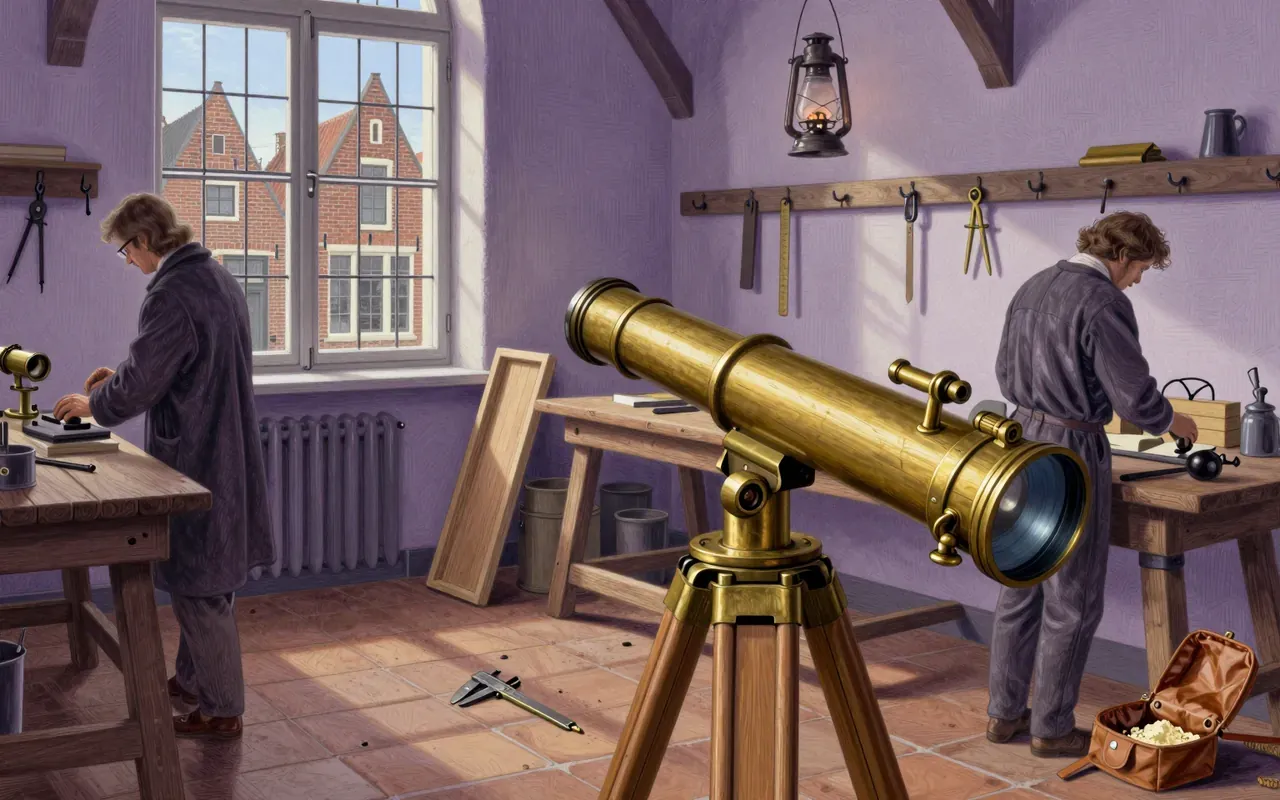
The Lippershey telescope is not the origin of astronomy—it is the origin of optical procurement. It works. It is limited. It was copied before it was patented. Its legacy is procedural, not optical.

The Tesla Model X is a battery electric mid-size luxury crossover SUV developed from the Model S platform and distinguished by falcon wing doors. It shares ~30% of its parts with the Model S—half the originally planned 60%—and weighs ~10% more. Unveiled in Hawthorne on 9 February 2012, it entered production in Fremont and began deliveries in September 2015. In 2016, it ranked seventh among the world’s best-selling plug-in cars. A 2021 refresh added the Plaid model and updated interior, powertrain, and suspension.
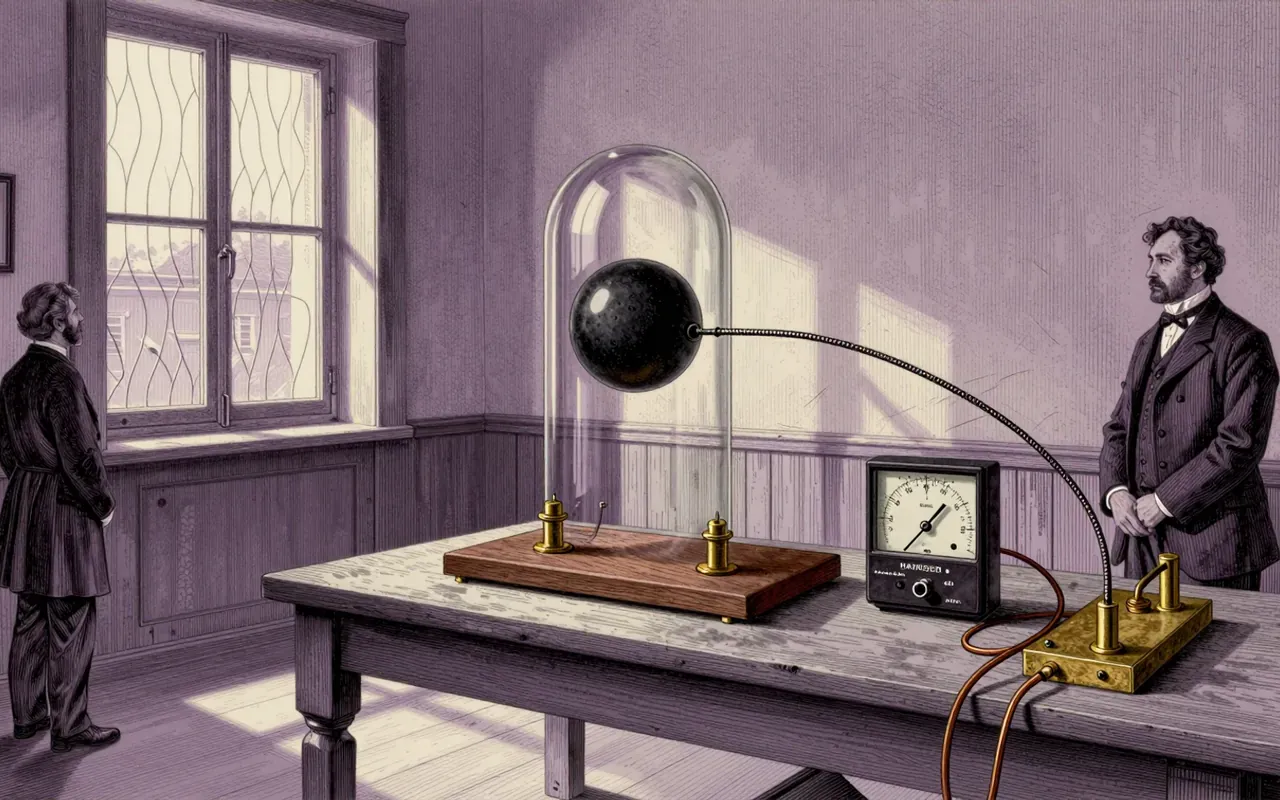
The thermistor is a semiconductor resistor whose resistance changes strongly with temperature. Michael Faraday discovered its NTC behaviour in silver sulfide in 1833. Commercial production did not begin until the 1930s due to manufacturing difficulty and limited applications. Samuel Ruben invented a commercially viable version in 1930.

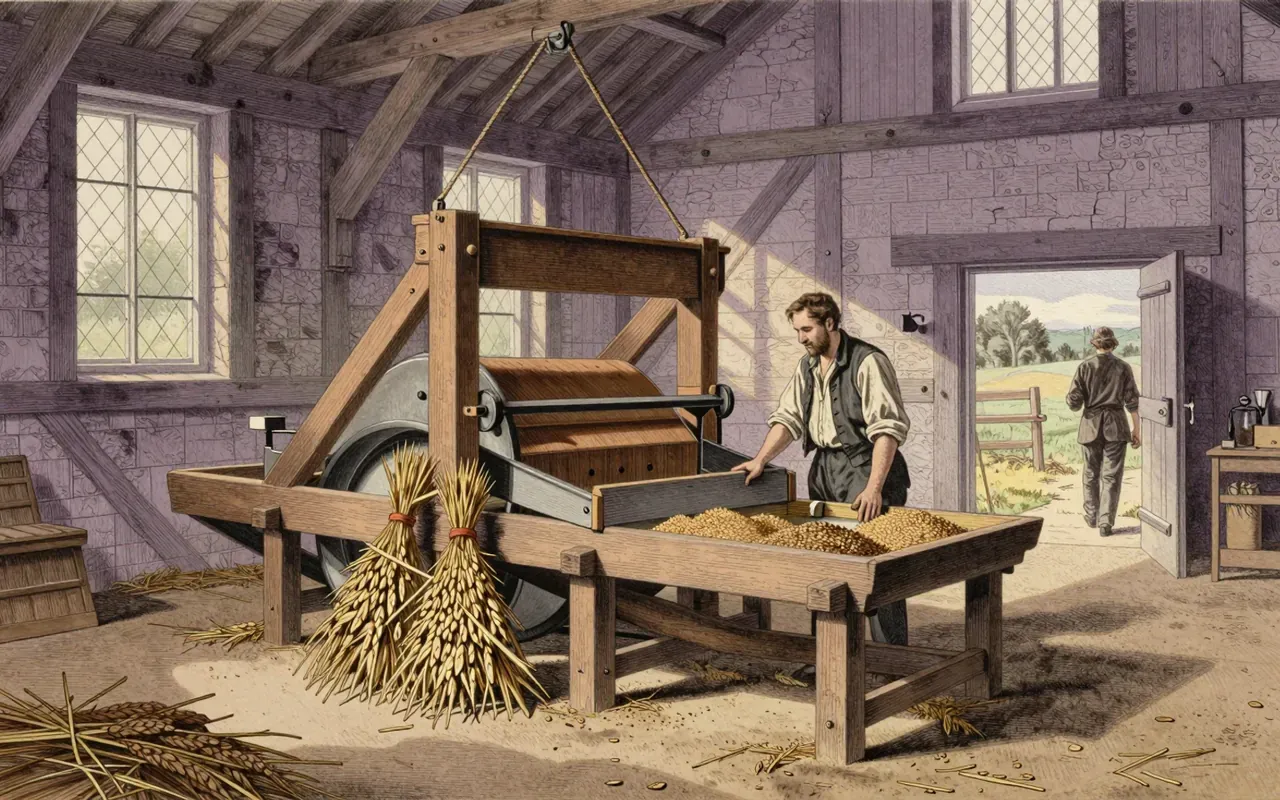
The threshing machine was the first agricultural device to mechanise grain separation—but its initial form solved only one step of a three-step process. Meikle’s 1786 invention used velocity-driven fixed beaters to dislodge grain. Early output remained mixed: straw, chaff, and grain formed a single heap. Only with added rakes, shakers, and fanners did it deliver clean, market-ready grain. It reduced labour by ~25%, lifted yield by up to 5%, and cut total processing cost below prior cleaning-only expense. It did not eliminate human oversight. It did not scale without infrastructure. It did not win immediate adoption. It established that mechanisation required integration—not just substitution.
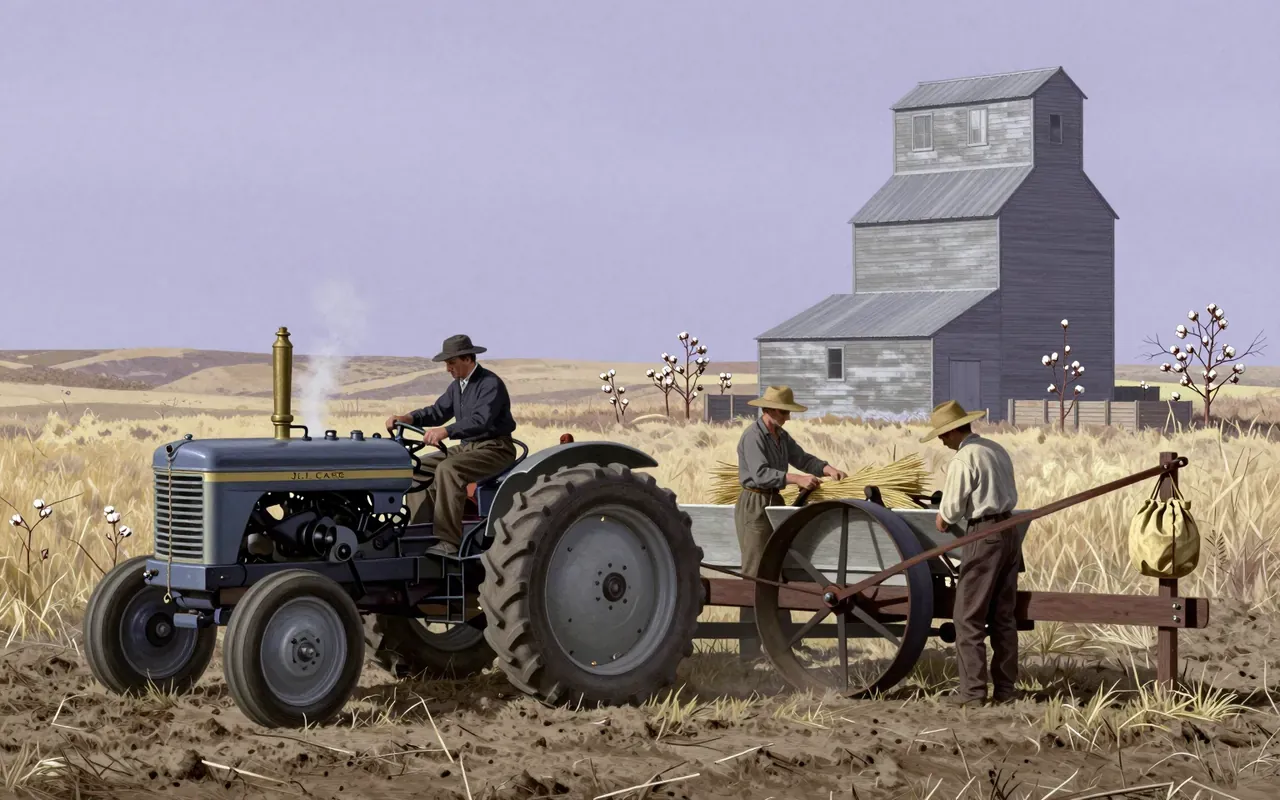
The 1892 Froelich tractor is a functional prototype — not a product, not a platform, not a pivot point. It works once, in one place, for one purpose. Its mechanism is clear. Its failure is documented. Its influence is retrospective mythmaking.
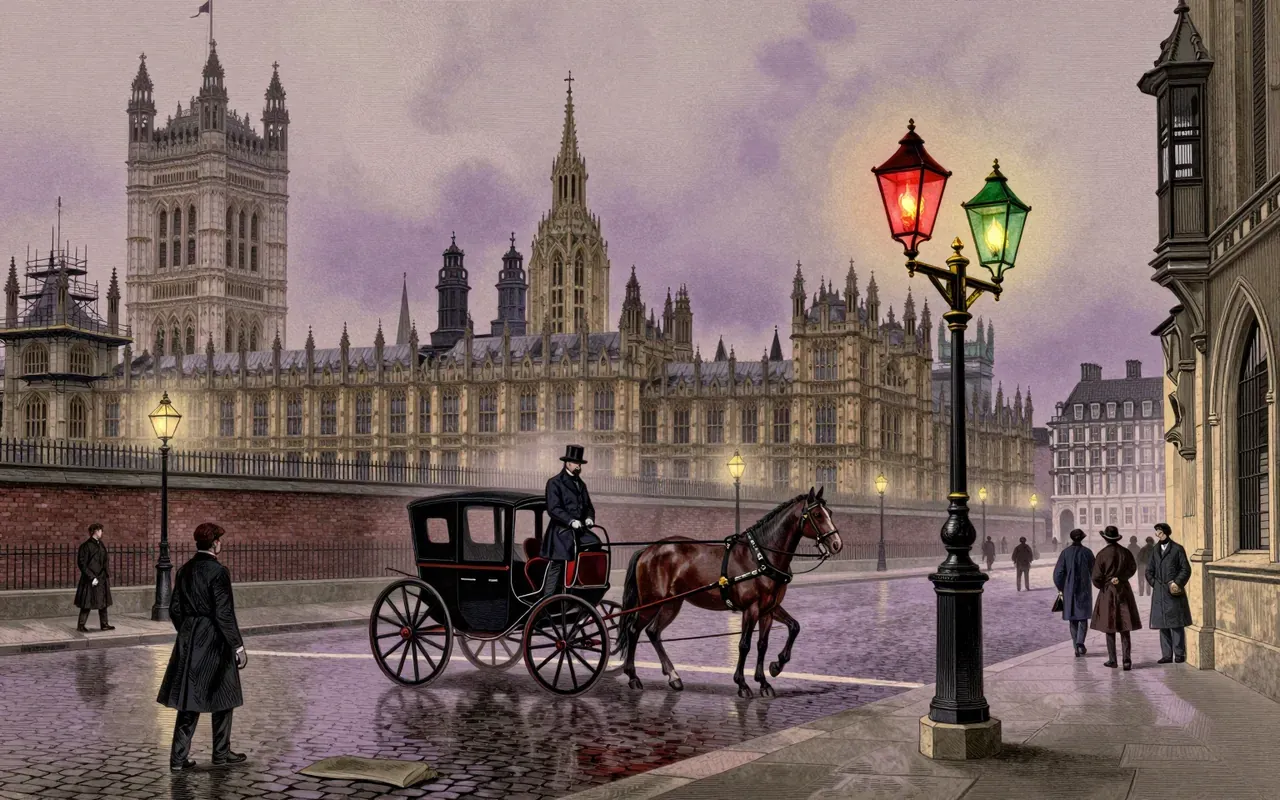


Greathead’s shield was not a tunnel boring machine in the modern sense — it did not rotate cutters or automate excavation. It was a pressurised, jacked, lined, and grouted soft-ground tunnelling system. It succeeded where earlier shields failed because it managed water, pressure, and ground movement as an integrated mechanism — not a collection of parts.
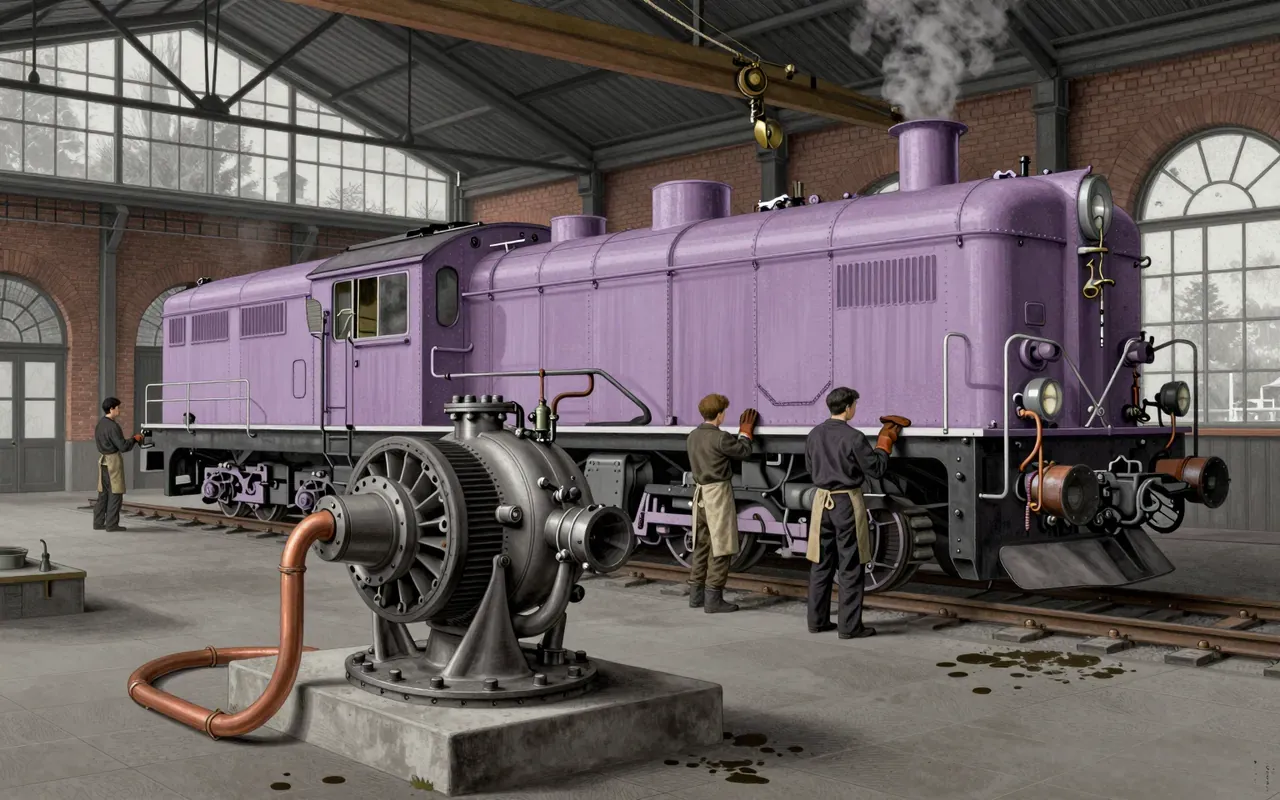
Alfred Büchi’s 1905 turbocharger patent established the axial turbine–compressor-on-common-shaft architecture still used today. It solved no immediate problem: the 1915 aircraft prototype failed. Its first functional applications were marine diesel engines in 1923 (1750 → 2500 hp) and stationary diesel engines in 1925 (1,300 → 1,860 kW, +40% efficiency). All verified successes occurred under Büchi’s direct supervision. No verified application existed outside large, slow-speed diesel systems before 1925.
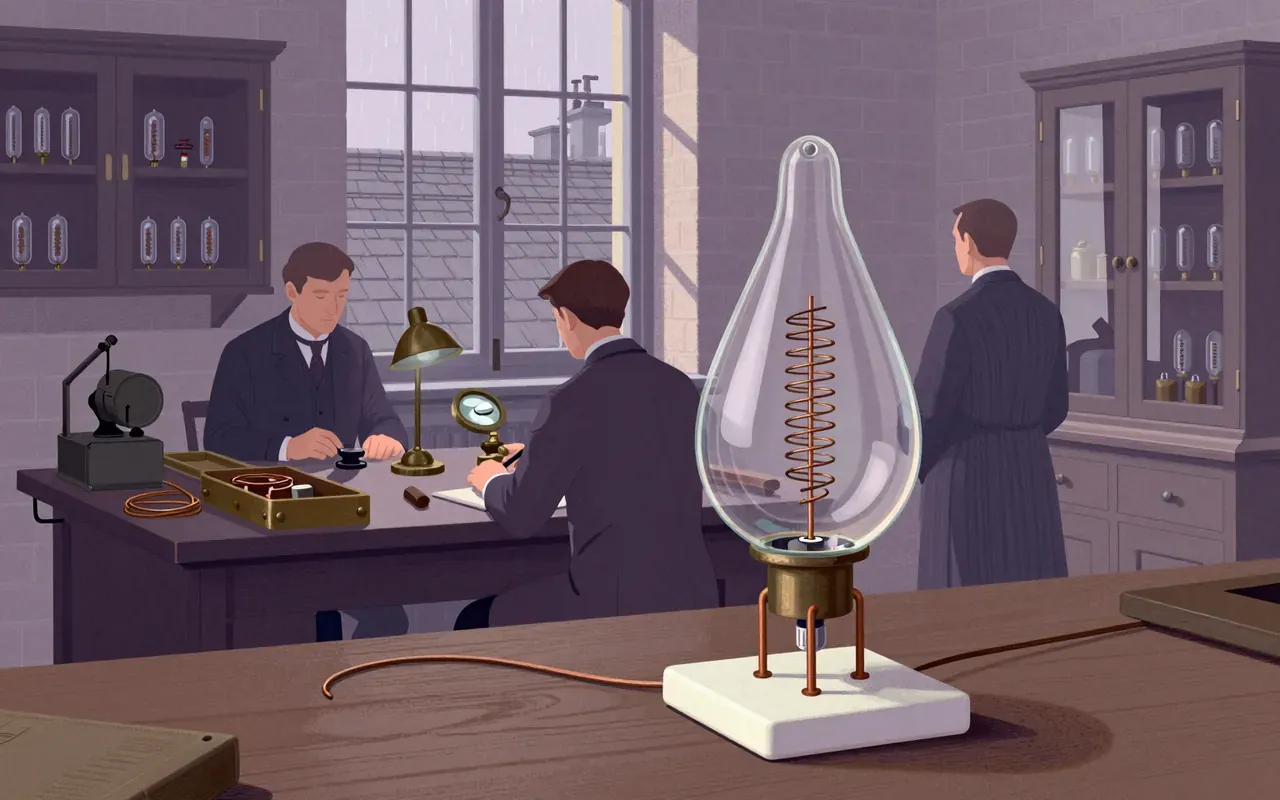


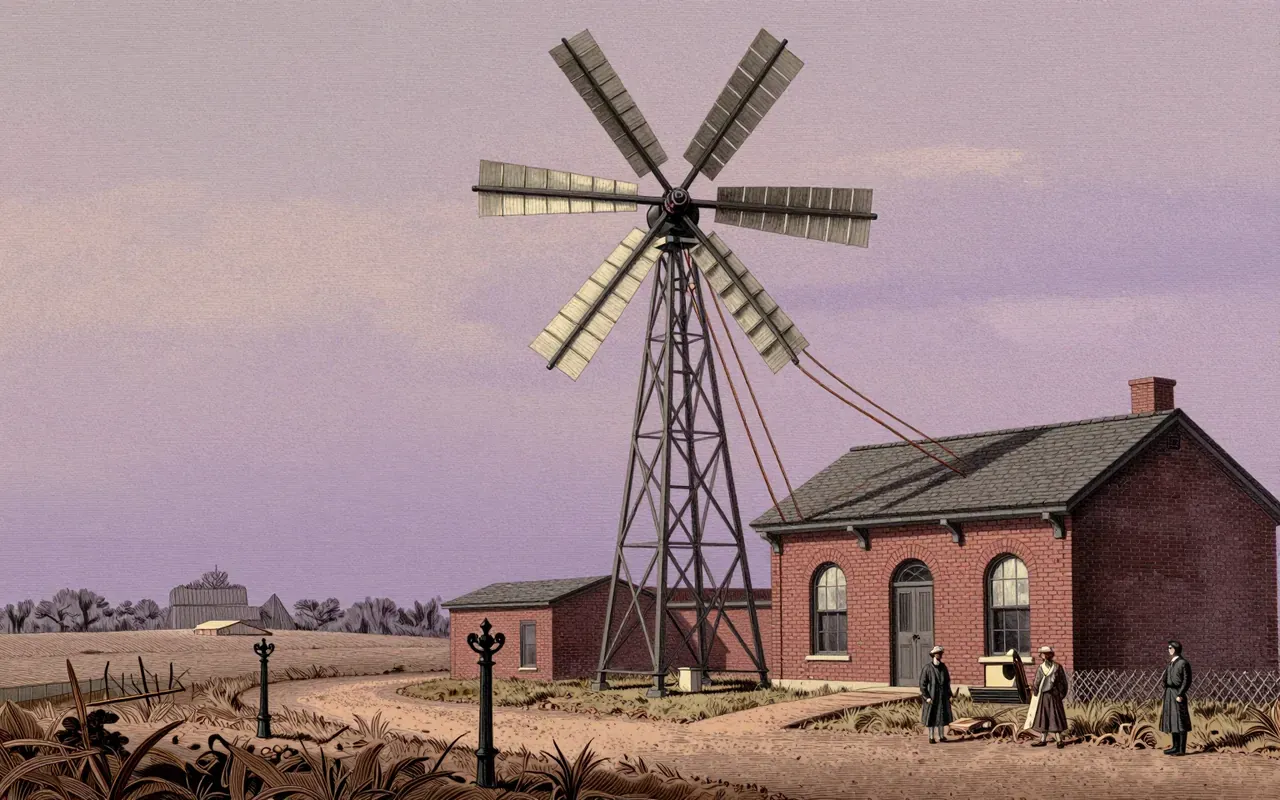
Charles F. Brush’s 1888 wind turbine was the first automatically operated system for electricity generation from wind. It powered his Cleveland mansion—the city’s first electrified home—for 20 years without failure, charging 12 batteries. Its success depended on isolation: wind electricity was more cost effective only where populations were widely scattered. It proved mechanical reliability but not scalability, economic transferability, or grid compatibility.

The World Wide Web solved CERN’s internal document chaos by replacing rigid hierarchies and keyword tagging with decentralised, cross-computer hyperlinks. It shipped as a working stack—browser, server, HTTP, HTML, URLs—by December 1990. It assumed voluntary adoption, required no central authority, and offered no search or persistence. Its 1993 royalty-free release enabled scale—but not control.

TypeScript is a compiler-layered static typing system for JavaScript. It solves scalability problems in large codebases by enabling early error detection and better tooling — without breaking compatibility. Its mechanism is transpilation, not runtime enforcement. Its biggest win is developer velocity in complex projects — proven by the 8–12× speedup in TypeScript 7.0. Its cost is added complexity and no runtime guarantees.


Unix is the first operating system whose portability was achieved by rewriting it in a high-level language still under construction—and whose influence stems not from completeness, but from what it omitted, deferred, or forced developers to build themselves.





XML is a deliberately constrained application profile of SGML, standardised by W3C in 1998. It delivers strict, interoperable document structure at the cost of verbosity, parsing overhead, and zero runtime semantics. It succeeded where SGML failed—not by being simpler, but by being bounded.











Kafka is a distributed, open-source event store and stream-processing platform developed at LinkedIn and open sourced in early 2011. It uses a binary TCP-based protocol and a 'message set' abstraction to optimise efficiency, enabling linear writes from bursty streams. It guarantees ordering within partitions, retains messages in a durable append-only log, supports manual offset management, and introduced share groups in 2025 for queue-like semantics. Kafka Connect and Kafka Streams were added in versions 0.9.0.0 and 0.10.0.0 respectively.












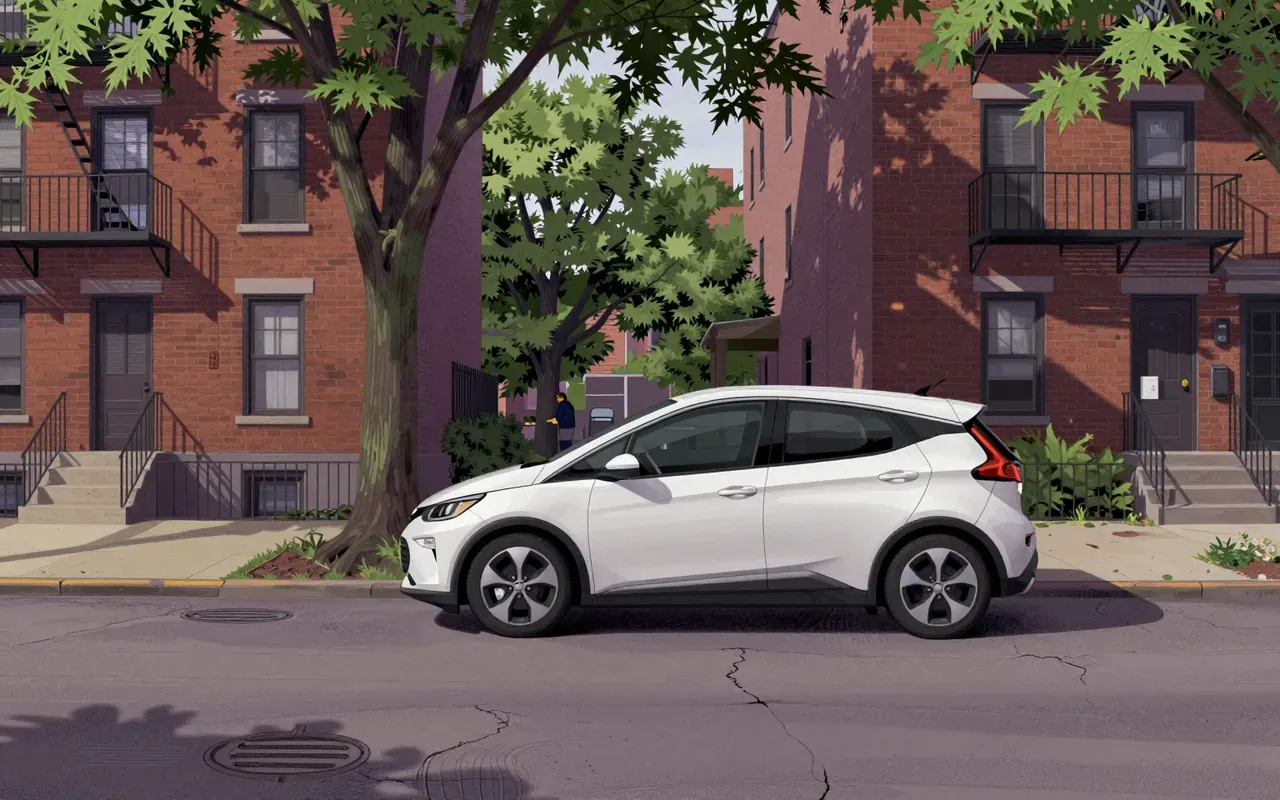
The Chevrolet Bolt EV redefined the mass-market electric vehicle by delivering over 200 miles of range at a $30,000 post-incentive price—verified in production by October 2016. Its development relied on LG for battery and drivetrain, GM for final assembly in Lake Orion, and Israeli engineers for the user interface. Prototype testing covered five key domains. But the sources say nothing about real-world durability, software evolution, charging speed, or cost of ownership.