technologybriefs
Newest

All briefs

620 briefs · 6210 min · 97–192 on page 2 of 7
10:33

Wii

Nintendo · 2006

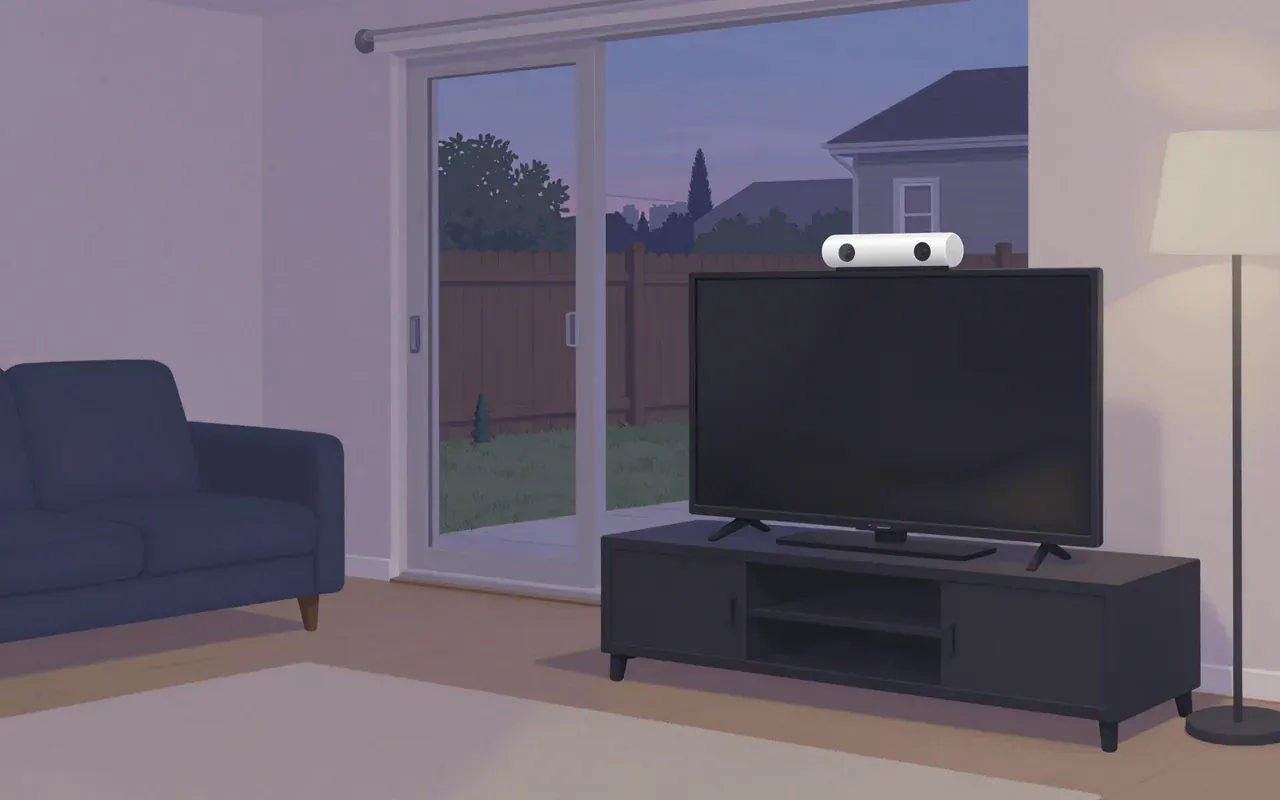
The Wii is Nintendo’s seventh-generation home video game console, launched in November 2006. It prioritises accessible motion-based interaction over computational power. Its innovation is the Wii Remote—using MEMS accelerometers and infrared sensors for gesture recognition and pointing—supported by the Sensor Bar. It introduced native Internet connectivity (802.11b/g Wi-Fi and Bluetooth), digital distribution via the Wii Shop Channel, and backward compatibility with GameCube software and accessories in early models. It achieved massive commercial success—over 101 million units sold by 2016—by appealing to non-traditional audiences through intuitive controls, low price, and family-friendly software like Wii Sports. Its hardware uses off-the-shelf components, prioritising cost efficiency and energy savings over high-definition graphics or processing power.
10:10

Fiber-optic communication

Charles K. Kao

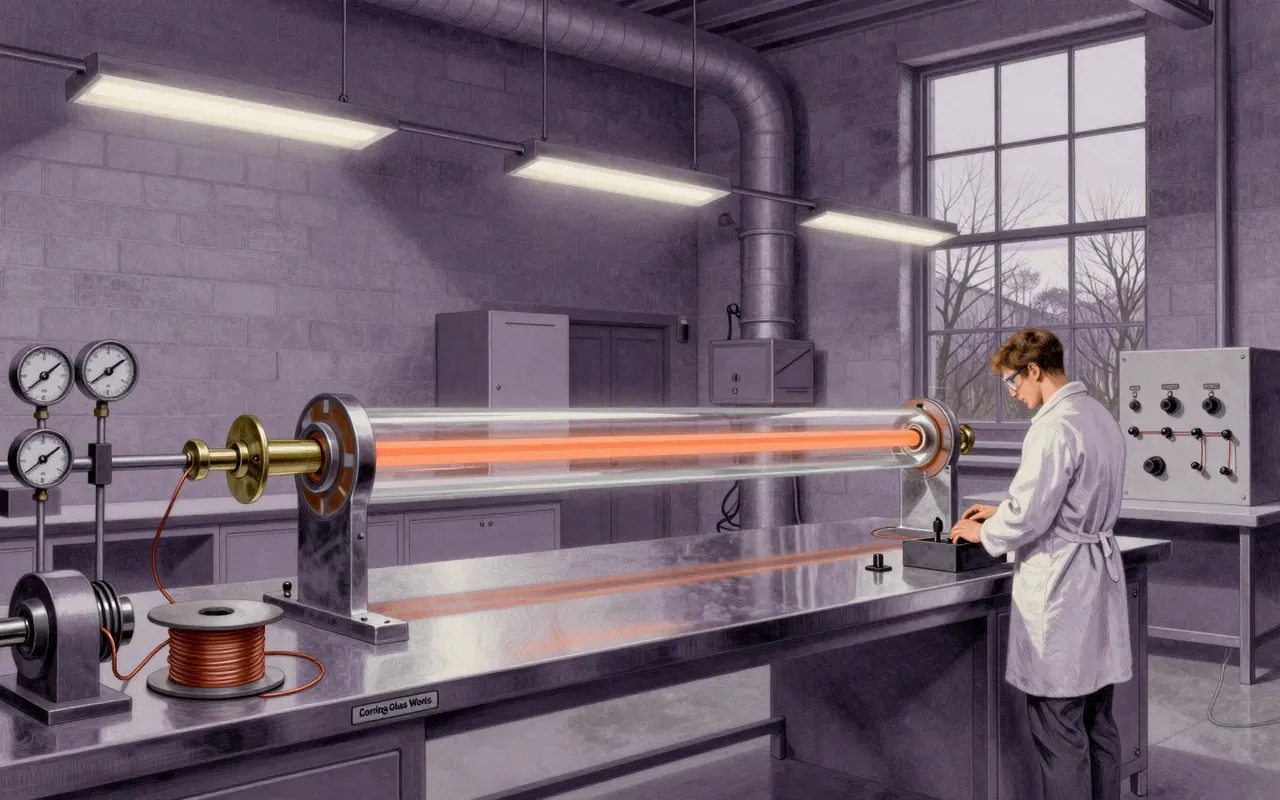
Kao and Hockham redefined optical fibre from a failed material into an engineering challenge. They showed attenuation was removable—not fundamental. That shifted R&D from ‘can we?’ to ‘how clean can we get?’. Corning hit 20 dB/km in 1970. Kao measured 4 dB/km in fused silica in 1969. Single-mode fibre became standard—but only after decades of laser and amplifier development. The invention is the insight, not the cable.

10:23

Pasteurization

Louis Pasteur · 1864

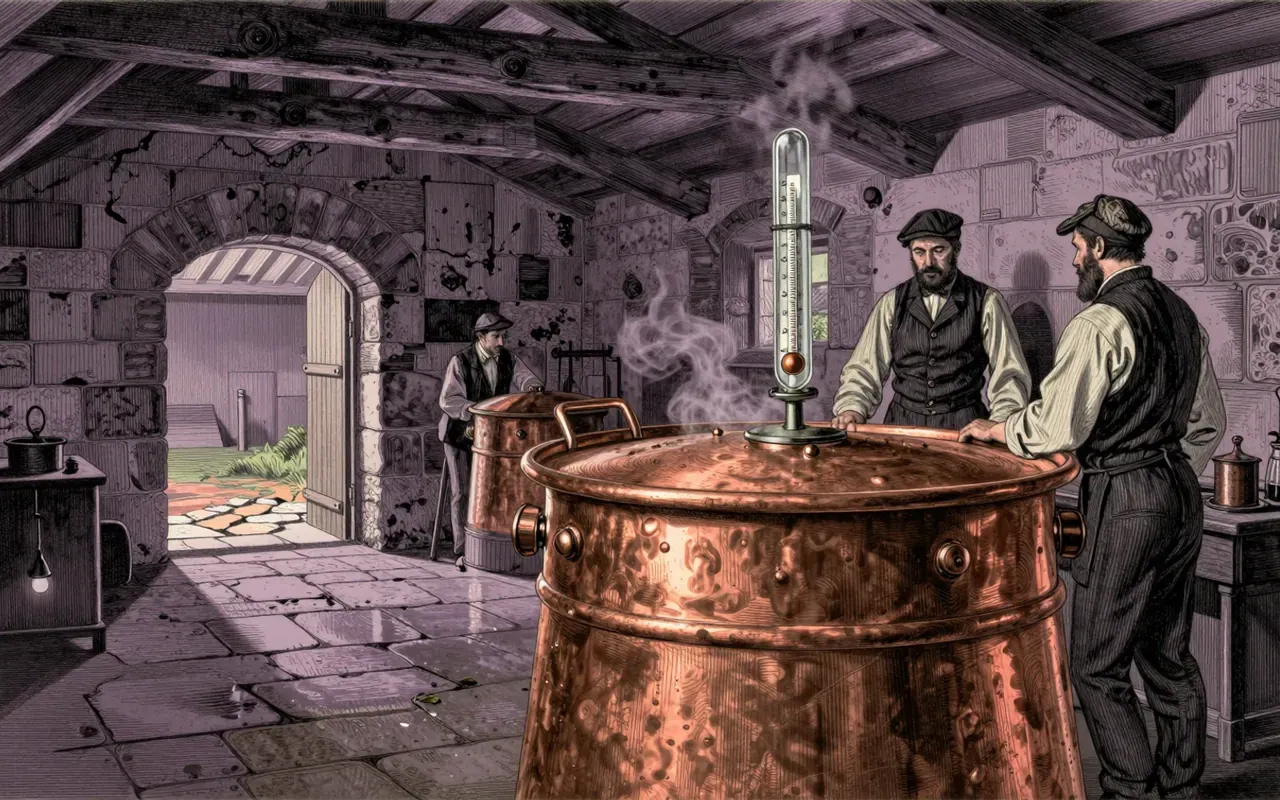
Pasteurization is a calibrated thermal intervention that stops microbial spoilage in liquids by killing vegetative bacteria and deactivating enzymes — without sterilising. It works because Pasteur proved microbes cause spoilage, not oxidation or time. Its limits are strict: spores survive, and efficacy depends on uniform heat delivery to every particle. It changed food safety from craft tradition to measurable process — but only where temperature can be controlled, verified, and sustained.

9:25

PDF

Adobe Systems · 1993

PDF delivers guaranteed visual consistency for static documents—but only by freezing layout, embedding everything, and avoiding runtime logic. Its shift to ISO control removed Adobe’s proprietary hooks, yet its security model remains brittle under active exploitation.

9:24

Photoresistor

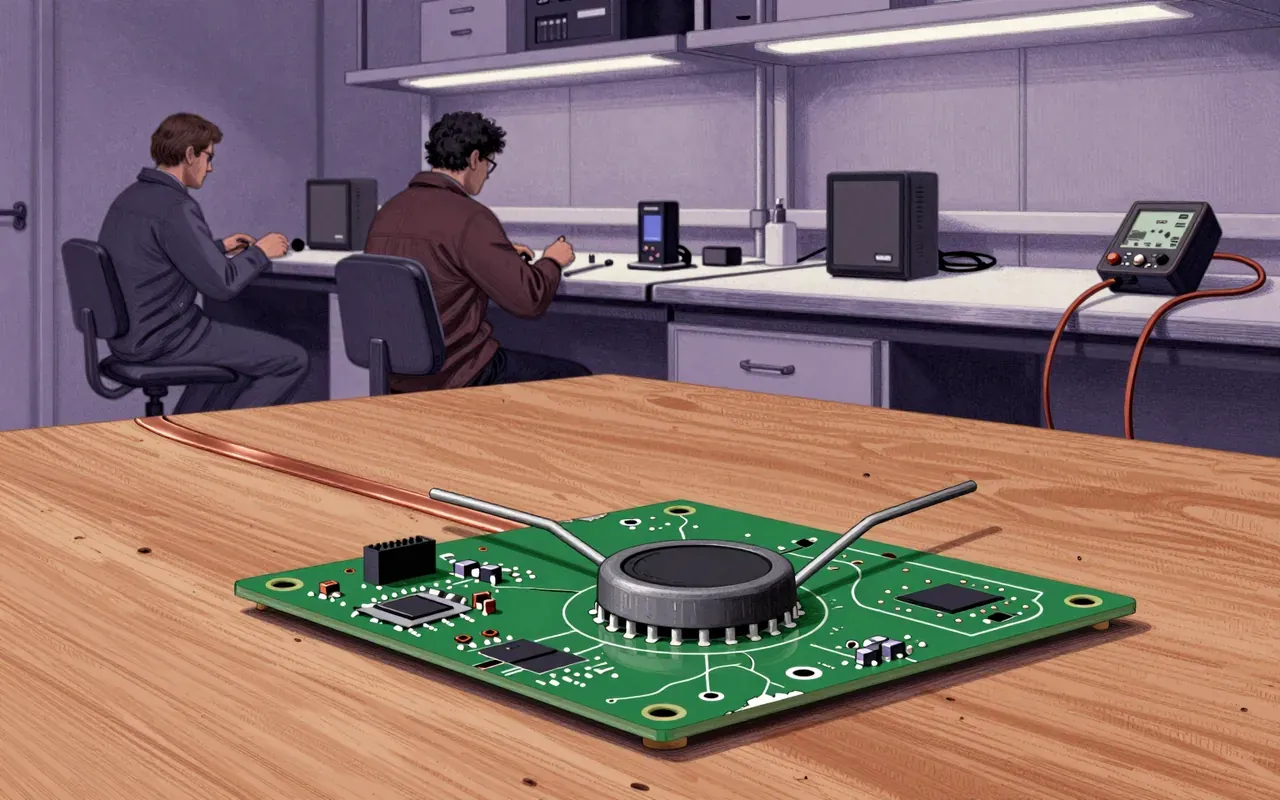
It’s not a sensor — it’s a switch that blinks slowly and forgets the dark.
11:06

Robotic arm

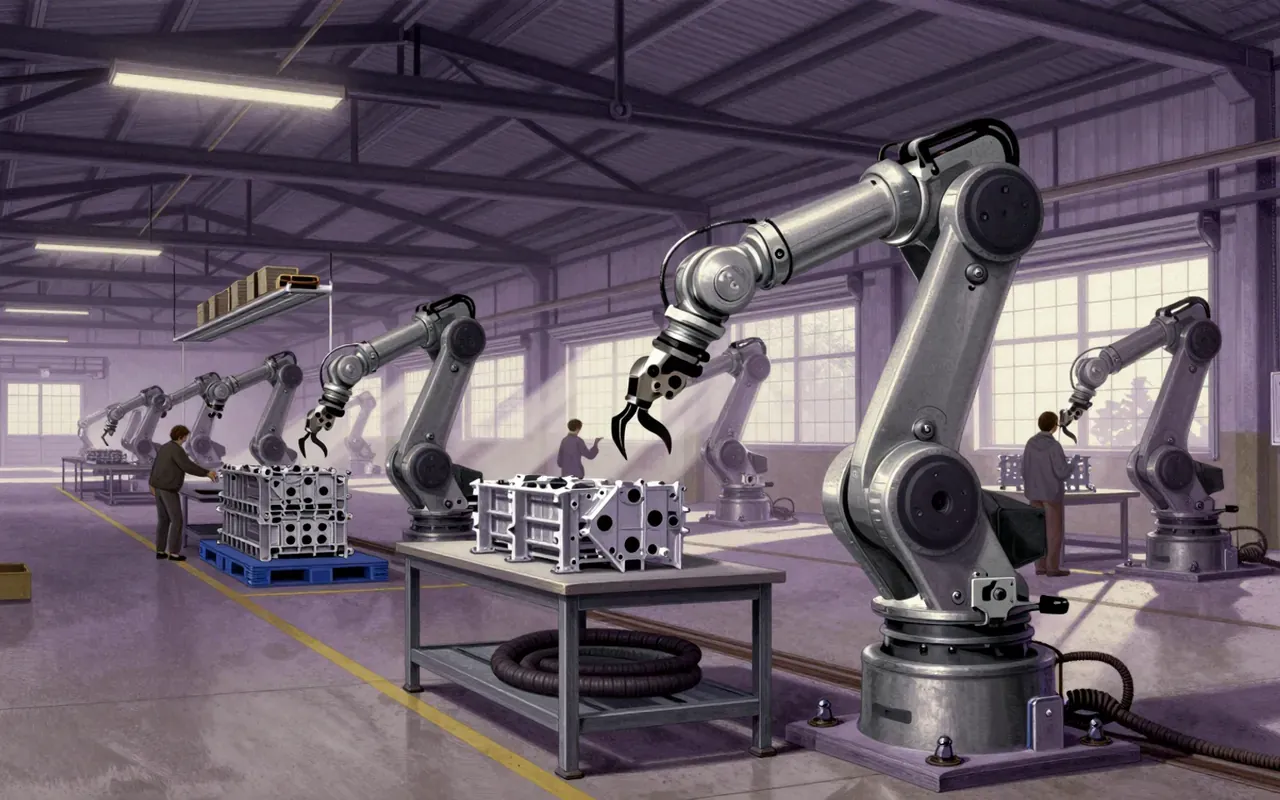
Robotic arms don’t think—they calculate, repeat, and lift. Their intelligence is borrowed, their strength bolted, and their autonomy a promise, not a feature.
9:56

Satellite imagery

Satellite imagery is not about seeing more—it’s about measuring the same thing, repeatedly, from beyond reach.
10:33

Seat belt

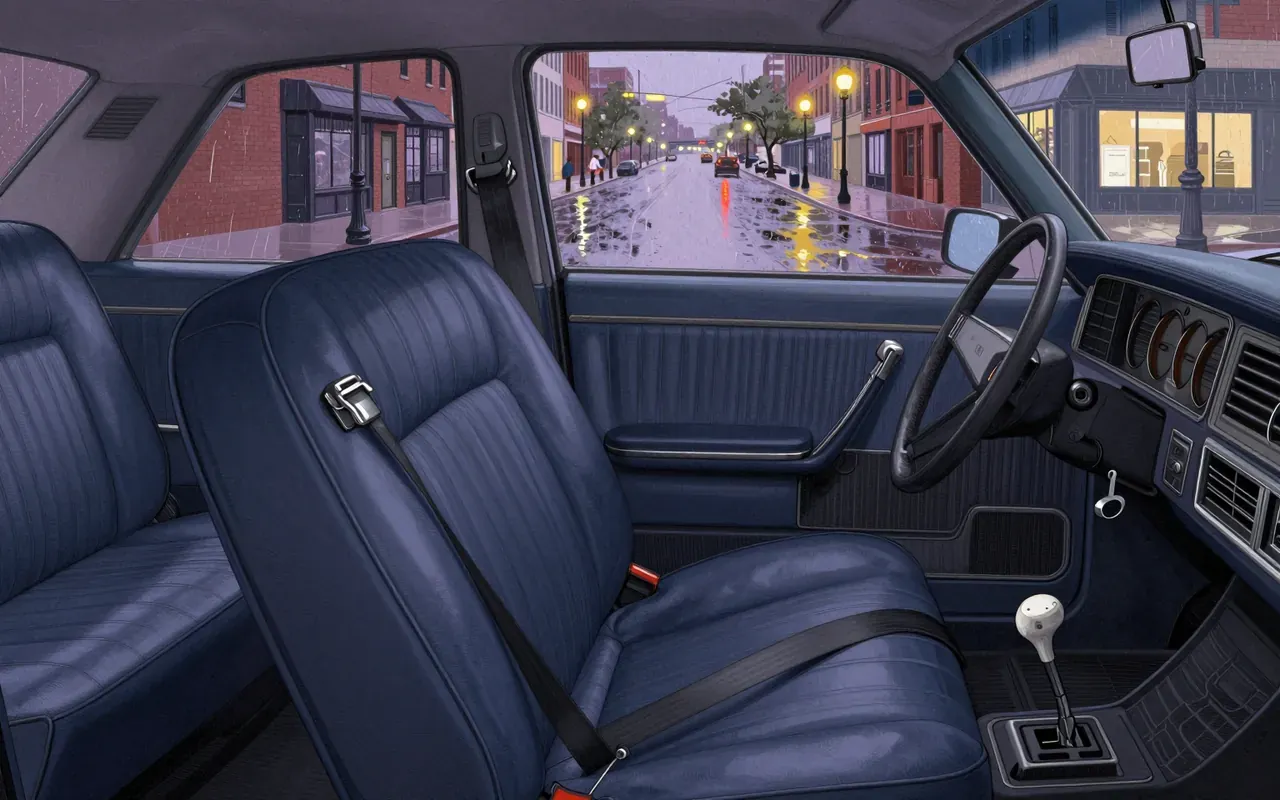
Seat belts save lives — but only if they’re tight, three-point, and used right.
8:58

Dreamcast

Sega · 1998

The Dreamcast was Sega’s final home video game console. It launched in Japan on November 27, 1998, and globally in late 1999. It used off-the-shelf components, shared hardware with the NAOMI arcade board, avoided DVD licensing with GD-ROM, and shipped with a built-in dial-up modem — the first console to do so. It achieved strong initial sales: 150,000 units sold out in Japan on day one; over 225,132 sold in North America in 24 hours; more than 500,000 in two weeks; and 31% of US video game revenue by Christmas 1999. But momentum collapsed in 2000. Competition from PlayStation 2 and Xbox, weak third-party support, and financial strain forced Sega to discontinue the console on March 31, 2001 — ending its hardware business. Total sales: 9.13 million units. Games released: over 600.

10:04

ZX Spectrum

Clive Sinclair · 1982

The ZX Spectrum is an 8-bit home computer developed by Sinclair Research and launched in Britain on 23 April 1982. It prioritised low cost, simplicity, and compactness—using minimal components and transmitting video to televisions while loading software from audio cassettes. Its name highlighted its colour display, a key upgrade over the monochrome ZX81. Rick Dickinson designed its iconic case, rainbow motif, and rubber keyboard. Development began in September 1981, reusing parts from earlier models to accelerate production and reduce cost. The hardware centred on the Zilog Z80 microprocessor running at 3.5 MHz.

11:04

PlayStation VR

Sony · 2016

PlayStation VR is a tethered virtual reality headset developed by Sony Interactive Entertainment and released in October 2016. It requires a PlayStation 4, uses camera-based tracking via nine LEDs, and enforces a minimum 60 fps across all software. It sold at least 5 million units before being succeeded by PlayStation VR2 in 2023.

9:55

Electrical telegraph

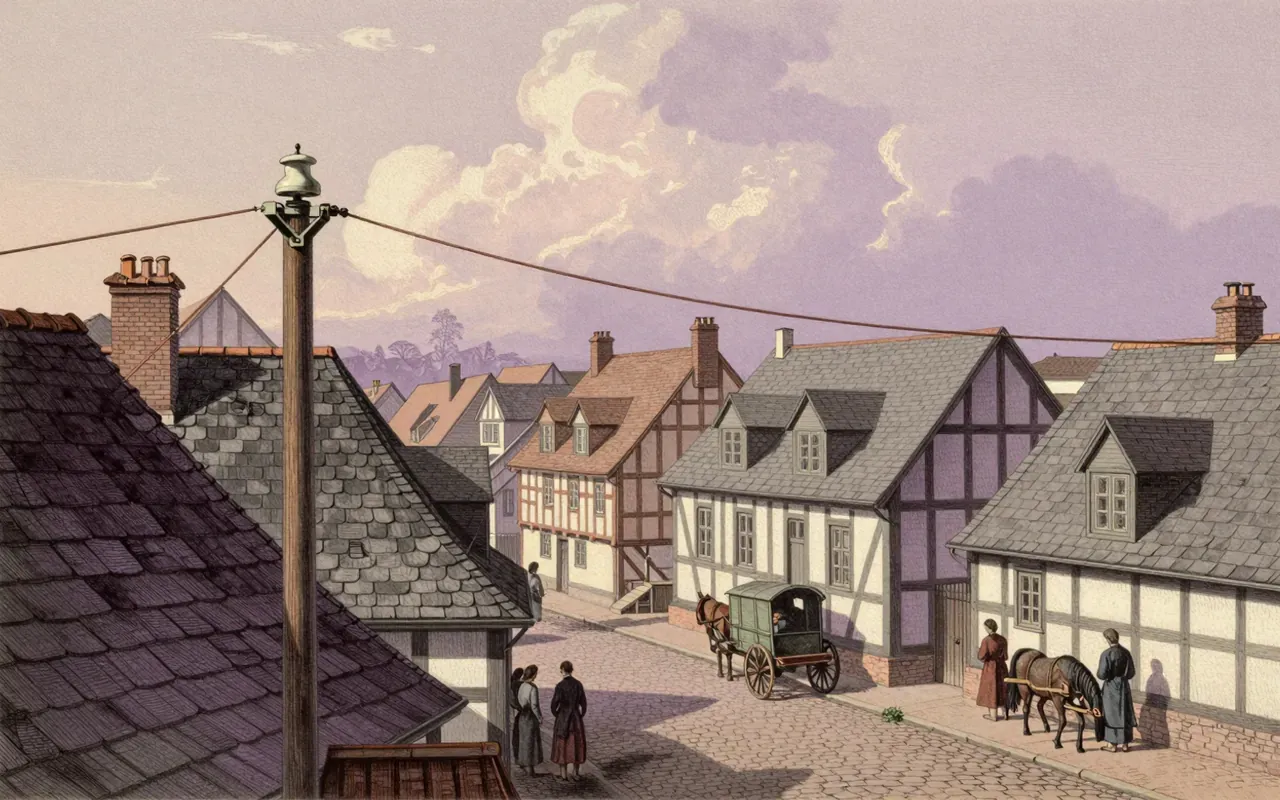
The telegraph wasn’t invented in 1816—it didn’t exist then, and no verified system predates Gauss and Weber’s 1833 wire.
9:24

Fleming valve

John Ambrose Fleming · 1904

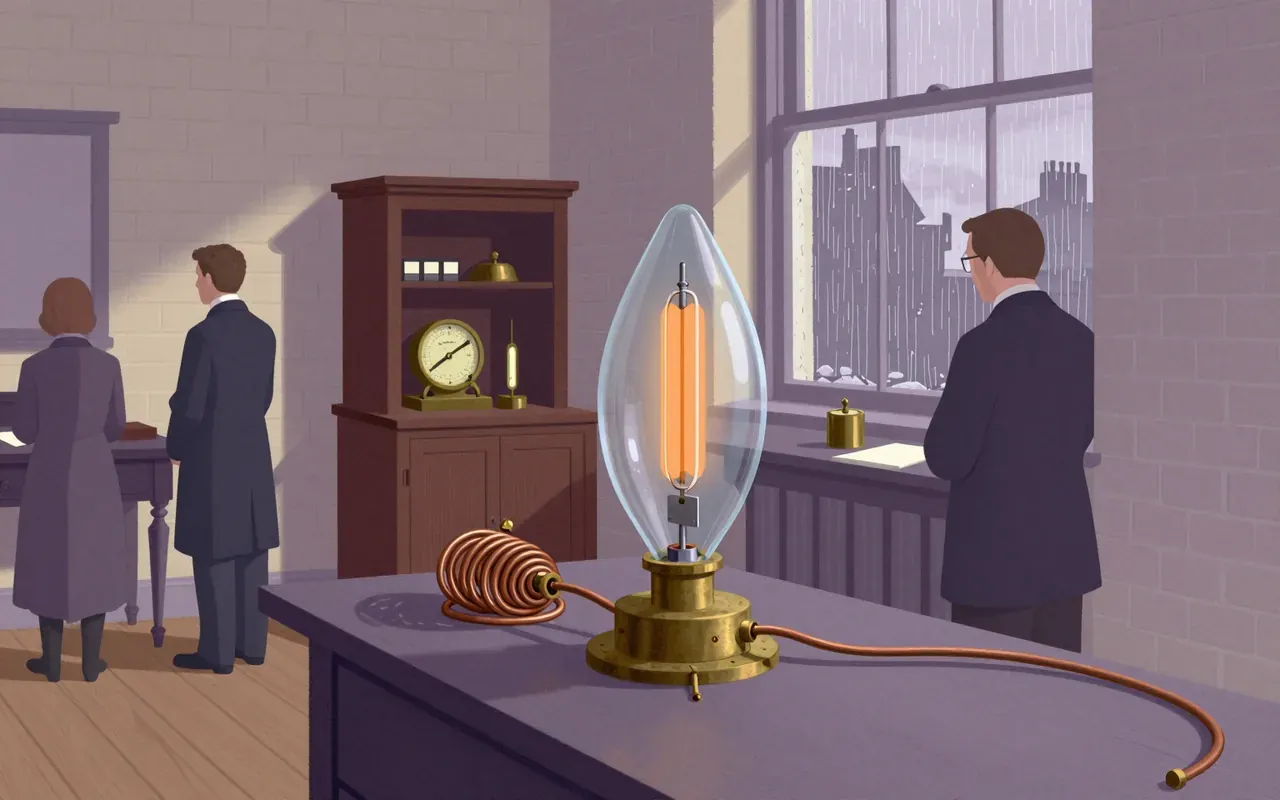
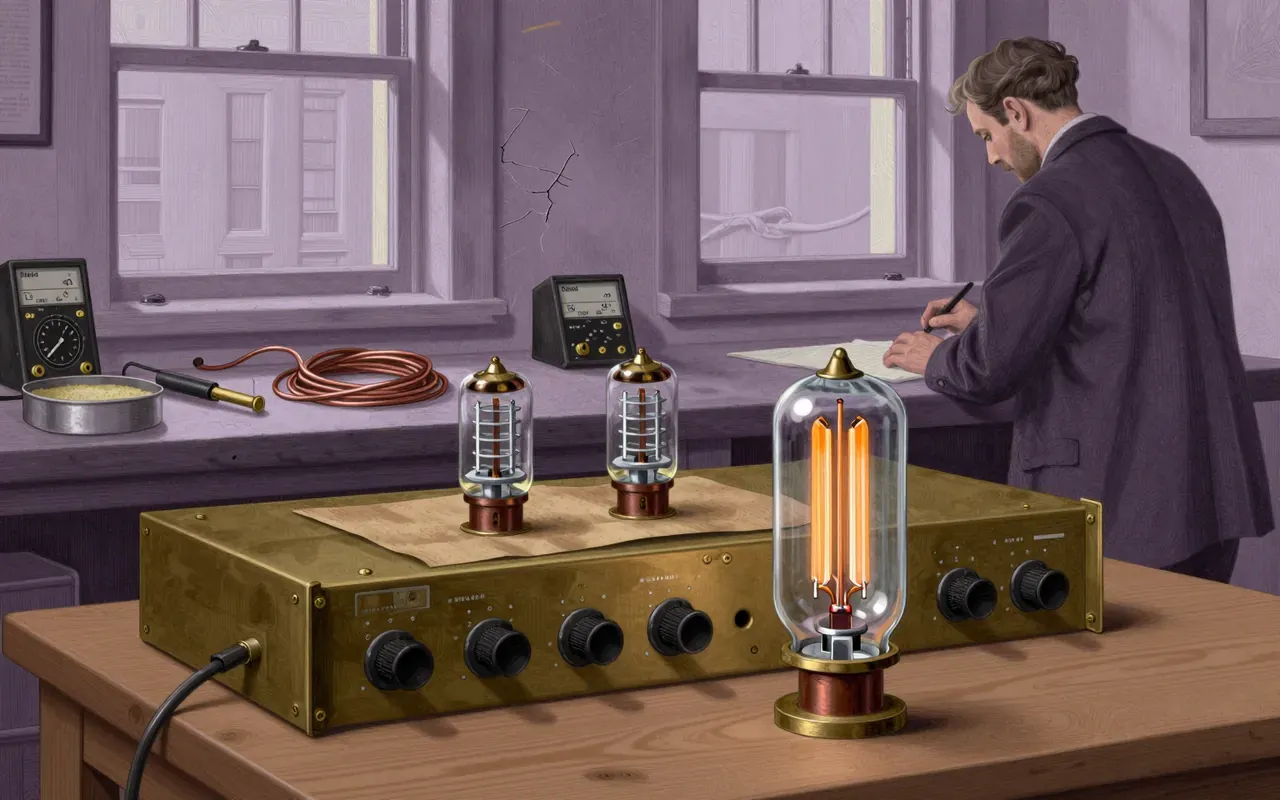
The Fleming valve is a two-electrode thermionic diode invented in 1904 to detect high-frequency radio signals in wireless telegraphy. It rectifies AC by permitting electron flow only from heated filament to positive anode — exploiting the Edison effect. It replaced the coherer in Marconi’s transatlantic receiver. It does not amplify. It requires continuous filament heating. It was used in radio and radar for over 50 years before being superseded by solid-state devices.

10:05

Turbofan

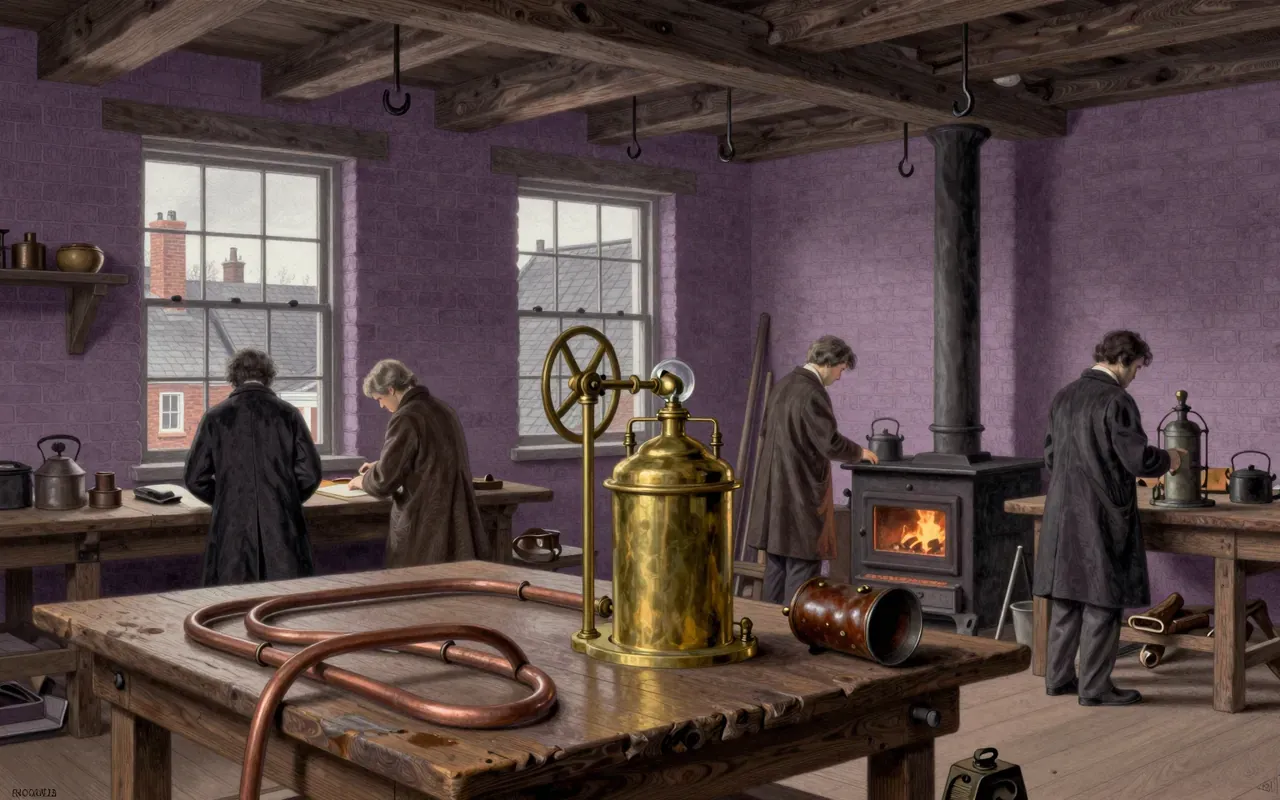
It trades jet speed for air mass—and rewrote aviation’s economics without ever breaking the sound barrier.
10:19

Turboprop

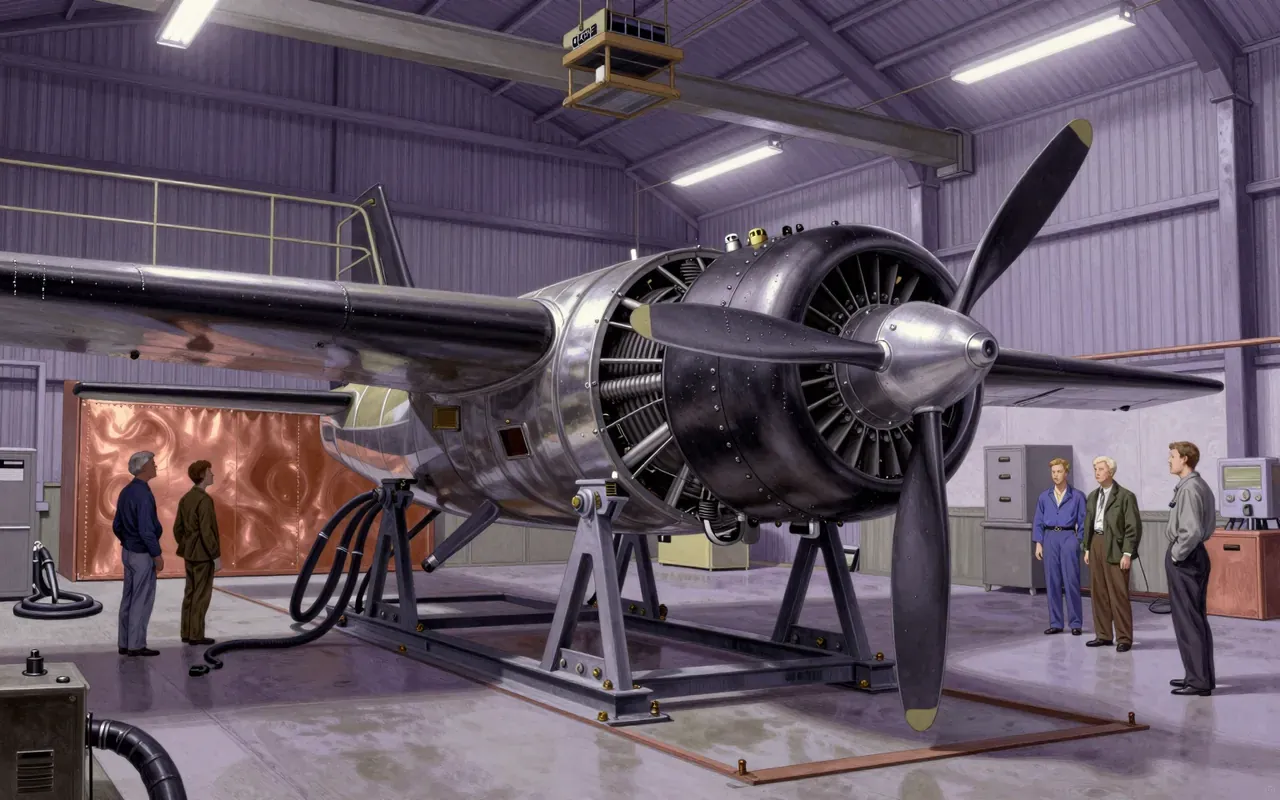
The turboprop trades jet speed for propeller efficiency—and it wins every time below 725 km/h.
8:35

Valve amplifier

Lee de Forest

Lee de Forest’s triode valve amplifier is the first electronic amplifying device. It uses a control grid to modulate current flow. It first regenerated long-distance telephony signals. It amplified radio signals only slightly. It required residual gas and was initially unreliable. It enabled radio broadcasting, telephony, television, and computing.

9:45

Watt steam engine

James Watt · 1776

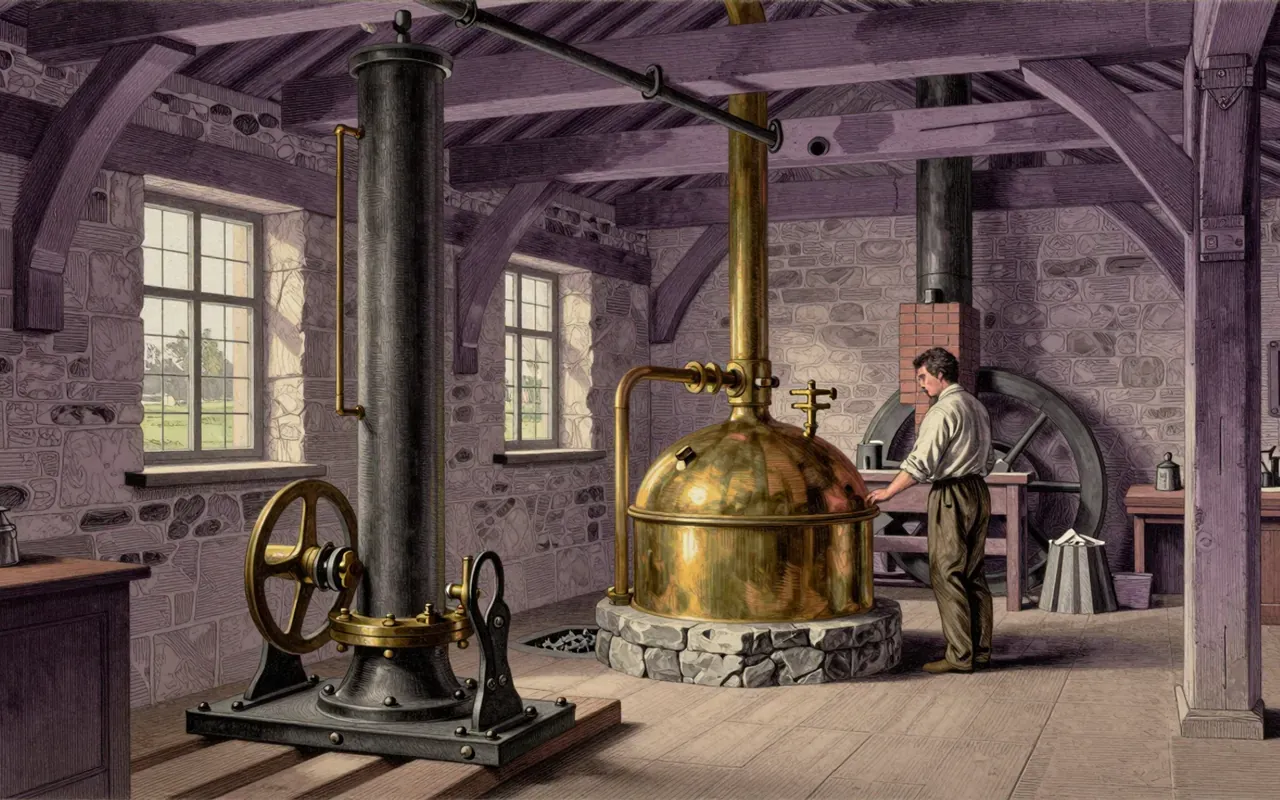
The Watt steam engine is not a leap forward in power—it is a correction of thermal waste. It separates condensation from the cylinder so steam condenses cold while the cylinder stays hot. This cut coal use in half versus the Newcomen engine. But the 1776 version delivered only reciprocating motion for mine pumps. Rotary motion, double-acting operation, and expansive steam were later additions—not features of the original commercial engine.

9:38

Unity (game engine)

Unity didn’t democratise game development—it commoditised the engine, then made the price volatile.
9:51

USB-C

USB Implementers Forum · 2014

USB-C is a 24-pin reversible physical connector standardised by the USB-IF in August 2014. It replaces all prior USB connectors—designated legacy that year—and also supplants Mini DisplayPort and Lightning as a physical interface. Its capabilities depend entirely on supporting protocols (e.g., USB 3.2, USB4, Thunderbolt) and optional features like Power Delivery and Alternate Modes. USB4 (2019) is the first USB protocol usable only over USB-C. The standard mandates mechanical reversibility and symmetry but delegates electrical and logical behaviour to the Configuration Channel and external specifications. Compliance, certification, and security extensions—including Authentication and E-Marker chips—are defined across multiple revisions.

9:56

Wind power

Wind power works—but only when the wind blows, only up to 59% efficiency, and only if you redesign the grid around it.
10:09

X86

x86 isn’t enduring because it’s good — it’s enduring because every fix creates new dependencies no one dares break.
10:05

Yahoo

Human curation was the first scalable way to organise the web—but it collapsed the moment scale demanded automation.
10:03

Go (programming language)

Robert Griesemer, Rob Pike, Ken Thompson · 2009

Go is a statically typed, compiled programming language designed in 2007 by Robert Griesemer, Rob Pike, and Ken Thompson at Google to improve programming productivity for multicore, networked machines and large codebases. It combines static typing and runtime efficiency like C, readability and usability like Python, and high-performance networking and multiprocessing. Publicly announced in November 2009 and released as version 1.0 in March 2012, Go emphasizes simplicity, safety, and developer tooling — especially around concurrency via goroutines and channels, packaging, testing, and deployment — while deliberately omitting features like inheritance, assertions, pointer arithmetic, and implicit type conversions. Its design reflects a focus on the software development process itself rather than just language syntax or semantics.

9:56

Haptic technology

Haptic tech doesn’t replicate touch—it substitutes it with calibrated vibrations, forces, and motions, and that substitution is all it ever promised to do.
9:27

Lidar

Lidar wasn’t invented to map cities or drive cars—it was built to hit satellites and spot smog.
9:44

Apache Cassandra

Facebook · 2008

Cassandra is a distributed, wide-column database built for write-heavy, multi-datacentre workloads. It prioritises availability and scalability over consistency. It requires upfront schema design aligned to access patterns. It was developed at Facebook for inbox search and released open-source in July 2008.

10:00

Apache Hadoop

Yahoo · 2006

Hadoop is not a database or a query engine. It is a fault-tolerant batch-processing substrate built for scale, not speed or simplicity.

11:43

FM broadcasting

Edwin Howard Armstrong

FM broadcasting is a noise-resilient analog transmission method that trades bandwidth for fidelity and static immunity. Armstrong engineered it deliberately—not as an evolution of AM, but as its functional alternative. Its mechanism works. Its early promise did not. Its regulatory impact did.

8:50

File Transfer Protocol

Abhay Bhushan · 1971

FTP is a foundational but fatally flawed protocol. It delivered interoperable file transfer in 1971, but its reliance on unencrypted channels and rigid two-connection architecture made it unsustainable. It changed how machines shared data — then became the textbook example of inherited insecurity.

8:43

Advanced Encryption Standard

Joan Daemen and Vincent Rijmen · 1998

AES is a narrow, standardised, symmetric cipher mandated by NIST in 2001. It works reliably only when implemented correctly. It solves no problems beyond confidentiality of bulk data under fixed parameters. It demands careful key handling and side-channel mitigation — which it does not provide.

10:54

Chain drive

Hans Renold

The chain drive is a mechanical transmission system using a roller chain and sprockets to move torque across distance. Hans Renold’s 1880 bush roller chain solved critical wear and slippage problems of earlier pin-and-link designs—and became the basis for all modern precision roller chains. It enables adjustable gear ratios and higher torque via duplex configurations. But it inherently produces speed variation (chordal effect) due to discrete link engagement. Its first commercial validation came in James Starley’s tricycles using his 1877 differential. It remains essential hardware—not legacy tech—where reliability, torque and spacing outweigh the need for constant velocity.

10:55

International Bank Account Number

International Organization for Standardization

IBAN is a validation layer—not a payment rail, not a registry, not a protocol. It catches human input errors in account identifiers before they trigger costly rejections downstream. Its mechanism is simple: a fixed-position country code, two check digits, and a national account identifier, all validated via MOD-97-10. It works where people type numbers. It fails where logic, intent, or authority is required.

9:32

Icemaker

Jacob Perkins

Perkins’s icemaker was the first working vapor compression refrigeration system. It used ether, not ammonia. It proved artificial cold could be generated mechanically — but produced no usable ice beyond lab-scale demonstration. Its legacy is procedural: it fixed the method before the market existed.

9:40

2G

2G did not invent mobile data — it retrofitted it onto a voice-first system, and that compromise still shapes how we build networks today.
10:37

3G

3G did not deliver universal speed—but it forced mobile networks to prove they were who they claimed to be.
10:40

4G

4G is not one technology—it’s a contested label awarded twice: first to stopgaps, then revoked when the real thing arrived.
10:01

Acer Inc.

Acer didn’t build the future—it bought, branded, and outsourced it.
10:49

Acorn Archimedes

ARM’s first desktop test was a closed, British, BBC-branded machine — not a global platform.
10:36

Altair 8800

It did not invent personal computing — it proved people would pay for access to a CPU without abstraction.
8:46

AltaVista

AltaVista didn’t make search useful — it made search possible, then left relevance unsolved.
12:14

Amazon Kindle

The Kindle didn’t invent e-reading—it weaponised convenience against openness.
10:34

Amiga 1000

Multitasking wasn’t added later — it shipped baked into the ROM, and that changed everything.
10:24

AmigaOS

The first desktop OS to deliver real multitasking wasn’t Unix — it was a closed, single-user system built for video games.
9:46

Ansible

Ansible isn’t infrastructure — it’s a plot licence disguised as physics.
9:31

Antivirus software

Antivirus software is necessary — and mathematically guaranteed to fail at its core promise.
9:14

Apache HBase

HBase delivers Bigtable’s speed on Hadoop’s bones—but only if your data is sparse, your consistency needs are strict, and your tolerance for operational complexity is high.
10:43

Apache Kafka

LinkedIn · 2010

Kafka is a distributed, open-source event store and stream-processing platform developed at LinkedIn and open sourced in early 2011. It uses a binary TCP-based protocol and a 'message set' abstraction to optimise efficiency, enabling linear writes from bursty streams. It guarantees ordering within partitions, retains messages in a durable append-only log, supports manual offset management, and introduced share groups in 2025 for queue-like semantics. Kafka Connect and Kafka Streams were added in versions 0.9.0.0 and 0.10.0.0 respectively.

9:54

Apache Spark

Spark replaces MapReduce’s disk-bound rigidity with memory-resident flexibility—so long as your cluster has enough RAM.
9:34

Apple I

It did not invent the personal computer — it outsourced the enclosure, power, and input, then billed it as progress.
10:16

Apple II

It didn’t invent the home computer—it weaponised distribution, turning schools and spreadsheets into its salesforce.
10:21

Apple Vision Pro

Apple Vision Pro isn’t virtual reality — it’s a head-worn computer that anchors windows to your walls, not your eyes.
10:12

Apple Watch

The Apple Watch isn’t a watch—it’s the first iPhone peripheral you wear.
8:46

Arista Networks

Arista didn’t reinvent networking—it rebuilt the OS so failures stop spreading.
10:08

ARM architecture family

ARM isn’t about efficiency—it’s about offloading architectural control so others can build cheaper, cooler, more varied chips.
11:36

Asus

A motherboard built without the CPU rewrote the rules of x86 hardware access.
10:39

AT&T

AT&T isn’t a tech innovator — it’s the fossilised root system of American telecom, still pumping capital through pipes laid before the internet existed.
10:33

Atari ST

The Atari ST didn’t invent the GUI—it weaponised scarcity.
10:44

Axiom Space

Axiom Space isn’t building the future of space—it’s renting the last decade of the ISS.
10:40

Bell Labs

Bell Labs didn’t invent the future — it built the tools to measure, contain, and repeat what already worked.
9:08

BeOS

BeOS proved real-time multimedia was possible on commodity hardware — if you owned the hardware.
10:46

Blue Origin

A vertically integrated space company that delivers engines but not promises—and trades reliability for control.
12:03

Boeing

Boeing isn’t an aircraft maker—it’s a vertically integrated export engine shaped by merger, not mission.
8:50

Botnet

A botnet is not infrastructure—it's theft with a network stack.
9:53

BT Group

The 1969 Post Office Telecommunications wasn’t the birth of British internet—it was the state’s first attempt to own digital data flow.
9:34

Broadcom

Broadcom isn’t building the future—it’s buying, bundling, and billing it.
9:52

Cable Internet access

Cable Internet is not faster broadband—it’s cheaper shared bandwidth, dressed as infrastructure reuse.
10:21

Cellular network

Cellular networks don’t eliminate spectrum scarcity—they just hide it behind geography and switching.
10:32

CERN

CERN is not a physics lab—it’s a treaty that turned particle collisions into diplomacy.
10:20

Chevrolet Bolt

General Motors

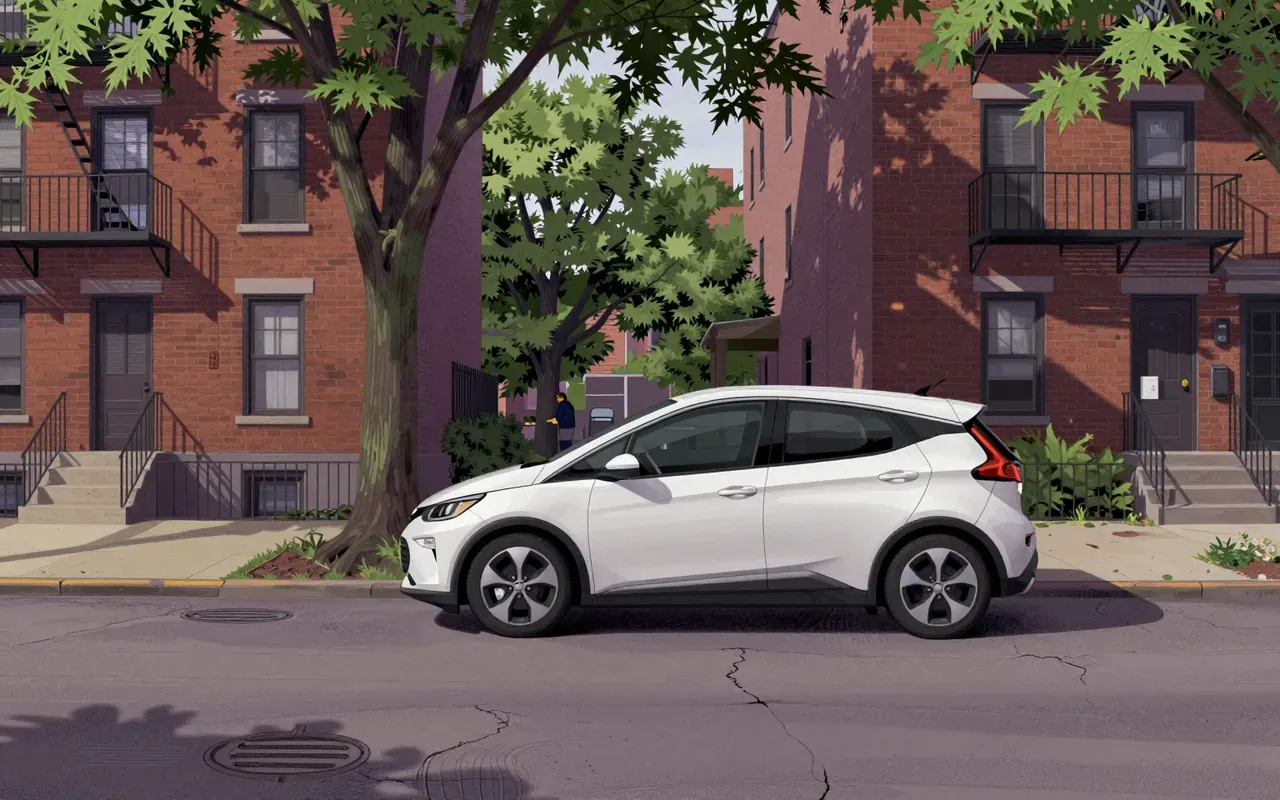
The Chevrolet Bolt EV redefined the mass-market electric vehicle by delivering over 200 miles of range at a $30,000 post-incentive price—verified in production by October 2016. Its development relied on LG for battery and drivetrain, GM for final assembly in Lake Orion, and Israeli engineers for the user interface. Prototype testing covered five key domains. But the sources say nothing about real-world durability, software evolution, charging speed, or cost of ownership.

11:07

Chromebook

Chromebook isn’t a laptop—it’s a managed endpoint with a ten-year expiry date.
9:45

ChromeOS

ChromeOS isn’t lightweight—it’s hollowed out.
10:59

Classic Mac OS

It made the GUI mainstream — then refused to evolve past its own hardware lock-in.
10:04

Cloud gaming

Cloud gaming moves the game out of your machine — but puts your reflexes at the mercy of your ISP.
10:36

Comcast

A monopoly built on coaxial cable—and sustained by regulatory inertia, not technical superiority.
9:56

Commodore PET

The PET didn’t democratise computing — it standardised its enclosure, then locked the lid.
12:25

Cookie

There is no 'standard Cookie' — only a food item masquerading as infrastructure.
8:52

Cryptocurrency wallet

A cryptocurrency wallet holds keys — not money — and gives you control only if you understand what control costs.
9:56

CSS

CSS did not make the web prettier—it made it governable.