Applied Materials
Applied Materials doesn’t make chips—it makes the machines that force atoms into place, one layer at a time.


ASCII is a cost-driven, committee-built encoding that prioritised transmission efficiency and hardware simplicity over linguistic coverage. Its rigid separation of control and graphic codes enabled early parsing — but its 28 reserved slots and lack of international support created immediate pressure for extension.



BASIC is a pedagogical tool, not a general-purpose language. It succeeded by narrowing scope — to Dartmouth, to undergraduates, to time-shared interaction, to FORTRAN II’s grammar stripped of complexity. Its value lies in what it excluded.



C++ is a systems programming language that enables high-level abstractions without runtime overhead. It delivers performance and control—but only to those who master its intricate, unforgiving rules.

C is a deliberately minimal, hardware-close language that enabled Unix to become portable. It trades safety and abstraction for control and efficiency—and that trade still defines systems programming.





The electromagnetic wave equation is the foundational PDE for classical electromagnetism. Maxwell derived it mathematically; Hertz verified it physically — not as a vision of wireless communication, but as proof that light is electromagnetic vibration. It works precisely where fields are classical and sources are macroscopic. It fails where quanta matter. Its value lies not in novelty but in necessity: every radio, radar, and optical system still obeys it.


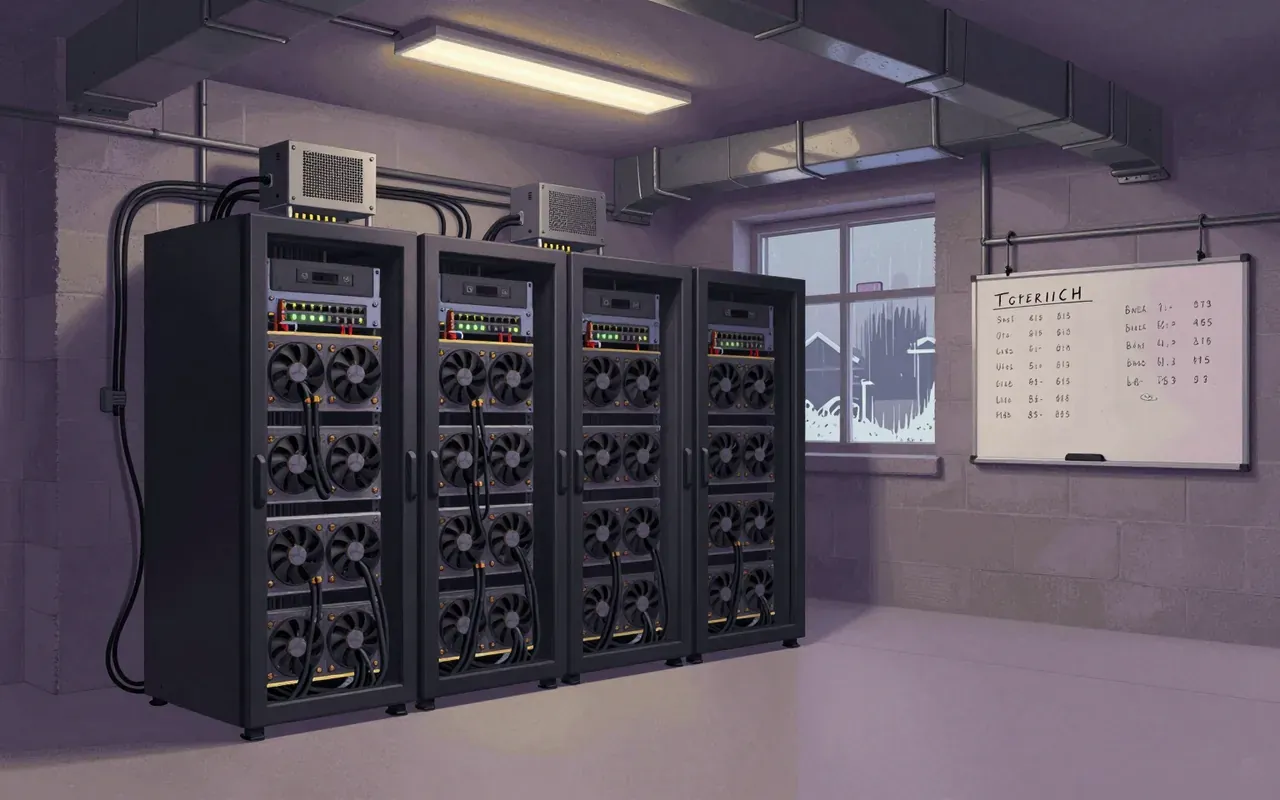
Ethereum is a decentralised mining network and software development platform enabling new cryptocurrencies and programs sharing a single blockchain. It solves the problem of building decentralised applications without forking Bitcoin or relying on centralised servers. It runs a Turing-complete virtual machine—the Ethereum Virtual Machine—specified by Gavin Wood in the Yellow Paper. It executes smart contracts as deterministic code on a decentralised network of nodes. Consensus was originally proof-of-work; it shifted to proof-of-stake on 15 September 2022. The EVM’s instruction set is Turing-complete. Smart contracts execute deterministically across thousands of nodes. The 2022 shift to proof-of-stake cut energy use by over 99%. It supports live, interoperable token standards and composability across deployed contracts. It does not deliver on its original promise of attaching real-world assets like stocks or property to the blockchain at scale. The EVM’s Turing-completeness enables bugs, re-entrancy, and gas-exhaustion failures that have caused repeated, costly exploits. Its consensus upgrade did not resolve scalability or finality trade-offs. It changed software development by making stateful, shared computation a first-class primitive on open networks. It enabled permissionless issuance of tokens and composable financial primitives—but entrenched a model where economic incentives dominate protocol governance. Yes—if you need programmable, trust-minimised execution across untrusted parties and can absorb the cost, complexity, and risk of on-chain logic. No—if you require predictable latency, low cost, or formal verification guarantees.
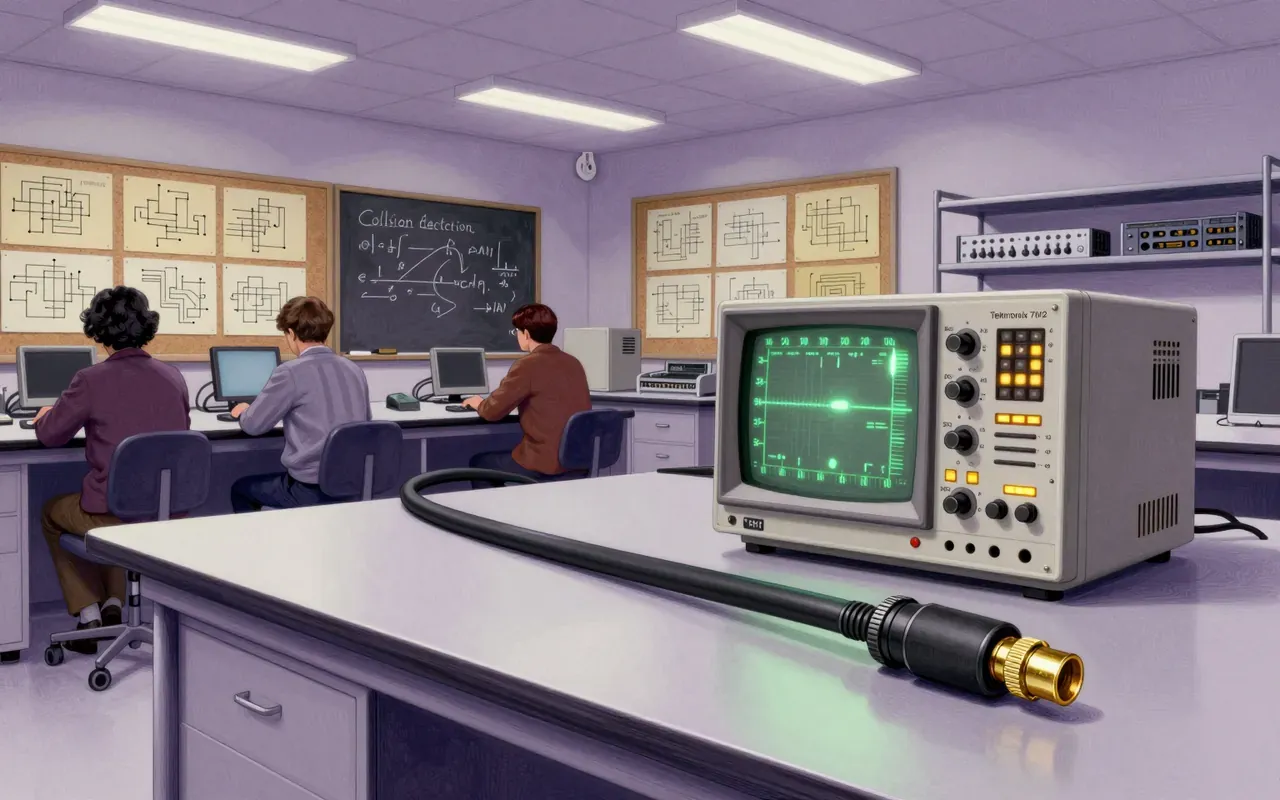
Ethernet is the coaxial-cable LAN co-invented by Metcalfe and Boggs at Xerox PARC in 1973 to link Alto computers to printers and ARPANET. It introduced CSMA/CD—carrier sensing before transmission, plus collision detection and random back-off—to adapt ALOHAnet for wired use. It ran first on November 11, 1973 at 2.94 Mbit/s. A 1980 Xerox report measured 98% throughput under heavy load. It was standardised as IEEE 802.3 in 1983. CSMA/CD does not scale or support modern requirements like QoS or determinism—and was phased out in favour of switched, full-duplex Ethernet.

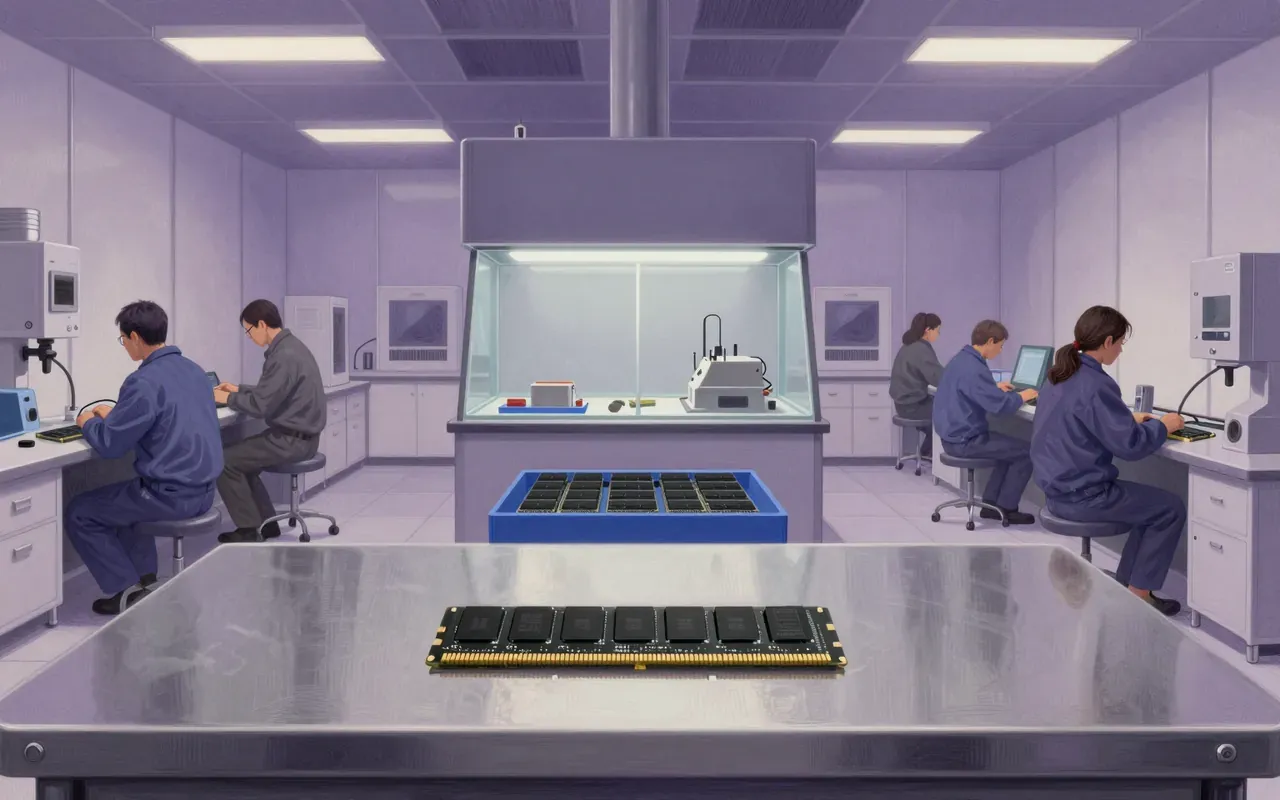
Flash memory is a block-erasable, non-volatile semiconductor memory invented by Fujio Masuoka at Toshiba in 1980. It builds on EEPROM but replaces byte-wise erasure with faster block-wise erasure — enabled by floating-gate transistor design. The name 'flash' was coined by colleague Shōji Ariizumi to reflect that speed. Masuoka and colleagues presented NOR flash in 1984 and NAND flash at the 1987 IEDM. Toshiba began marketing flash memory and commercially launched NAND flash — both in 1987. The first published implementation held only 8192 bytes but became the basis for larger-capacity versions. Flash does not support byte-level writes or in-place updates; erasure is all-or-nothing per block. It cannot replace RAM or true EEPROM where fine-grained modification is required. Flash changed how portable devices store firmware and user data, enabling compact, shock-resistant, low-power storage that scales without moving parts — a prerequisite for digital cameras, USB drives, SSDs and smartphones.
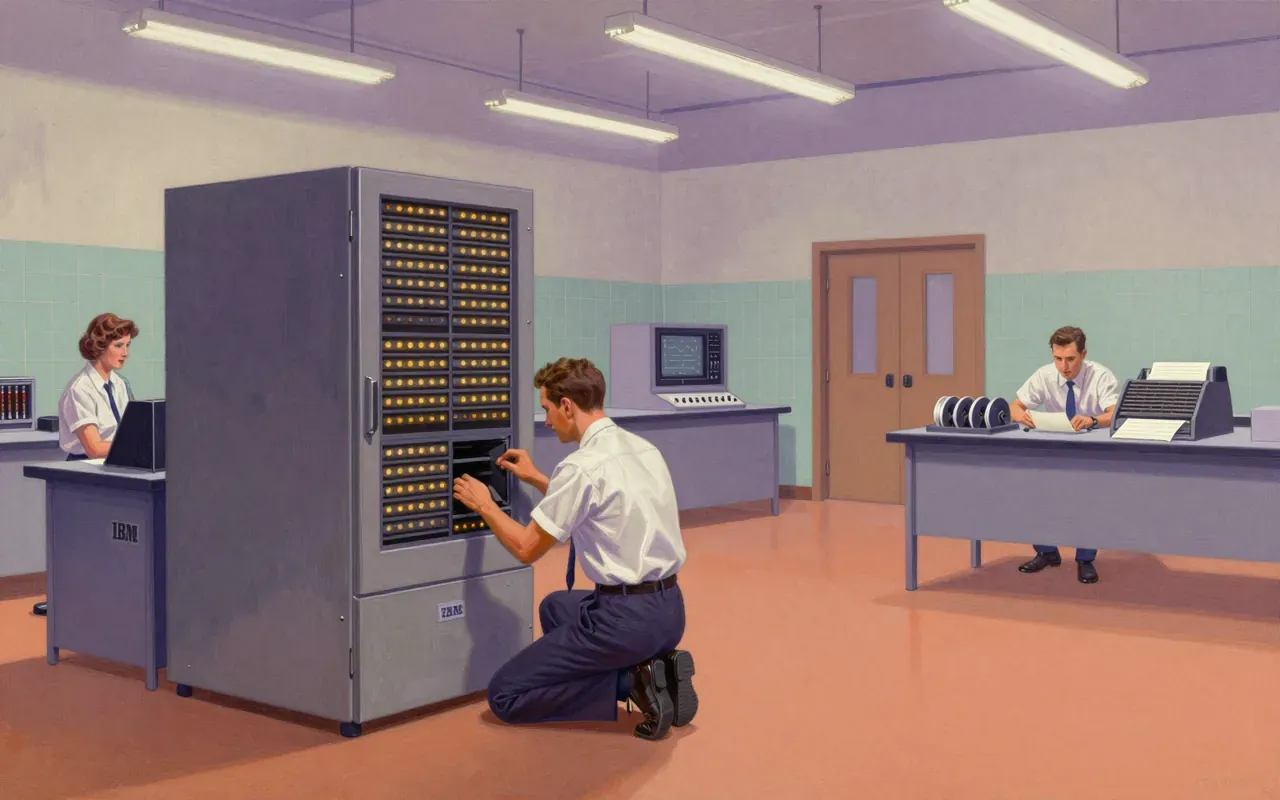
Fortran is the first high-level programming language to achieve broad use. It succeeded not by abstracting away hardware, but by proving abstraction could coexist with assembly-level performance — specifically for numeric computation on the IBM 704. Its compiler introduced the basic block and Monte Carlo–driven memory layout, establishing techniques that remain standard. It made computing accessible to scientists — but only those doing number-crunching, and only on IBM hardware.

Git is a distributed version control system invented by Linus Torvalds in April 2005 to replace BitKeeper for Linux kernel development. It was built from scratch because no existing free system met Torvalds’s strict criteria: sub-three-second patch application, distributed BitKeeper-like workflow, strong corruption safeguards, and rejection of CVS-style design. Git maintains a full local repository copy, uses SHA-1 hashing for object identification, and is grounded in a content-addressable filesystem model.






HTTP is the minimal, functional core that made the Web possible — not because it was elegant, but because it was small, implementable, and free.
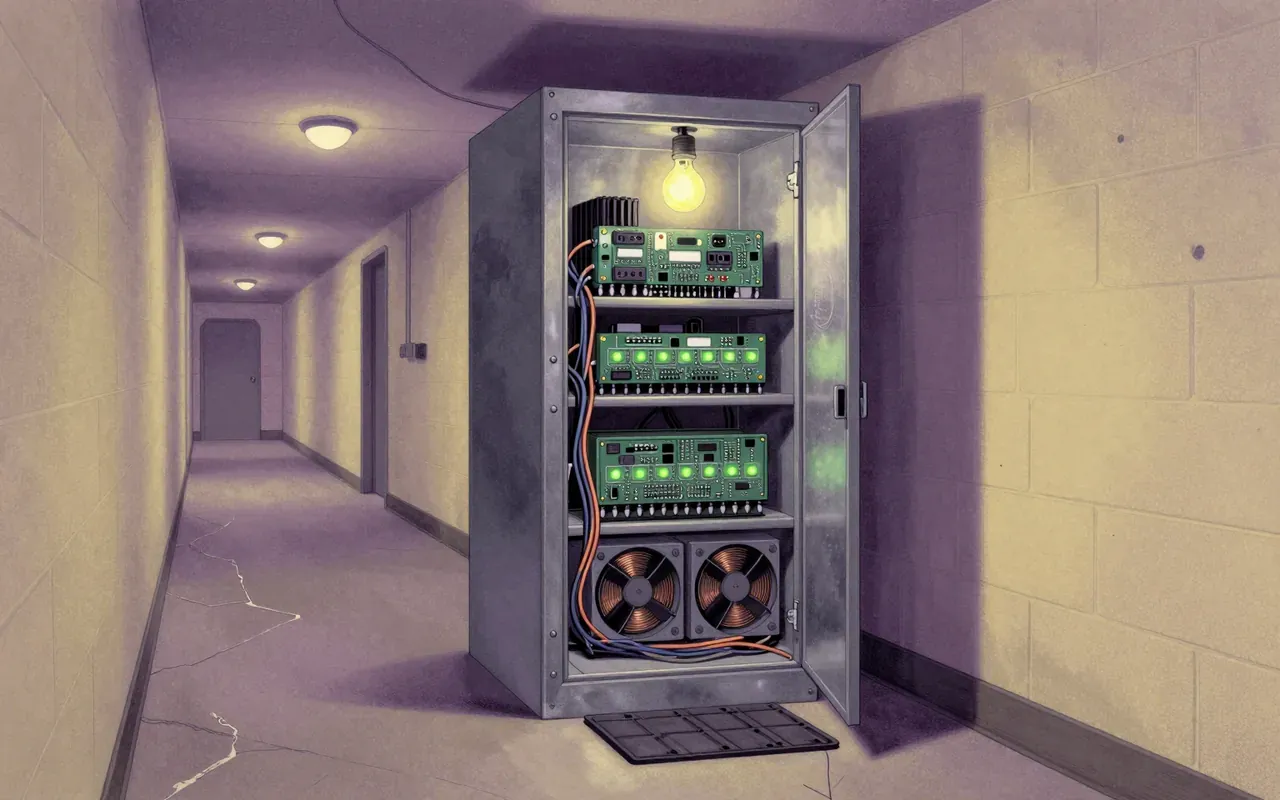

The IBM System/360 established architectural compatibility as a design principle — not a marketing claim. It delivered real portability across a wide performance range using microcode and custom transistor packaging. Its limitations — no ICs, partial model incompatibility, rare max-memory deployments — are as instructive as its successes.
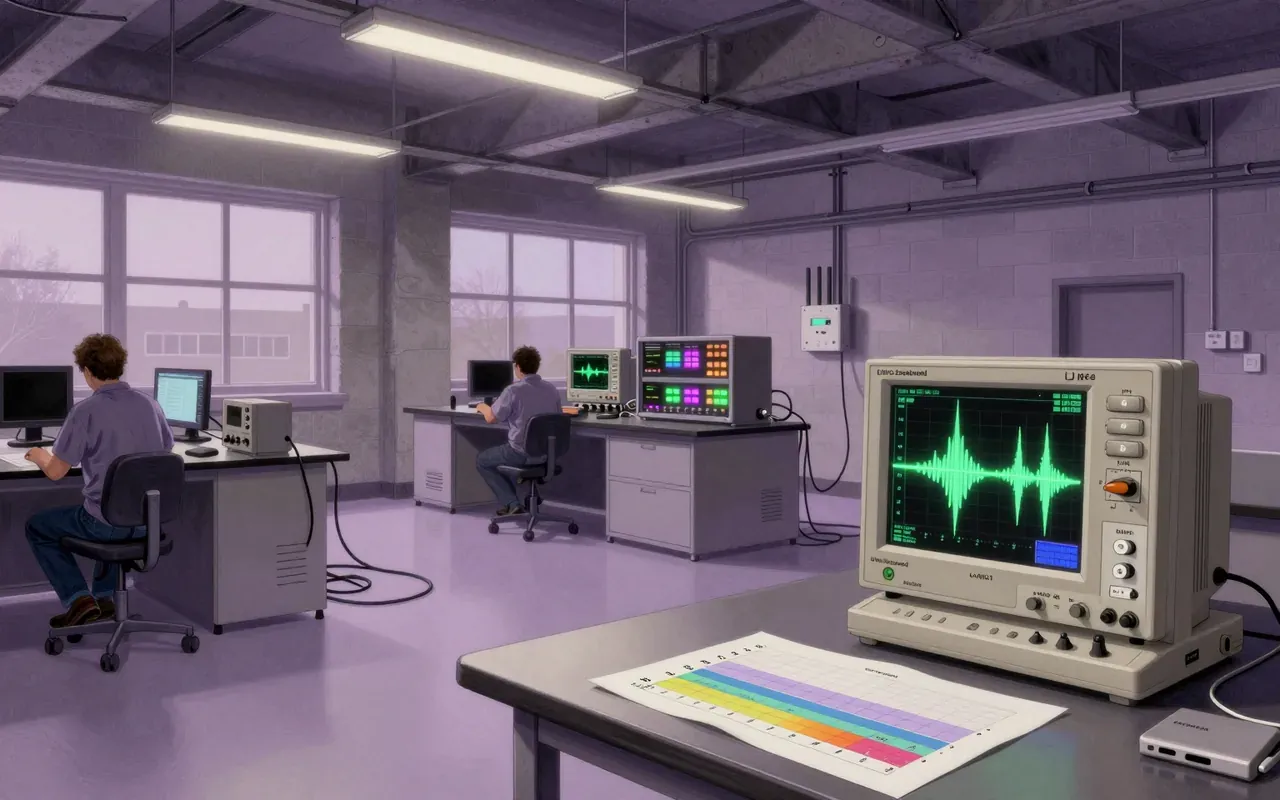
IEEE 802.11 is the foundational WLAN standard family. It defines MAC and PHY protocols for wireless local area networking. It uses CSMA/CA for channel access. It supports multiple bands and modulation schemes. It enables interoperability with Ethernet and IP. It was first released in 1997. Amendments extend functionality without replacing the base.
ImageNet is a foundational dataset infrastructure — not a model, not a tool, not a service. It succeeded by making scale measurable, not magical.





The ISO metric screw thread is a foundational hardware standard that enforces dimensional predictability across global manufacturing. Its value lies not in novelty but in binding force: once adopted, divergence carries real cost. It works where geometry matters more than brand—and fails where tolerance, material, or practice undermines its assumptions.
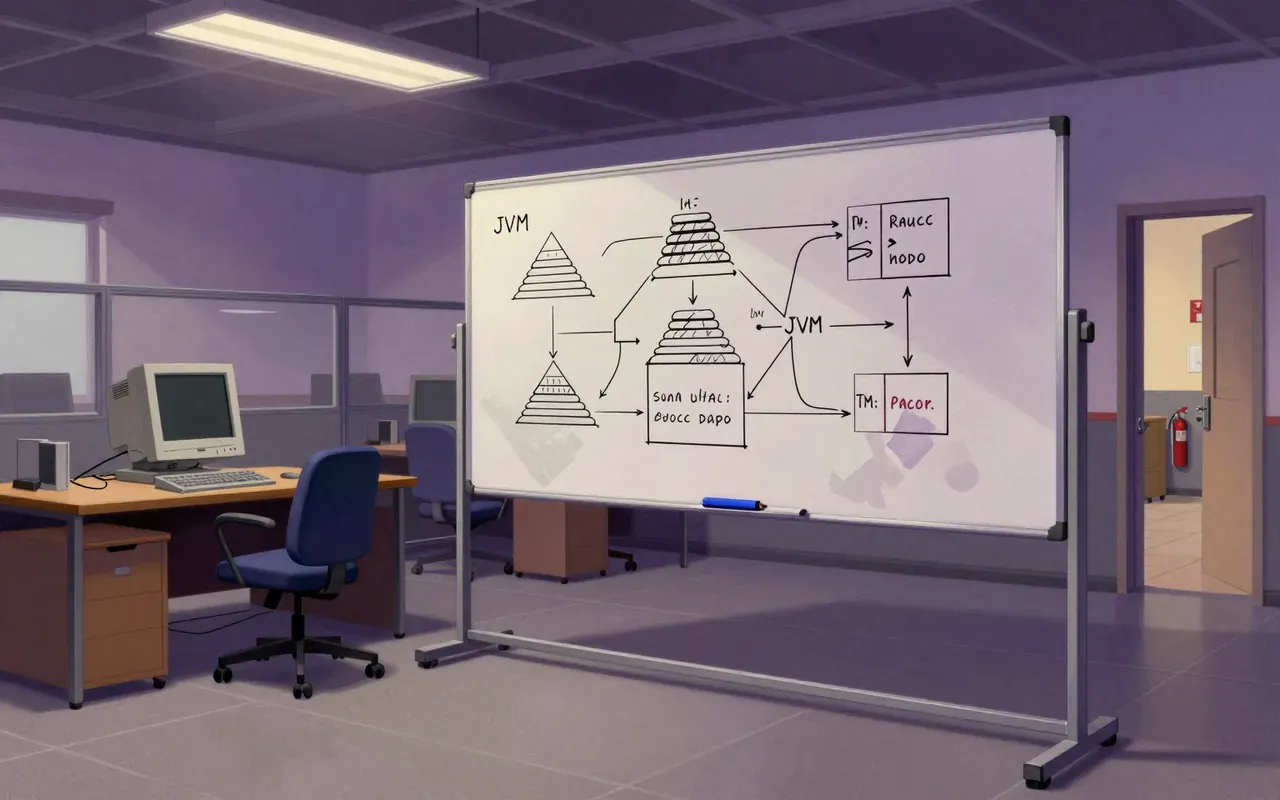
Java is a programming language built to enforce portability through mandatory compilation to JVM bytecode and strict memory safety via garbage collection and pointer omission. It solves cross-platform inconsistency at the cost of runtime overhead and abstraction rigidity. Its success rests on standardisation—not inevitability.

JavaScript is the de facto client-side language of the web — not because it was well-designed for beginners, but because it shipped fast, ran everywhere, and locked in a runtime model no site could ignore.

JPEG is a 1992 DCT-based lossy compression standard. It delivers predictable 10:1 size reduction with acceptable visual trade-offs. It defines only the codec—not the file format. Its lossless mode is unused. It remains dominant not by superiority but by inertia.
JSON is a syntactic constraint, not a data model. It works because it refuses to be more than a wire format — and fails wherever meaning, safety, or evolution is required.


Linux is a Unix-like kernel, not an operating system. It filled GNU’s missing-kernel gap. It works by reimplementing Unix system calls from documentation—not AT&T code. It succeeded because GPLv2 enforced openness, and because it ran on cheap x86 hardware. It failed to be a standalone OS or POSIX-compliant out of the box. It changed how software projects scale: through licence-driven collaboration, not top-down design. It is worth your time if you need control, transparency, and the ability to rebuild every layer.
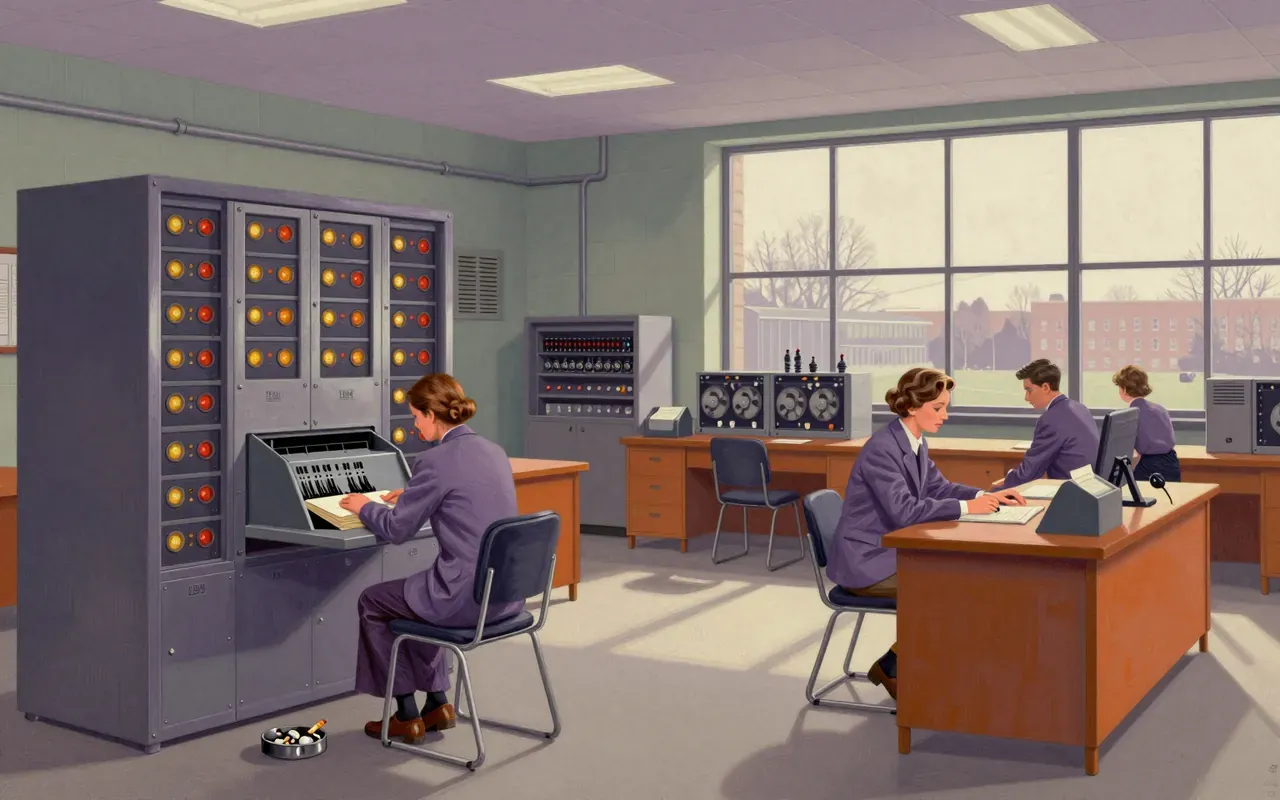
Lisp is the first language to treat code as data—and the first to prove that a small set of primitives plus eval suffices for universal computation. Its cost is runtime overhead; its payoff is programmable programmability.

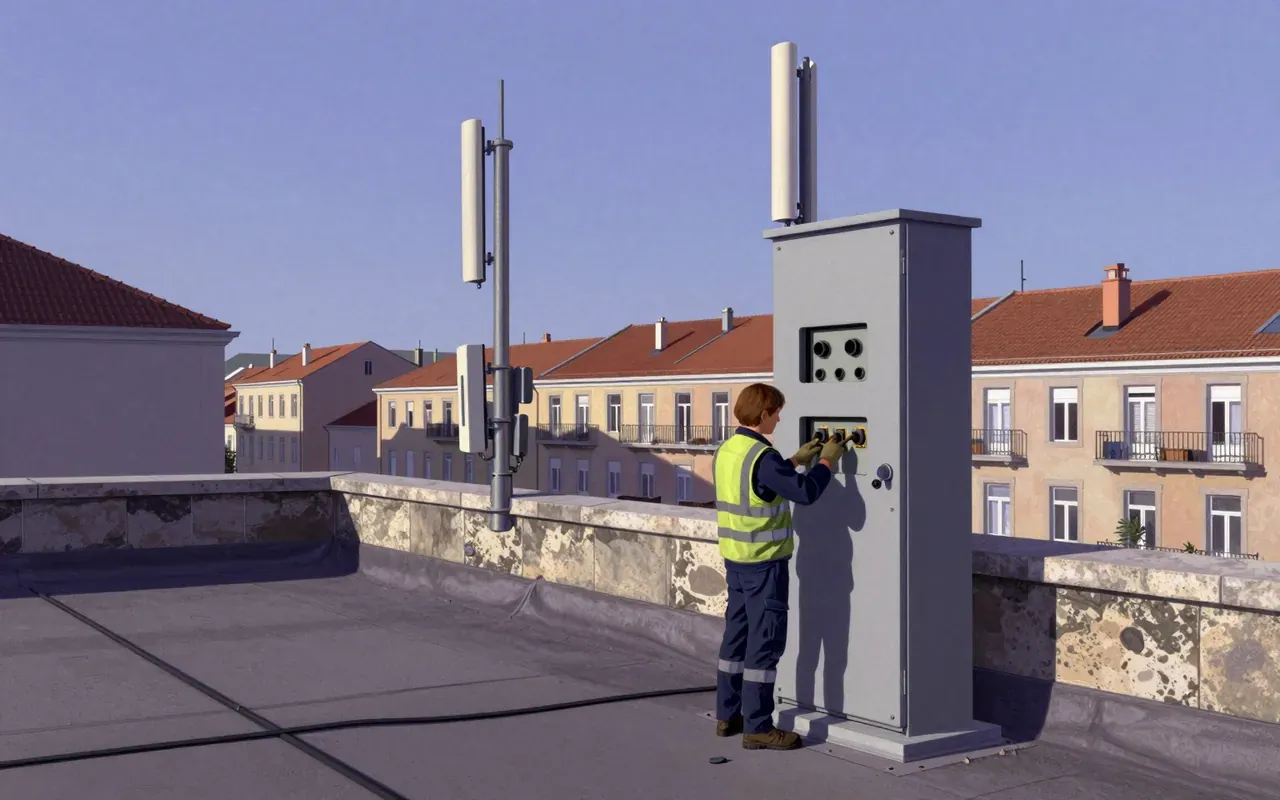
LTE is a 3GPP Release 8 standard finalised in December 2008. It replaces GSM/EDGE and UMTS/HSPA radio interfaces and the GPRS Core Network with a new air interface and IP-based Evolved Packet Core. It delivers peak downlink/uplink rates of 300/75 Mbit/s and sub-5 ms radio access network latency. It supports scalable bandwidths (1.4–20 MHz) and both FDD and TDD. It enables seamless handovers to GSM, UMTS, and CDMA2000. Its specifications span hundreds of documents per Release, organised into stages defining service requirements, architecture, and protocol implementation. It became the de facto upgrade path for carriers with both GSM/UMTS and CDMA2000 networks.





MIME is the foundational container syntax for internet messaging. It succeeded by being minimal, modular, and mandatory for interoperability — not by being elegant or complete.

NCSA Mosaic (1993) was the first browser to display images inline with text, submit forms, and explore collaborative annotation. Developed at NCSA by Marc Andreessen and Eric Bina, it launched in January 1993 as alpha/beta 0.5, reached version 1.0 in April, and shipped to Windows, Mac, and Amiga by October. Its blue/purple link convention and cross-platform ports catalysed explosive growth—from 50 to 10,000 websites and from 1% to 25% of internet users within a year. Collaborative annotation remained unshipped. It established the visual and functional grammar of the web—but offered no security model, no dynamic updating, and no scripting.




Pascal is a disciplined, small-language experiment from 1970. It delivers on teaching structured programming and safe data modelling. It fails as a general-purpose systems language. Its influence lies in its constraints — not its adoption.


PNG is a specification, not a product. It is a response to legal constraint, not technical ambition. It works where it was designed to work — and fails where it was never meant to go.

Waldo Semon did not invent PVC. He invented how to make it behave. His 1926 method — blending it with additives like dibutyl phthalate — converted a brittle, unprocessable polymer into something elastic and non-adhesive. That enabled Koroseal: a salt-coke-limestone-derived polymer whose consistency could be set deliberately. It did not fix PVC’s thermal instability or environmental persistence. Its real innovation was tunability — proving synthetic polymers could be governed, not just discovered.

Prestressed concrete redefines concrete’s role in tension-critical structures—not by making it stronger, but by ensuring it never has to carry tension alone.

Python is a dynamically typed, whitespace-delimited programming language conceived by Guido van Rossum in December 1989 as a successor to ABC. Its first release was Python 0.9.0 in 1991. It introduced a strict visual grammar for code blocks, paired dynamic typing with reference counting and cycle detection for memory management, and codified its philosophy in PEP 20. Python 3.0 (2008) broke backward compatibility. Optional static typing arrived in 3.5. Van Rossum named it after Monty Python's Flying Circus and wrote the first interpreter as a Christmas holiday project.

Radar is a radio reflection system for aircraft detection. It solved urgent air defence needs by replacing sound with electromagnetic sensing. Its mechanism is simple: transmit, reflect, receive, time. Its success hinged on rapid scaling — from 16 to 60 miles in months — and integration into a fixed coastal network. It fell short on low-altitude coverage, mobility, and precision tracking. It changed warfare by enabling interception over reaction. It is worth your time because it demonstrates how repurposing existing tools under constraint yields decisive capability — not through invention ex nihilo, but through disciplined redirection.

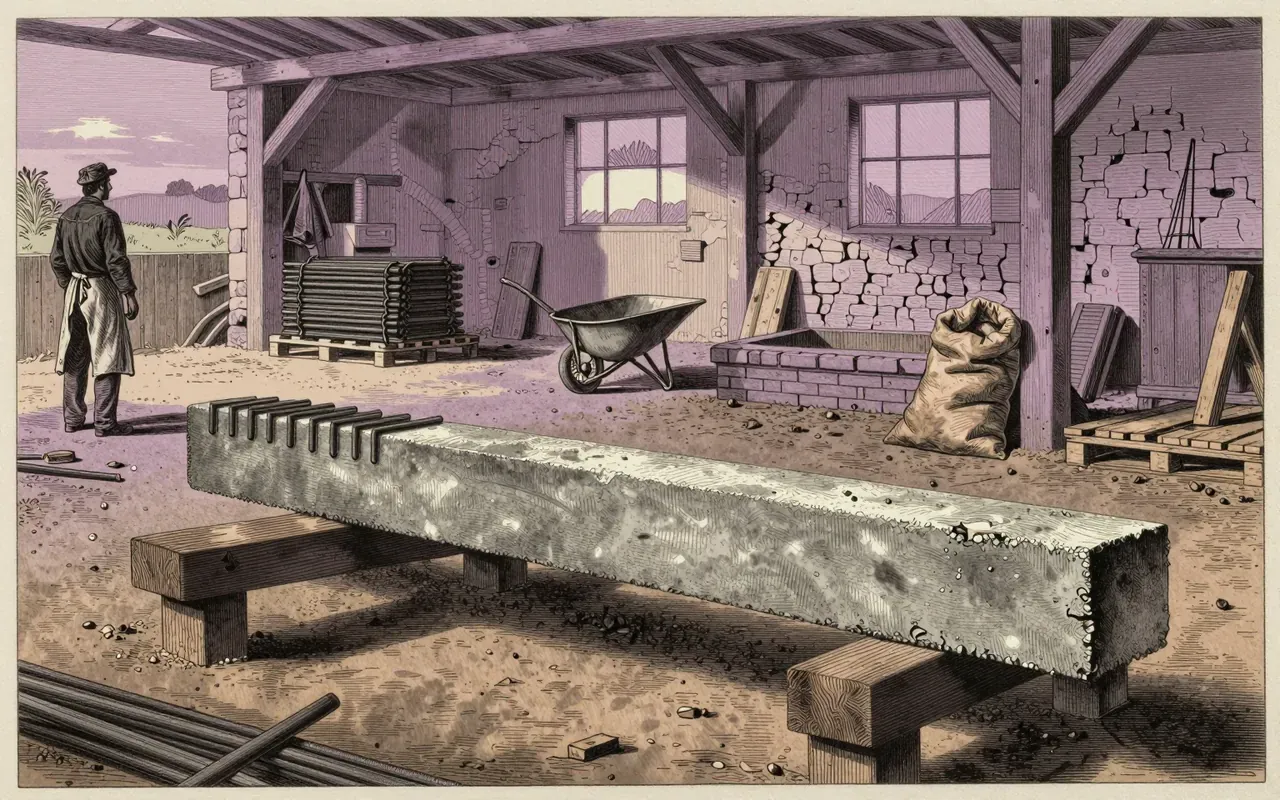
Reinforced concrete is not a theoretical breakthrough—it is a gardener’s empirical fix scaled into infrastructure. Monier solved flowerpot instability by embedding iron, then patented successive forms (wire mesh in 1867, iron rods in 1877) without quantifying mechanical gains. He proved thermal compatibility and rust protection through experiment—not calculation. His method enabled T-beams and pipes by 1878, but left tensile improvement unmeasured and corrosion science unexplored. It matters today because it reveals how material innovation begins in constraint, not abstraction.

RSA is the first publicly described, usable public-key cryptosystem. It works by exploiting the asymmetry between modular exponentiation and root extraction modulo a composite number whose factorisation is secret. Its security depends on factoring difficulty—but that dependence is not proven equivalent. No published attack breaks it with large keys. It changed cryptography by enabling open protocols, trustless key exchange, and standardised role names like Alice and Bob.

Ruby is a deliberately opinionated scripting language that enforces object uniformity at runtime. It delivers on its promise of simplicity and expressiveness—but only within its chosen domain: developer-facing tools and applications where flexibility trumps performance or safety.

Rust delivers provable memory and thread safety through compile-time ownership and borrowing rules—not runtime enforcement. It works where it is applied strictly, fails where those rules are bypassed or ignored, and demands upfront investment in reasoning over runtime convenience. Its success lies not in eliminating trade-offs, but in making them explicit, auditable, and unignorable.

Safari is Apple’s proprietary web browser, introduced in January 2003 as part of Mac OS X Jaguar and made default with Mac OS X Panther later that year. It is deeply integrated into Apple's ecosystem—shipping with macOS, iOS, iPadOS, and visionOS—and relies on the WebKit rendering engine, an open-source fork of KHTML. Its initial development prioritized speed and innovation, with Apple claiming it was the fastest Mac browser at launch. The browser’s architecture evolved through successive versions, introducing features like Acid2 compliance (Safari 2), HTML5 and Acid3 support (Safari 4), reader mode and extensions (Safari 5), Intelligent Tracking Prevention (Safari 11), FIDO2 and Apple Pay support (Safari 13), and AI-powered Highlights (Safari 18). It has undergone major UI redesigns in Safari 15, 18, and 26, and now follows a calendar-year versioning scheme. While a Windows version existed between 2007 and 2012, it was discontinued due to low market share. Safari remains second globally in usage after Chrome, and its privacy and security features—including cross-site tracking prevention, Link Tracking Protection, and passkey support—are central to its modern identity.

Langevin’s 1915 sonar was the first active underwater echo-ranging system. It used electrostatic and quartz piezoelectric transducers to send and receive ultrasound. Distance was calculated from signal time-of-flight. Though patented and physically demonstrated, it did not become operational before World War I ended. Electrostatic transducers were soon abandoned; quartz piezoelectric methods endured and scaled. The invention established the core mechanism of modern sonar — but delivered no tactical utility in its intended conflict.
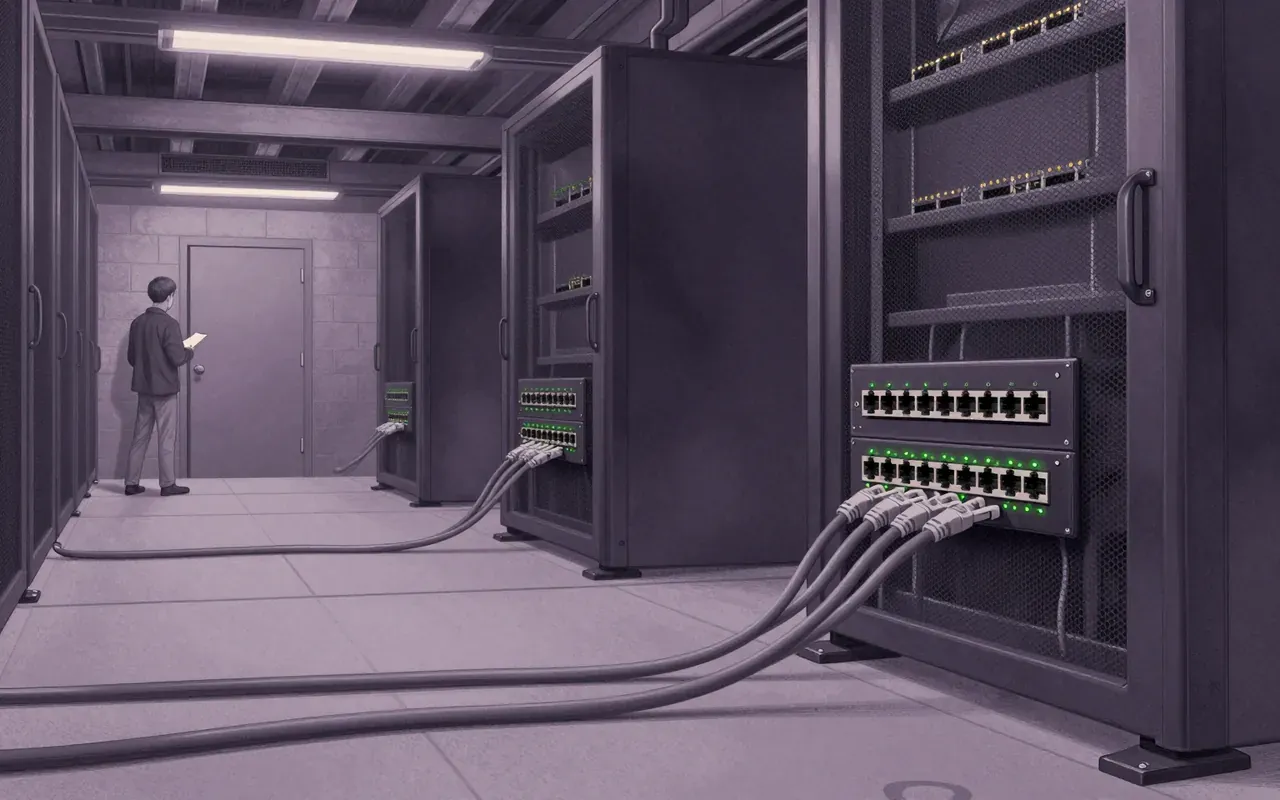
SFTP is a file protocol built for SSH-2. It assumes security is already solved. It delivers precise, stateful filesystem control. It never became an RFC. It remains widely deployed—not because it succeeded, but because alternatives failed.

The standard-gauge railway is a deliberate, legislated solution to fragmentation — not an inevitable outcome of engineering progress.

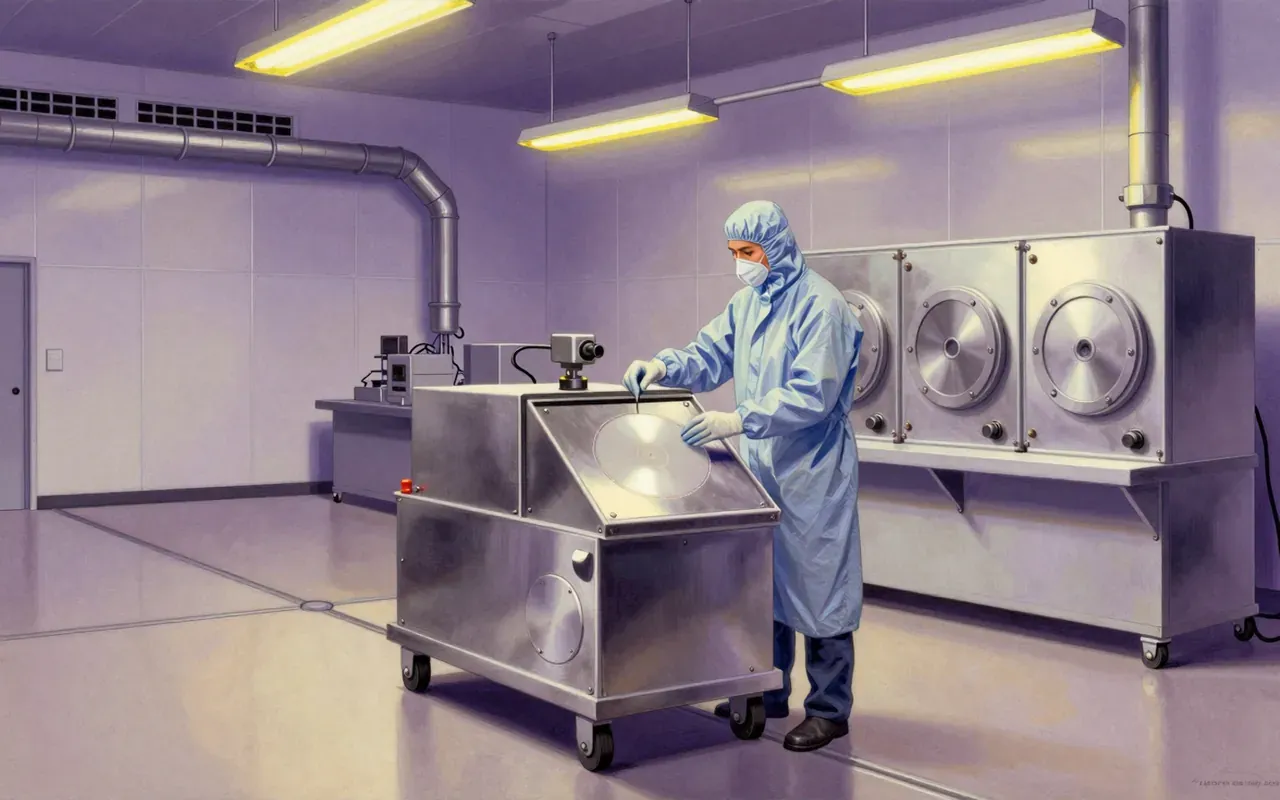

Synthetic rubber begins as a chemical demonstration, not an industrial replacement. Hofmann’s 1909 work proves isoprene polymerisation yields rubber — and nothing more. No performance, scale, or economics are stated. Its value lies in reframing rubber as synthesizable — not in delivering a usable material.