technologybriefs
Highest rated

All briefs

620 briefs · 6210 min · 577–620 on page 7 of 7
9:08

BeOS

BeOS proved real-time multimedia was possible on commodity hardware — if you owned the hardware.
10:04

Cloud gaming

Cloud gaming moves the game out of your machine — but puts your reflexes at the mercy of your ISP.
10:36

Comcast

A monopoly built on coaxial cable—and sustained by regulatory inertia, not technical superiority.
10:57

Hughes Network Systems

VSAT built the first scalable satellite internet — then froze in geosynchronous orbit while the world moved to low Earth orbit.
9:53

Netbook

Netbooks weren’t a new kind of computer—they were a licensing loophole dressed as a product.
10:14

OS/2

OS/2 wasn’t killed by bad code—it was strangled by incompatible ambitions.
11:45

Robotaxi

Robotaxis are running — but they are losing money, failing safety benchmarks, and failing to earn public trust.
11:40

Self-driving car

Self-driving cars are not autonomous — they are geographically gated, software-limited, and already lethal.
9:25

Sprint Corporation

A century-old telephone co-op became a mobile carrier — then vanished not from failure, but from consolidation.
10:31

T-Mobile US

A German rebranding of an American GSM carrier — not a tech leap, but the first step toward today’s T-Mobile.
8:51

Mobile phone

The 1973 mobile phone was a working prop — not a product, not a system, and not a network.
10:08

Transformers

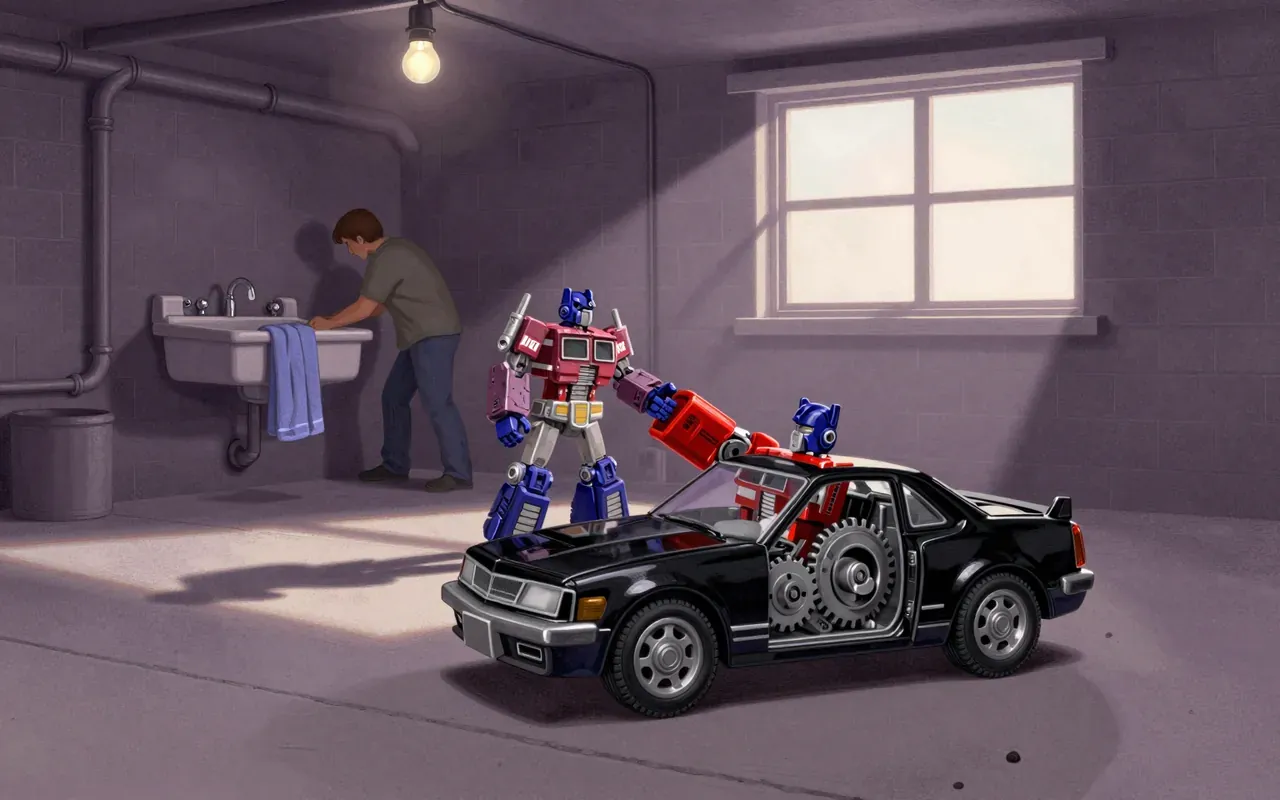
Transformers is not AI, not robotics, and not a breakthrough — it is a repackaged toy line with a clever hinge.
10:28

TRS-80

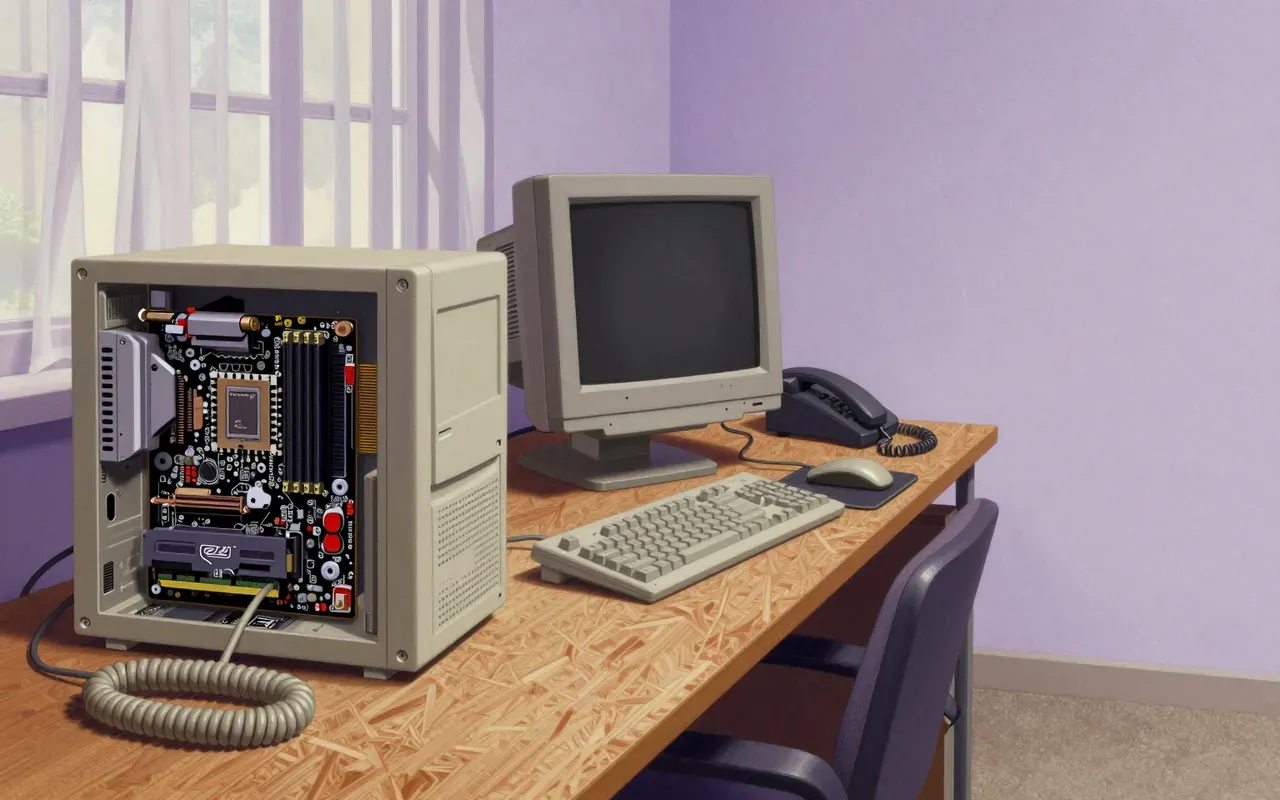
It won the early PC race not by working well, but by being the first thing you could buy — and return — at a mall.
10:27

X (social network)

A broadcast tool that never chose between being a utility and a media company—and paid for it every time it changed owners.
9:26

Unreal Engine

Unreal Engine 1 wasn’t a platform — it was a delivery vehicle for one game.
10:43

Windows 1.0

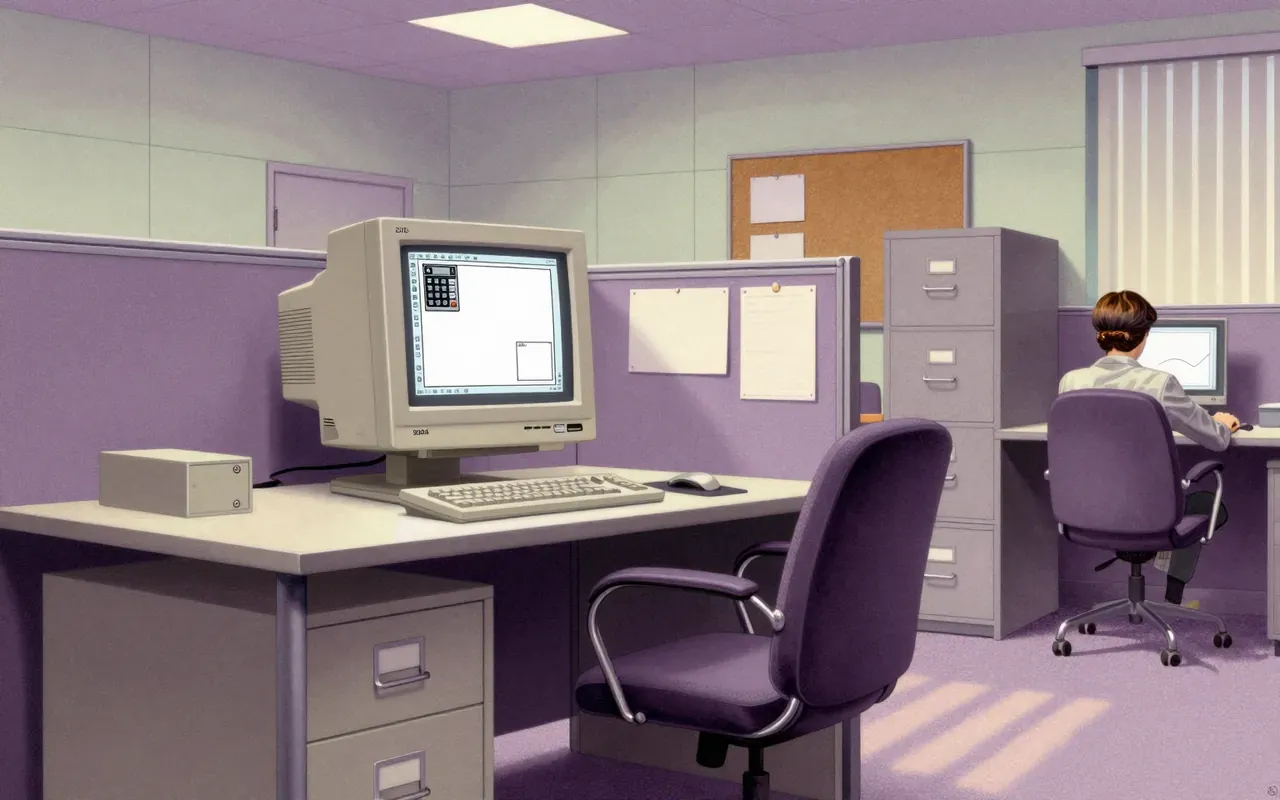
A shell that pretends to be an OS — and succeeds only by deferring every hard decision to the next version.
9:50

Color photography

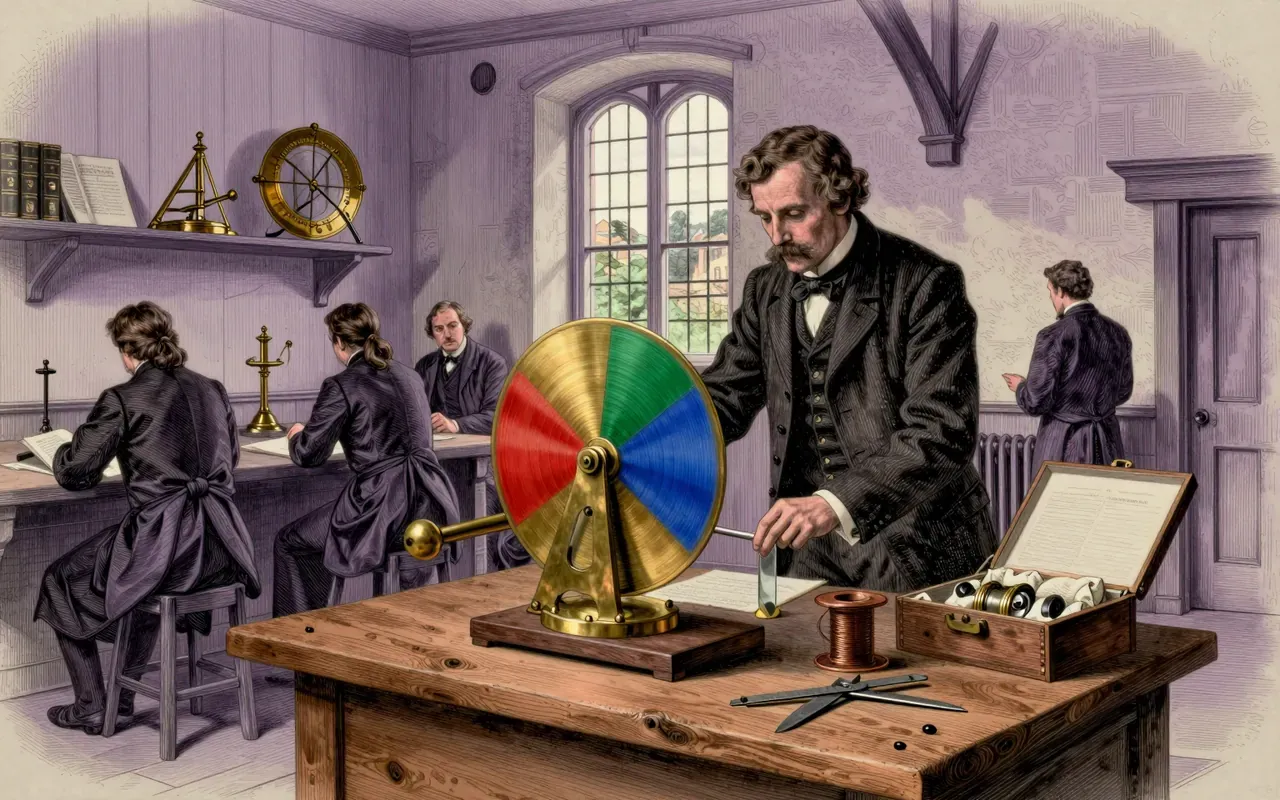
Colour photography began not with a picture, but with a constraint: three lights, three cones, and zero images.
9:20

ELIZA

ELIZA doesn’t talk — it mirrors, misleads, and exposes how little it takes for humans to believe a machine is listening.
9:07

Google Glass

Ubiquitous computing failed because people refused to be constantly watched—even by themselves.
10:31

Combine harvester

Hiram Moore

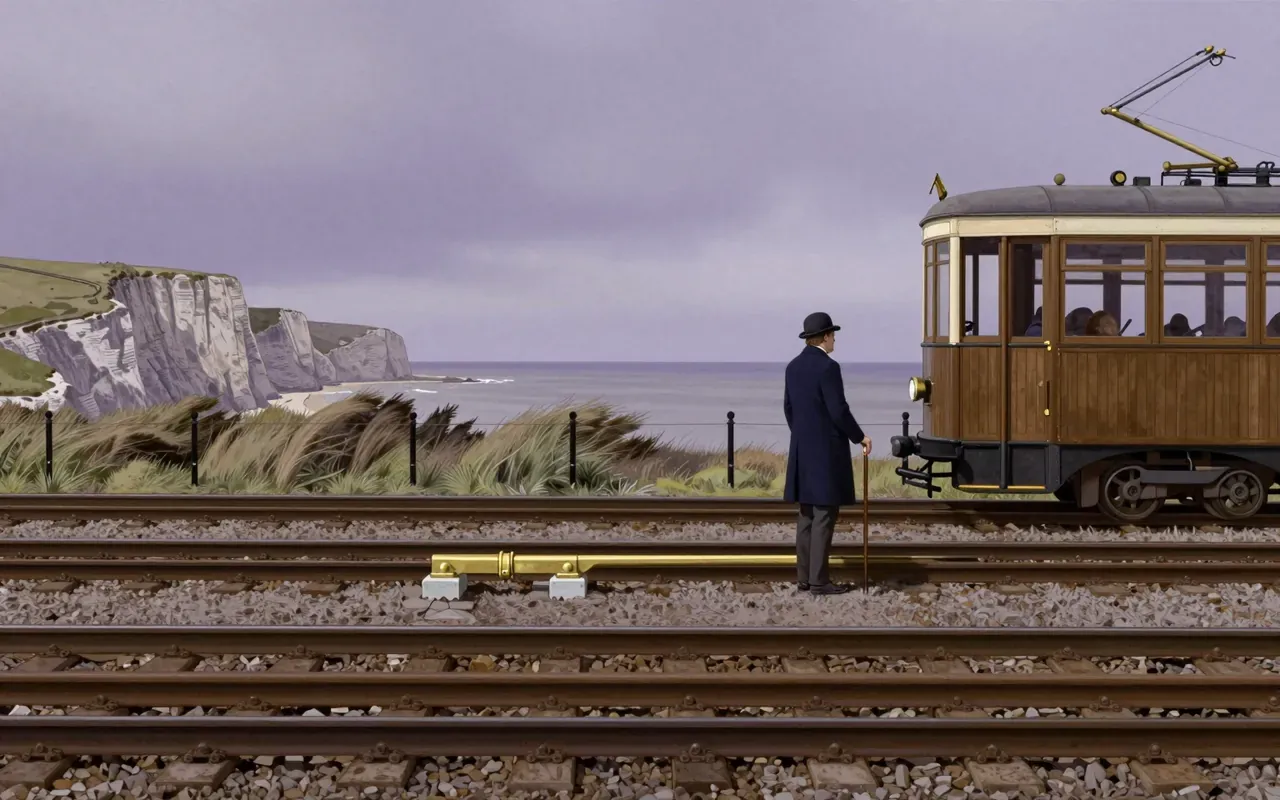
The 1835 Moore combine was a singular integration of three harvest operations — reaping, threshing, winnowing — in one horse-drawn machine. It proved the concept could function at scale (20+ ha by 1839) but introduced no labour savings, required massive animal power (20 horses), and left no operational legacy. Its importance is archival, not agronomic.
10:24

Electric motor

The electric motor of 1834 was a working physics demonstration — not an engine for industry.
11:02

Volk's Electric Railway

Werner von Siemens

Volk's Electric Railway is operationally continuous but technically marginal. It demonstrates longevity, not leadership. Its engineering adaptations were local fixes — not transferable standards. Siemens set the template. Volk kept a line alive.

10:12

Gas-turbine engine

John Barber · 1791

John Barber’s 1791 gas-turbine patent describes a continuous-flow internal combustion engine with compressor, combustor, and turbine — the first to integrate all three in a self-contained gas-generator core. It operates on the Brayton cycle. No evidence exists that it was built or ran. It changes how we classify engines — distinguishing true gas turbines from exhaust-driven devices — but delivers no working performance, no efficiency data, and no engineering resolution of ignition, heat tolerance, or rotational balance. Its significance is taxonomic, not operational.
9:29

IPad Pro

Apple · 2016

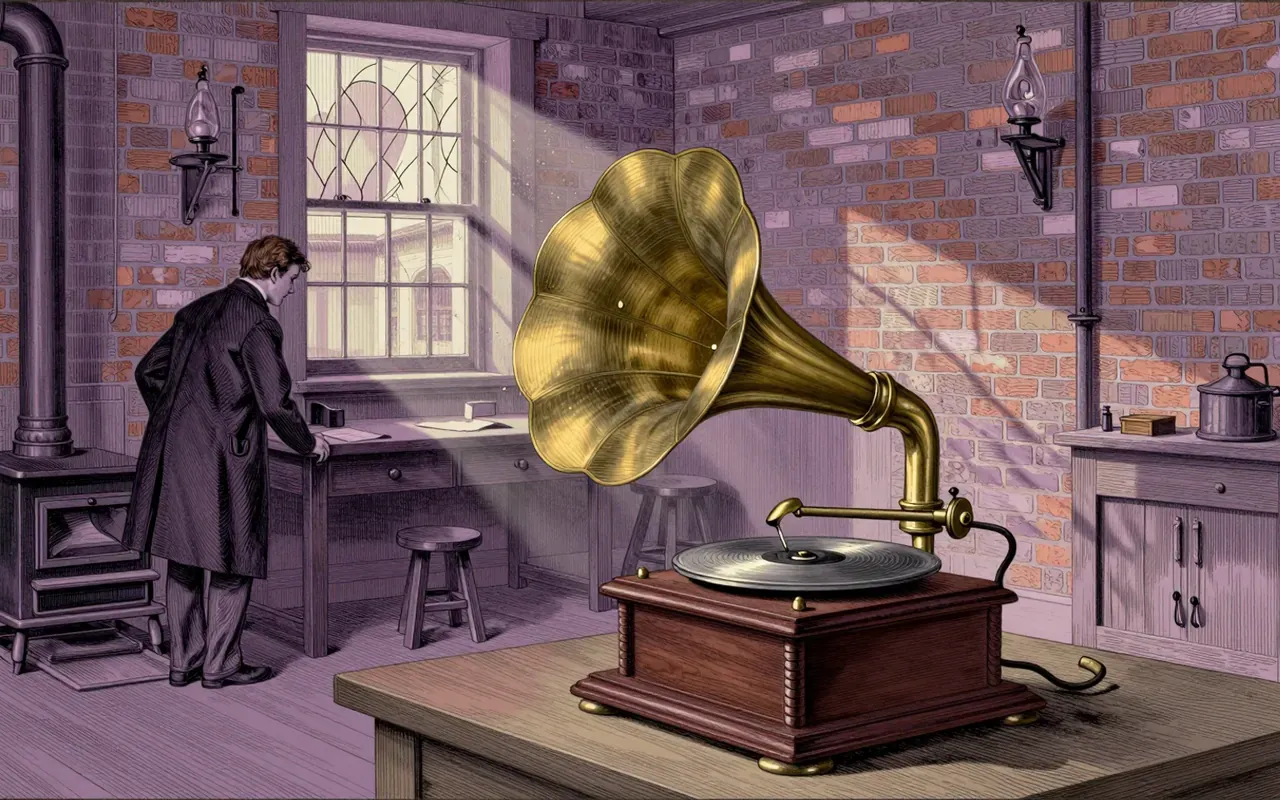
The 2016 iPad Pro is a hardware upgrade without a software foundation for professional work. It extends iOS 9’s constraints rather than replacing them.
10:16

Phonograph

Thomas Edison · 1877

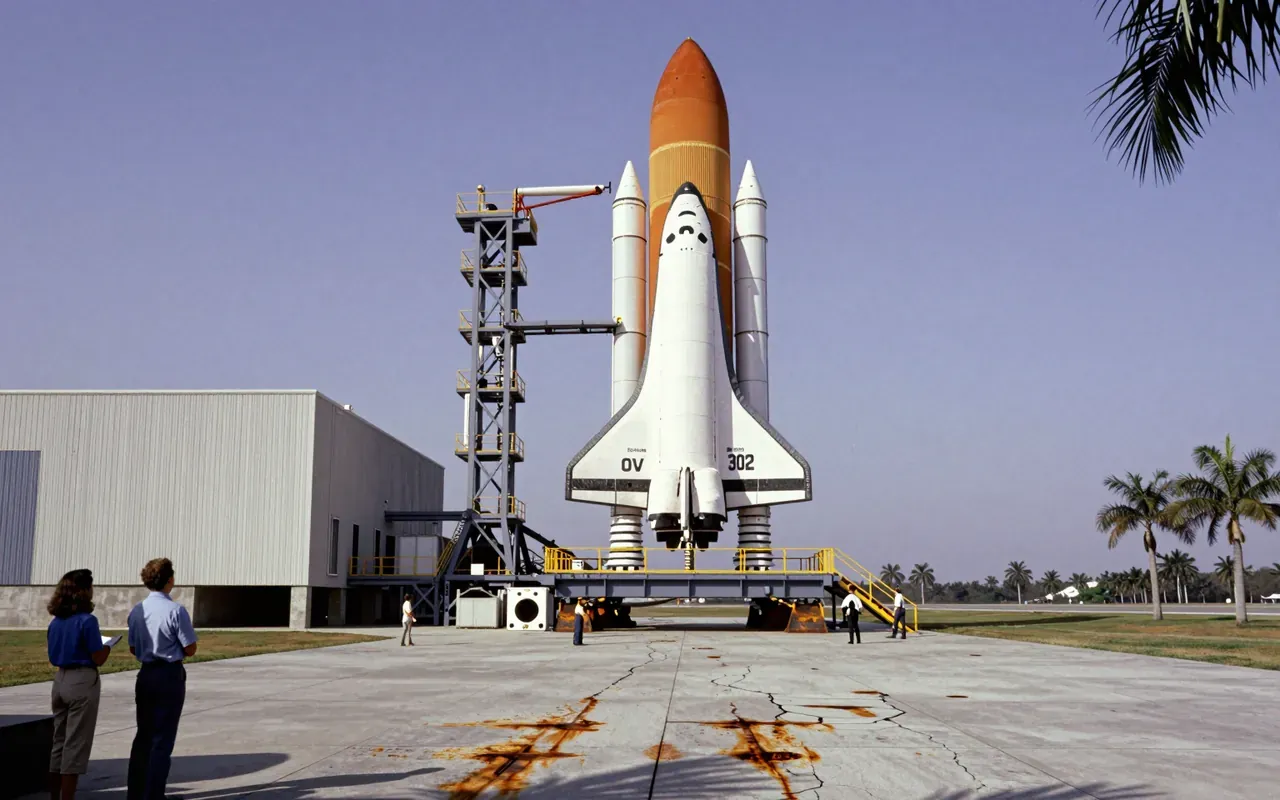
The phonograph established mechanical sound recording as possible — but delivered nothing usable. Its tinfoil medium broke, distorted, and wore out. Edison patented it in 1878 but shelved it for a decade. Only Bell’s wax-cylinder rival in the 1880s forced him to act.

9:48

Space Shuttle

It proved partial reusability was possible — and why it wasn’t enough.
8:37

Tractor

John Froelich

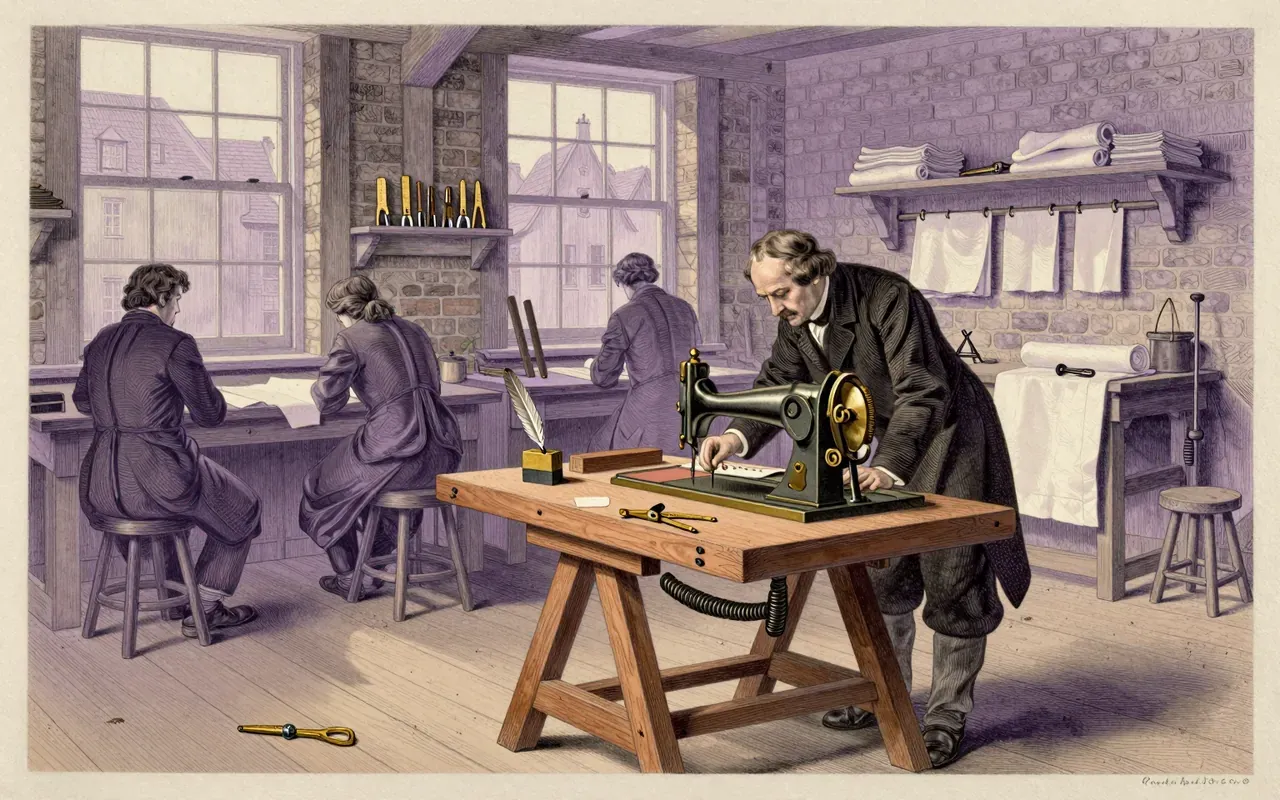
The 1892 Froelich tractor is a functional prototype — not a product, not a platform, not a pivot point. It works once, in one place, for one purpose. Its mechanism is clear. Its failure is documented. Its influence is retrospective mythmaking.
11:26

UC Browser

A browser that cut data costs by routing every byte through its own servers — and paid for it with your unencrypted identity.
8:35

Traffic light

The first traffic light wasn’t a step forward — it was a gas-powered dead end.
10:55

Metaverse

The metaverse is a dead architecture — promised as universal, delivered as fragmented, abandoned before it shipped.
9:48

Google Play

Google Play didn’t exist in 2008 — and pretending it did flattens the messy reality of Android’s early distribution wars.
9:33

Hyperloop

A dead-end technology masquerading as infrastructure — proven only in fragments, abandoned by its strongest backer.
9:48

Internet Explorer

Internet Explorer wasn’t a browser — it was a distribution mechanism disguised as software.
9:46

Ansible

Ansible isn’t infrastructure — it’s a plot licence disguised as physics.
12:25

Cookie

There is no 'standard Cookie' — only a food item masquerading as infrastructure.
9:02

Telegram

Telegram wasn’t an app — it was a paper slip, paid for by the word, and dead since the 1950s.
9:45

Texas Instruments

Calling 'Texas Instruments (1930)' an invention confuses corporate founding with technological creation — and erases 24 years of actual engineering.
10:14

The Pacemaker

Wilson Greatbatch

The editorial brief exposes a critical misattribution: 'The Pacemaker' DJ system (Jonas Norberg, 2008) is falsely presented as Wilson Greatbatch’s invention. Greatbatch co-created the implantable cardiac pacemaker and its lithium-iodide battery — a foundational medical engineering achievement. Norberg built a portable digital DJ tool. They share a name, not a lineage. The conflation undermines both histories.