Internet exchange point
IXPs don’t build the internet—they reroute its economics.

The iPad is a commercially dominant, long-lived tablet product line. It succeeded by committing to a specific form factor and interaction model—touch-first, app-centric, tightly integrated—then adapting its OS to sustain that model. Its scale (670M+ units) and market share (34.6%) confirm its category-defining role. It does not replace laptops or phones. It occupies the space between them—and has done so continuously since 2010.

The PlayStation 2 is a home video game console developed by Sony Computer Entertainment, first released in Japan on March 4, 2000. It is the successor to the original PlayStation and a sixth-generation console that competed with Nintendo's GameCube, Sega's Dreamcast, and Microsoft's Xbox. It featured a built-in DVD drive and full backward compatibility with original PlayStation games and accessories. Its hardware included a custom-built Emotion Engine processor co-developed with Toshiba. It remains the best-selling video game console of all time, having sold 160 million units worldwide.





UTF-8 is a variable-width Unicode encoding co-designed by Ken Thompson and Rob Pike in 1992. It guarantees ASCII compatibility, supports all 1,112,064 Unicode code points, and became the dominant web encoding — over 90% of pages in 2019. Its strength is pragmatic interoperability; its weakness is zero tolerance for malformed input and no compression benefit.


ASCII is a cost-driven, committee-built encoding that prioritised transmission efficiency and hardware simplicity over linguistic coverage. Its rigid separation of control and graphic codes enabled early parsing — but its 28 reserved slots and lack of international support created immediate pressure for extension.

C++ is a systems programming language that enables high-level abstractions without runtime overhead. It delivers performance and control—but only to those who master its intricate, unforgiving rules.
C is a deliberately minimal, hardware-close language that enabled Unix to become portable. It trades safety and abstraction for control and efficiency—and that trade still defines systems programming.



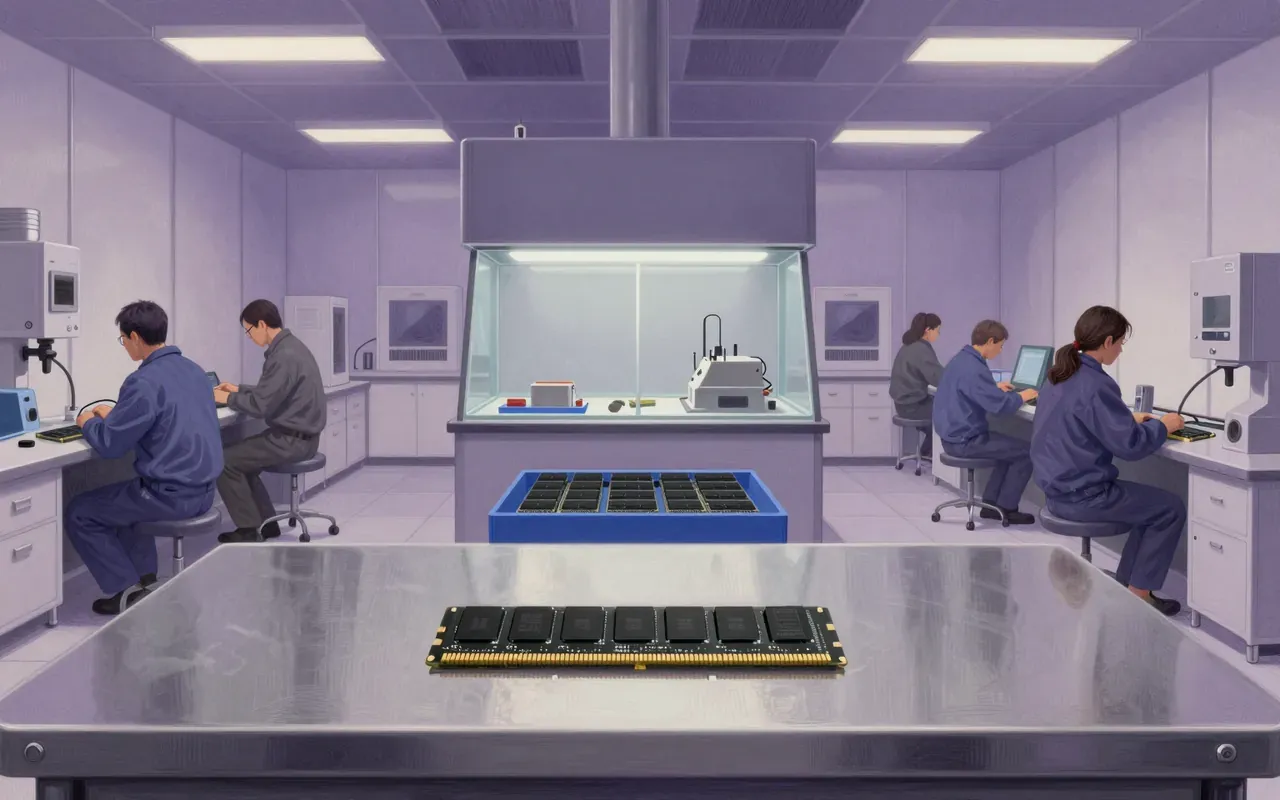
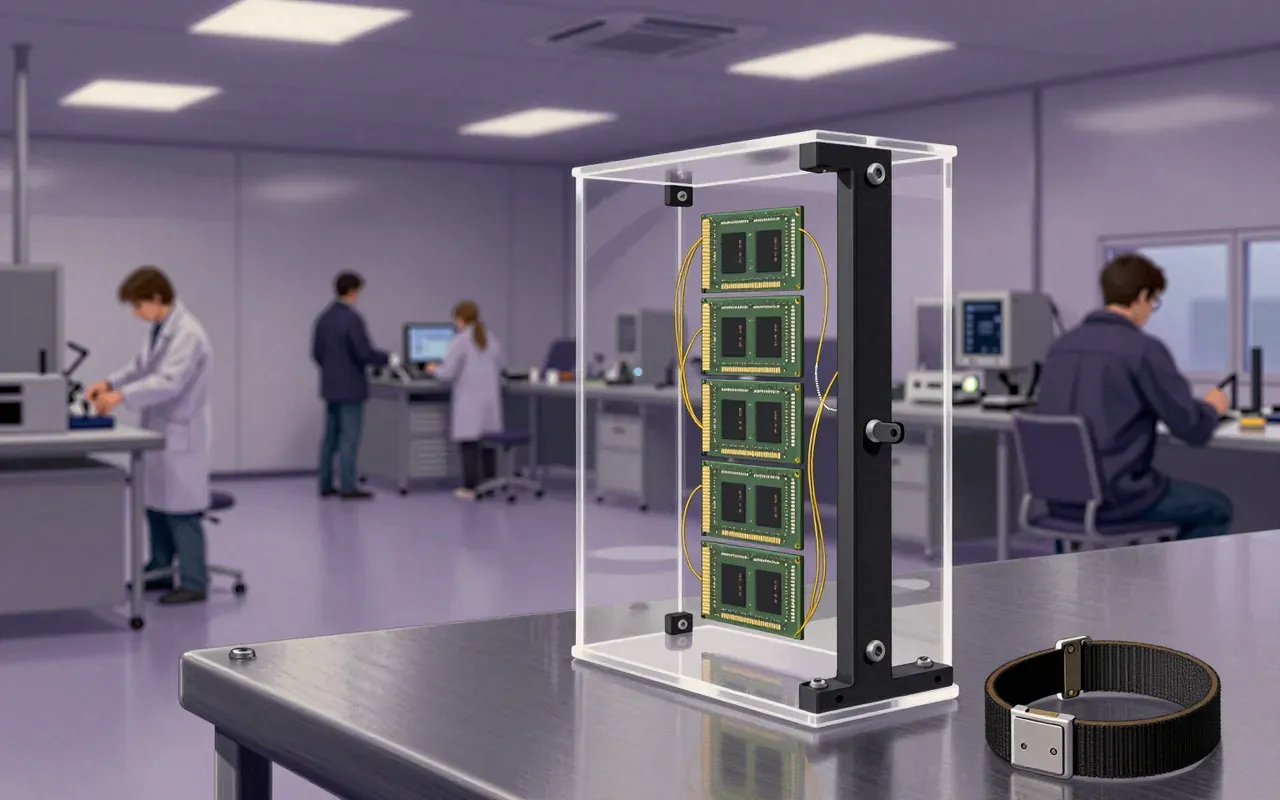
Flash memory is a block-erasable, non-volatile semiconductor memory invented by Fujio Masuoka at Toshiba in 1980. It builds on EEPROM but replaces byte-wise erasure with faster block-wise erasure — enabled by floating-gate transistor design. The name 'flash' was coined by colleague Shōji Ariizumi to reflect that speed. Masuoka and colleagues presented NOR flash in 1984 and NAND flash at the 1987 IEDM. Toshiba began marketing flash memory and commercially launched NAND flash — both in 1987. The first published implementation held only 8192 bytes but became the basis for larger-capacity versions. Flash does not support byte-level writes or in-place updates; erasure is all-or-nothing per block. It cannot replace RAM or true EEPROM where fine-grained modification is required. Flash changed how portable devices store firmware and user data, enabling compact, shock-resistant, low-power storage that scales without moving parts — a prerequisite for digital cameras, USB drives, SSDs and smartphones.
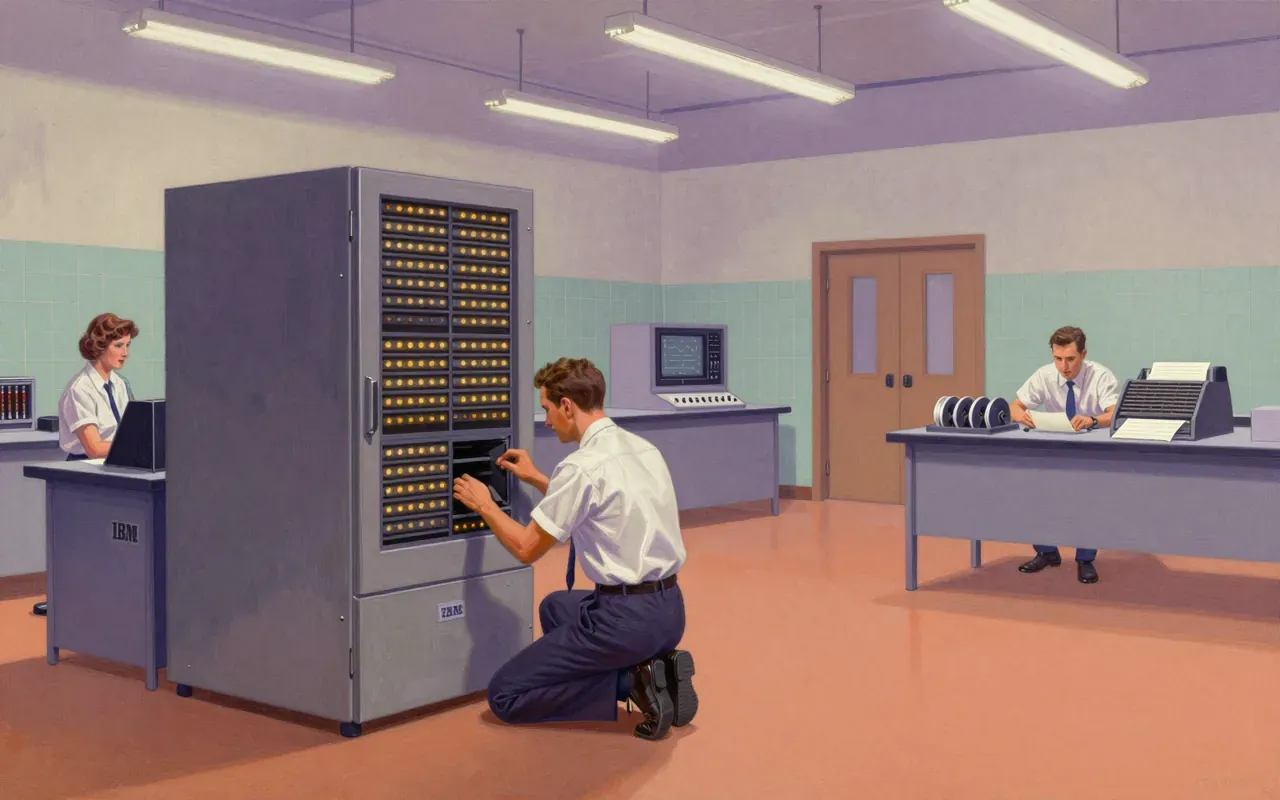
Fortran is the first high-level programming language to achieve broad use. It succeeded not by abstracting away hardware, but by proving abstraction could coexist with assembly-level performance — specifically for numeric computation on the IBM 704. Its compiler introduced the basic block and Monte Carlo–driven memory layout, establishing techniques that remain standard. It made computing accessible to scientists — but only those doing number-crunching, and only on IBM hardware.

Git is a distributed version control system invented by Linus Torvalds in April 2005 to replace BitKeeper for Linux kernel development. It was built from scratch because no existing free system met Torvalds’s strict criteria: sub-three-second patch application, distributed BitKeeper-like workflow, strong corruption safeguards, and rejection of CVS-style design. Git maintains a full local repository copy, uses SHA-1 hashing for object identification, and is grounded in a content-addressable filesystem model.



HTTP is the minimal, functional core that made the Web possible — not because it was elegant, but because it was small, implementable, and free.
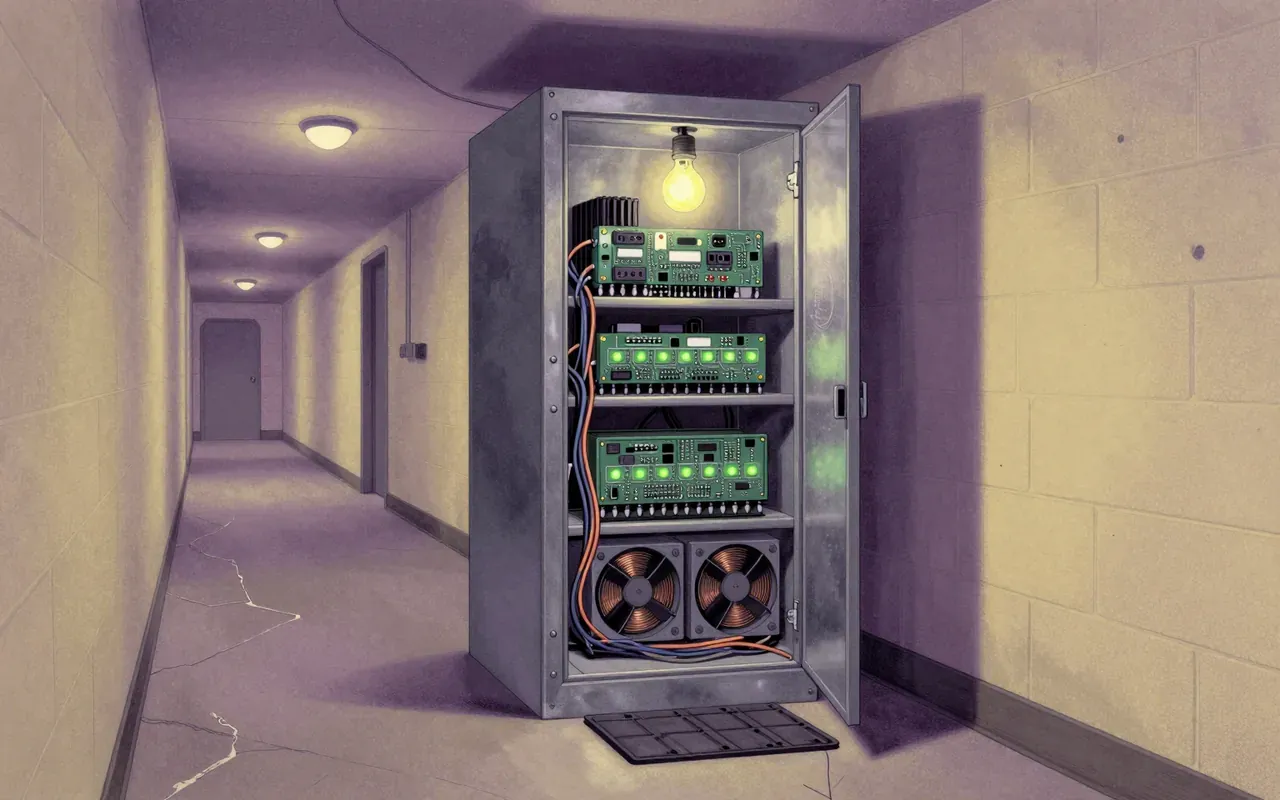

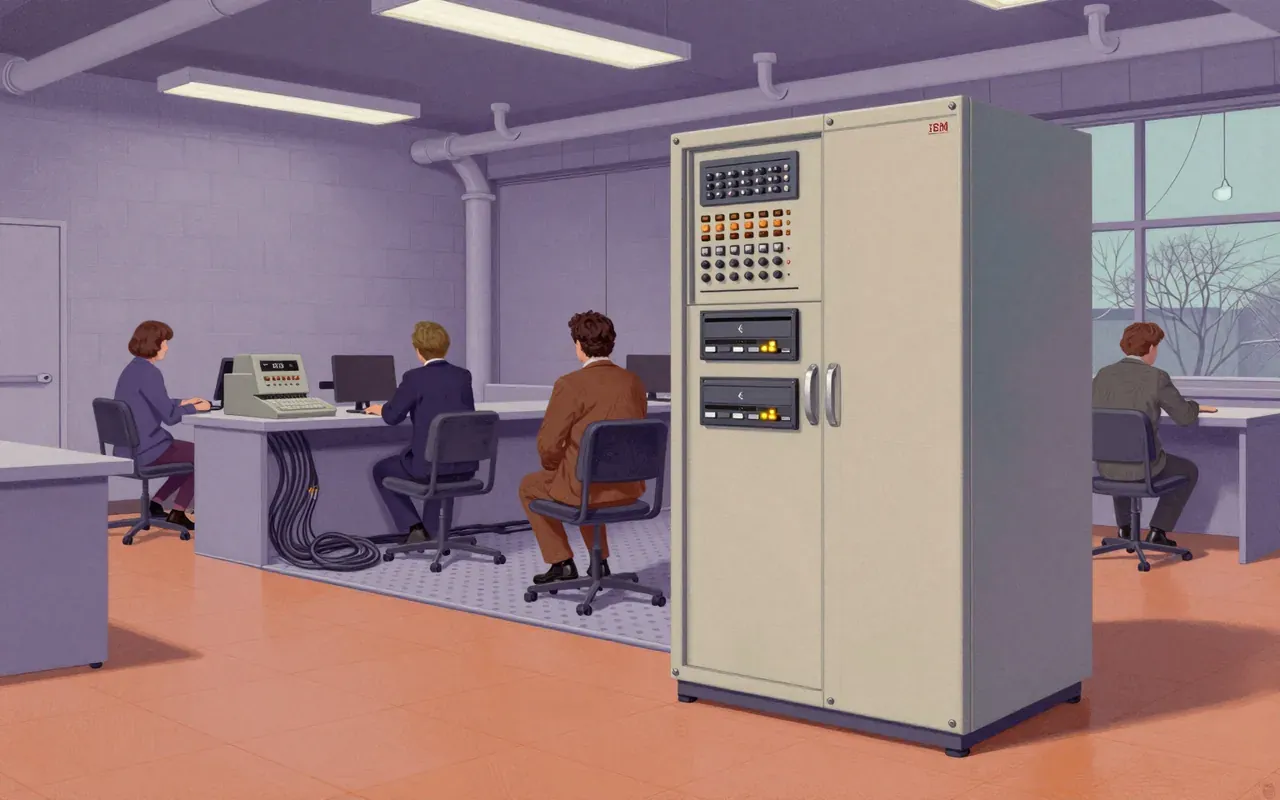
The IBM System/360 established architectural compatibility as a design principle — not a marketing claim. It delivered real portability across a wide performance range using microcode and custom transistor packaging. Its limitations — no ICs, partial model incompatibility, rare max-memory deployments — are as instructive as its successes.
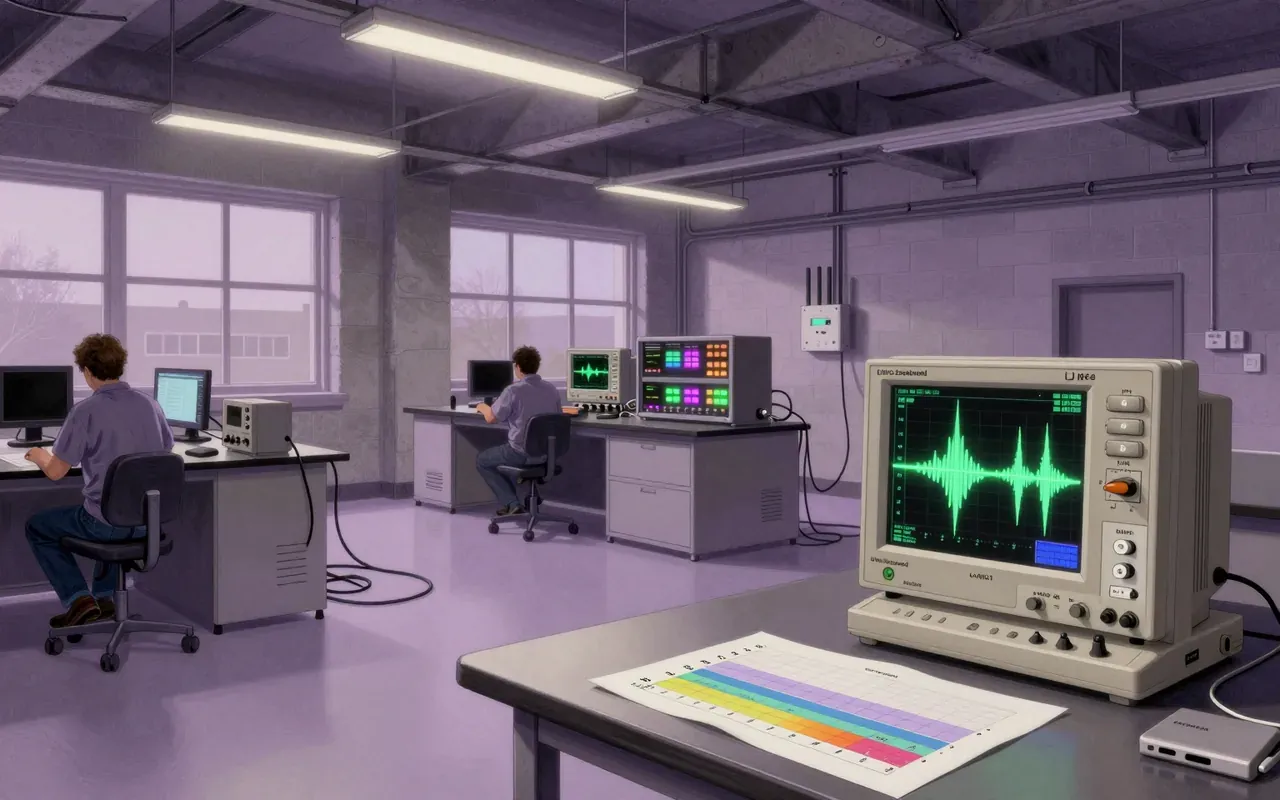
IEEE 802.11 is the foundational WLAN standard family. It defines MAC and PHY protocols for wireless local area networking. It uses CSMA/CA for channel access. It supports multiple bands and modulation schemes. It enables interoperability with Ethernet and IP. It was first released in 1997. Amendments extend functionality without replacing the base.
ImageNet is a foundational dataset infrastructure — not a model, not a tool, not a service. It succeeded by making scale measurable, not magical.
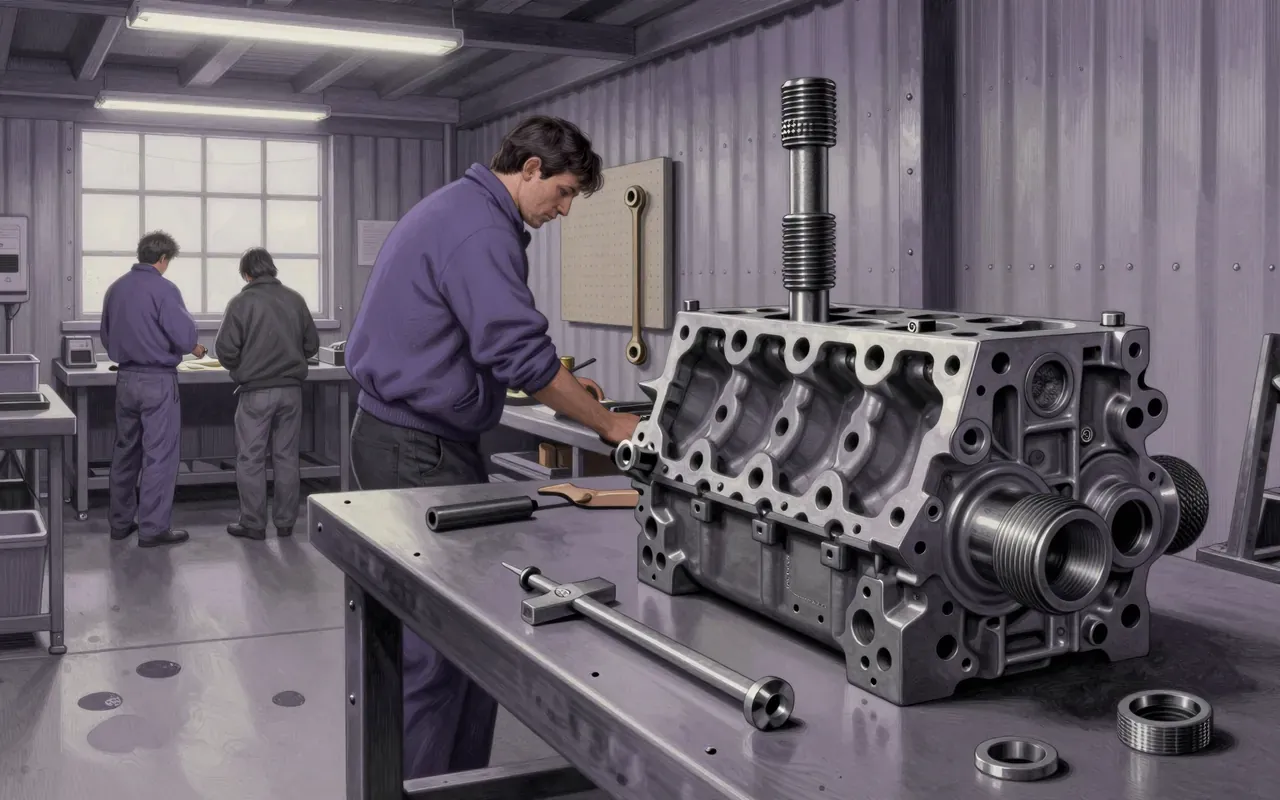
The ISO metric screw thread is a foundational hardware standard that enforces dimensional predictability across global manufacturing. Its value lies not in novelty but in binding force: once adopted, divergence carries real cost. It works where geometry matters more than brand—and fails where tolerance, material, or practice undermines its assumptions.

JavaScript is the de facto client-side language of the web — not because it was well-designed for beginners, but because it shipped fast, ran everywhere, and locked in a runtime model no site could ignore.

JSON is a syntactic constraint, not a data model. It works because it refuses to be more than a wire format — and fails wherever meaning, safety, or evolution is required.


Linux is a Unix-like kernel, not an operating system. It filled GNU’s missing-kernel gap. It works by reimplementing Unix system calls from documentation—not AT&T code. It succeeded because GPLv2 enforced openness, and because it ran on cheap x86 hardware. It failed to be a standalone OS or POSIX-compliant out of the box. It changed how software projects scale: through licence-driven collaboration, not top-down design. It is worth your time if you need control, transparency, and the ability to rebuild every layer.
Lisp is the first language to treat code as data—and the first to prove that a small set of primitives plus eval suffices for universal computation. Its cost is runtime overhead; its payoff is programmable programmability.



MIME is the foundational container syntax for internet messaging. It succeeded by being minimal, modular, and mandatory for interoperability — not by being elegant or complete.

NCSA Mosaic (1993) was the first browser to display images inline with text, submit forms, and explore collaborative annotation. Developed at NCSA by Marc Andreessen and Eric Bina, it launched in January 1993 as alpha/beta 0.5, reached version 1.0 in April, and shipped to Windows, Mac, and Amiga by October. Its blue/purple link convention and cross-platform ports catalysed explosive growth—from 50 to 10,000 websites and from 1% to 25% of internet users within a year. Collaborative annotation remained unshipped. It established the visual and functional grammar of the web—but offered no security model, no dynamic updating, and no scripting.



PNG is a specification, not a product. It is a response to legal constraint, not technical ambition. It works where it was designed to work — and fails where it was never meant to go.
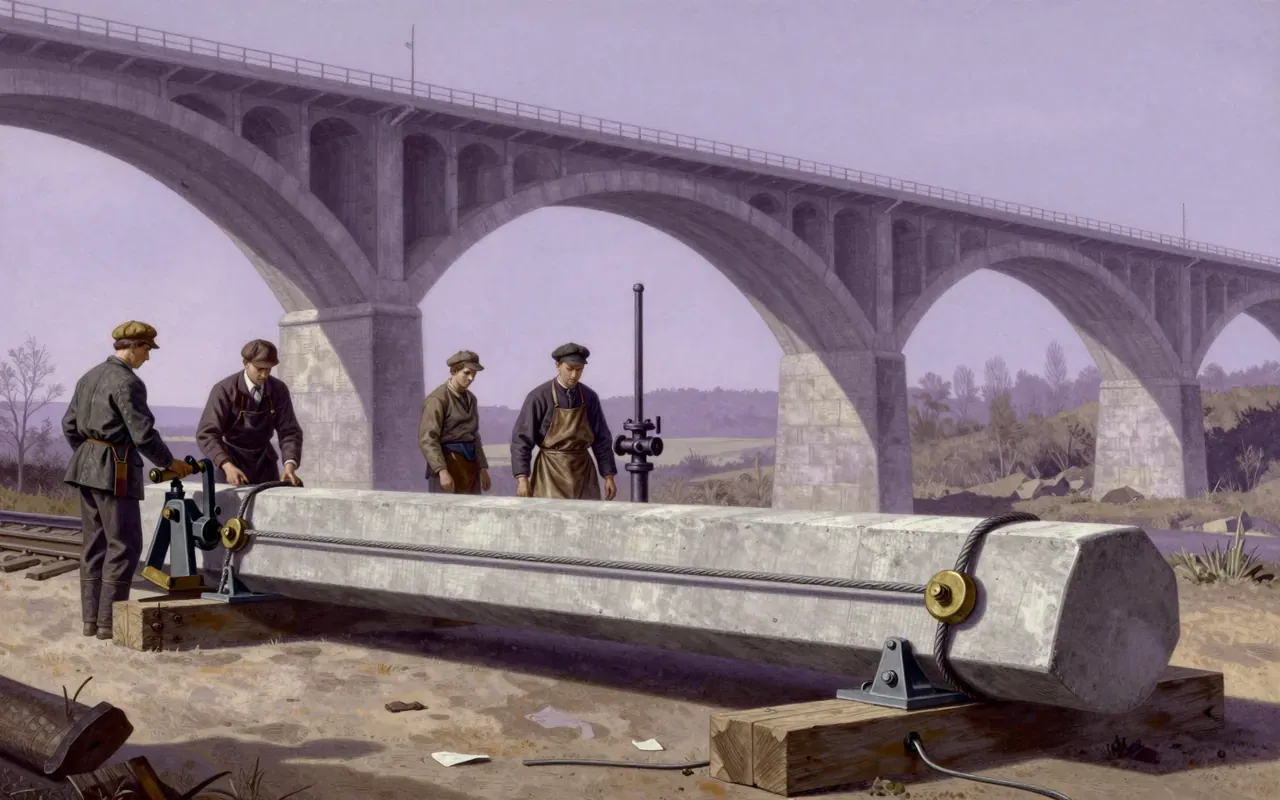
Prestressed concrete redefines concrete’s role in tension-critical structures—not by making it stronger, but by ensuring it never has to carry tension alone.

Python is a dynamically typed, whitespace-delimited programming language conceived by Guido van Rossum in December 1989 as a successor to ABC. Its first release was Python 0.9.0 in 1991. It introduced a strict visual grammar for code blocks, paired dynamic typing with reference counting and cycle detection for memory management, and codified its philosophy in PEP 20. Python 3.0 (2008) broke backward compatibility. Optional static typing arrived in 3.5. Van Rossum named it after Monty Python's Flying Circus and wrote the first interpreter as a Christmas holiday project.
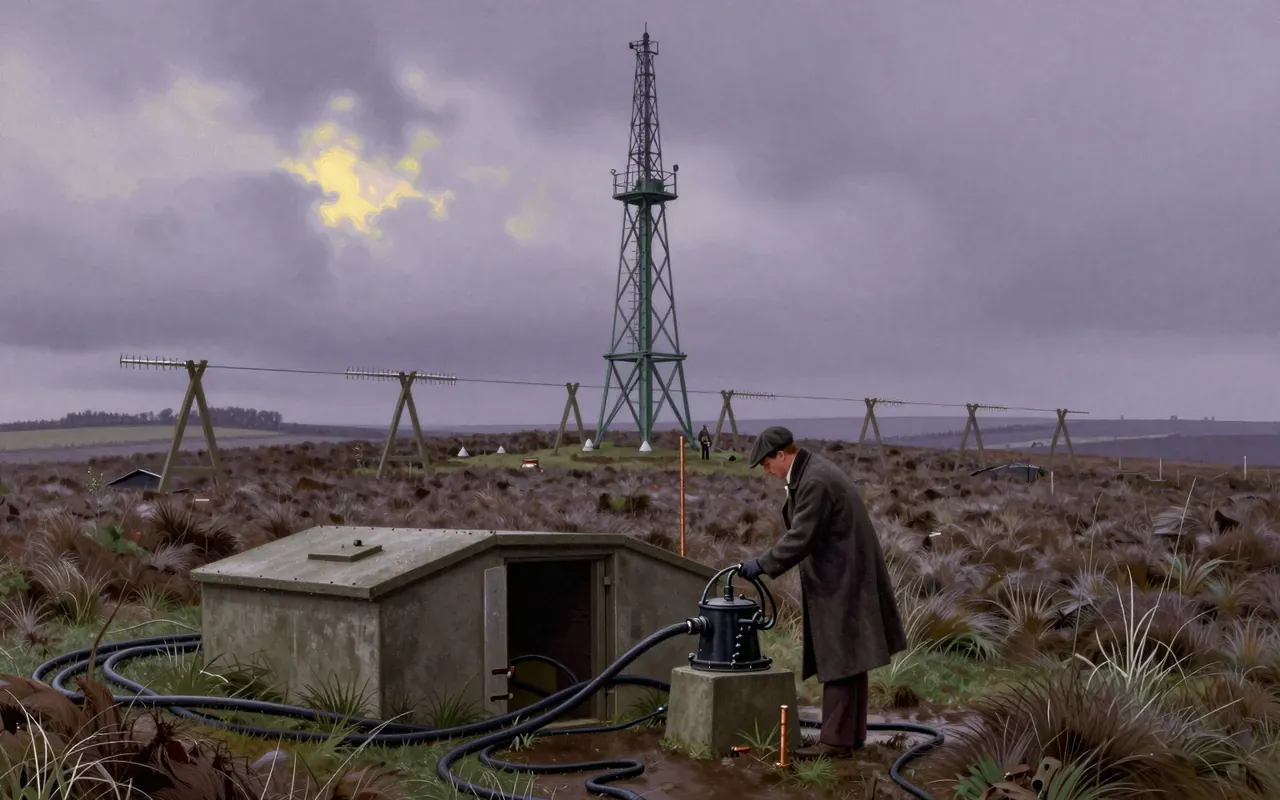
Radar is a radio reflection system for aircraft detection. It solved urgent air defence needs by replacing sound with electromagnetic sensing. Its mechanism is simple: transmit, reflect, receive, time. Its success hinged on rapid scaling — from 16 to 60 miles in months — and integration into a fixed coastal network. It fell short on low-altitude coverage, mobility, and precision tracking. It changed warfare by enabling interception over reaction. It is worth your time because it demonstrates how repurposing existing tools under constraint yields decisive capability — not through invention ex nihilo, but through disciplined redirection.


RSA is the first publicly described, usable public-key cryptosystem. It works by exploiting the asymmetry between modular exponentiation and root extraction modulo a composite number whose factorisation is secret. Its security depends on factoring difficulty—but that dependence is not proven equivalent. No published attack breaks it with large keys. It changed cryptography by enabling open protocols, trustless key exchange, and standardised role names like Alice and Bob.

Rust delivers provable memory and thread safety through compile-time ownership and borrowing rules—not runtime enforcement. It works where it is applied strictly, fails where those rules are bypassed or ignored, and demands upfront investment in reasoning over runtime convenience. Its success lies not in eliminating trade-offs, but in making them explicit, auditable, and unignorable.

The standard-gauge railway is a deliberate, legislated solution to fragmentation — not an inevitable outcome of engineering progress.


The Wright brothers solved the flying problem by inventing a three-axis control system—not an engine or airframe—but their patent, glider, and first flight all hinge on one insight: without reliable pilot control, powered flight is impossible.

The Benz Patent-Motorwagen is the first gasoline-powered automobile built in series and proven in extended real-world use. Its mechanism—four-stroke engine, belt-and-chain drive, evaporative cooling—was functional but limited. Its breakthrough was not theoretical elegance but empirical validation: Bertha Benz’s 1888 journey forced immediate, field-driven improvements. It changed nothing overnight—but it created the first reproducible template for what a car could be: a product, not a demonstration.
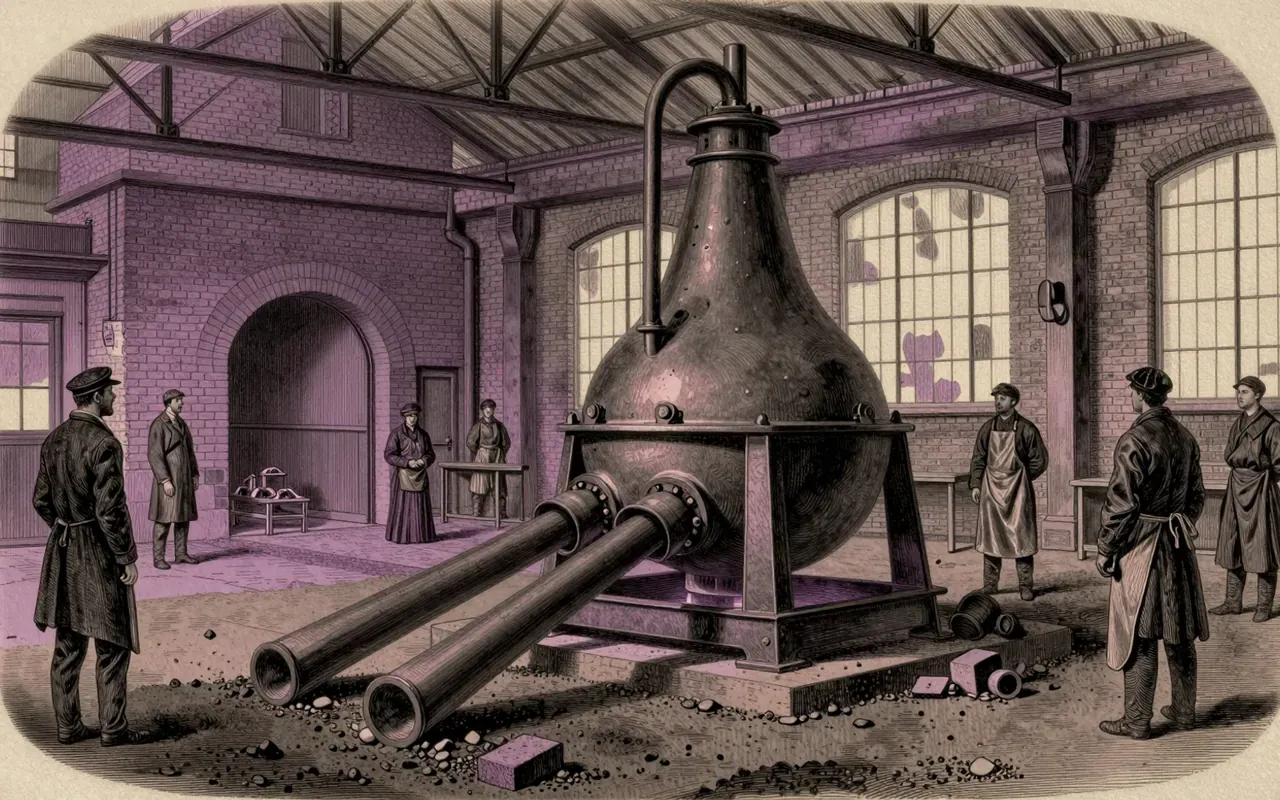
The Bessemer process is the first industrial method to mass-produce steel cheaply — by blowing air through molten pig iron to oxidise impurities, especially carbon. It works by self-heating oxidation, cuts batch time from a day to under 20 minutes, and forces deliberate carbon readdition. It fails to deliver finished steel in one step and cannot treat phosphorus-rich iron without later refinement. It changed structural engineering by enabling steel’s substitution for cast and wrought iron. It remains foundational — not because it endures, but because it proved scalable metallurgical control was possible.



The Corliss steam engine is a mechanically elegant solution to stationary steam inefficiency—no more, no less.
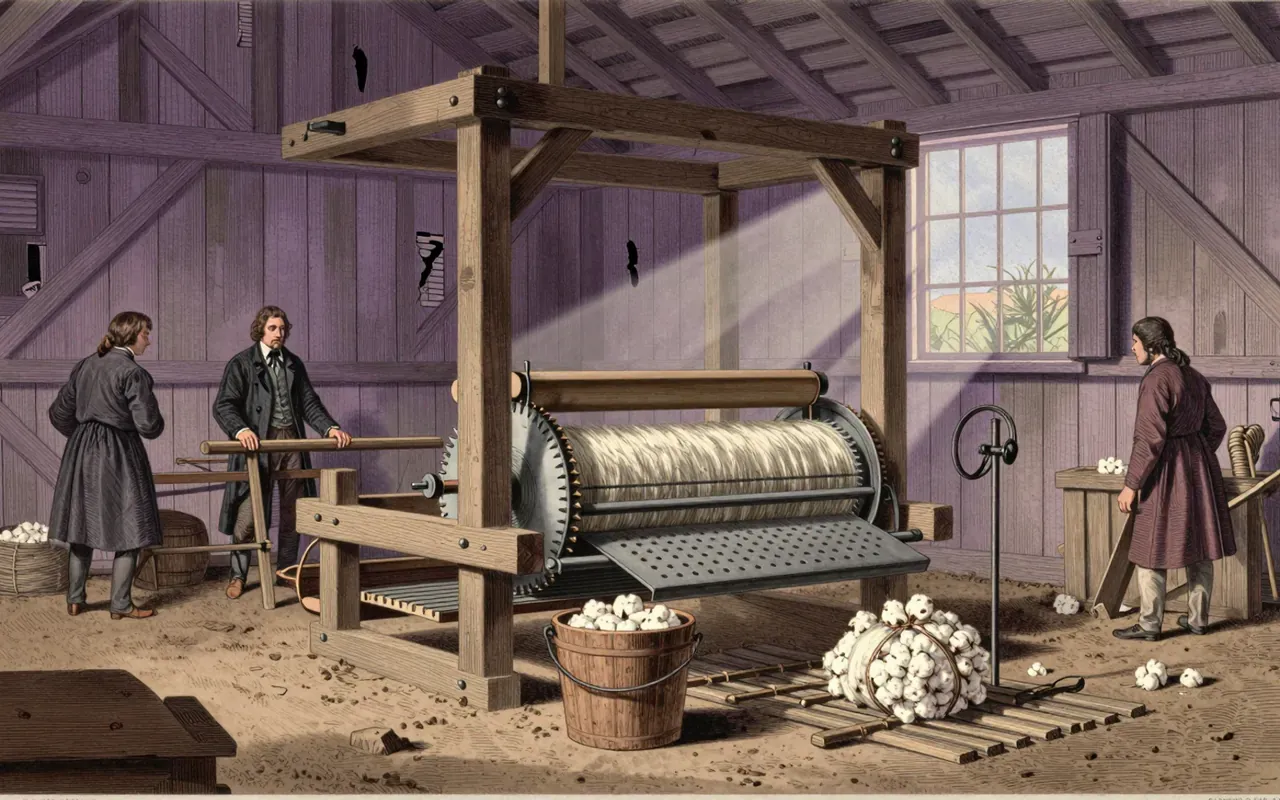
The cotton gin is a mechanical seed-removal device invented by Eli Whitney in 1793. It uses wire hooks on a rotating drum to pull cotton fibres through narrow ginning ribs, while a second rotating brush cylinder clears lint to prevent jams. It increased daily lint output from one pound (manual) to 50–55 pounds. This made cotton farming highly profitable, expanded U.S. cotton production, and catalysed a surge in exports—from under 500,000 pounds in 1793 to 93 million pounds by 1810. But it did not reduce overall labour demand. Instead, it shifted the bottleneck to field harvesting, intensifying reliance on enslaved people to pick cotton by hand. Its patent was granted in 1794 but not validated until 1807.

The crumple zone is a hardware solution that redefined automotive safety by separating function across the car body: rigid for survival, deformable for energy absorption. It works. It spread. It remains indispensable.


The AED is not one invention but three: Beck’s 1947 surgical intervention, Pantridge’s 1957 portable ambulance unit, and the Heart-Aid’s late-1970s public automation. Only the last meets the definition of 'automated external'. Its mechanism—real-time ECG analysis, voice-guided operation, and rhythm-dependent shock delivery—removes interpretation from the user. But it only works if pads are correctly placed and the patient is untouched during analysis. It does not diagnose other rhythms. It does not treat asystole or PEA. Its value lies in speed, not intelligence.
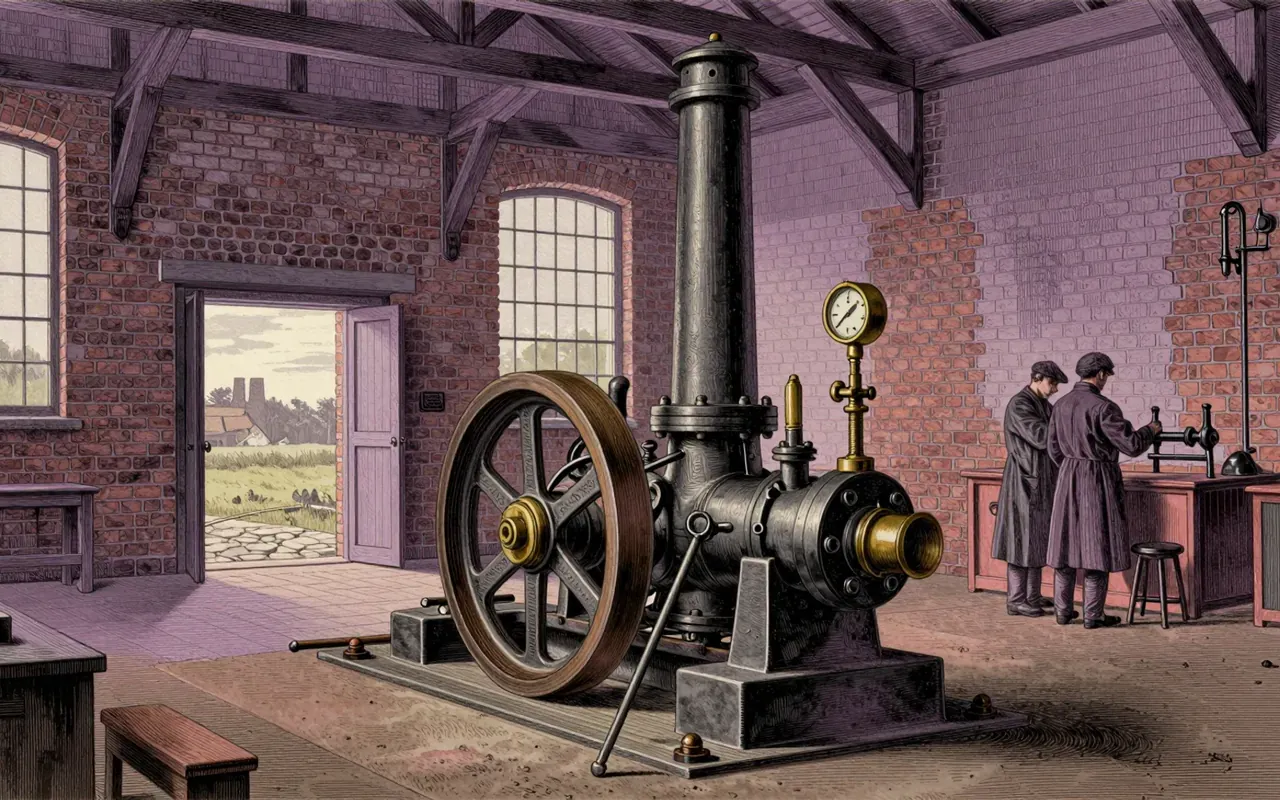
The diesel engine is a compression-ignition internal combustion engine that replaces spark-based ignition with heat from air compression. It solves the low efficiency of steam engines by achieving 26.2% effective efficiency by 1897 — 75% above steam’s 10% theoretical limit. Its core mechanism works: air compression alone ignites fuel. But its original isothermal-cycle theory failed — abandoned after criticism revealed it demanded physically impossible compression ratios. Diesel corrected to a constant-pressure cycle by June 1893, filed two patents, published a treatise, and proved the concept with petrol ignition on 10 August 1893. The first successful engine, Motor 250/400, was tested in 1897. It changes energy conversion by establishing compression ignition as a scalable, high-efficiency alternative — but only after discarding its founding premise. Worth your time if you work on thermodynamics, engine design, or historical technology development.


ECC is a public-key method based on elliptic curves over finite fields. Proposed independently by Koblitz and Miller in 1985. Delivers equivalent security to RSA and ElGamal with smaller keys. Security rests on the hardness of the elliptic curve discrete logarithm problem — specifically, recovering scalar k from points P and Q = kP — and on efficient yet irreversible point multiplication for appropriate parameters.
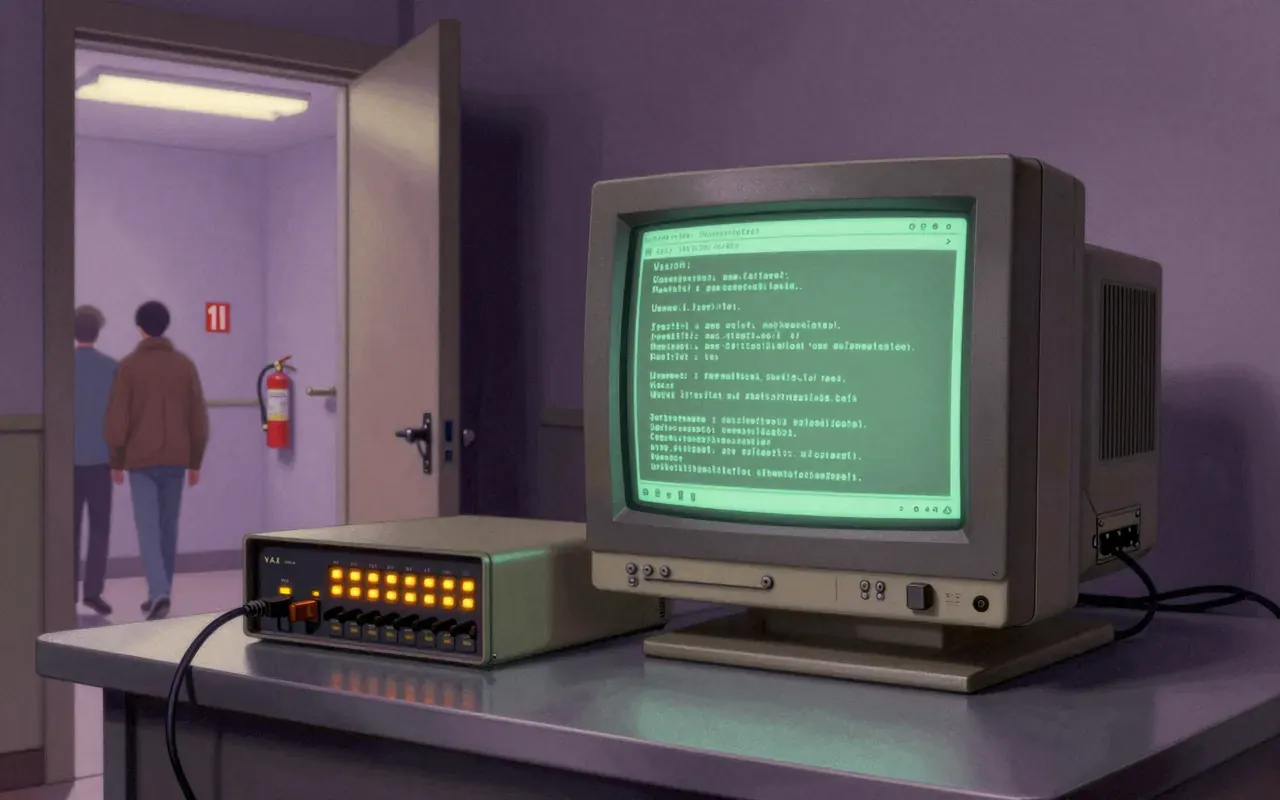
The GNU Manifesto is not code. It is a deliberate, public, repeatable act of movement-building—written to recruit, not just explain.
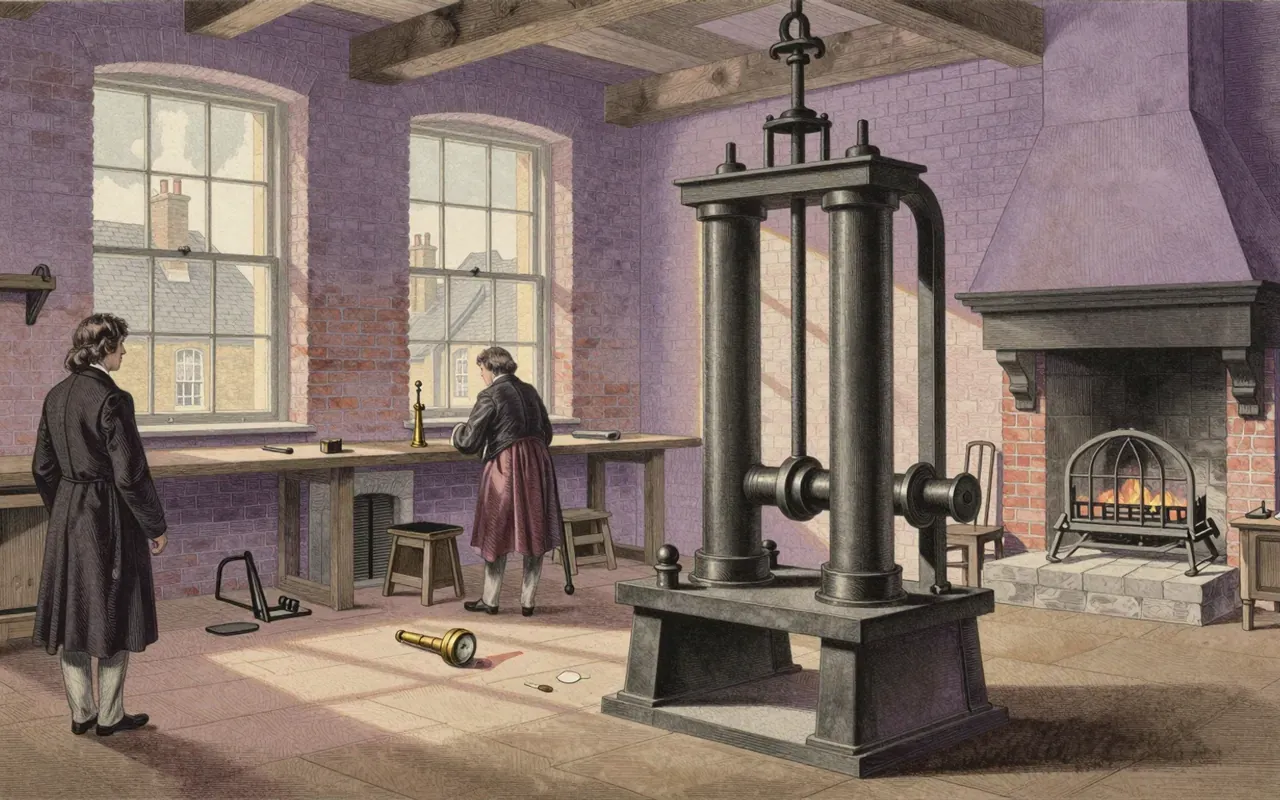
The hydraulic press is a force-amplifying apparatus built on Pascal’s principle. Bramah patented it in 1795. It works. It scales. It leaks. It endures.

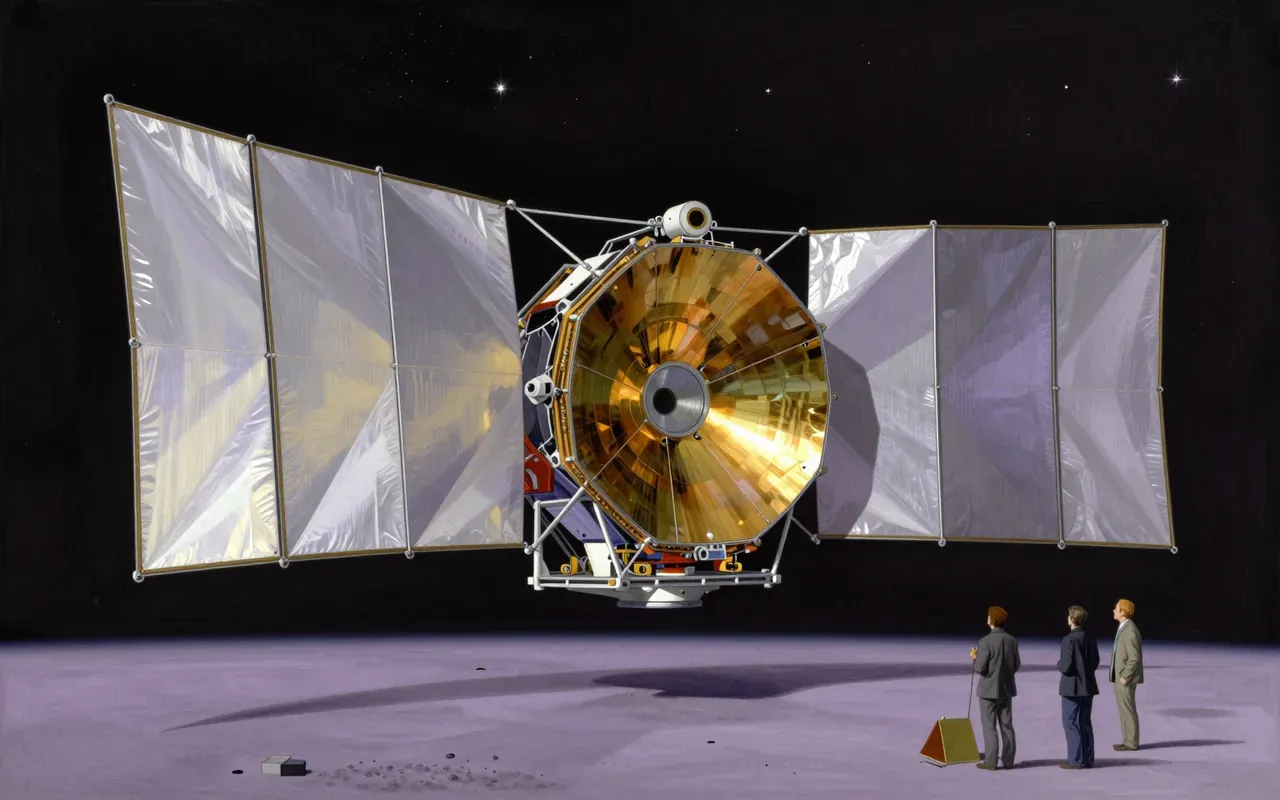

Theodore Maiman’s 1960 laser is a milestone in quantum electronics—not because it launched applications, but because it proved coherence could be engineered in a solid, at room temperature, using flashlamp excitation. Its limitations are structural: three-level pumping demands high peak power and prevents continuous operation. Its success lies in specificity: 694 nm, pulsed, ruby, May 16, Malibu.

The Linotype machine is a hot metal line-casting system invented by Ottmar Mergenthaler and first commercially installed in July 1886 at the New York Tribune. It assembles matrices into lines and casts them as single slugs of type metal, returning matrices for reuse. It delivered three to five times faster composition than hand-setting and was immediately deployed on both daily newsprint and book production — beginning with The Tribune Book of Open-Air Sports. It did not eliminate metal handling, support proportional spacing, or function outside hot metal infrastructure. Its value lies in its immediate, measurable acceleration of mechanical typesetting — not in conceptual novelty or long-term inevitability.

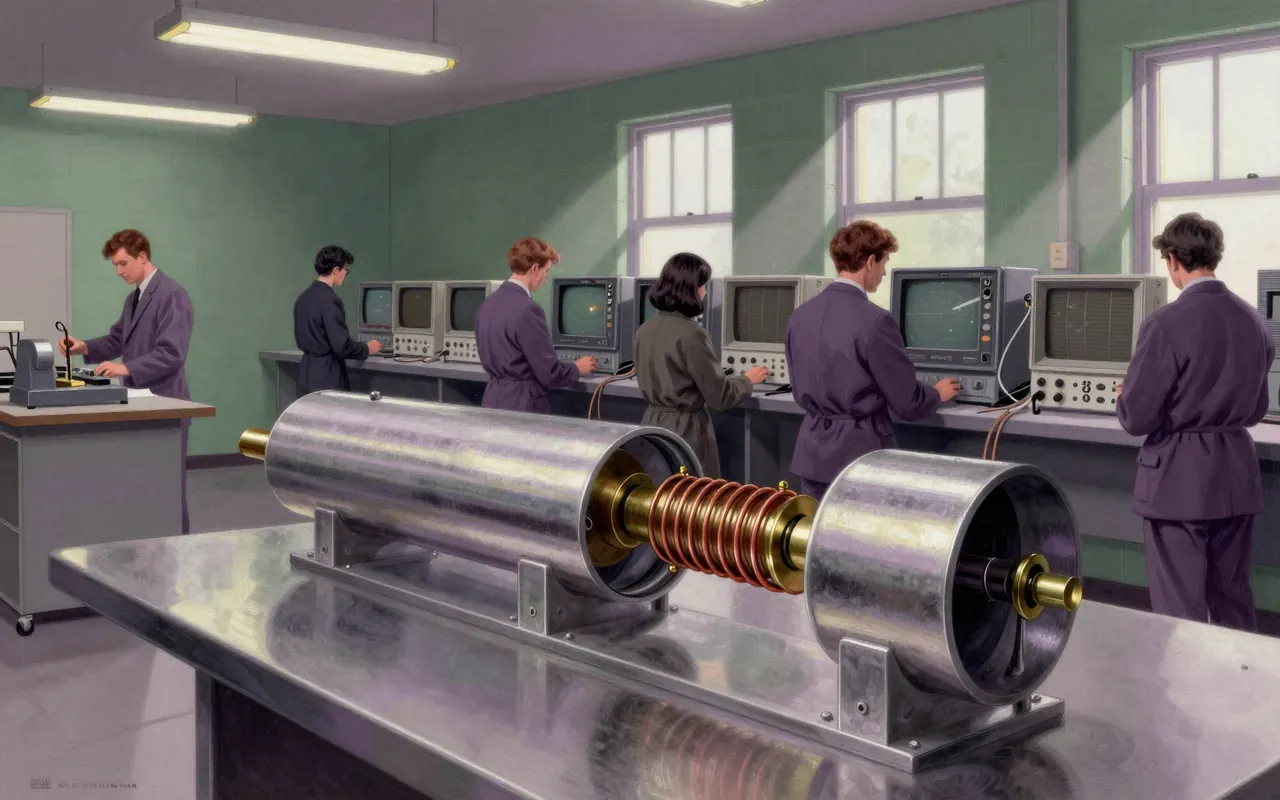
Gauss’s 1833 magnetometer established absolute measurement of Earth’s magnetic field strength using oscillation frequency differences — a tenfold precision gain over predecessors. It was the first instrument to derive a non-mechanical quantity from mechanical fundamentals. It did not measure direction or local variation; it required stable conditions and assumed ideal magnetic and torsional behaviour. Its legacy is metrological, not operational.






The Beckman pH meter is the first patented, commercially successful electronic instrument for measuring pH. It solved a specific industrial problem — Sunkist’s inability to track acidity during citric acid production due to sulfur dioxide interference — by amplifying fragile glass electrode signals via vacuum-tube circuitry. It worked reliably enough to displace bench-scale setups, generate $60,000 in sales by 1936, and establish the template for electronic chemical instrumentation. It did not solve electrode drift, temperature error, or field durability — those came later. Its value lies not in universality, but in proving that electronic amplification could make previously unmeasurable chemistry quantifiable in real-world conditions.

Eastman did not invent photography. He invented the first scalable, separable, service-integrated imaging system — and made it flammable, proprietary, and profitable.