technologybriefs
Highest rated

All briefs

620 briefs · 6210 min · 193–288 on page 3 of 7
9:58

Rotary printing press

Richard March Hoe

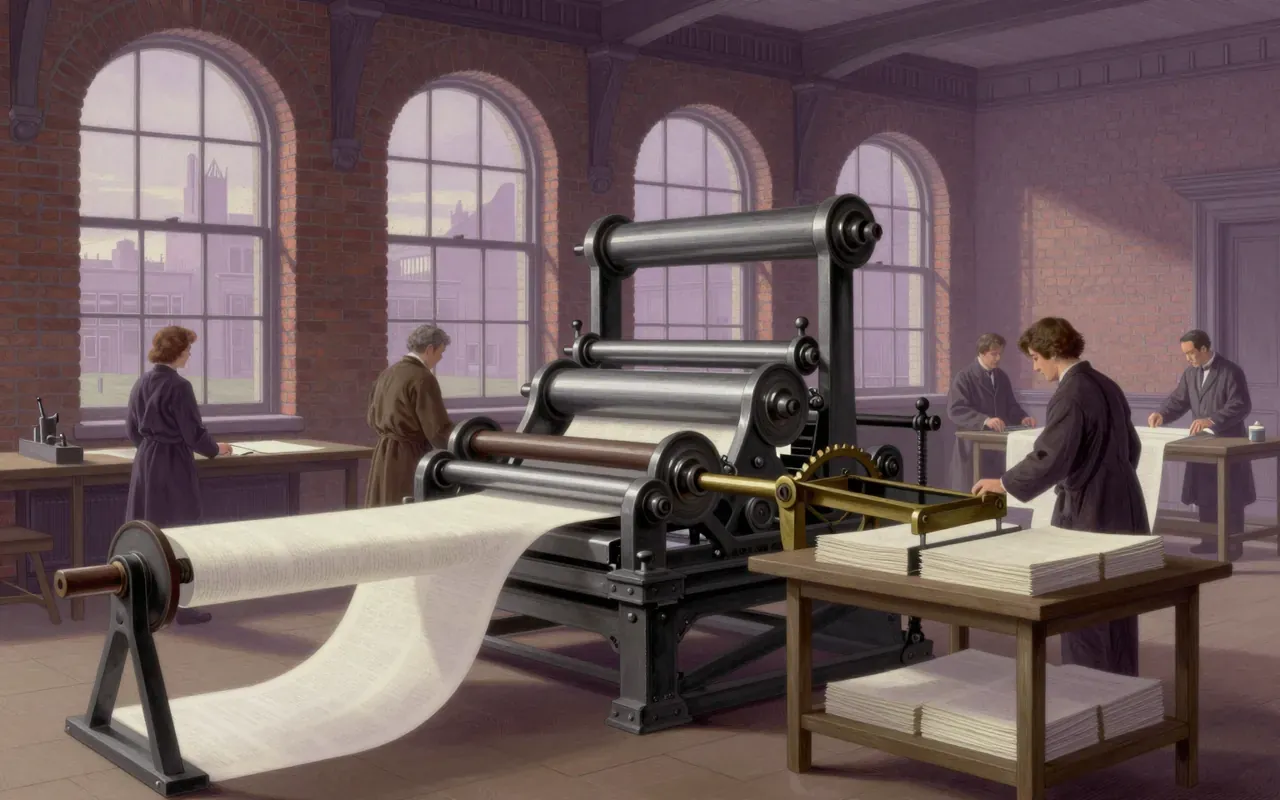
The rotary printing press solved the bottleneck of flatbed impression speed by rotating type cylinders against a fixed platform. It worked because rotation enabled stable, repeatable contact at scale. Its 1846 form was deployable; its 1870 web perfecting variant automated cutting and folding at 18,000 papers/hour. It did not eliminate manual feeding until the 1870 version. It changed publishing by making daily mass print economically viable. It matters for anyone studying how mechanical standardisation enables information scale.


9:43

Roundabout

The roundabout isn’t clever design—it’s enforced yielding, standardised in 1966, and it works only because drivers obey a single, unambiguous rule.
9:04

Safety bicycle

John Kemp Starley

The safety bicycle solved the penny-farthing’s fatal instability by lowering the rider, equalising wheel size, and moving power to the rear wheel via chain. Starley’s 1885 Rover succeeded not because it was first, but because it combined rear-chain drive, direct steering, and balanced geometry — while most contemporaries still used front drives or indirect steering. It made cycling broadly usable, but only after overcoming real mechanical and ergonomic trade-offs.

10:34

Servomechanism

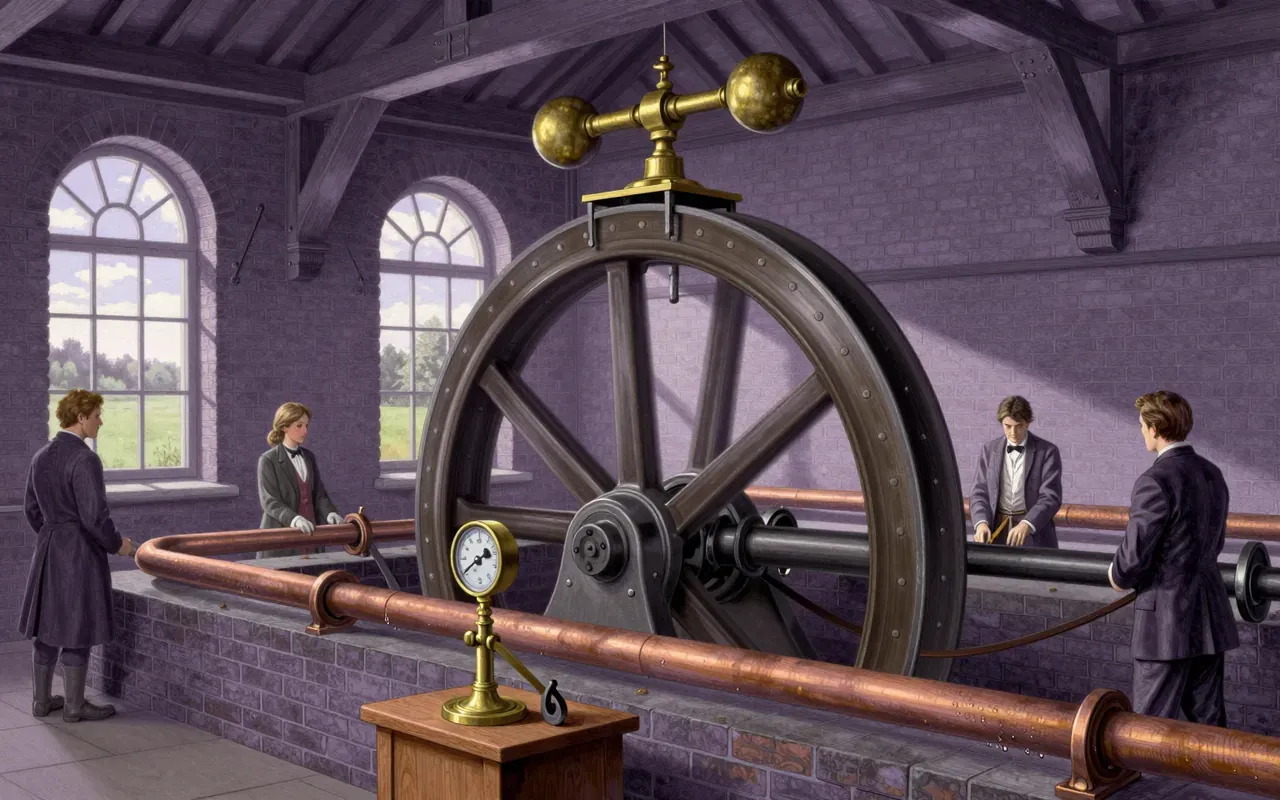
Feedback didn’t begin with computers — it began with levers, weights and ships that steered themselves.
10:14

Smartphone

It is not a phone that computes—it is a computer that phones, and that asymmetry defines every trade-off.
11:08

Solvay process

Ernest Solvay

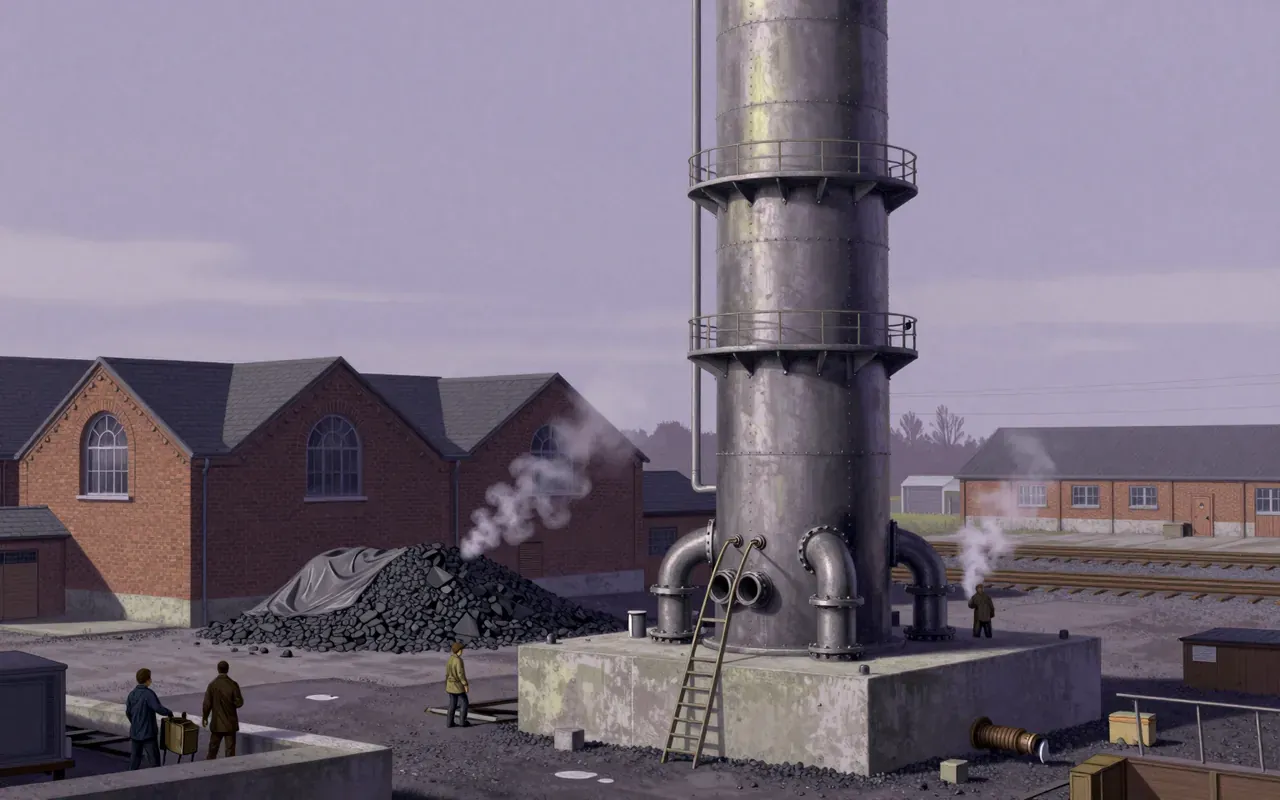
The Solvay process is the first industrially viable closed-loop chemical synthesis using a recoverable mediator. It works by exploiting ammonia’s solubility-shuttling effect to precipitate sodium bicarbonate from brine and CO₂—then thermally decomposing the solid to yield soda ash while reclaiming ammonia. It succeeded because it reduced raw material cost, eliminated major Leblanc pollutants, and scaled reliably in a purpose-built tower. It fell short in ammonia leakage, energy intensity of lime kilns, and dependence on precise brine purity. It changed bulk chemical manufacturing by proving that catalytic mediation could be engineered—not just observed. Worth your time if you design, regulate, or teach process systems.

11:55

DU spectrophotometer

Arnold Beckman · 1941

The DU spectrophotometer was not a leap in physics — it was a consolidation of optics, electronics, and procedure into one certified, usable tool. It replaced artisanal interpretation with repeatable numbers. Its value lies in enforced standardisation, not novelty.

9:09

Steam turbine

Charles Parsons · 1884

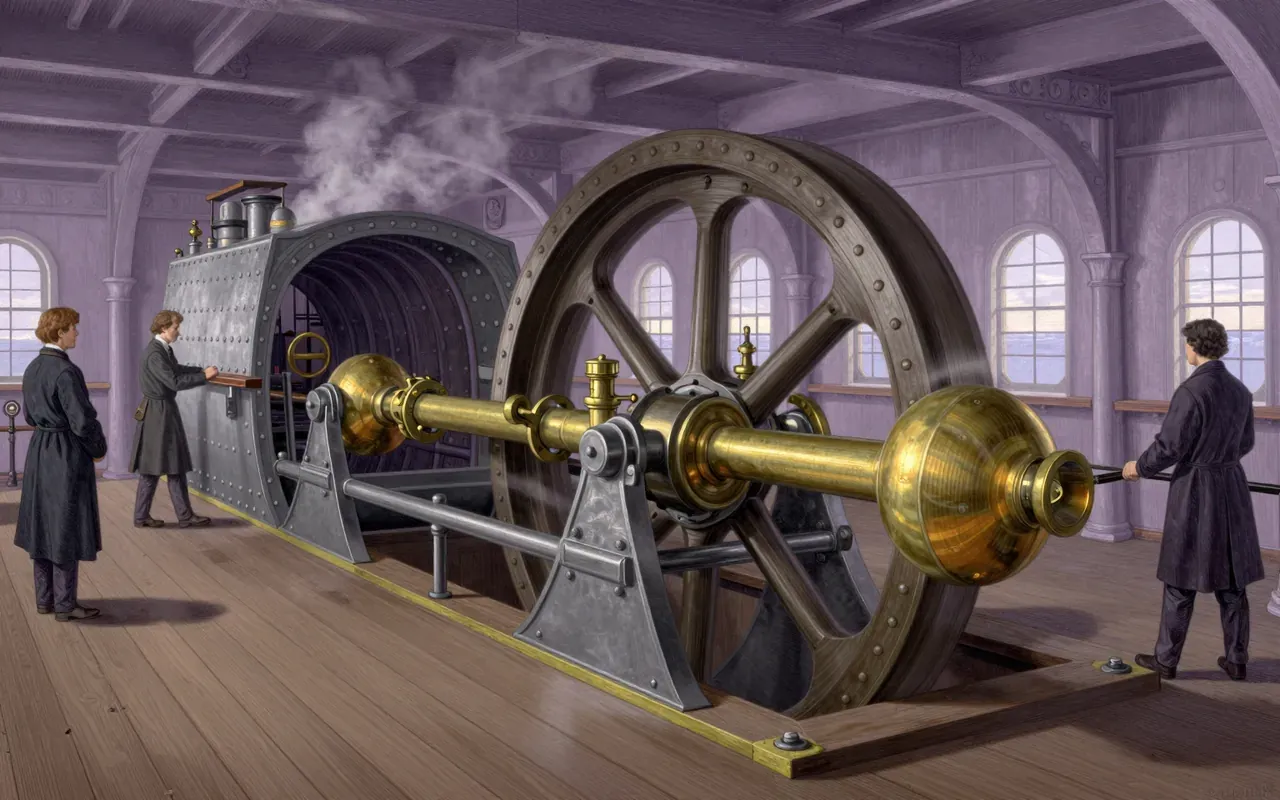
The steam turbine was not an incremental upgrade. It was a new mechanical paradigm: reaction-based, inherently scalable, and immediately deployable for electricity and propulsion. Its success came from eliminating reciprocating inertia, enabling higher speeds, smoother operation, and orders-of-magnitude growth in unit size. It delivered what it promised—cheap electricity and naval transformation—without hedging or delay.
10:53

Strain gauge

Edward E. Simmons and Arthur C. Ruge

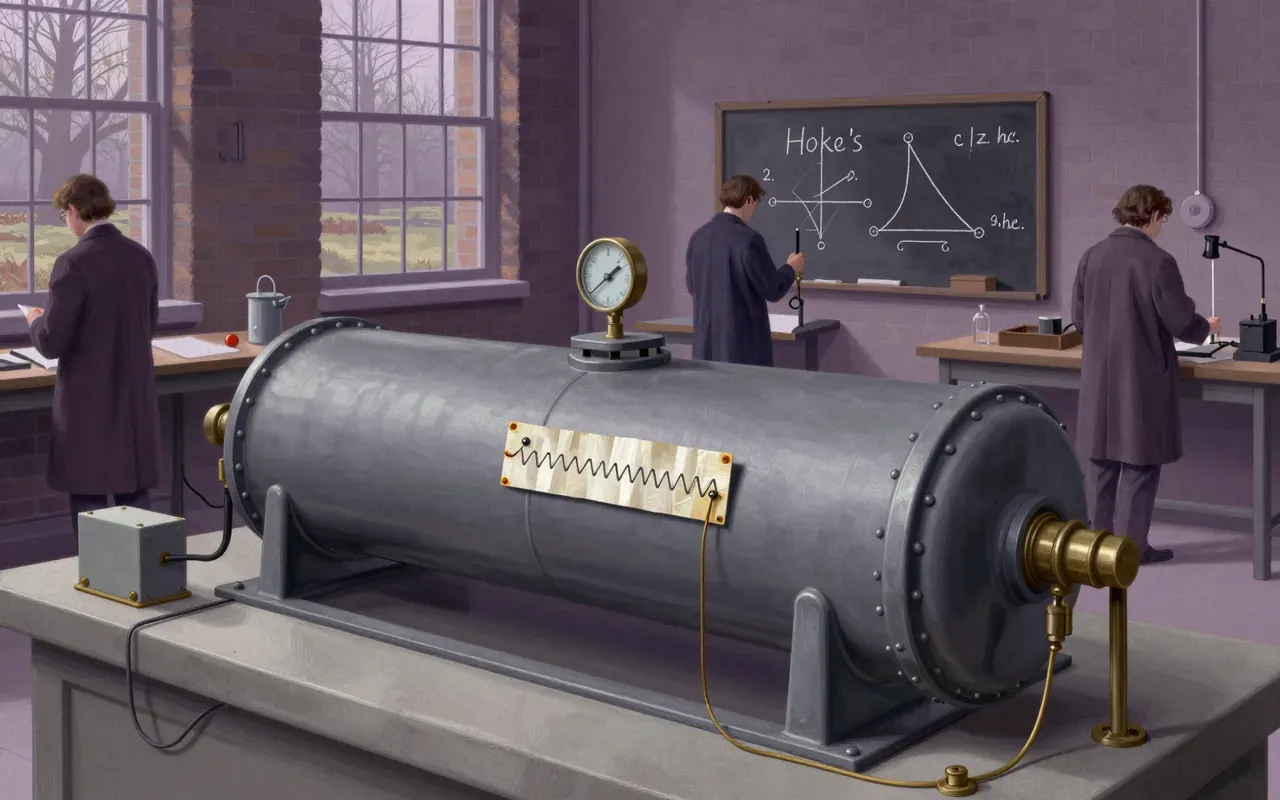
The strain gauge is a bonded metallic foil sensor that translates mechanical strain into resistance change via conductor geometry. Invented independently in 1938 by Simmons (for shock-load metallurgy) and Ruge (for seismological water tank modelling), it solved measurement gaps where optical methods failed. It works reliably within elastic limits—but fails without precise adhesion or thermal control. Its legacy is not novelty but adoption: it became the standard interface between force and electronics because it was simple, scalable, and grounded in first principles—not hype.

10:26

Thermal imaging camera

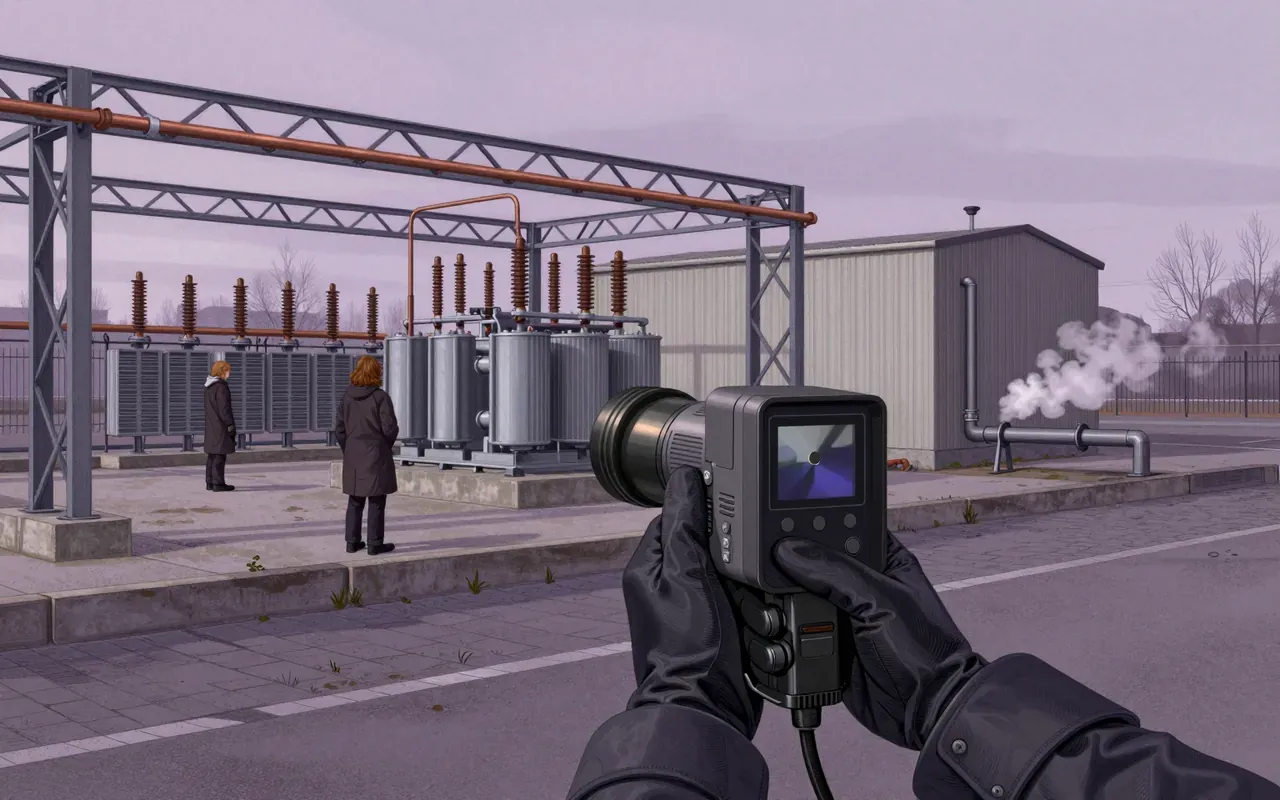
Thermal imaging doesn’t see through walls—it sees heat where eyes fail, and that narrow trick saves lives and money on its own terms.
9:54

Thermometer

Temperature wasn’t measured until someone decided it could be numbered — and that decision took 100 years, three failed designs, and one mercury breakthrough.
12:01

Tunnel boring machine

James Henry Greathead · 1846

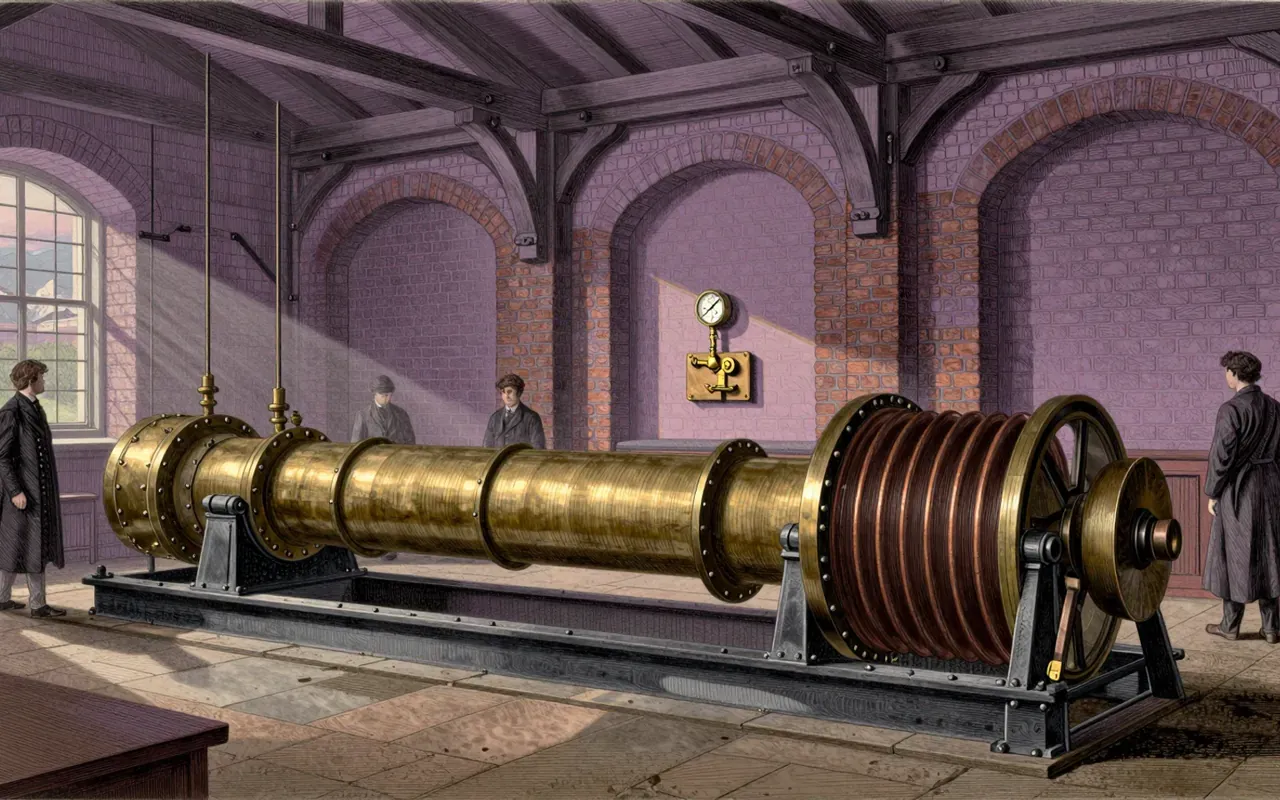
Greathead’s shield was not a tunnel boring machine in the modern sense — it did not rotate cutters or automate excavation. It was a pressurised, jacked, lined, and grouted soft-ground tunnelling system. It succeeded where earlier shields failed because it managed water, pressure, and ground movement as an integrated mechanism — not a collection of parts.

9:22

Unix shell

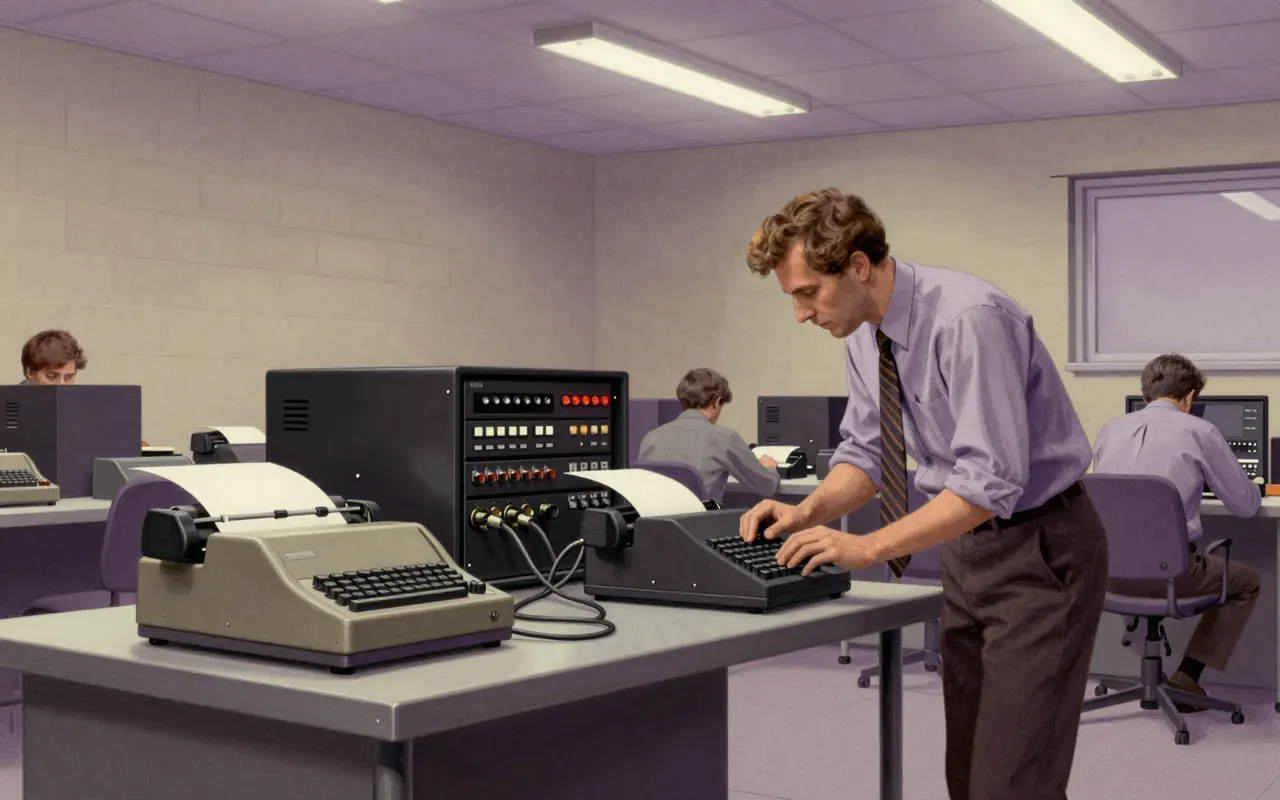
The Unix shell isn’t a tool—it’s the first operating system that lets you write the OS while using it.
9:24

Ventilator

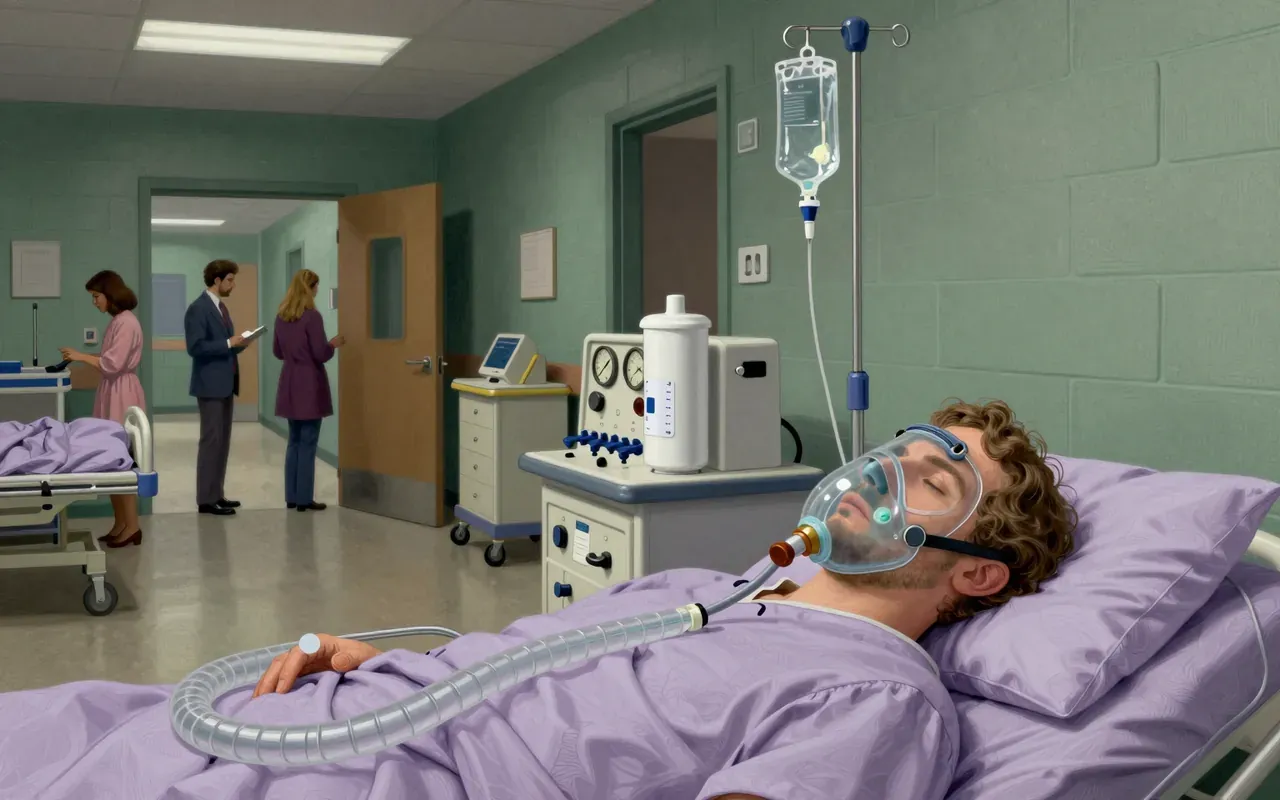
Ventilators don’t breathe for patients—they delegate breath to machines that must never misfire.
10:02

Wheel

The wheel did not invent transport — it relocated friction, and nothing since has undone that bargain.
10:32

World Wide Web

Tim Berners-Lee · 1989

The World Wide Web solved CERN’s internal document chaos by replacing rigid hierarchies and keyword tagging with decentralised, cross-computer hyperlinks. It shipped as a working stack—browser, server, HTTP, HTML, URLs—by December 1990. It assumed voluntary adoption, required no central authority, and offered no search or persistence. Its 1993 royalty-free release enabled scale—but not control.

9:52

X-ray tube

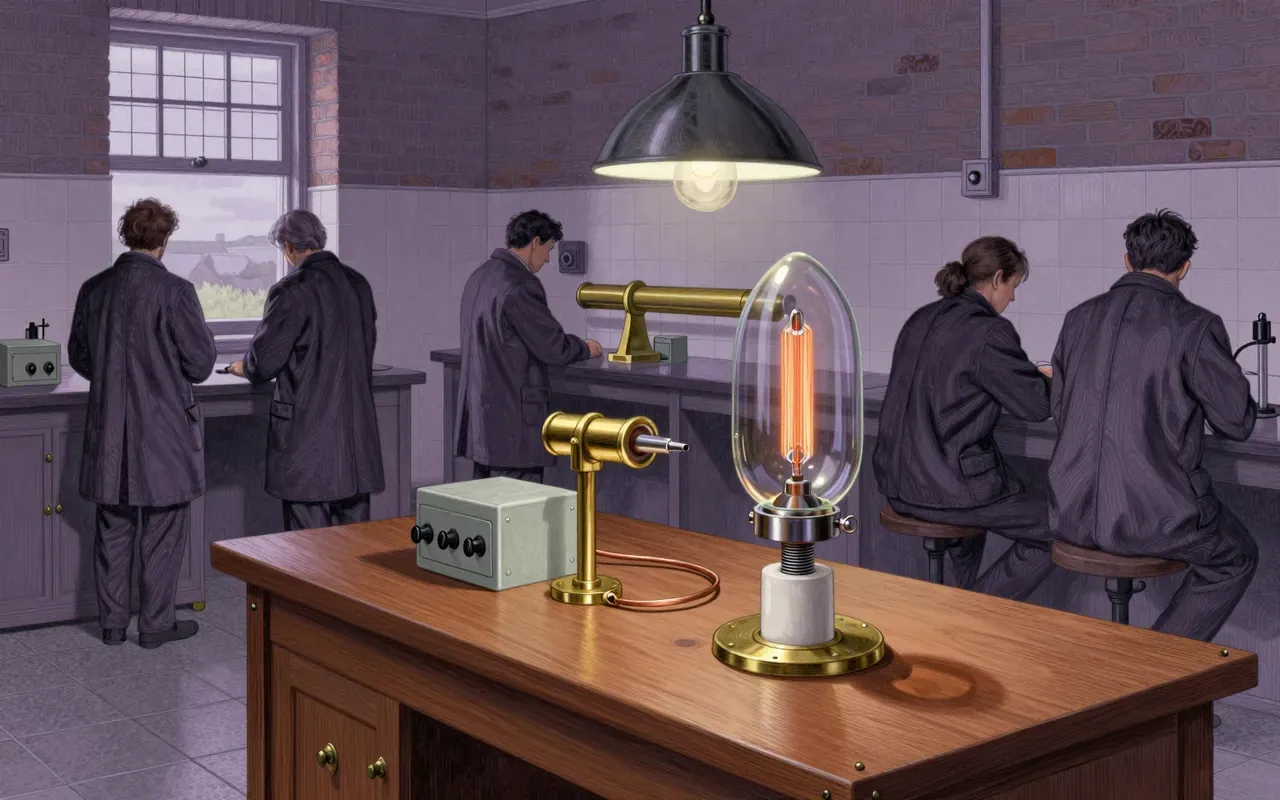
The X-ray tube did not make radiography possible — it made radiography *practically usable*.
10:25

Unicode

Unicode doesn’t unify language—it unifies the numbering system so machines can stop guessing what a byte means.
9:41

Unix

Dennis Ritchie and Ken Thompson · 1969

Unix is the first operating system whose portability was achieved by rewriting it in a high-level language still under construction—and whose influence stems not from completeness, but from what it omitted, deferred, or forced developers to build themselves.

10:39

USB

USB didn’t unify computing—it outsourced the mess to software and made compatibility a moving target.
8:44

Personal computer

A personal computer is a computer designed for personal use and operated directly by its user, rather than shared through time-sharing on a mainframe or minicomputer.
9:10

Thunderbolt

Thunderbolt is a hardware interface, developed by Intel with Apple, that carries PCI Express, DisplayPort and power over a single cable to connect external peripherals to a computer.
10:27

AirPods

Apple · 2016

AirPods are Apple-designed wireless Bluetooth earbuds announced 7 September 2016 and launched 20 December 2016. They use optical sensors and accelerometers to detect ear placement and pause audio automatically. A proprietary W1 SoC chip enables efficient Bluetooth 4.2 audio and battery management. Full feature support requires iOS 10, macOS Sierra or watchOS 3 or later. On non-Apple devices, they function only as standard Bluetooth headphones. Within two years, they became Apple’s most popular accessory.

9:20

Chiplet

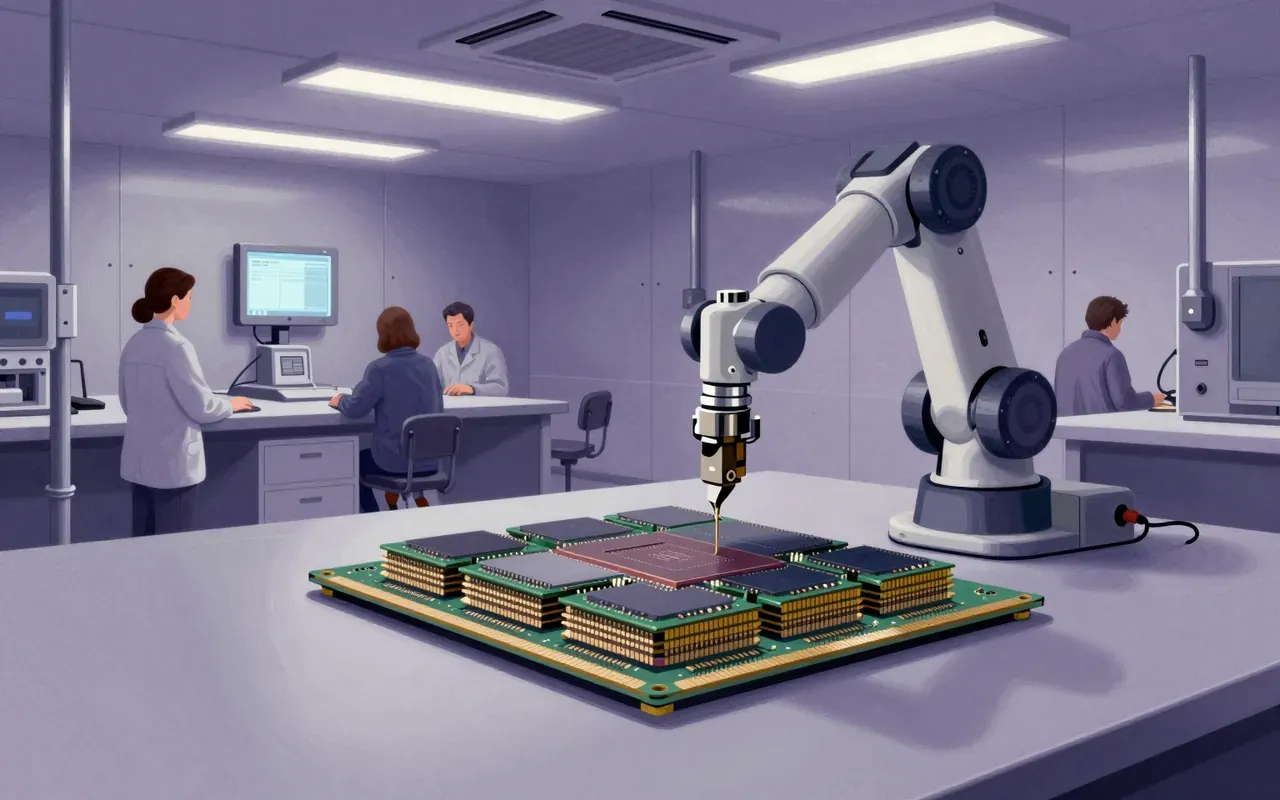
Chiplets don’t replace Moore’s Law—they bypass it with Lego logic and yield math.
9:20

Cloudflare

Cloudflare doesn’t secure the internet—it outsources security to the edge, where lava lamps stand in for trust.
9:10

Fused filament fabrication

Crump

Fused filament fabrication is fused deposition modeling repackaged: same thermoplastic extrusion mechanism, same 1988 origin, same patent. RepRap renamed it to escape Stratasys’ trademark. Its real impact arrived only after the 2009 patent expiry enabled open hardware development. It delivers functional prototypes—not precision parts. It trades repeatability for accessibility.

10:07

GPS signals

United States Department of Defense

GPS signals are a U.S. Department of Defense standard defining CDMA-based ranging signals and structured navigation messages. They enable position and time determination—but only if receivers correctly decode Gold codes, resolve millisecond ambiguities, and parse ephemeris data. The standard delivers what it promises: signal formats. It does not deliver accuracy, reliability, or resilience.

10:01

Hybrid seed

Donald F. Jones

Hybrid seed is a deliberate reproductive system—not a discovery, but an industrial workaround. It locks heterosis into a commercial cycle: high yield in year one, zero reliability in year two. Jones’ double-cross method made it viable. But the mechanism demands constant parental line upkeep, excludes farmer autonomy, and treats genetic diversity as a cost—not a resource.

9:53

Ion thruster

Ion thrusters don’t move rockets—they move mission architecture.
10:21

Magnetic tape

Fritz Pfleumer

Magnetic tape is a plastic-backed iron-oxide medium for analog sound recording. It solved portability and repeatability in audio capture—replacing wire—but required mechanical precision, careful handling, and post-war reverse-engineering to spread. Its value lies not in fidelity alone, but in making recorded sound a transportable, storable, and re-broadcastable commodity.

9:19

Military robot

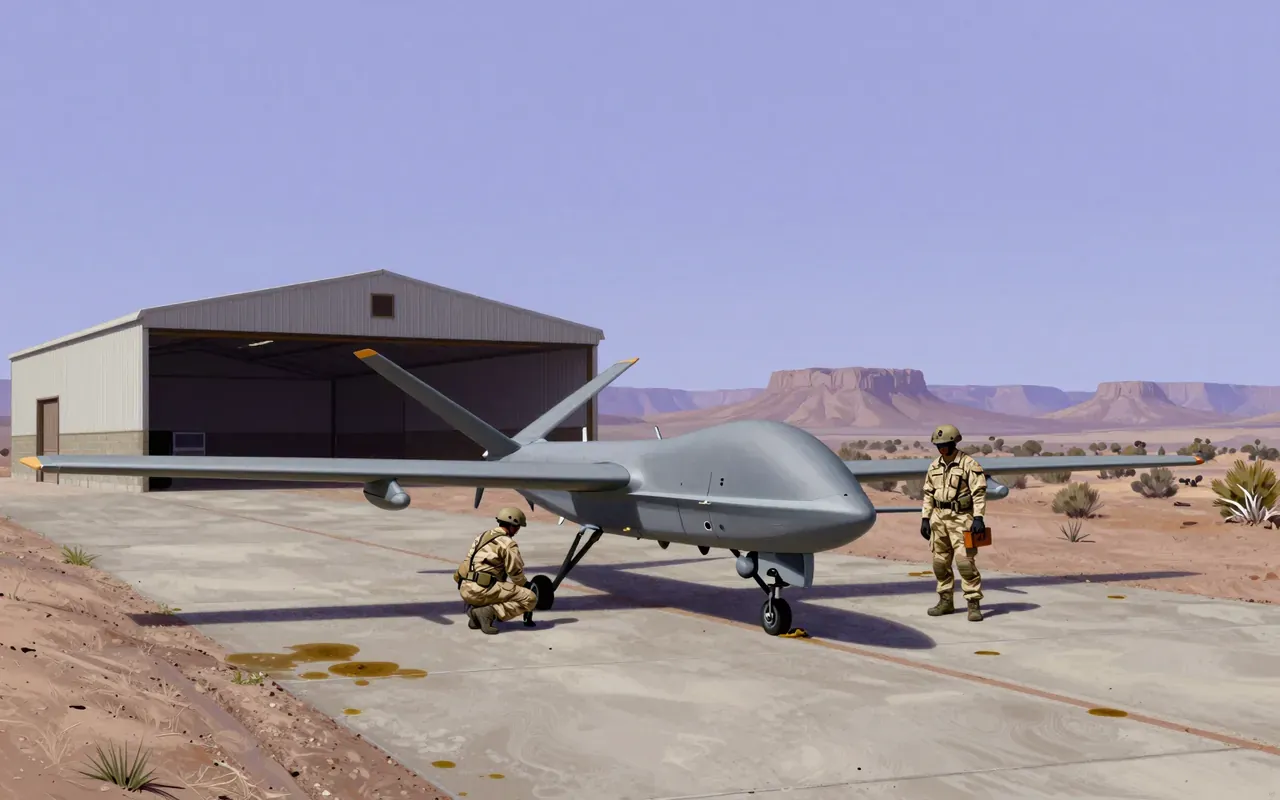
Military robots don’t replace soldiers—they reconfigure accountability, delay ethical decisions, and make war faster than the law can keep up.
9:25

RabbitMQ

RabbitMQ isn’t about speed—it’s about certainty in chaos.
10:49

RISC-V

UC Berkeley researchers · 2010

RISC-V is a free and open instruction set architecture developed in 2010 at UC Berkeley. Its specifications were published openly in 2011 and stewardship transferred to RISC-V International in 2015. It enables royalty-free processor design—but does not eliminate the engineering, tooling, or ecosystem work required to deploy it.

10:48

Satellite constellation

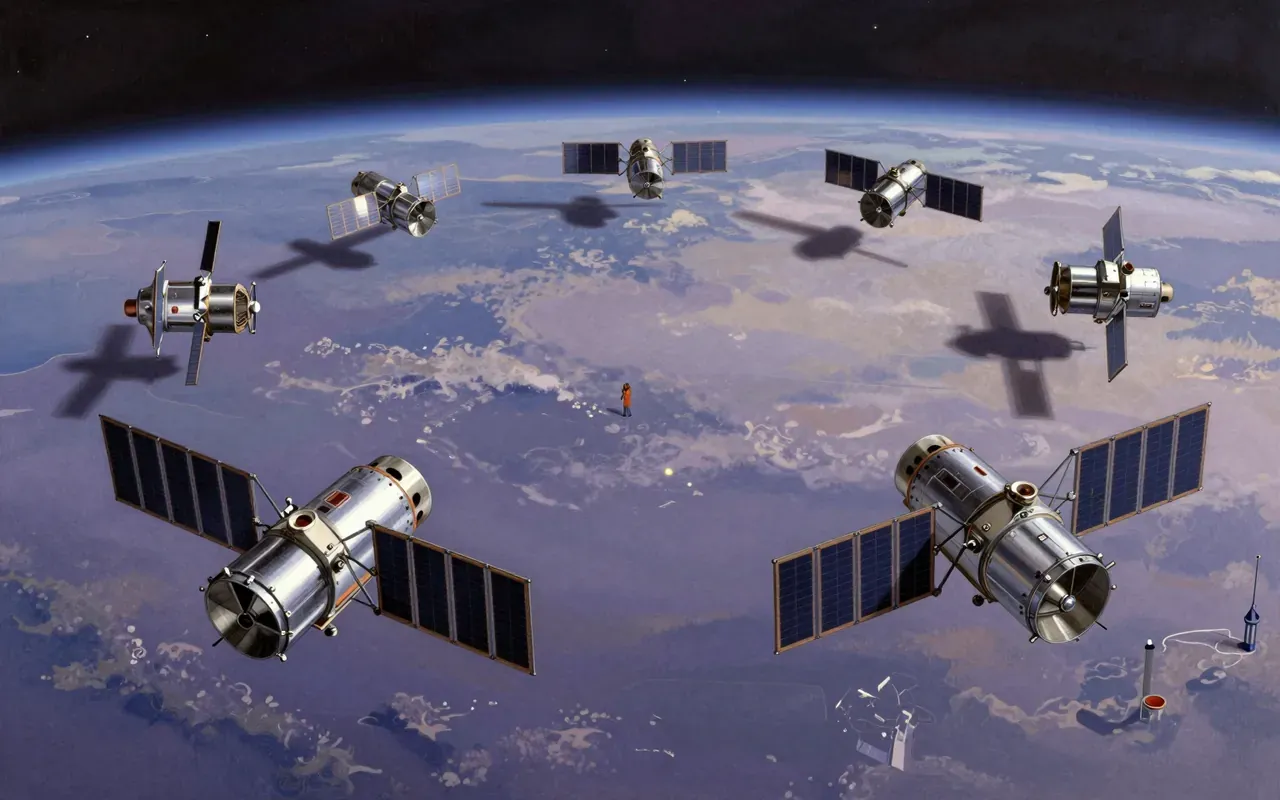
A constellation doesn’t make space infrastructure simpler—it makes it systemic, distributed, and relentlessly expensive to maintain.
9:12

Search engine

Search engines don’t find truth — they map attention, then sell the map.
10:26

Social media

Social media was never invented—it was assembled from discarded university terminals, dial-up modems, and failed startups.
9:14

Sodium-ion battery

Sodium-ion batteries are not lithium’s successor—they’re its pragmatic counterweight.
9:54

Terraform (software)

HashiCorp

Terraform is infrastructure-as-code software developed by HashiCorp in 2014. It uses declarative configuration (HCL or JSON) and provider plugins to manage infrastructure across clouds and on-prem systems. It shifted from MPL 2.0 to BUSL on 10 August 2023, restricting commercial use by competitors and prompting the OpenTofu fork. It supports automation in large-scale service-oriented development but requires strict state management and does not enforce security or runtime behaviour.

10:22

Bulk carrier

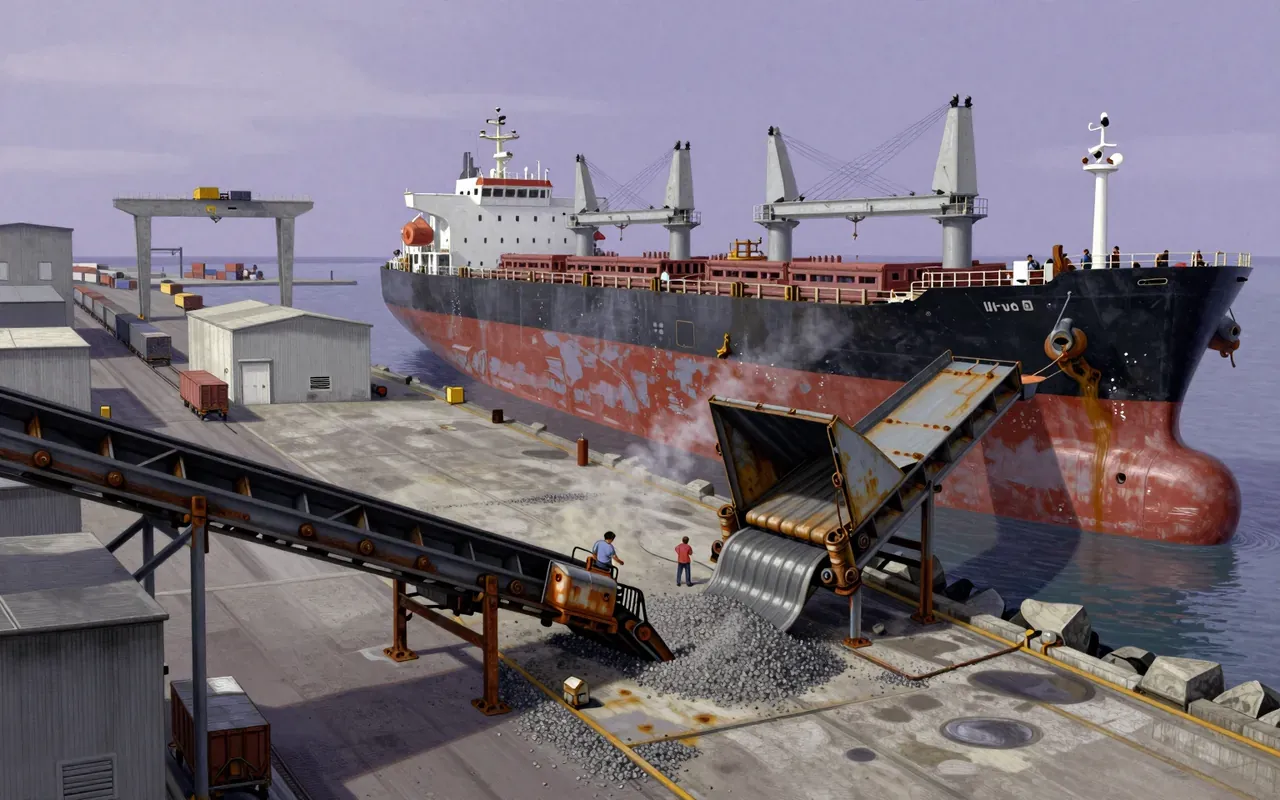
Bulk carriers don’t move data—they move tonnes. And every tonne carries a structural compromise.
10:23

Spinning mule

Samuel Crompton · 1779

The spinning mule is a hybrid spinning machine invented by Samuel Crompton between 1775 and 1779. It combines Arkwright’s roller drafting with Hargreaves’s moving carriage to produce strong, thin, uniform yarn—specifically for muslin—using an intermittent draw-and-wind process. Its first version had 48 spindles and produced one pound of 60s thread daily. It raised yarn value sharply: 80s thread sold for 42 shillings per pound versus 14 shillings for coarser 40s. But its stop-start operation limited throughput and required manual intervention for clamping and reversal—making it powerful for quality, not speed.

10:33

Wii

Nintendo · 2006

The Wii is Nintendo’s seventh-generation home video game console, launched in November 2006. It prioritises accessible motion-based interaction over computational power. Its innovation is the Wii Remote—using MEMS accelerometers and infrared sensors for gesture recognition and pointing—supported by the Sensor Bar. It introduced native Internet connectivity (802.11b/g Wi-Fi and Bluetooth), digital distribution via the Wii Shop Channel, and backward compatibility with GameCube software and accessories in early models. It achieved massive commercial success—over 101 million units sold by 2016—by appealing to non-traditional audiences through intuitive controls, low price, and family-friendly software like Wii Sports. Its hardware uses off-the-shelf components, prioritising cost efficiency and energy savings over high-definition graphics or processing power.

9:25

PDF

Adobe Systems · 1993

PDF delivers guaranteed visual consistency for static documents—but only by freezing layout, embedding everything, and avoiding runtime logic. Its shift to ISO control removed Adobe’s proprietary hooks, yet its security model remains brittle under active exploitation.

11:06

Robotic arm

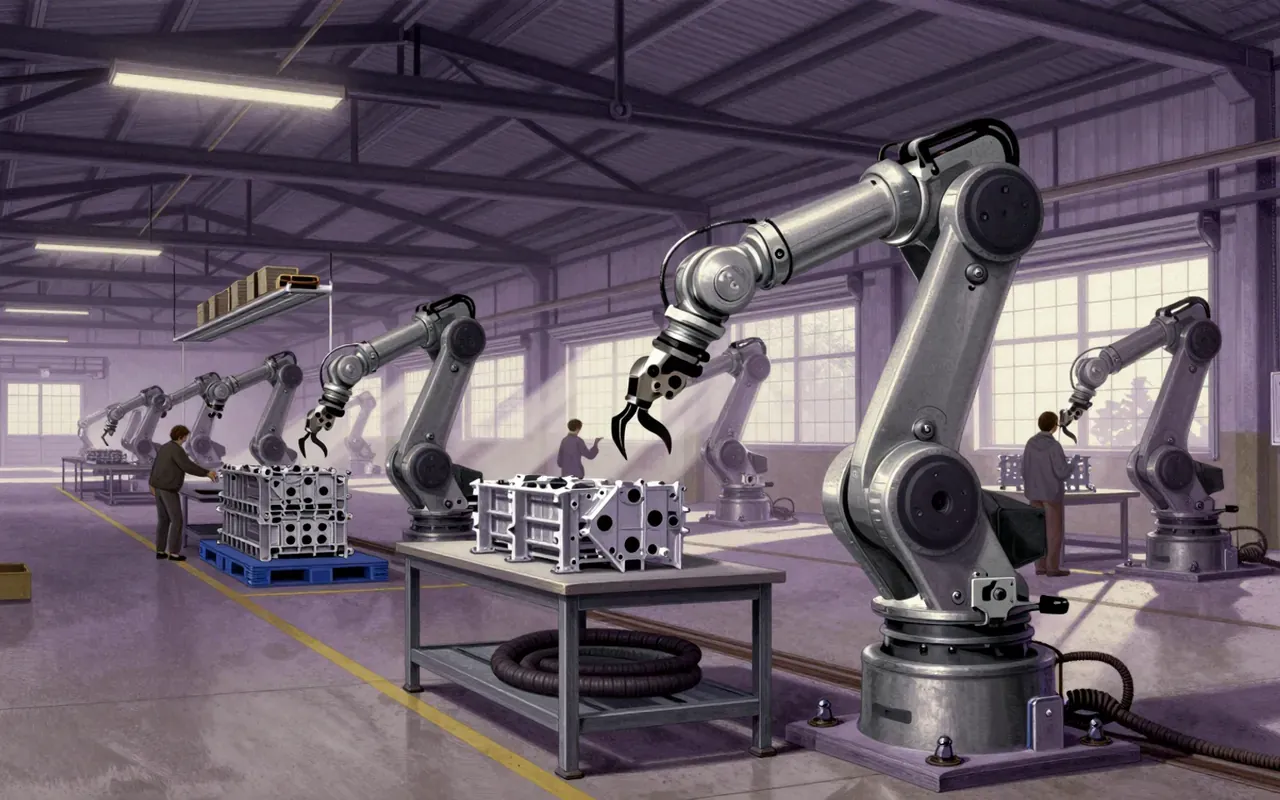
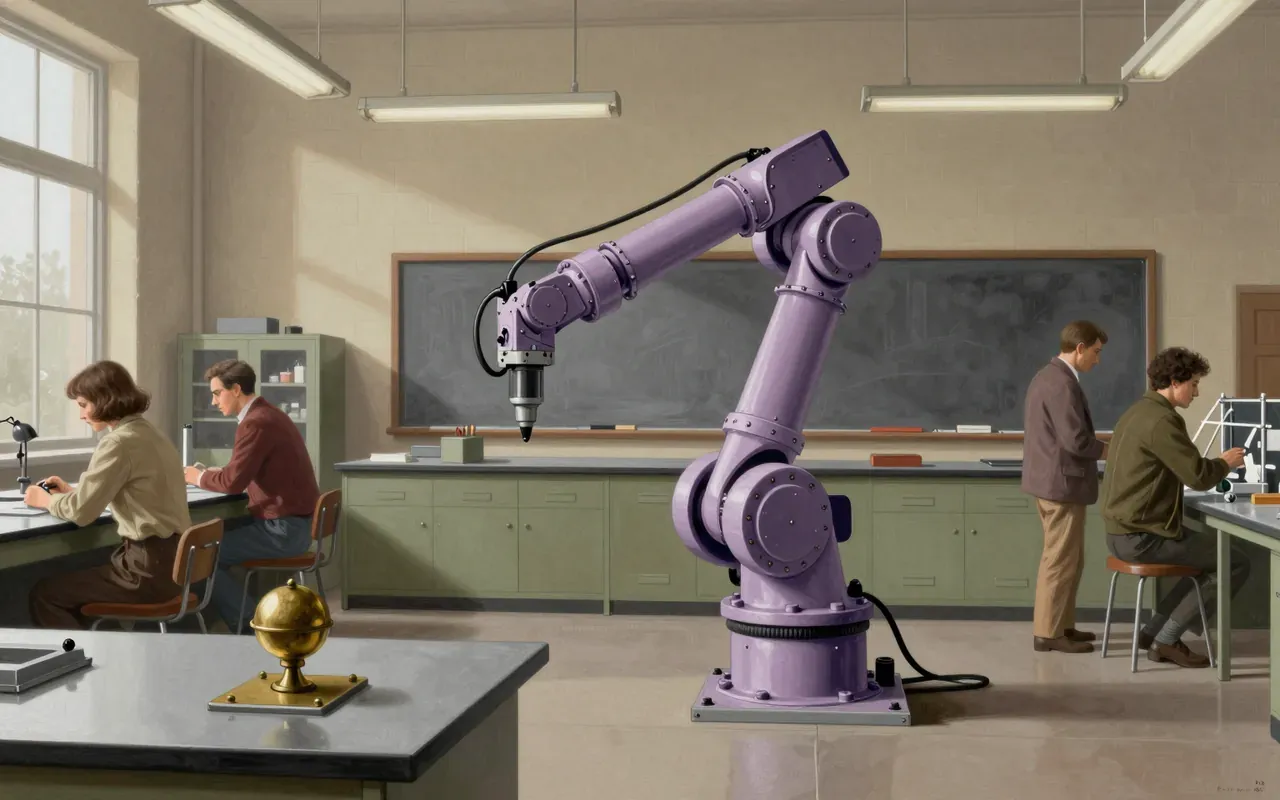
Robotic arms don’t think—they calculate, repeat, and lift. Their intelligence is borrowed, their strength bolted, and their autonomy a promise, not a feature.
9:56

Wind power

Wind power works—but only when the wind blows, only up to 59% efficiency, and only if you redesign the grid around it.
9:44

Apache Cassandra

Facebook · 2008

Cassandra is a distributed, wide-column database built for write-heavy, multi-datacentre workloads. It prioritises availability and scalability over consistency. It requires upfront schema design aligned to access patterns. It was developed at Facebook for inbox search and released open-source in July 2008.

10:55

International Bank Account Number

International Organization for Standardization

IBAN is a validation layer—not a payment rail, not a registry, not a protocol. It catches human input errors in account identifiers before they trigger costly rejections downstream. Its mechanism is simple: a fixed-position country code, two check digits, and a national account identifier, all validated via MOD-97-10. It works where people type numbers. It fails where logic, intent, or authority is required.

9:32

Icemaker

Jacob Perkins

Perkins’s icemaker was the first working vapor compression refrigeration system. It used ether, not ammonia. It proved artificial cold could be generated mechanically — but produced no usable ice beyond lab-scale demonstration. Its legacy is procedural: it fixed the method before the market existed.

9:40

2G

2G did not invent mobile data — it retrofitted it onto a voice-first system, and that compromise still shapes how we build networks today.
10:43

Apache Kafka

LinkedIn · 2010

Kafka is a distributed, open-source event store and stream-processing platform developed at LinkedIn and open sourced in early 2011. It uses a binary TCP-based protocol and a 'message set' abstraction to optimise efficiency, enabling linear writes from bursty streams. It guarantees ordering within partitions, retains messages in a durable append-only log, supports manual offset management, and introduced share groups in 2025 for queue-like semantics. Kafka Connect and Kafka Streams were added in versions 0.9.0.0 and 0.10.0.0 respectively.

9:54

Apache Spark

Spark replaces MapReduce’s disk-bound rigidity with memory-resident flexibility—so long as your cluster has enough RAM.
10:16

Apple II

It didn’t invent the home computer—it weaponised distribution, turning schools and spreadsheets into its salesforce.
10:12

Apple Watch

The Apple Watch isn’t a watch—it’s the first iPhone peripheral you wear.
11:36

Asus

A motherboard built without the CPU rewrote the rules of x86 hardware access.
9:34

Broadcom

Broadcom isn’t building the future—it’s buying, bundling, and billing it.
10:20

Chevrolet Bolt

General Motors

The Chevrolet Bolt EV redefined the mass-market electric vehicle by delivering over 200 miles of range at a $30,000 post-incentive price—verified in production by October 2016. Its development relied on LG for battery and drivetrain, GM for final assembly in Lake Orion, and Israeli engineers for the user interface. Prototype testing covered five key domains. But the sources say nothing about real-world durability, software evolution, charging speed, or cost of ownership.

9:14

CubeSat

A launch interface masquerading as a satellite standard.
9:34

E-reader

E-readers aren’t dying—they’re narrowing: the only device that trades interactivity for weeks of battery and perfect sunlight legibility.
9:18

Elasticsearch

Elasticsearch delivers real-time search—but abandons open source to do it.
9:07

Firewall (computing)

Firewalls enforce boundaries — but they assume threats stay outside, and packets tell the truth.
9:45

Game engine

Game engines don’t accelerate creation — they accelerate reuse, at the cost of control.
8:14

Gaussian splatting

Gaussian splatting ditches ray-marching for splatting—and gains speed by abandoning geometry.
10:54

Gorilla Glass

It doesn’t make glass unbreakable—it makes breakage predictable, controllable, and commercially viable.
9:31

Grafana

Grafana Labs

Grafana is open-source dashboard software that queries external data sources at render time. It unifies metrics, logs, and traces without storing data itself. Its JSON-based dashboards are versionable and composable. Since 2021, it uses AGPLv3 licensing. It originated from Graphite work at Orbitz and launched in January 2014. Its UI began as a fork of Kibana v3.

7:38

Hewlett-Packard

A light bulb—not transistors, not code—was HP’s first engineering breakthrough.
9:40

IMac

The iMac isn’t about power—it’s about erasing the desktop’s ugly seams, one sealed, coloured shell at a time.
9:36

Automation

Automation is not about replacing people—it’s about locking decisions into metal, wire, and timing before the process begins.
9:47

Industrial robot

Industrial robots didn’t arrive with AI—they arrived with paper tape, solenoids, and a single-minded refusal to tire.
9:55

Inmarsat

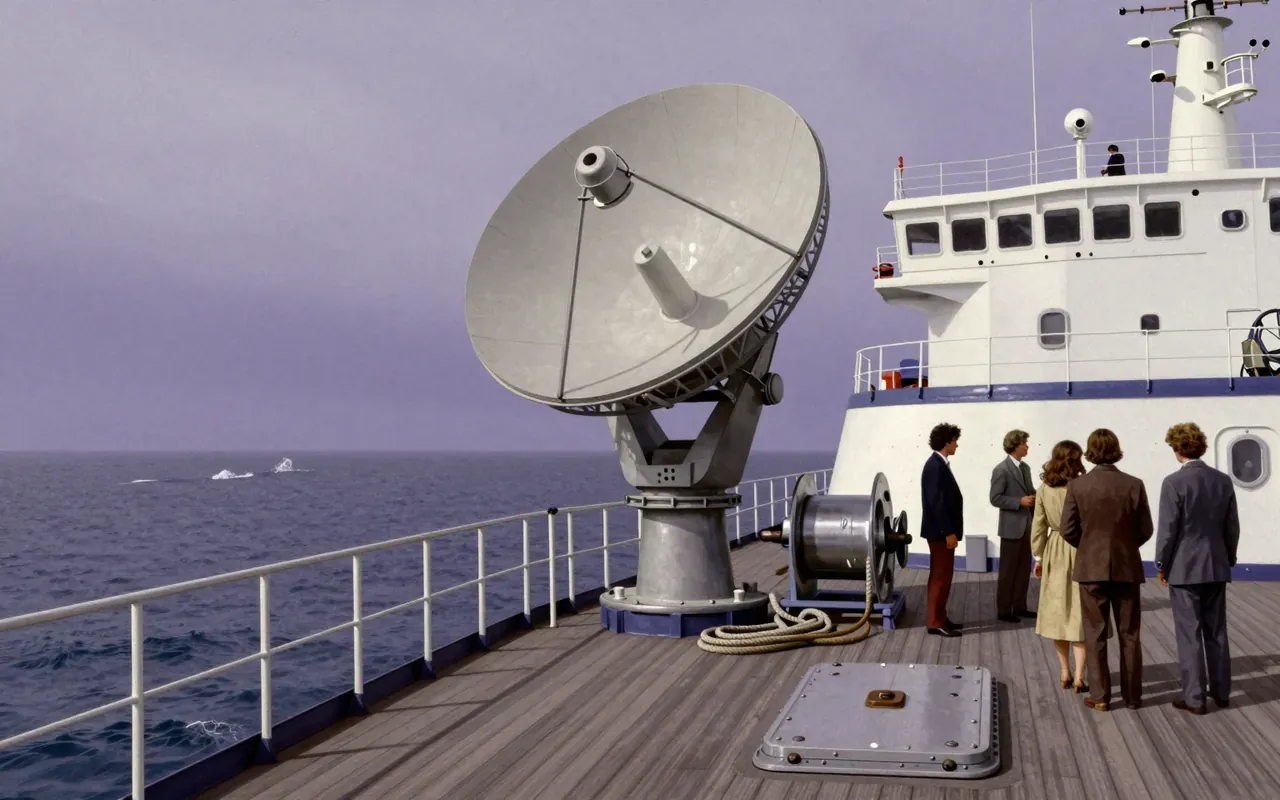
A satellite network built for ships became the world’s first lifeline for remote operations—and its compromises still define what ‘global’ really means for connectivity.
10:01

Juniper Networks

Juniper didn’t invent the internet router — it weaponised packet switching against Cisco’s incumbency.
10:10

Kingston Technology

Memory wasn’t commoditised until Kingston proved it could be validated, branded, and sold outside the OEM.
9:24

Lenovo

Lenovo didn’t outsource its way to scale—it built its own factory floor to cut OEM dependence, and it worked.
9:30

Mellanox Technologies

Mellanox didn’t invent speed—it weaponised standardisation against latency, then vanished into Nvidia before its full Ethernet promise could be tested.
9:13

Memcached

Brad Fitzpatrick · 2003

Memcached is a distributed in-memory key-value store designed to reduce load on databases in dynamic web applications. It delivers speed by bypassing disk and network I/O—but requires manual cache management, offers no consistency guarantees, and assumes trust within the network. It works because it is minimal, not because it is clever.

8:35

MQTT

Andy Stanford-Clark and Arlen Nipper · 1999

MQTT delivers what it promised in 1999: a lean, brokered telemetry protocol for expensive, low-bandwidth links. It works — but only where its constraints match your environment. Its standardisation cemented utility, not evolution.

10:58

MSI protocol

MSI isn’t elegant — it’s the minimal state machine that stops caches from lying to each other.
10:15

Multi-touch

Multi-touch was operational before the Macintosh—and its real innovation wasn’t gesture, but exact spatial concurrency.
10:16

CUDA

CUDA didn’t democratise GPU computing—it weaponised it for Nvidia’s lock-in.
10:21

WebAuthn

WebAuthn doesn’t kill passwords—it just makes them optional for those who can afford the stack.
9:13

Philips

Philips didn’t invent the future — it licensed the present, then pivoted before the market caught up.
11:17

Photogrammetry

Photogrammetry doesn’t capture reality — it reconstructs geometry from the constraints of light, lens, and overlap.
8:56

Physics engine

Physics engines don’t simulate reality—they choose which errors to tolerate.
9:20

PowerBook

It didn’t invent the laptop—but it invented how you hold one.
10:57

Pratt & Whitney

Pratt & Whitney isn’t about innovation—it’s about infrastructure: a century of engines built to be rebuilt, not replaced.