technologybriefs
Highest rated

All briefs

620 briefs · 6210 min · 481–576 on page 6 of 7
11:54

Segway

Segway Inc.

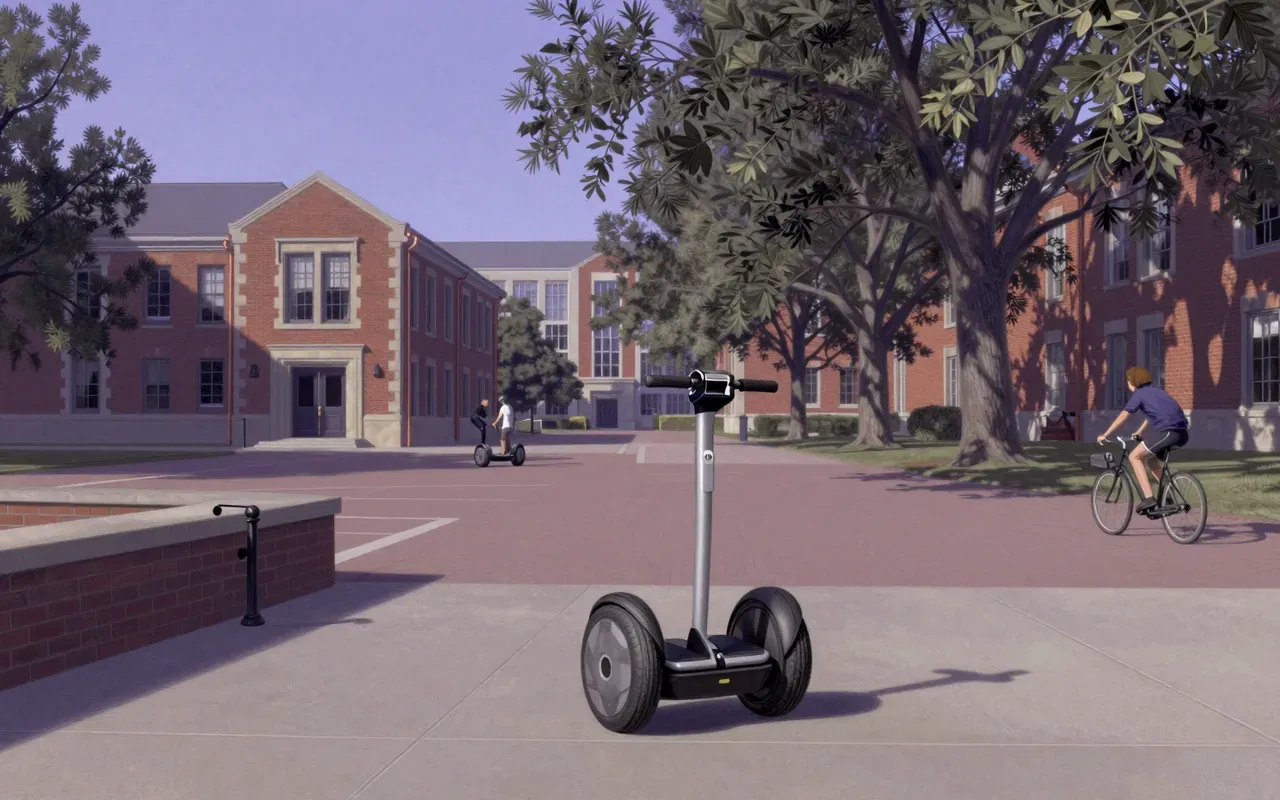
The Segway PT is a mechanically elegant, narrowly useful device born from medical robotics. It solved balance precisely, but failed to solve adoption. Its legacy is not in streets, but in patents, pivots, and the cautionary weight of overpromising hardware.

9:20

Smart grid

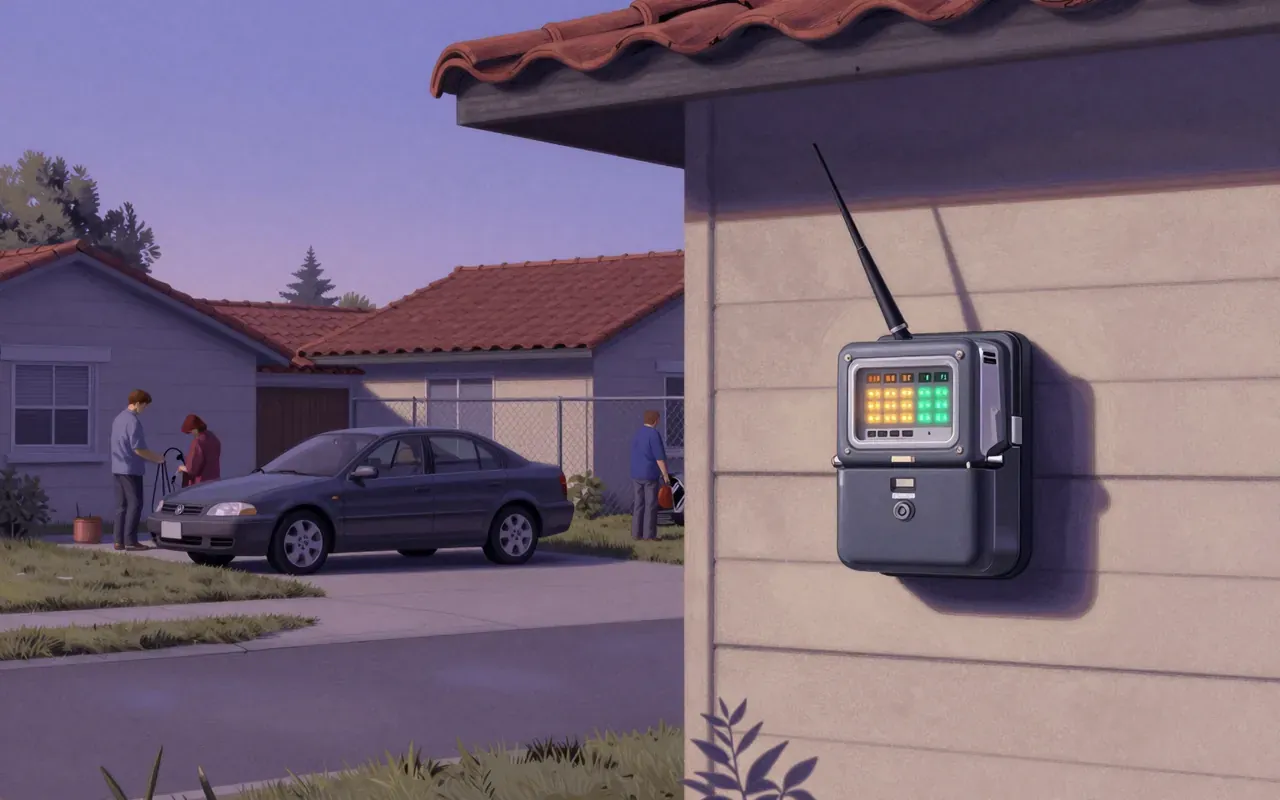
The smart grid doesn’t fix the grid—it rewrites its rules of engagement.
9:04

UNIVAC

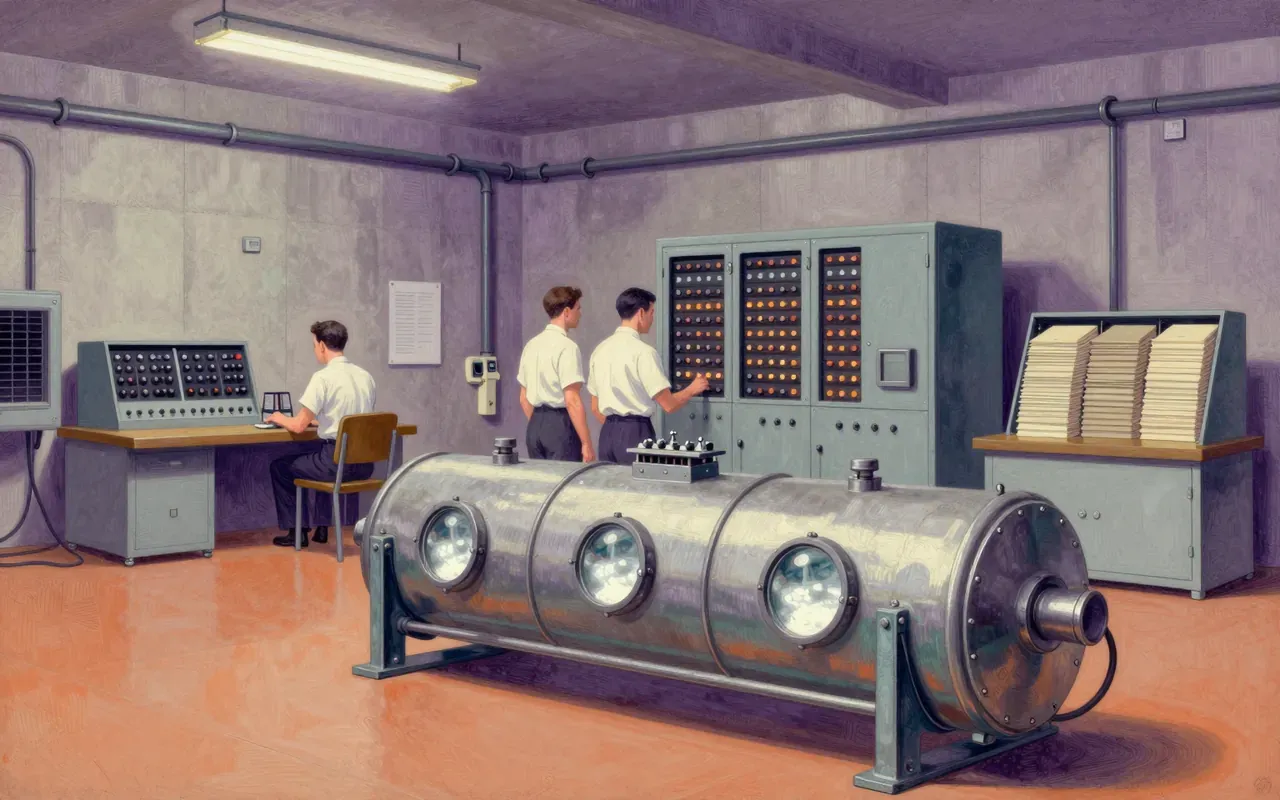
UNIVAC wasn’t the future of computing — it was the first machine that made governments believe their data could be trusted without clerks.
9:14

Vector database

It doesn’t understand meaning — it just maps distances between precomputed guesses.
8:32

Verizon

Verizon isn’t a network — it’s a merger with infrastructure debt.
9:22

WebAssembly

WebAssembly delivers portable binaries—not portable semantics.
10:55

Western Digital

Western Digital wasn’t built to store data — it was built to test chips, and only stored bits after it stopped testing them.
9:31

Windows 3.1

Windows 3.1 virtualised DOS — then made the virtual machine its own coffin.
10:27

Windows 95

It unified DOS and Windows—but only by keeping DOS alive inside the OS.
11:16

Windows XP

Windows XP didn’t unify Windows—it buried the consumer line under NT bureaucracy.
9:13

Inductive charging

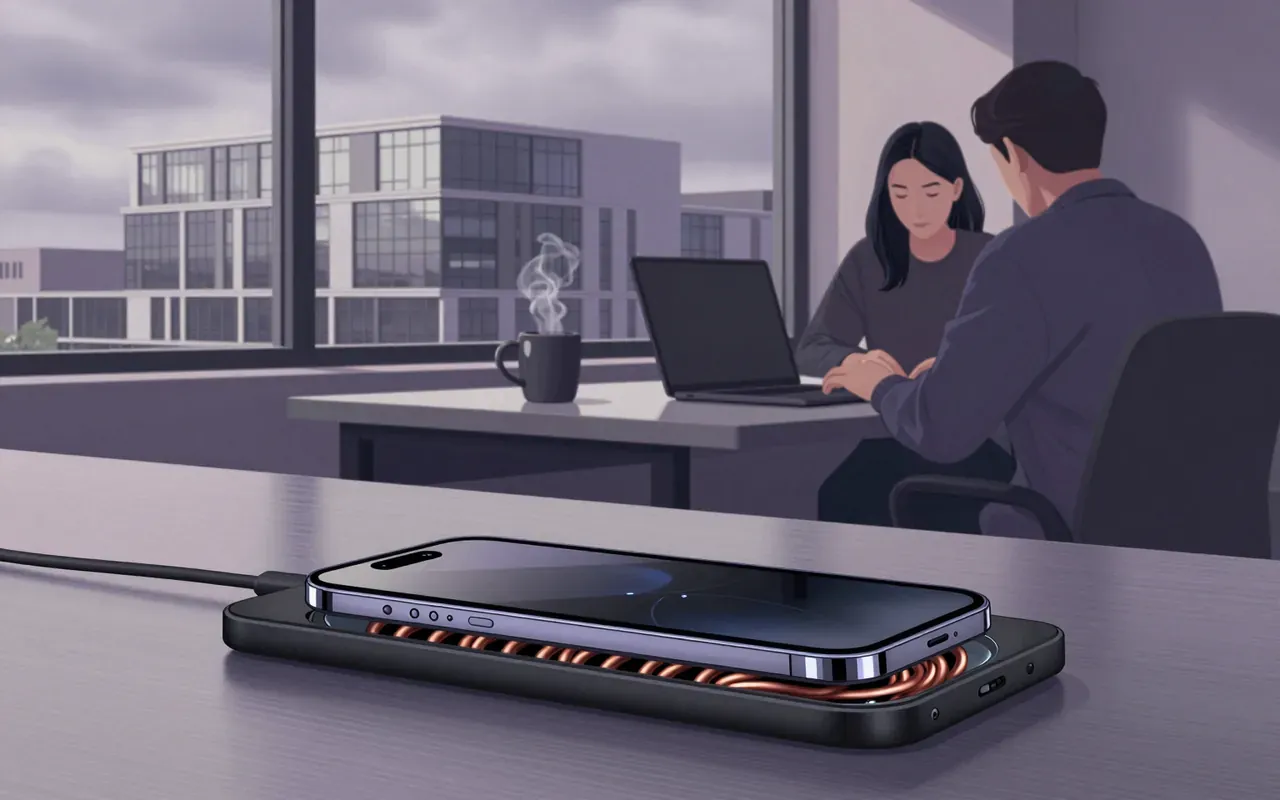
Wireless charging isn’t magic — it’s a patch for plug fatigue, standardised for phones and stalled for cars.
9:54

5G

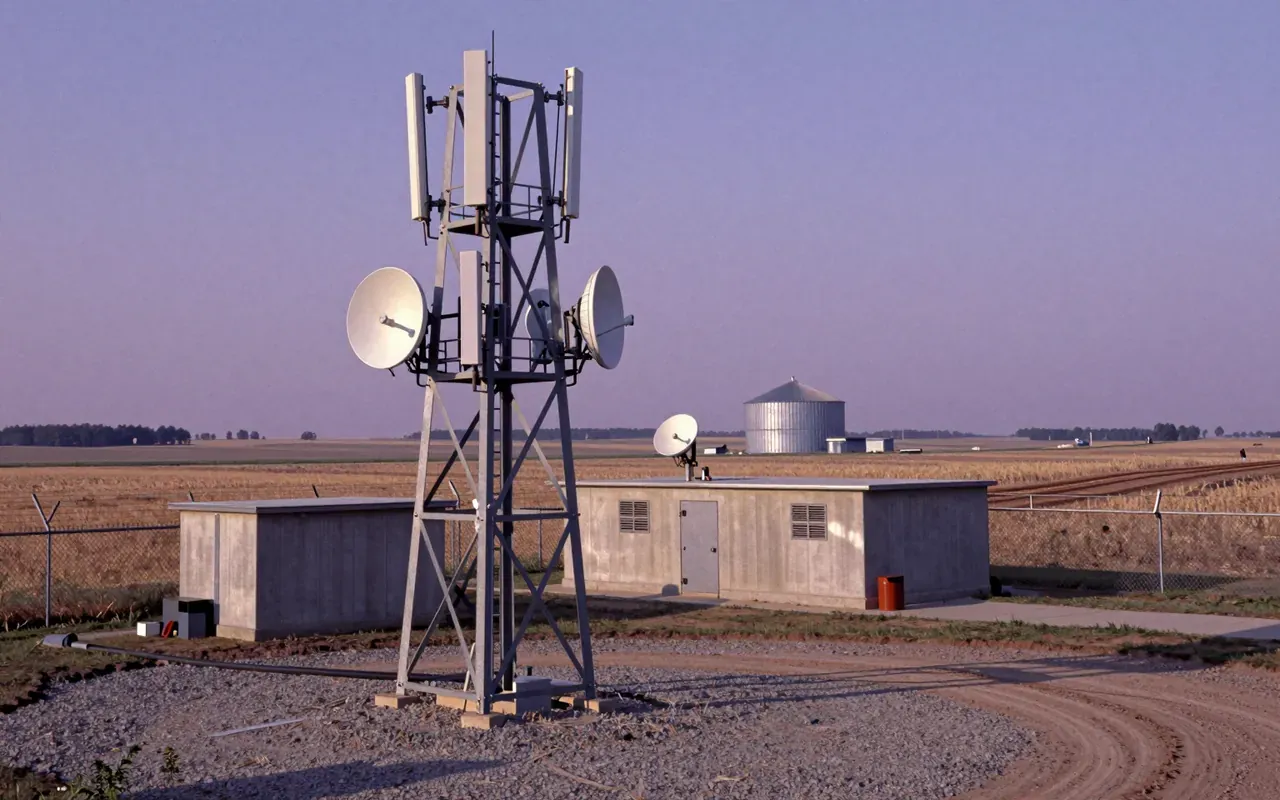
5G delivers real architectural upgrades—but only where operators invest in standalone cores, mid-band spectrum, and dense backhaul. Everywhere else, it’s 4G with a new logo.
10:34

Radio broadcasting

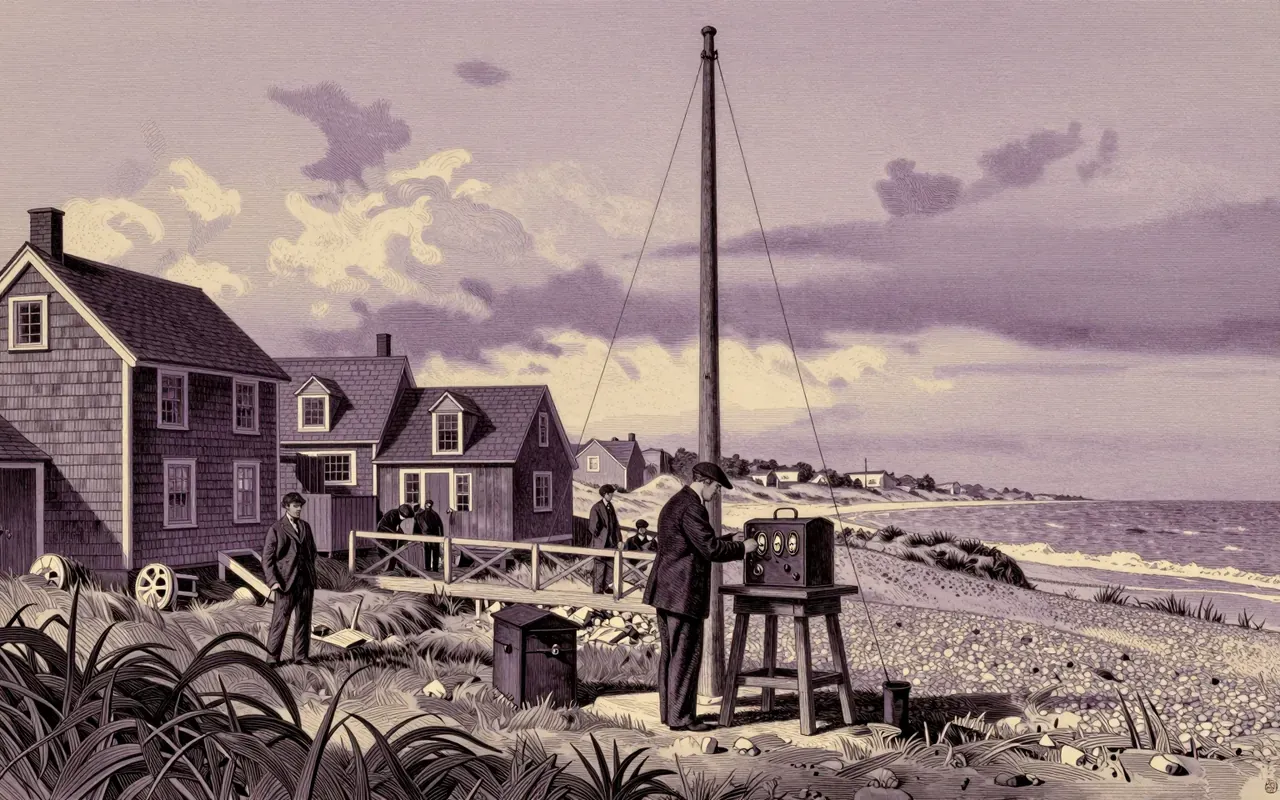
Radio broadcasting was not invented in 1895—it was reverse-engineered from telegraphy, then rebuilt twice before it worked at all.
9:20

Arduino

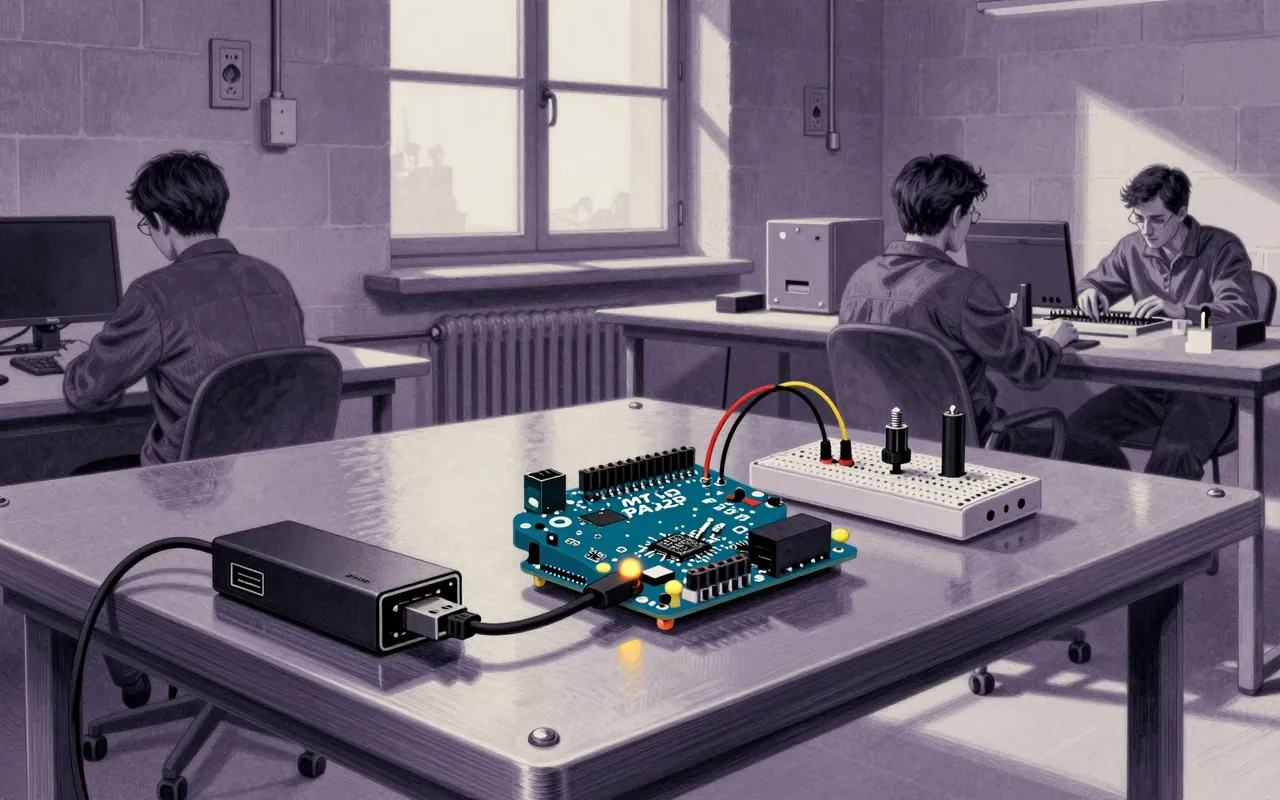
Arduino didn’t democratise hardware — it outsourced the hard parts to hobbyists.
9:09

Bluetooth

Bluetooth killed the headphone wire—but only by accepting ten metres as a ceiling.
8:48

ChatGPT

ChatGPT is not intelligence — it’s a prompt-to-output relay, optimised for speed, not truth.
9:26

COBOL

COBOL didn’t democratise programming—it bureaucratized it.
9:26

DDR4 SDRAM

DDR4 trades compatibility for capacity—and delivers on neither promise until 2014.
11:19

DDR5 SDRAM

DDR5 doubles capacity and cuts voltage—but leaves latency untouched and bandwidth gains conditional on cooling and controller design.
10:36

Ethereum

Vitalik Buterin · 2015

Ethereum is a decentralised mining network and software development platform enabling new cryptocurrencies and programs sharing a single blockchain. It solves the problem of building decentralised applications without forking Bitcoin or relying on centralised servers. It runs a Turing-complete virtual machine—the Ethereum Virtual Machine—specified by Gavin Wood in the Yellow Paper. It executes smart contracts as deterministic code on a decentralised network of nodes. Consensus was originally proof-of-work; it shifted to proof-of-stake on 15 September 2022. The EVM’s instruction set is Turing-complete. Smart contracts execute deterministically across thousands of nodes. The 2022 shift to proof-of-stake cut energy use by over 99%. It supports live, interoperable token standards and composability across deployed contracts. It does not deliver on its original promise of attaching real-world assets like stocks or property to the blockchain at scale. The EVM’s Turing-completeness enables bugs, re-entrancy, and gas-exhaustion failures that have caused repeated, costly exploits. Its consensus upgrade did not resolve scalability or finality trade-offs. It changed software development by making stateful, shared computation a first-class primitive on open networks. It enabled permissionless issuance of tokens and composable financial primitives—but entrenched a model where economic incentives dominate protocol governance. Yes—if you need programmable, trust-minimised execution across untrusted parties and can absorb the cost, complexity, and risk of on-chain logic. No—if you require predictable latency, low cost, or formal verification guarantees.
8:58

GlobalFoundries

A foundry built to escape AMD’s balance sheet became a specialist anchor—just as the industry stopped chasing nanometres.
9:54

Advanced Video Coding

AVC didn’t invent efficient video compression — it locked the industry into a rigid, block-based architecture for twenty years.
10:09

HDMI

HDMI unified home AV—but at the cost of opacity, fragmentation, and control locked behind corporate gates.
10:28

Intuitive Surgical

Robotic surgery didn’t start with autonomy—it started with a console, a licence, and a long wait for FDA approval.
9:51

JPEG

Joint Photographic Experts Group

JPEG is a 1992 DCT-based lossy compression standard. It delivers predictable 10:1 size reduction with acceptable visual trade-offs. It defines only the codec—not the file format. Its lossless mode is unused. It remains dominant not by superiority but by inertia.

9:26

LoRaWAN

LoRaWAN’s new TR013 standard doesn’t fix congestion—it just makes collisions slightly less random.
10:55

Samsung Electronics

Samsung wasn’t born a chipmaker—it bought its way in, merged its way up, and declared its way to relevance.
8:46

SATA

SATA didn’t reinvent storage—it replaced parallel wiring with serial discipline, and made hot-swap non-negotiable.
9:44

Siri

Siri didn’t invent voice control—it outsourced understanding to Nuance and offloaded thinking to the cloud.
9:48

Simple Mail Transfer Protocol

SMTP is not an email protocol—it’s a relay protocol that assumes trust, ignores identity, and outsources security to later layers.
9:59

Sonar

Paul Langevin

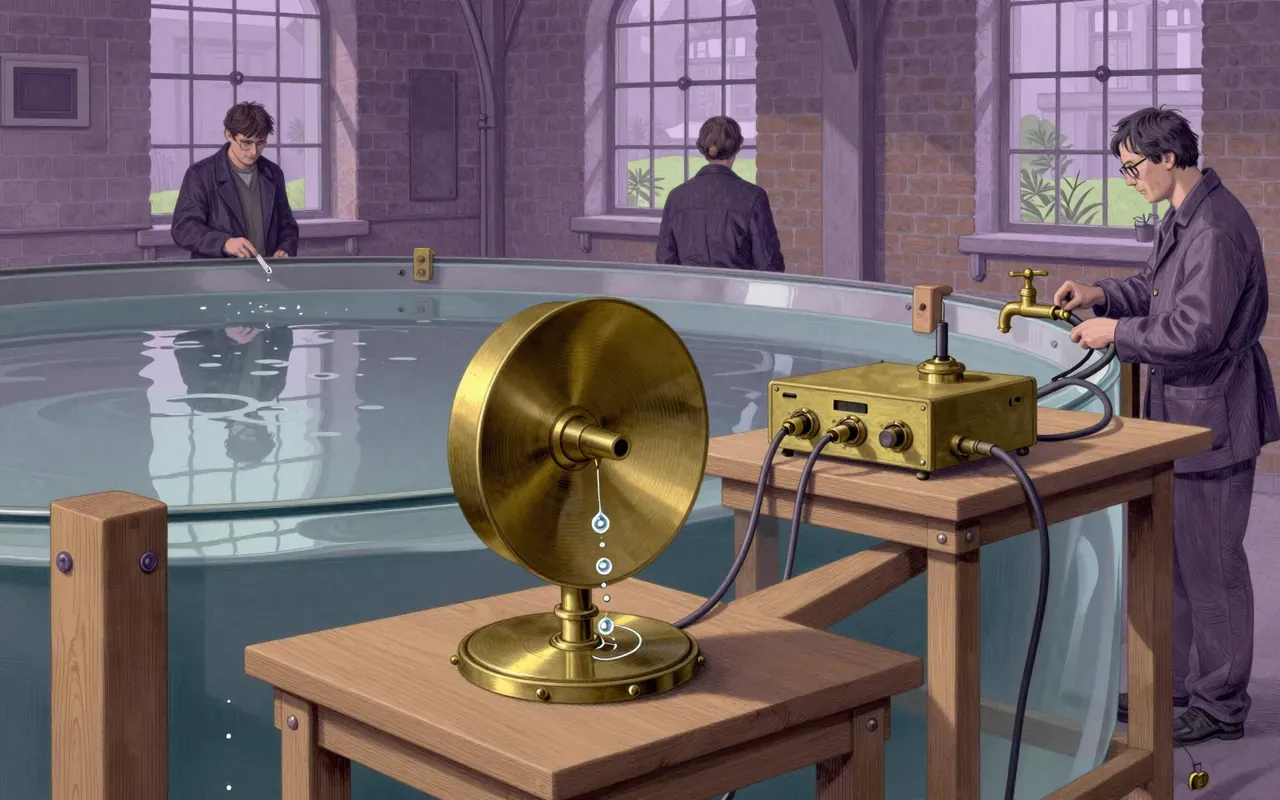
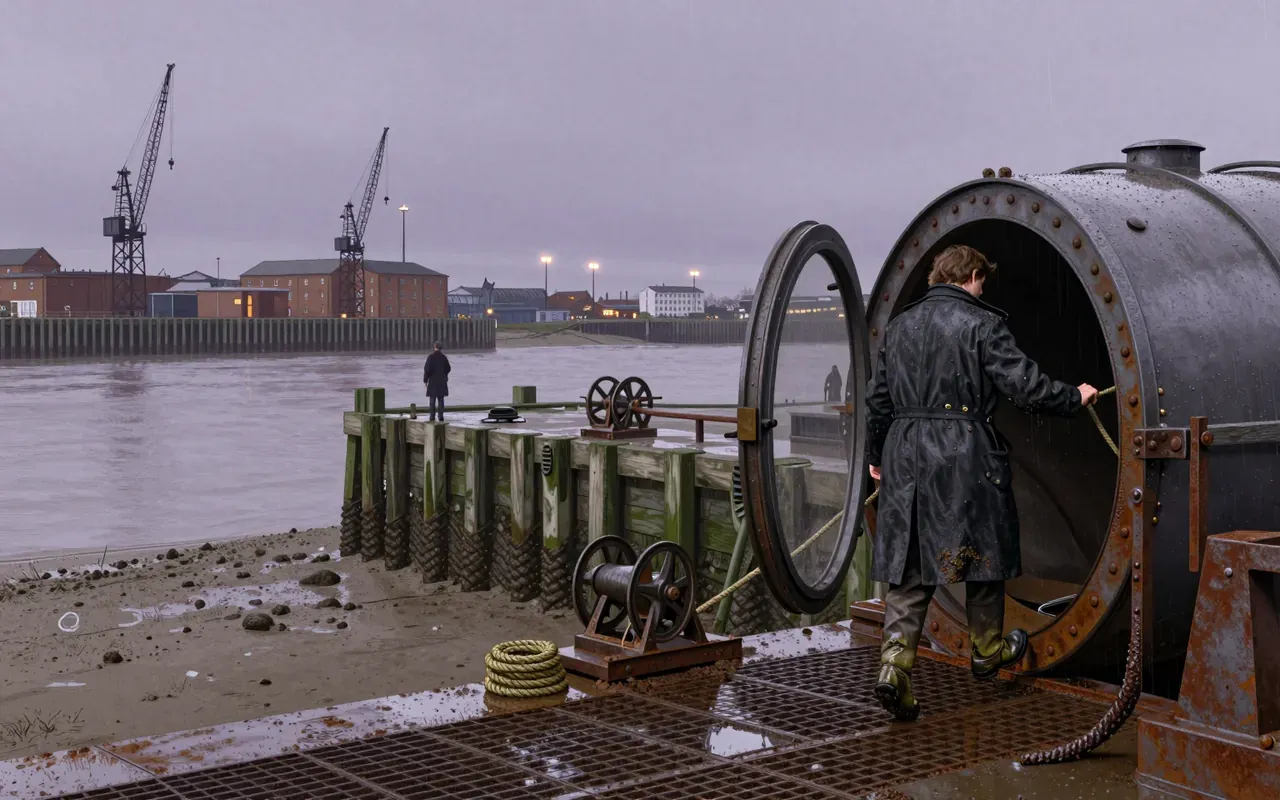
Langevin’s 1915 sonar was the first active underwater echo-ranging system. It used electrostatic and quartz piezoelectric transducers to send and receive ultrasound. Distance was calculated from signal time-of-flight. Though patented and physically demonstrated, it did not become operational before World War I ended. Electrostatic transducers were soon abandoned; quartz piezoelectric methods endured and scaled. The invention established the core mechanism of modern sonar — but delivered no tactical utility in its intended conflict.

9:42

SSH File Transfer Protocol

Tatu Ylonen

SFTP is a file protocol built for SSH-2. It assumes security is already solved. It delivers precise, stateful filesystem control. It never became an RFC. It remains widely deployed—not because it succeeded, but because alternatives failed.

10:42

STMicroelectronics

Europe didn’t need another chipmaker — it needed a sovereign stack. ST built one, slowly, silently, and without hype.
9:10

Synthetic rubber

Fritz Hofmann

Synthetic rubber begins as a chemical demonstration, not an industrial replacement. Hofmann’s 1909 work proves isoprene polymerisation yields rubber — and nothing more. No performance, scale, or economics are stated. Its value lies in reframing rubber as synthesizable — not in delivering a usable material.

11:37

Tesla Autopilot

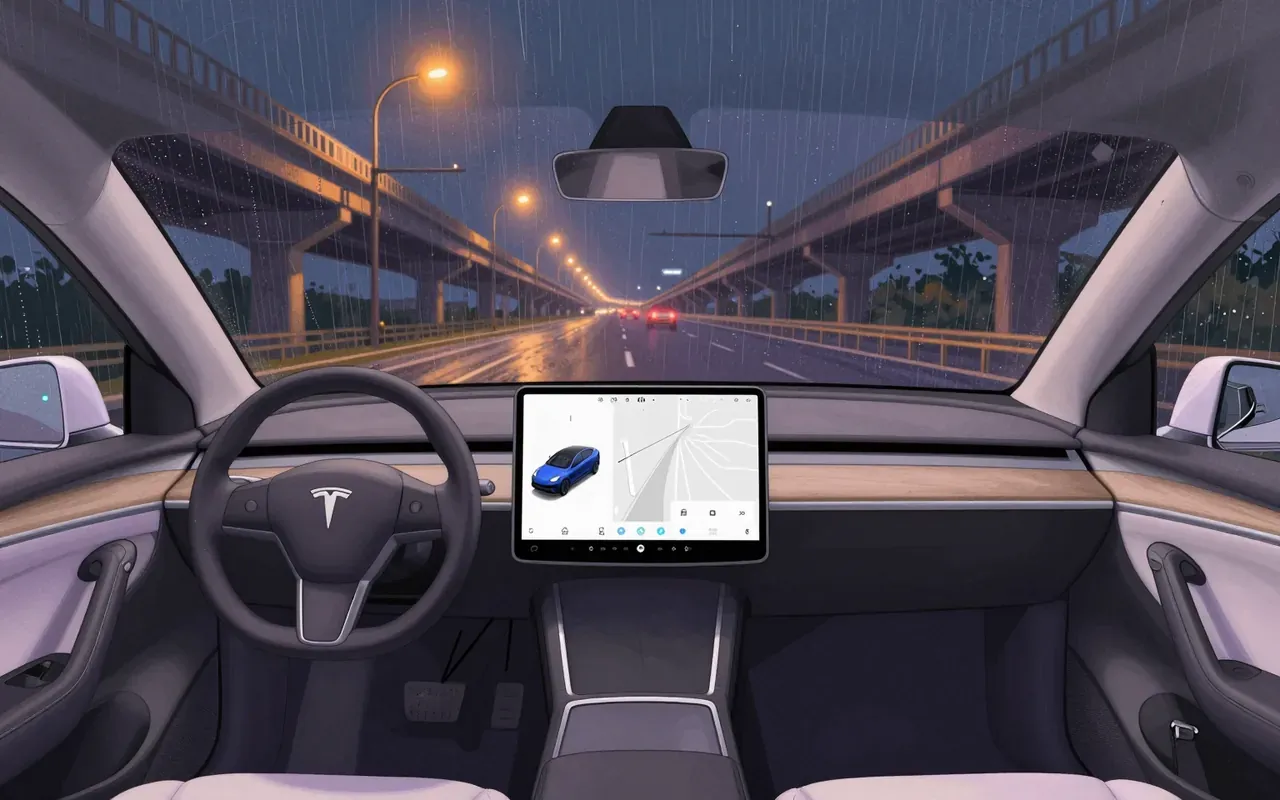
Tesla Autopilot passes NHTSA’s test — but only because the test measures what Teslas do, not what drivers must still do.
9:38

Amazon Echo

Amazon · 2014

The Echo is a hardware interface for Alexa—a cloud-dependent voice service. It works well for narrow, internet-reliant tasks. It fails as a private, autonomous, or universally accessible system. Its legacy is not intelligence at the edge, but the normalisation of persistent listening and remote AI dependency.

9:30

Automated guided vehicle

Barrett Electronics

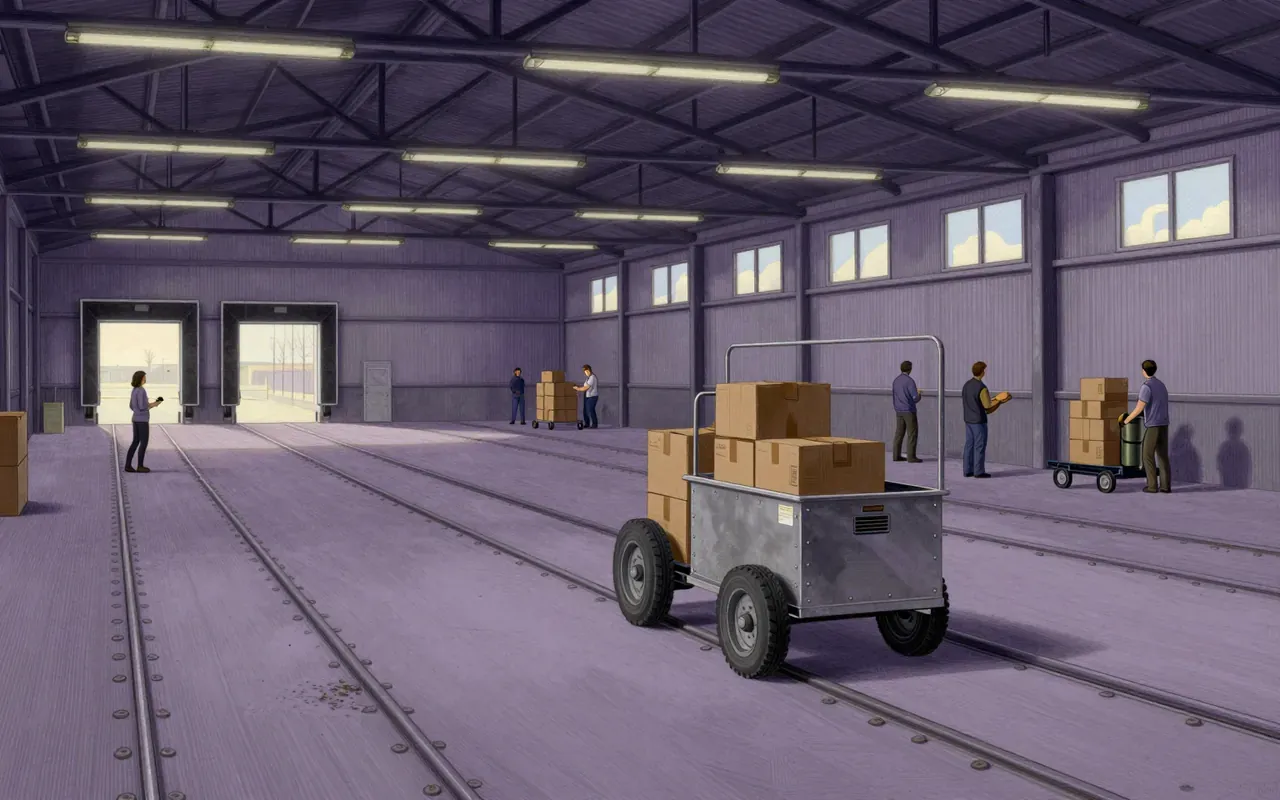
The Barrett Electronics AGV established guided vehicle automation as a physical layer—not a cognitive one. It moved payloads predictably, cheaply, and without rails—but demanded infrastructure, not intelligence. Its legacy is in floor plans, not algorithms.

9:45

Automatic transmission

It replaced the driver’s foot with a pump, the clutch with a turbine, and the gear lever with hydraulic logic—then locked that logic in place for eighty years.
11:13

Barcode

Norman Joseph Woodland

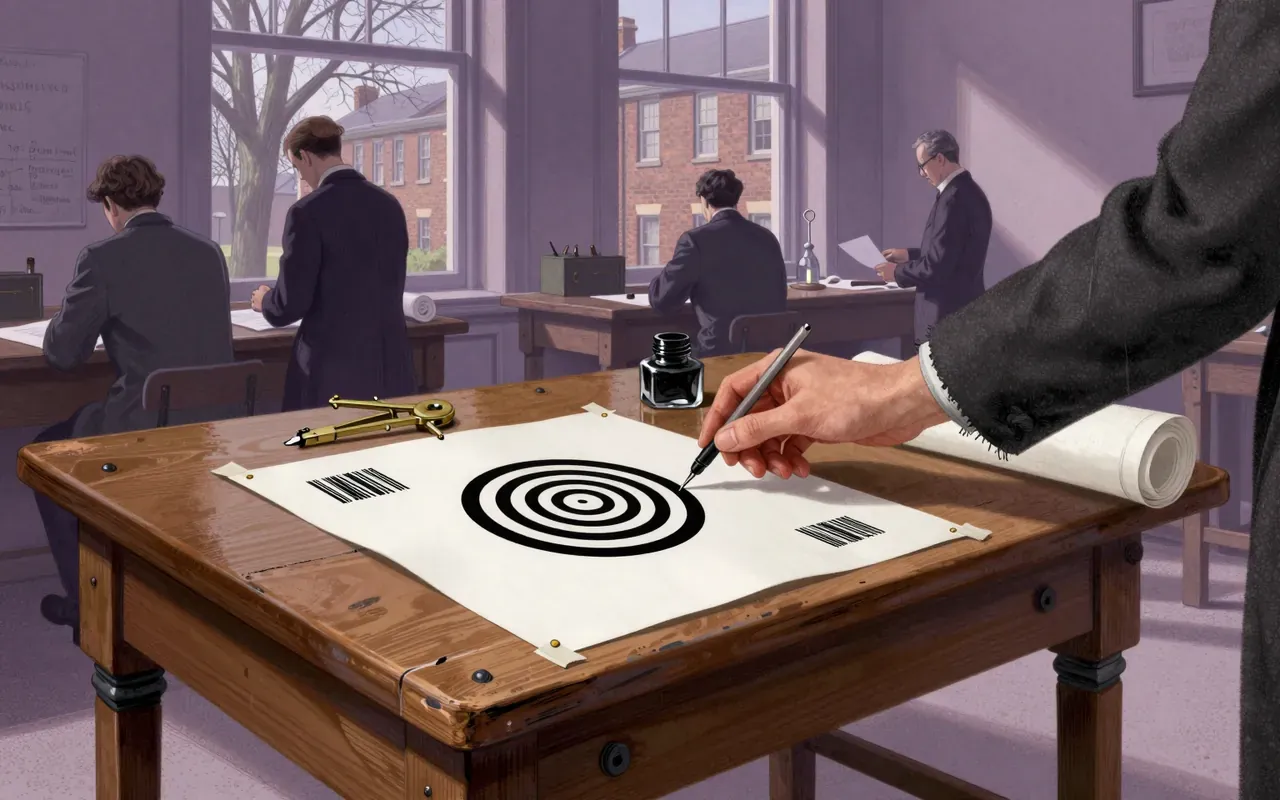
The barcode is a mechanically simple but commercially premature solution: a direct optical translation of Morse code into bars, read with repurposed cinema hardware. It worked in lab conditions but failed in practice—fading ink, no scanners, no standards, no buyers. Its value emerged only when retail infrastructure caught up, not because the invention matured.

9:27

Cathode ray tube

Karl Ferdinand Braun

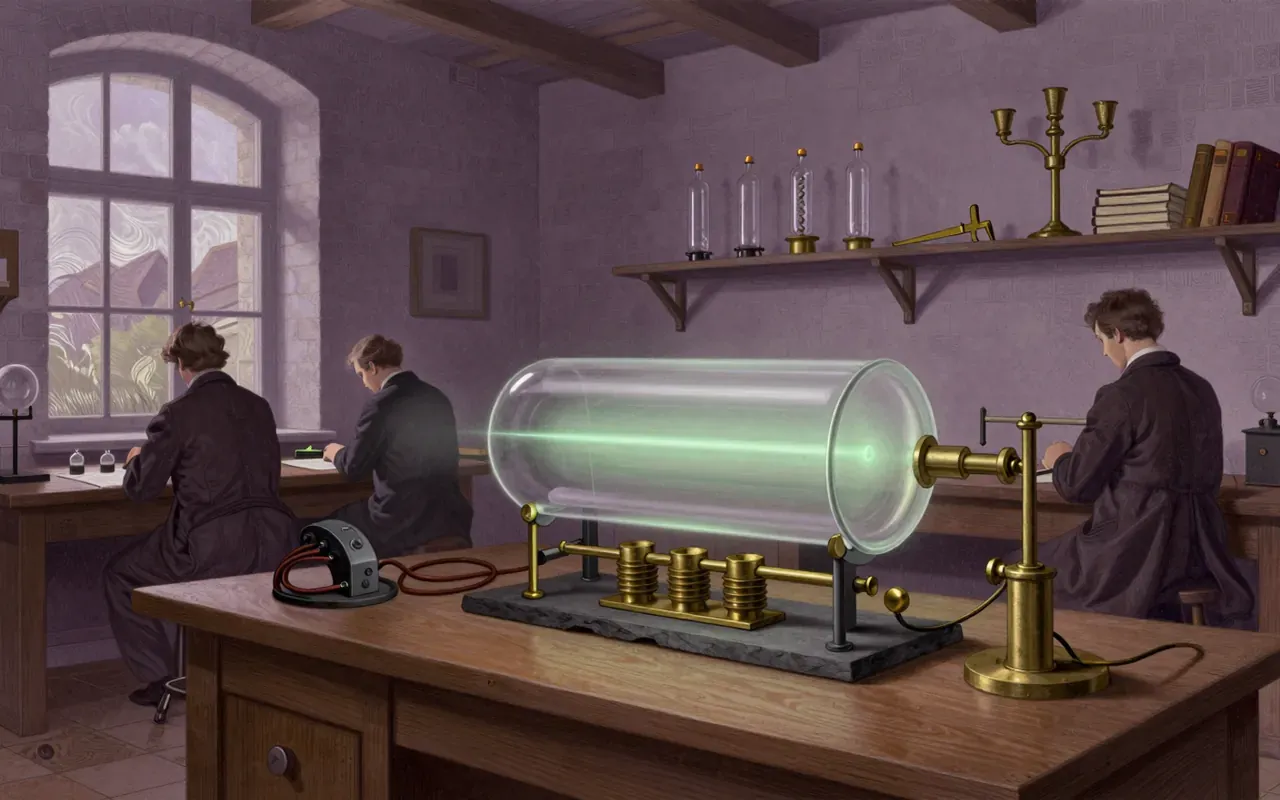
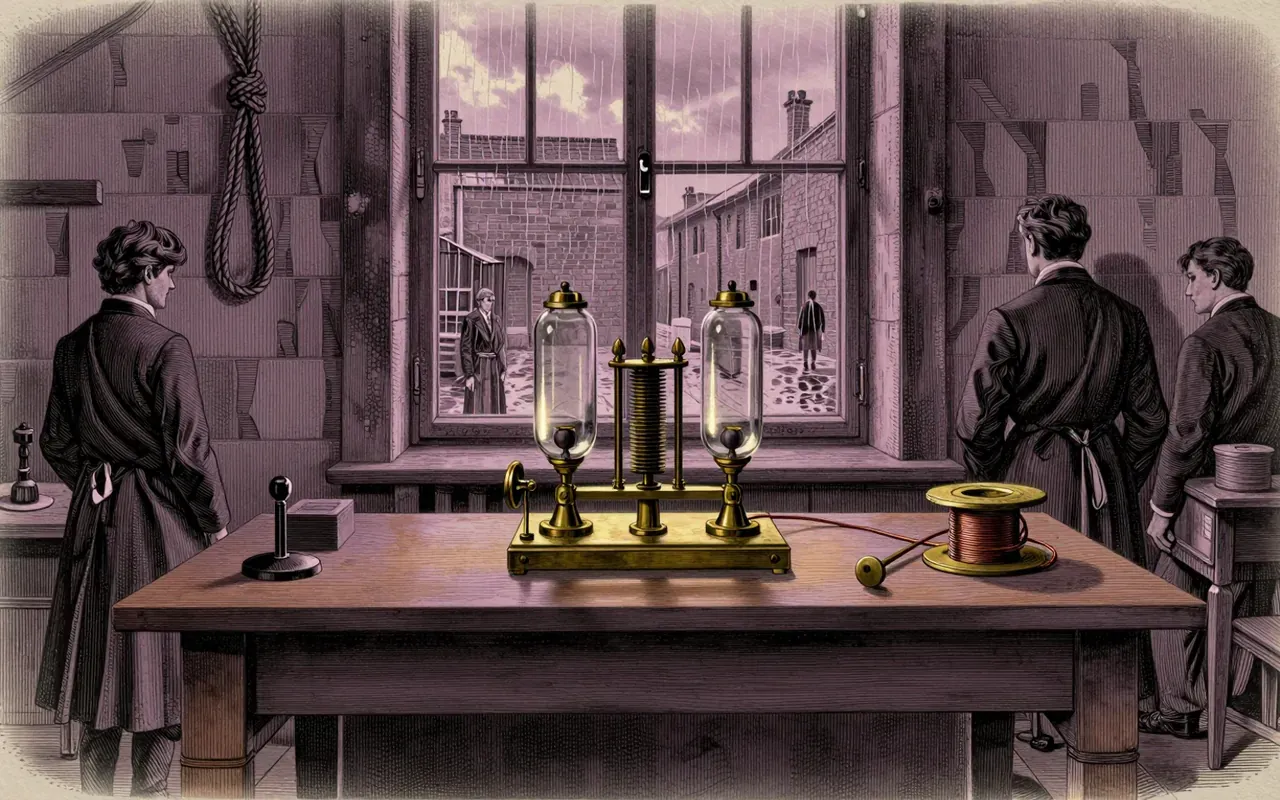
The Braun tube is a historically decisive but technically limited instrument: it proves electron beams can be displayed, but only at extreme voltage and with mechanical compromise. Its legacy lies in conception—not execution.

10:10

CD-ROM

Philips and Sony · 1982

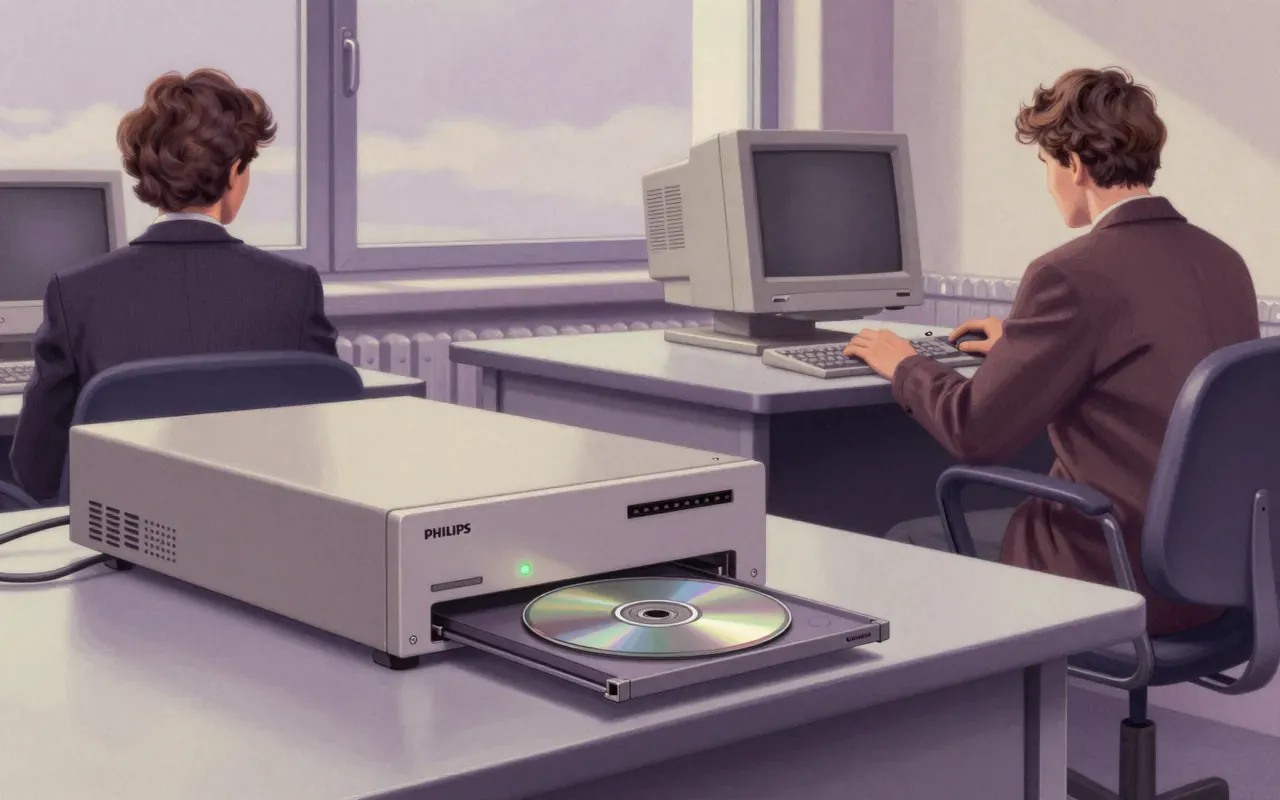
CD-ROM is a read-only optical data format co-developed by Philips and Sony, formalised in the 1983 Yellow Book. It reuses the CD-DA’s physical design and laser-read mechanism but repurposes pits and lands for arbitrary digital data—delivering 553 MB via destructive interference physics. It launched publicly in 1985 with Philips’ CM 100 drive. It solved mass-distribution problems for static software and reference material but failed as an archival or interactive medium—prompting Sony to launch write-once and magneto-optical variants by 1986 and 1988.

10:45

Cochlear implant

The cochlear implant didn’t restore hearing — it proved nerves could be wired like circuits, and that was enough to start a field.
9:45

Diesel locomotive

Diesel locomotives didn’t replace steam—they replaced the idea that locomotion had to be thermal and continuous.
8:44

Difference engine

Charles Babbage · 1822

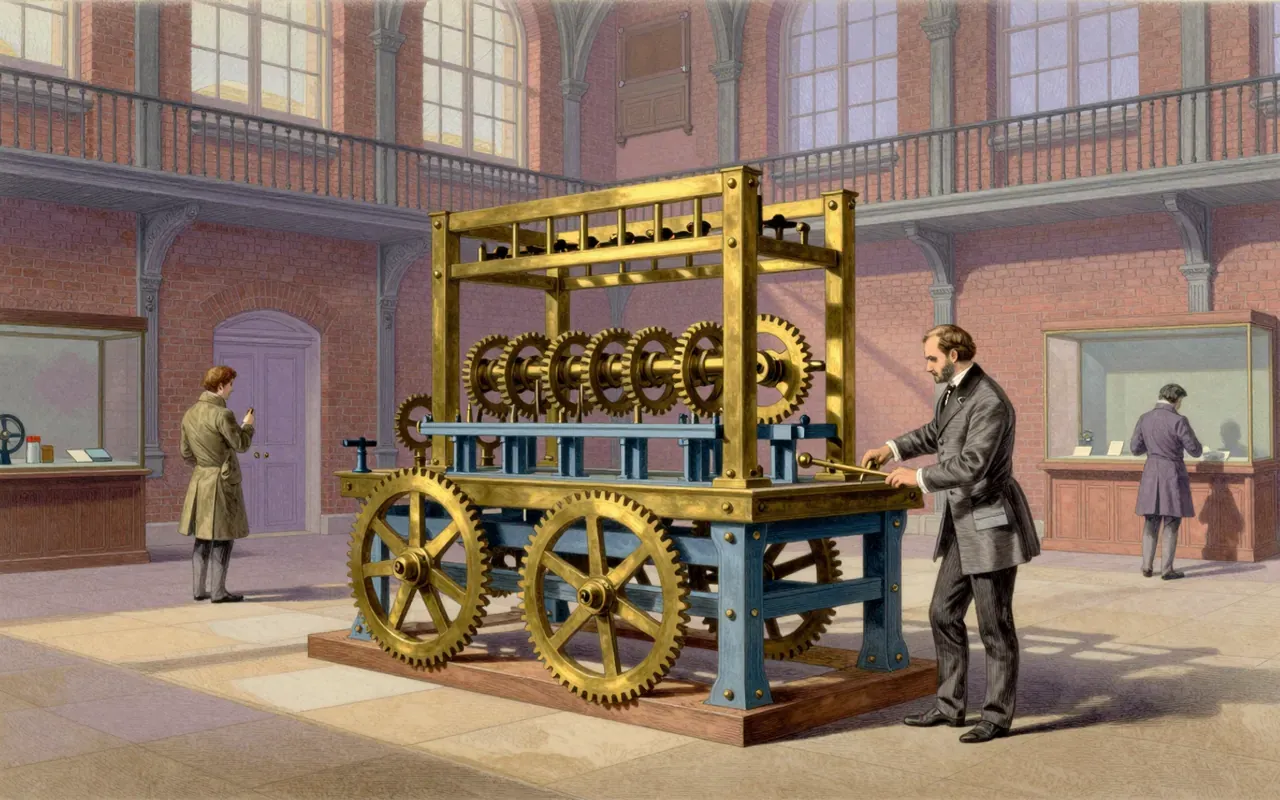
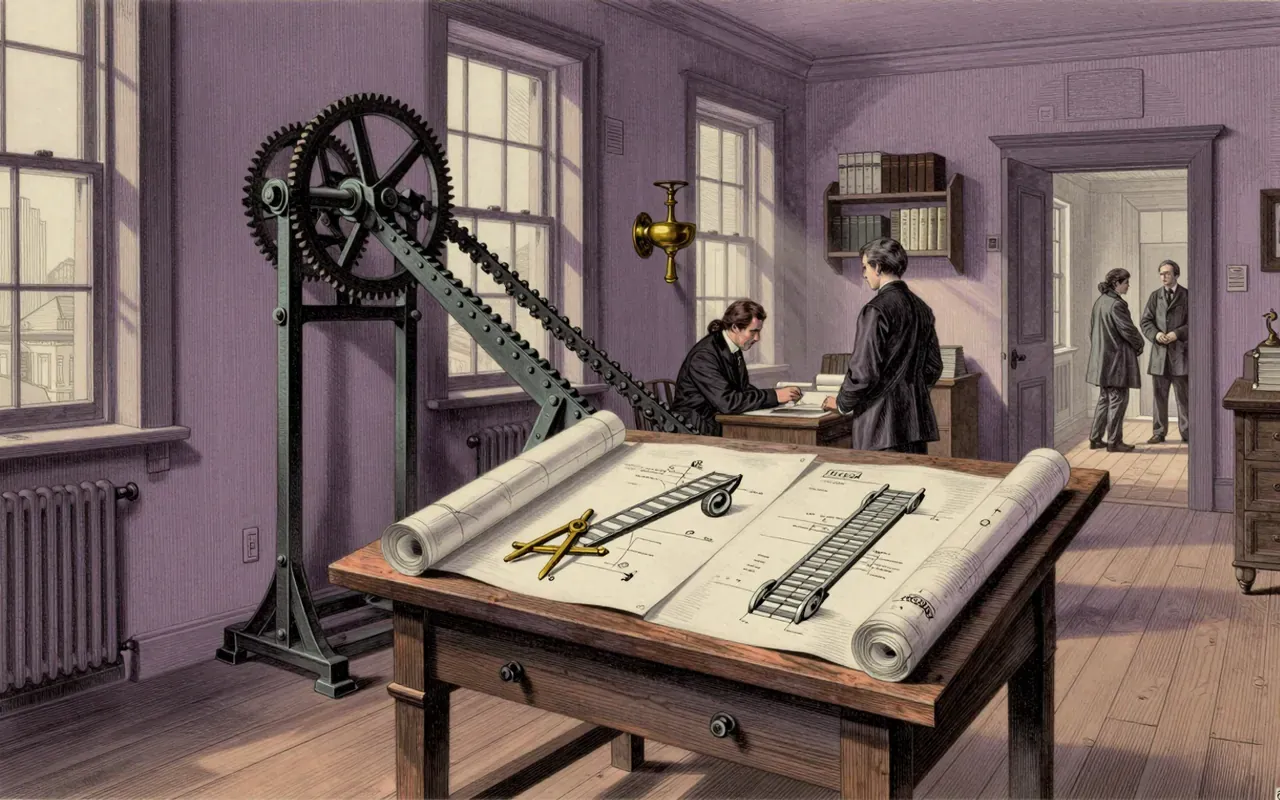
The difference engine is a proof that mechanical computation at high precision was possible in the 1820s—but only for one narrow class of problems, and only if built correctly. Its value lies not in what it delivered, but in what it demonstrated could be delivered.

9:56

DVD

multiple vendors

DVD is a standardised optical storage format invented in 1995 and released in Japan on 1 November 1996. It stores any digital data. Its key advance over CD is higher capacity—up to 17.08 GB—achieved within identical physical dimensions via tighter pit geometry and layering. It succeeded commercially for video and software distribution but failed to unify playback due to format wars (DVD±R), region locks, and copy protection.

9:36

Endoscope

Philipp Bozzini

Bozzini’s Lichtleiter established endoscopy as a category: a purpose-built optical conduit for internal light and view. It worked technically in most cavities. It failed institutionally — blocked by authority, not physics. Its legacy is conceptual, not clinical.

10:53

Escalator

The escalator did not exist in 1891 — it was a series of failed patents, one working demo, and three years of silence before commerce.
9:22

Floppy disk

IBM · 1964

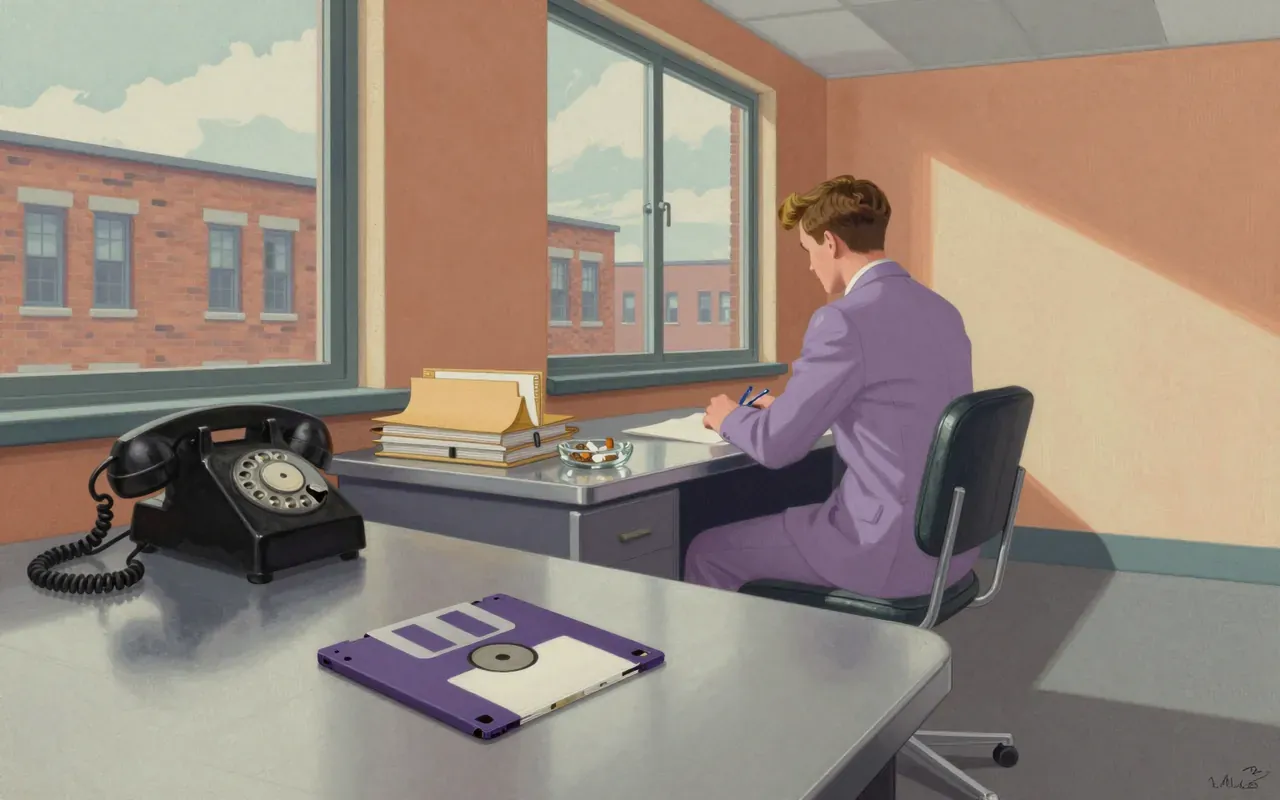
The floppy disk is a hardware innovation that enabled portable, standardised, low-capacity digital data exchange in IBM mainframe environments. It succeeded where earlier media failed — not by being faster or denser, but by being specifiable, licensable, and physically durable enough for daily use in controlled settings.

10:40

Fluorescent lamp

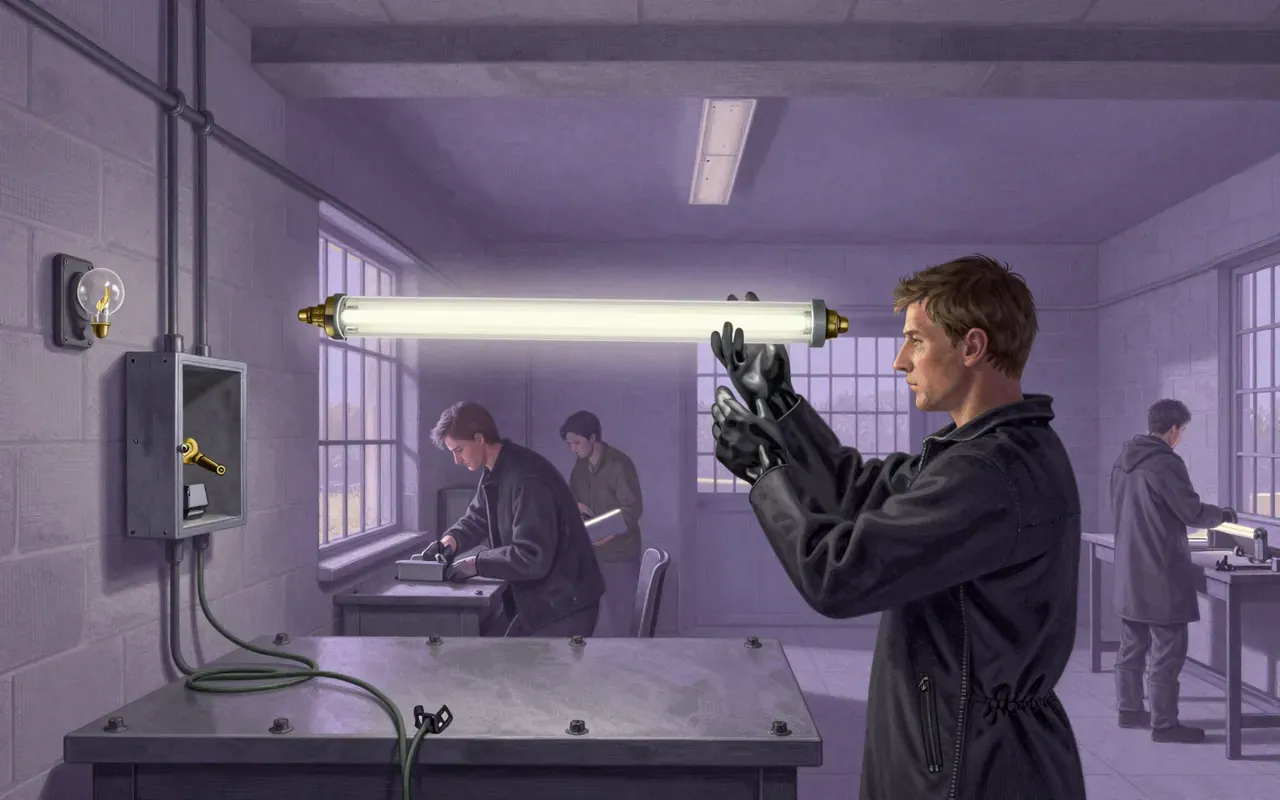
Fluorescent lighting cut electricity waste—but locked users into ballasts, mercury, and slow starts.
10:23

Fuel cell

William Robert Grove · 1842

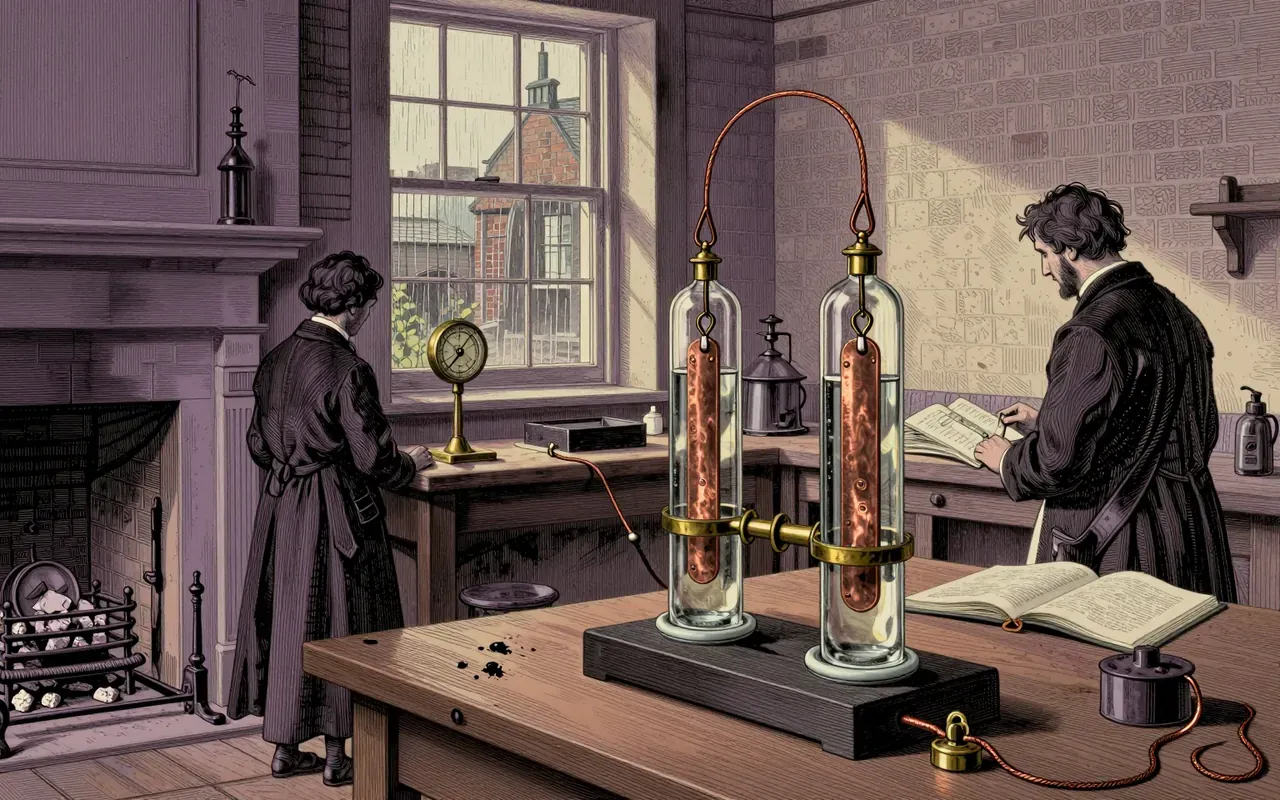
Grove’s fuel cell is a foundational experiment, not a functional technology. It demonstrated atomic reversibility, not power generation.

9:36

Berliner Gramophone

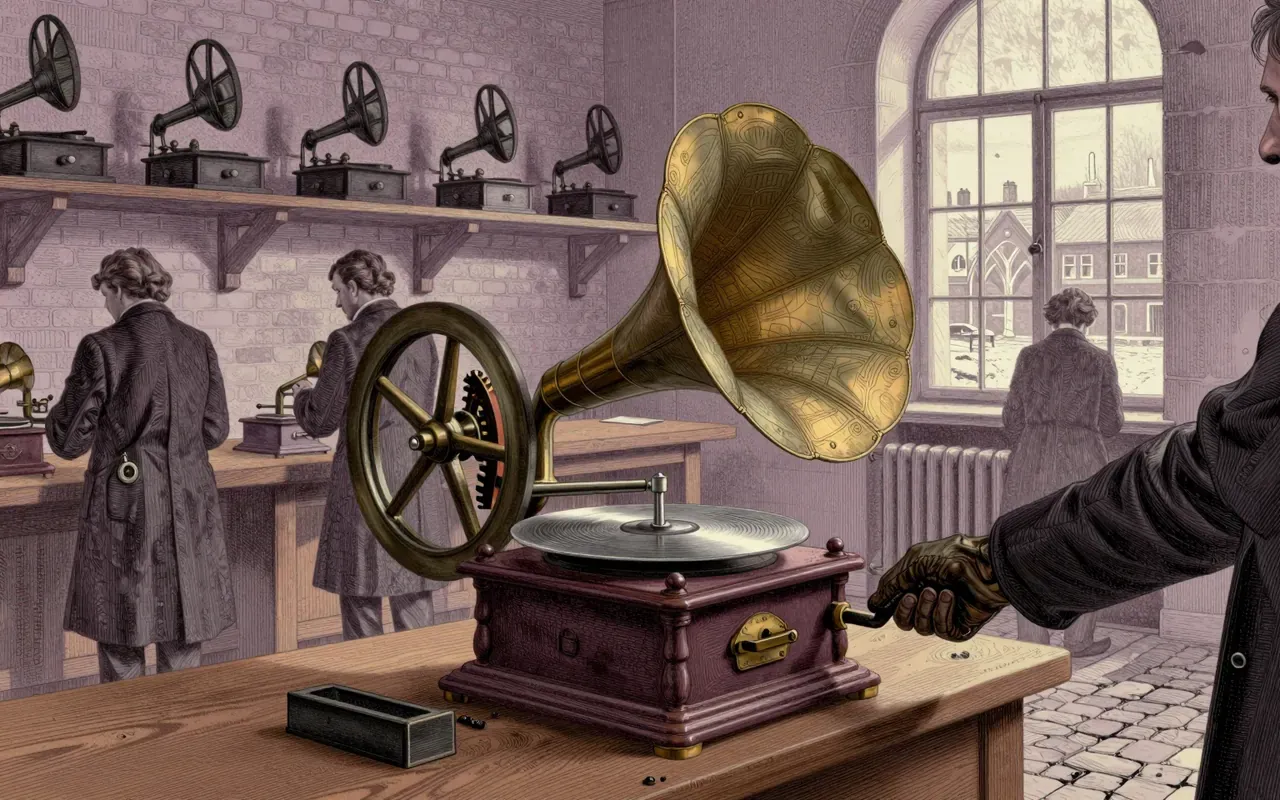
The Berliner Gramophone didn’t invent sound recording—but it invented the record label, the disc format, and the idea that music could be a stamped commodity.
9:08

Gyroscope

Léon Foucault · 1852

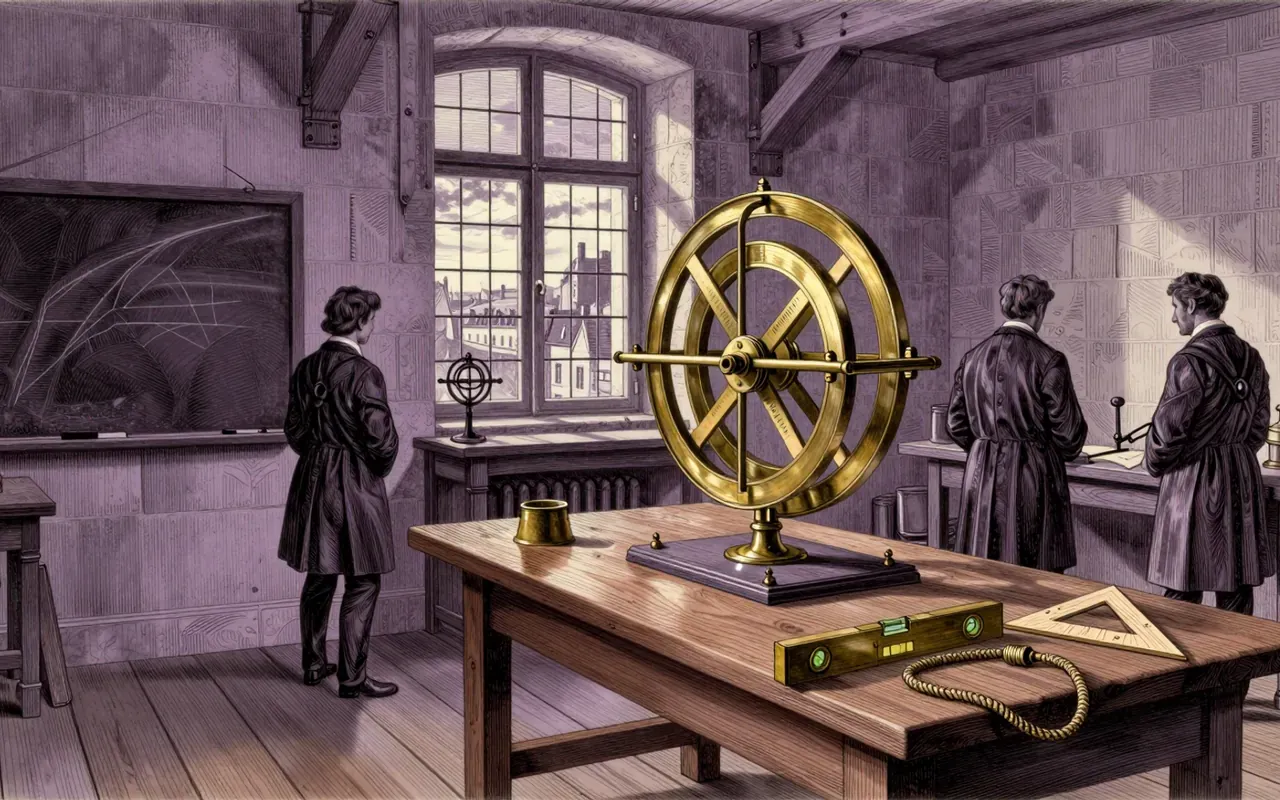
The gyroscope is a demonstration device, not a tool. It makes Earth’s rotation locally visible — for less than ten minutes — using nothing but inertia and friction. It changed pedagogy, not engineering.

11:28

Jet engine

Frank Whittle and Hans von Ohain

The jet engine solved thrust scaling for high-speed flight, but Whittle’s and von Ohain’s first implementations were experimental dead ends — low-efficiency, non-production designs that proved the principle but not the path.

9:00

Liquid-crystal display

George H. Heilmeier

The Liquid-crystal display (LCD) invented by George H. Heilmeier at RCA in 1964 was the first operational display based on dynamic scattering mode (DSM). It solved the problem of achieving solid-state visual output by exploiting field-induced light scattering in liquid crystals — not alignment-based modulation. DSM works by applying voltage to switch the layer from transparent to turbid, enabling rudimentary on/off display states in transmissive or reflective modes. It required considerable current, limiting practical use. Though credited as the invention of the LCD, DSM was superseded within a decade due to its power demands and lack of scalability. It changed display R&D by proving liquid crystals could be electrically switched, but it did not deliver on low-power, high-density, or long-life promises.

8:39

Loudspeaker

Oliver Lodge

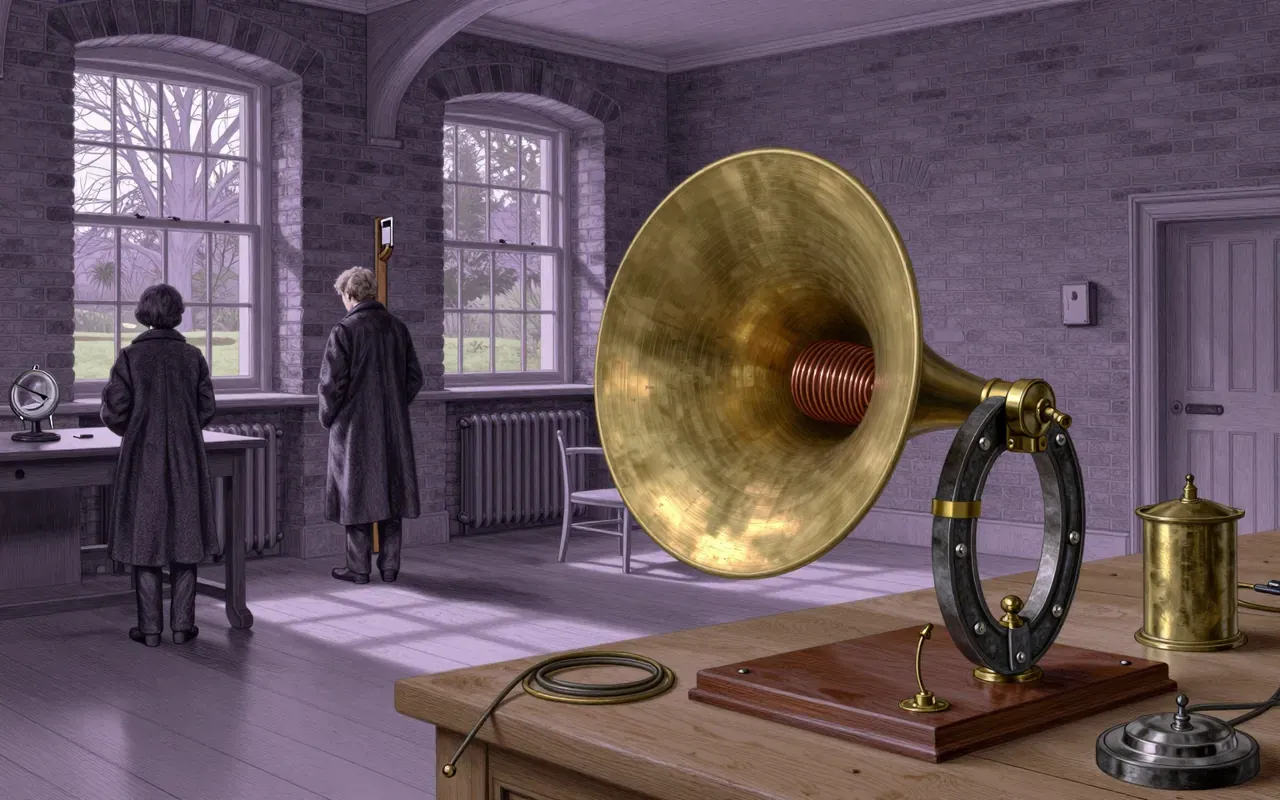
Lodge’s 1898 invention is the origin point of the moving-coil loudspeaker—but it was experimental, uncommercialised, and functionally limited. It proved electromagnetic transduction could move air. It did not solve amplification, fidelity, or scalability. Its value lies in principle, not performance.

9:21

Microwave oven

Percy Spencer · 1945

Percy Spencer’s 1945 microwave oven invention repurposed radar magnetrons for cooking. It works by dielectric heating in a sealed metal cavity. Popcorn and candy heat reliably. Eggs explode. The first commercial unit—the Radarange—arrived in 1947. No claim about speed, size, price, or adoption beyond what sources state.

10:00

Oculus Go

Standalone VR succeeded not by promising immersion—but by delivering convenience.
9:31

Power loom

Edmund Cartwright · 1789

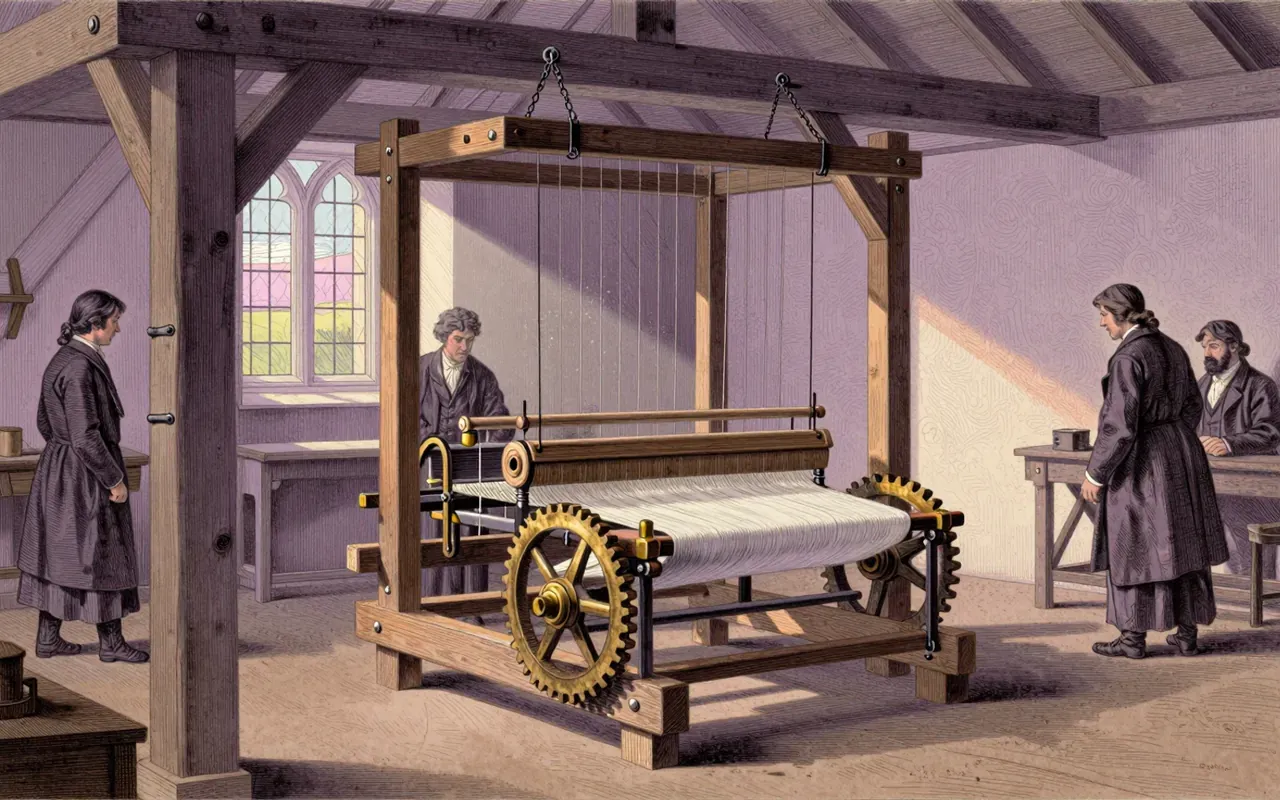
The power loom is a foundational failure: it proved automated weaving possible but could not sustain production. Its value lies in its mechanism—not its output—and its legacy is structural, not operational.

10:04

Punched card

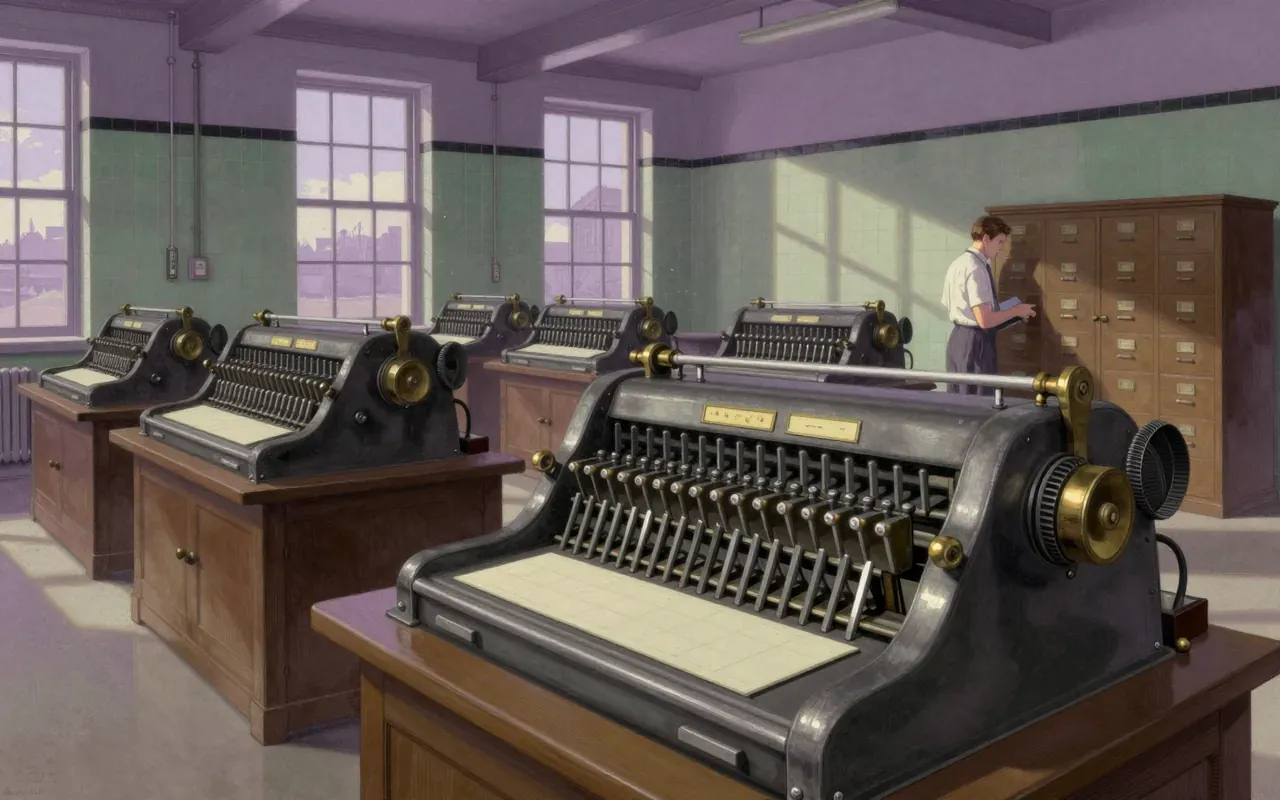
A hole in paper was the first universal interface between human intention and machine action — and its limits defined the shape of computing for eighty years.
8:58

Radio

Radio in 1894 is not broadcasting — it’s Morse code jumping gaps in air, not voices crossing continents.
10:14

Steam engine

Steam engines did not invent industrial power—they outsourced combustion, then outsourced control.
10:26

Telephone

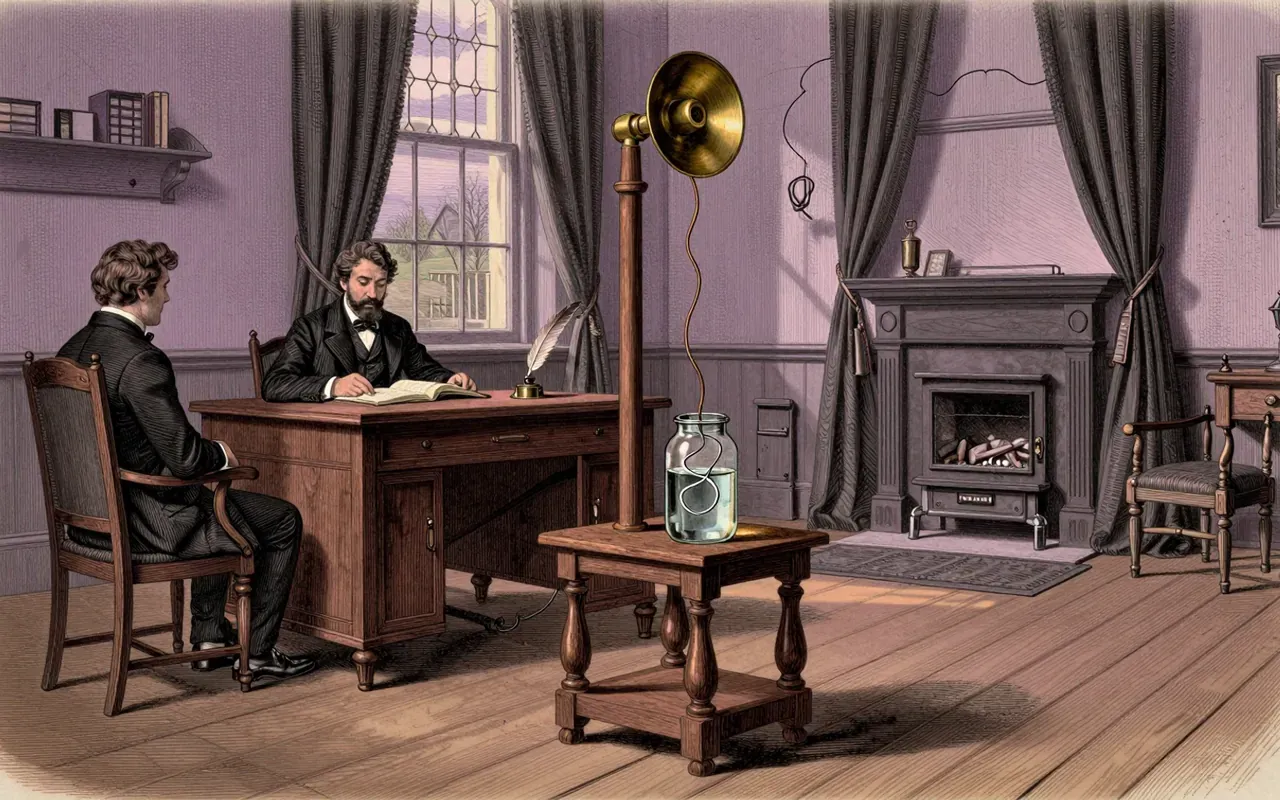
The telephone wasn’t invented in 1876—it was *specified*: a precise physical condition for intelligibility, not a finished product.
10:22

History of the telescope

Hans Lippershey

The Lippershey telescope is not the origin of astronomy—it is the origin of optical procurement. It works. It is limited. It was copied before it was patented. Its legacy is procedural, not optical.

10:14

Tesla Model X

Tesla · 2012

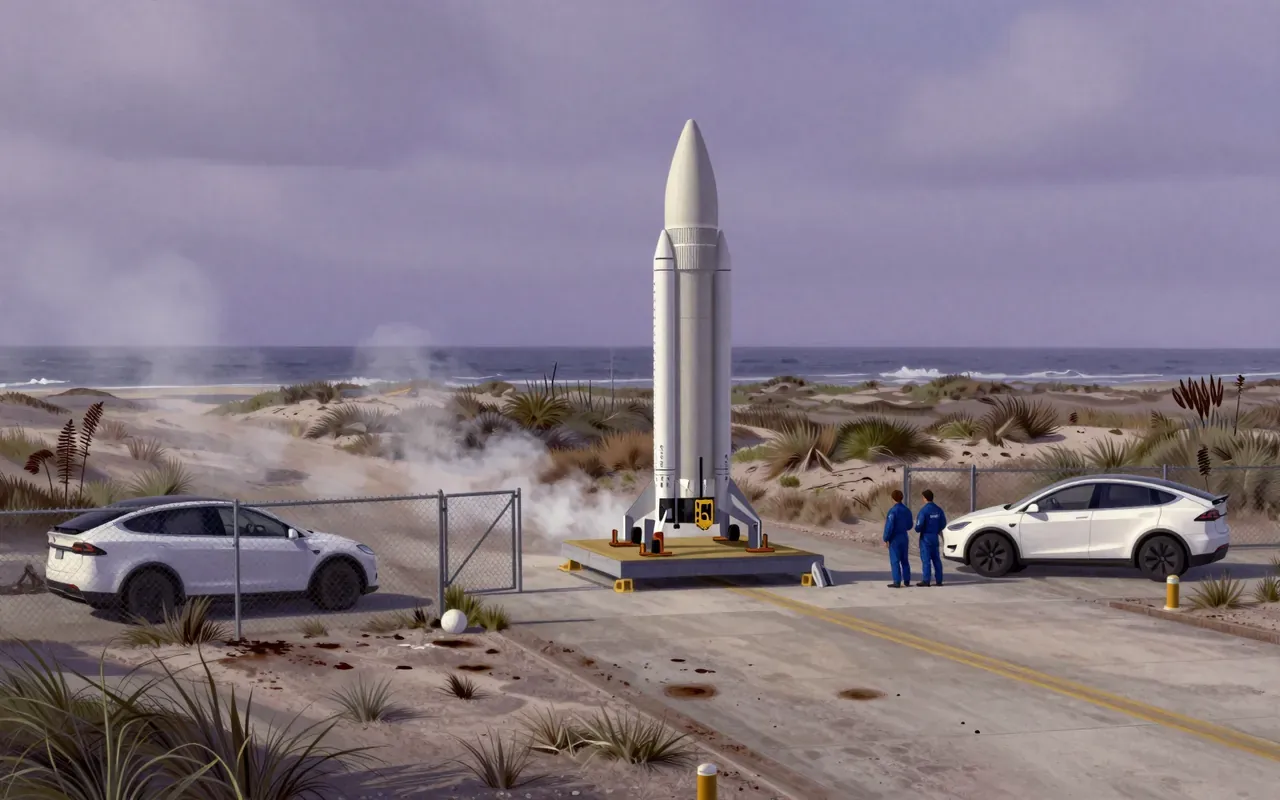
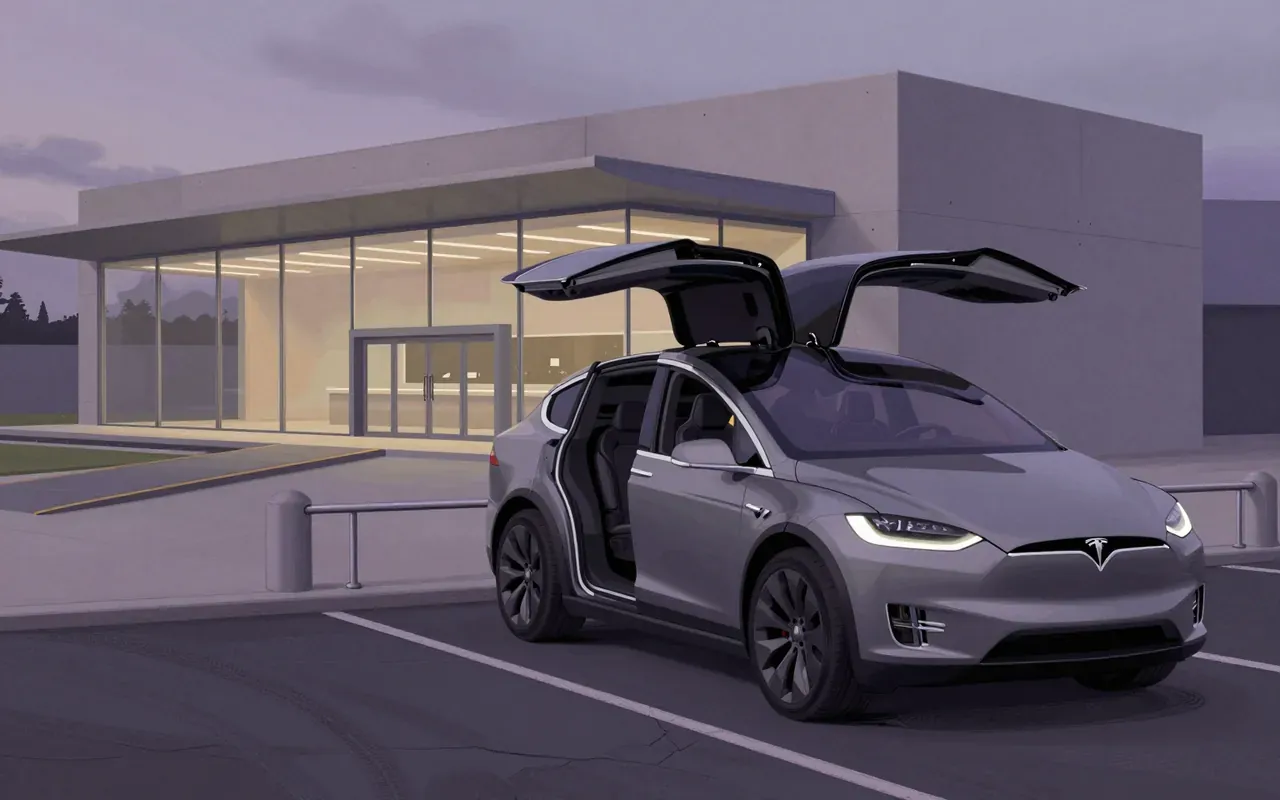
The Tesla Model X is a battery electric mid-size luxury crossover SUV developed from the Model S platform and distinguished by falcon wing doors. It shares ~30% of its parts with the Model S—half the originally planned 60%—and weighs ~10% more. Unveiled in Hawthorne on 9 February 2012, it entered production in Fremont and began deliveries in September 2015. In 2016, it ranked seventh among the world’s best-selling plug-in cars. A 2021 refresh added the Plaid model and updated interior, powertrain, and suspension.

9:06

Threshing machine

Andrew Meikle · 1786

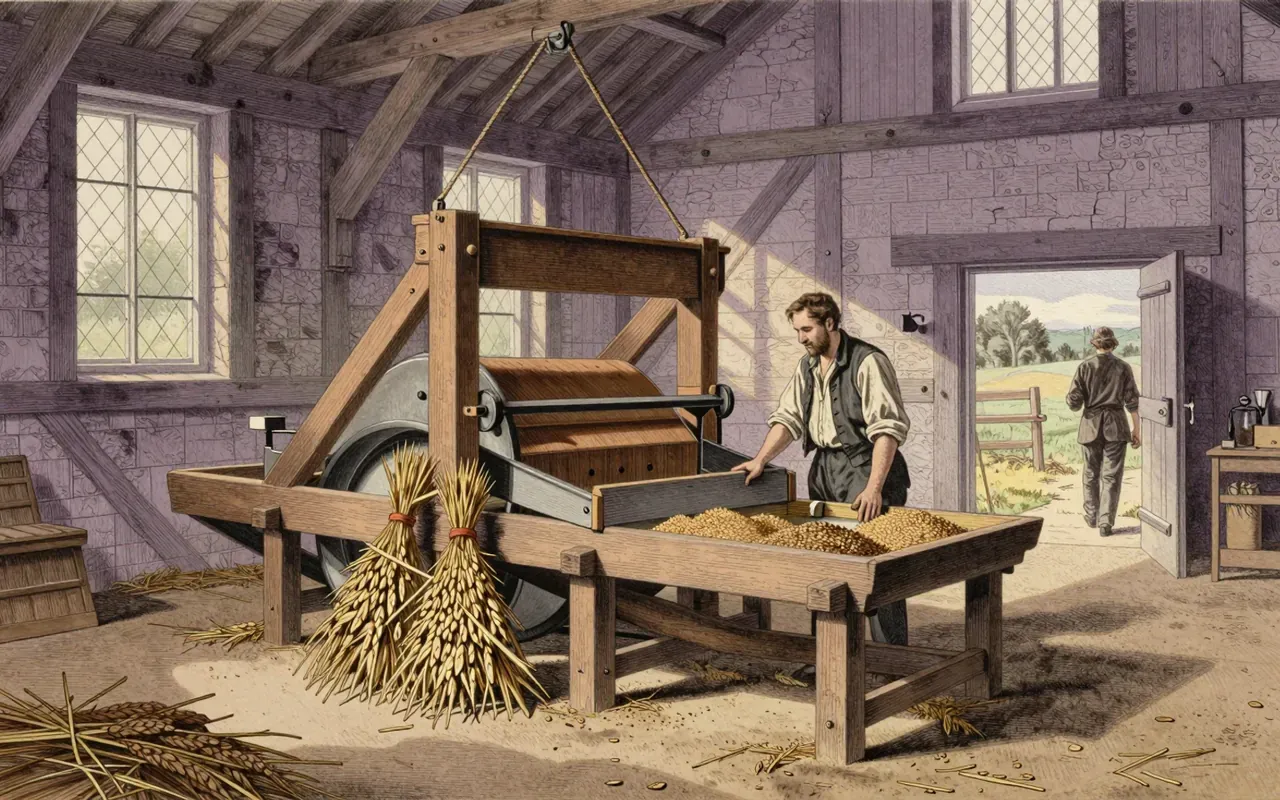
The threshing machine was the first agricultural device to mechanise grain separation—but its initial form solved only one step of a three-step process. Meikle’s 1786 invention used velocity-driven fixed beaters to dislodge grain. Early output remained mixed: straw, chaff, and grain formed a single heap. Only with added rakes, shakers, and fanners did it deliver clean, market-ready grain. It reduced labour by ~25%, lifted yield by up to 5%, and cut total processing cost below prior cleaning-only expense. It did not eliminate human oversight. It did not scale without infrastructure. It did not win immediate adoption. It established that mechanisation required integration—not just substitution.

9:09

Vacuum tube

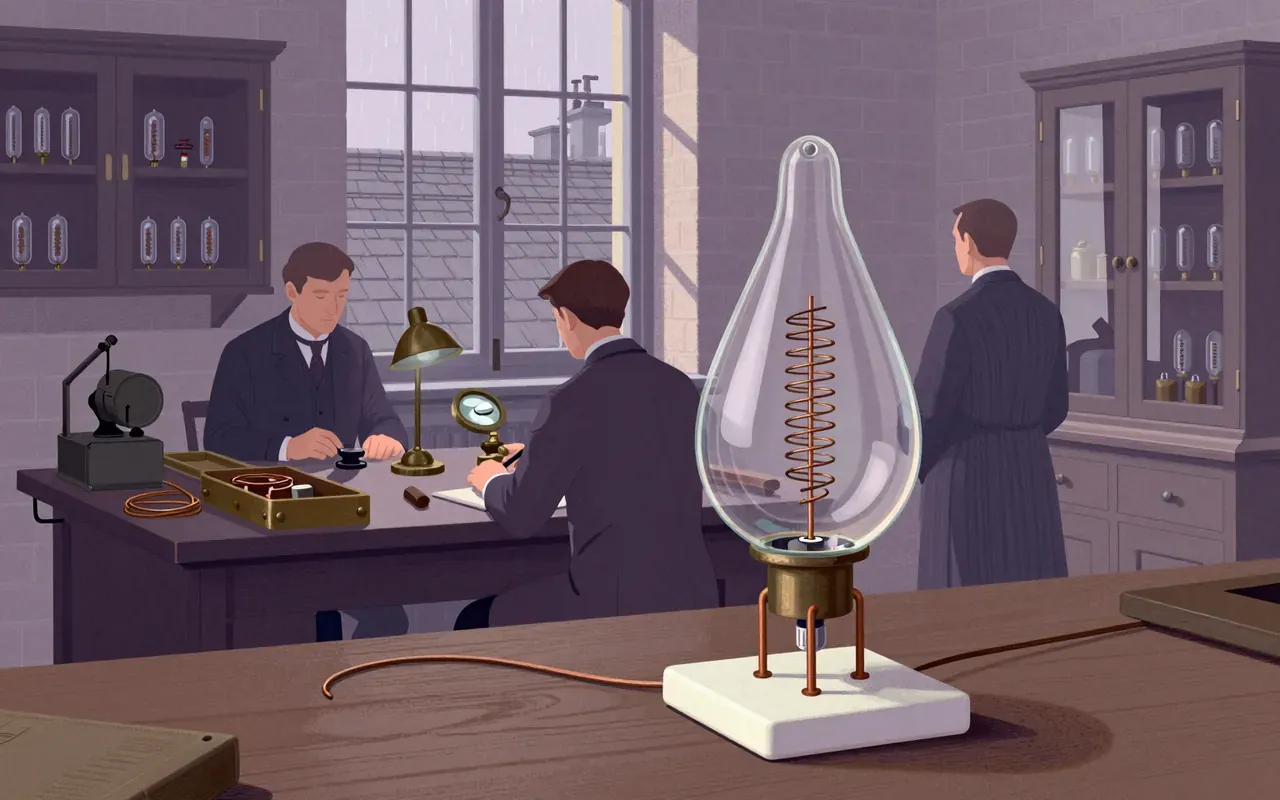
The vacuum tube isn’t the birth of electronics—it’s the first deliberate bottleneck for electrons.
8:52

Wind turbine

Charles F. Brush · 1887

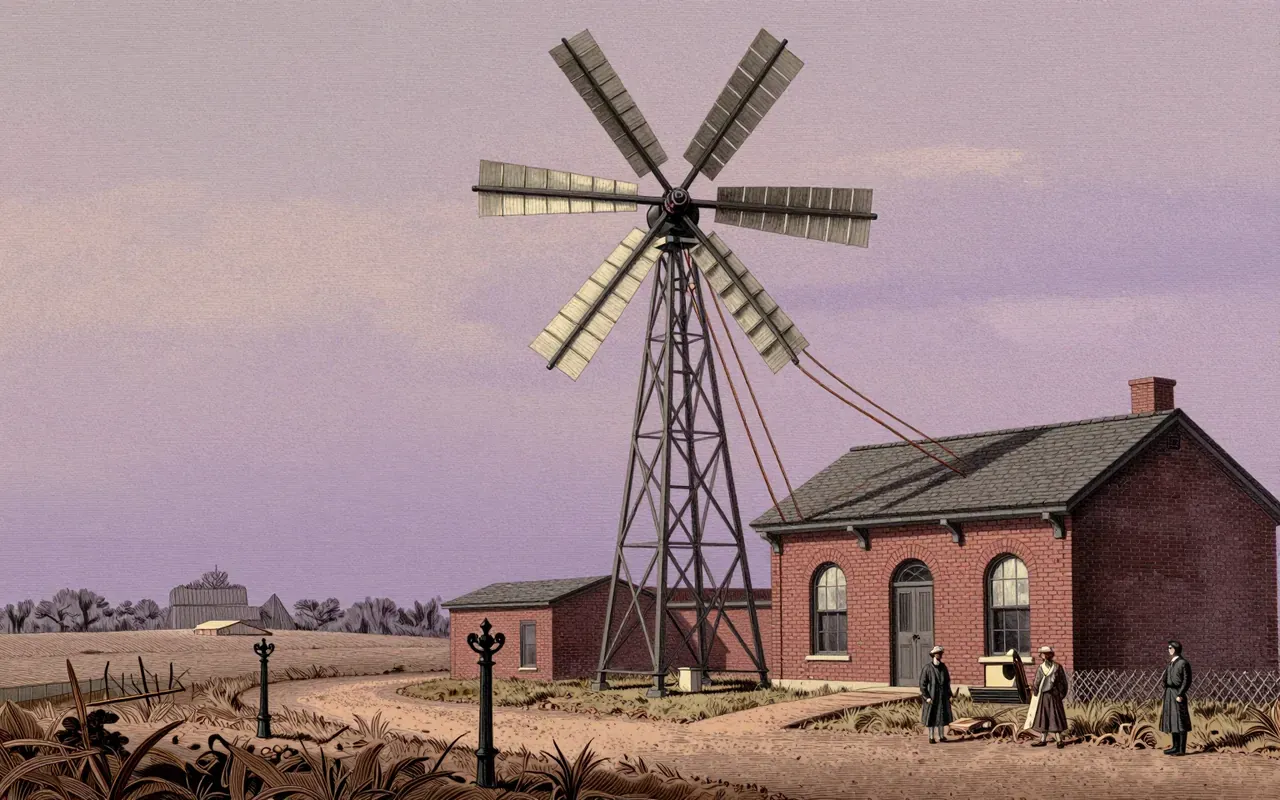
Charles F. Brush’s 1888 wind turbine was the first automatically operated system for electricity generation from wind. It powered his Cleveland mansion—the city’s first electrified home—for 20 years without failure, charging 12 batteries. Its success depended on isolation: wind electricity was more cost effective only where populations were widely scattered. It proved mechanical reliability but not scalability, economic transferability, or grid compatibility.

9:21

Thread (computing)

Threads didn’t make concurrency easier — they made it portable, then exposed how fragile portability really is.
10:23

Wi-Fi

Wi-Fi replaced cables with radio — but gave up control, security, and predictability to do it.
10:04

YAML

YAML trades parser reliability for human legibility—and wins only where humans edit more than machines validate.
10:30

Zigbee

Zigbee delivers mesh networking and encryption — but only if you accept its closed gates and brittle interoperability.
10:58

Da Vinci Surgical System

Intuitive Surgical

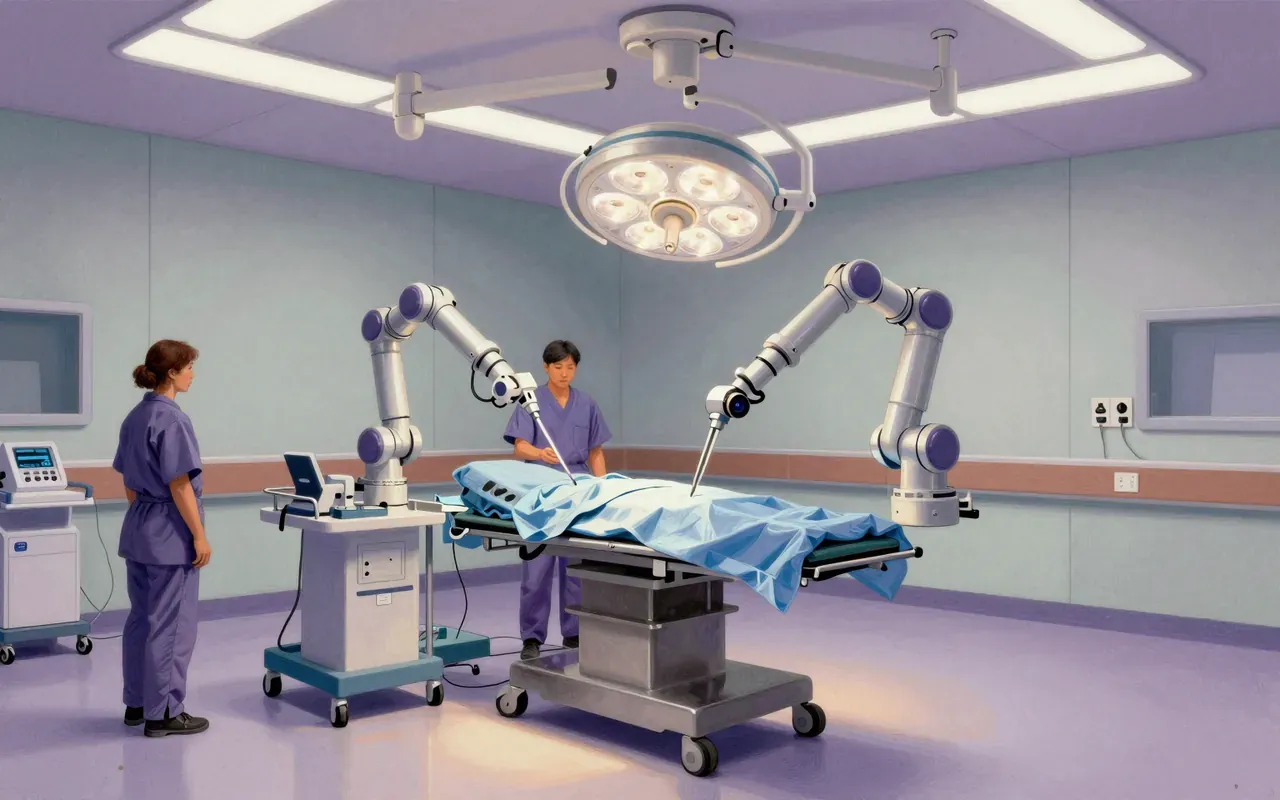
The Da Vinci Surgical System is a teleoperated robotic platform for minimally invasive surgery. It translates surgeon hand motions at a console into precise movements of up to four robotic arms at the patient’s side — one for 3D vision, the rest for tools. FDA-cleared in 2000, it had performed ~200,000 surgeries by 2012, mainly prostatectomies and hysterectomies. It does not demonstrate long-term superiority over laparoscopy. It demands high capital cost, proprietary software, dedicated training, and a full surgical team. Safety investigations by the FDA include reports of patient injury and death.

9:34

Apple I

It did not invent the personal computer — it outsourced the enclosure, power, and input, then billed it as progress.
10:34

Smartwatch

It is not a watch. It is a tethered peripheral that trades battery life, privacy, and physiological accuracy for convenience.
9:10

Microsoft Windows

Windows 1985 didn’t invent the GUI — it outsourced the OS to DOS and sold the interface as the product.
9:18

Nokia Networks

A joint venture built to survive — not lead — the mobile broadband transition.
9:37

Crucial

Crucial was the brand under which Micron Technology sold its consumer memory and storage products, until the brand was discontinued in 2026.
8:16

1G

1G wasn’t the dawn of mobile—it was the last gasp of analog radio dressed as a network.
10:40

AI agent

AI agents promise autonomy — but deliver orchestration dressed as agency.
8:40

Modular smartphone

Modular smartphones promise repairable phones — but deliver compromises that make them impractical for most users.
9:28

Quantum computing

Quantum computing is not a faster computer—it’s a different kind of calculator, built for problems classical machines were never meant to solve.
9:55

Quantum network

Quantum networks are not a new internet — they’re a fragile, meter-scale lab technique pretending to be infrastructure.
11:32

Rethink Robotics

Rodney Brooks · 2008

Rethink Robotics launched Baxter in 2012 as a collaborative industrial robot designed to work safely beside humans — using physical stoppage and manual override, not AI. It released Sawyer in 2015 for finer tasks, then went global with cobots in 2016. It ceased operations in October 2018. Its assets were sold. Its later relaunch attempts failed within a year. Its safety mechanisms worked. Its business model did not.

9:24

Photoresistor

It’s not a sensor — it’s a switch that blinks slowly and forgets the dark.
8:50

File Transfer Protocol

Abhay Bhushan · 1971

FTP is a foundational but fatally flawed protocol. It delivered interoperable file transfer in 1971, but its reliance on unencrypted channels and rigid two-connection architecture made it unsustainable. It changed how machines shared data — then became the textbook example of inherited insecurity.