technologybriefs
Highest rated

All briefs

620 briefs · 6210 min · 385–480 on page 5 of 7
8:36

Nuclear power

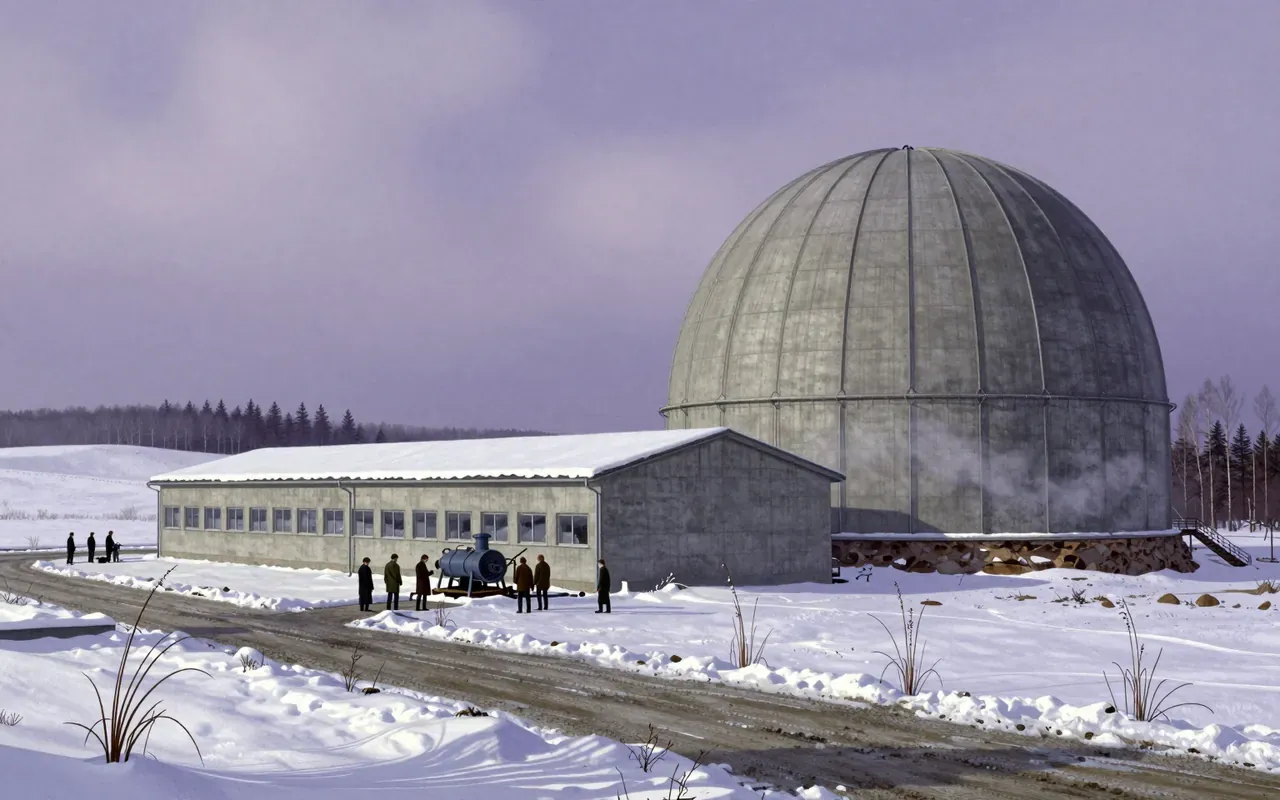
Nuclear power delivers low-carbon baseload electricity—but only by accepting high cost, slow deployment, and unresolved waste.
12:10

Onsemi

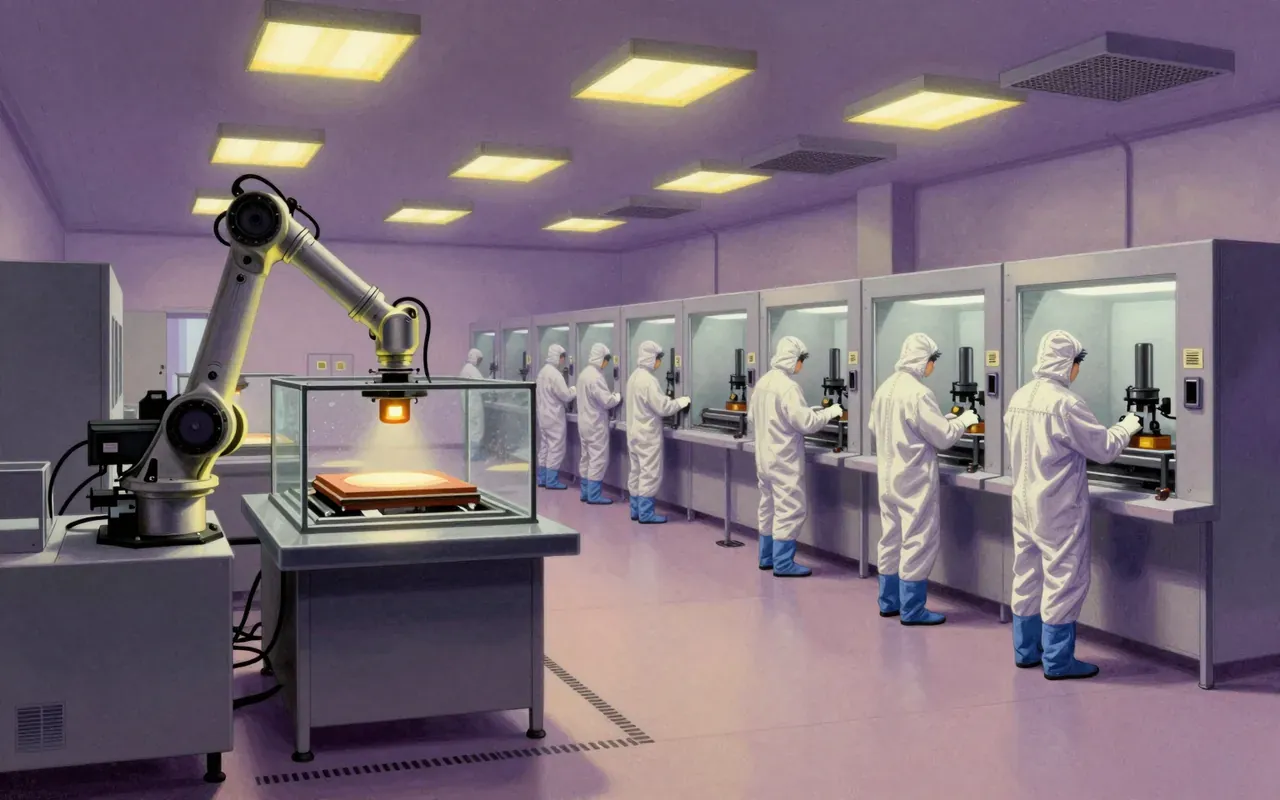
onsemi doesn’t invent new physics — it industrialises Motorola’s legacy, one acquired wafer fab at a time.
10:27

Orange (software)

Visual programming doesn’t replace coding — it defers the hard parts until they’re unavoidable.
9:59

PalmPilot

A pocket-sized organiser that worked—until it had to do more than organise.
8:43

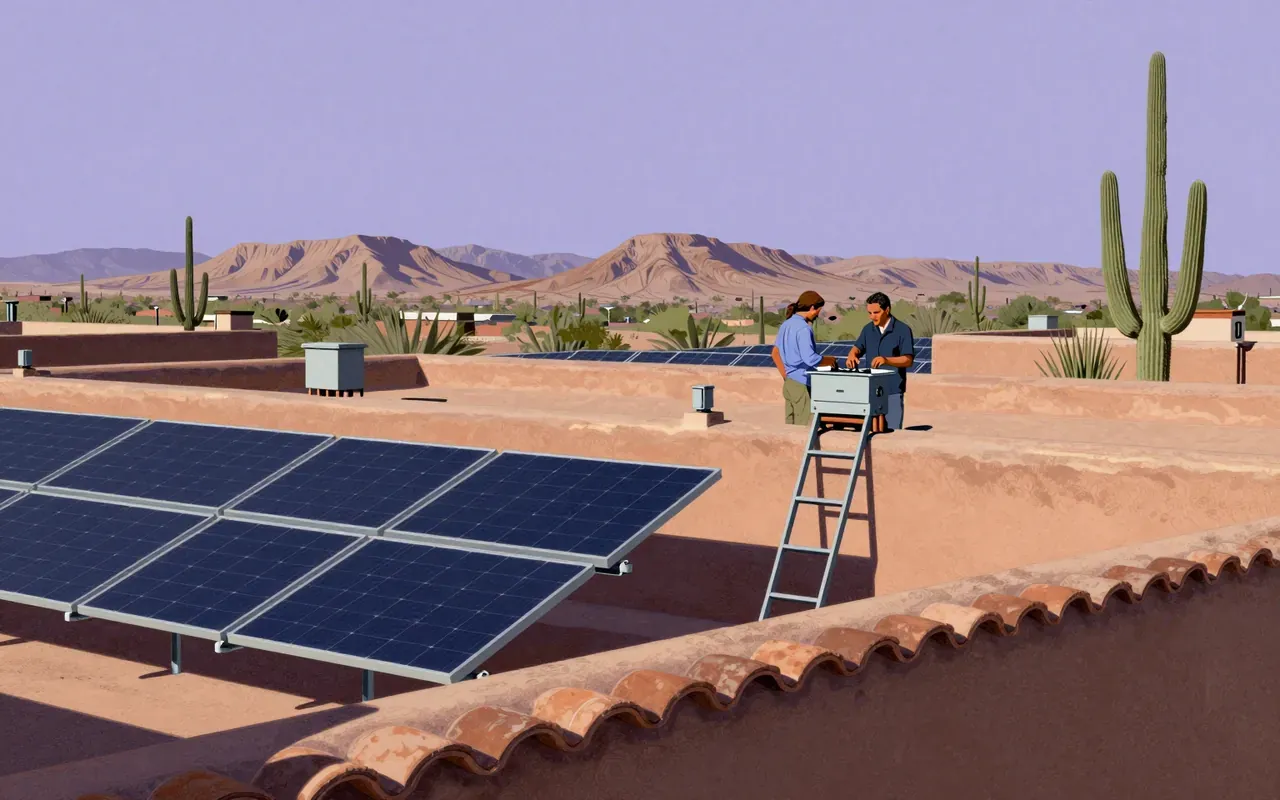
Solar power

Solar power delivers electricity—but only when the sun shines, only where it shines brightly, and only after you’ve solved storage, transmission, and land-use trade-offs.
11:39

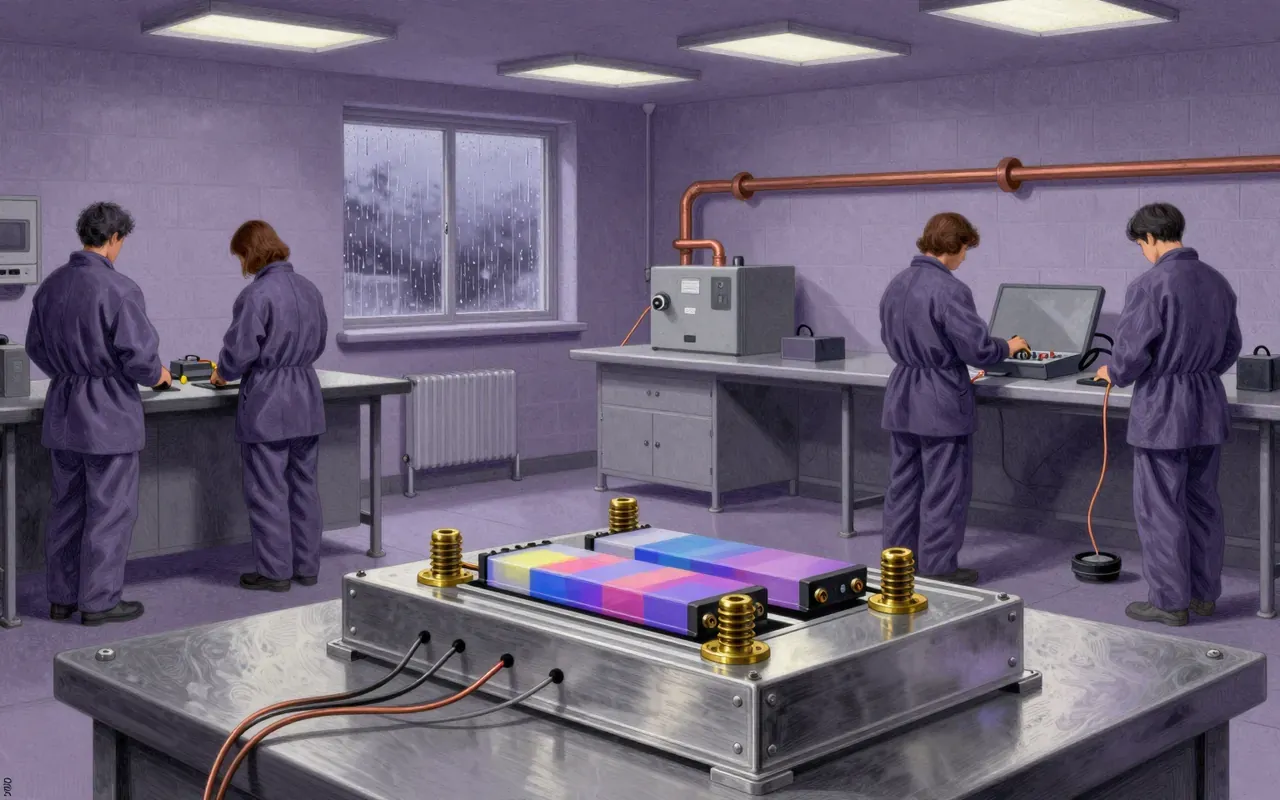
Solid-state battery

Solid-state batteries deliver real gains in safety and speed — but they are not shipping, not scaling, and not replacing anything yet.
9:30

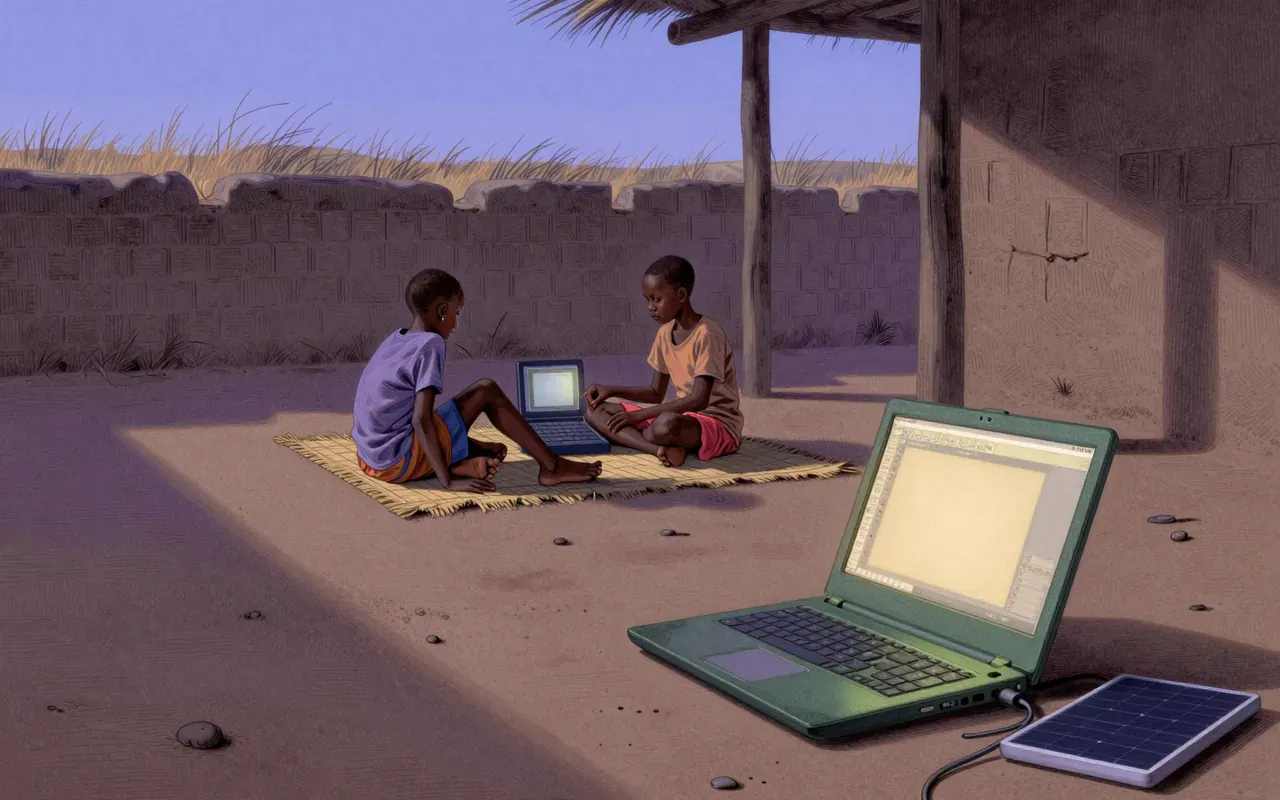
OLPC XO

A noble failure: the XO delivered rugged, flash-based Linux laptops to children — but broke its core promises on price, power, and peer networking.
10:08

Blu-ray

Blu-ray Disc Association · 2006

Blu-ray delivered on its central promise: 1080p video on a 50 GB optical disc, using a blue laser. It beat HD DVD not through superiority but through earlier hardware shipments, studio backing, and Toshiba’s withdrawal. It did not solve physical media’s cost, fragility, or obsolescence—and never replaced streaming for most users.
9:44

Atlas (robot)

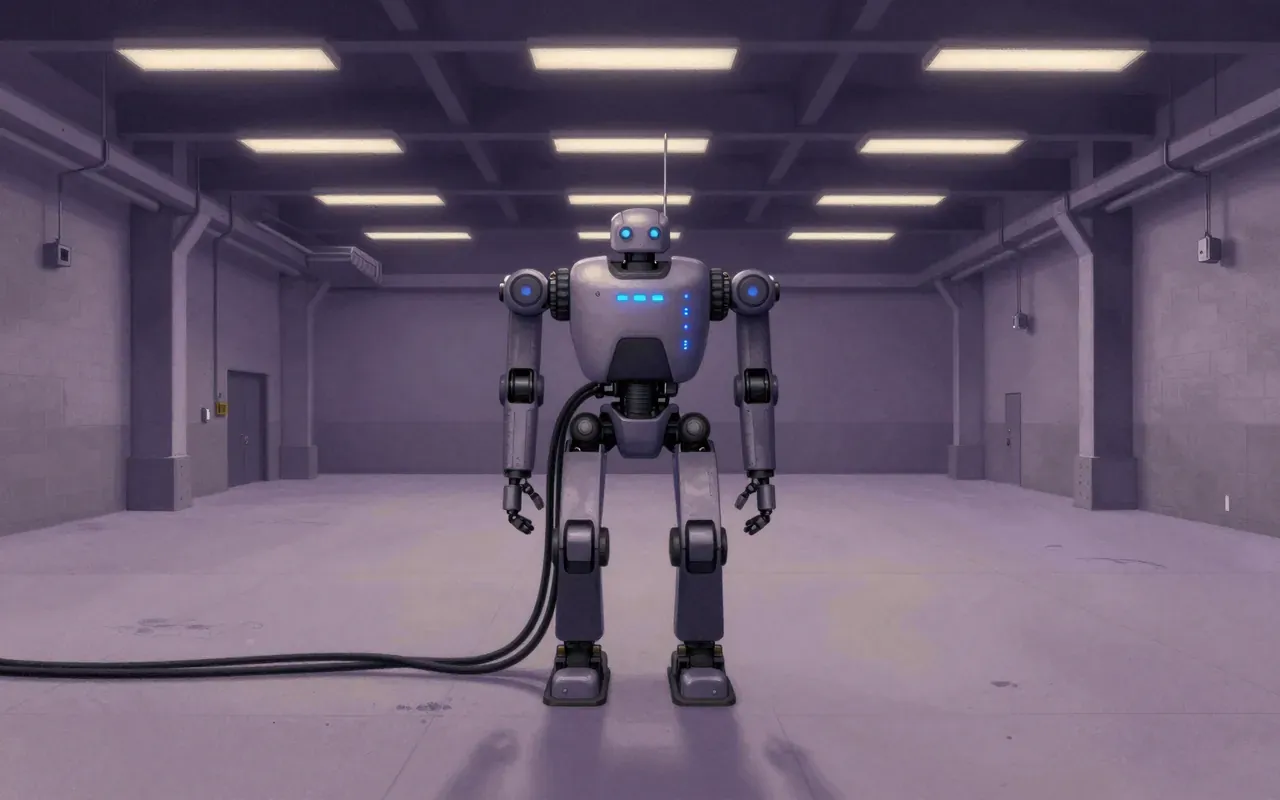
Atlas wasn’t built to save lives—it was built to prove they could be saved, one lab demo at a time.
11:23

DJI Phantom

DJI

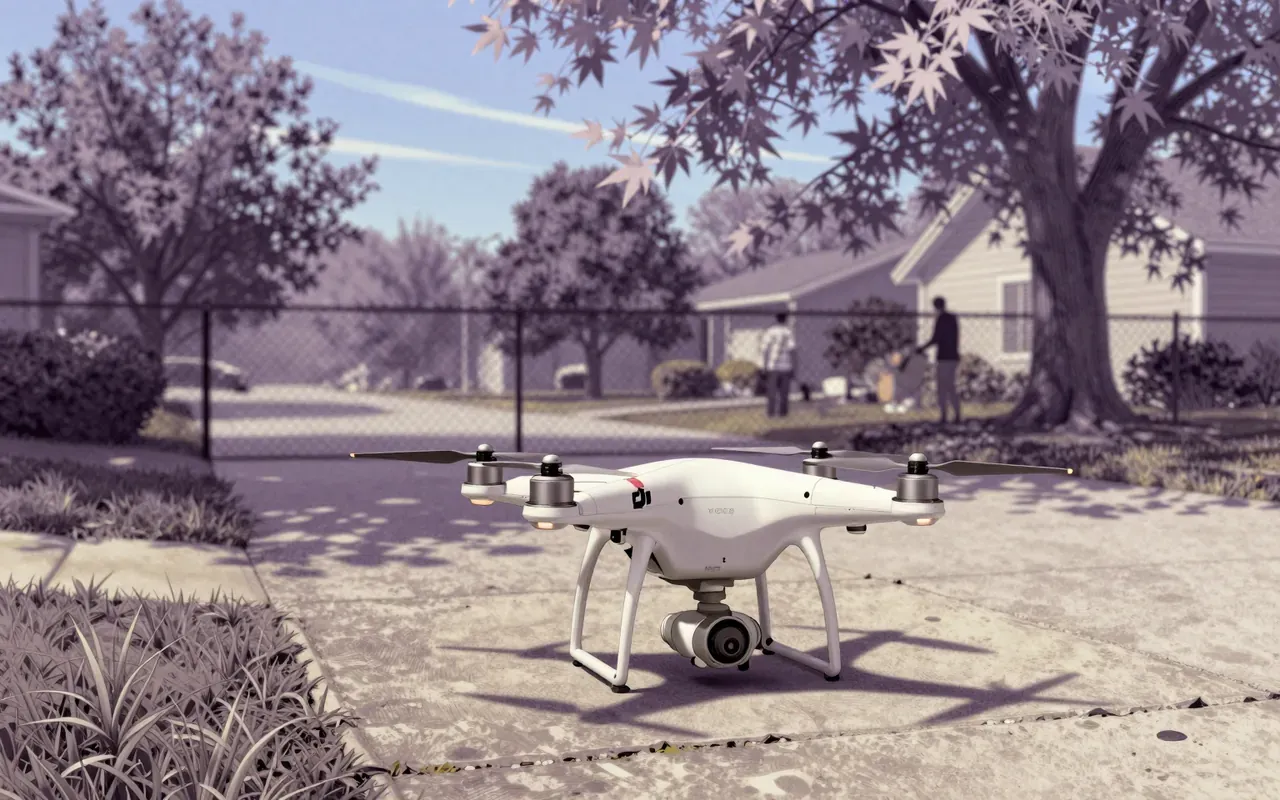
The DJI Phantom series launched in 2013 as an entry-level, GPS-stabilised quadcopter. It pioneered the consumer aerial photography drone form factor. It was DJI’s first fully assembled drone. It was priced at $629. It achieved 15 minutes of flight time. It supported optional GoPro mounting. It used a GPS-enabled NAZA-M autopilot. The Phantom 2 Vision introduced the first built-in camera in the series. The line was discontinued after the Phantom 4.
12:34

ASIMO

Honda

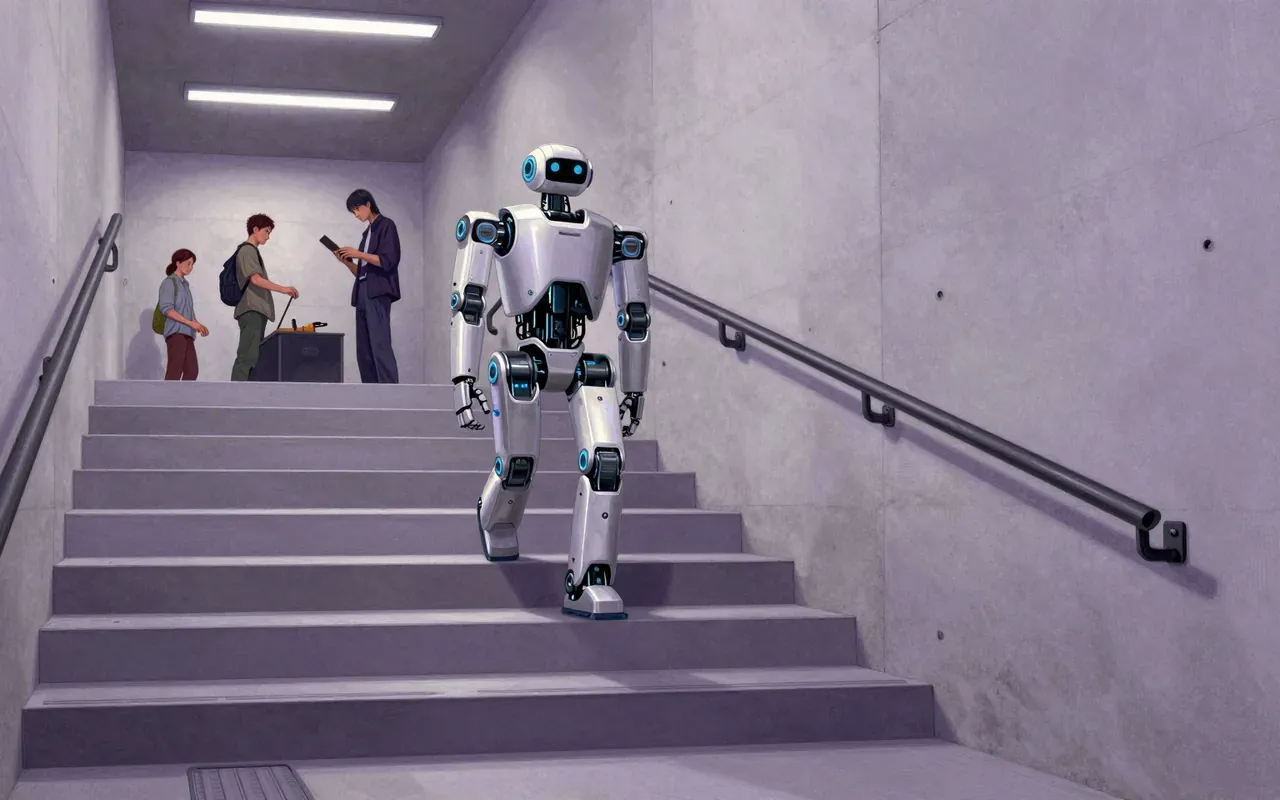
ASIMO was Honda’s eleventh humanoid robot, built to test bipedal navigation in human environments. It worked — but only in narrow conditions. It climbed stairs autonomously, yet fell twice. It recognised faces and gestures, but only pre-trained ones. It ran one hour on lithium-ion power, but never left the lab. Retired in 2022, it changed robotics research, not robotics use.

8:58

Dreamcast

Sega · 1998

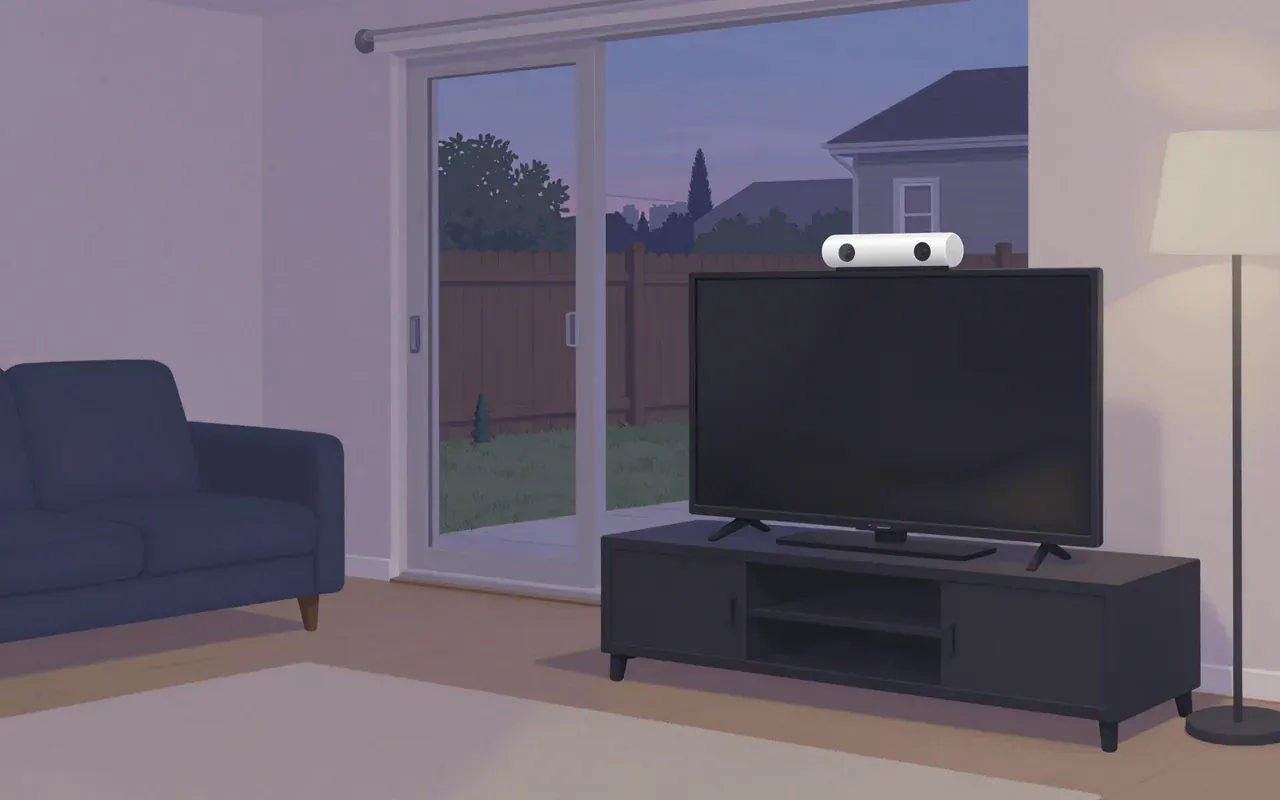
The Dreamcast was Sega’s final home video game console. It launched in Japan on November 27, 1998, and globally in late 1999. It used off-the-shelf components, shared hardware with the NAOMI arcade board, avoided DVD licensing with GD-ROM, and shipped with a built-in dial-up modem — the first console to do so. It achieved strong initial sales: 150,000 units sold out in Japan on day one; over 225,132 sold in North America in 24 hours; more than 500,000 in two weeks; and 31% of US video game revenue by Christmas 1999. But momentum collapsed in 2000. Competition from PlayStation 2 and Xbox, weak third-party support, and financial strain forced Sega to discontinue the console on March 31, 2001 — ending its hardware business. Total sales: 9.13 million units. Games released: over 600.
11:04

PlayStation VR

Sony · 2016

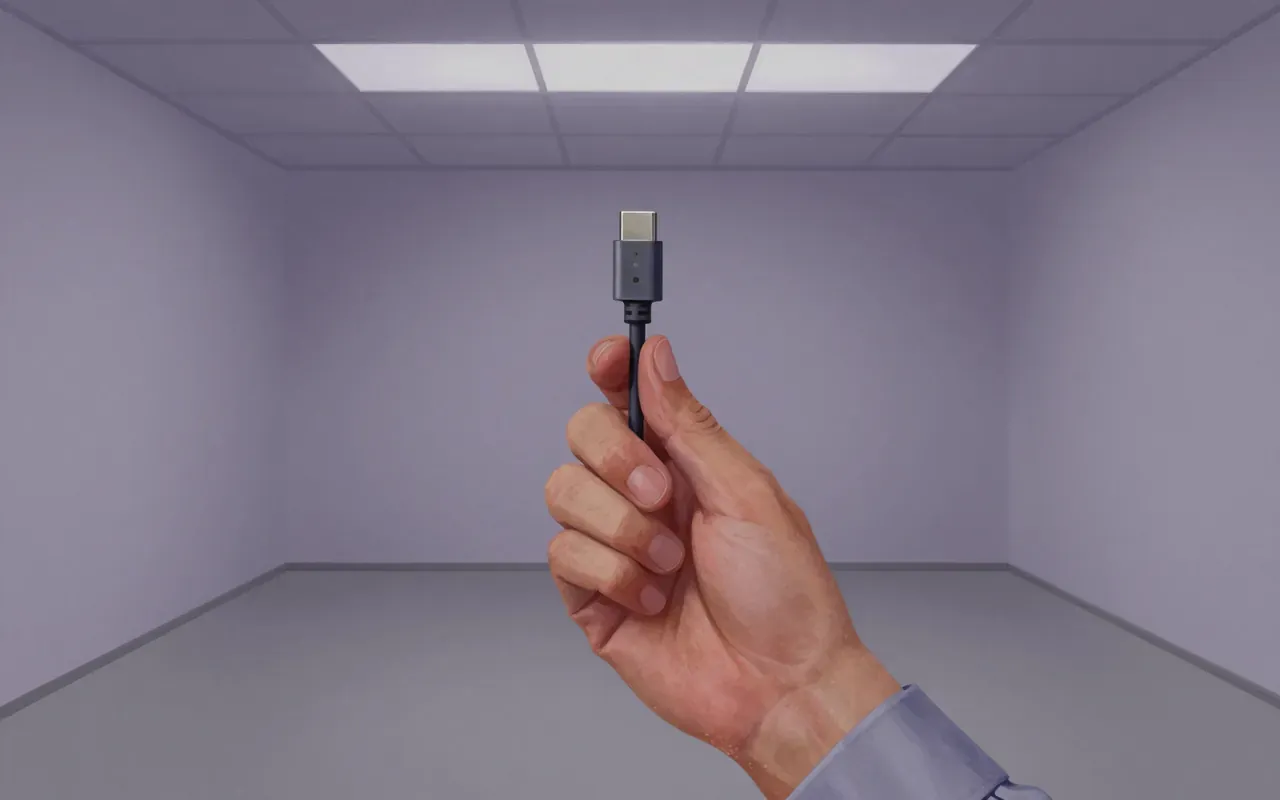
PlayStation VR is a tethered virtual reality headset developed by Sony Interactive Entertainment and released in October 2016. It requires a PlayStation 4, uses camera-based tracking via nine LEDs, and enforces a minimum 60 fps across all software. It sold at least 5 million units before being succeeded by PlayStation VR2 in 2023.

9:38

Unity (game engine)

Unity didn’t democratise game development—it commoditised the engine, then made the price volatile.
9:51

USB-C

USB Implementers Forum · 2014

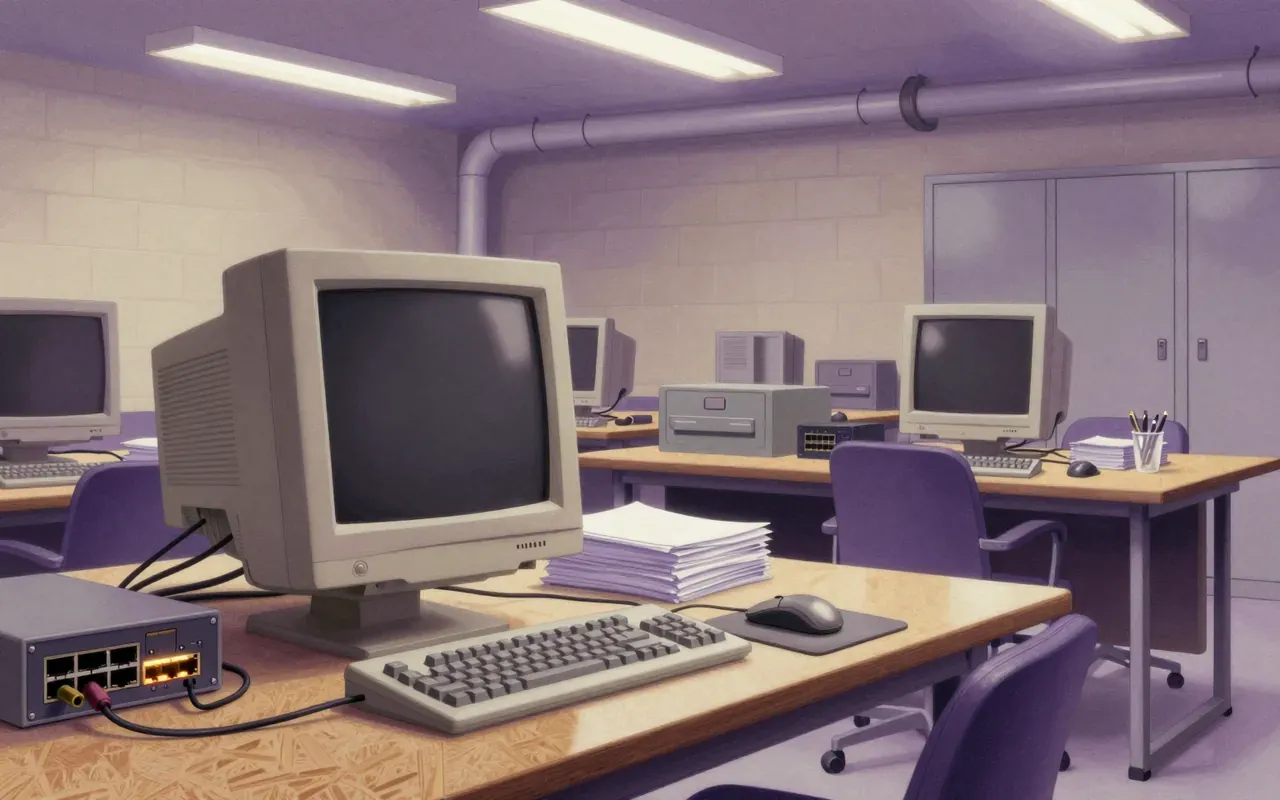
USB-C is a 24-pin reversible physical connector standardised by the USB-IF in August 2014. It replaces all prior USB connectors—designated legacy that year—and also supplants Mini DisplayPort and Lightning as a physical interface. Its capabilities depend entirely on supporting protocols (e.g., USB 3.2, USB4, Thunderbolt) and optional features like Power Delivery and Alternate Modes. USB4 (2019) is the first USB protocol usable only over USB-C. The standard mandates mechanical reversibility and symmetry but delegates electrical and logical behaviour to the Configuration Channel and external specifications. Compliance, certification, and security extensions—including Authentication and E-Marker chips—are defined across multiple revisions.
10:05

Yahoo

Human curation was the first scalable way to organise the web—but it collapsed the moment scale demanded automation.
9:56

Haptic technology

Haptic tech doesn’t replicate touch—it substitutes it with calibrated vibrations, forces, and motions, and that substitution is all it ever promised to do.
9:27

Lidar

Lidar wasn’t invented to map cities or drive cars—it was built to hit satellites and spot smog.
10:00

Apache Hadoop

Yahoo · 2006

Hadoop is not a database or a query engine. It is a fault-tolerant batch-processing substrate built for scale, not speed or simplicity.
10:37

3G

3G did not deliver universal speed—but it forced mobile networks to prove they were who they claimed to be.
10:40

4G

4G is not one technology—it’s a contested label awarded twice: first to stopgaps, then revoked when the real thing arrived.
10:01

Acer Inc.

Acer didn’t build the future—it bought, branded, and outsourced it.
10:49

Acorn Archimedes

ARM’s first desktop test was a closed, British, BBC-branded machine — not a global platform.
8:46

AltaVista

AltaVista didn’t make search useful — it made search possible, then left relevance unsolved.
12:14

Amazon Kindle

The Kindle didn’t invent e-reading—it weaponised convenience against openness.
10:24

AmigaOS

The first desktop OS to deliver real multitasking wasn’t Unix — it was a closed, single-user system built for video games.
9:31

Antivirus software

Antivirus software is necessary — and mathematically guaranteed to fail at its core promise.
9:14

Apache HBase

HBase delivers Bigtable’s speed on Hadoop’s bones—but only if your data is sparse, your consistency needs are strict, and your tolerance for operational complexity is high.
10:21

Apple Vision Pro

Apple Vision Pro isn’t virtual reality — it’s a head-worn computer that anchors windows to your walls, not your eyes.
10:39

AT&T

AT&T isn’t a tech innovator — it’s the fossilised root system of American telecom, still pumping capital through pipes laid before the internet existed.
10:33

Atari ST

The Atari ST didn’t invent the GUI—it weaponised scarcity.
10:44

Axiom Space

Axiom Space isn’t building the future of space—it’s renting the last decade of the ISS.
10:46

Blue Origin

A vertically integrated space company that delivers engines but not promises—and trades reliability for control.
12:03

Boeing

Boeing isn’t an aircraft maker—it’s a vertically integrated export engine shaped by merger, not mission.
8:50

Botnet

A botnet is not infrastructure—it's theft with a network stack.
9:53

BT Group

The 1969 Post Office Telecommunications wasn’t the birth of British internet—it was the state’s first attempt to own digital data flow.
9:52

Cable Internet access

Cable Internet is not faster broadband—it’s cheaper shared bandwidth, dressed as infrastructure reuse.
11:07

Chromebook

Chromebook isn’t a laptop—it’s a managed endpoint with a ten-year expiry date.
9:45

ChromeOS

ChromeOS isn’t lightweight—it’s hollowed out.
10:59

Classic Mac OS

It made the GUI mainstream — then refused to evolve past its own hardware lock-in.
9:56

Commodore PET

The PET didn’t democratise computing — it standardised its enclosure, then locked the lid.
8:52

Cryptocurrency wallet

A cryptocurrency wallet holds keys — not money — and gives you control only if you understand what control costs.
12:58

Delivery robot

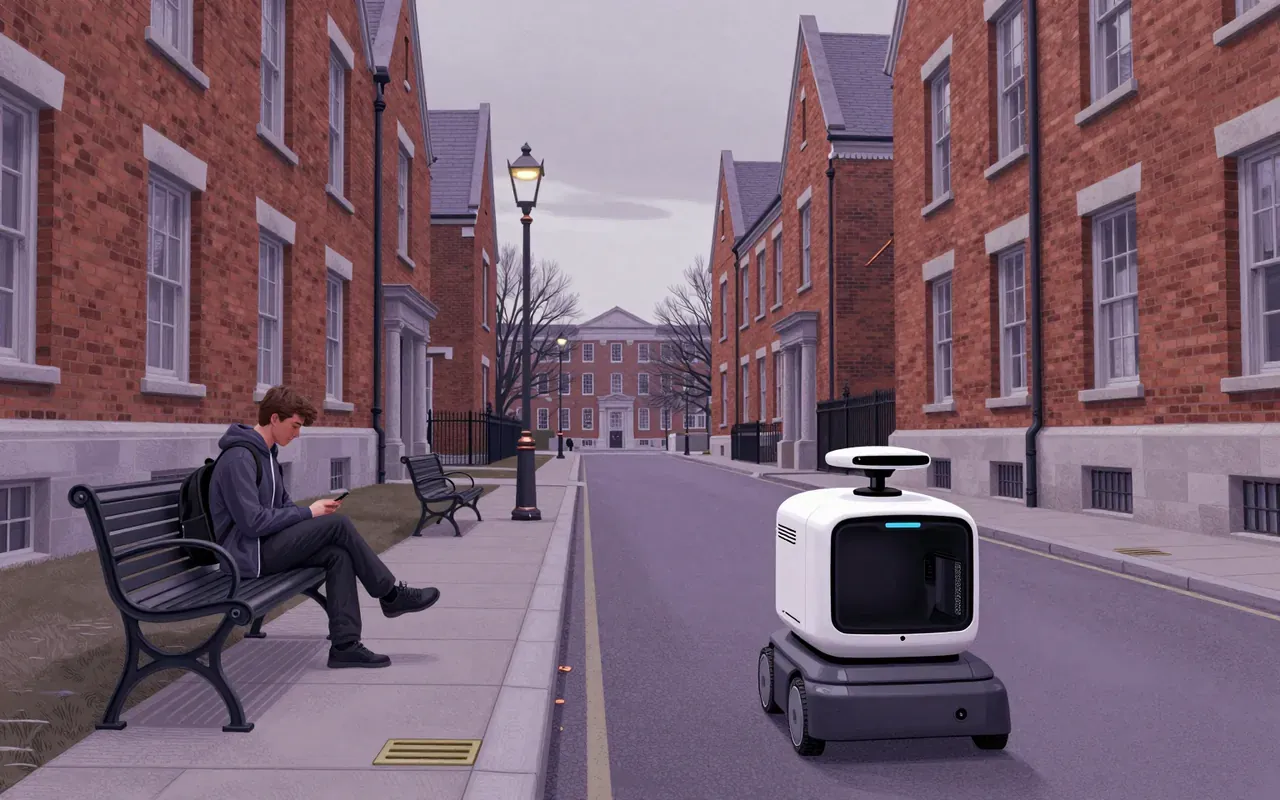
Delivery robots are not the future of logistics — they are a stopgap for places where humans are expensive and terrain is tame.
10:06

Dell Technologies

A debt-fuelled merger, not a technology—Dell Technologies is infrastructure consolidation disguised as innovation.
9:18

Diffusion model

Diffusion models don’t generate images—they reverse entropy, one noisy step at a time.
9:42

Discord

Discord replaced the forum with the server—but made persistence depend on invitation, not openness.
9:29

ESIM

eSIM standardises SIM removal — not carrier control.
9:46

Expert system

Expert systems don’t think — they transcribe. What they deliver depends entirely on what experts wrote down, and nothing more.
9:47

Fitbit

Fitbit Inc. · 2007

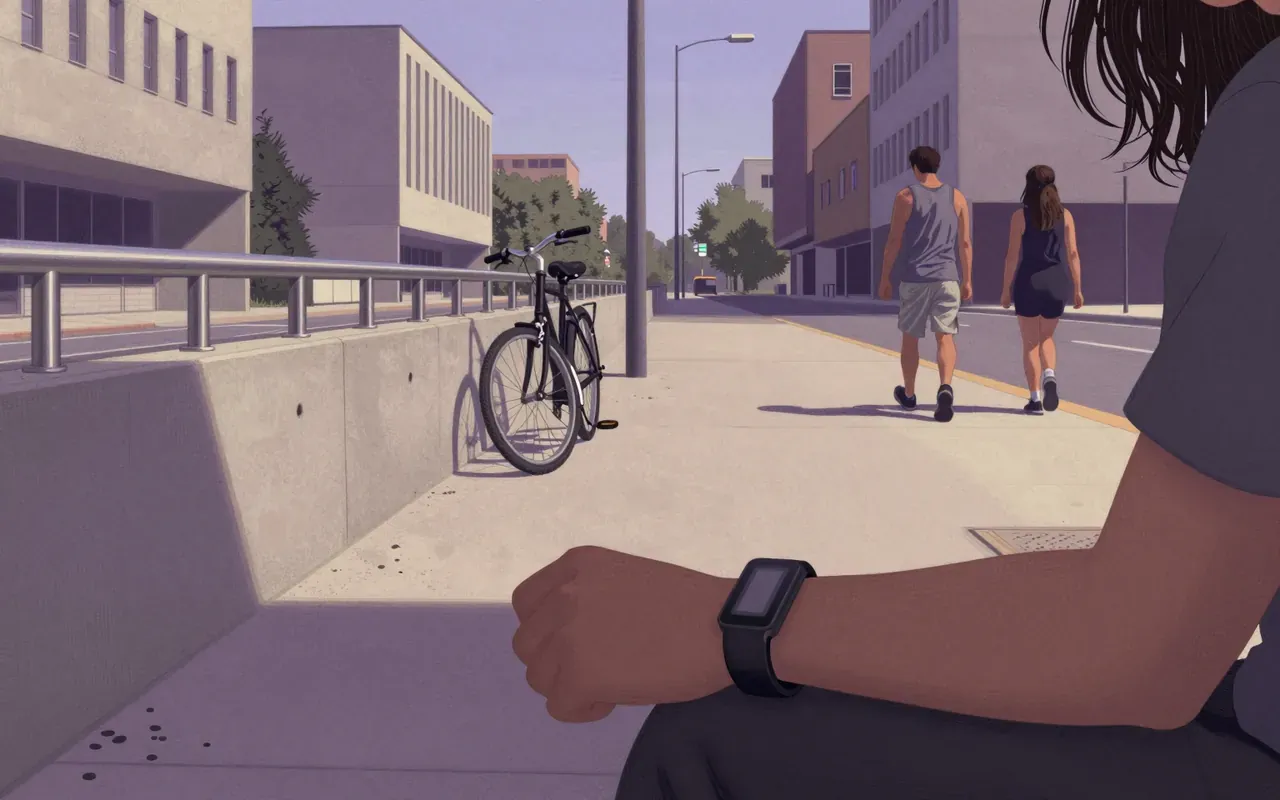
Fitbit is a hardware product that delivers verified, location-dependent accuracy for step counting and heart rate—but fails at wrist-based calorie estimation and caused documented allergic reactions. It changed consumer expectations for passive tracking, not clinical standards.
10:07

Fitness tracker

It logs movement like a census — precise on headcount, blind to motive, health, or consequence.
10:31

Gigabyte

A gigabyte is not one thing — it’s a legal fault line between what hardware delivers and what software displays.
9:34

GitLab Inc.

GitLab unifies DevOps—but only if you accept its gatekeeping, its config burden, and its American corporate pivot from a Ukrainian open-source start.
10:49

High-speed rail

High-speed rail is not fast trains on old tracks—it’s expensive infrastructure pretending to be transport policy.
8:49

Humanoid robot

Humanoid robots are not stepping into our homes—they’re stepping into our labs, as calibrated dummies for prosthetics and rehab.
9:14

Intelsat

Intelsat didn’t build the global internet—it built the backhaul for everything that couldn’t wait for fibre.
10:01

Iridium

Iridium isn’t rare because it’s special — it’s special because it’s rare, and that rarity locks its utility into three narrow, high-stakes industrial niches.
9:57

KDDI

KDDI isn’t a pioneer—it’s a consolidation engine that turned regulatory gaps into market position.
11:19

Lockheed Martin

The 1995 merger didn’t create a tech innovator—it created the U.S. government’s default systems integrator.
9:45

Maglev

Maglev eliminates wheels — but not cost, complexity, or isolation from existing rail infrastructure.
9:50

MongoDB

MongoDB Inc. · 2009

MongoDB is a document-oriented database program released in February 2009. It uses JSON-like BSON documents with optional schemas. It implements its own query language (MQL). It supports indexing with primary and secondary indices. It provides high availability via replica sets. It scales horizontally using sharding. It can be used as a file system called GridFS. It is source-available and designed for unstructured data. It added ACID transactions to broaden enterprise appeal. It launched Atlas, a SaaS offering, in 2016. It replaced AGPL with the Server Side Public License in 2018. As of 2025, it ranked fifth among database software and served over 65,200 customers. Atlas became 70 percent of MongoDB's revenue by 2024.

9:02

Motion capture

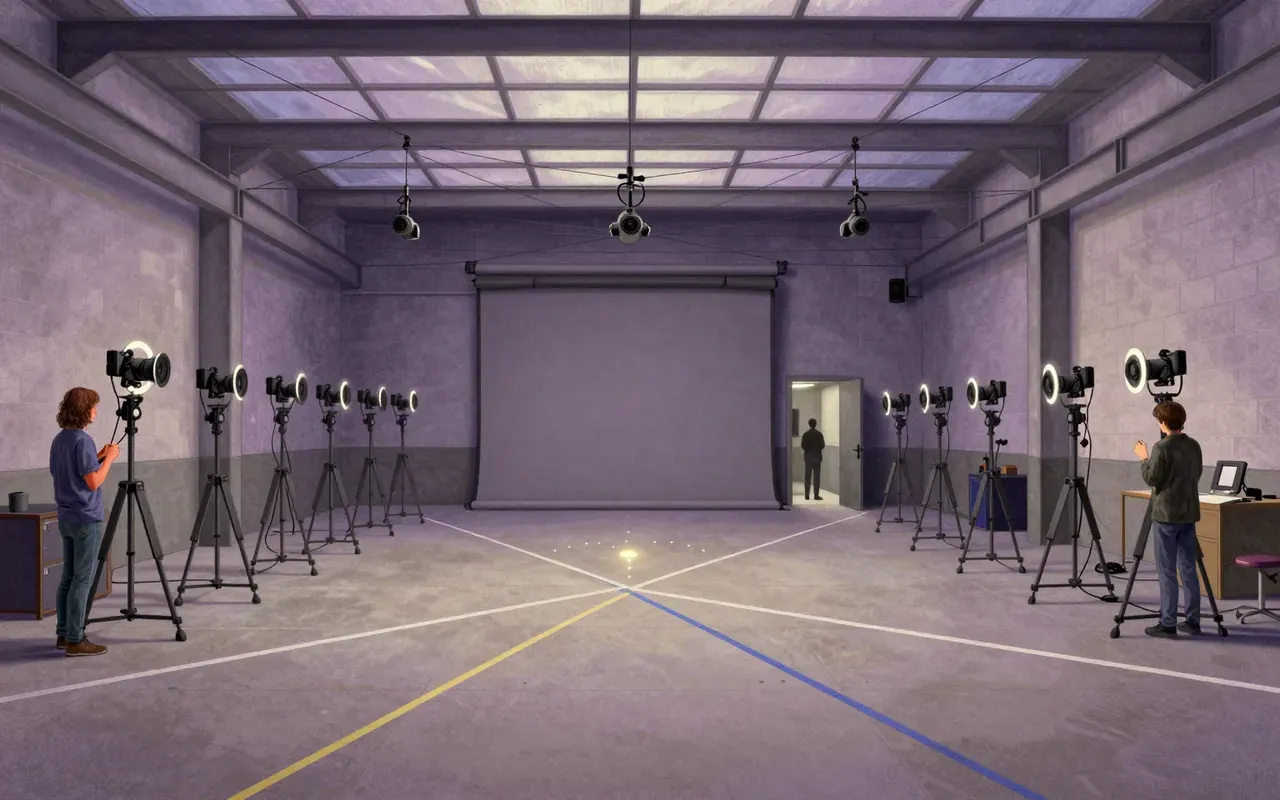
Motion capture records movement — not performance, not intention, not life.
10:40

DynaTAC

Portability came at ten hours charging for thirty minutes talking — and that was the revolution.
8:52

MS-DOS

MS-DOS didn’t invent personal computing — it licensed its way into becoming its gatekeeper.
9:48

MySQL

MySQL AB · 2001

MySQL AB’s 2001 product was a lightweight, open-source RDBMS built to replace mSQL. It solved developer pain around speed and licensing—but deferred complexity into operational trade-offs. Its success hinged on embedding itself into LAMP, not on technical superiority.

10:46

Neo4j

Neo4j Inc. · 2010

Neo4j is a graph database built for relationship-heavy workloads. It delivers expressive querying and transactional safety—but horizontal scaling, vector search, and unified standards arrived over a decade after launch. Its value is real, but bounded by what it ships—not what it promises.
9:31

NeXT Computer

A sealed magnesium cube that proved integrated design was possible — and commercially stillborn.
10:21

Nissan Leaf

Nissan

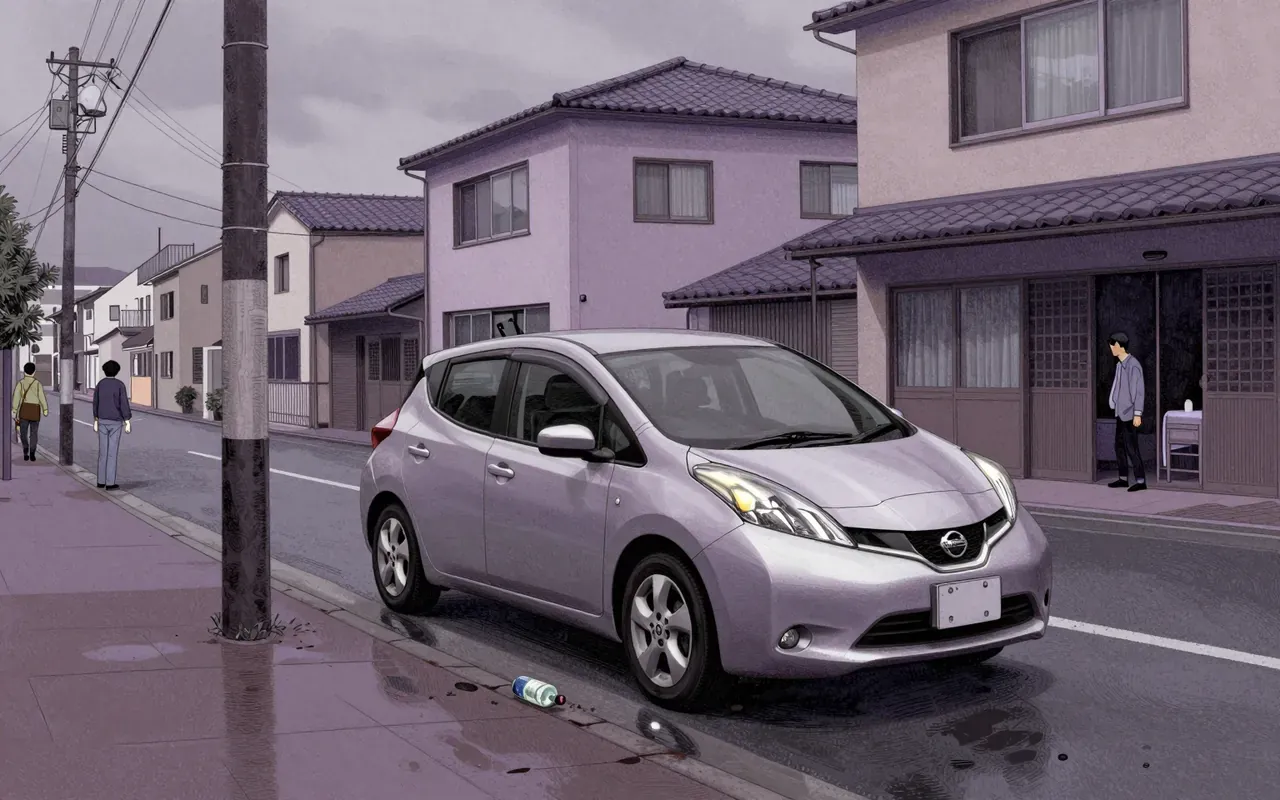
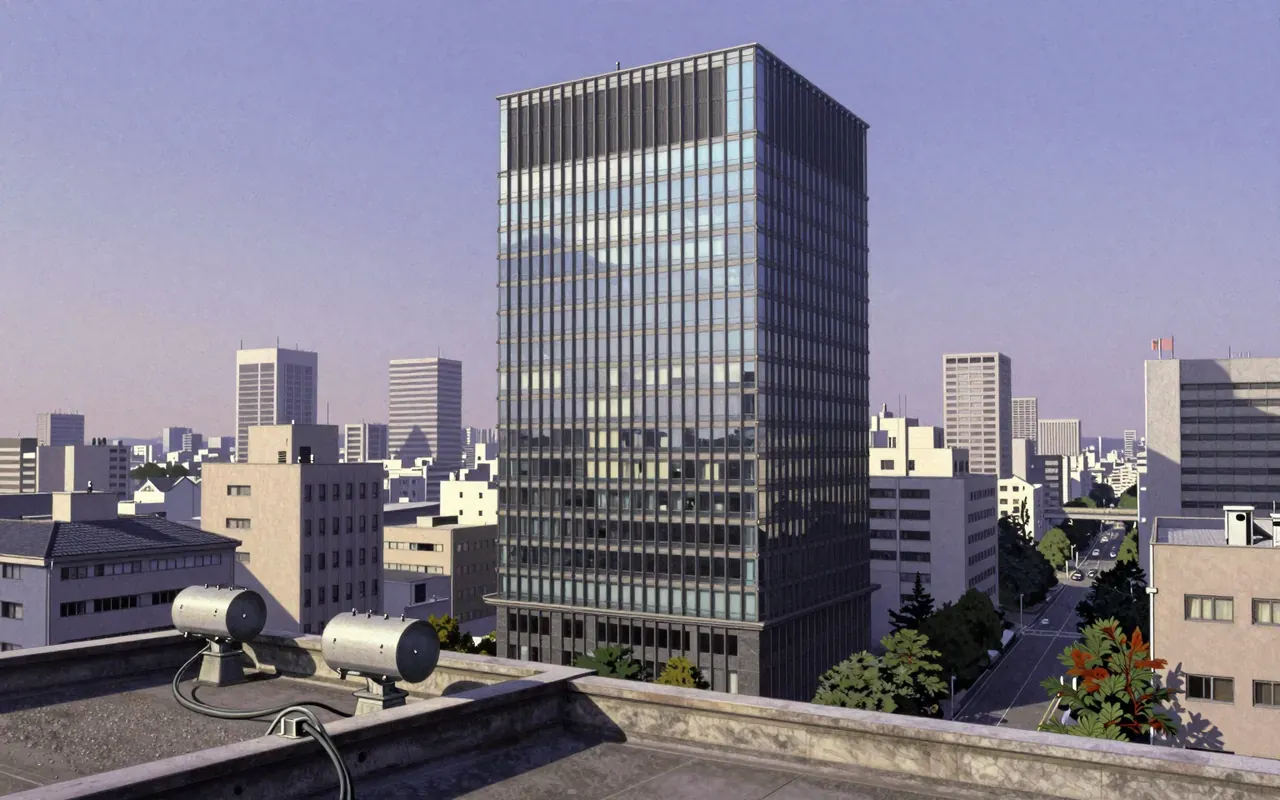
The Nissan Leaf is a battery electric car produced by Nissan since 2010. It was unveiled on 1 August 2009 as the world's first mass-market electric and zero-emission vehicle. Production began on 22 October 2010 at the Oppama facility in Yokosuka, Kanagawa. The first generation used a 192-cell laminated lithium-ion battery pack co-developed with NEC, positioned under the floor between the wheels for optimized handling and space. Its motor delivered 80 kW (110 hp) and enabled ~160 km (100 miles) of range on a full charge. It was offered exclusively as a 5-door hatchback until 2025, when it became a crossover SUV model. By December 2020, cumulative global deliveries reached 500,000 units.
10:33

NTT Docomo

NTT Docomo wasn’t a tech innovator in 1992—it was Japan’s first act of telecom privatisation theatre.
8:34

Objective-C

Objective-C didn’t bring objects to C—it brought uncertainty to the call stack.
9:51

Optical storage

Optical storage isn’t about speed or convenience — it’s about fixing data in place so it survives power loss, magnets, and time.
10:31

Password manager

It trades memorisation for concentration: one master password guards every door—and becomes the most valuable key in your digital life.
11:08

Raytheon

Raytheon isn’t a tech company—it’s a missile factory with a balance sheet.
10:07

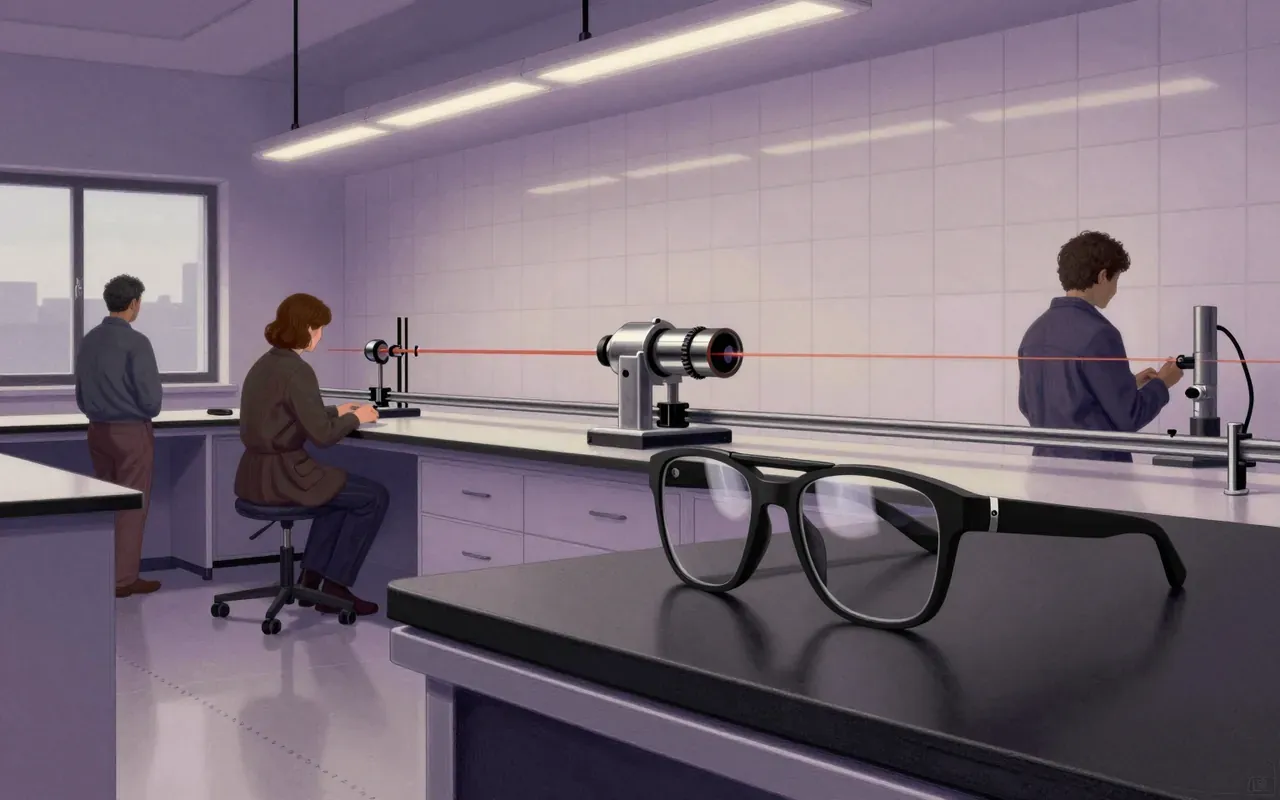
Smartglasses

Smartglasses aren’t one thing — they’re three competing definitions stapled together with pose tracking.
10:16

SUN workstation

A prototype that defined the workstation — then vanished before it could ship.
9:21

Telefónica

Telefónica wasn’t built to innovate—it was built to control the line.
9:39

Telesat

Canada didn’t wait for the global satellite market—it built its own gatekeeper.
9:26

TensorFlow

Google · 2015

TensorFlow is a machine learning API developed by Google. It is used mainly for training and inference of neural networks. It is free and open-source software released under the Apache License 2.0. It was developed by the Google Brain team for Google's internal use in research and production. The initial version was released under the Apache License 2.0 in 2015. Google released an updated version, TensorFlow 2.0, in September 2019. TensorFlow can be used in a wide variety of programming languages, including Python, JavaScript, C++, and Java. It is one of the most popular deep learning frameworks, alongside others such as PyTorch.

9:40

HTC Vive

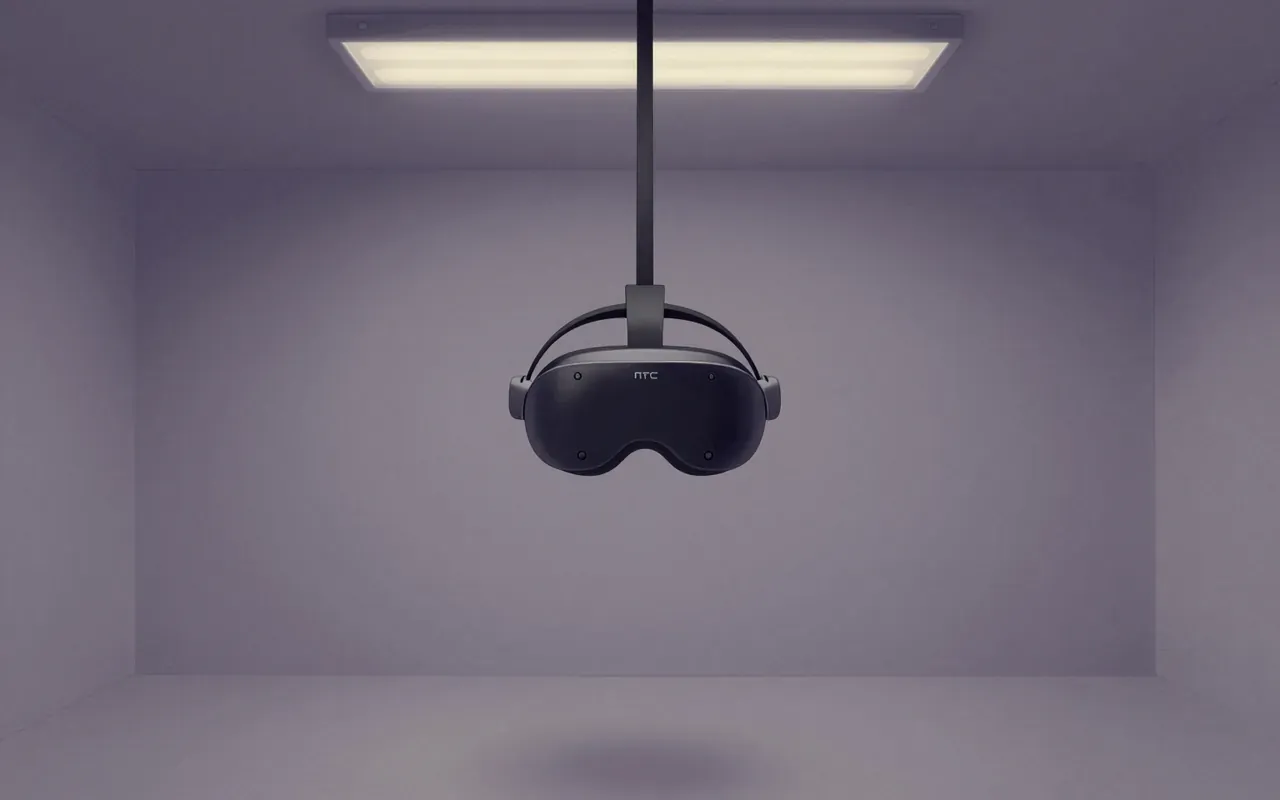
Room-scale VR wasn’t invented by the Vive—but it was proven, priced, and shipped by it.
8:55

Nexus One

Google didn’t launch a phone — it launched a test: how much carrier control could Android survive without?
12:07

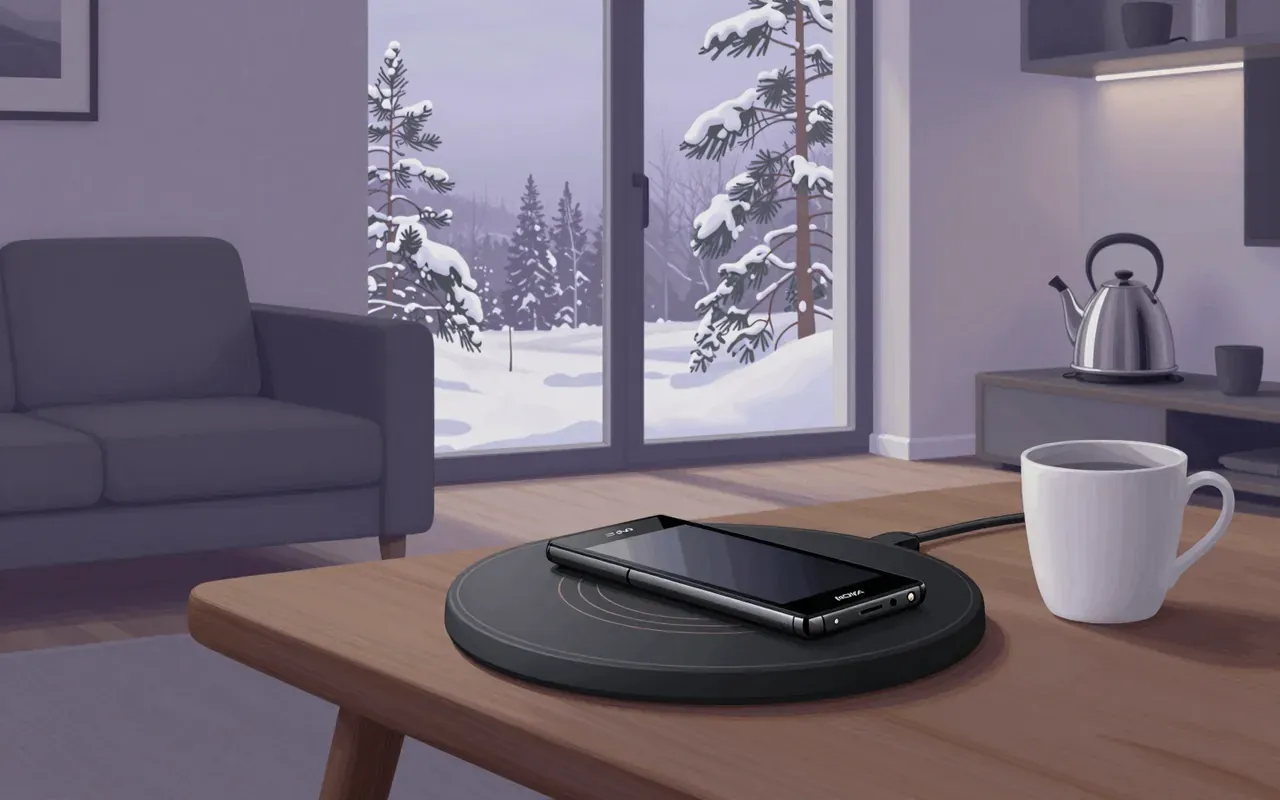
Nokia Lumia 920

Nokia · 2012

The Nokia Lumia 920 is a hardware statement—not a platform victory. It shipped in November 2012 with three industry-first features: optical image stabilization, Qi inductive charging, and a sub-9 ms display response time. Its 8.7-megapixel BSI sensor and f/2.0 Carl Zeiss Tessar lens delivered tangible low-light gains. But its sealed 2000 mAh battery limited serviceability. Its Windows Phone 8 OS remained constrained by app scarcity and developer neglect. The device generated press optimism and internal hope at Nokia—but did not reverse the platform’s trajectory. It matters today as a case study in where hardware differentiation can—and cannot—compensate for ecosystem weakness.

11:16

OnePlus One

OnePlus · 2014

The OnePlus One delivered flagship hardware at lower cost by relying on Cyanogen OS and an invite-based launch. It worked as a provocation—not as a finished product. Its value was in exposing the fragility of Android's ecosystem, not in shipping a polished experience.