technologybriefs
Highest rated

All briefs

620 briefs · 6210 min · 289–384 on page 4 of 7
10:11

PyTorch

Facebook · 2016

PyTorch is a Python-first deep learning library built by Meta in 2016 as Torch's successor. It enables rapid model prototyping via dynamic computation graphs (Autograd), tensor abstractions, and CUDA-accelerated training. As of 2025, it remains one of the most popular deep learning libraries—alongside TensorFlow and Keras—but its design prioritises researcher agility over production robustness, scalability, or deployment tooling.

10:30

Qualcomm

Qualcomm doesn’t build networks—it builds the legal and technical tollbooths inside them.
11:03

RAID

RAID doesn’t make storage reliable—it makes unreliability legible, quantifiable, and partially containable.
9:48

Redis

Salvatore Sanfilippo · 2009

Redis is an in-memory key-value database introduced in 2009 by Salvatore Sanfilippo to solve scalability issues at his startup LLOOGG. It delivers low-latency operations by holding all data in memory and using the fork system call to enable concurrent client service and disk persistence. It supports two persistence methods—RDB snapshotting and AOF journaling—with journaling introduced in version 1.1 and considered safer. Default configuration limits data loss to a few seconds upon full system failure. Redis supports master-replica replication with hierarchical trees and introduced clustering in April 2015 with version 3.0. It grew into one of the world’s most popular databases for caching, message brokering, and primary storage. In December 2024, Sanfilippo returned to Redis and implemented the Vector Set data structure for vector similarity search.

9:06

Regenerative braking

Regenerative braking recaptures energy—but only because friction brakes still do the final, vital work.
10:03

Rocket Lab

Rocket Lab delivers launch frequency—but not reusability—by owning the stack from thrusters to telemetry.
9:44

SK Hynix

Three vendors control the world’s memory—and SK Hynix is one of them, not by inevitability, but by surviving its own missteps.
11:49

AI data center

AI data centers don’t just run models—they starve the rest of computing of memory.
11:18

BBC Micro

Acorn Computers · 1981

The BBC Micro was a procurement win first, an educational tool second. It succeeded because it met rigid broadcast and policy constraints—not because it was inherently superior to alternatives. Its architecture prioritised demonstrable compliance over user flexibility. Its dominance was guaranteed by subsidy rules, not market preference.

11:21

FPGA prototyping

FPGA prototyping doesn’t prevent re-spins—it just moves the pain from silicon to the lab.
8:50

GoPro

GoPro · 2002

GoPro is a hardware product line defined by physical constraints and use-case discipline—not AI, cloud, or ecosystem. Its value lies in solving one narrow problem exceptionally well: rugged, wide-angle, first-person video capture. Its evolution from 35mm film to digital HD reflects adaptation—not disruption.

9:24

LED display

Nick Holonyak

The LED display is not Holonyak’s invention — it is HP’s. Holonyak’s 1962 GaAsP LED enabled it. HP’s 1969 Model 5082-7000 was the first intelligent, IC-integrated numeric display — fast, solid-state, low-power, and monochromatic. It displaced Nixie tubes but could not render text, graphics, or colour. Later all-LED flat panels remained monochrome and experimental.

10:02

NPU terminology

NPU terminology fixes lab data chaos—but only where metrology matters more than medicine.
9:14

Toyota Prius

Toyota

The Prius established hybrid electrification as a viable mass-production pathway—not through technical novelty alone, but by shipping, selling, iterating, and breaking even. Its real innovation was industrial execution under constraint.

10:29

Sega Genesis

Sega · 1988

The Sega Genesis is a 16-bit fourth-generation home video game console adapted from Sega's System 16 arcade board, using a Motorola 68000 CPU and Zilog Z80 sound controller, released in Japan in October 1988 and North America in August 1989, playing over 800 ROM cartridge games, supporting add-ons like the Power Base Converter for Master System compatibility, and backed by two network services: Sega Meganet and Sega Channel.

9:40

Super Nintendo Entertainment System

Nintendo · 1990

The SNES is a 16-bit fourth-generation home console developed by Nintendo as its second programmable system. Designed by Masayuki Uemura in response to the Sega Genesis and TurboGrafx-16, it launched in Japan on 21 November 1990 as the Super Famicom. Its technical strengths—Mode 7 graphics, eight-channel ADPCM audio, and cartridge-compatible enhancement chips—enabled expressive game design within strict hardware boundaries. It competed directly with the Genesis, achieved rapid early sales (300,000 units sold out in hours in Japan), and reached over 46 million combined units sold by mid-1992. Its life cycle extended until 1999 in the US and 2003 in Japan. It did not deliver true 3D, multitasking, networking, or firmware updates. Its legacy lies in proving that modular, cartridge-based hardware extensions could sustain a platform across a full generation.

10:09

Virtual machine

Virtual machines don’t replace hardware — they repackage its failures as features.
8:21

Wikipedia

An encyclopedia written by everyone is only as reliable as the last person who checked the edit—and that person was usually unpaid, untrained, and in a hurry.
10:09

Windows NT

Windows NT didn’t modernise Windows — it replaced its soul with a new kernel, and broke everything to do it.
10:54

Xerox Alto

It didn’t invent the GUI—it proved the desktop metaphor could run on microcode and shift registers.
10:16

Applied Materials

Applied Materials doesn’t make chips—it makes the machines that force atoms into place, one layer at a time.
9:35

Atari 2600

The Atari 2600 didn’t invent home gaming — it weaponised scarcity.
9:41

BASIC

John Kemeny and Thomas Kurtz · 1964

BASIC is a pedagogical tool, not a general-purpose language. It succeeded by narrowing scope — to Dartmouth, to undergraduates, to time-shared interaction, to FORTRAN II’s grammar stripped of complexity. Its value lies in what it excluded.

8:32

Bitcoin

Bitcoin doesn’t replace banks—it makes them optional, at the cost of speed, energy, and usability.
9:29

Docker (software)

Docker did not invent containers—it weaponised Linux kernel primitives into a developer-facing deployment standard.
9:24

Ericsson

Ericsson didn’t build the future—it built the switches, the standards, and the silence between promises and deployments.
10:20

Ethernet

Bob Metcalfe

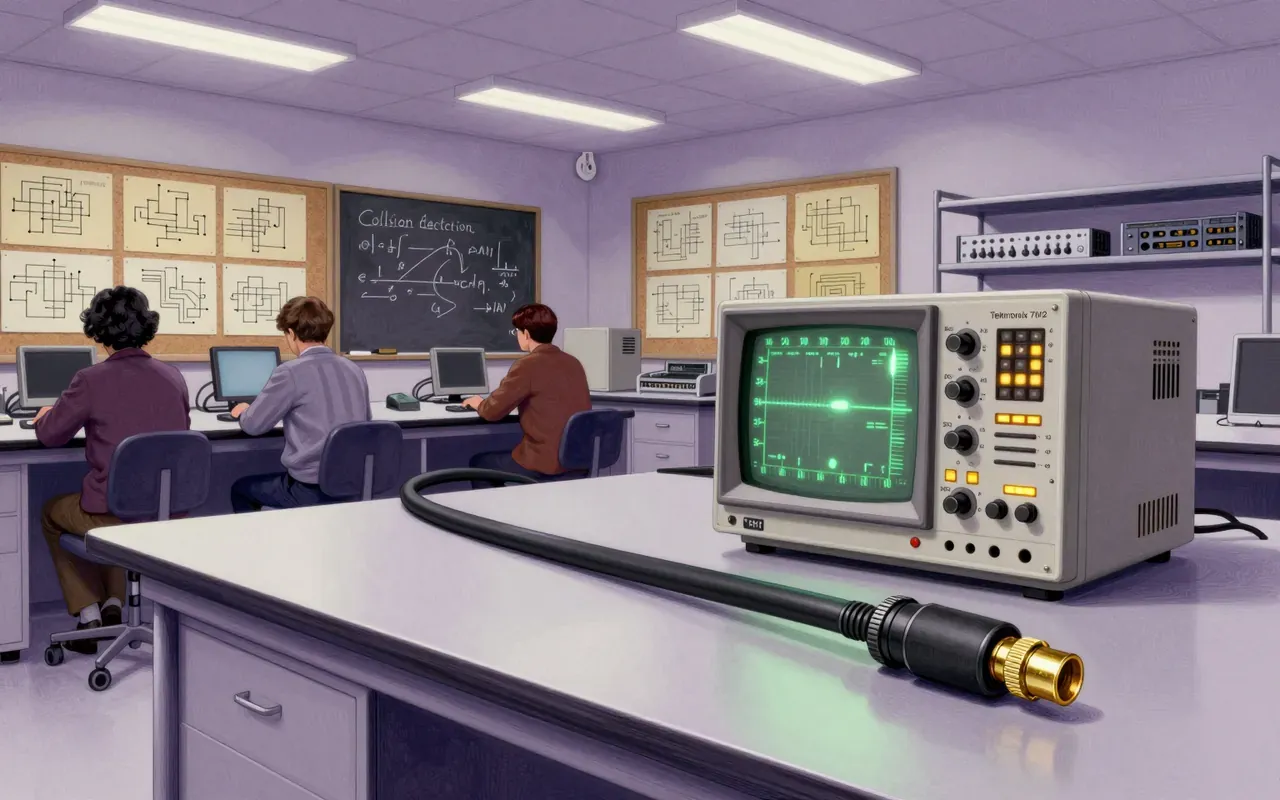
Ethernet is the coaxial-cable LAN co-invented by Metcalfe and Boggs at Xerox PARC in 1973 to link Alto computers to printers and ARPANET. It introduced CSMA/CD—carrier sensing before transmission, plus collision detection and random back-off—to adapt ALOHAnet for wired use. It ran first on November 11, 1973 at 2.94 Mbit/s. A 1980 Xerox report measured 98% throughput under heavy load. It was standardised as IEEE 802.3 in 1983. CSMA/CD does not scale or support modern requirements like QoS or determinism—and was phased out in favour of switched, full-duplex Ethernet.

10:09

Firefox

Firefox didn’t dethrone IE—but it rewrote the rules every browser had to follow.
9:54

GitHub

GitHub did not invent collaboration — it productised the friction out of Git-based teamwork.
10:11

IOS

iOS wasn’t born open—it was forced open, one SDK announcement at a time.
8:41

IPv4

IPv4 didn’t build the Internet — it split the protocol stack, then ran out of numbers.
10:24

IPv6

IPv6 fixes IPv4’s address math—but forces hosts to solve problems routers used to handle.
9:58

Java (programming language)

James Gosling · 1995

Java is a programming language built to enforce portability through mandatory compilation to JVM bytecode and strict memory safety via garbage collection and pointer omission. It solves cross-platform inconsistency at the cost of runtime overhead and abstraction rigidity. Its success rests on standardisation—not inevitability.

10:32

LTE (telecommunication)

3GPP

LTE is a 3GPP Release 8 standard finalised in December 2008. It replaces GSM/EDGE and UMTS/HSPA radio interfaces and the GPRS Core Network with a new air interface and IP-based Evolved Packet Core. It delivers peak downlink/uplink rates of 300/75 Mbit/s and sub-5 ms radio access network latency. It supports scalable bandwidths (1.4–20 MHz) and both FDD and TDD. It enables seamless handovers to GSM, UMTS, and CDMA2000. Its specifications span hundreds of documents per Release, organised into stages defining service requirements, architecture, and protocol implementation. It became the de facto upgrade path for carriers with both GSM/UMTS and CDMA2000 networks.

9:27

MacOS

macOS didn’t reinvent computing—it imported Unix stability into Apple’s closed world, at the cost of openness and portability.
9:02

MP3

MP3 is not a codec—it’s a decoder contract with a thousand incompatible encoders.
9:54

NXP Semiconductors

NFC isn’t magic — it’s NXP’s tightly controlled radio handshake, built to replace plastic cards with chips you already carry.
10:26

Pascal (programming language)

Niklaus Wirth · 1970

Pascal is a disciplined, small-language experiment from 1970. It delivers on teaching structured programming and safe data modelling. It fails as a general-purpose systems language. Its influence lies in its constraints — not its adoption.

9:21

Polyvinyl chloride

Waldo Semon

Waldo Semon did not invent PVC. He invented how to make it behave. His 1926 method — blending it with additives like dibutyl phthalate — converted a brittle, unprocessable polymer into something elastic and non-adhesive. That enabled Koroseal: a salt-coke-limestone-derived polymer whose consistency could be set deliberately. It did not fix PVC’s thermal instability or environmental persistence. Its real innovation was tunability — proving synthetic polymers could be governed, not just discovered.

9:12

Reinforced concrete

Joseph Monier · 1853

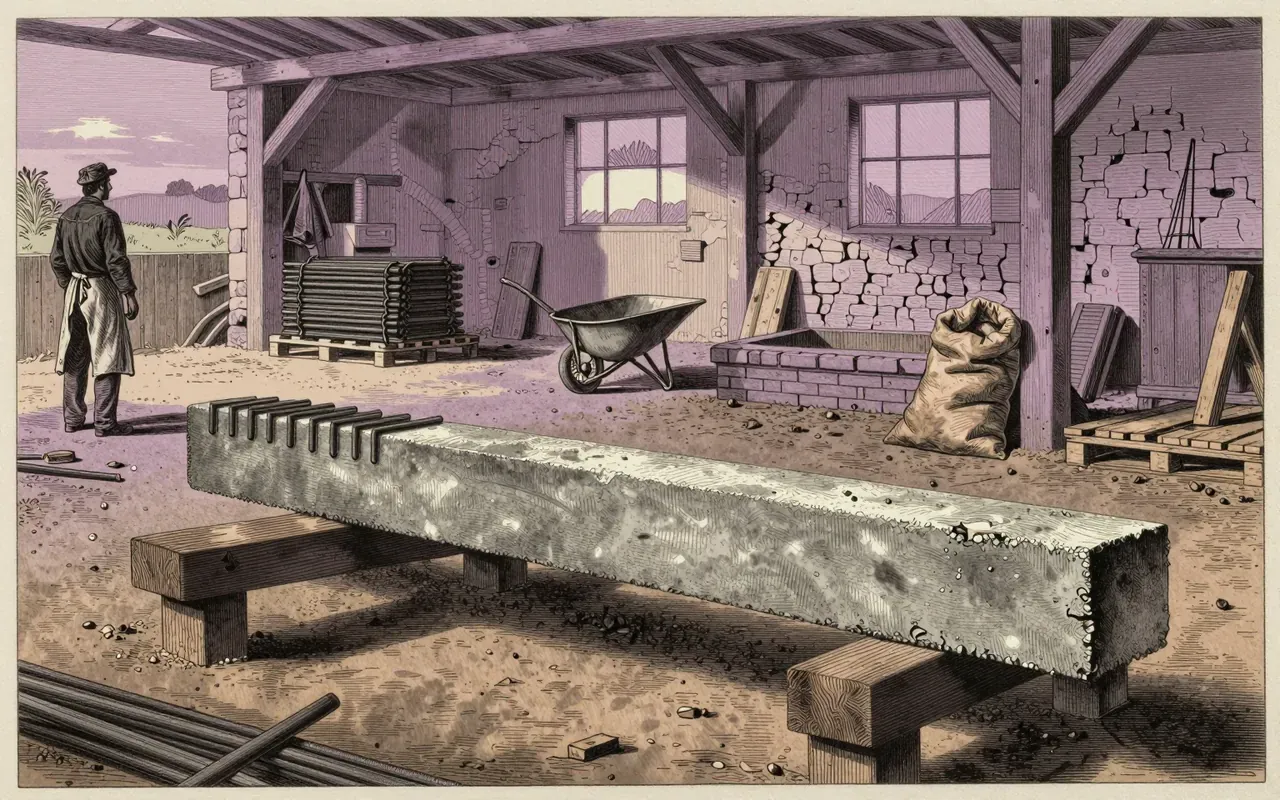
Reinforced concrete is not a theoretical breakthrough—it is a gardener’s empirical fix scaled into infrastructure. Monier solved flowerpot instability by embedding iron, then patented successive forms (wire mesh in 1867, iron rods in 1877) without quantifying mechanical gains. He proved thermal compatibility and rust protection through experiment—not calculation. His method enabled T-beams and pipes by 1878, but left tensile improvement unmeasured and corrosion science unexplored. It matters today because it reveals how material innovation begins in constraint, not abstraction.

9:28

Ruby (programming language)

Yukihiro Matsumoto · 1995

Ruby is a deliberately opinionated scripting language that enforces object uniformity at runtime. It delivers on its promise of simplicity and expressiveness—but only within its chosen domain: developer-facing tools and applications where flexibility trumps performance or safety.

11:22

Safari (web browser)

Apple · 2003

Safari is Apple’s proprietary web browser, introduced in January 2003 as part of Mac OS X Jaguar and made default with Mac OS X Panther later that year. It is deeply integrated into Apple's ecosystem—shipping with macOS, iOS, iPadOS, and visionOS—and relies on the WebKit rendering engine, an open-source fork of KHTML. Its initial development prioritized speed and innovation, with Apple claiming it was the fastest Mac browser at launch. The browser’s architecture evolved through successive versions, introducing features like Acid2 compliance (Safari 2), HTML5 and Acid3 support (Safari 4), reader mode and extensions (Safari 5), Intelligent Tracking Prevention (Safari 11), FIDO2 and Apple Pay support (Safari 13), and AI-powered Highlights (Safari 18). It has undergone major UI redesigns in Safari 15, 18, and 26, and now follows a calendar-year versioning scheme. While a Windows version existed between 2007 and 2012, it was discontinued due to low market share. Safari remains second globally in usage after Chrome, and its privacy and security features—including cross-site tracking prevention, Link Tracking Protection, and passkey support—are central to its modern identity.
10:29

Starlink

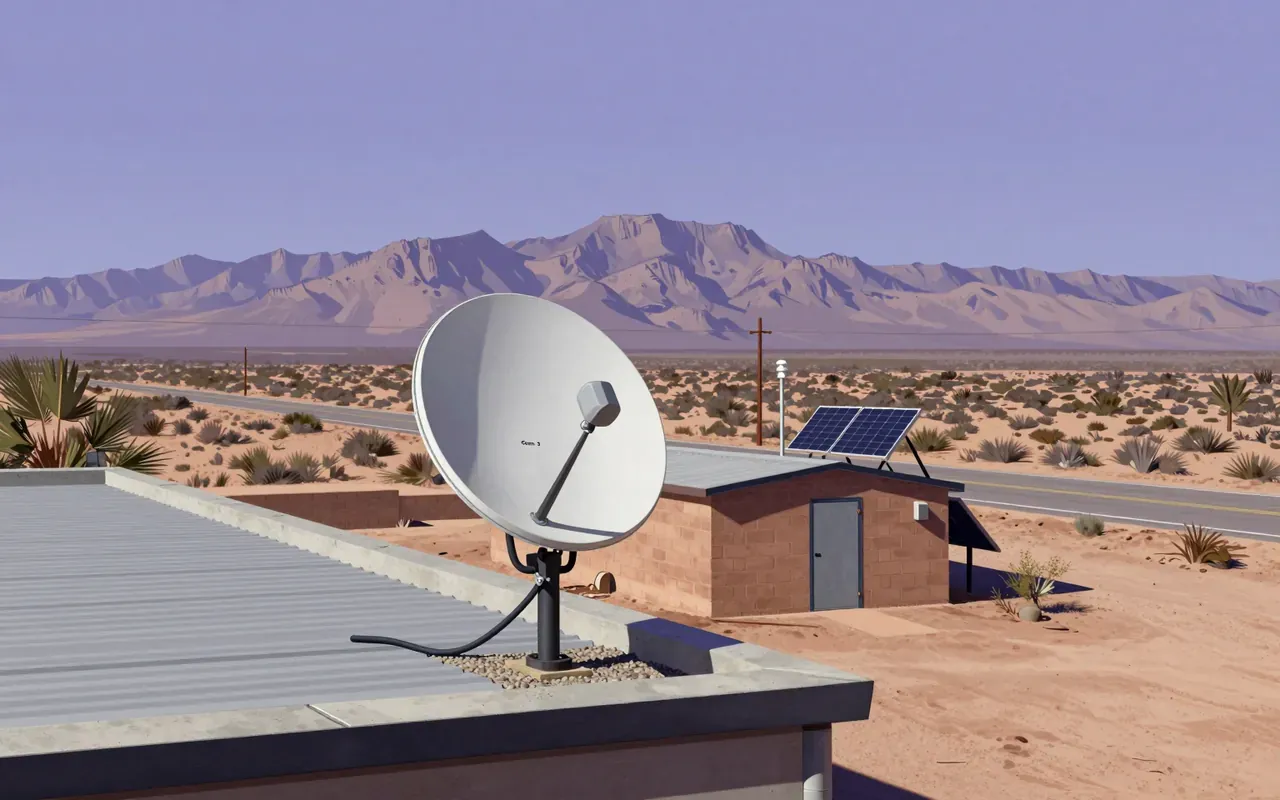
Starlink doesn’t connect the unconnected—it replaces terrestrial infrastructure with orbital scale, at orbital cost.
8:20

Airbag

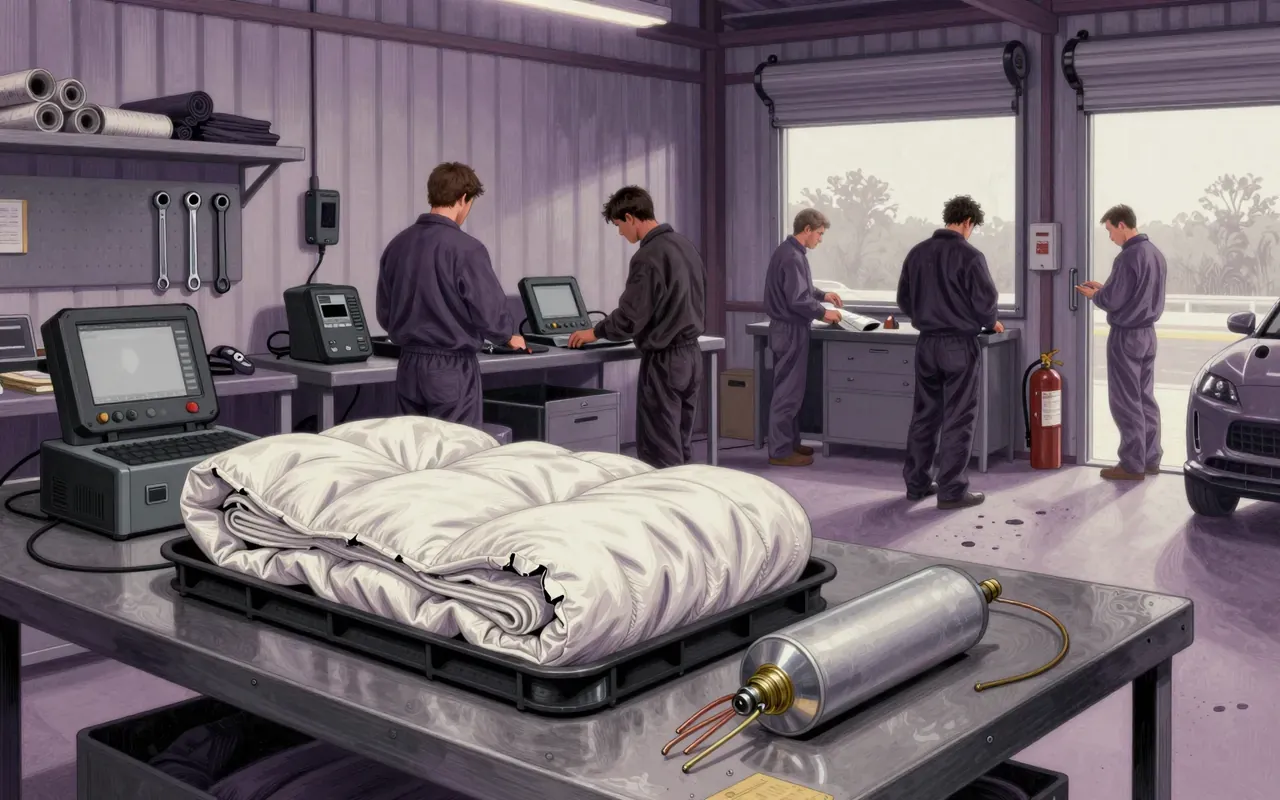
An airbag doesn’t protect people—it protects the physics of the crash test.
11:12

Cooling tower

Cooling towers don’t cool the world—they cool the machines that run it, at the cost of water, land, and constant upkeep.
8:50

Heat pump

Robert C. Webber

Robert C. Webber’s 1948 invention was not the first heat pump—but the first to use the ground as a thermal source. Its efficiency gain comes solely from stable input temperature, not new thermodynamics. It remains niche because it requires land, excavation, and integration at build stage—not after.

9:27

Helicopter rotor

Juan de la Cierva

The articulated rotor solved dissymmetry of lift in autogyros using mechanical hinges—not powered rotation. It enabled stable forward flight and jump take-off, but did not enable hovering or VTOL. Its influence on helicopters is real but indirect: it provided the hinge architecture, not the propulsion model.

9:36

Insulin pump

It doesn’t think for you—it just delivers insulin more precisely, more flexibly, and more continuously than a syringe ever could.
9:50

ISBN

Gordon Foster and others · 1966

The ISBN is a pragmatic, nationally administered, error-checked identifier for book editions. It succeeded because it solved a narrow operational problem—inventory control—with minimal abstraction. It does not describe content, authorship, or meaning. Its longevity comes from institutional adoption, not technical elegance.

10:41

Modem

The modem didn’t connect the world—it stretched digital logic over analog duct tape until the tape snapped.
8:31

Neon lamp

Georges Claude

Claude’s neon tube lighting was not the first gas-discharge light—but it was the first commercially viable one. Its success hinged on solving two engineering problems: keeping neon pure inside a sealed tube, and stopping electrodes from eroding under electrical stress. It turned air liquefaction waste into revenue. It did not enable low-power indicators—that came later, with Moore’s coronal-discharge lamp. It did not eliminate maintenance—it deferred it. Its real innovation was industrial integration, not physics.

11:53

Newcomen atmospheric engine

Thomas Newcomen · 1712

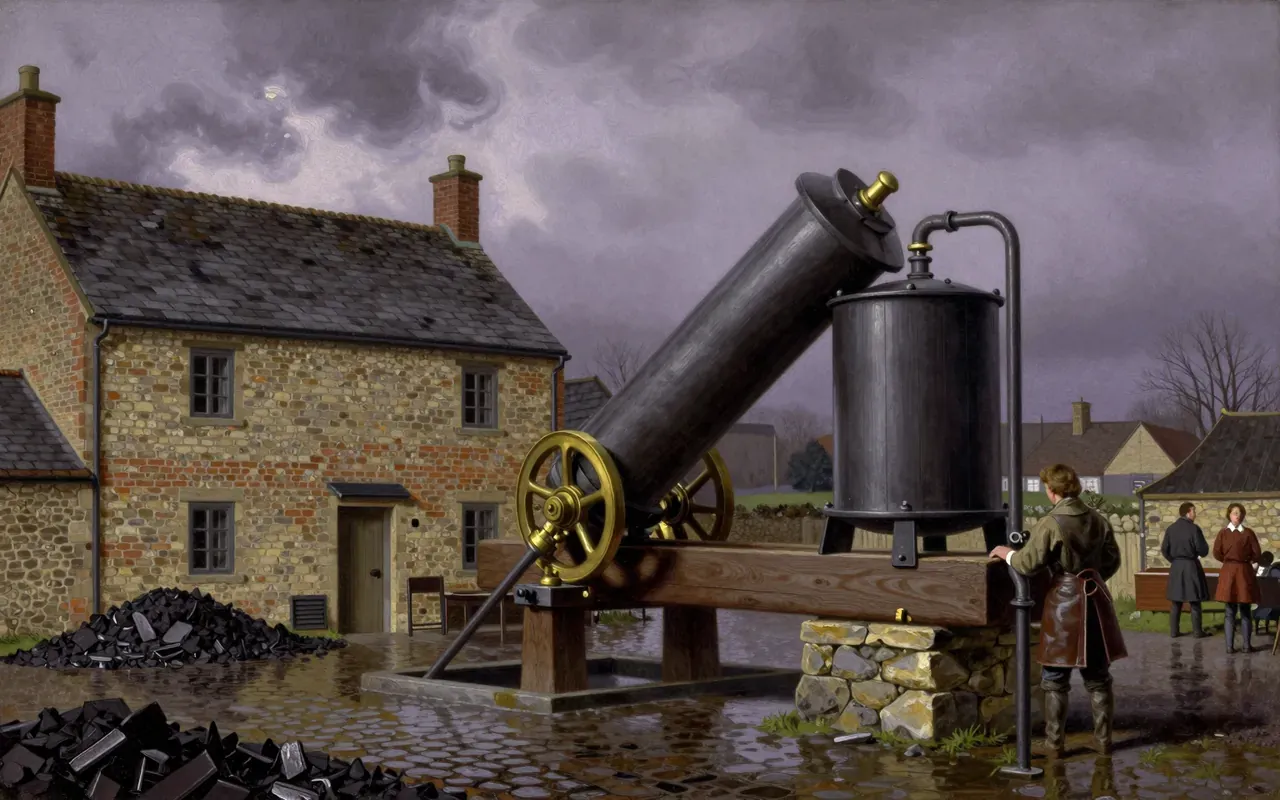
The Newcomen atmospheric engine was the first practical steam-powered device to produce mechanical work. It solved the problem of mine flooding beyond the 30-foot vacuum limit by using atmospheric pressure to drive a piston linked to a rocking beam and force pump. It worked by condensing steam in a cylinder to create a partial vacuum, allowing air pressure to push the piston down. Its motion lifted a weighted rod that operated a pump. It was inefficient due to repeated cylinder cooling, but matched the engineering limits of its time. Hundreds were built across Britain and Europe during the 18th century, with the first successful installation in 1712 at Conygree Coalworks in Tipton.

9:39

Nuclear reactor

Enrico Fermi

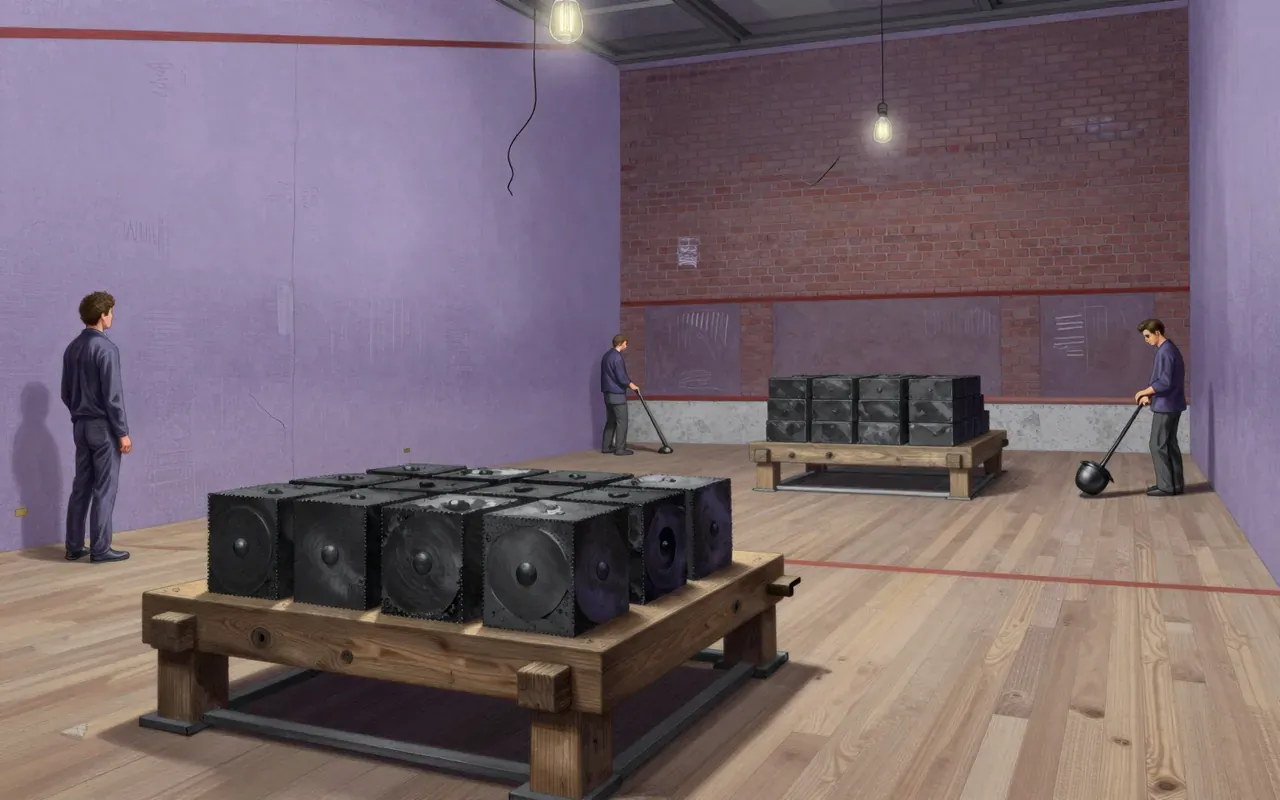
Chicago Pile-1 was not a power plant. It was a proof-of-concept pile — physically crude, operationally minimal, and militarily urgent. Its success established that controlled fission was possible. Its limitations — no heat extraction, no radiation shielding, no control rods beyond cadmium-coated wood — show how far engineering lagged behind theory.

10:42

Oculus Rift

VR was broken until Oculus Rift proved wide FOV and sub-20ms latency weren’t luxuries—they were prerequisites.
9:54

Particle accelerator

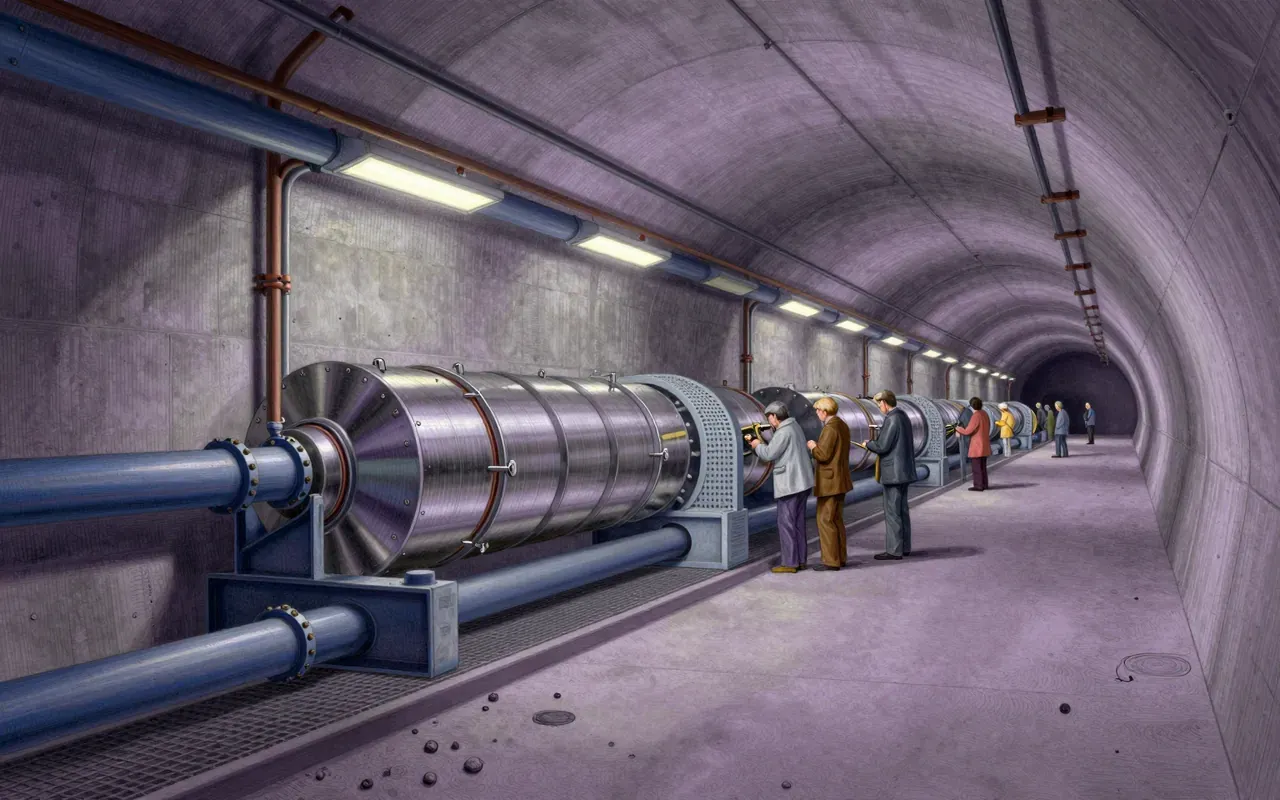
Particle accelerators don’t reveal 'the building blocks of reality' — they reveal what happens when you smash protons hard enough to break known rules.
9:43

Potentiometer

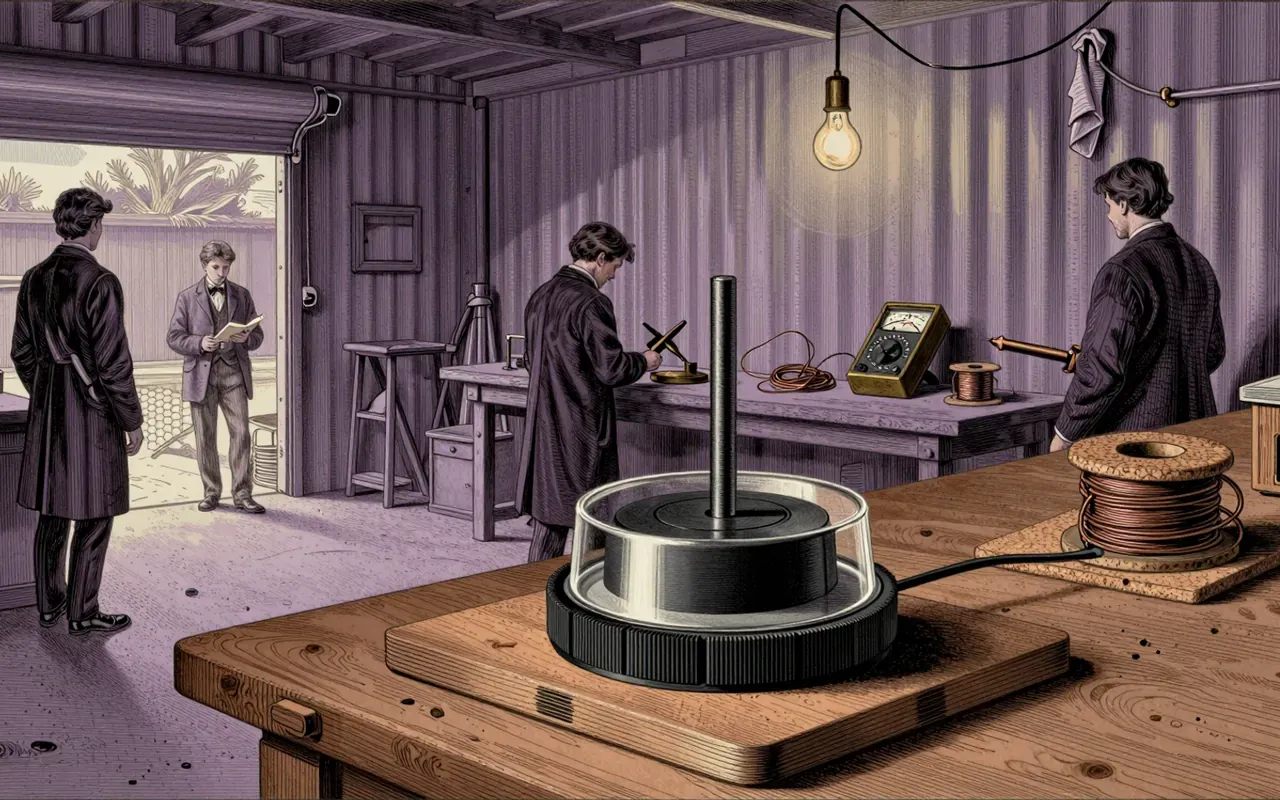
The potentiometer offloads perceptual mathematics onto passive hardware—and pays for it in fragility, power limits, and irreproducible wiper contact.
10:12

Pressure cooker

Denis Papin

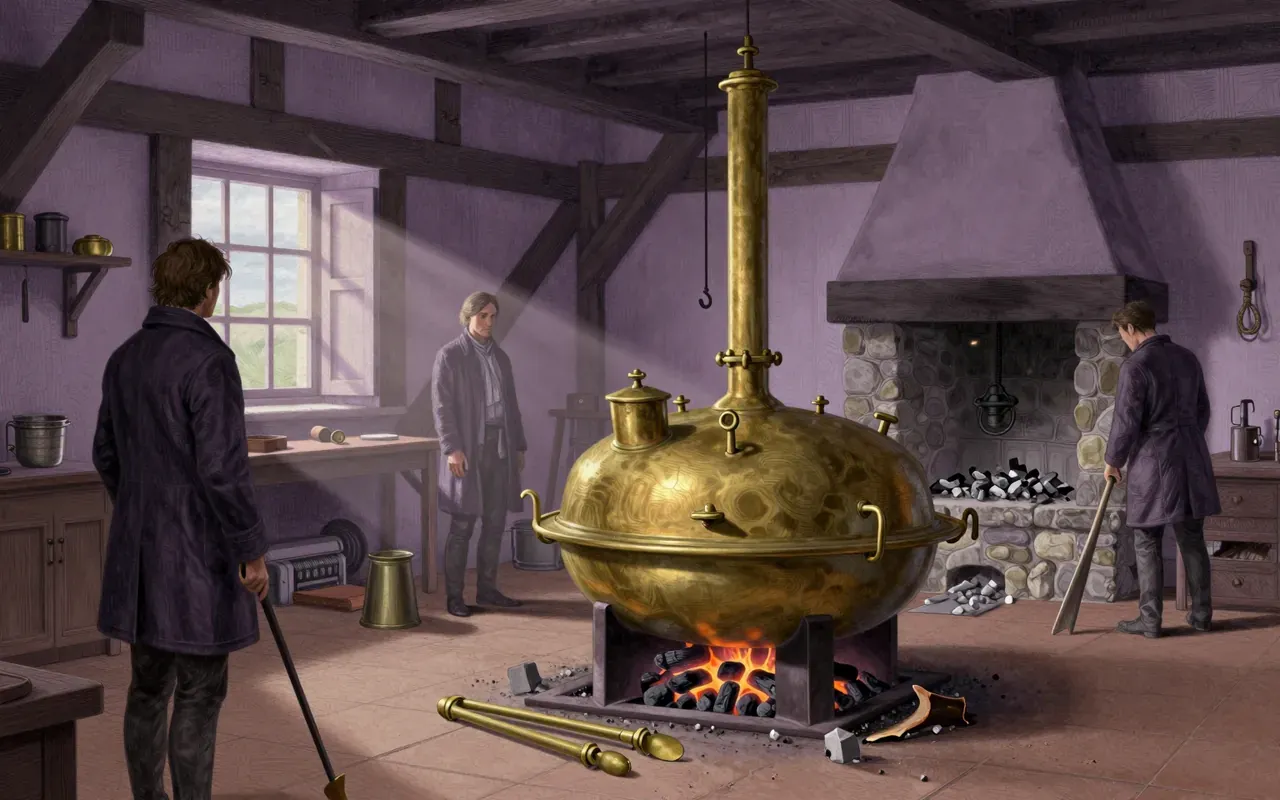
The steam digester is a 1679 experimental vessel that used trapped steam to raise boiling temperature and cut cooking time. It introduced the safety valve and demonstrated atmospheric pressure’s mechanical action — directly enabling Papin’s 1690 piston engine. It was never mass-produced, never used outside demonstration, and had no domestic adoption. Its value is archival and conceptual: it is the first device to treat pressure as a controllable variable in thermal systems.

8:58

Proximity sensor

Proximity sensors don’t see—they sense presence. That narrow trick powers half your phone’s UX.
10:38

QR code

Masahiro Hara · 1994

The QR code is a pragmatic, narrowly scoped hardware interface — not a digital protocol or cultural platform. It solved a specific logistics bottleneck in Japanese automotive manufacturing. Its longevity stems from mechanical robustness and open licensing, not technical novelty or user experience.

9:40

Refrigerator

Carl von Linde · 1856

Linde’s 1876 compressed-ammonia refrigerator was the first practical, compact, and reliable vapor-compression system. It solved industrial spoilage by enabling stable low-temperature control — starting with the Spaten Brewery in 1873. Its mechanism relied on compression, condensation, expansion, and evaporation, later formalised as the refrigeration cycle in 1895. But it used toxic refrigerants without safeguards — a trade-off baked into its design. Its legacy is real: ammonia remains in industrial use today. Its failure is structural: safety was deferred, not designed.

10:15

Steam shovel

William Otis · 1839

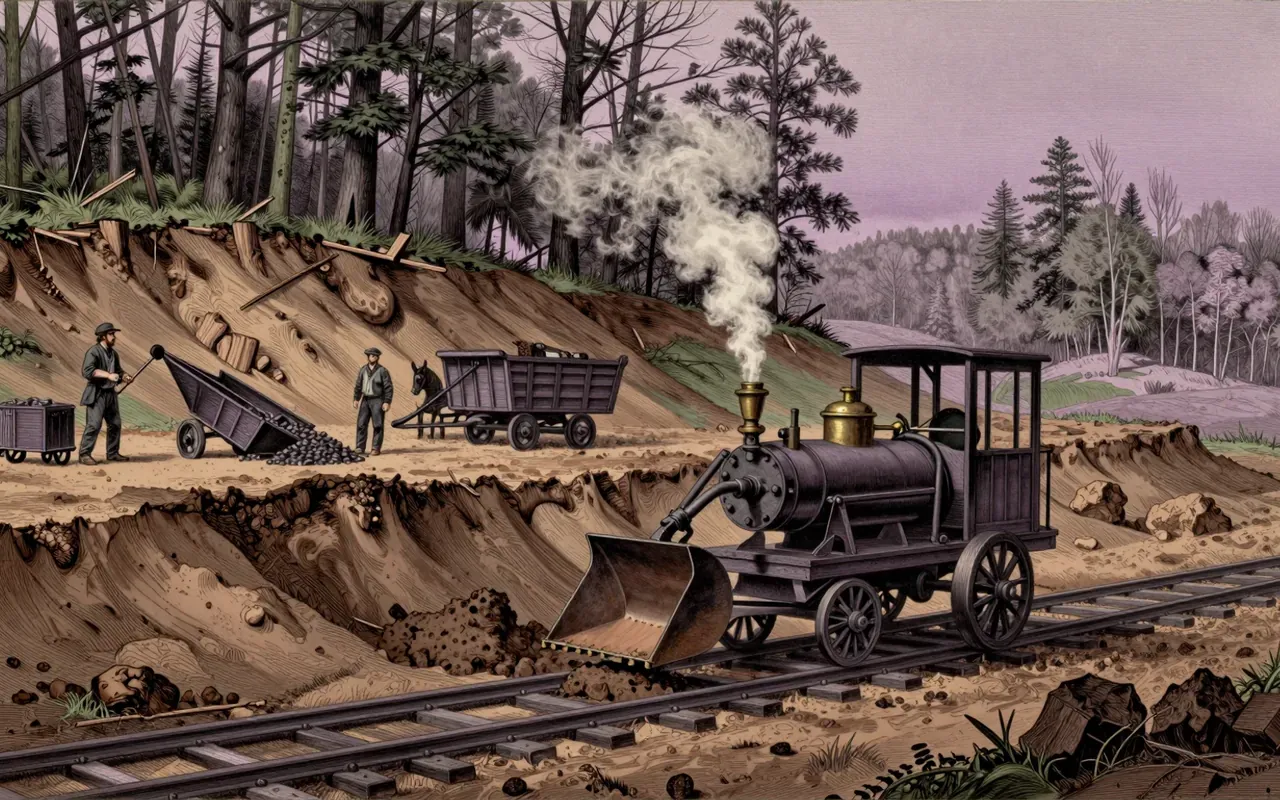
The steam shovel is a pivotal hardware innovation that mechanised excavation but remained tethered to rail logistics and partial rotation. It delivered measurable productivity gains (380 m³/day) in specific contexts — railroads, canals — yet offered no autonomy, adaptability, or terrain independence. Its legacy is infrastructural, not operational.

9:03

Stent

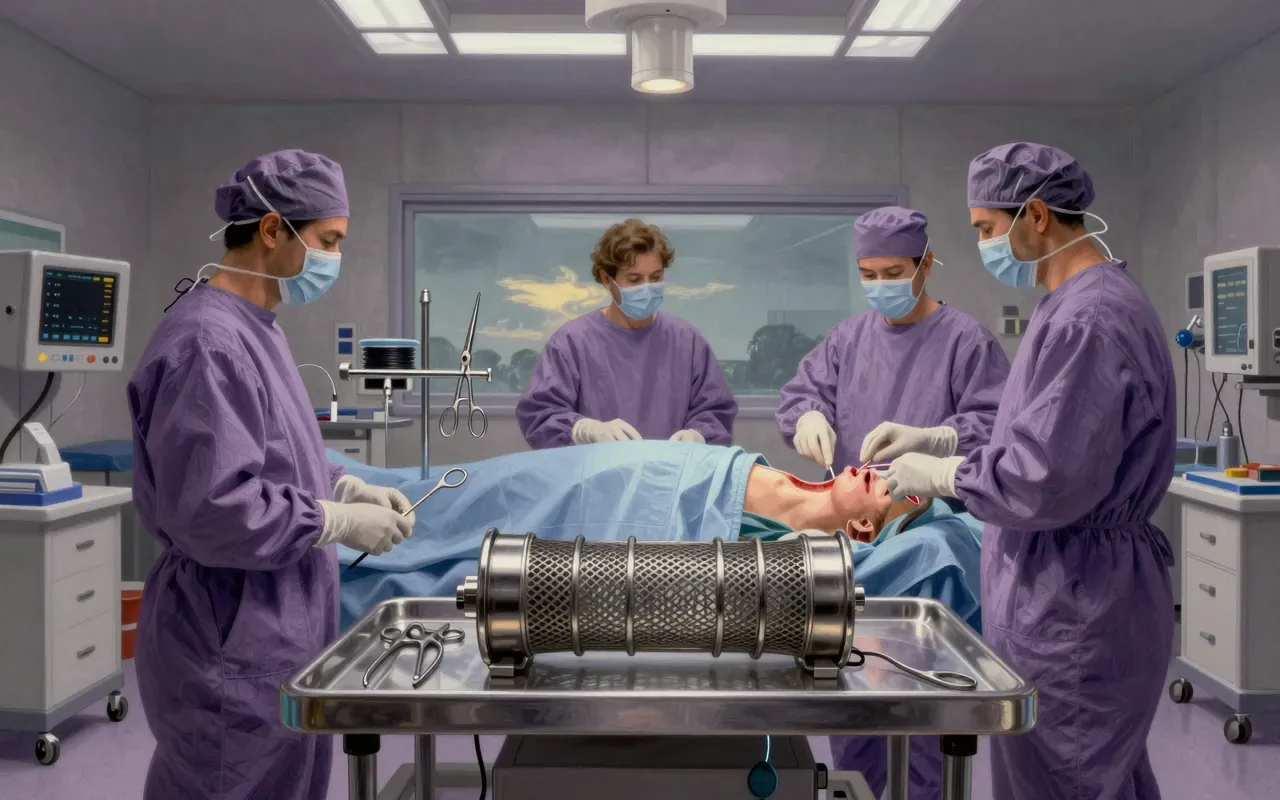
Stents don’t fix arteries—they postpone the problem with metal scaffolds and drug coatings.
9:06

Suspension bridge

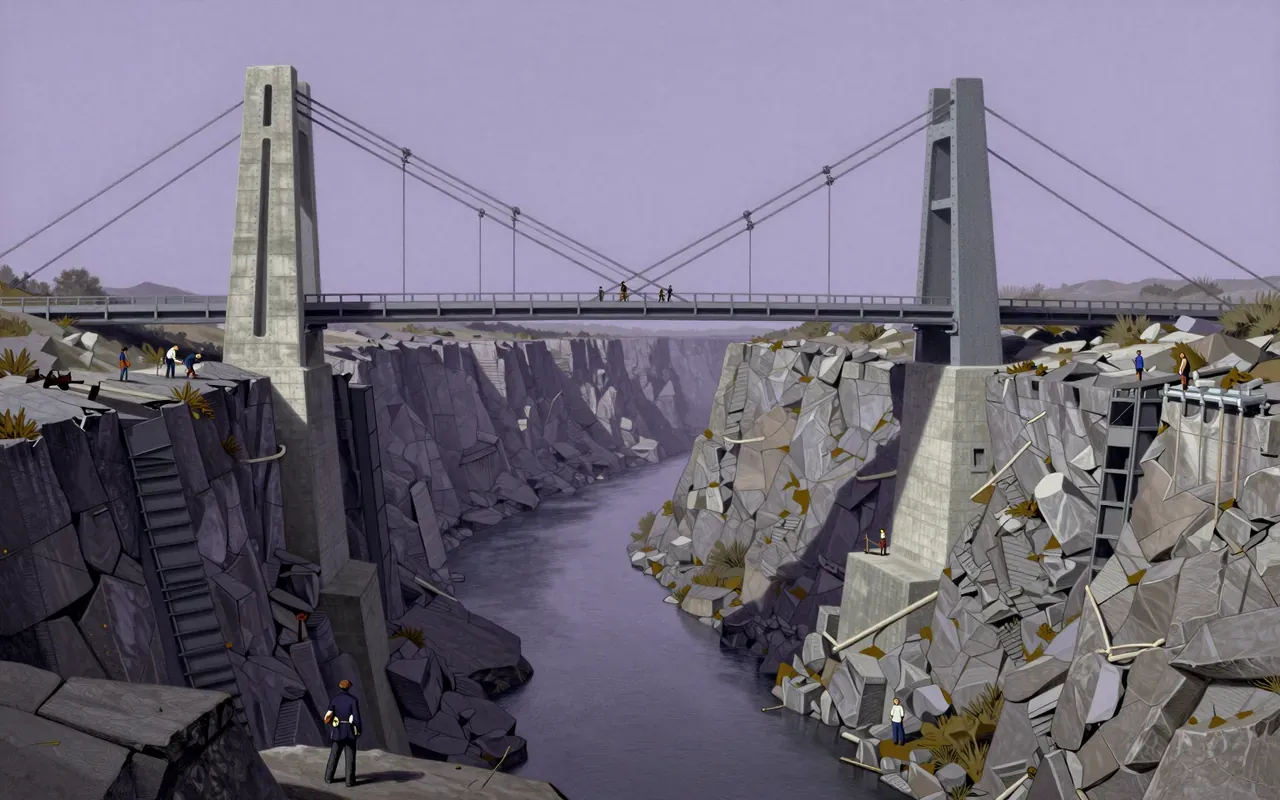
Suspension bridges trade structural honesty for span length—and demand relentless vigilance to hold that bargain.
8:33

Thermistor

Samuel Ruben · 1833

The thermistor is a semiconductor resistor whose resistance changes strongly with temperature. Michael Faraday discovered its NTC behaviour in silver sulfide in 1833. Commercial production did not begin until the 1930s due to manufacturing difficulty and limited applications. Samuel Ruben invented a commercially viable version in 1930.

11:04

Turbocharger

Alfred Büchi

Alfred Büchi’s 1905 turbocharger patent established the axial turbine–compressor-on-common-shaft architecture still used today. It solved no immediate problem: the 1915 aircraft prototype failed. Its first functional applications were marine diesel engines in 1923 (1750 → 2500 hp) and stationary diesel engines in 1925 (1,300 → 1,860 kW, +40% efficiency). All verified successes occurred under Büchi’s direct supervision. No verified application existed outside large, slow-speed diesel systems before 1925.

9:47

TypeScript

Anders Hejlsberg · 2012

TypeScript is a compiler-layered static typing system for JavaScript. It solves scalability problems in large codebases by enabling early error detection and better tooling — without breaking compatibility. Its mechanism is transpilation, not runtime enforcement. Its biggest win is developer velocity in complex projects — proven by the 8–12× speedup in TypeScript 7.0. Its cost is added complexity and no runtime guarantees.
10:06

Unimate

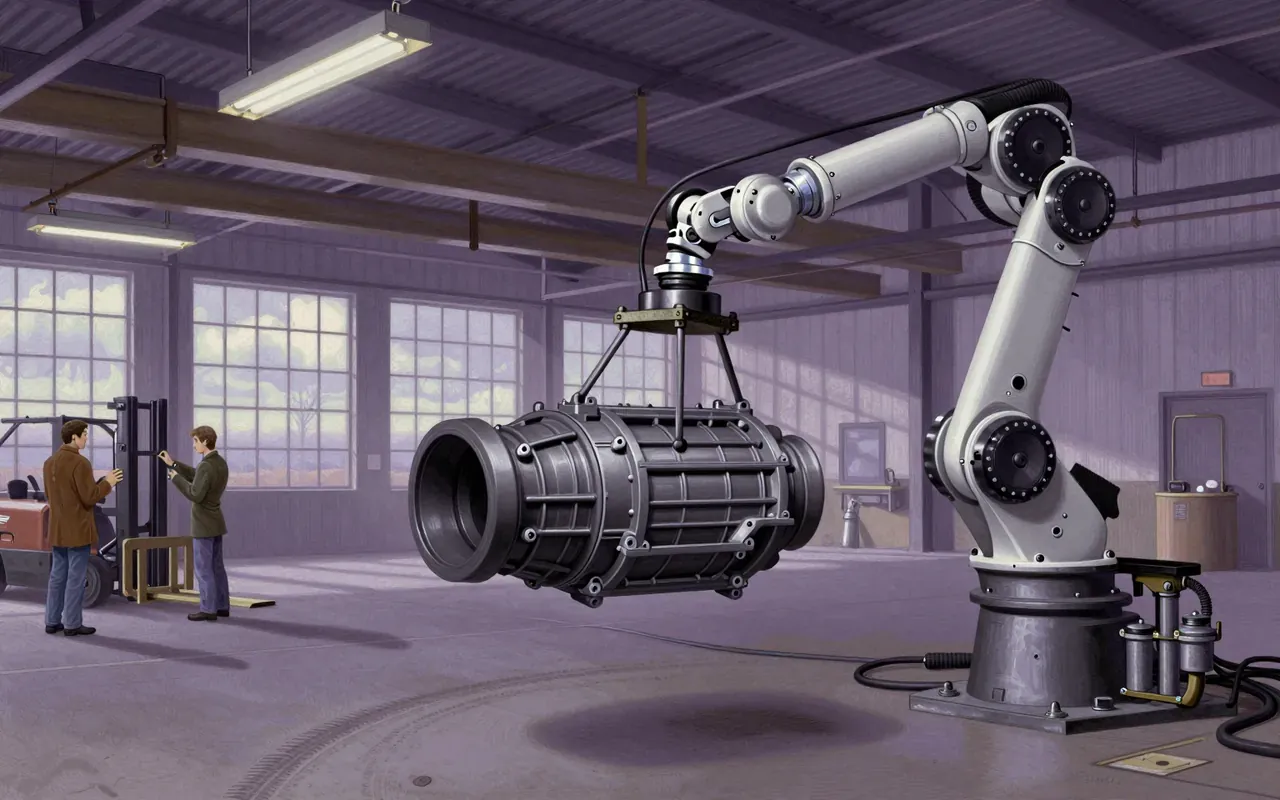
The first industrial robot didn’t think—it repeated, corrected, and kept workers out of fumes.
9:41

VMware Workstation

Virtual machines on your desktop aren’t magic—they’re a trade: OS flexibility for host dependency.

10:18

Wi-Fi 6

Wi-Fi 6 doesn’t make your laptop faster—it makes your conference room stop dropping calls.
9:38

Xbox

It wasn’t about games—it was about turning Windows into a console OS and broadband into a requirement.
9:41

XML

W3C · 1998

XML is a deliberately constrained application profile of SGML, standardised by W3C in 1998. It delivers strict, interoperable document structure at the cost of verbosity, parsing overhead, and zero runtime semantics. It succeeded where SGML failed—not by being simpler, but by being bounded.

9:46

Silicon Graphics

Silicon Graphics · 1981

Silicon Graphics built the first practical hardware-accelerated 3D graphics systems. Its Geometry Engine — designed at Stanford under ARPA — delivered ~6 million geometry operations per second. It pioneered scalable cc-NUMA architectures in the mid-1990s. But its reliance on proprietary MIPS and failed transitions to Itanium and Xeon eroded its position as PC graphics commoditised. It filed for bankruptcy in 2009.

9:51

Exoskeletons

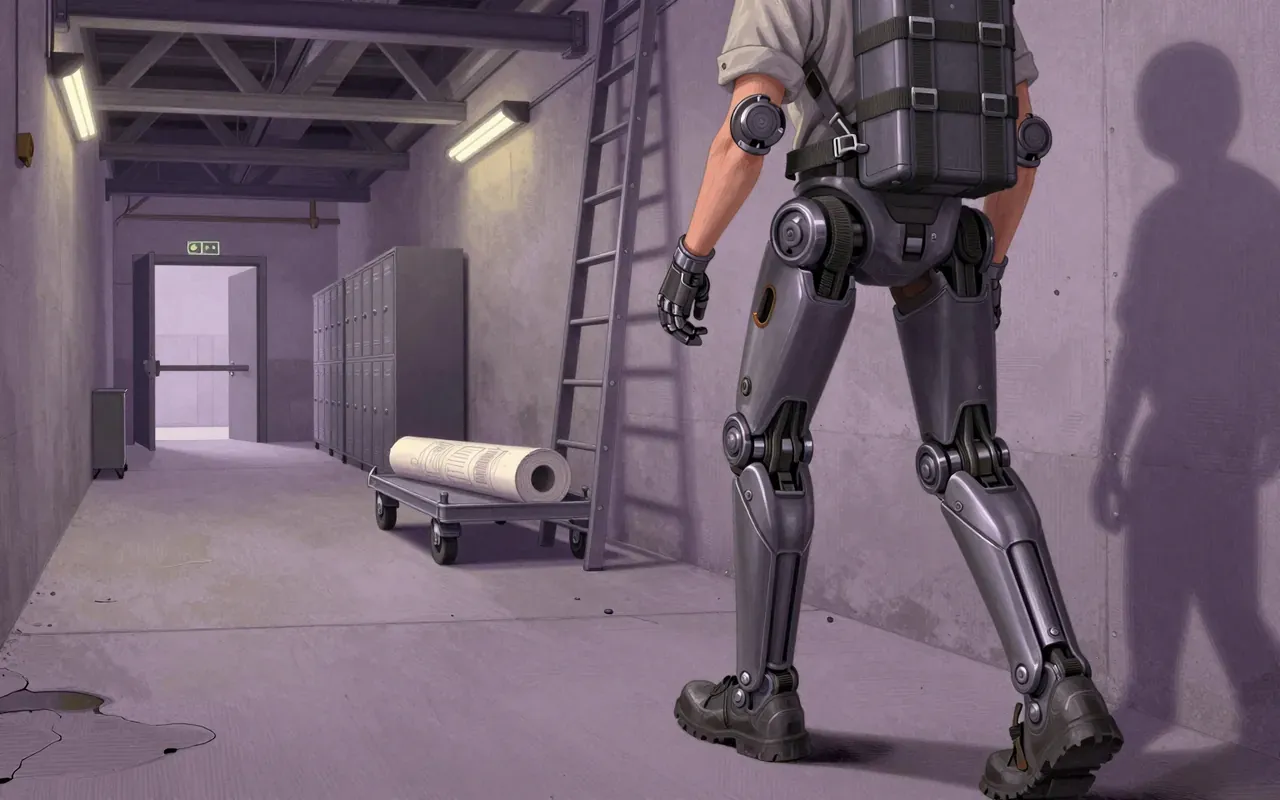
Exoskeletons don’t restore movement—they reframe disability as an engineering constraint.
9:36

Apache ActiveMQ

ActiveMQ made JMS mainstream—but its Java roots and 2007-era architecture now hold back the very systems it was meant to unify.
10:52

Unmanned aerial vehicle

UAVs don’t fly free—they inherit military logic, evade civilian oversight, and deliver capability before consent.
9:15

Mobile robot

Mobile robots are not intelligent agents—they are guided machines whose autonomy is strictly bounded by sensor fidelity and route control.
10:16

BlackBerry

BlackBerry didn’t invent mobile email — it made corporations dependent on it, then couldn’t survive the shift to apps.
9:49

Blockchain

Satoshi Nakamoto

Blockchain is the public, distributed ledger Nakamoto built for bitcoin in 2008–2009. It uses cryptographic hashing, proof-of-work, and difficulty adjustment to prevent double-spending without central control. It works—but at high energy cost, low throughput, and contested governance.

9:49

Cobot

‘Cobot’ isn’t a robot type—it’s a risk-assessment label you have to verify yourself.
10:03

Corsair Gaming

Corsair doesn’t make chips — it makes coherence out of chaos, one acquired brand at a time.
9:41

Google Chrome

Chrome didn’t win by being better—it won by becoming infrastructure.
8:56

Jenkins (software)

Jenkins isn’t better software than Hudson—it’s the same software with a democratically ratified name.
9:20

Nanotechnology

Nanotechnology is a scale-based definition—not an engineering discipline—and its real-world impact lies in bulk materials, not molecular machines.