technologybriefs
Shortest first

All briefs

620 briefs · 6210 min · 97–192 on page 2 of 7
9:13

Memcached

Brad Fitzpatrick · 2003

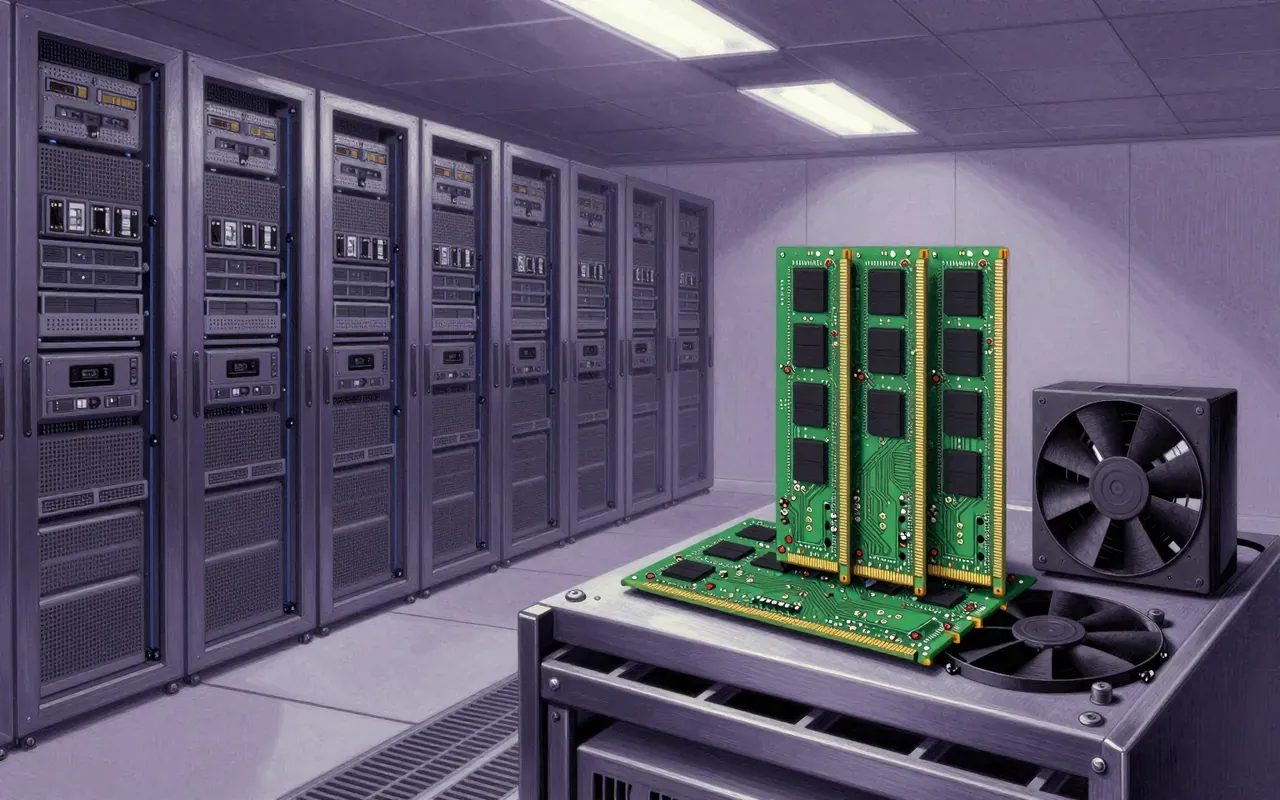
Memcached is a distributed in-memory key-value store designed to reduce load on databases in dynamic web applications. It delivers speed by bypassing disk and network I/O—but requires manual cache management, offers no consistency guarantees, and assumes trust within the network. It works because it is minimal, not because it is clever.

9:13

Philips

Philips didn’t invent the future — it licensed the present, then pivoted before the market caught up.
9:13

Inductive charging

Wireless charging isn’t magic — it’s a patch for plug fatigue, standardised for phones and stalled for cars.
9:14

Sodium-ion battery

Sodium-ion batteries are not lithium’s successor—they’re its pragmatic counterweight.
9:14

Apache HBase

HBase delivers Bigtable’s speed on Hadoop’s bones—but only if your data is sparse, your consistency needs are strict, and your tolerance for operational complexity is high.
9:14

CubeSat

A launch interface masquerading as a satellite standard.
9:14

Intelsat

Intelsat didn’t build the global internet—it built the backhaul for everything that couldn’t wait for fibre.
9:14

Toyota Prius

Toyota

The Prius established hybrid electrification as a viable mass-production pathway—not through technical novelty alone, but by shipping, selling, iterating, and breaking even. Its real innovation was industrial execution under constraint.

9:14

Vector database

It doesn’t understand meaning — it just maps distances between precomputed guesses.
9:15

Mobile robot

Mobile robots are not intelligent agents—they are guided machines whose autonomy is strictly bounded by sensor fidelity and route control.
9:15

Read-only memory

Read-only memory isn’t about limitation — it’s about guaranteeing what cannot change.
9:18

Diffusion model

Diffusion models don’t generate images—they reverse entropy, one noisy step at a time.
9:18

Elasticsearch

Elasticsearch delivers real-time search—but abandons open source to do it.
9:18

System on a chip

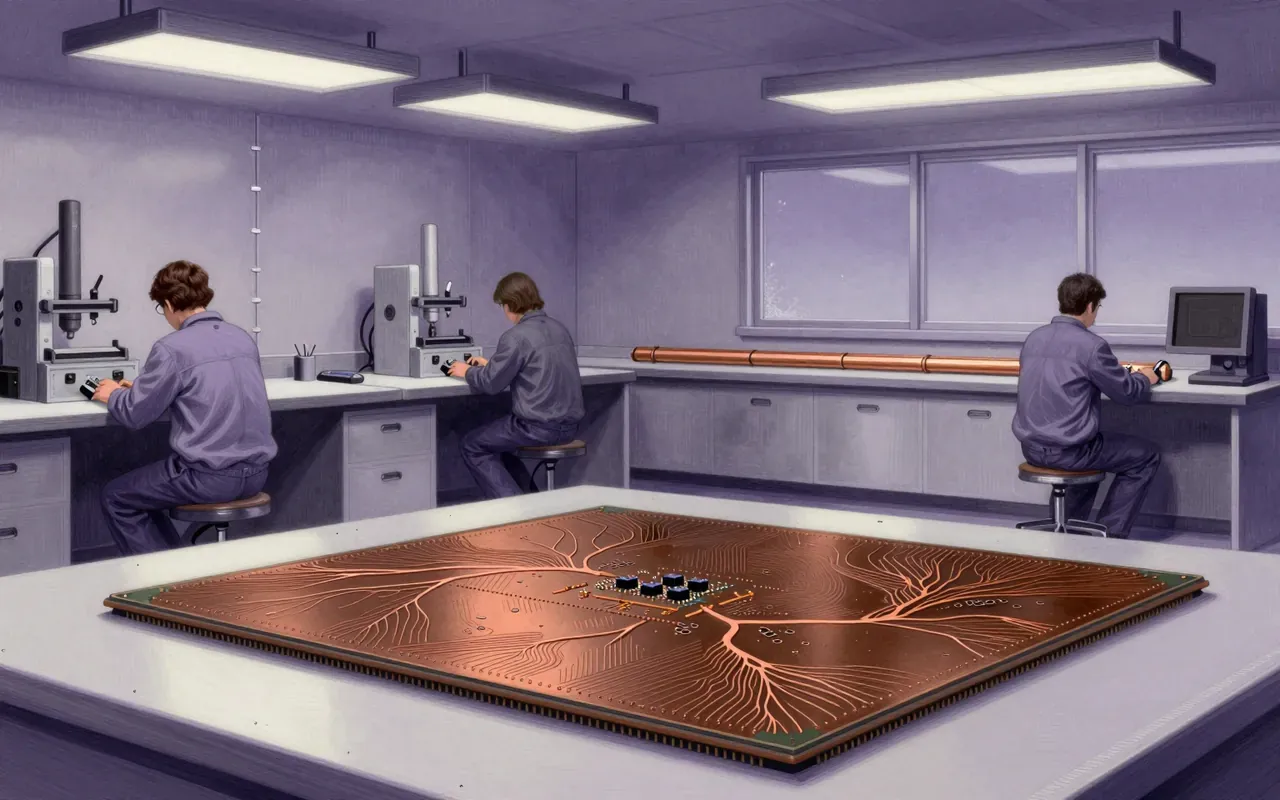
SoCs shrink computers—but lock in obsolescence the moment they’re fabricated.
9:18

Nokia Networks

A joint venture built to survive — not lead — the mobile broadband transition.
9:18

Television

Television wasn’t invented—it was fought over, line by line, tube by tube, until one standard won by default.
9:18

Microprocessor

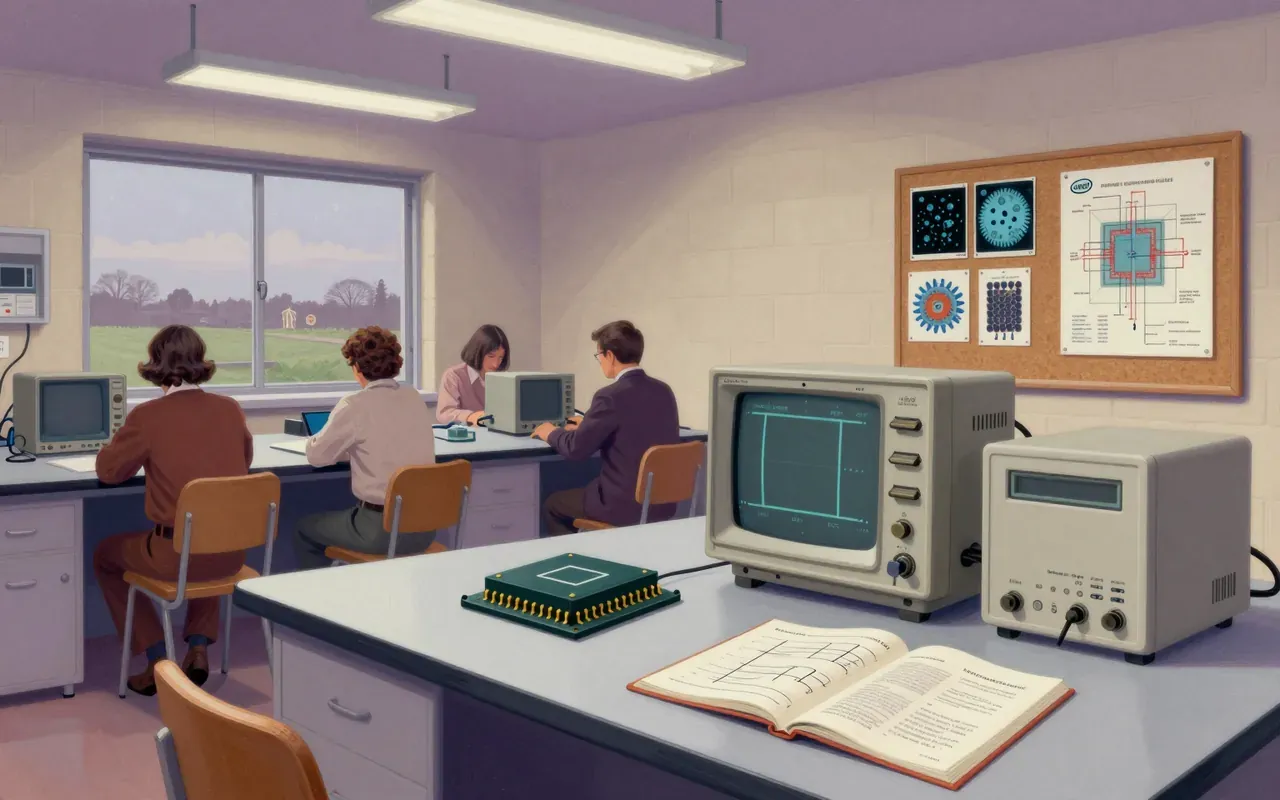
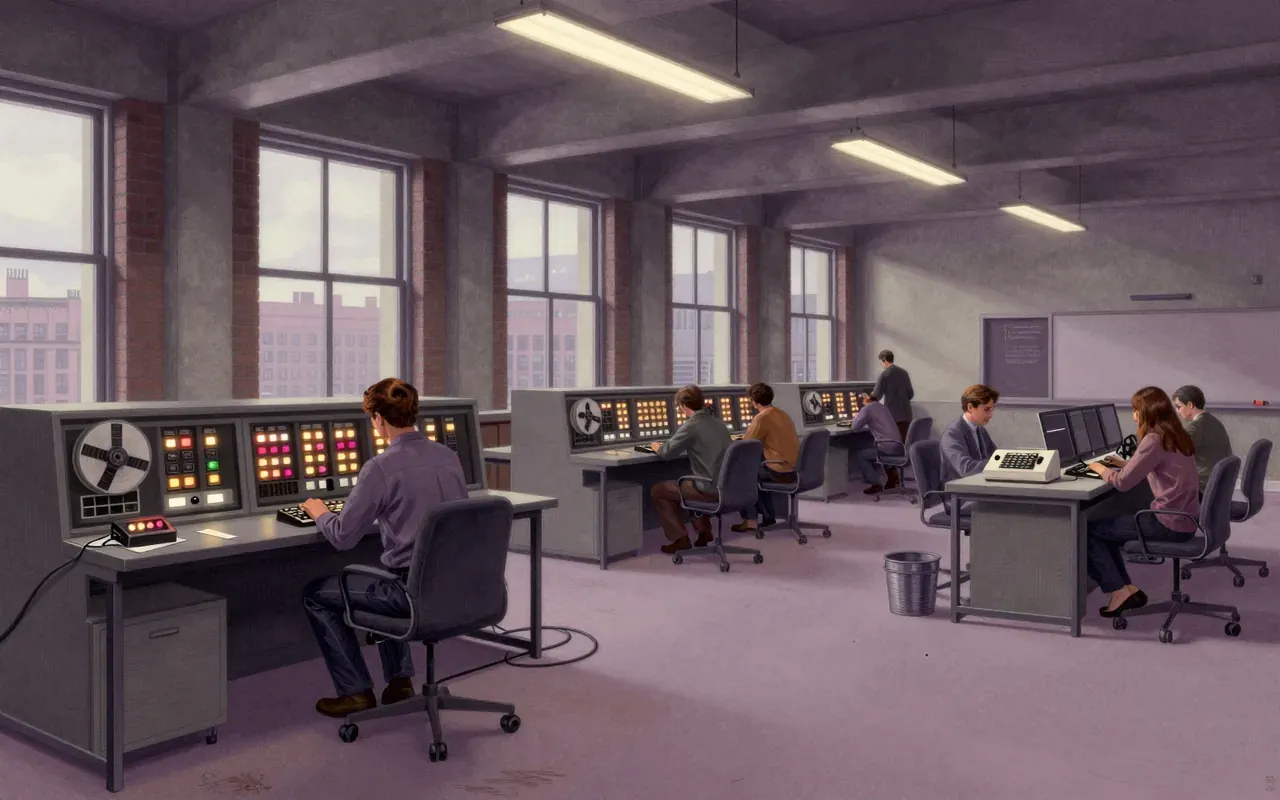
The microprocessor did not invent the computer—it miniaturised its most fragile part into silicon.
9:19

Military robot

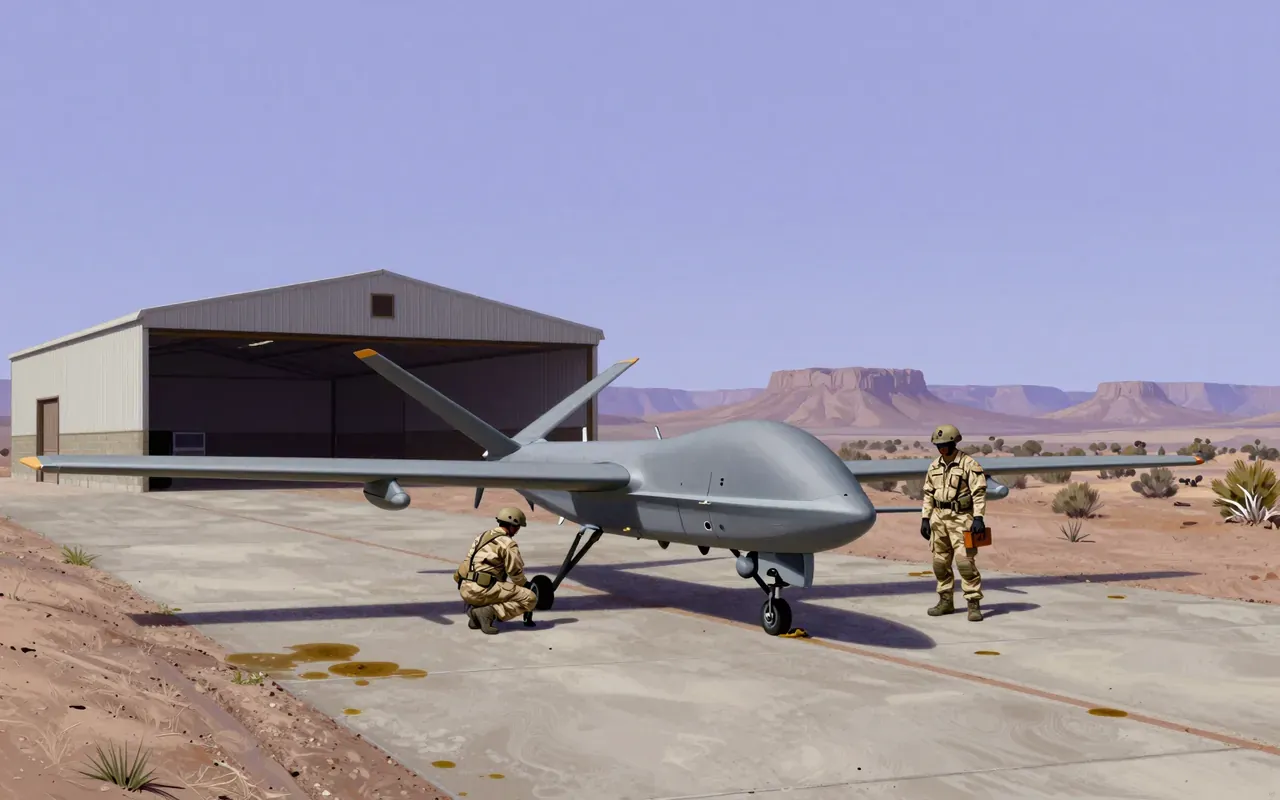
Military robots don’t replace soldiers—they reconfigure accountability, delay ethical decisions, and make war faster than the law can keep up.
9:19

Packet switching

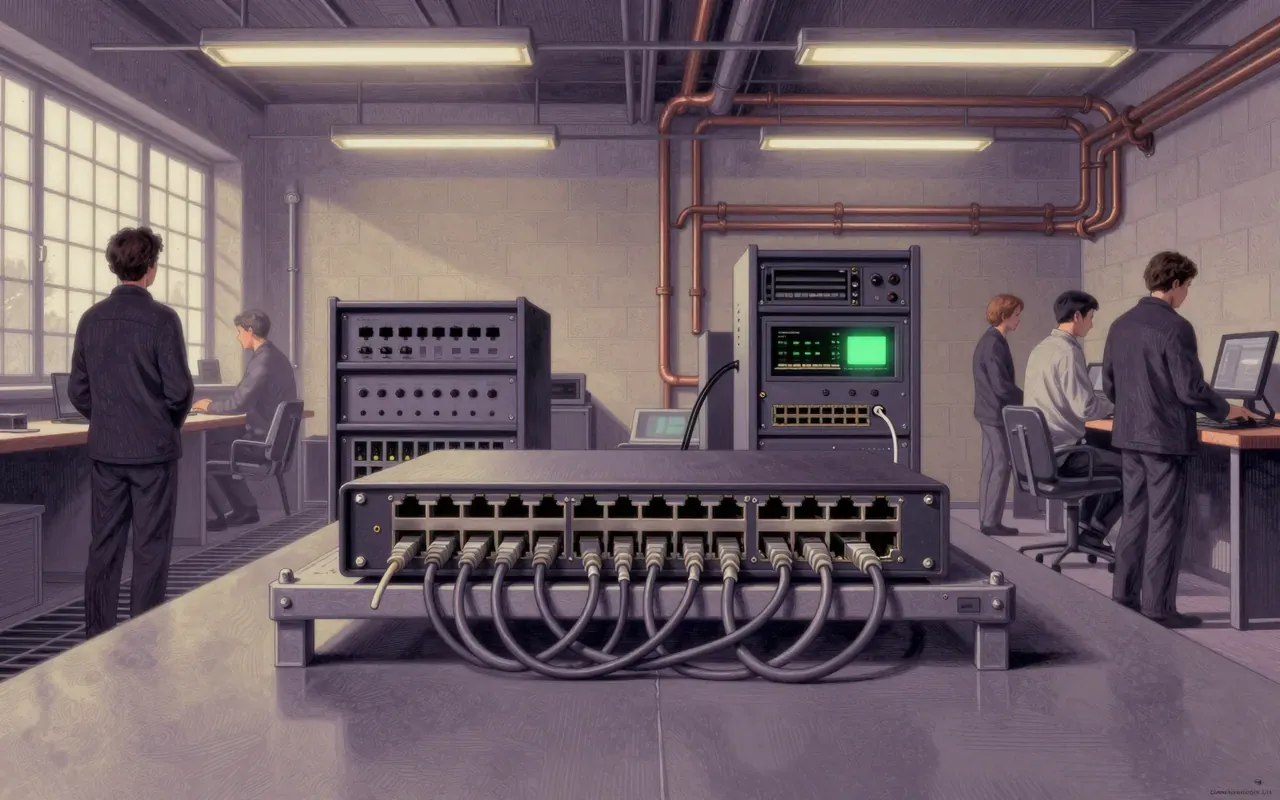
Packet switching doesn’t route data—it abandons it, trusting endpoints to find meaning in the wreckage.
9:20

Chiplet

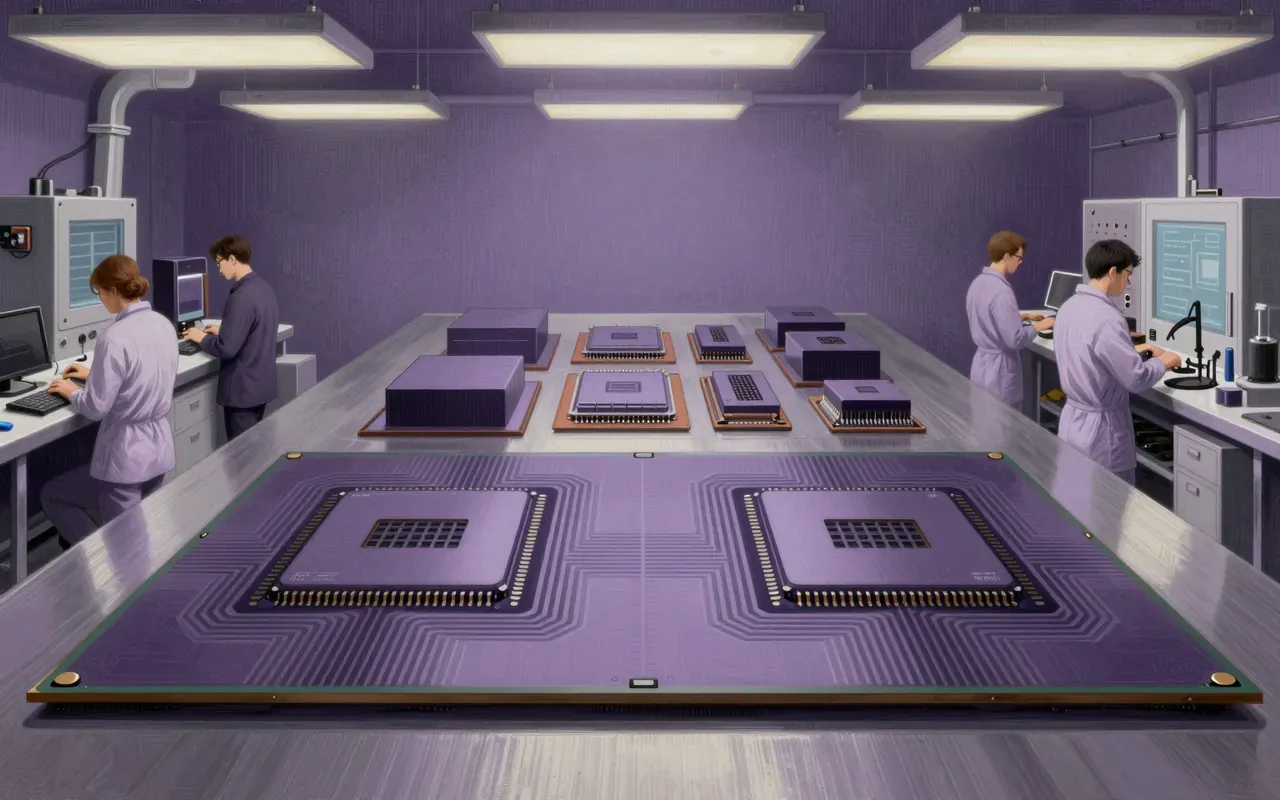
Chiplets don’t replace Moore’s Law—they bypass it with Lego logic and yield math.
9:20

Cloudflare

Cloudflare doesn’t secure the internet—it outsources security to the edge, where lava lamps stand in for trust.
9:20

Nanotechnology

Nanotechnology is a scale-based definition—not an engineering discipline—and its real-world impact lies in bulk materials, not molecular machines.
9:20

PowerBook

It didn’t invent the laptop—but it invented how you hold one.
9:20

Smart grid

The smart grid doesn’t fix the grid—it rewrites its rules of engagement.
9:20

Arduino

Arduino didn’t democratise hardware — it outsourced the hard parts to hobbyists.
9:20

ELIZA

ELIZA doesn’t talk — it mirrors, misleads, and exposes how little it takes for humans to believe a machine is listening.
9:21

Telefónica

Telefónica wasn’t built to innovate—it was built to control the line.
9:21

Polyvinyl chloride

Waldo Semon

Waldo Semon did not invent PVC. He invented how to make it behave. His 1926 method — blending it with additives like dibutyl phthalate — converted a brittle, unprocessable polymer into something elastic and non-adhesive. That enabled Koroseal: a salt-coke-limestone-derived polymer whose consistency could be set deliberately. It did not fix PVC’s thermal instability or environmental persistence. Its real innovation was tunability — proving synthetic polymers could be governed, not just discovered.

9:21

Microwave oven

Percy Spencer · 1945

Percy Spencer’s 1945 microwave oven invention repurposed radar magnetrons for cooking. It works by dielectric heating in a sealed metal cavity. Popcorn and candy heat reliably. Eggs explode. The first commercial unit—the Radarange—arrived in 1947. No claim about speed, size, price, or adoption beyond what sources state.

9:21

Thread (computing)

Threads didn’t make concurrency easier — they made it portable, then exposed how fragile portability really is.
9:22

Domain Name System

Paul Mockapetris

DNS is the distributed name-resolution system invented by Paul Mockapetris in 1983. It replaced the ARPAnet’s central hosts file. It uses a hierarchical zone model and originally ran over UDP. Later concerns about reliability, security, and privacy drove TCP use and protocol extensions. RFCs 882, 883, 973, 1034, and 1035 define its evolution. Mockapetris implemented the first version, 'Jeeves', for TOPS-20 the same year.

9:22

WebAssembly

WebAssembly delivers portable binaries—not portable semantics.
9:22

Floppy disk

IBM · 1964

The floppy disk is a hardware innovation that enabled portable, standardised, low-capacity digital data exchange in IBM mainframe environments. It succeeded where earlier media failed — not by being faster or denser, but by being specifiable, licensable, and physically durable enough for daily use in controlled settings.

9:22

Unix shell

The Unix shell isn’t a tool—it’s the first operating system that lets you write the OS while using it.
9:23

Crumple zone

Béla Barényi

The crumple zone is a hardware solution that redefined automotive safety by separating function across the car body: rigid for survival, deformable for energy absorption. It works. It spread. It remains indispensable.

9:24

Photoresistor

It’s not a sensor — it’s a switch that blinks slowly and forgets the dark.
9:24

Fleming valve

John Ambrose Fleming · 1904

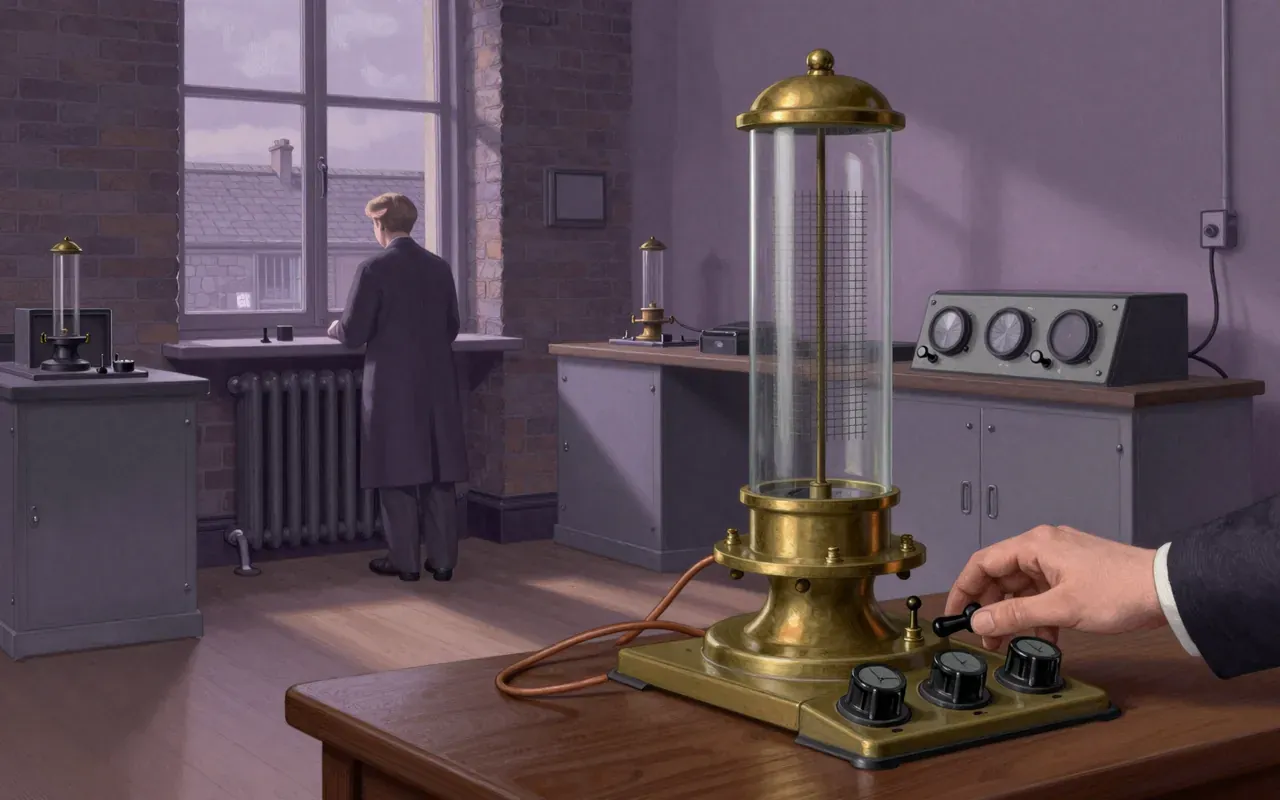
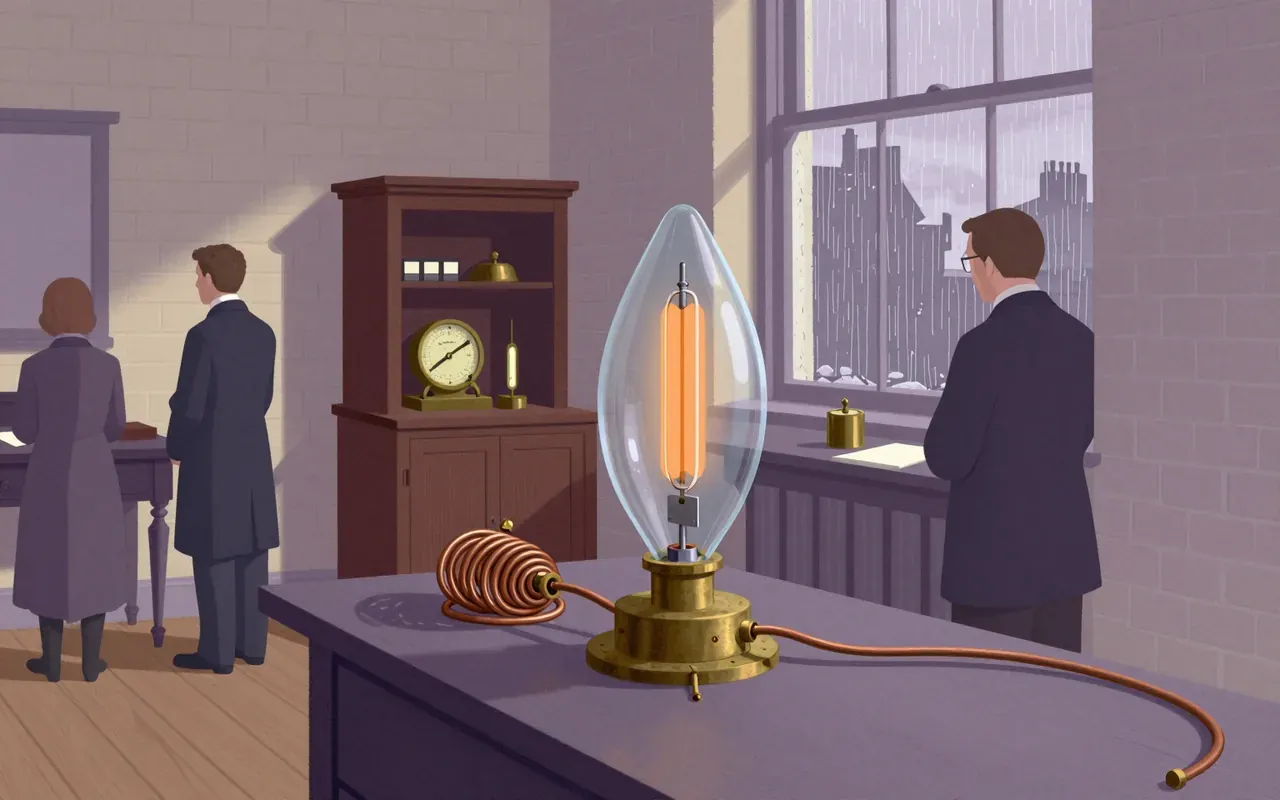
The Fleming valve is a two-electrode thermionic diode invented in 1904 to detect high-frequency radio signals in wireless telegraphy. It rectifies AC by permitting electron flow only from heated filament to positive anode — exploiting the Edison effect. It replaced the coherer in Marconi’s transatlantic receiver. It does not amplify. It requires continuous filament heating. It was used in radio and radar for over 50 years before being superseded by solid-state devices.
9:24

Lenovo

Lenovo didn’t outsource its way to scale—it built its own factory floor to cut OEM dependence, and it worked.
9:24

LED display

Nick Holonyak

The LED display is not Holonyak’s invention — it is HP’s. Holonyak’s 1962 GaAsP LED enabled it. HP’s 1969 Model 5082-7000 was the first intelligent, IC-integrated numeric display — fast, solid-state, low-power, and monochromatic. It displaced Nixie tubes but could not render text, graphics, or colour. Later all-LED flat panels remained monochrome and experimental.

9:24

Ericsson

Ericsson didn’t build the future—it built the switches, the standards, and the silence between promises and deployments.
9:24

Bicycle

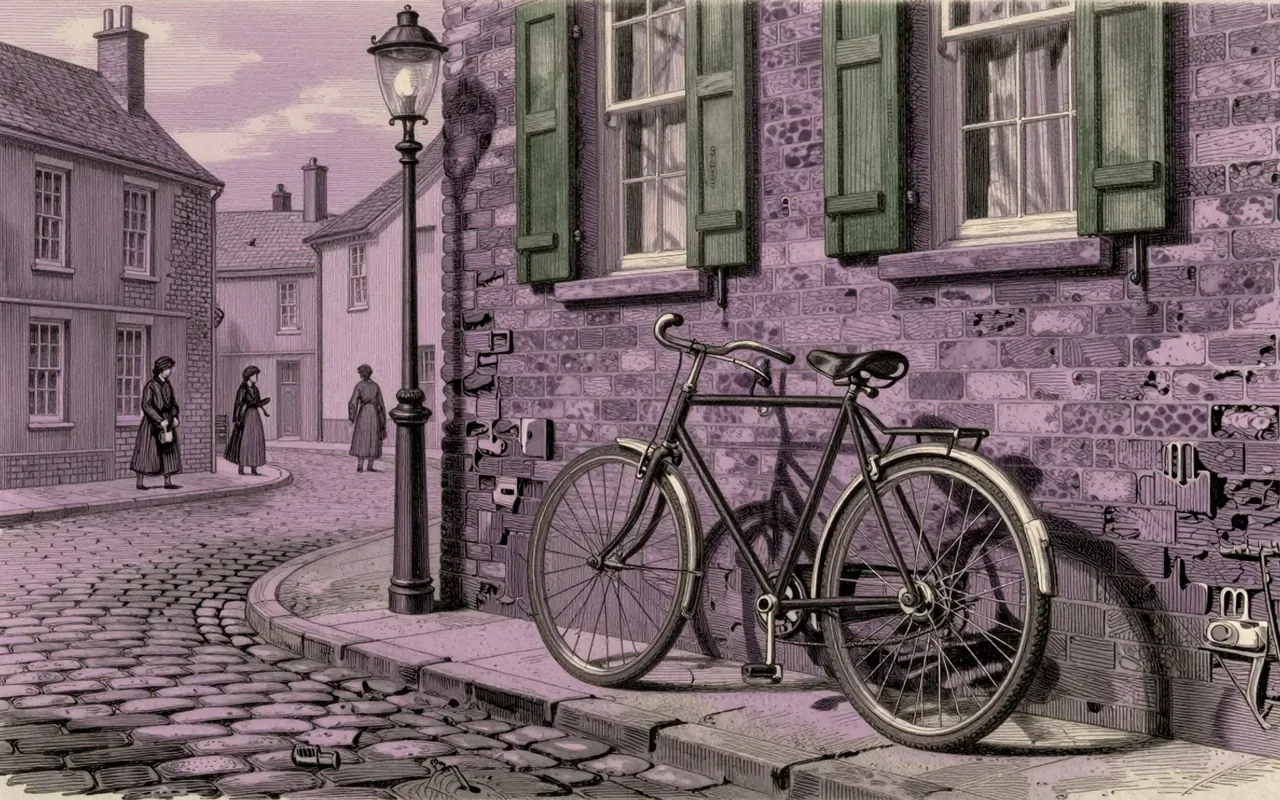
The 1885 safety bicycle didn’t invent mobility—it invented the industrial and cultural template for everything that followed.
9:24

Ventilator

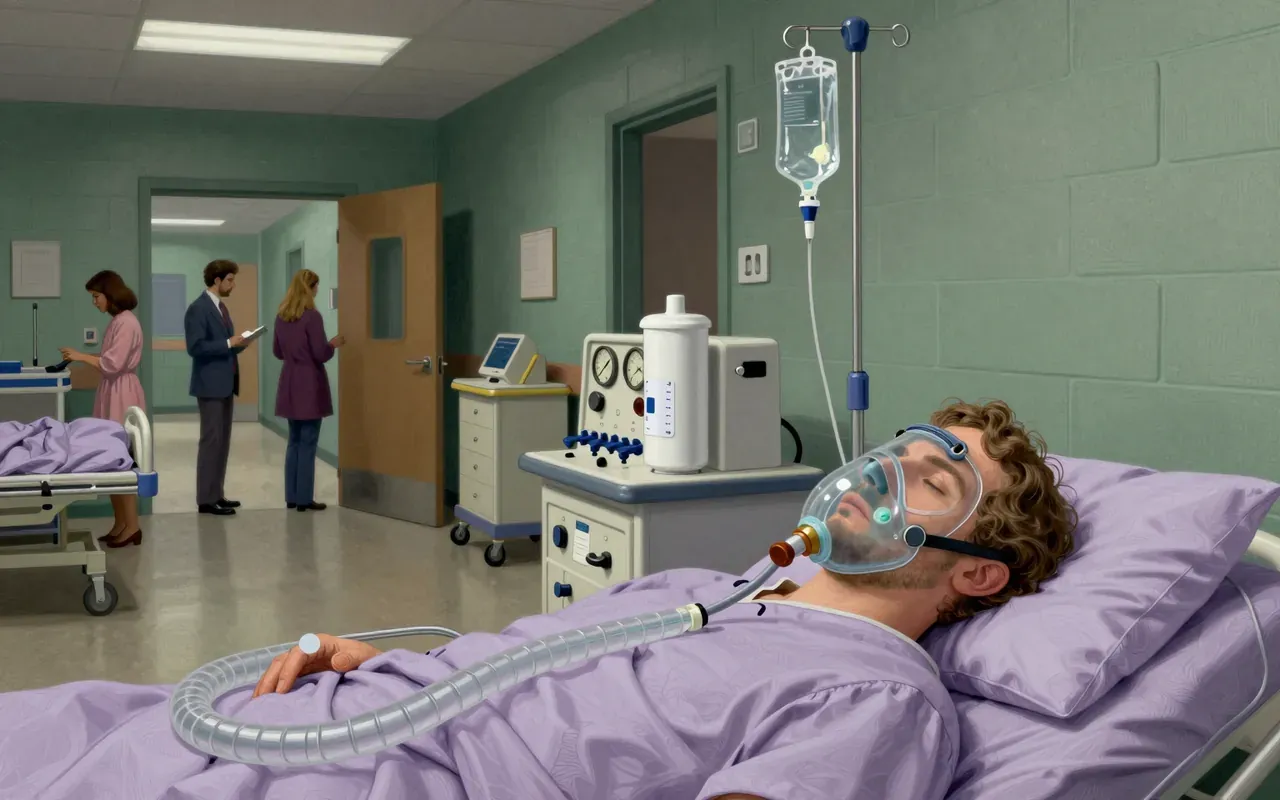
Ventilators don’t breathe for patients—they delegate breath to machines that must never misfire.
9:25

RabbitMQ

RabbitMQ isn’t about speed—it’s about certainty in chaos.
9:25

PDF

Adobe Systems · 1993

PDF delivers guaranteed visual consistency for static documents—but only by freezing layout, embedding everything, and avoiding runtime logic. Its shift to ISO control removed Adobe’s proprietary hooks, yet its security model remains brittle under active exploitation.

9:25

Sprint Corporation

A century-old telephone co-op became a mobile carrier — then vanished not from failure, but from consolidation.
9:25

NVM Express

AHCI was a mechanical fiction imposed on flash; NVMe is the first interface built for what SSDs actually are.
9:26

TensorFlow

Google · 2015

TensorFlow is a machine learning API developed by Google. It is used mainly for training and inference of neural networks. It is free and open-source software released under the Apache License 2.0. It was developed by the Google Brain team for Google's internal use in research and production. The initial version was released under the Apache License 2.0 in 2015. Google released an updated version, TensorFlow 2.0, in September 2019. TensorFlow can be used in a wide variety of programming languages, including Python, JavaScript, C++, and Java. It is one of the most popular deep learning frameworks, alongside others such as PyTorch.

9:26

Unreal Engine

Unreal Engine 1 wasn’t a platform — it was a delivery vehicle for one game.
9:26

PARC (company)

PARC didn’t invent the future — it built the lab where the present was reverse-engineered.
9:26

Zero-knowledge proof

Proof does not require disclosure—this idea was mathematically proven in 1985, not invented by blockchain.
9:26

3GPP

3GPP did not invent 3G—it invented the machinery to standardise it, and that machinery still runs.
9:26

COBOL

COBOL didn’t democratise programming—it bureaucratized it.
9:26

DDR4 SDRAM

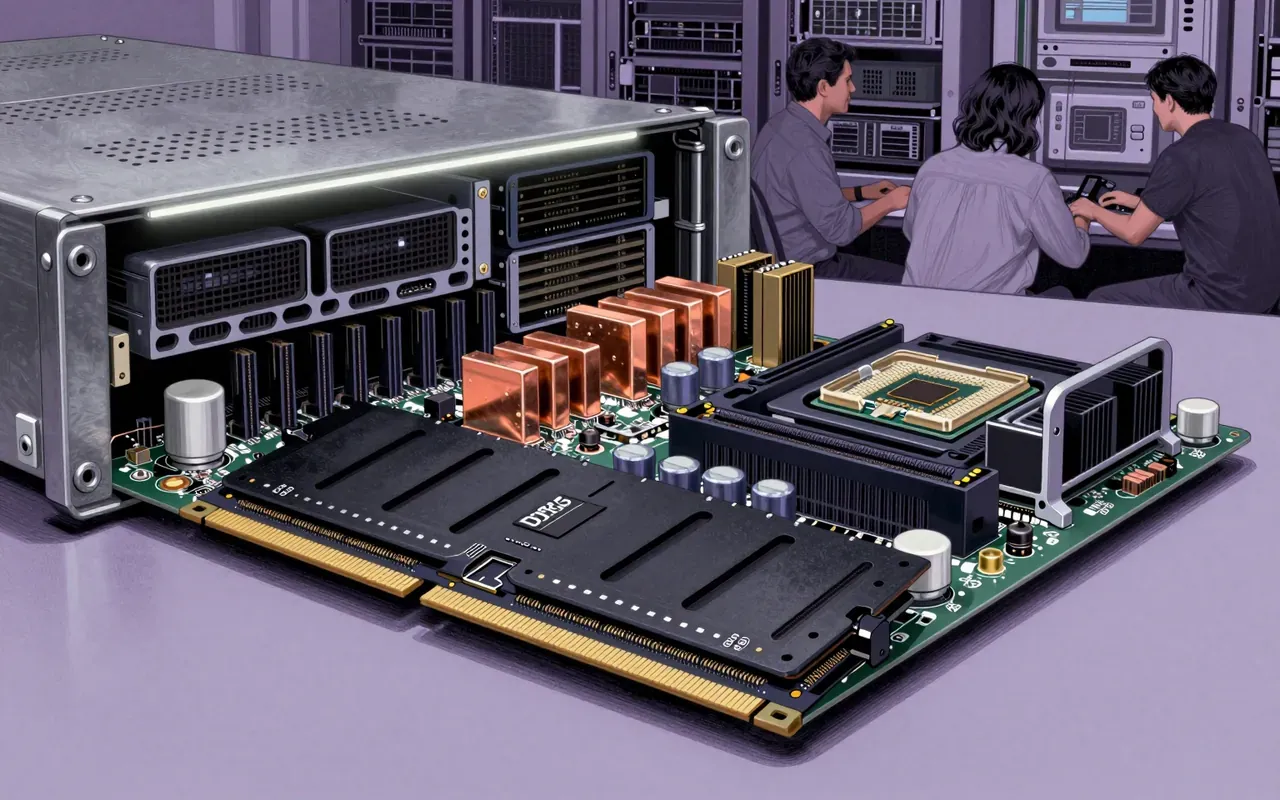
DDR4 trades compatibility for capacity—and delivers on neither promise until 2014.
9:26

LoRaWAN

LoRaWAN’s new TR013 standard doesn’t fix congestion—it just makes collisions slightly less random.
9:27

ECC memory

ECC memory doesn’t prevent memory errors—it prevents you from ever knowing they happened unless they’re too big to fix.
9:27

Liquid-propellant rocket

Liquid-propellant rockets trade simplicity for control—and every gain in mission flexibility comes with a penalty in infrastructure, safety, and cost.
9:27

Lidar

Lidar wasn’t invented to map cities or drive cars—it was built to hit satellites and spot smog.
9:27

MacOS

macOS didn’t reinvent computing—it imported Unix stability into Apple’s closed world, at the cost of openness and portability.
9:27

Nintendo Switch

A console that doesn’t choose between TV and pocket—it just demands you carry both contexts at once.
9:27

Cathode ray tube

Karl Ferdinand Braun

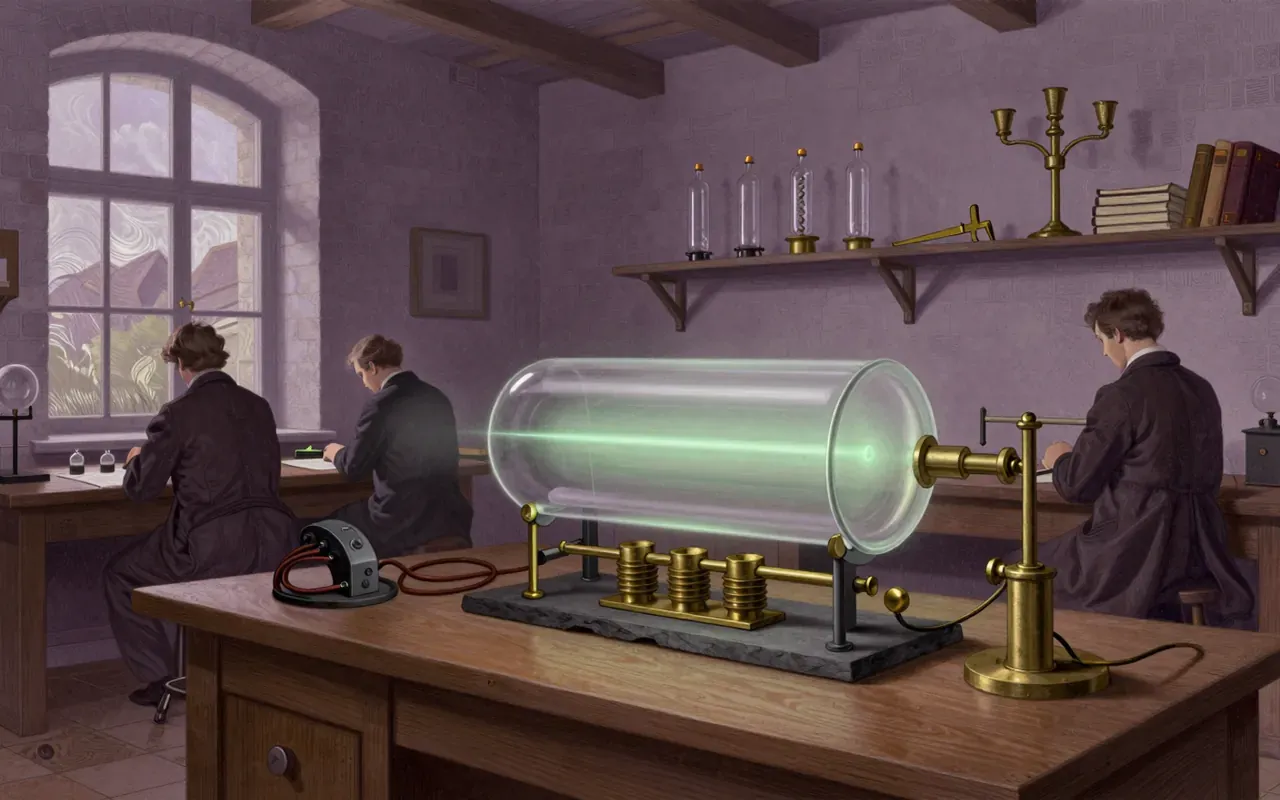
The Braun tube is a historically decisive but technically limited instrument: it proves electron beams can be displayed, but only at extreme voltage and with mechanical compromise. Its legacy lies in conception—not execution.

9:27

Helicopter rotor

Juan de la Cierva

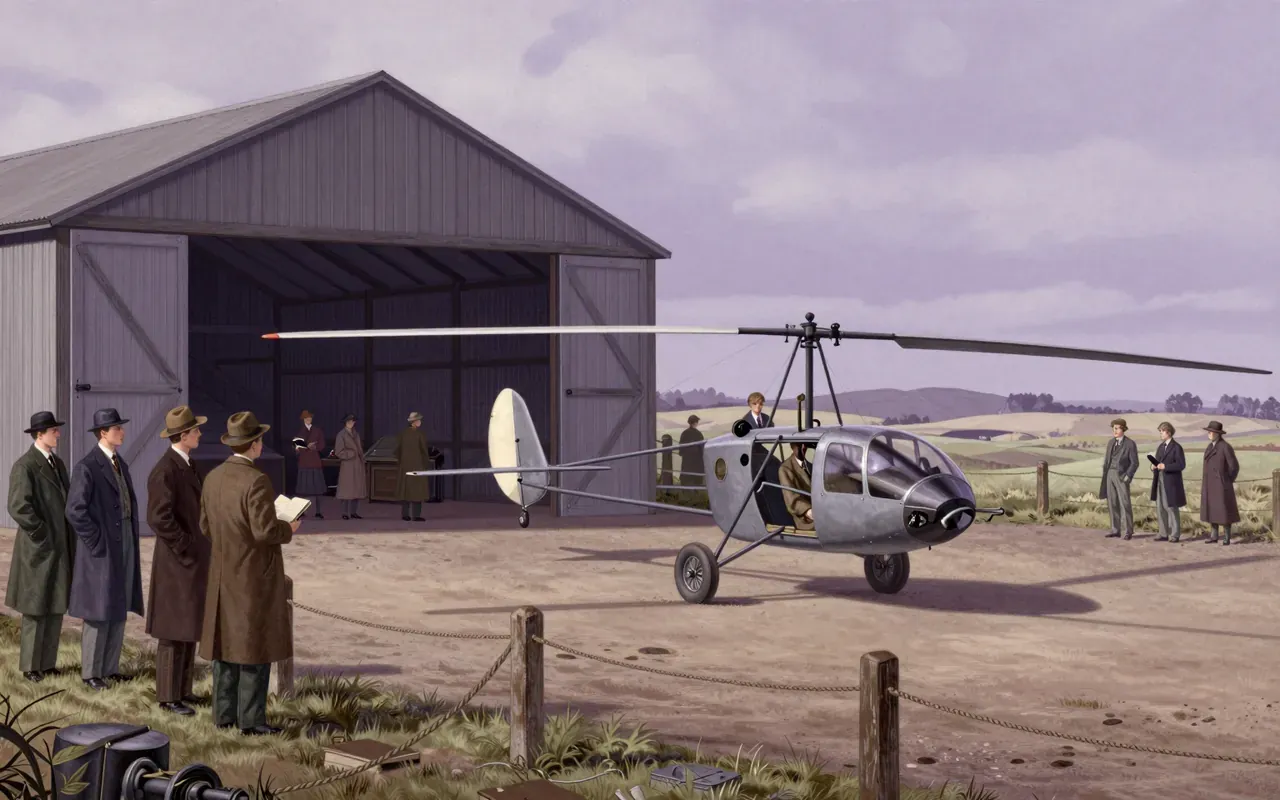
The articulated rotor solved dissymmetry of lift in autogyros using mechanical hinges—not powered rotation. It enabled stable forward flight and jump take-off, but did not enable hovering or VTOL. Its influence on helicopters is real but indirect: it provided the hinge architecture, not the propulsion model.

9:28

Quantum computing

Quantum computing is not a faster computer—it’s a different kind of calculator, built for problems classical machines were never meant to solve.
9:28

ALGOL

ALGOL didn’t run programs—it rewrote how we think about them.
9:28

Ruby (programming language)

Yukihiro Matsumoto · 1995

Ruby is a deliberately opinionated scripting language that enforces object uniformity at runtime. It delivers on its promise of simplicity and expressiveness—but only within its chosen domain: developer-facing tools and applications where flexibility trumps performance or safety.

9:29

ESIM

eSIM standardises SIM removal — not carrier control.
9:29

Docker (software)

Docker did not invent containers—it weaponised Linux kernel primitives into a developer-facing deployment standard.
9:29

IPad Pro

Apple · 2016

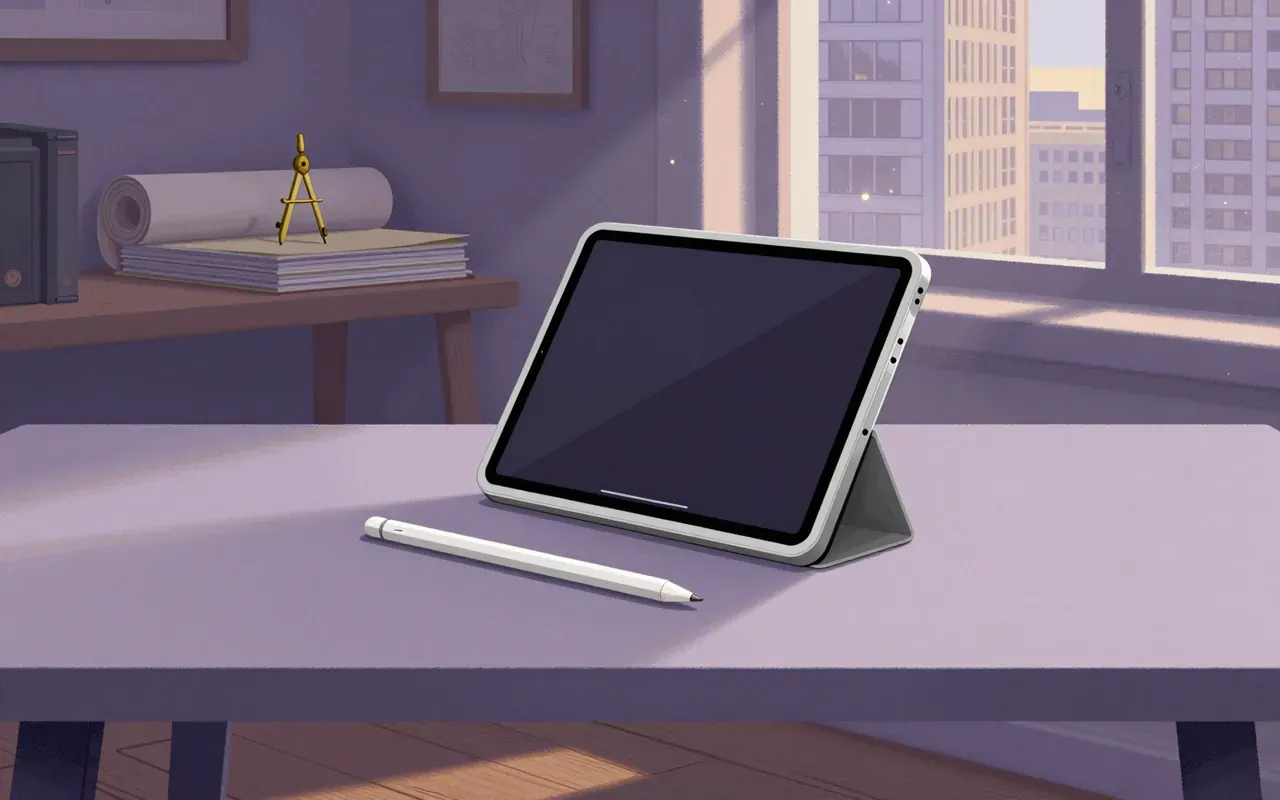
The 2016 iPad Pro is a hardware upgrade without a software foundation for professional work. It extends iOS 9’s constraints rather than replacing them.

9:30

OLPC XO

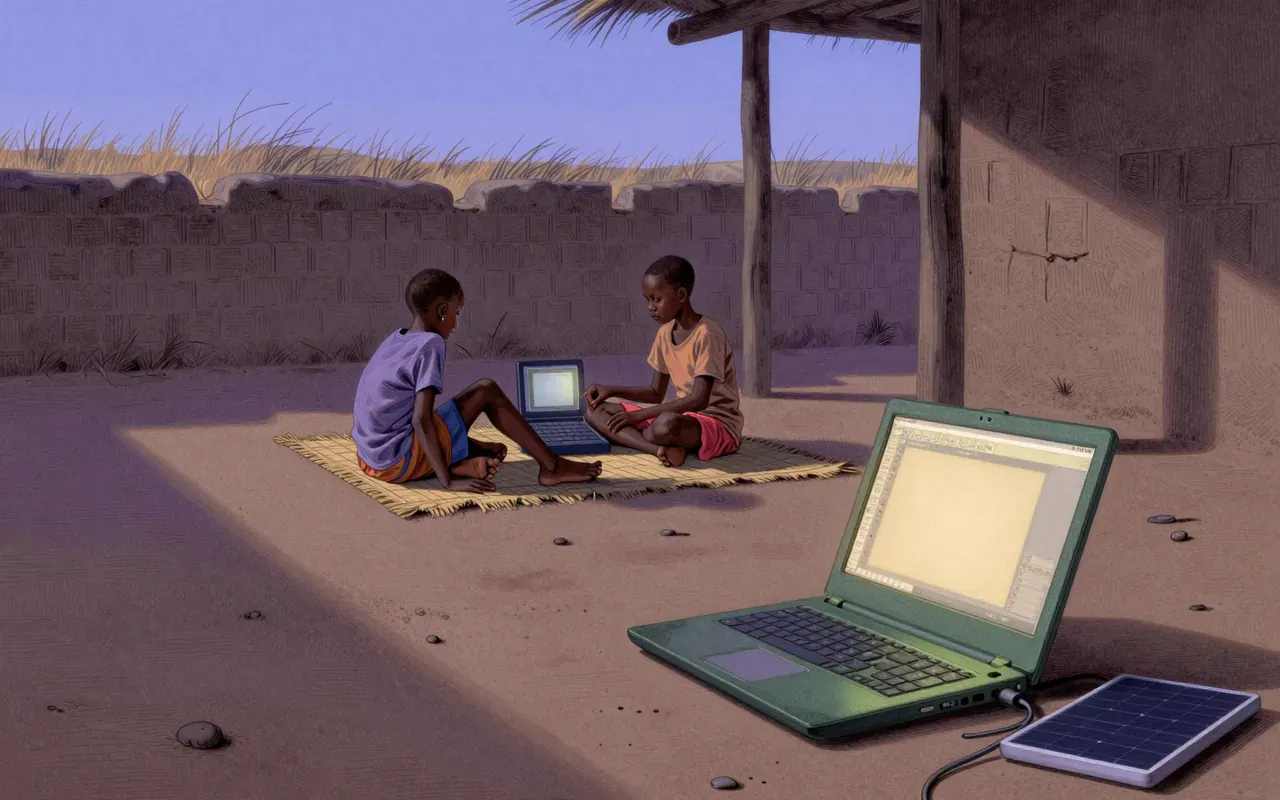
A noble failure: the XO delivered rugged, flash-based Linux laptops to children — but broke its core promises on price, power, and peer networking.
9:30

Mellanox Technologies

Mellanox didn’t invent speed—it weaponised standardisation against latency, then vanished into Nvidia before its full Ethernet promise could be tested.
9:30

Automated guided vehicle

Barrett Electronics

The Barrett Electronics AGV established guided vehicle automation as a physical layer—not a cognitive one. It moved payloads predictably, cheaply, and without rails—but demanded infrastructure, not intelligence. Its legacy is in floor plans, not algorithms.

9:31

Antivirus software

Antivirus software is necessary — and mathematically guaranteed to fail at its core promise.
9:31

Grafana

Grafana Labs

Grafana is open-source dashboard software that queries external data sources at render time. It unifies metrics, logs, and traces without storing data itself. Its JSON-based dashboards are versionable and composable. Since 2021, it uses AGPLv3 licensing. It originated from Graphite work at Orbitz and launched in January 2014. Its UI began as a fork of Kibana v3.

9:31

NeXT Computer

A sealed magnesium cube that proved integrated design was possible — and commercially stillborn.
9:31

Windows 3.1

Windows 3.1 virtualised DOS — then made the virtual machine its own coffin.
9:31

Power loom

Edmund Cartwright · 1789

The power loom is a foundational failure: it proved automated weaving possible but could not sustain production. Its value lies in its mechanism—not its output—and its legacy is structural, not operational.

9:32

Icemaker

Jacob Perkins

Perkins’s icemaker was the first working vapor compression refrigeration system. It used ether, not ammonia. It proved artificial cold could be generated mechanically — but produced no usable ice beyond lab-scale demonstration. Its legacy is procedural: it fixed the method before the market existed.

9:32

REAPER

REAPER isn’t leaner because it’s simpler—it’s leaner because it refuses to decide what your studio should be.
9:33

EUV lithography

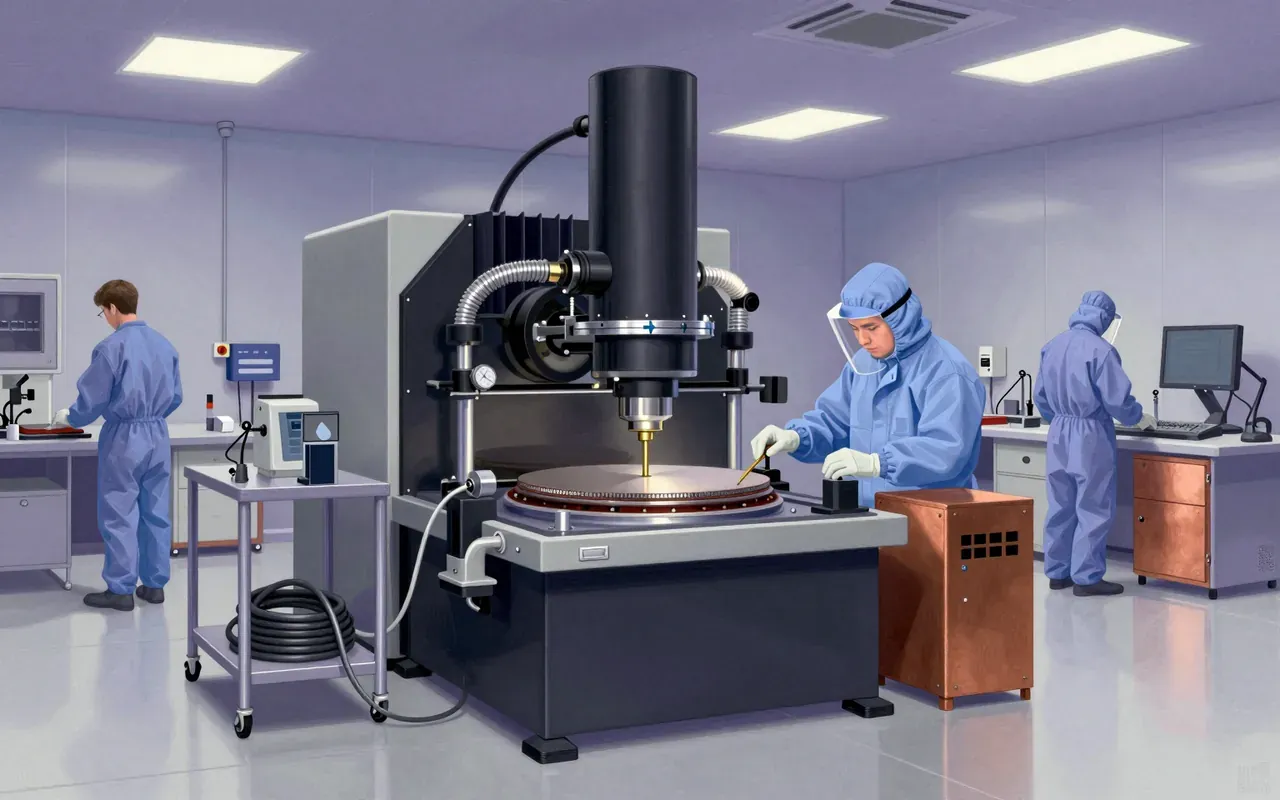
EUV lithography is not a refinement — it is a forced pivot into vacuum, reflection, and tin plasma, because light refused to keep shrinking.
9:33

Hyperloop

A dead-end technology masquerading as infrastructure — proven only in fragments, abandoned by its strongest backer.
9:34

Peering

Peering isn’t cooperation — it’s mutual hostage-taking with better ping.

9:34

Apple I

It did not invent the personal computer — it outsourced the enclosure, power, and input, then billed it as progress.
9:34

Broadcom

Broadcom isn’t building the future—it’s buying, bundling, and billing it.