
Virgin Galactic
A $450,000 joyride that redefined ‘astronaut’ — but not spaceflight.

The Wright brothers solved the flying problem by inventing a three-axis control system—not an engine or airframe—but their patent, glider, and first flight all hinge on one insight: without reliable pilot control, powered flight is impossible.
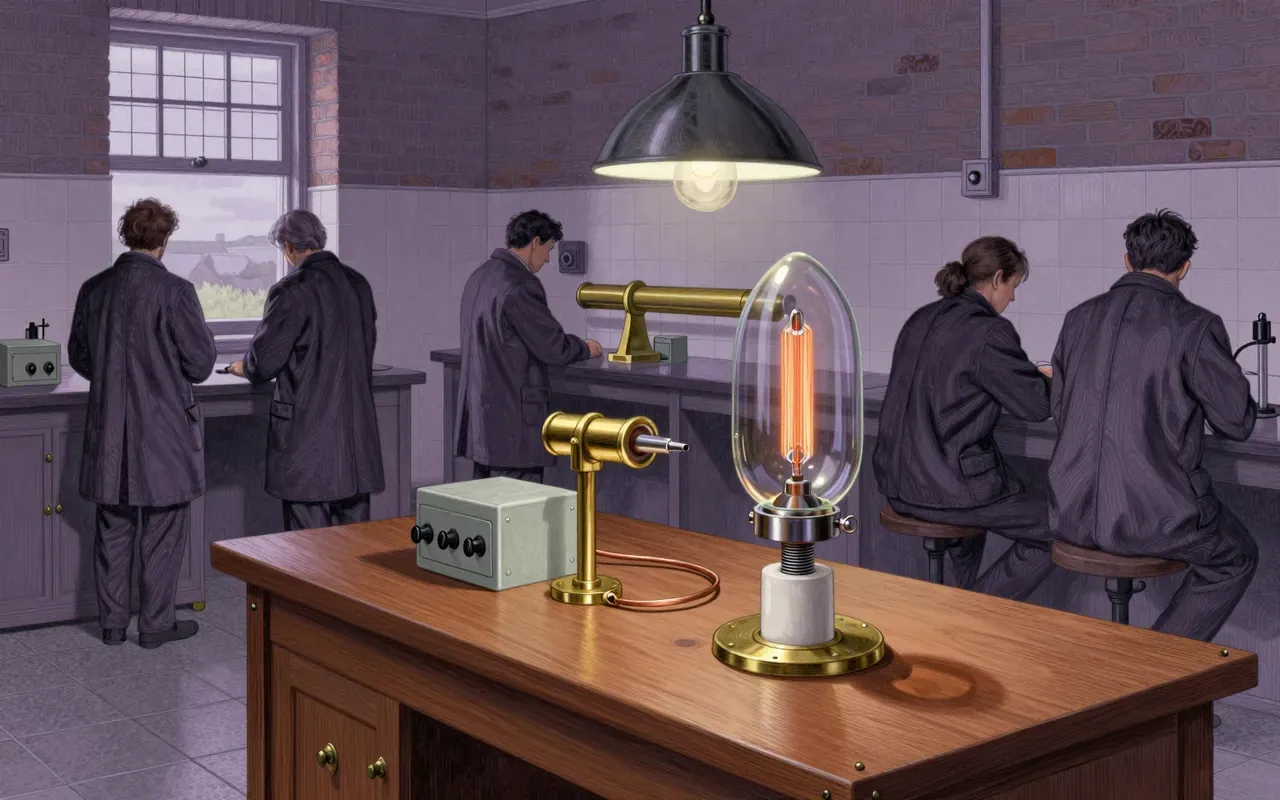




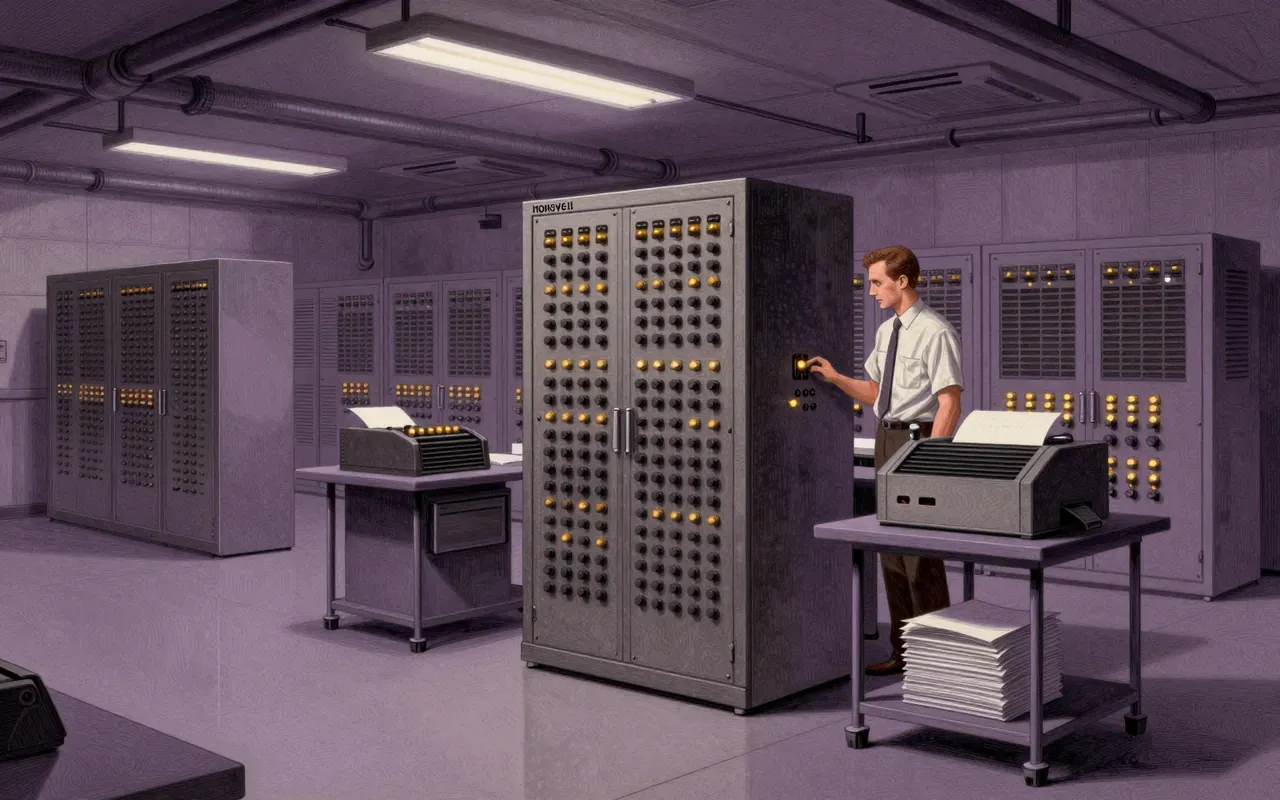
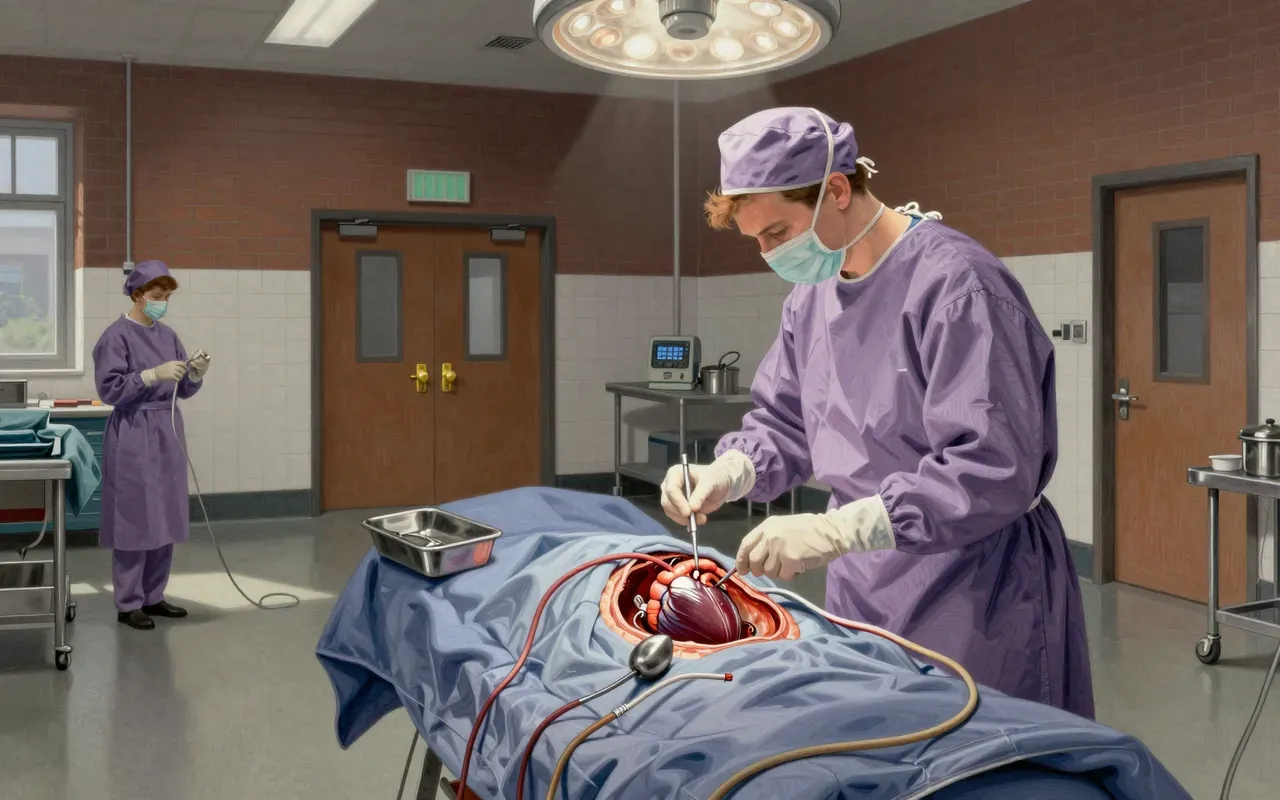
The AED is not one invention but three: Beck’s 1947 surgical intervention, Pantridge’s 1957 portable ambulance unit, and the Heart-Aid’s late-1970s public automation. Only the last meets the definition of 'automated external'. Its mechanism—real-time ECG analysis, voice-guided operation, and rhythm-dependent shock delivery—removes interpretation from the user. But it only works if pads are correctly placed and the patient is untouched during analysis. It does not diagnose other rhythms. It does not treat asystole or PEA. Its value lies in speed, not intelligence.
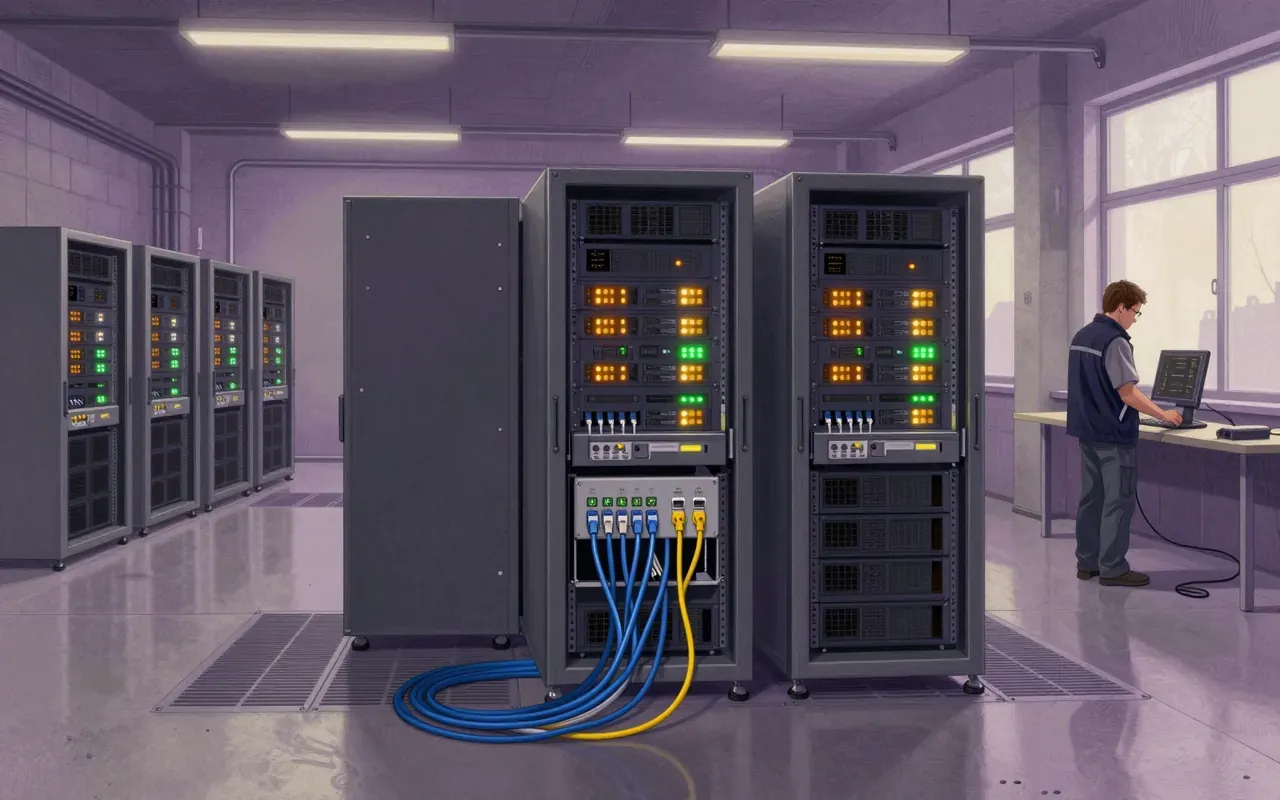
Terraform is infrastructure-as-code software developed by HashiCorp in 2014. It uses declarative configuration (HCL or JSON) and provider plugins to manage infrastructure across clouds and on-prem systems. It shifted from MPL 2.0 to BUSL on 10 August 2023, restricting commercial use by competitors and prompting the OpenTofu fork. It supports automation in large-scale service-oriented development but requires strict state management and does not enforce security or runtime behaviour.
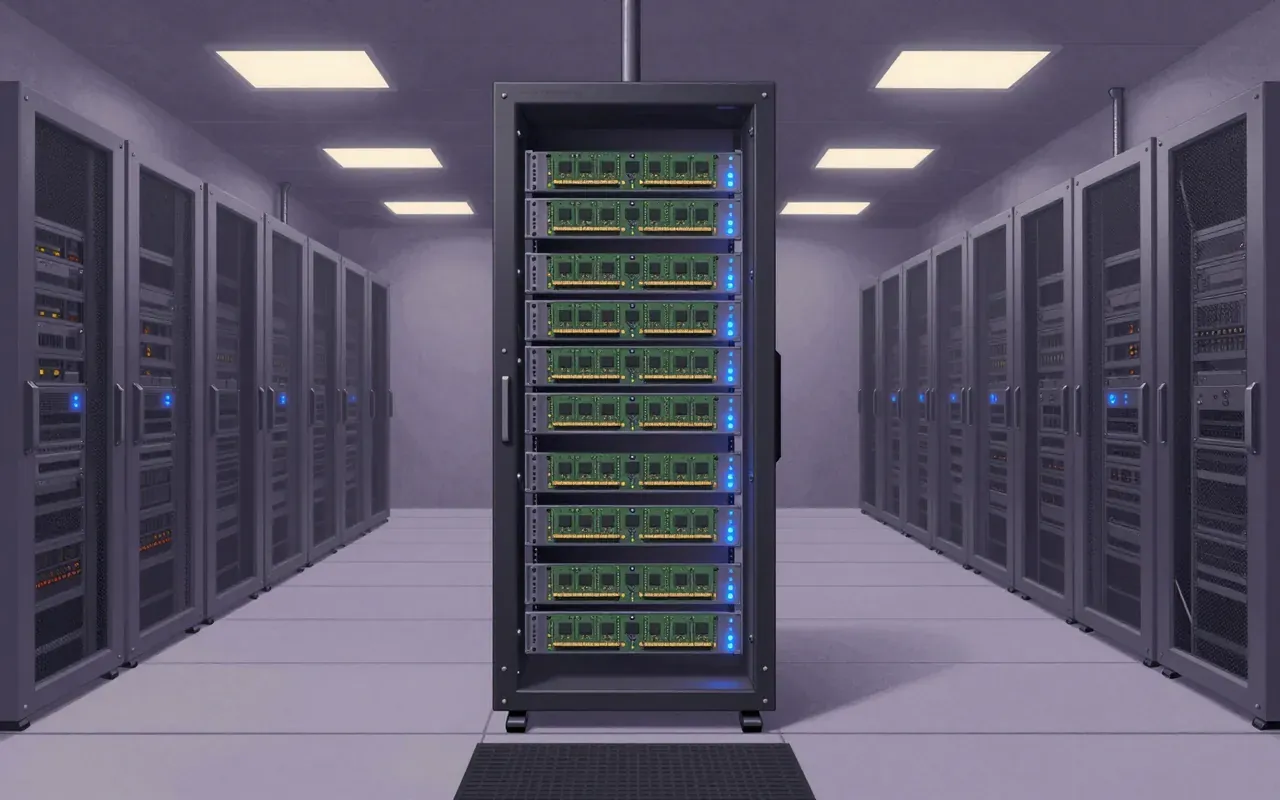

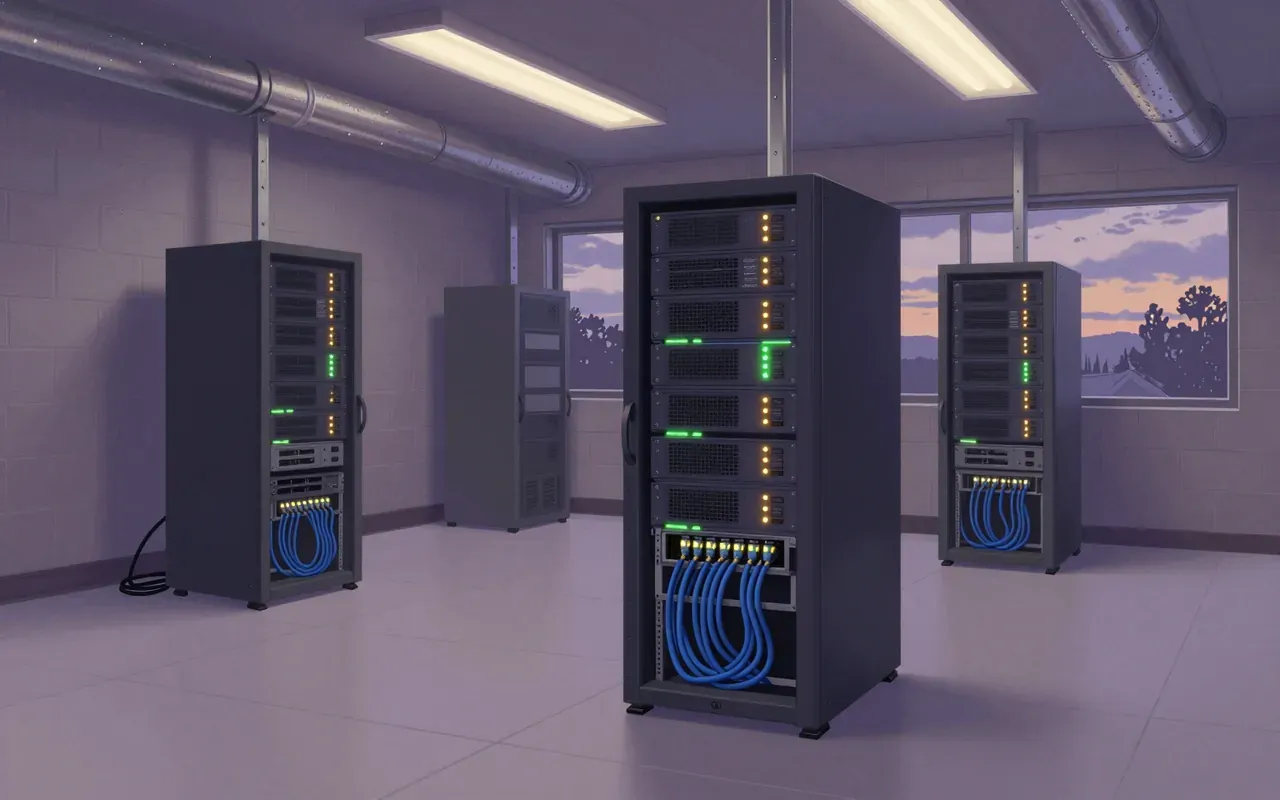

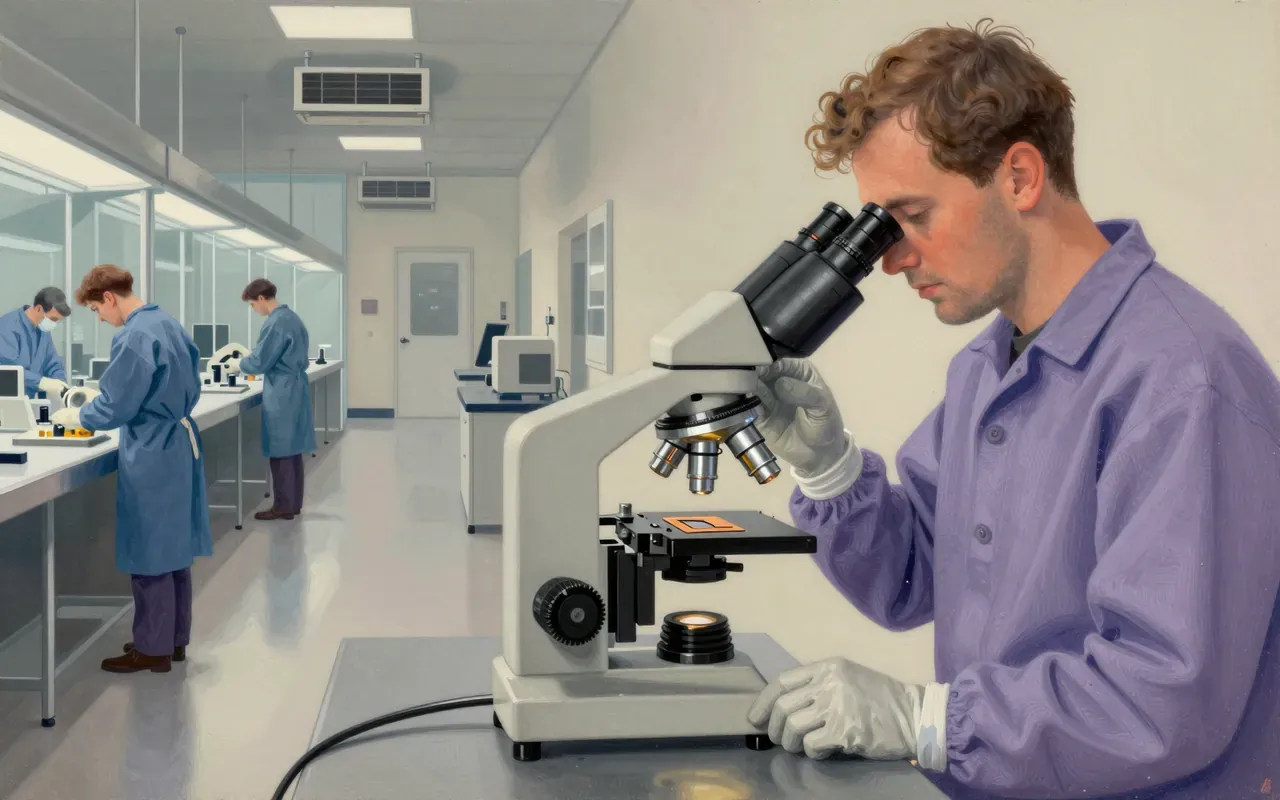






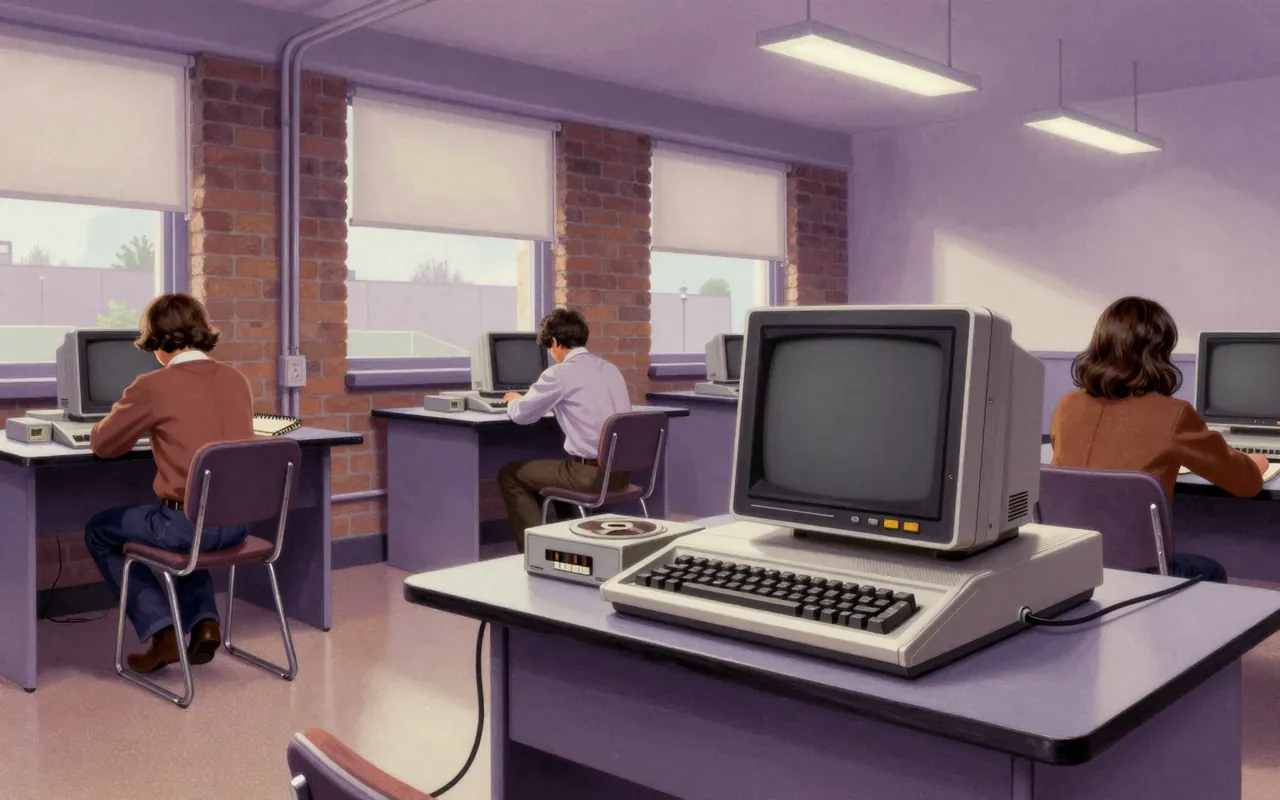

The PlayStation 2 is a home video game console developed by Sony Computer Entertainment, first released in Japan on March 4, 2000. It is the successor to the original PlayStation and a sixth-generation console that competed with Nintendo's GameCube, Sega's Dreamcast, and Microsoft's Xbox. It featured a built-in DVD drive and full backward compatibility with original PlayStation games and accessories. Its hardware included a custom-built Emotion Engine processor co-developed with Toshiba. It remains the best-selling video game console of all time, having sold 160 million units worldwide.
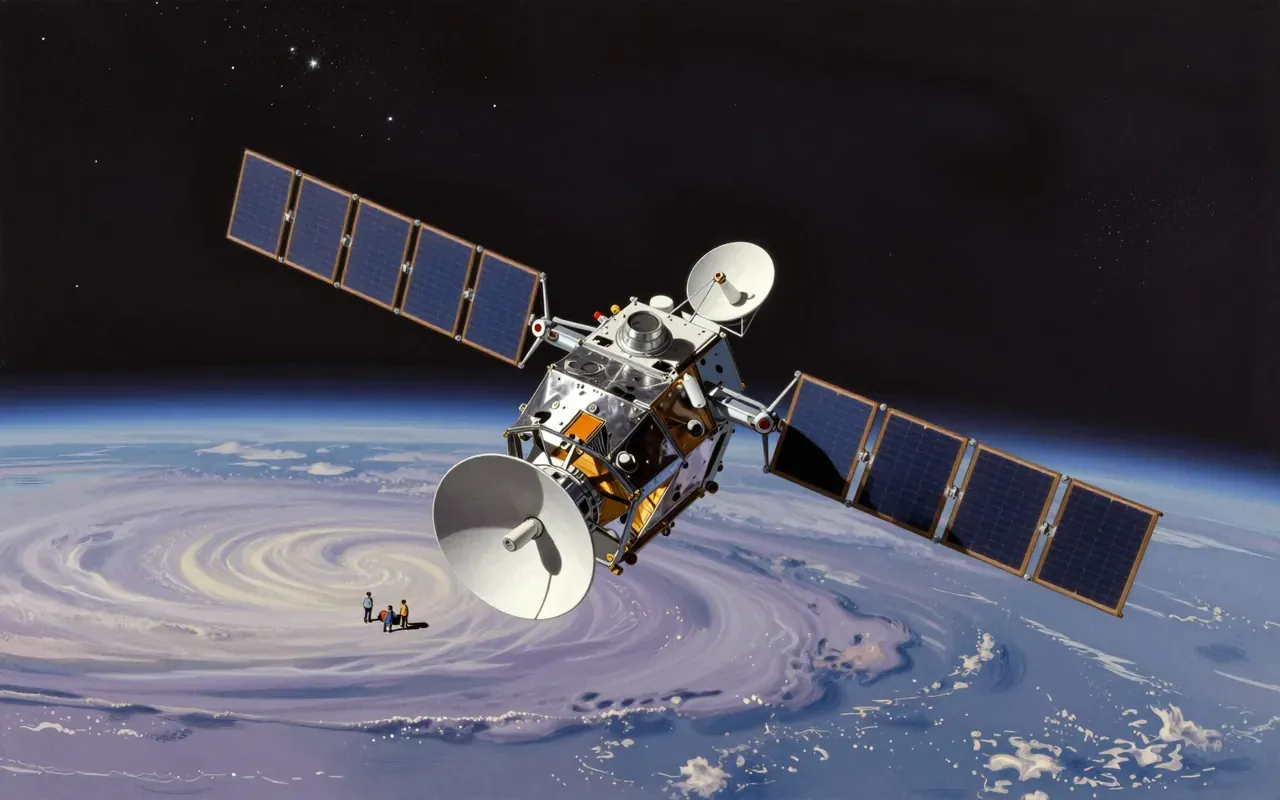

The IBM System/360 established architectural compatibility as a design principle — not a marketing claim. It delivered real portability across a wide performance range using microcode and custom transistor packaging. Its limitations — no ICs, partial model incompatibility, rare max-memory deployments — are as instructive as its successes.

DVD is a standardised optical storage format invented in 1995 and released in Japan on 1 November 1996. It stores any digital data. Its key advance over CD is higher capacity—up to 17.08 GB—achieved within identical physical dimensions via tighter pit geometry and layering. It succeeded commercially for video and software distribution but failed to unify playback due to format wars (DVD±R), region locks, and copy protection.


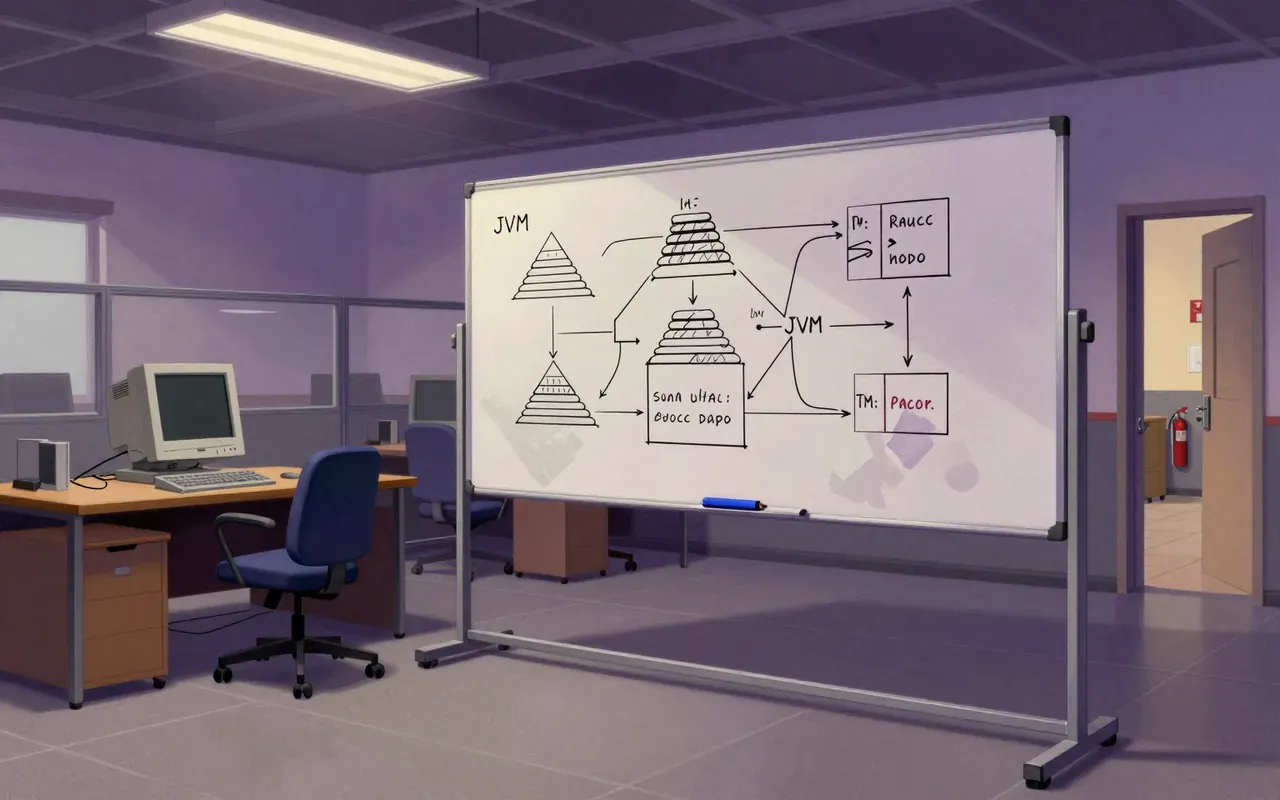
Java is a programming language built to enforce portability through mandatory compilation to JVM bytecode and strict memory safety via garbage collection and pointer omission. It solves cross-platform inconsistency at the cost of runtime overhead and abstraction rigidity. Its success rests on standardisation—not inevitability.
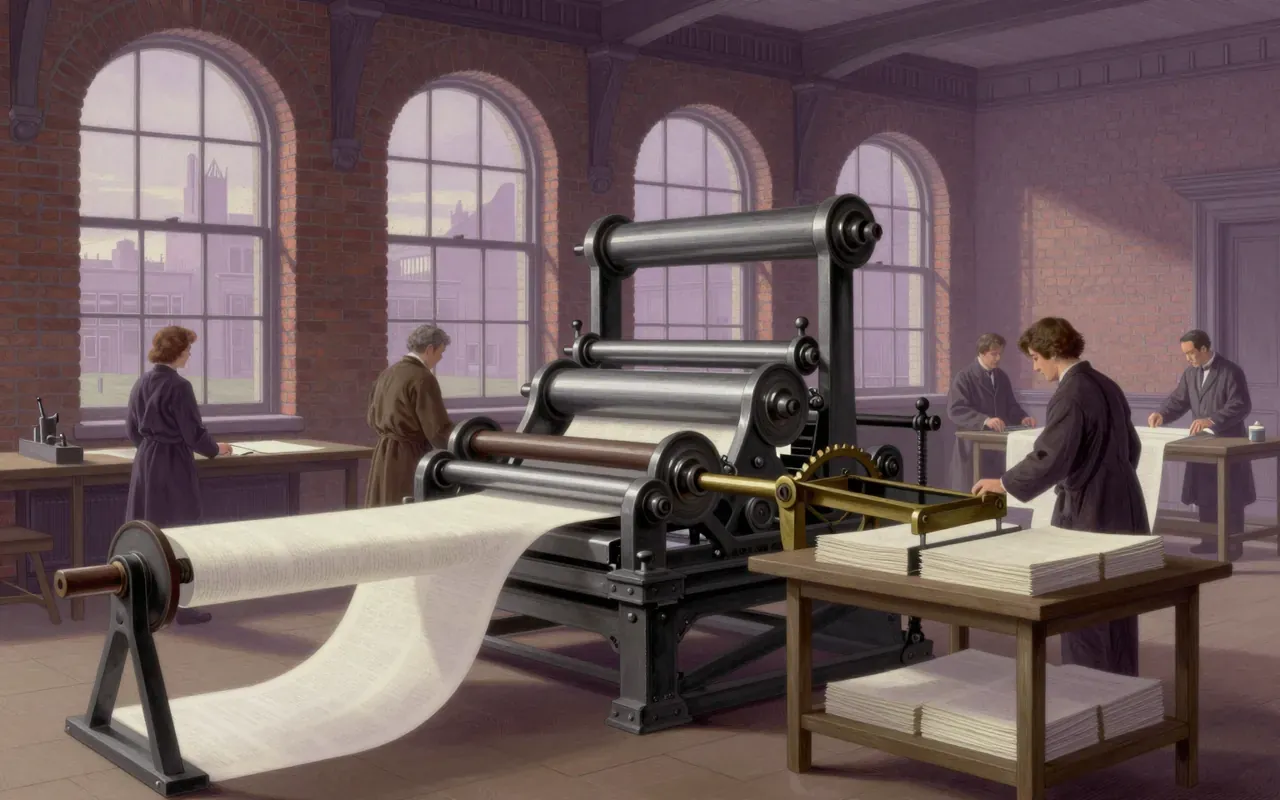
The rotary printing press solved the bottleneck of flatbed impression speed by rotating type cylinders against a fixed platform. It worked because rotation enabled stable, repeatable contact at scale. Its 1846 form was deployable; its 1870 web perfecting variant automated cutting and folding at 18,000 papers/hour. It did not eliminate manual feeding until the 1870 version. It changed publishing by making daily mass print economically viable. It matters for anyone studying how mechanical standardisation enables information scale.

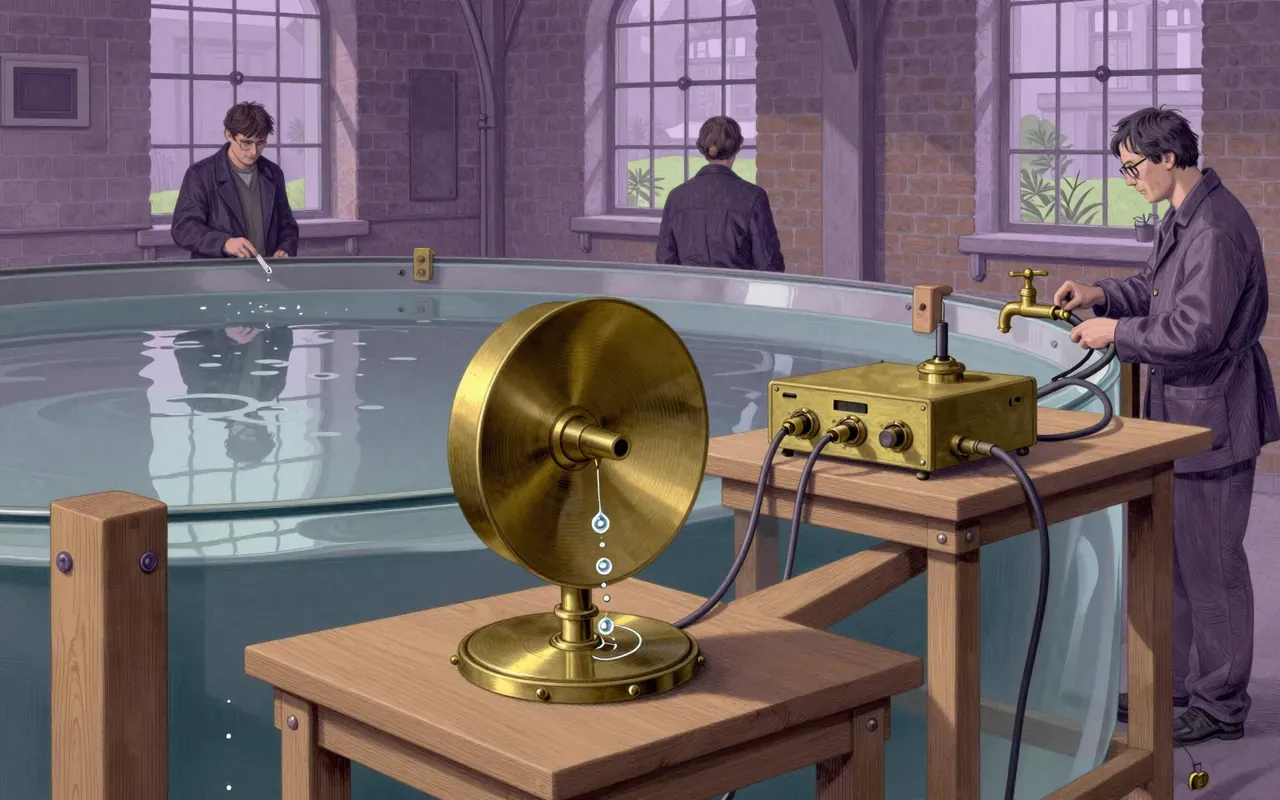
Langevin’s 1915 sonar was the first active underwater echo-ranging system. It used electrostatic and quartz piezoelectric transducers to send and receive ultrasound. Distance was calculated from signal time-of-flight. Though patented and physically demonstrated, it did not become operational before World War I ended. Electrostatic transducers were soon abandoned; quartz piezoelectric methods endured and scaled. The invention established the core mechanism of modern sonar — but delivered no tactical utility in its intended conflict.

Appert’s canning was an empirical fix for spoilage: cook food inside a sealed glass jar, and it lasts — unless the seal leaks. He never knew why. He avoided tinplate. He boiled for variable times. He built the world’s first bottling factory in 1804. His 1810 prize recognised a working solution, not a scientific insight.
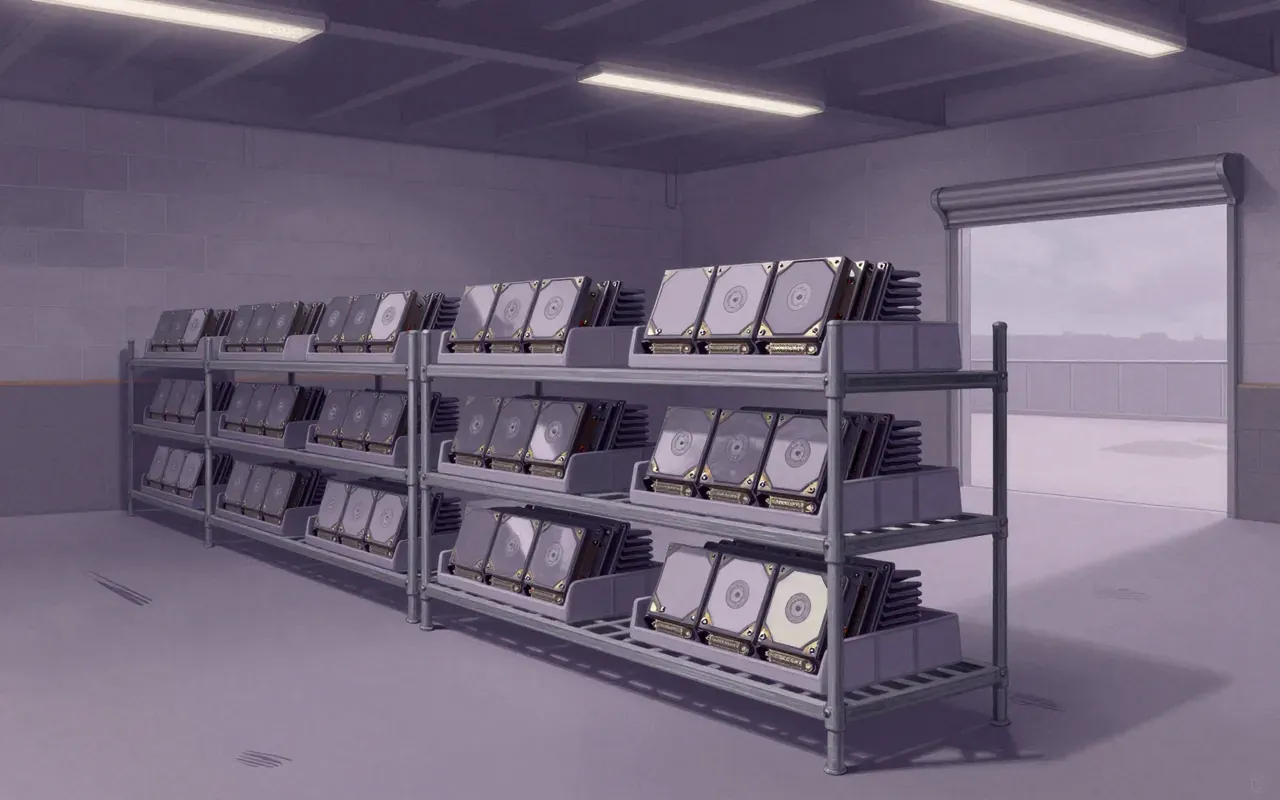
Hadoop is not a database or a query engine. It is a fault-tolerant batch-processing substrate built for scale, not speed or simplicity.
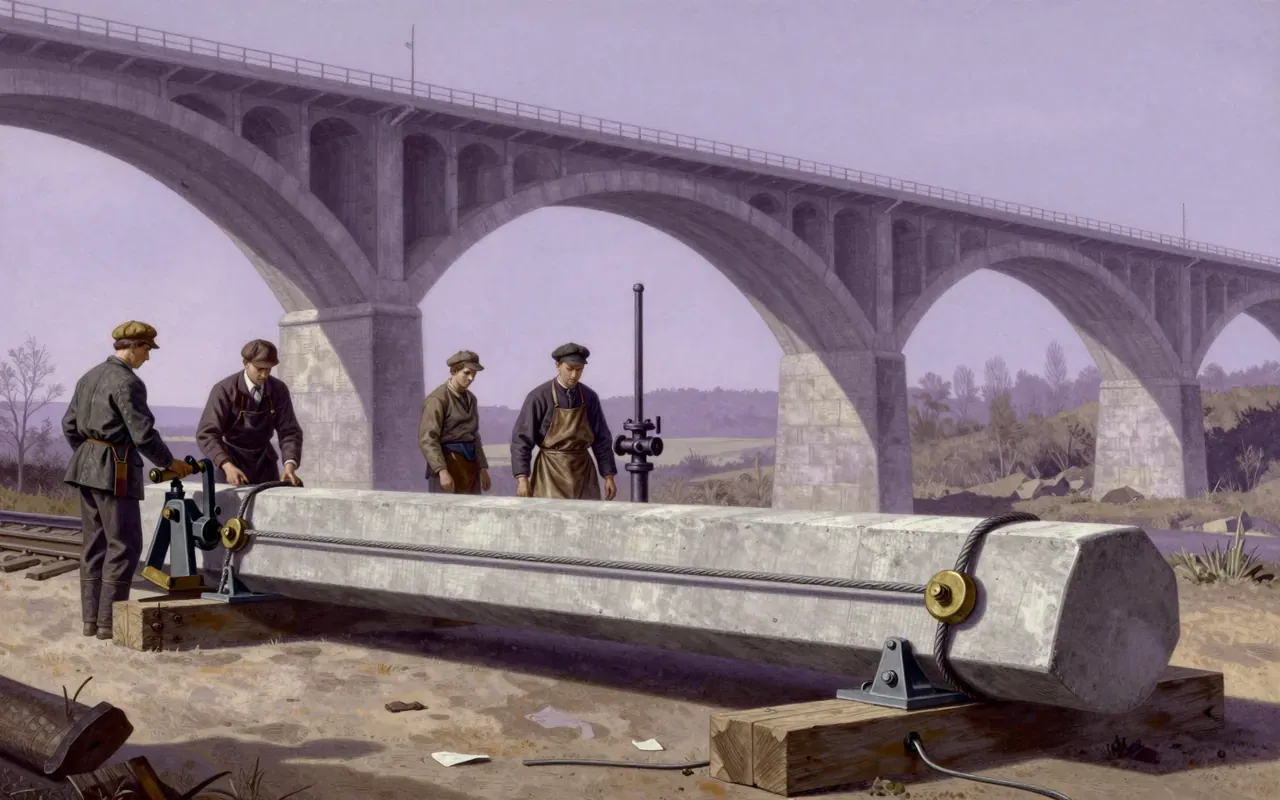
Prestressed concrete redefines concrete’s role in tension-critical structures—not by making it stronger, but by ensuring it never has to carry tension alone.


Hybrid seed is a deliberate reproductive system—not a discovery, but an industrial workaround. It locks heterosis into a commercial cycle: high yield in year one, zero reliability in year two. Jones’ double-cross method made it viable. But the mechanism demands constant parental line upkeep, excludes farmer autonomy, and treats genetic diversity as a cost—not a resource.



Python is a dynamically typed, whitespace-delimited programming language conceived by Guido van Rossum in December 1989 as a successor to ABC. Its first release was Python 0.9.0 in 1991. It introduced a strict visual grammar for code blocks, paired dynamic typing with reference counting and cycle detection for memory management, and codified its philosophy in PEP 20. Python 3.0 (2008) broke backward compatibility. Optional static typing arrived in 3.5. Van Rossum named it after Monty Python's Flying Circus and wrote the first interpreter as a Christmas holiday project.
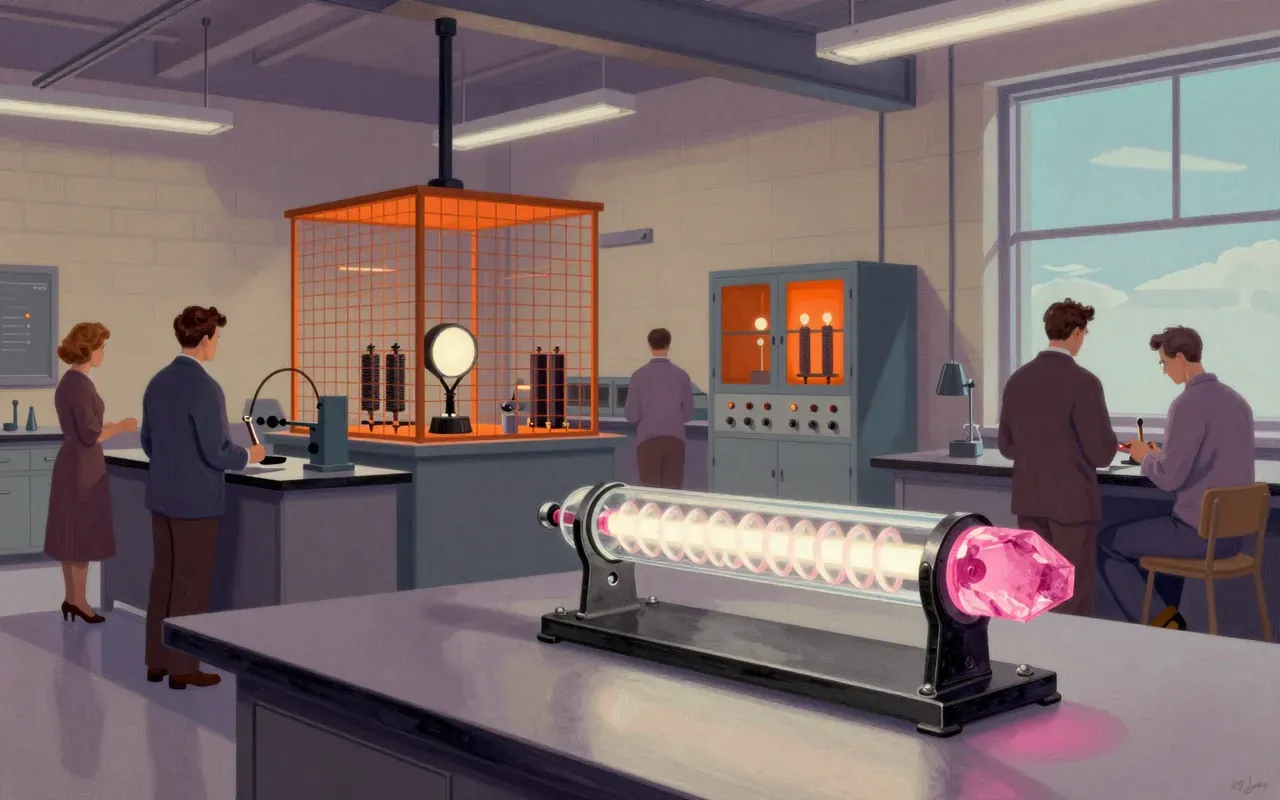
Theodore Maiman’s 1960 laser is a milestone in quantum electronics—not because it launched applications, but because it proved coherence could be engineered in a solid, at room temperature, using flashlamp excitation. Its limitations are structural: three-level pumping demands high peak power and prevents continuous operation. Its success lies in specificity: 694 nm, pulsed, ruby, May 16, Malibu.

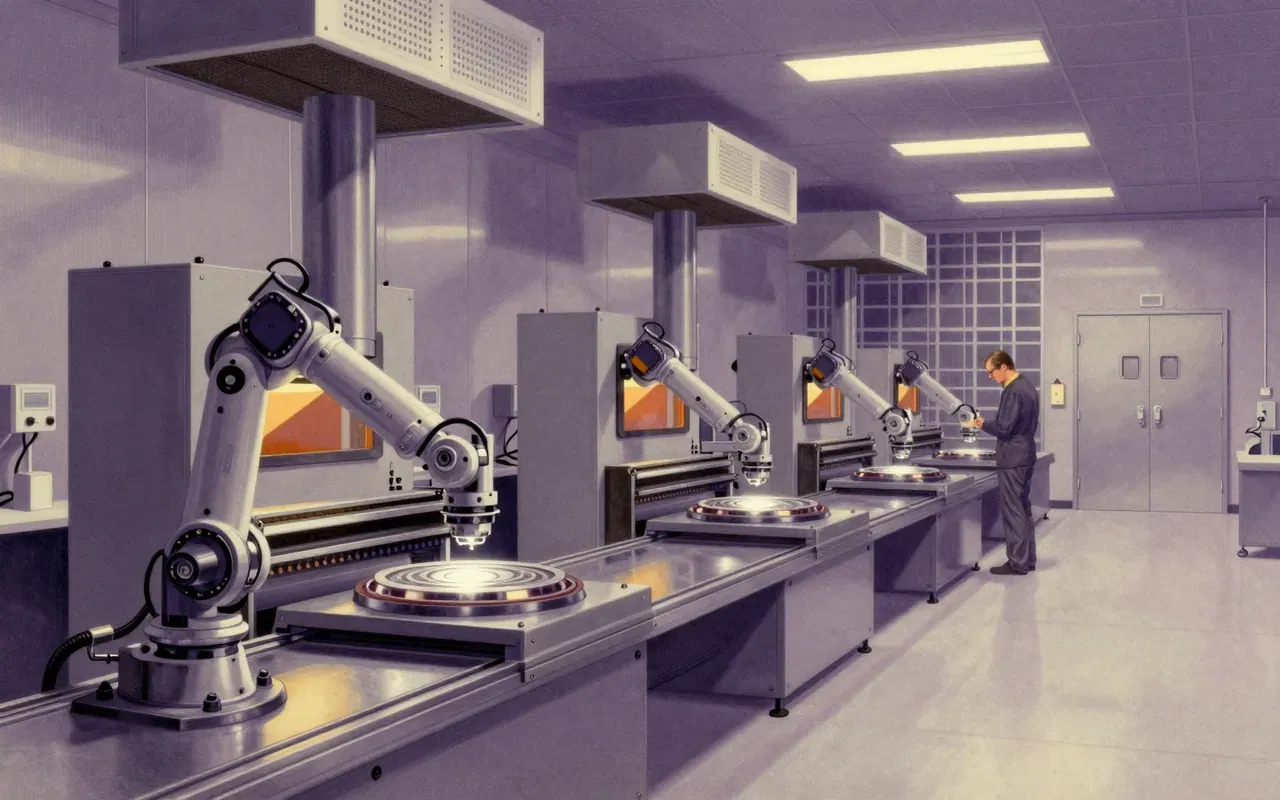

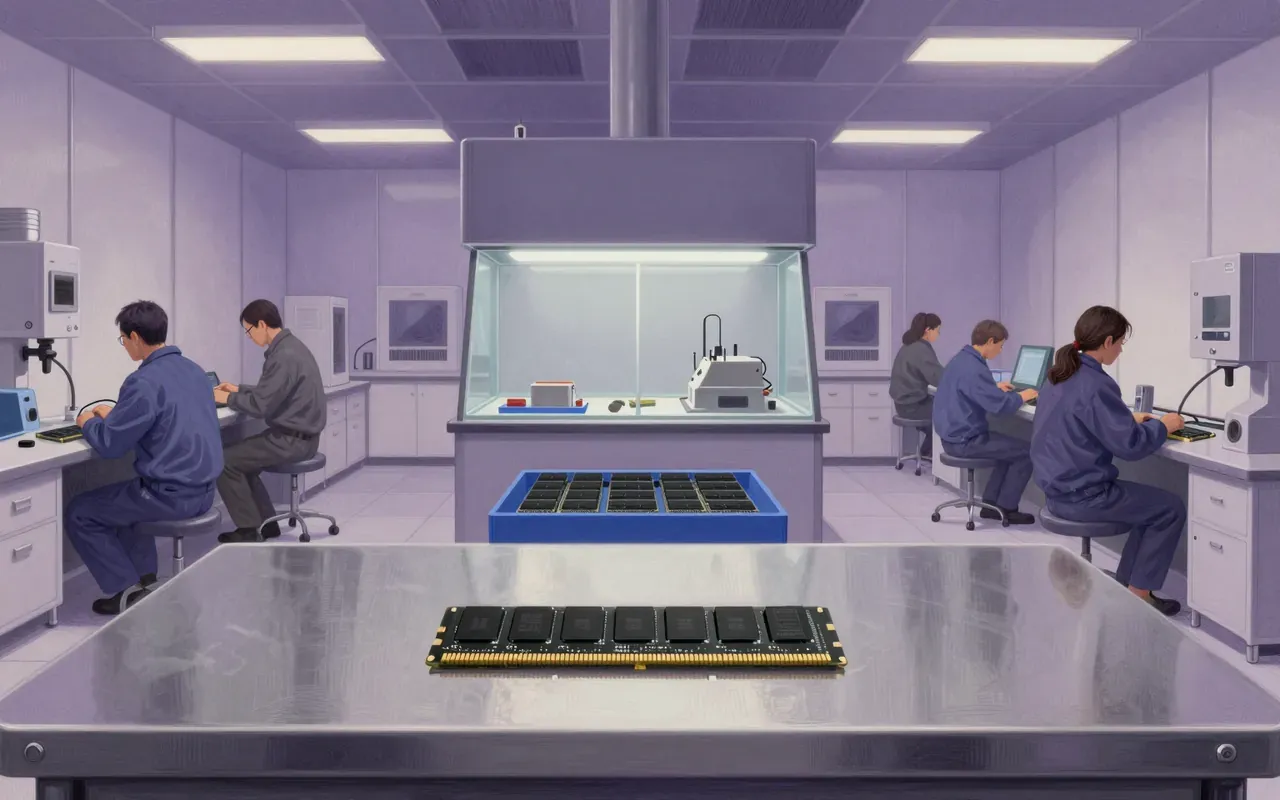
Flash memory is a block-erasable, non-volatile semiconductor memory invented by Fujio Masuoka at Toshiba in 1980. It builds on EEPROM but replaces byte-wise erasure with faster block-wise erasure — enabled by floating-gate transistor design. The name 'flash' was coined by colleague Shōji Ariizumi to reflect that speed. Masuoka and colleagues presented NOR flash in 1984 and NAND flash at the 1987 IEDM. Toshiba began marketing flash memory and commercially launched NAND flash — both in 1987. The first published implementation held only 8192 bytes but became the basis for larger-capacity versions. Flash does not support byte-level writes or in-place updates; erasure is all-or-nothing per block. It cannot replace RAM or true EEPROM where fine-grained modification is required. Flash changed how portable devices store firmware and user data, enabling compact, shock-resistant, low-power storage that scales without moving parts — a prerequisite for digital cameras, USB drives, SSDs and smartphones.


Go is a statically typed, compiled programming language designed in 2007 by Robert Griesemer, Rob Pike, and Ken Thompson at Google to improve programming productivity for multicore, networked machines and large codebases. It combines static typing and runtime efficiency like C, readability and usability like Python, and high-performance networking and multiprocessing. Publicly announced in November 2009 and released as version 1.0 in March 2012, Go emphasizes simplicity, safety, and developer tooling — especially around concurrency via goroutines and channels, packaging, testing, and deployment — while deliberately omitting features like inheritance, assertions, pointer arithmetic, and implicit type conversions. Its design reflects a focus on the software development process itself rather than just language syntax or semantics.
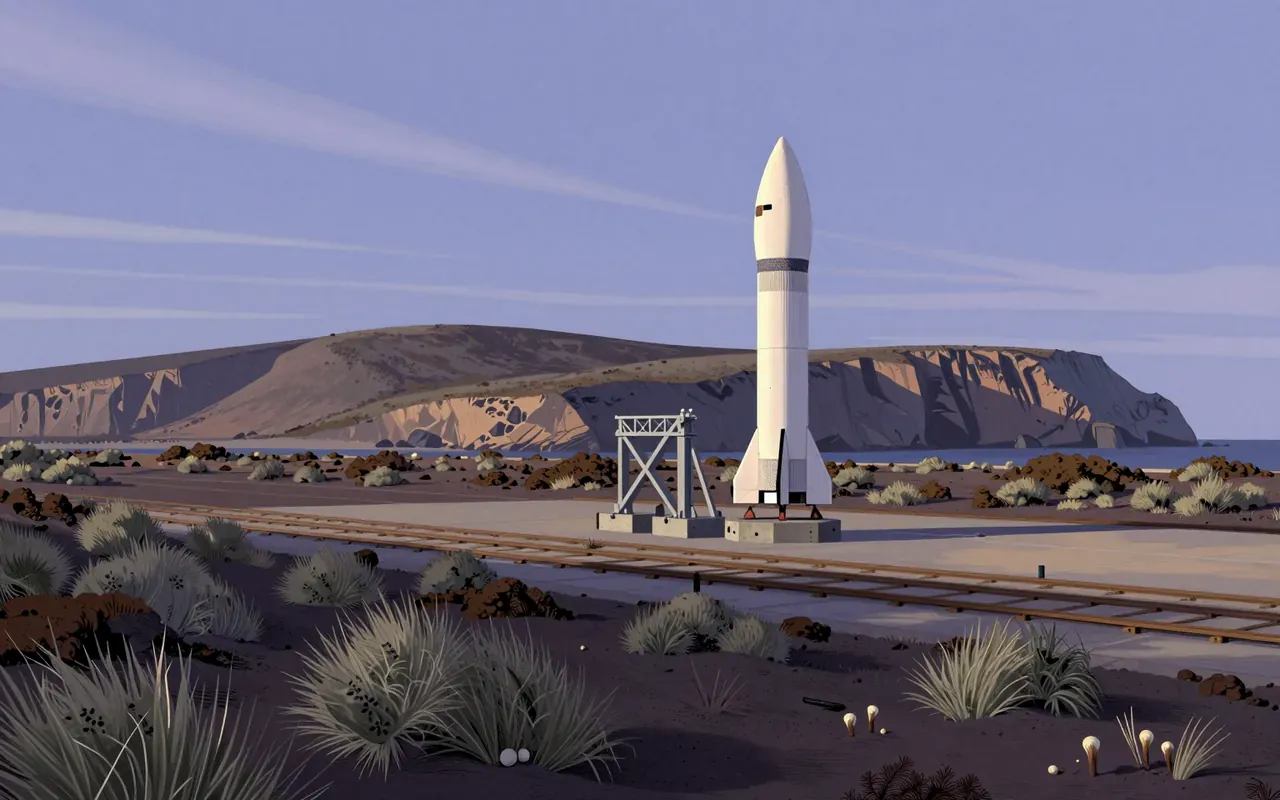
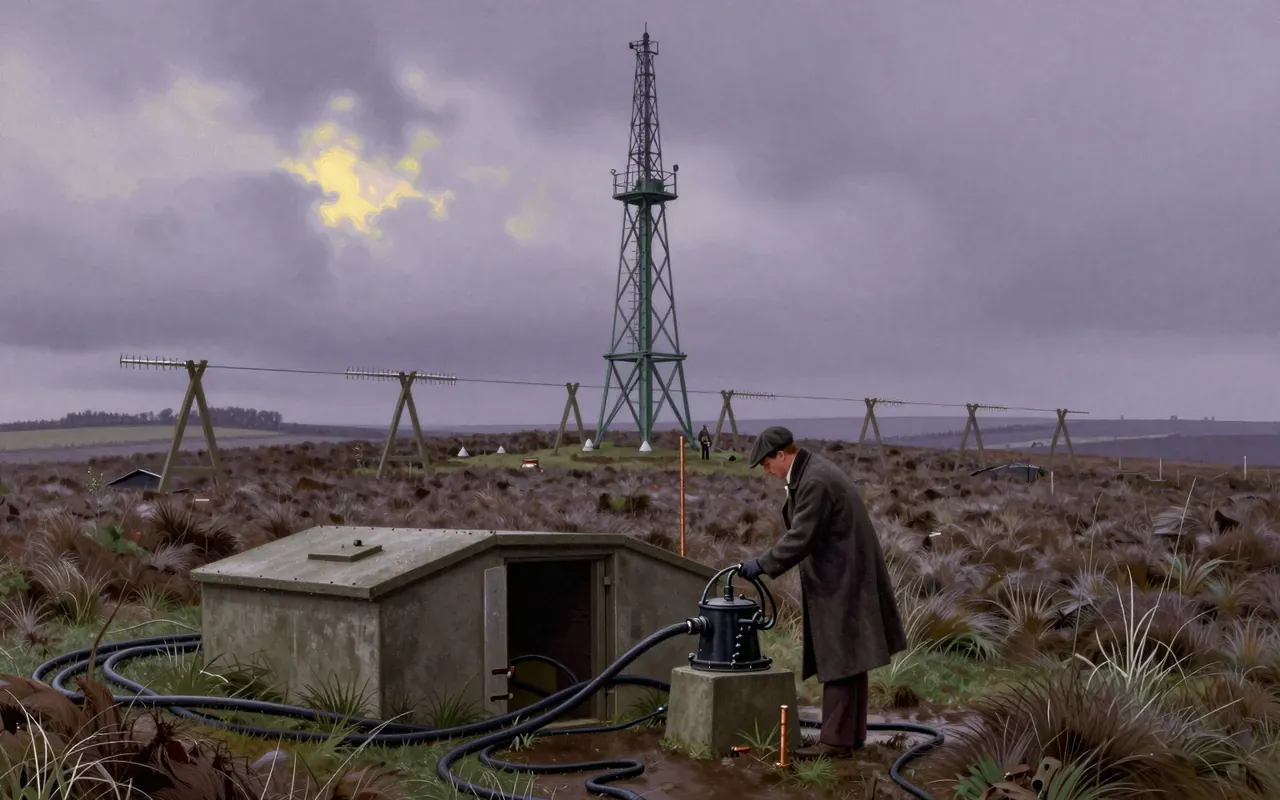
Radar is a radio reflection system for aircraft detection. It solved urgent air defence needs by replacing sound with electromagnetic sensing. Its mechanism is simple: transmit, reflect, receive, time. Its success hinged on rapid scaling — from 16 to 60 miles in months — and integration into a fixed coastal network. It fell short on low-altitude coverage, mobility, and precision tracking. It changed warfare by enabling interception over reaction. It is worth your time because it demonstrates how repurposing existing tools under constraint yields decisive capability — not through invention ex nihilo, but through disciplined redirection.
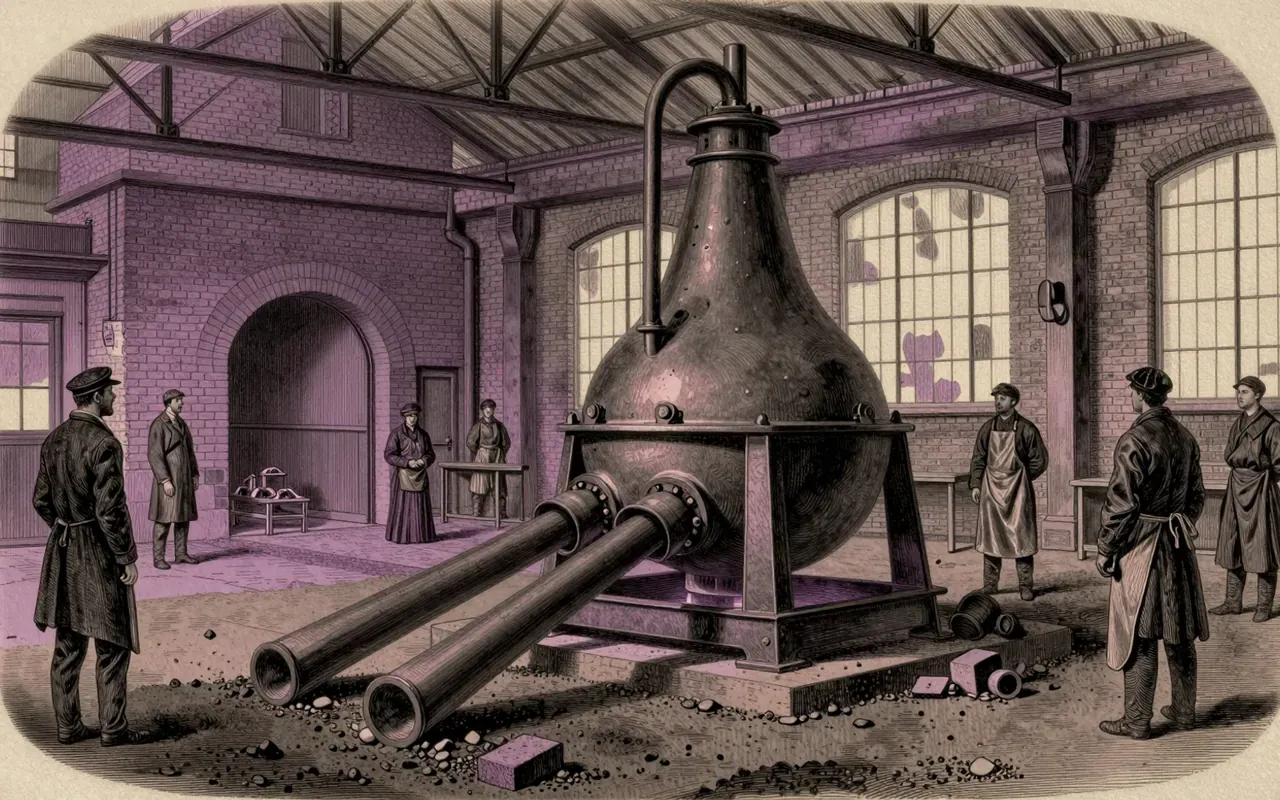
The Bessemer process is the first industrial method to mass-produce steel cheaply — by blowing air through molten pig iron to oxidise impurities, especially carbon. It works by self-heating oxidation, cuts batch time from a day to under 20 minutes, and forces deliberate carbon readdition. It fails to deliver finished steel in one step and cannot treat phosphorus-rich iron without later refinement. It changed structural engineering by enabling steel’s substitution for cast and wrought iron. It remains foundational — not because it endures, but because it proved scalable metallurgical control was possible.

The ZX Spectrum is an 8-bit home computer developed by Sinclair Research and launched in Britain on 23 April 1982. It prioritised low cost, simplicity, and compactness—using minimal components and transmitting video to televisions while loading software from audio cassettes. Its name highlighted its colour display, a key upgrade over the monochrome ZX81. Rick Dickinson designed its iconic case, rainbow motif, and rubber keyboard. Development began in September 1981, reusing parts from earlier models to accelerate production and reduce cost. The hardware centred on the Zilog Z80 microprocessor running at 3.5 MHz.

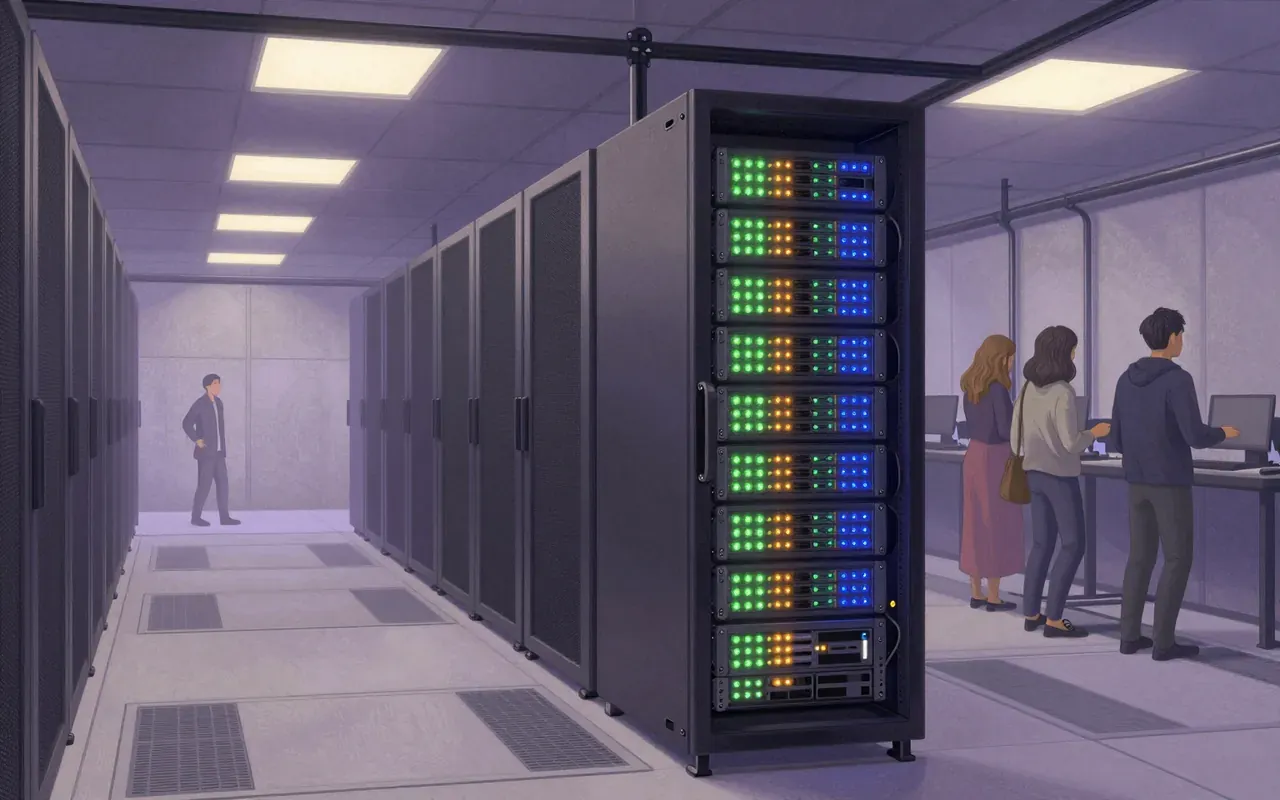


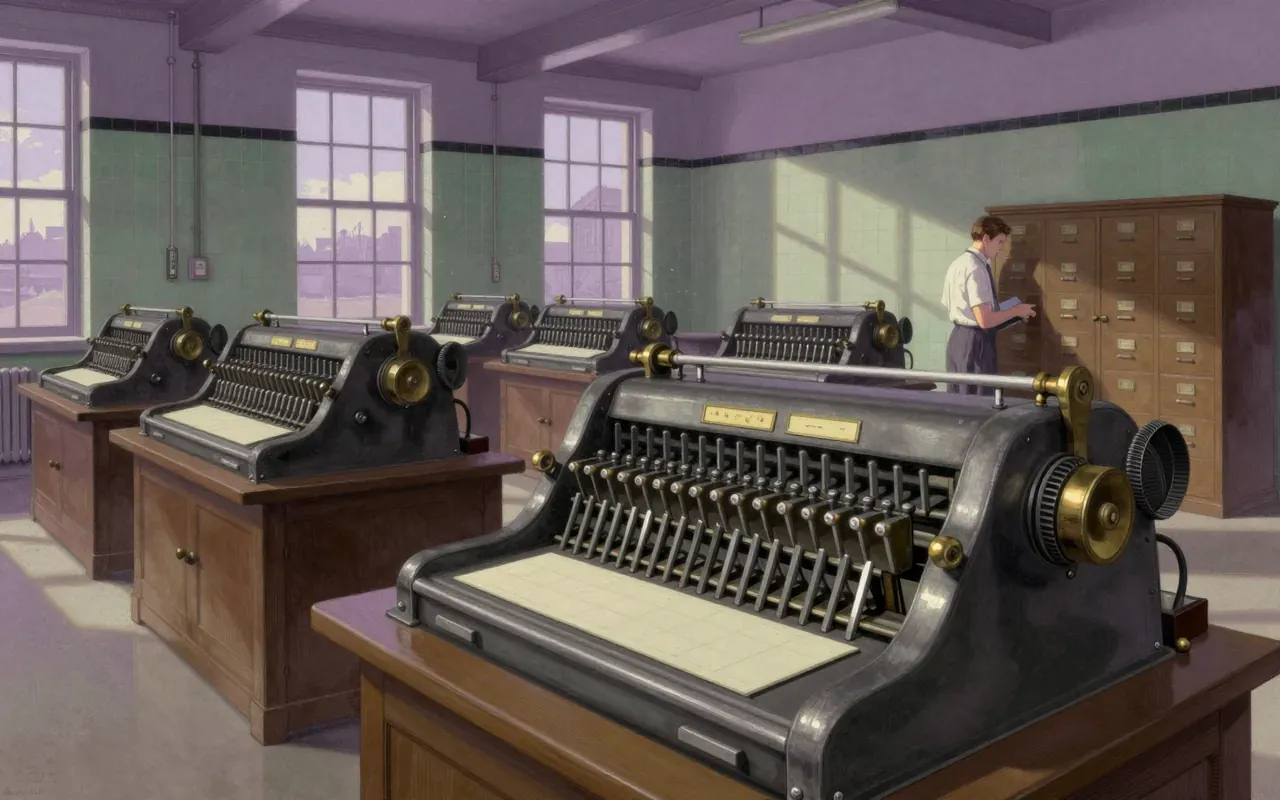


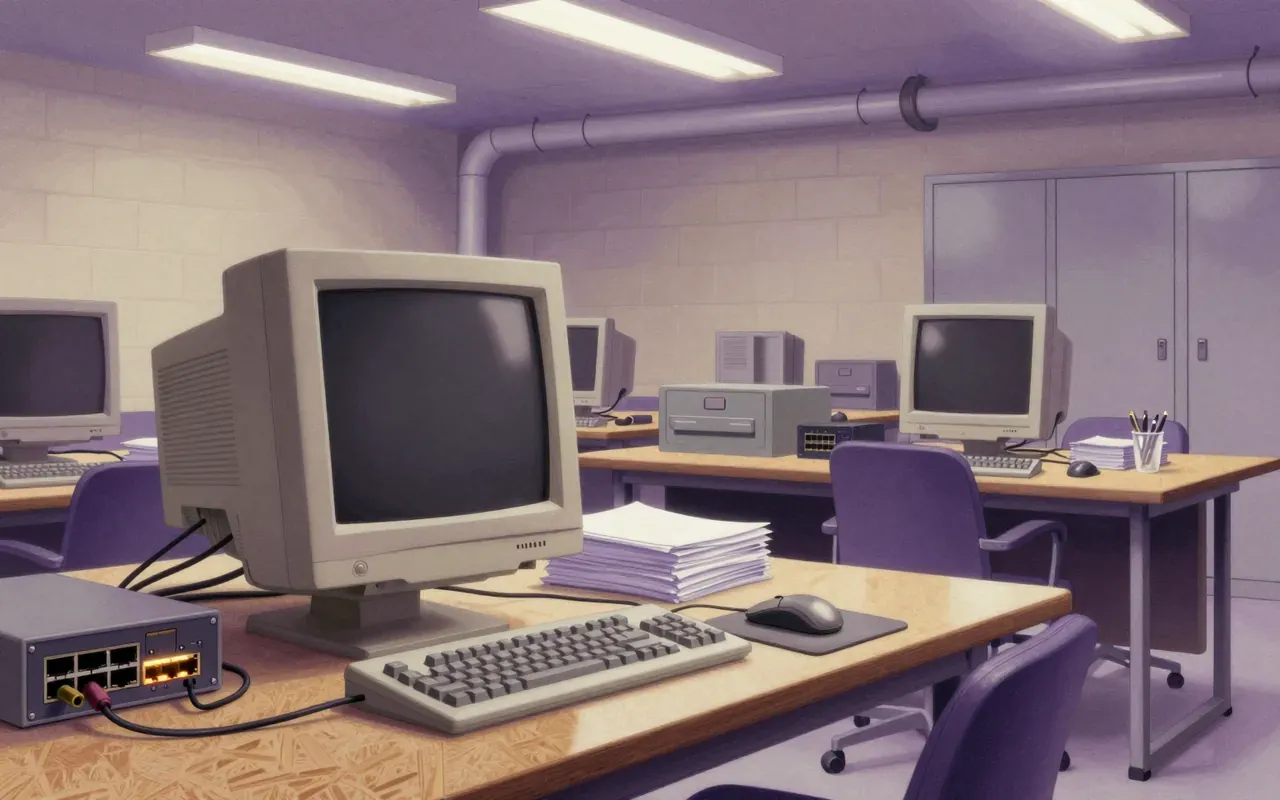
ASCII is a cost-driven, committee-built encoding that prioritised transmission efficiency and hardware simplicity over linguistic coverage. Its rigid separation of control and graphic codes enabled early parsing — but its 28 reserved slots and lack of international support created immediate pressure for extension.
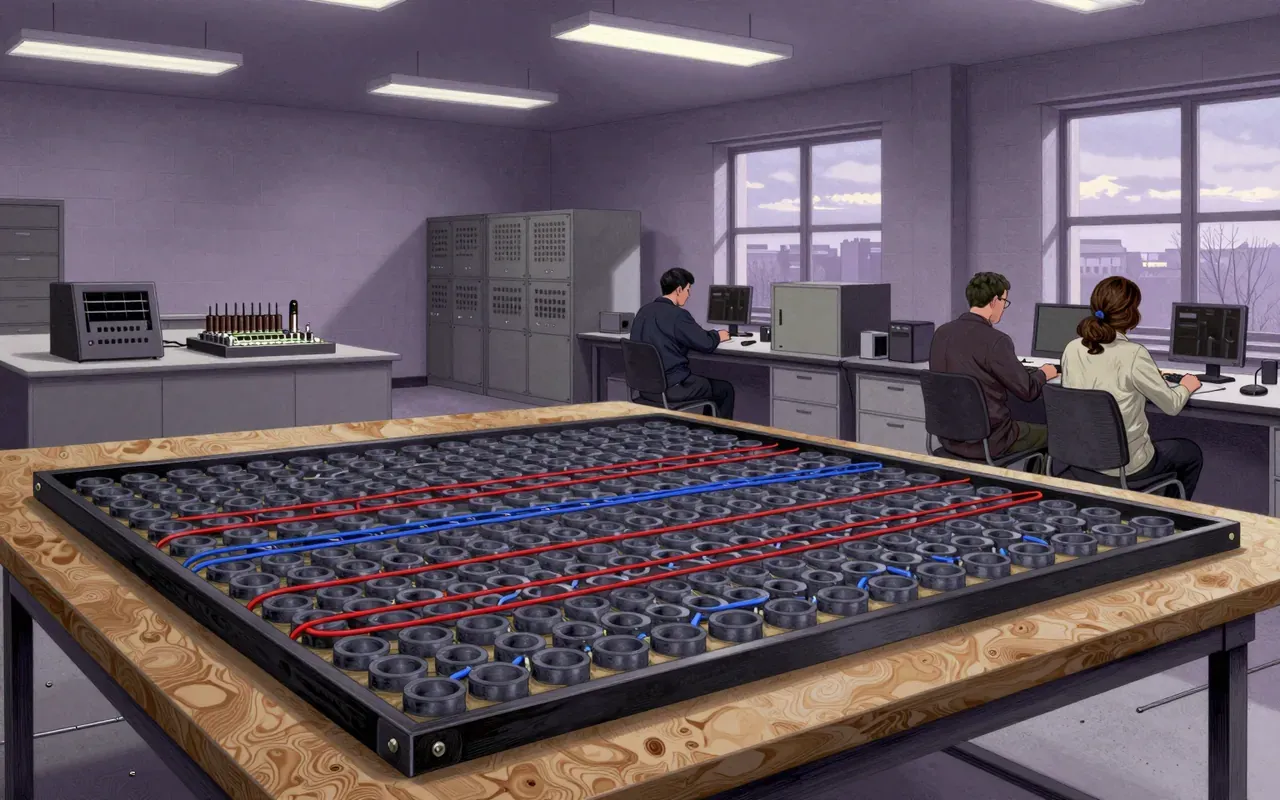

GPS signals are a U.S. Department of Defense standard defining CDMA-based ranging signals and structured navigation messages. They enable position and time determination—but only if receivers correctly decode Gold codes, resolve millisecond ambiguities, and parse ephemeris data. The standard delivers what it promises: signal formats. It does not deliver accuracy, reliability, or resilience.

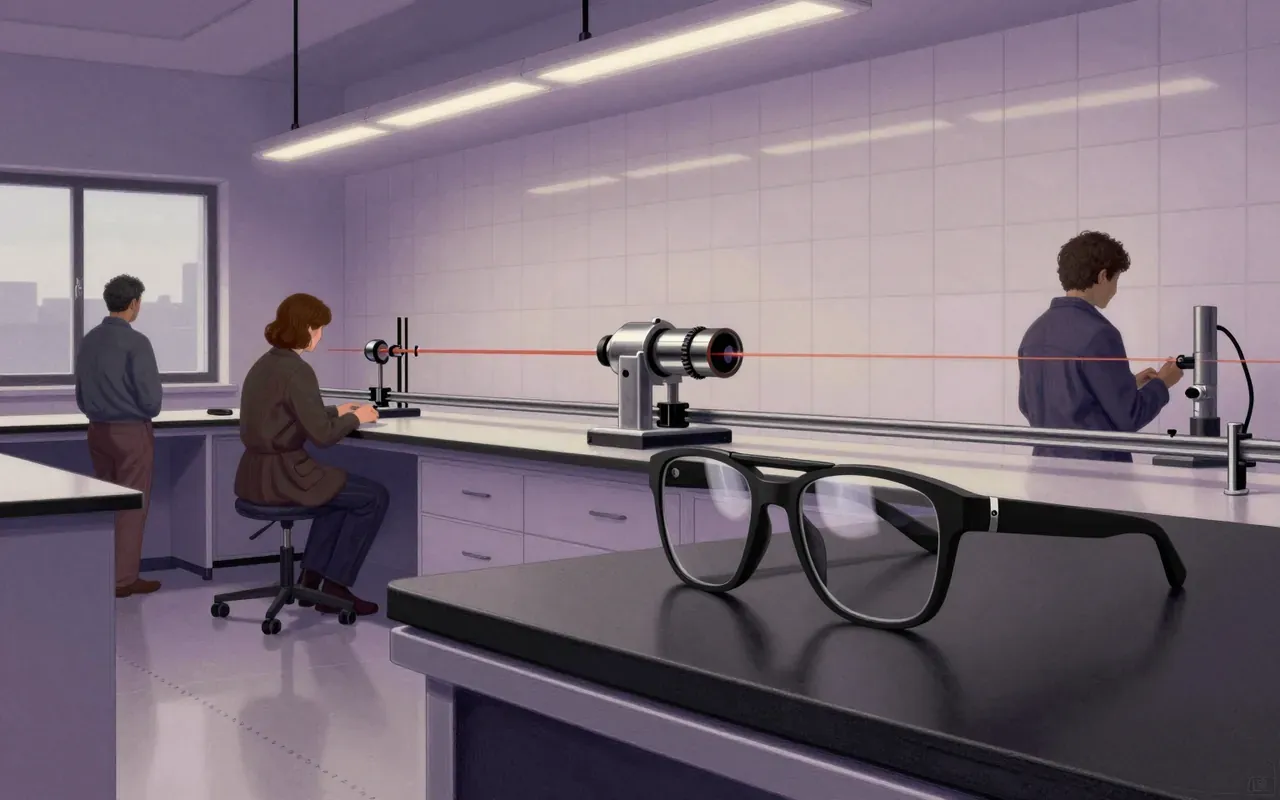
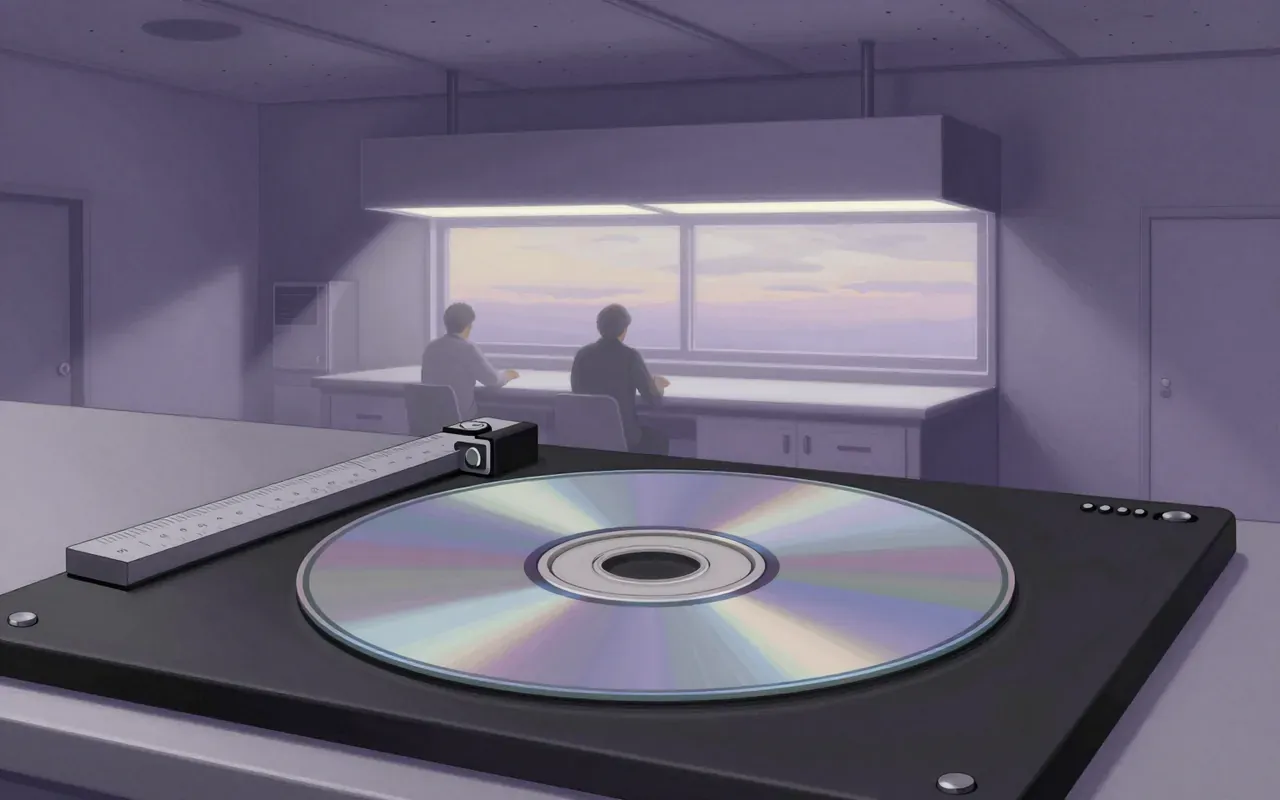
Blu-ray delivered on its central promise: 1080p video on a 50 GB optical disc, using a blue laser. It beat HD DVD not through superiority but through earlier hardware shipments, studio backing, and Toshiba’s withdrawal. It did not solve physical media’s cost, fragility, or obsolescence—and never replaced streaming for most users.




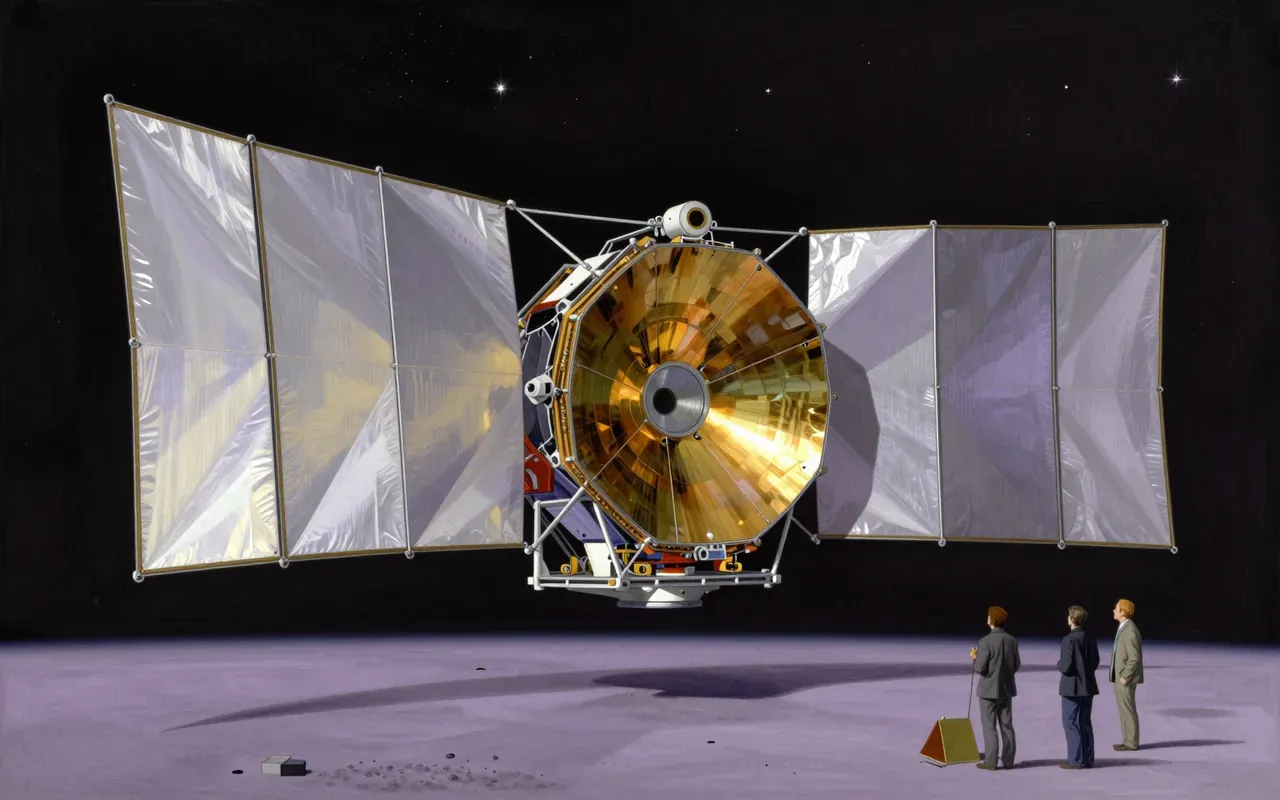
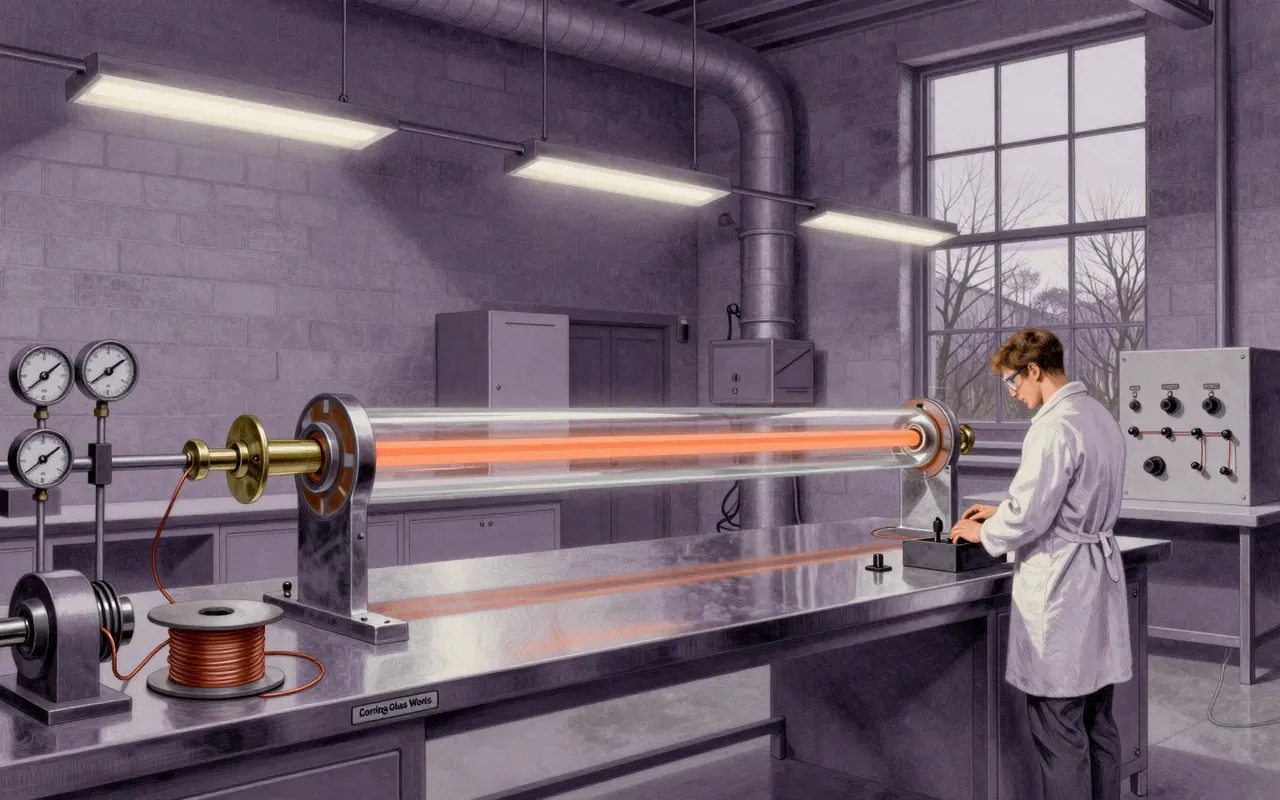
Kao and Hockham redefined optical fibre from a failed material into an engineering challenge. They showed attenuation was removable—not fundamental. That shifted R&D from ‘can we?’ to ‘how clean can we get?’. Corning hit 20 dB/km in 1970. Kao measured 4 dB/km in fused silica in 1969. Single-mode fibre became standard—but only after decades of laser and amplifier development. The invention is the insight, not the cable.

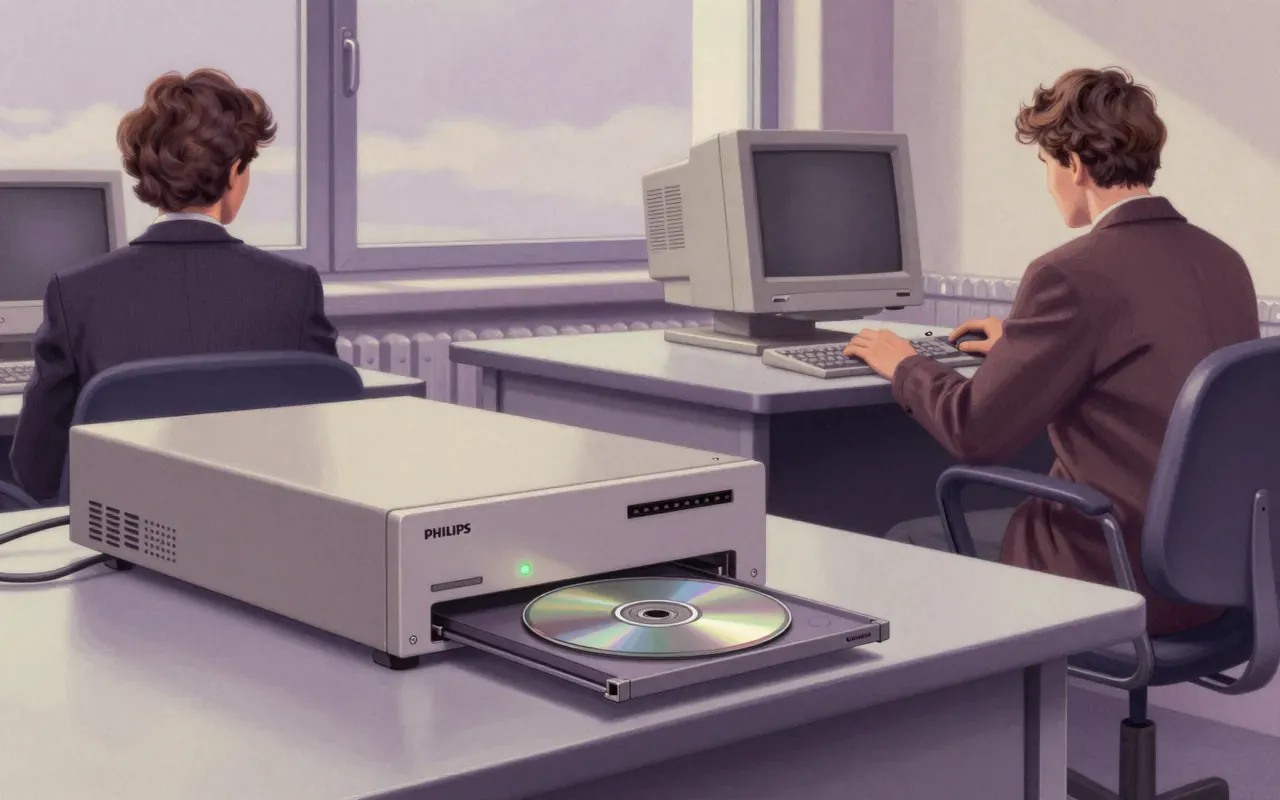
CD-ROM is a read-only optical data format co-developed by Philips and Sony, formalised in the 1983 Yellow Book. It reuses the CD-DA’s physical design and laser-read mechanism but repurposes pits and lands for arbitrary digital data—delivering 553 MB via destructive interference physics. It launched publicly in 1985 with Philips’ CM 100 drive. It solved mass-distribution problems for static software and reference material but failed as an archival or interactive medium—prompting Sony to launch write-once and magneto-optical variants by 1986 and 1988.
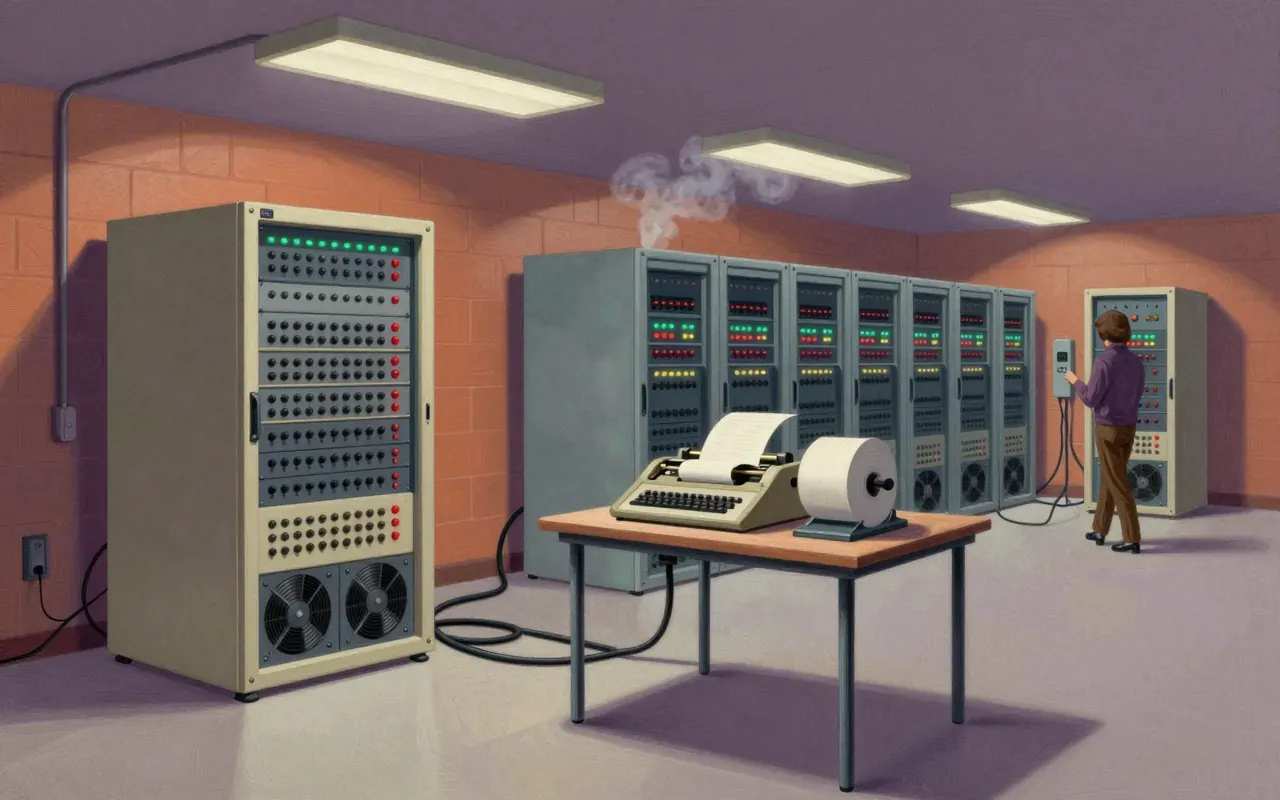
The Internet is a system for internetworking—designed to link disparate networks using standardised protocols. DARPA commissioned its core development in the 1970s. TCP/IP standardisation in 1982 enabled global proliferation. Its layered architecture and decentralised governance remain defining features—and enduring constraints.
PyTorch is a Python-first deep learning library built by Meta in 2016 as Torch's successor. It enables rapid model prototyping via dynamic computation graphs (Autograd), tensor abstractions, and CUDA-accelerated training. As of 2025, it remains one of the most popular deep learning libraries—alongside TensorFlow and Keras—but its design prioritises researcher agility over production robustness, scalability, or deployment tooling.