Morris worm
The Morris worm didn’t break the Internet — it revealed the Internet was already broken.





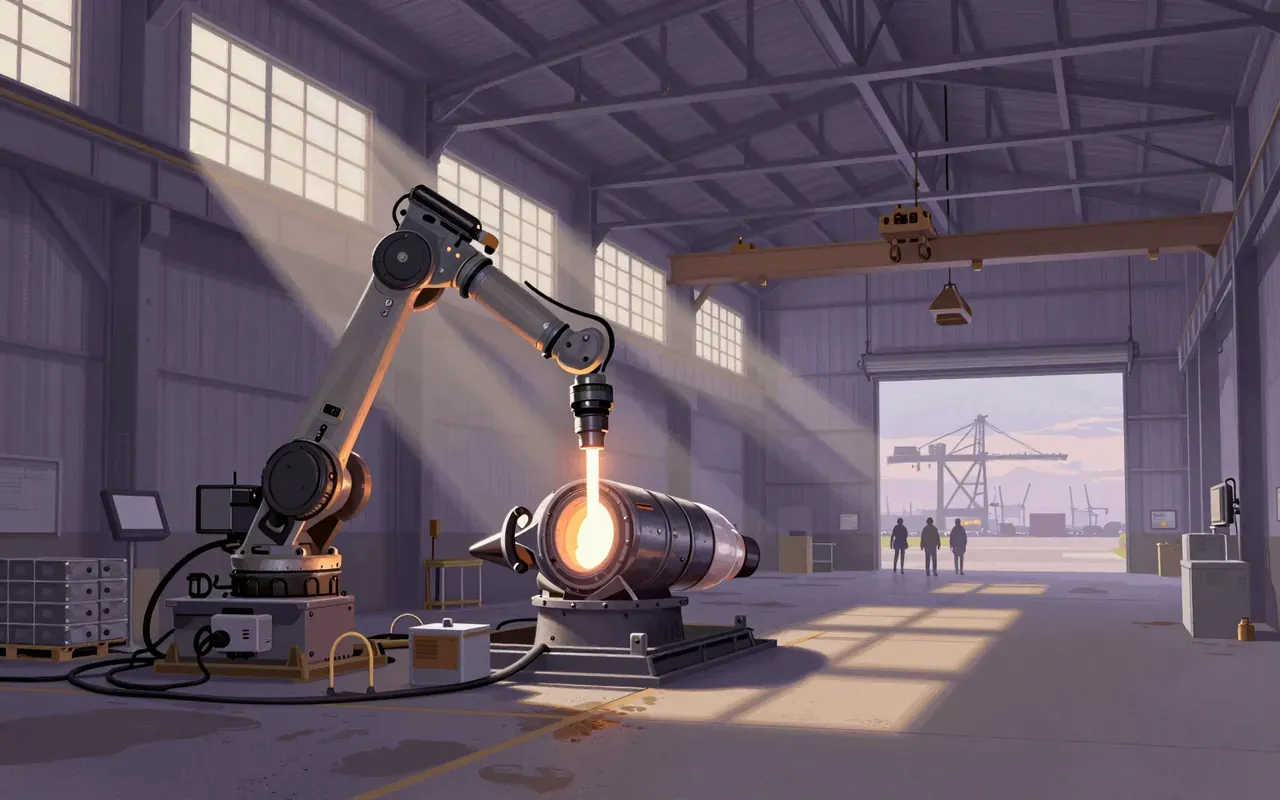
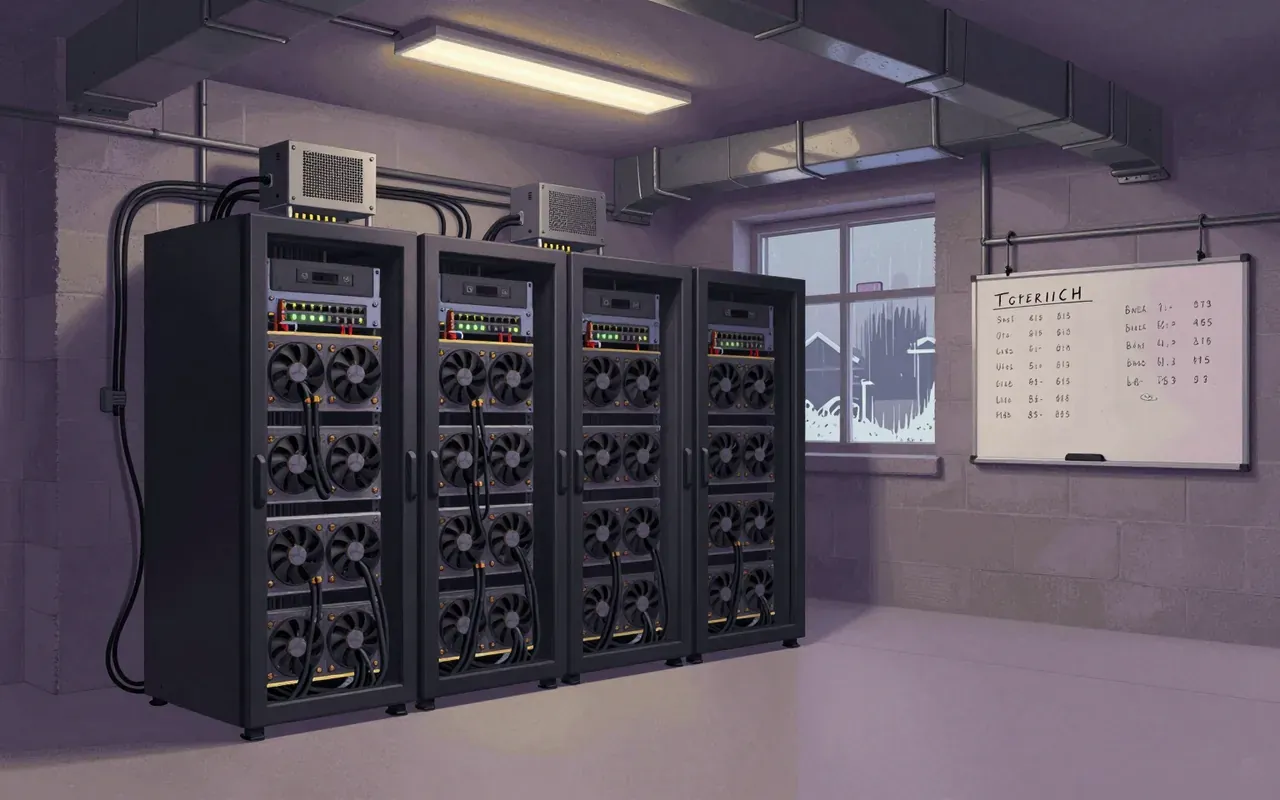
Ethereum is a decentralised mining network and software development platform enabling new cryptocurrencies and programs sharing a single blockchain. It solves the problem of building decentralised applications without forking Bitcoin or relying on centralised servers. It runs a Turing-complete virtual machine—the Ethereum Virtual Machine—specified by Gavin Wood in the Yellow Paper. It executes smart contracts as deterministic code on a decentralised network of nodes. Consensus was originally proof-of-work; it shifted to proof-of-stake on 15 September 2022. The EVM’s instruction set is Turing-complete. Smart contracts execute deterministically across thousands of nodes. The 2022 shift to proof-of-stake cut energy use by over 99%. It supports live, interoperable token standards and composability across deployed contracts. It does not deliver on its original promise of attaching real-world assets like stocks or property to the blockchain at scale. The EVM’s Turing-completeness enables bugs, re-entrancy, and gas-exhaustion failures that have caused repeated, costly exploits. Its consensus upgrade did not resolve scalability or finality trade-offs. It changed software development by making stateful, shared computation a first-class primitive on open networks. It enabled permissionless issuance of tokens and composable financial primitives—but entrenched a model where economic incentives dominate protocol governance. Yes—if you need programmable, trust-minimised execution across untrusted parties and can absorb the cost, complexity, and risk of on-chain logic. No—if you require predictable latency, low cost, or formal verification guarantees.
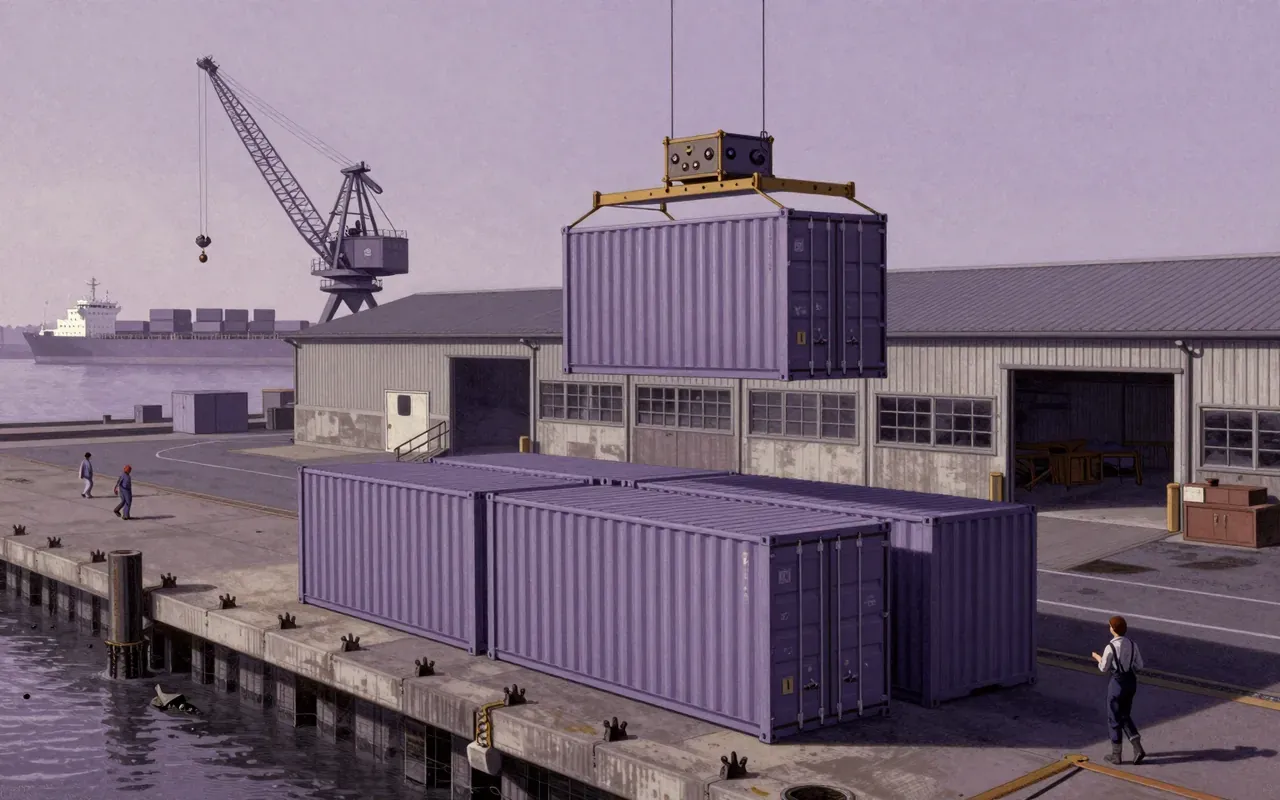
Containerization is the physical standardisation of cargo transport. It replaced break-bulk handling with sealed, stackable, crane-liftable steel boxes. McLean and Tantlinger designed it in 1955. Its twistlock corners enabled secure intermodal transfer. SeaLand released the patent in 1963. The design became the American and international standard in September 1965. It reduced cost and time. It displaced dock labour. It enabled just-in-time manufacturing. It remains the dominant form of non-bulk cargo transport.

The QR code is a pragmatic, narrowly scoped hardware interface — not a digital protocol or cultural platform. It solved a specific logistics bottleneck in Japanese automotive manufacturing. Its longevity stems from mechanical robustness and open licensing, not technical novelty or user experience.






ISO 216 is the international paper size standard. It originated as DIN 476 in Germany in 1922. It was adopted globally as ISO 216 in 1975. It uses a √2 aspect ratio. Each size halves the area of the next larger size. Tolerances are specified per dimension range. It governs usage everywhere except the US and Canada.







Kafka is a distributed, open-source event store and stream-processing platform developed at LinkedIn and open sourced in early 2011. It uses a binary TCP-based protocol and a 'message set' abstraction to optimise efficiency, enabling linear writes from bursty streams. It guarantees ordering within partitions, retains messages in a durable append-only log, supports manual offset management, and introduced share groups in 2025 for queue-like semantics. Kafka Connect and Kafka Streams were added in versions 0.9.0.0 and 0.10.0.0 respectively.





Neo4j is a graph database built for relationship-heavy workloads. It delivers expressive querying and transactional safety—but horizontal scaling, vector search, and unified standards arrived over a decade after launch. Its value is real, but bounded by what it ships—not what it promises.

C++ is a systems programming language that enables high-level abstractions without runtime overhead. It delivers performance and control—but only to those who master its intricate, unforgiving rules.

ECC is a public-key method based on elliptic curves over finite fields. Proposed independently by Koblitz and Miller in 1985. Delivers equivalent security to RSA and ElGamal with smaller keys. Security rests on the hardness of the elliptic curve discrete logarithm problem — specifically, recovering scalar k from points P and Q = kP — and on efficient yet irreversible point multiplication for appropriate parameters.

REST is Roy Fielding’s 2000 architectural style for the Web. It defines constraints—not rules—to diagnose scalability failures in distributed hypermedia systems. Its power lies in exposing gaps between promise and practice, especially around statelessness and HATEOAS. Most so-called RESTful APIs ignore its core mechanism: hypermedia-driven state transitions.

RISC-V is a free and open instruction set architecture developed in 2010 at UC Berkeley. Its specifications were published openly in 2011 and stewardship transferred to RISC-V International in 2015. It enables royalty-free processor design—but does not eliminate the engineering, tooling, or ecosystem work required to deploy it.



The Linotype machine is a hot metal line-casting system invented by Ottmar Mergenthaler and first commercially installed in July 1886 at the New York Tribune. It assembles matrices into lines and casts them as single slugs of type metal, returning matrices for reuse. It delivered three to five times faster composition than hand-setting and was immediately deployed on both daily newsprint and book production — beginning with The Tribune Book of Open-Air Sports. It did not eliminate metal handling, support proportional spacing, or function outside hot metal infrastructure. Its value lies in its immediate, measurable acceleration of mechanical typesetting — not in conceptual novelty or long-term inevitability.

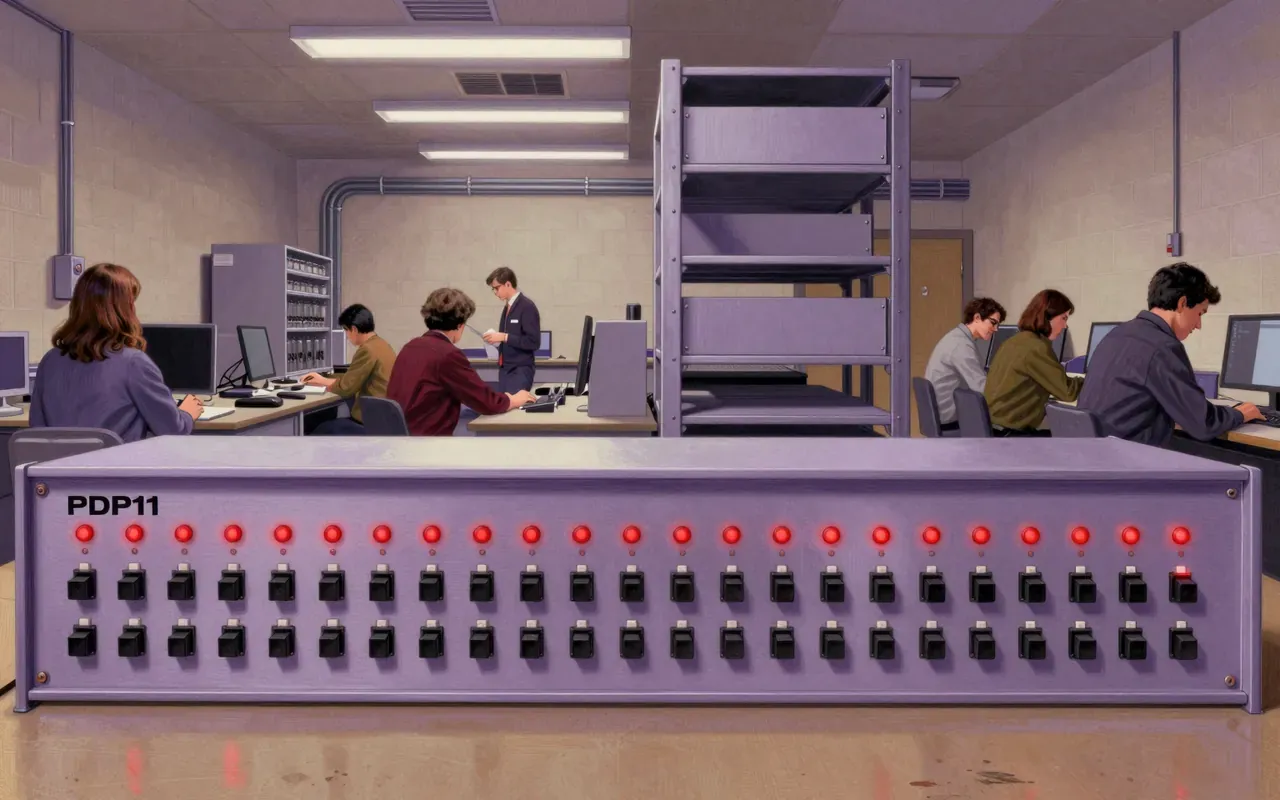

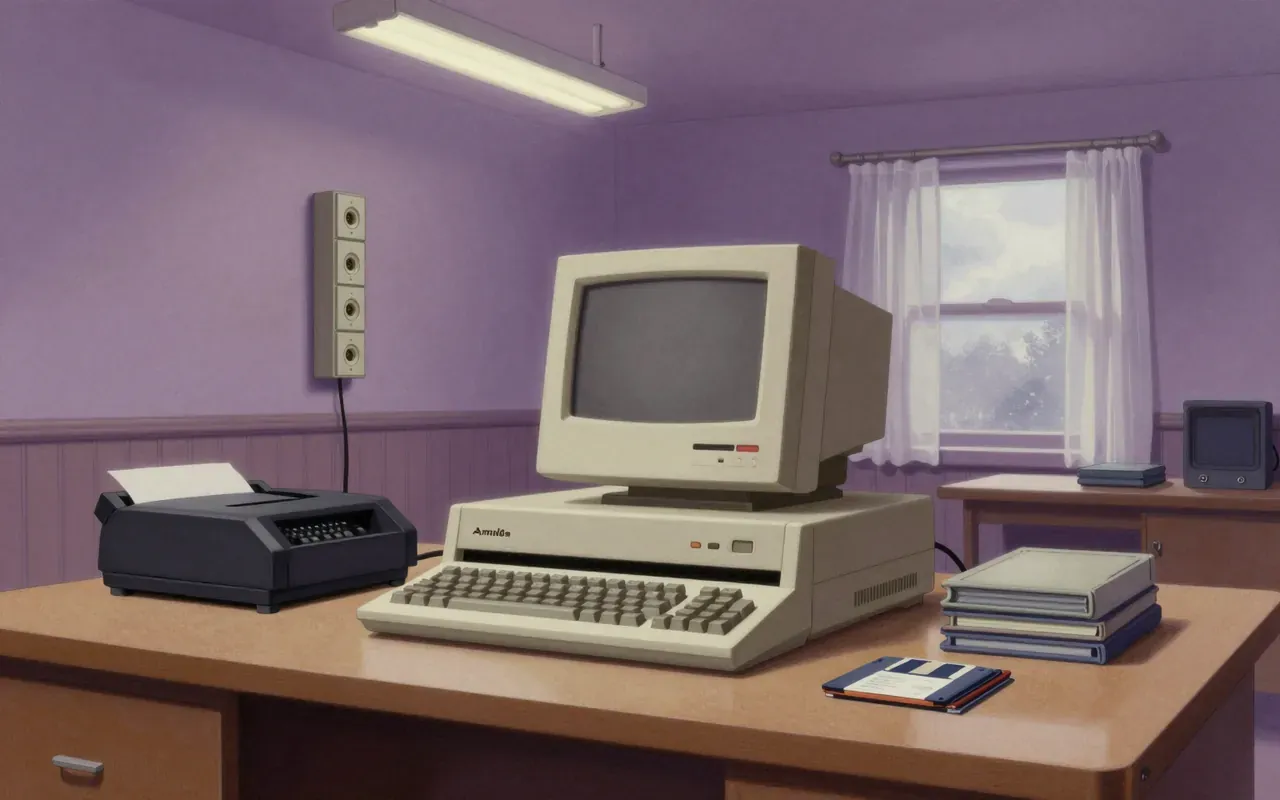
The Amiga 500 is a pivotal hardware milestone—not because it introduced new silicon, but because it delivered proven multitasking and colour graphics to mainstream retail at a time when competitors treated those features as optional or impossible in home systems. Its success relied on reuse, repackaging, and distribution—not invention.


The strain gauge is a bonded metallic foil sensor that translates mechanical strain into resistance change via conductor geometry. Invented independently in 1938 by Simmons (for shock-load metallurgy) and Ruge (for seismological water tank modelling), it solved measurement gaps where optical methods failed. It works reliably within elastic limits—but fails without precise adhesion or thermal control. Its legacy is not novelty but adoption: it became the standard interface between force and electronics because it was simple, scalable, and grounded in first principles—not hype.

The chain drive is a mechanical transmission system using a roller chain and sprockets to move torque across distance. Hans Renold’s 1880 bush roller chain solved critical wear and slippage problems of earlier pin-and-link designs—and became the basis for all modern precision roller chains. It enables adjustable gear ratios and higher torque via duplex configurations. But it inherently produces speed variation (chordal effect) due to discrete link engagement. Its first commercial validation came in James Starley’s tricycles using his 1877 differential. It remains essential hardware—not legacy tech—where reliability, torque and spacing outweigh the need for constant velocity.




IBAN is a validation layer—not a payment rail, not a registry, not a protocol. It catches human input errors in account identifiers before they trigger costly rejections downstream. Its mechanism is simple: a fixed-position country code, two check digits, and a national account identifier, all validated via MOD-97-10. It works where people type numbers. It fails where logic, intent, or authority is required.


Linux is a Unix-like kernel, not an operating system. It filled GNU’s missing-kernel gap. It works by reimplementing Unix system calls from documentation—not AT&T code. It succeeded because GPLv2 enforced openness, and because it ran on cheap x86 hardware. It failed to be a standalone OS or POSIX-compliant out of the box. It changed how software projects scale: through licence-driven collaboration, not top-down design. It is worth your time if you need control, transparency, and the ability to rebuild every layer.
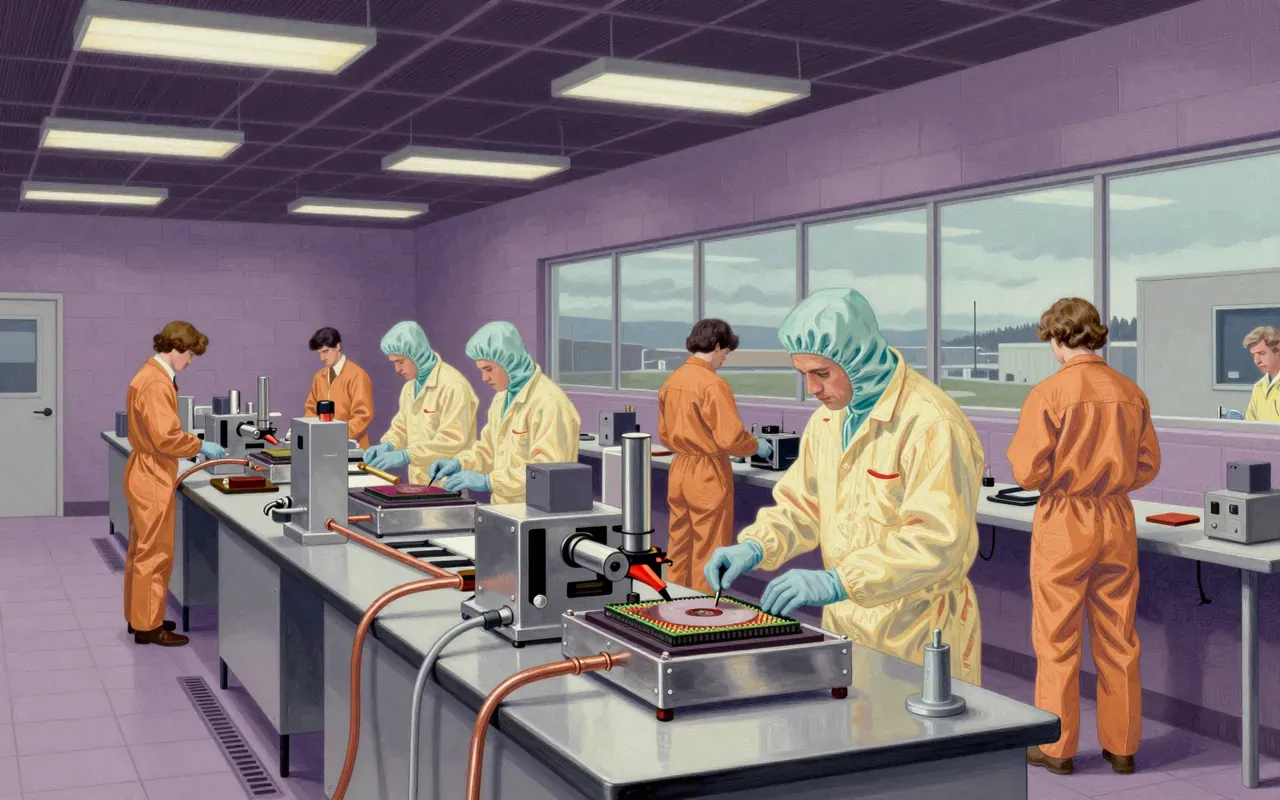



PNG is a specification, not a product. It is a response to legal constraint, not technical ambition. It works where it was designed to work — and fails where it was never meant to go.
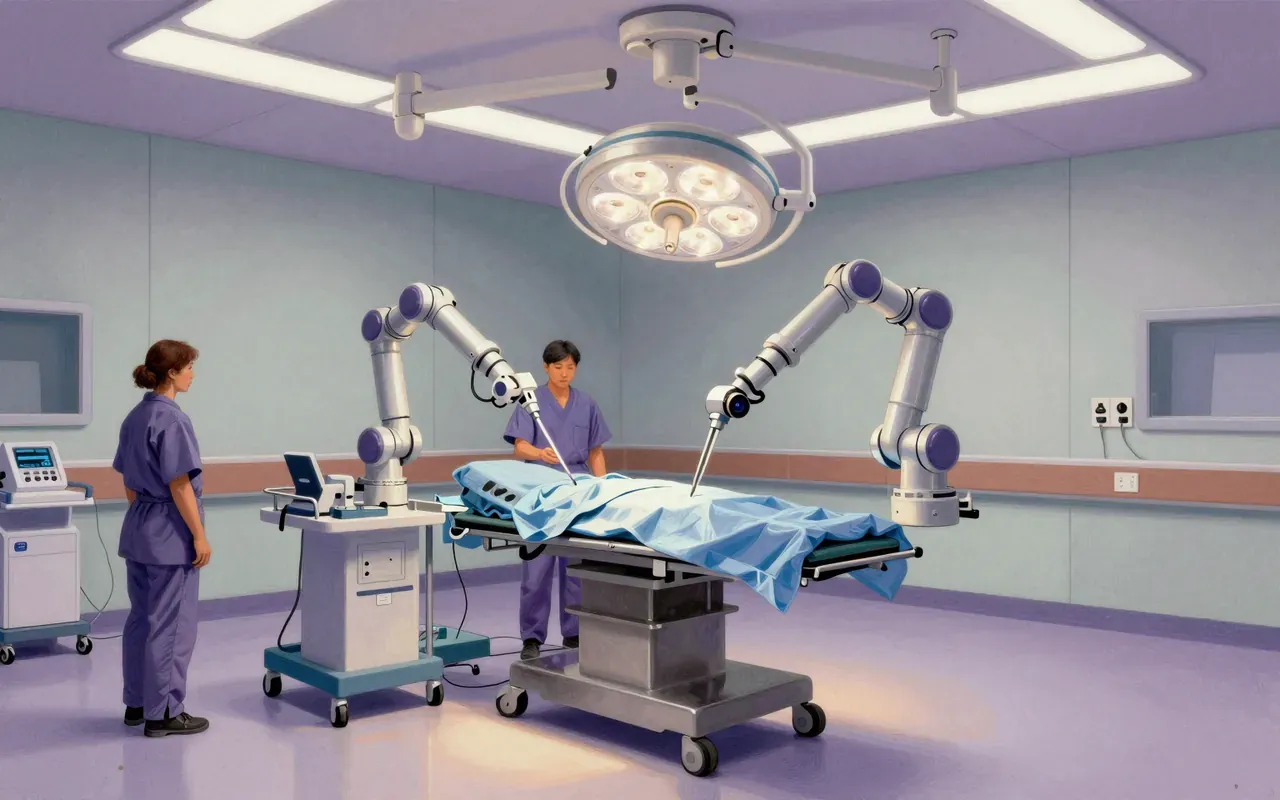
The Da Vinci Surgical System is a teleoperated robotic platform for minimally invasive surgery. It translates surgeon hand motions at a console into precise movements of up to four robotic arms at the patient’s side — one for 3D vision, the rest for tools. FDA-cleared in 2000, it had performed ~200,000 surgeries by 2012, mainly prostatectomies and hysterectomies. It does not demonstrate long-term superiority over laparoscopy. It demands high capital cost, proprietary software, dedicated training, and a full surgical team. Safety investigations by the FDA include reports of patient injury and death.


The standard-gauge railway is a deliberate, legislated solution to fragmentation — not an inevitable outcome of engineering progress.

IEEE 802.3 standardises wired Ethernet’s physical and MAC layers using CSMA/CD. It succeeded by enabling interoperability—not speed or novelty. Its mechanism became obsolete before the standard did. It remains essential infrastructure, not evolutionary architecture.


Volk's Electric Railway is operationally continuous but technically marginal. It demonstrates longevity, not leadership. Its engineering adaptations were local fixes — not transferable standards. Siemens set the template. Volk kept a line alive.
Lisp is the first language to treat code as data—and the first to prove that a small set of primitives plus eval suffices for universal computation. Its cost is runtime overhead; its payoff is programmable programmability.

PlayStation VR is a tethered virtual reality headset developed by Sony Interactive Entertainment and released in October 2016. It requires a PlayStation 4, uses camera-based tracking via nine LEDs, and enforces a minimum 60 fps across all software. It sold at least 5 million units before being succeeded by PlayStation VR2 in 2023.
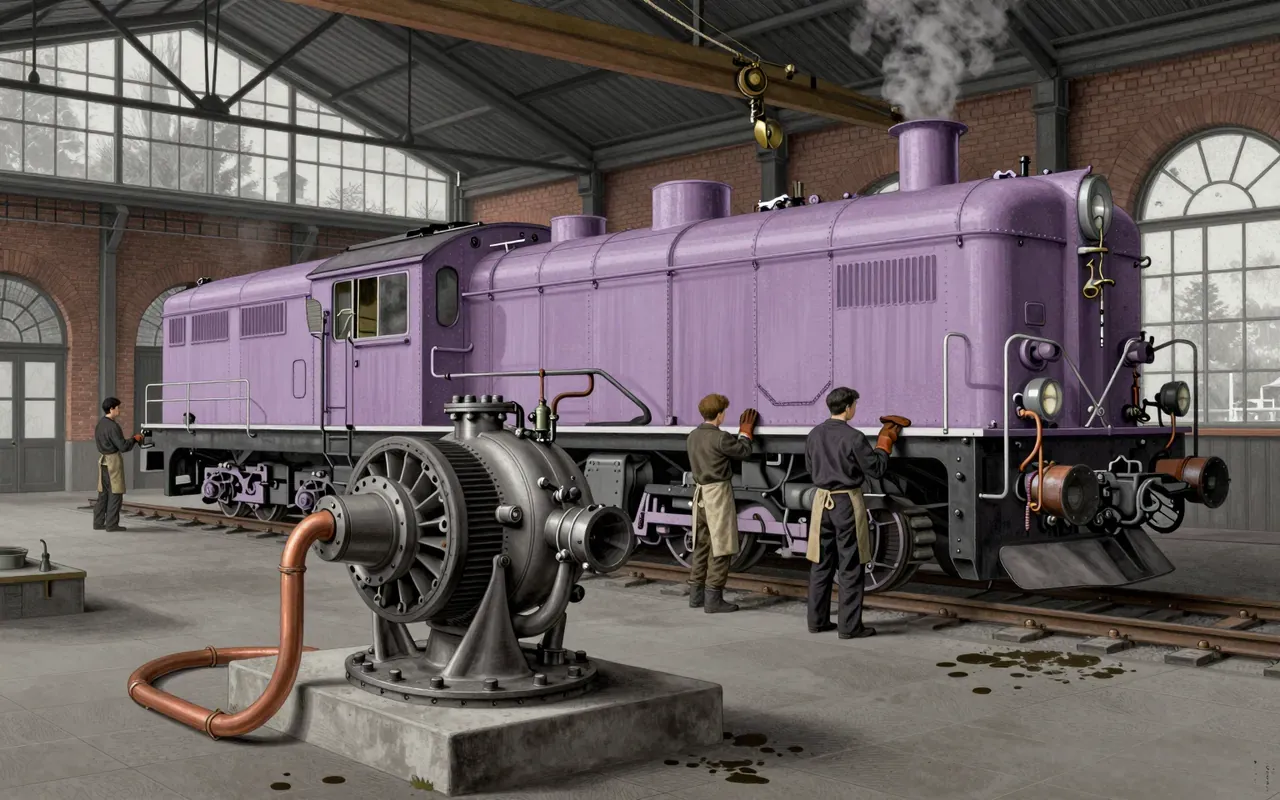
Alfred Büchi’s 1905 turbocharger patent established the axial turbine–compressor-on-common-shaft architecture still used today. It solved no immediate problem: the 1915 aircraft prototype failed. Its first functional applications were marine diesel engines in 1923 (1750 → 2500 hp) and stationary diesel engines in 1925 (1,300 → 1,860 kW, +40% efficiency). All verified successes occurred under Büchi’s direct supervision. No verified application existed outside large, slow-speed diesel systems before 1925.

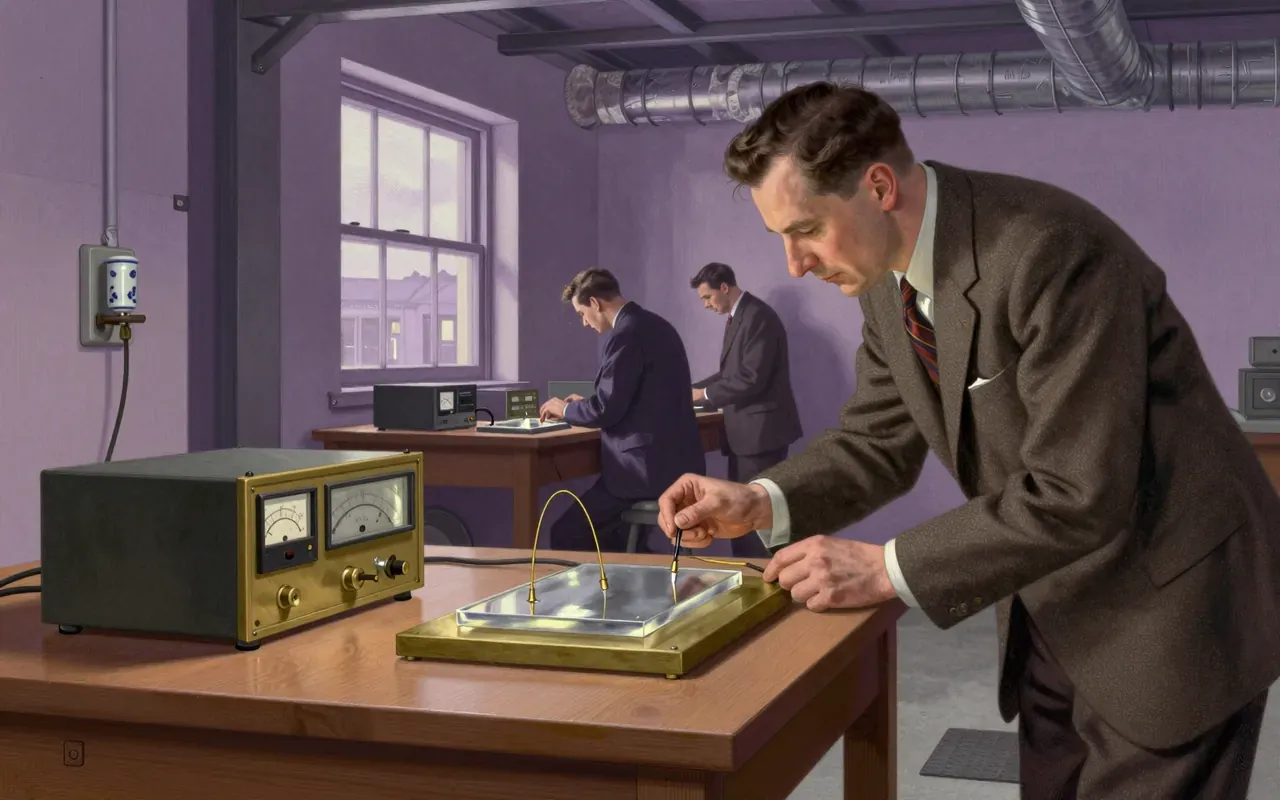
The electromagnetic wave equation is the foundational PDE for classical electromagnetism. Maxwell derived it mathematically; Hertz verified it physically — not as a vision of wireless communication, but as proof that light is electromagnetic vibration. It works precisely where fields are classical and sources are macroscopic. It fails where quanta matter. Its value lies not in novelty but in necessity: every radio, radar, and optical system still obeys it.



The Solvay process is the first industrially viable closed-loop chemical synthesis using a recoverable mediator. It works by exploiting ammonia’s solubility-shuttling effect to precipitate sodium bicarbonate from brine and CO₂—then thermally decomposing the solid to yield soda ash while reclaiming ammonia. It succeeded because it reduced raw material cost, eliminated major Leblanc pollutants, and scaled reliably in a purpose-built tower. It fell short in ammonia leakage, energy intensity of lime kilns, and dependence on precise brine purity. It changed bulk chemical manufacturing by proving that catalytic mediation could be engineered—not just observed. Worth your time if you design, regulate, or teach process systems.


The barcode is a mechanically simple but commercially premature solution: a direct optical translation of Morse code into bars, read with repurposed cinema hardware. It worked in lab conditions but failed in practice—fading ink, no scanners, no standards, no buyers. Its value emerged only when retail infrastructure caught up, not because the invention matured.
ImageNet is a foundational dataset infrastructure — not a model, not a tool, not a service. It succeeded by making scale measurable, not magical.

UTF-8 is a variable-width Unicode encoding co-designed by Ken Thompson and Rob Pike in 1992. It guarantees ASCII compatibility, supports all 1,112,064 Unicode code points, and became the dominant web encoding — over 90% of pages in 2019. Its strength is pragmatic interoperability; its weakness is zero tolerance for malformed input and no compression benefit.

The OnePlus One delivered flagship hardware at lower cost by relying on Cyanogen OS and an invite-based launch. It worked as a provocation—not as a finished product. Its value was in exposing the fragility of Android's ecosystem, not in shipping a polished experience.