SQL
SQL didn’t invent relational databases—it weaponised Codd’s model by making it usable.

MIME is the foundational container syntax for internet messaging. It succeeded by being minimal, modular, and mandatory for interoperability — not by being elegant or complete.


SFTP is a file protocol built for SSH-2. It assumes security is already solved. It delivers precise, stateful filesystem control. It never became an RFC. It remains widely deployed—not because it succeeded, but because alternatives failed.



BASIC is a pedagogical tool, not a general-purpose language. It succeeded by narrowing scope — to Dartmouth, to undergraduates, to time-shared interaction, to FORTRAN II’s grammar stripped of complexity. Its value lies in what it excluded.

Git is a distributed version control system invented by Linus Torvalds in April 2005 to replace BitKeeper for Linux kernel development. It was built from scratch because no existing free system met Torvalds’s strict criteria: sub-three-second patch application, distributed BitKeeper-like workflow, strong corruption safeguards, and rejection of CVS-style design. Git maintains a full local repository copy, uses SHA-1 hashing for object identification, and is grounded in a content-addressable filesystem model.

Unix is the first operating system whose portability was achieved by rewriting it in a high-level language still under construction—and whose influence stems not from completeness, but from what it omitted, deferred, or forced developers to build themselves.


XML is a deliberately constrained application profile of SGML, standardised by W3C in 1998. It delivers strict, interoperable document structure at the cost of verbosity, parsing overhead, and zero runtime semantics. It succeeded where SGML failed—not by being simpler, but by being bounded.



The SNES is a 16-bit fourth-generation home console developed by Nintendo as its second programmable system. Designed by Masayuki Uemura in response to the Sega Genesis and TurboGrafx-16, it launched in Japan on 21 November 1990 as the Super Famicom. Its technical strengths—Mode 7 graphics, eight-channel ADPCM audio, and cartridge-compatible enhancement chips—enabled expressive game design within strict hardware boundaries. It competed directly with the Genesis, achieved rapid early sales (300,000 units sold out in hours in Japan), and reached over 46 million combined units sold by mid-1992. Its life cycle extended until 1999 in the US and 2003 in Japan. It did not deliver true 3D, multitasking, networking, or firmware updates. Its legacy lies in proving that modular, cartridge-based hardware extensions could sustain a platform across a full generation.
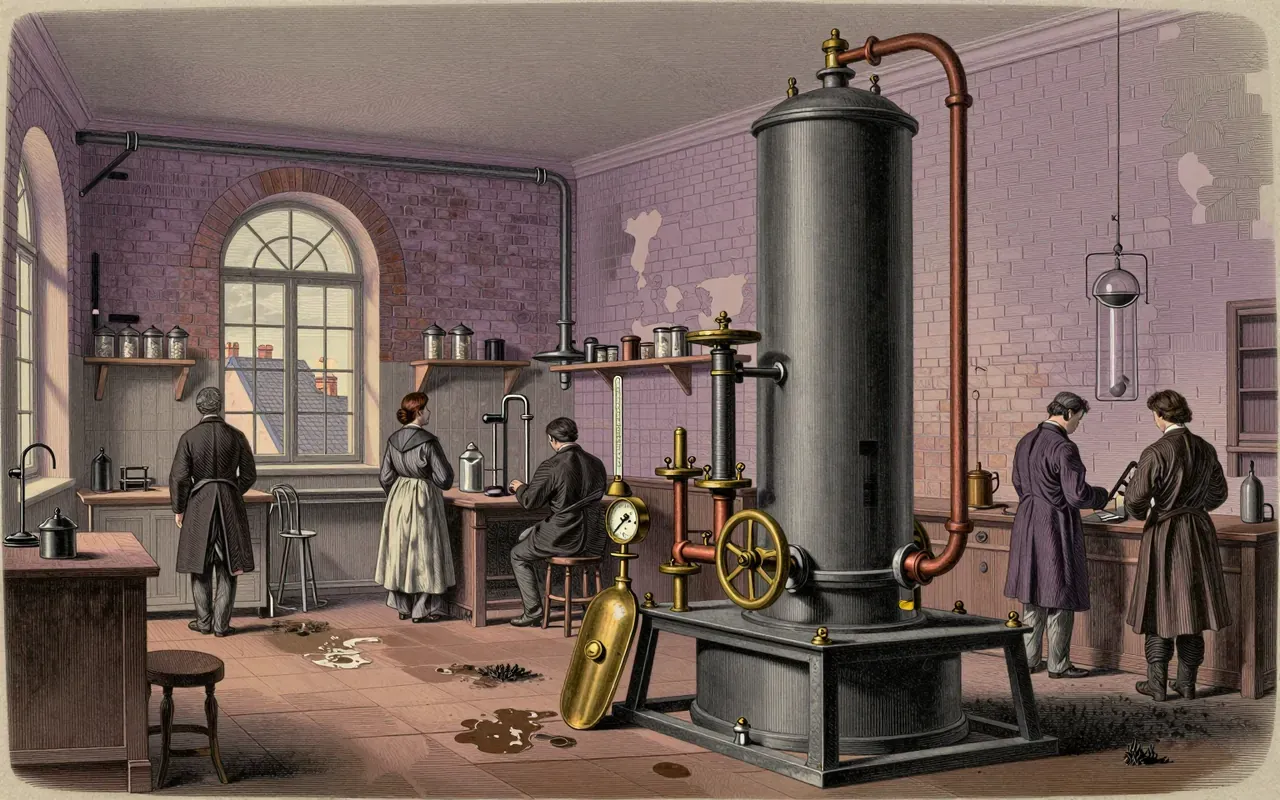
Linde’s 1876 compressed-ammonia refrigerator was the first practical, compact, and reliable vapor-compression system. It solved industrial spoilage by enabling stable low-temperature control — starting with the Spaten Brewery in 1873. Its mechanism relied on compression, condensation, expansion, and evaporation, later formalised as the refrigeration cycle in 1895. But it used toxic refrigerants without safeguards — a trade-off baked into its design. Its legacy is real: ammonia remains in industrial use today. Its failure is structural: safety was deferred, not designed.



Chicago Pile-1 was not a power plant. It was a proof-of-concept pile — physically crude, operationally minimal, and militarily urgent. Its success established that controlled fission was possible. Its limitations — no heat extraction, no radiation shielding, no control rods beyond cadmium-coated wood — show how far engineering lagged behind theory.
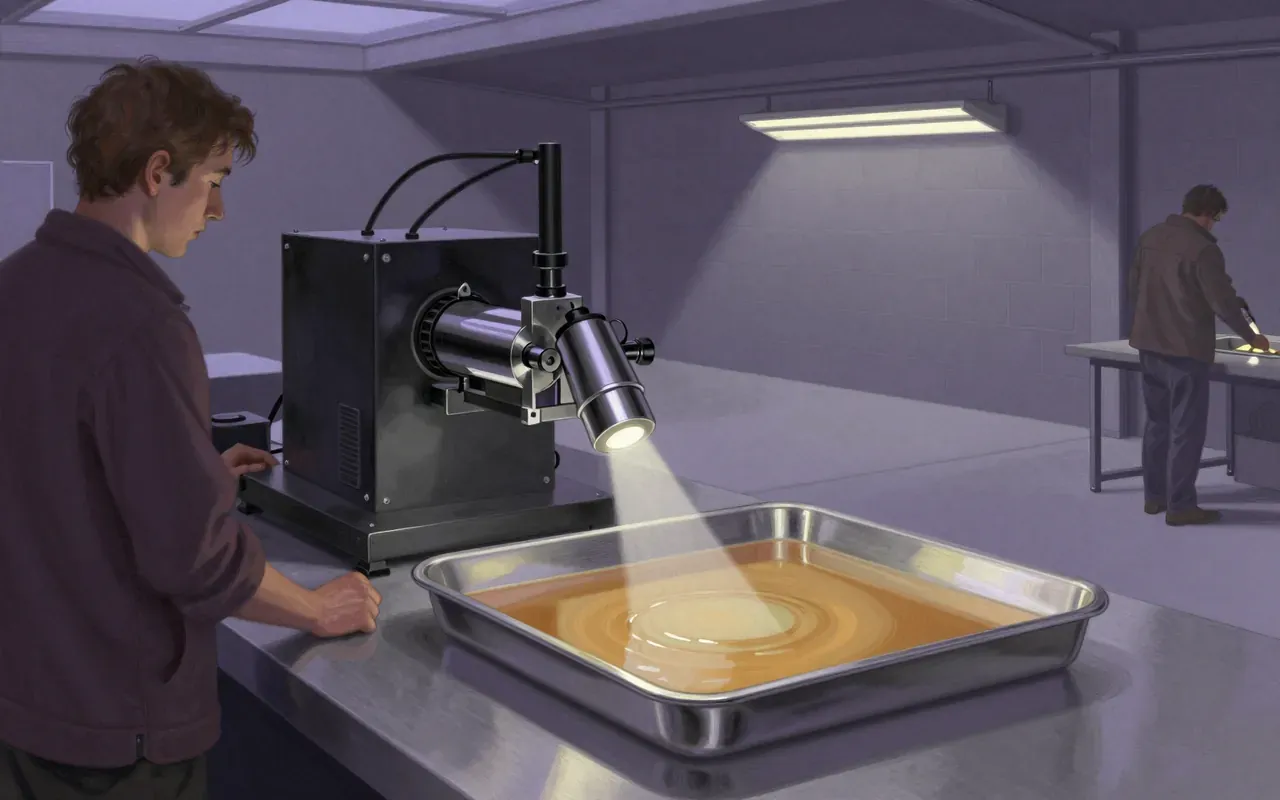
Chuck Hull’s stereolithography system is the origin point of digital additive manufacturing—not because it printed everything, but because it defined how digital models become physical things: via slicing, STL, and controlled solidification. It works for prototyping. It fails for production. Its legacy is infrastructural, not material.




The Echo is a hardware interface for Alexa—a cloud-dependent voice service. It works well for narrow, internet-reliant tasks. It fails as a private, autonomous, or universally accessible system. Its legacy is not intelligence at the edge, but the normalisation of persistent listening and remote AI dependency.

The Beckman pH meter is the first patented, commercially successful electronic instrument for measuring pH. It solved a specific industrial problem — Sunkist’s inability to track acidity during citric acid production due to sulfur dioxide interference — by amplifying fragile glass electrode signals via vacuum-tube circuitry. It worked reliably enough to displace bench-scale setups, generate $60,000 in sales by 1936, and establish the template for electronic chemical instrumentation. It did not solve electrode drift, temperature error, or field durability — those came later. Its value lies not in universality, but in proving that electronic amplification could make previously unmeasurable chemistry quantifiable in real-world conditions.

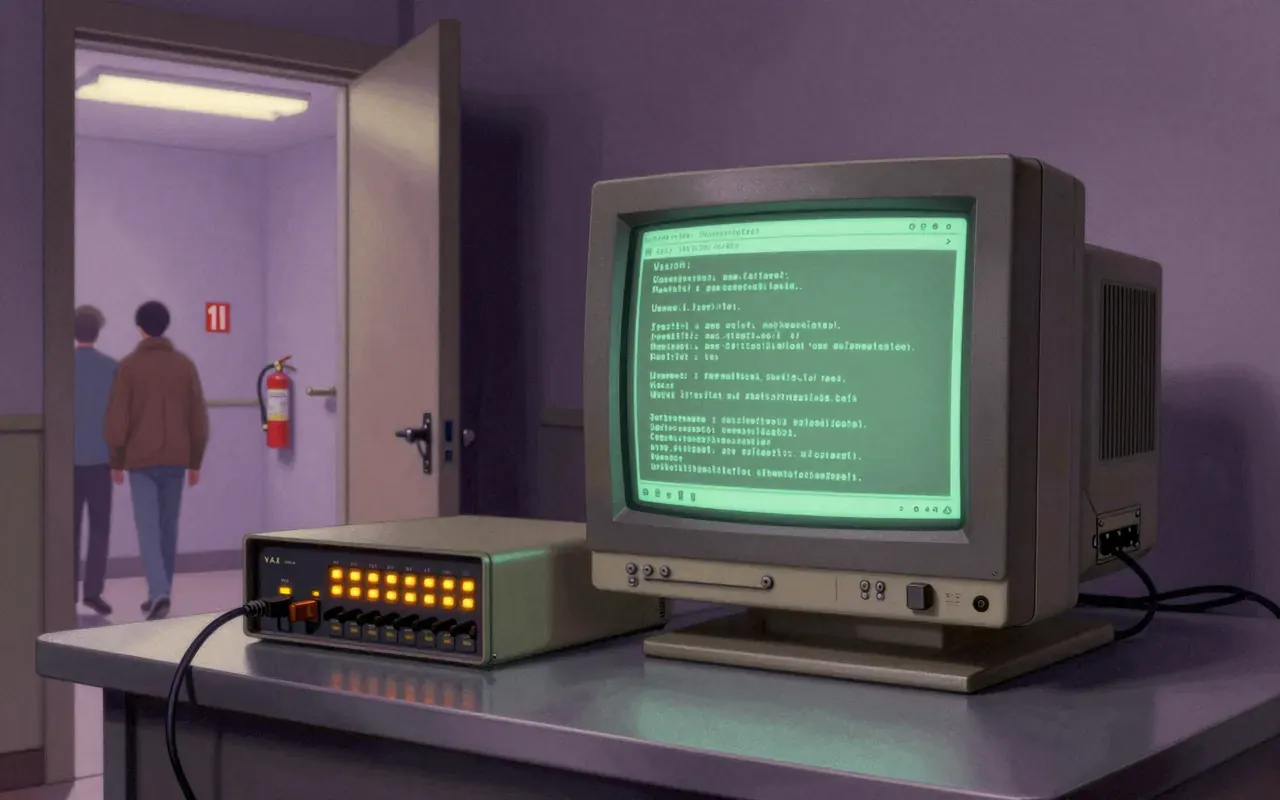
The GNU Manifesto is not code. It is a deliberate, public, repeatable act of movement-building—written to recruit, not just explain.


Bozzini’s Lichtleiter established endoscopy as a category: a purpose-built optical conduit for internal light and view. It worked technically in most cavities. It failed institutionally — blocked by authority, not physics. Its legacy is conceptual, not clinical.
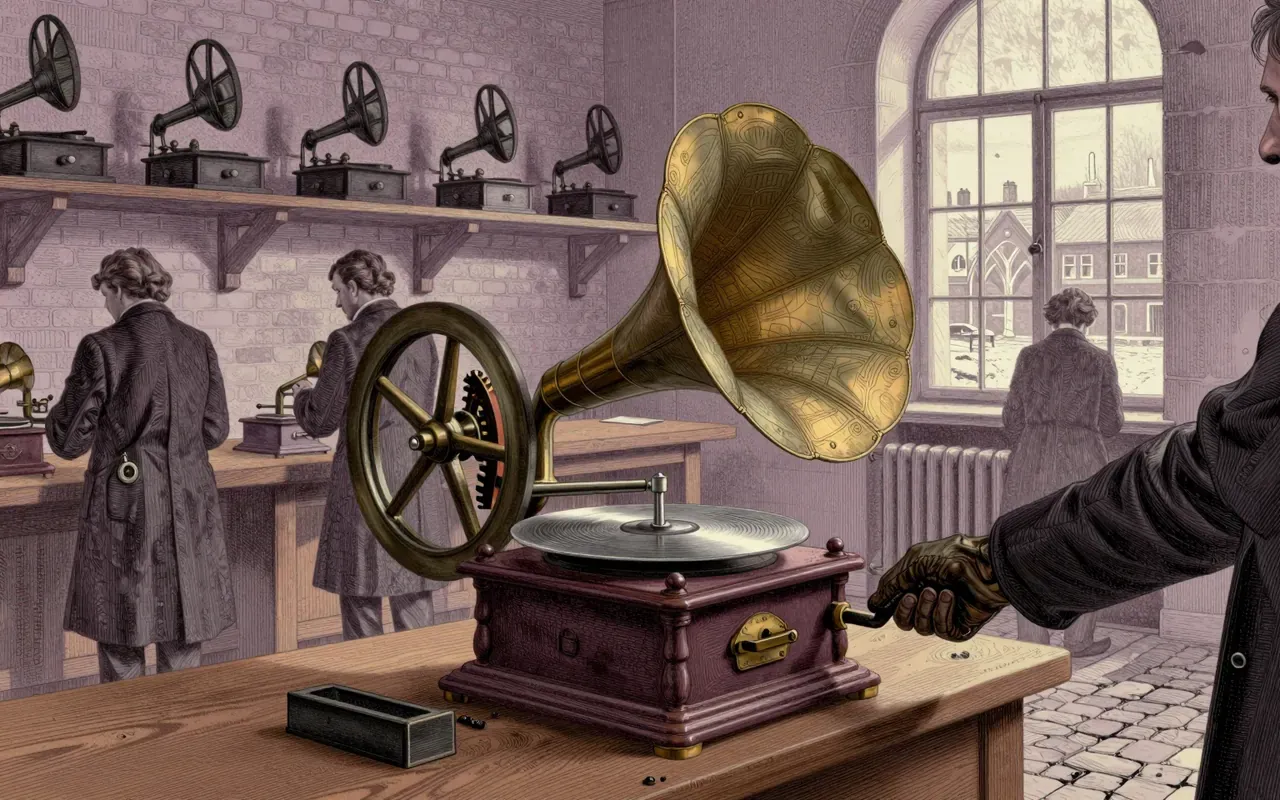








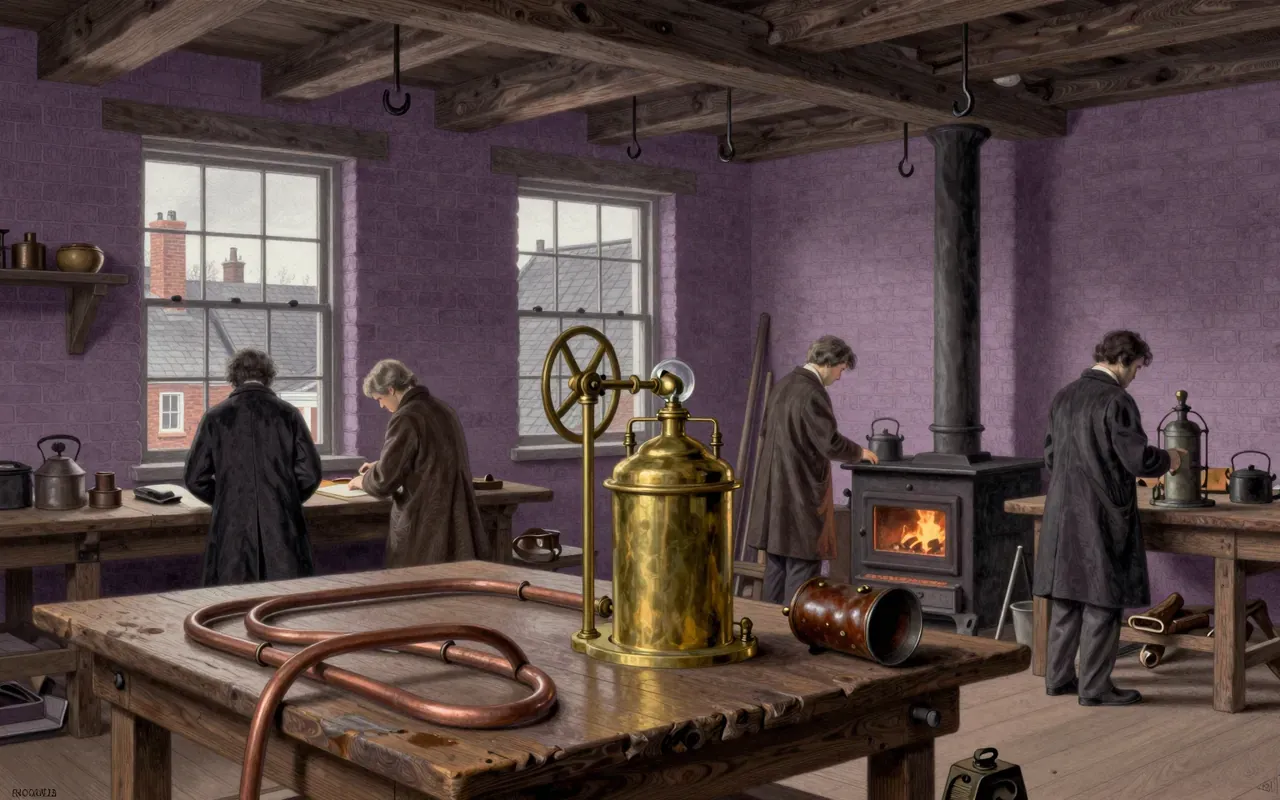
Perkins’s icemaker was the first working vapor compression refrigeration system. It used ether, not ammonia. It proved artificial cold could be generated mechanically — but produced no usable ice beyond lab-scale demonstration. Its legacy is procedural: it fixed the method before the market existed.

Grafana is open-source dashboard software that queries external data sources at render time. It unifies metrics, logs, and traces without storing data itself. Its JSON-based dashboards are versionable and composable. Since 2021, it uses AGPLv3 licensing. It originated from Graphite work at Orbitz and launched in January 2014. Its UI began as a fork of Kibana v3.



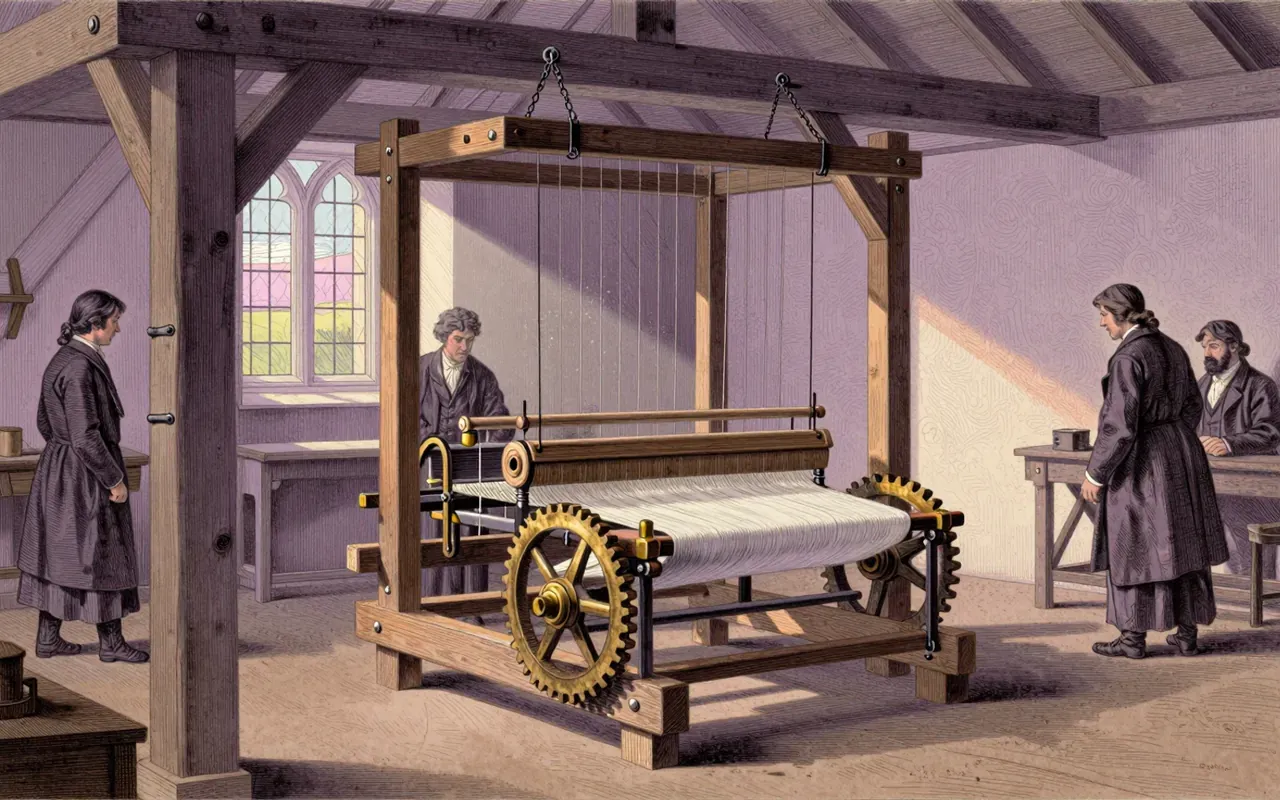
The power loom is a foundational failure: it proved automated weaving possible but could not sustain production. Its value lies in its mechanism—not its output—and its legacy is structural, not operational.

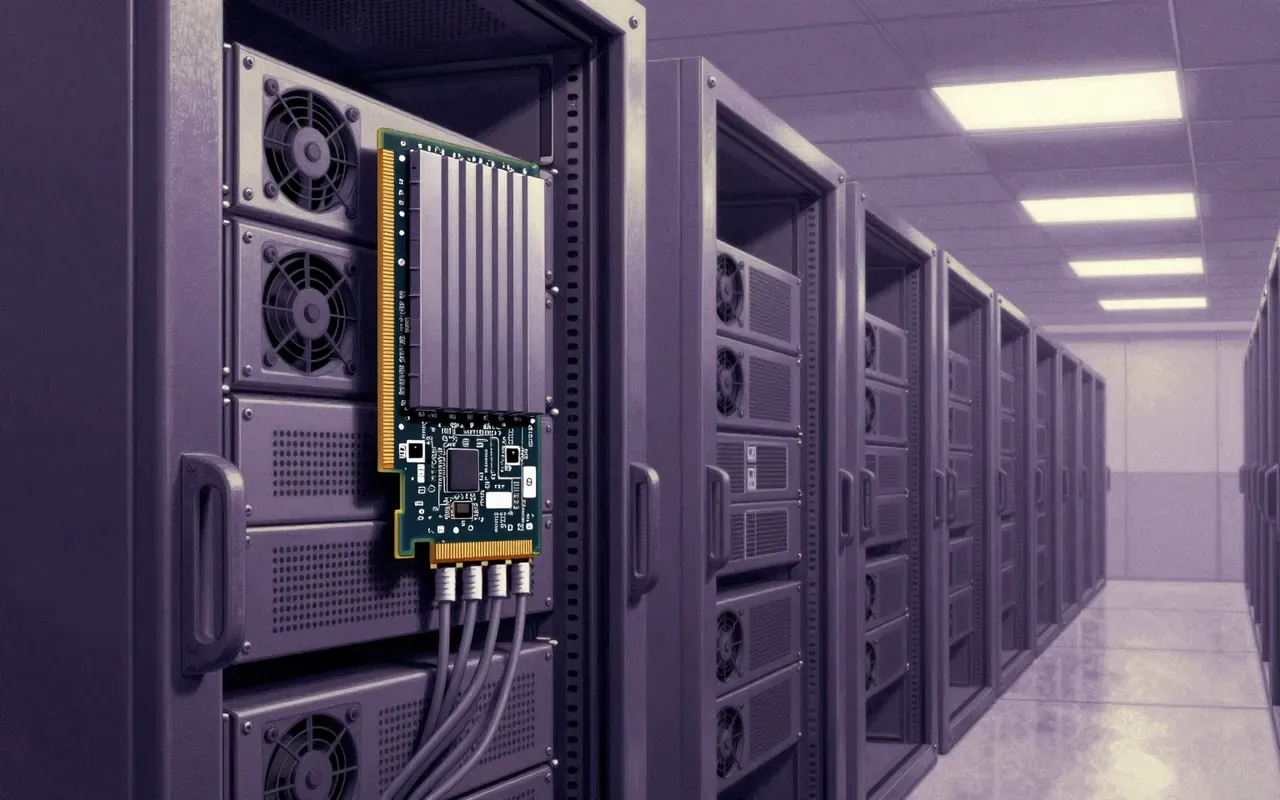
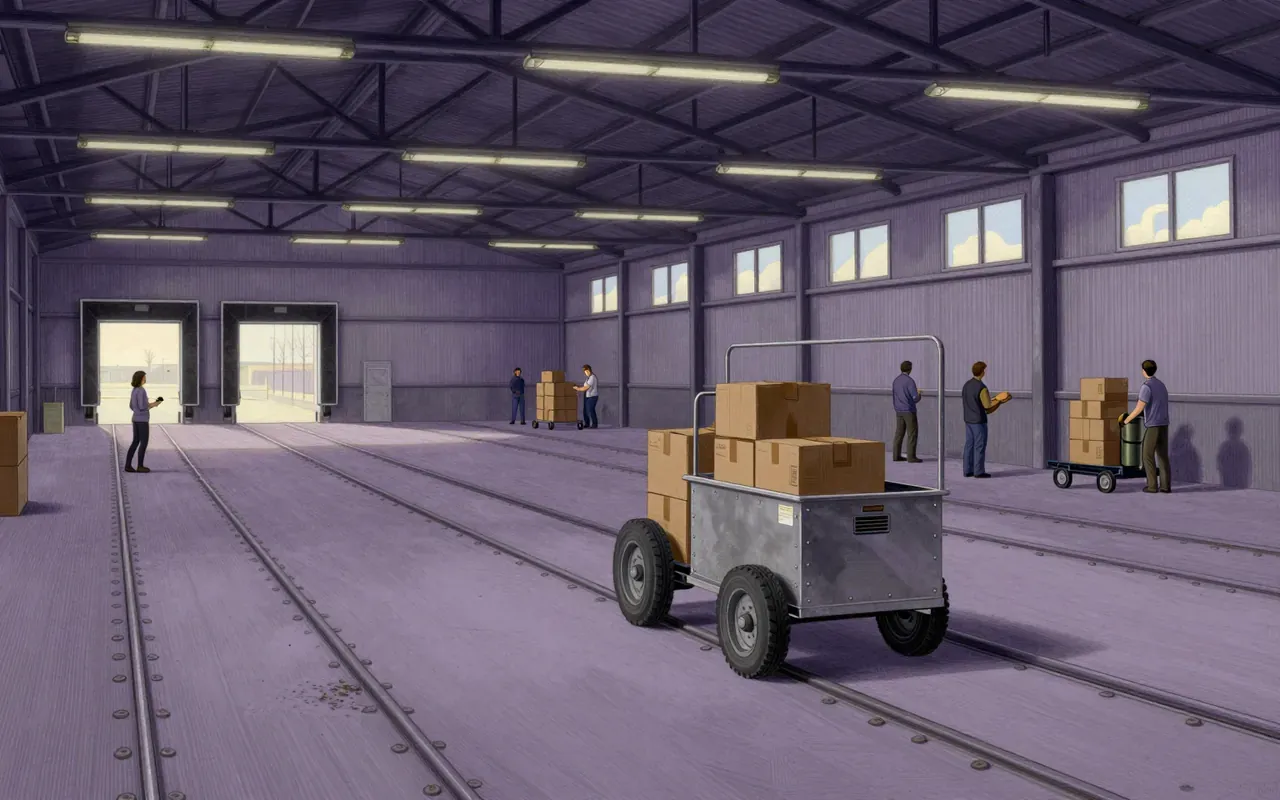
The Barrett Electronics AGV established guided vehicle automation as a physical layer—not a cognitive one. It moved payloads predictably, cheaply, and without rails—but demanded infrastructure, not intelligence. Its legacy is in floor plans, not algorithms.
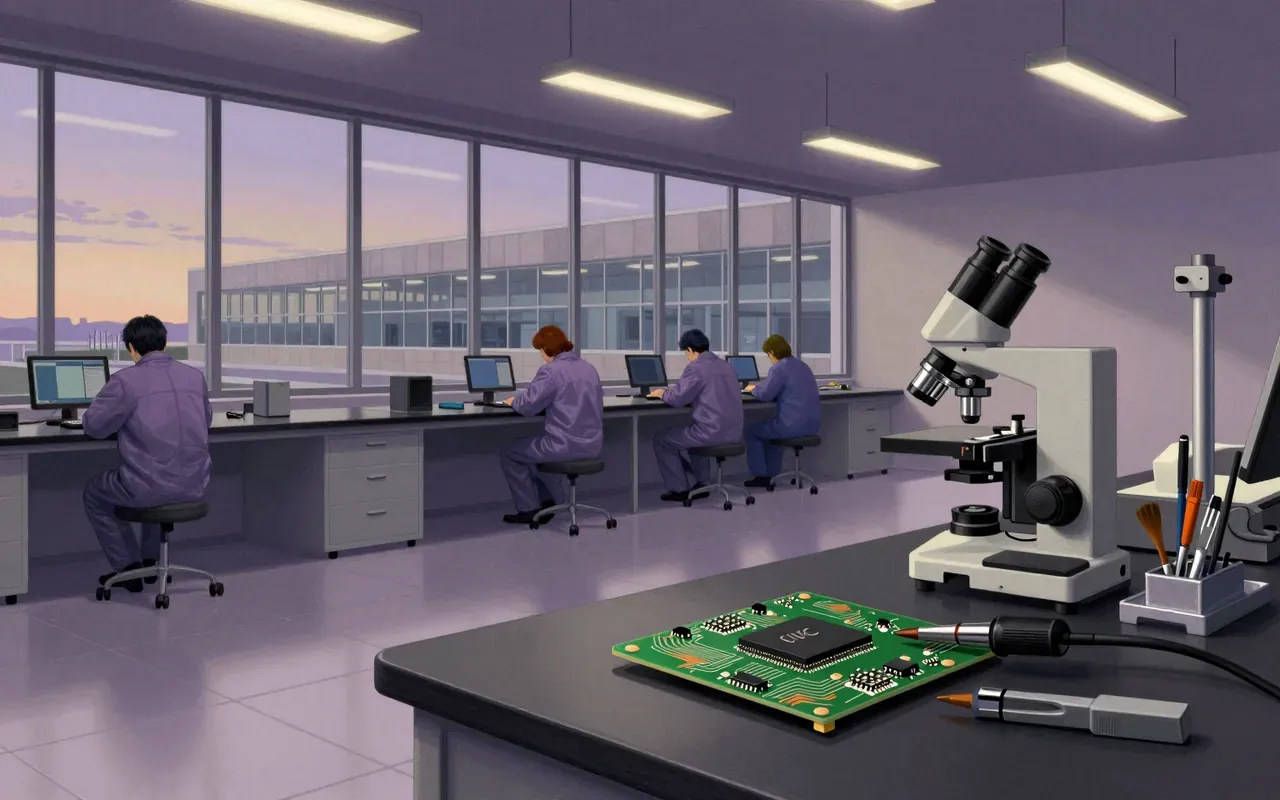
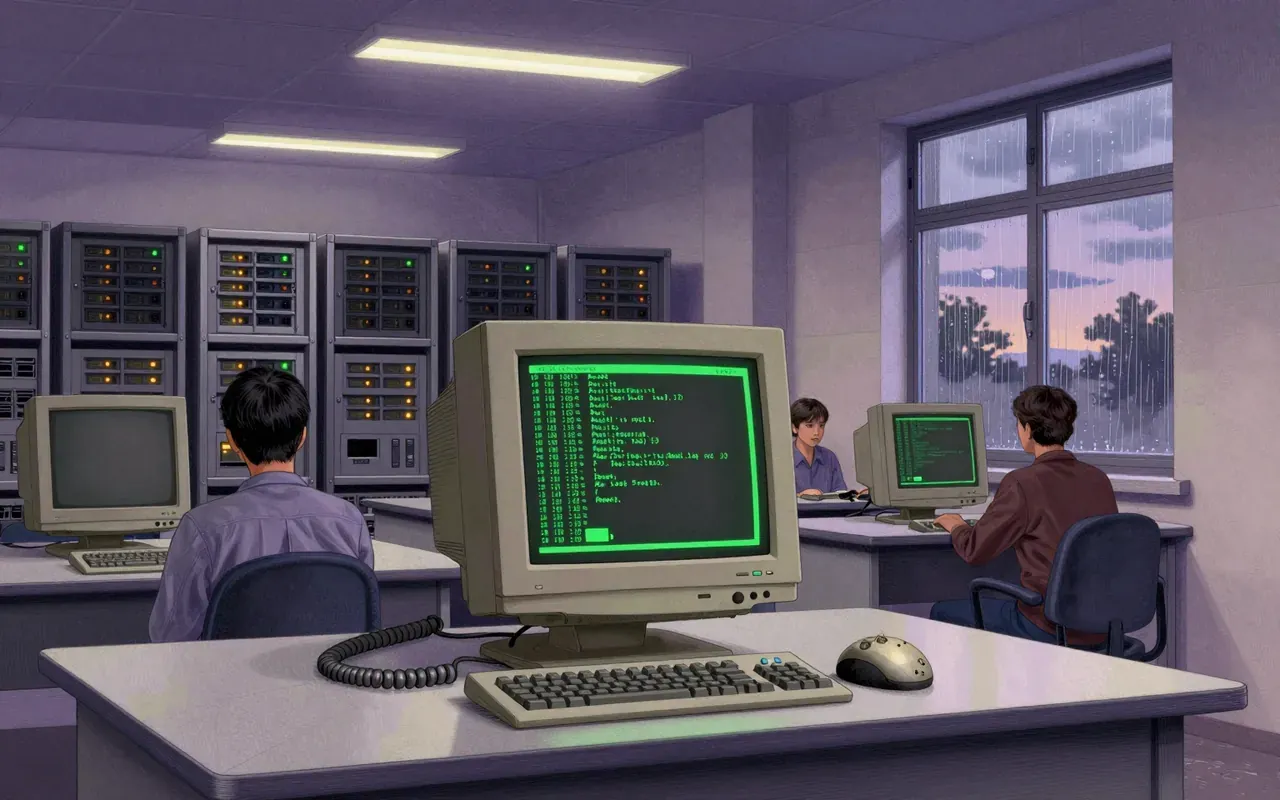
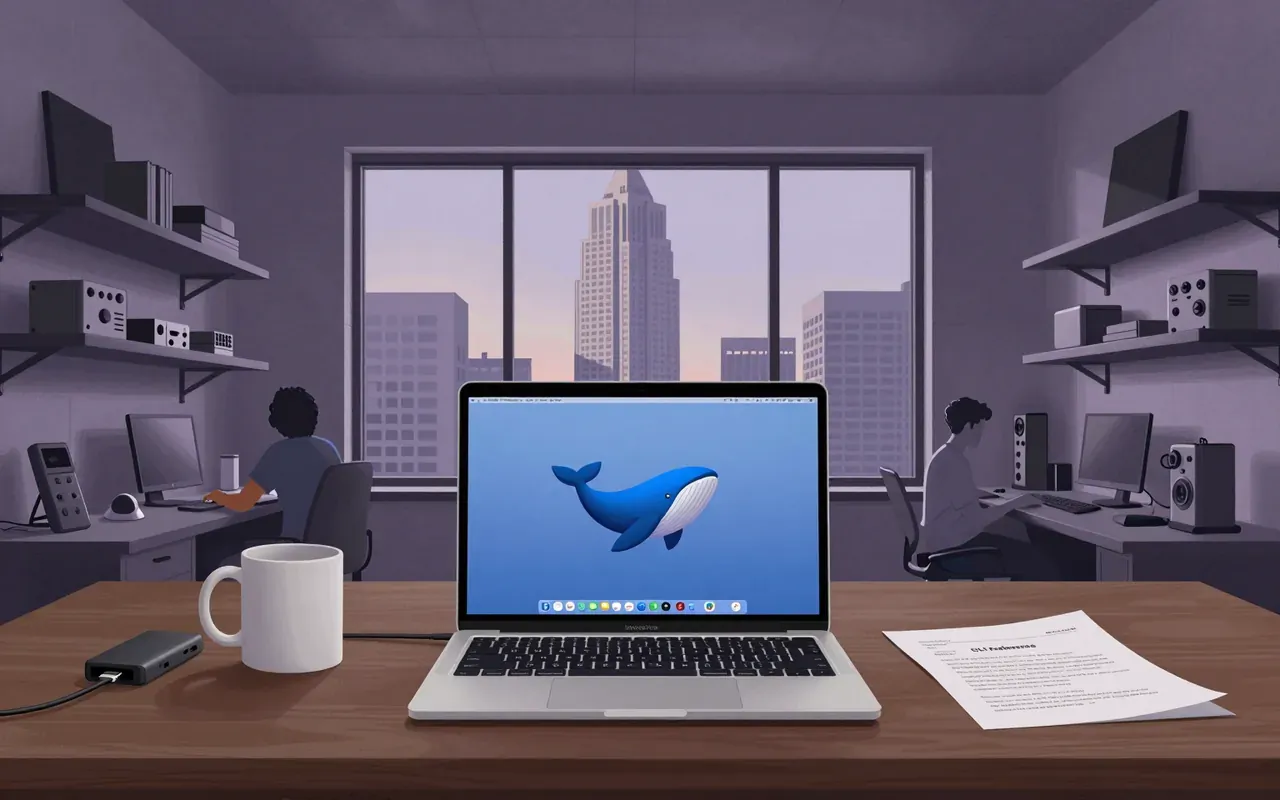

The 2016 iPad Pro is a hardware upgrade without a software foundation for professional work. It extends iOS 9’s constraints rather than replacing them.



Ruby is a deliberately opinionated scripting language that enforces object uniformity at runtime. It delivers on its promise of simplicity and expressiveness—but only within its chosen domain: developer-facing tools and applications where flexibility trumps performance or safety.
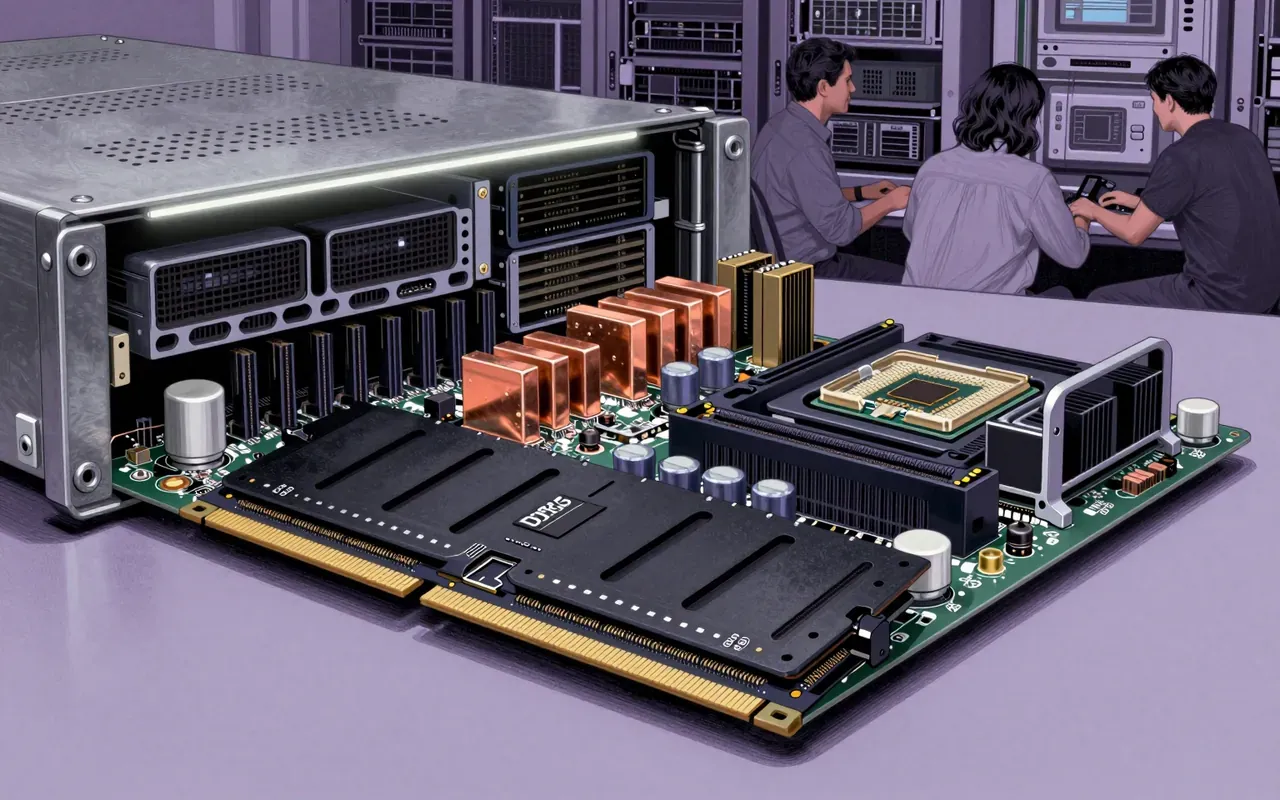





The Braun tube is a historically decisive but technically limited instrument: it proves electron beams can be displayed, but only at extreme voltage and with mechanical compromise. Its legacy lies in conception—not execution.

The articulated rotor solved dissymmetry of lift in autogyros using mechanical hinges—not powered rotation. It enabled stable forward flight and jump take-off, but did not enable hovering or VTOL. Its influence on helicopters is real but indirect: it provided the hinge architecture, not the propulsion model.
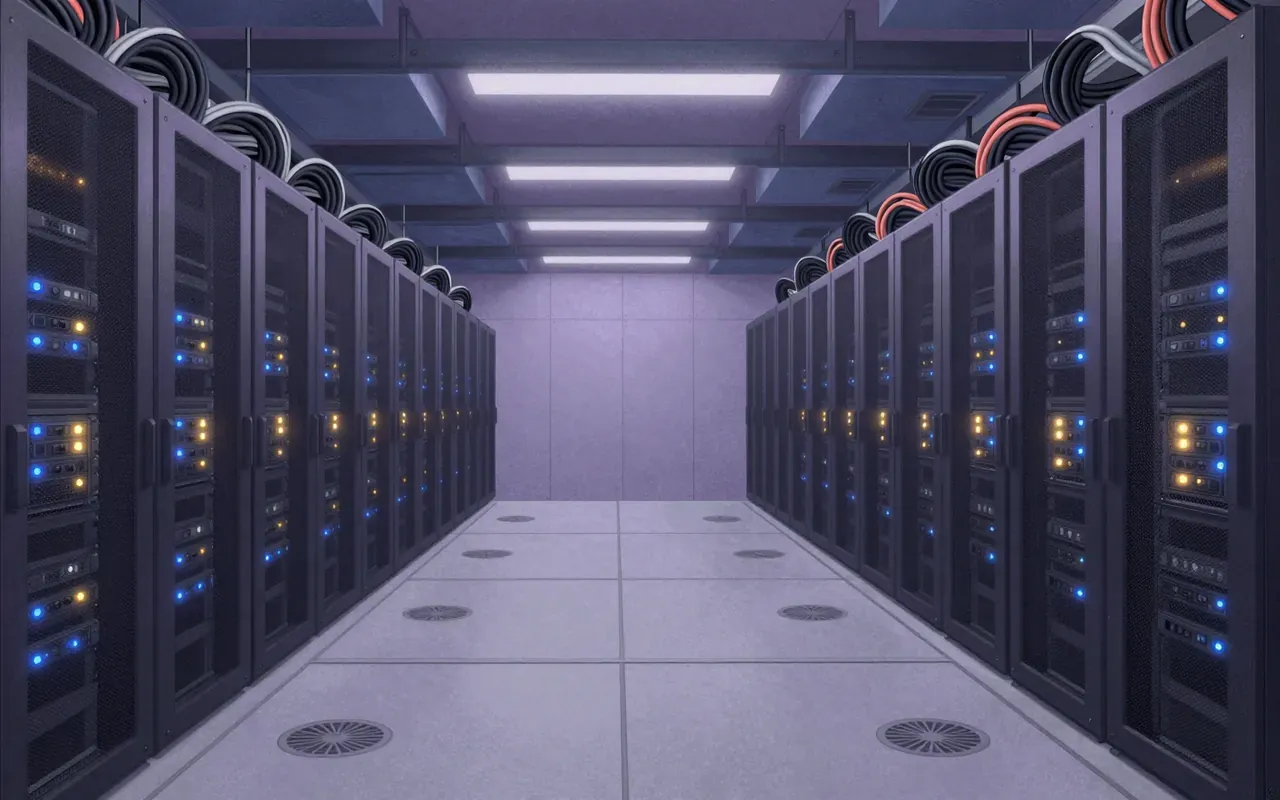
TensorFlow is a machine learning API developed by Google. It is used mainly for training and inference of neural networks. It is free and open-source software released under the Apache License 2.0. It was developed by the Google Brain team for Google's internal use in research and production. The initial version was released under the Apache License 2.0 in 2015. Google released an updated version, TensorFlow 2.0, in September 2019. TensorFlow can be used in a wide variety of programming languages, including Python, JavaScript, C++, and Java. It is one of the most popular deep learning frameworks, alongside others such as PyTorch.
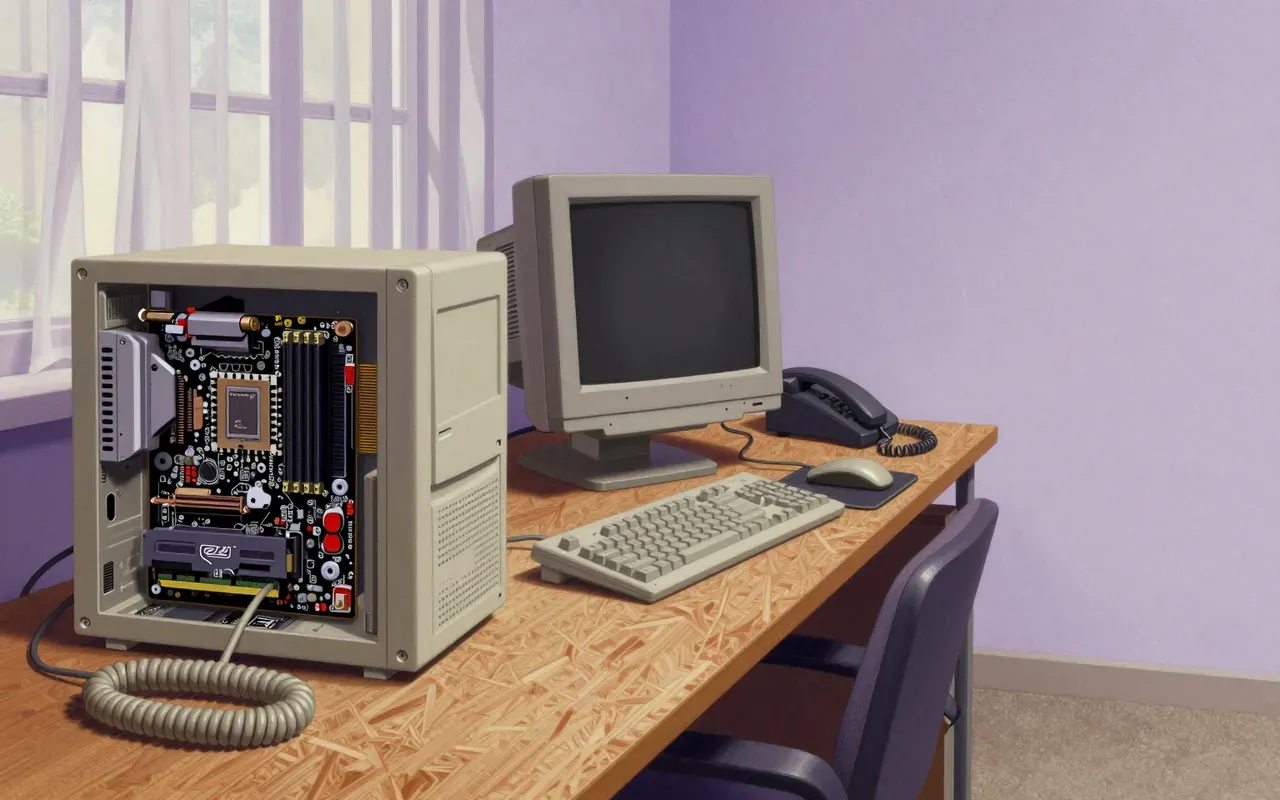
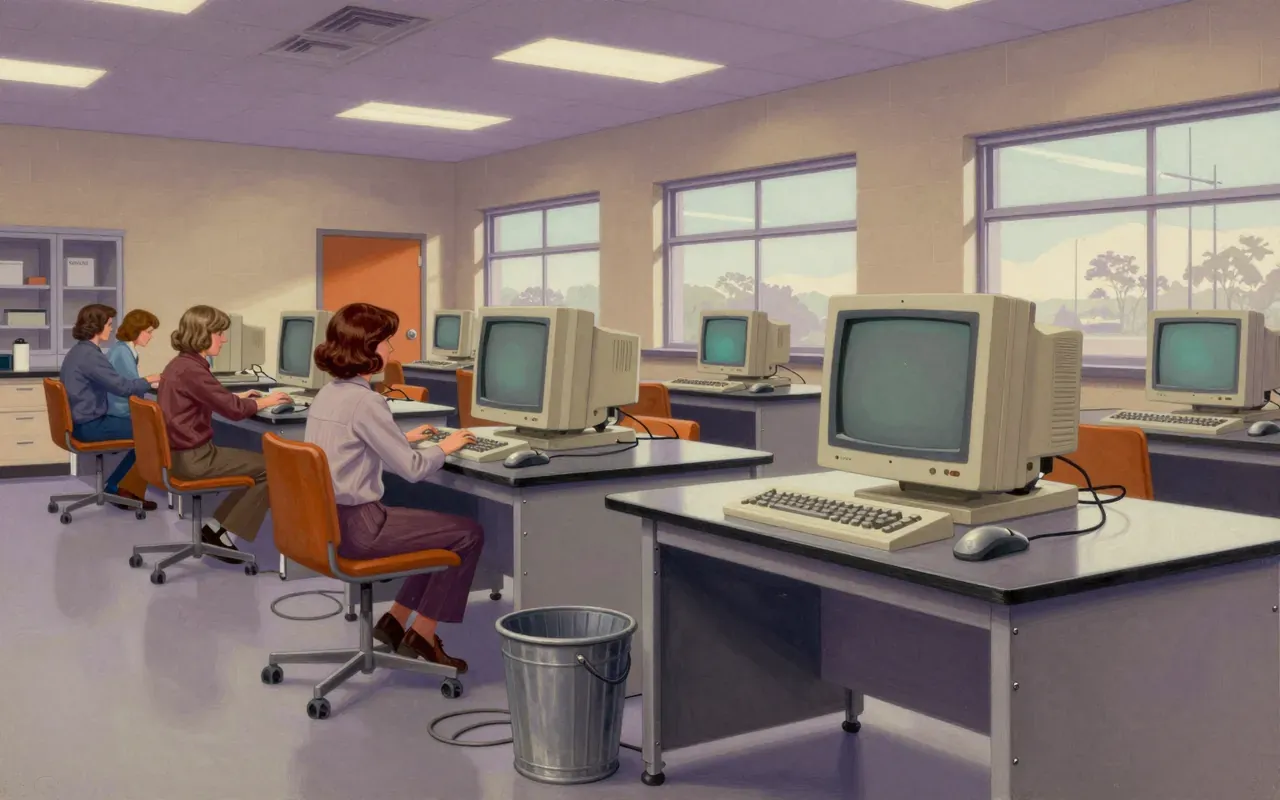



PDF delivers guaranteed visual consistency for static documents—but only by freezing layout, embedding everything, and avoiding runtime logic. Its shift to ISO control removed Adobe’s proprietary hooks, yet its security model remains brittle under active exploitation.



The Fleming valve is a two-electrode thermionic diode invented in 1904 to detect high-frequency radio signals in wireless telegraphy. It rectifies AC by permitting electron flow only from heated filament to positive anode — exploiting the Edison effect. It replaced the coherer in Marconi’s transatlantic receiver. It does not amplify. It requires continuous filament heating. It was used in radio and radar for over 50 years before being superseded by solid-state devices.
