App Store (Apple)
Apple didn’t build an app store—it built a tollbooth with a review board.
Hadoop is not a database or a query engine. It is a fault-tolerant batch-processing substrate built for scale, not speed or simplicity.
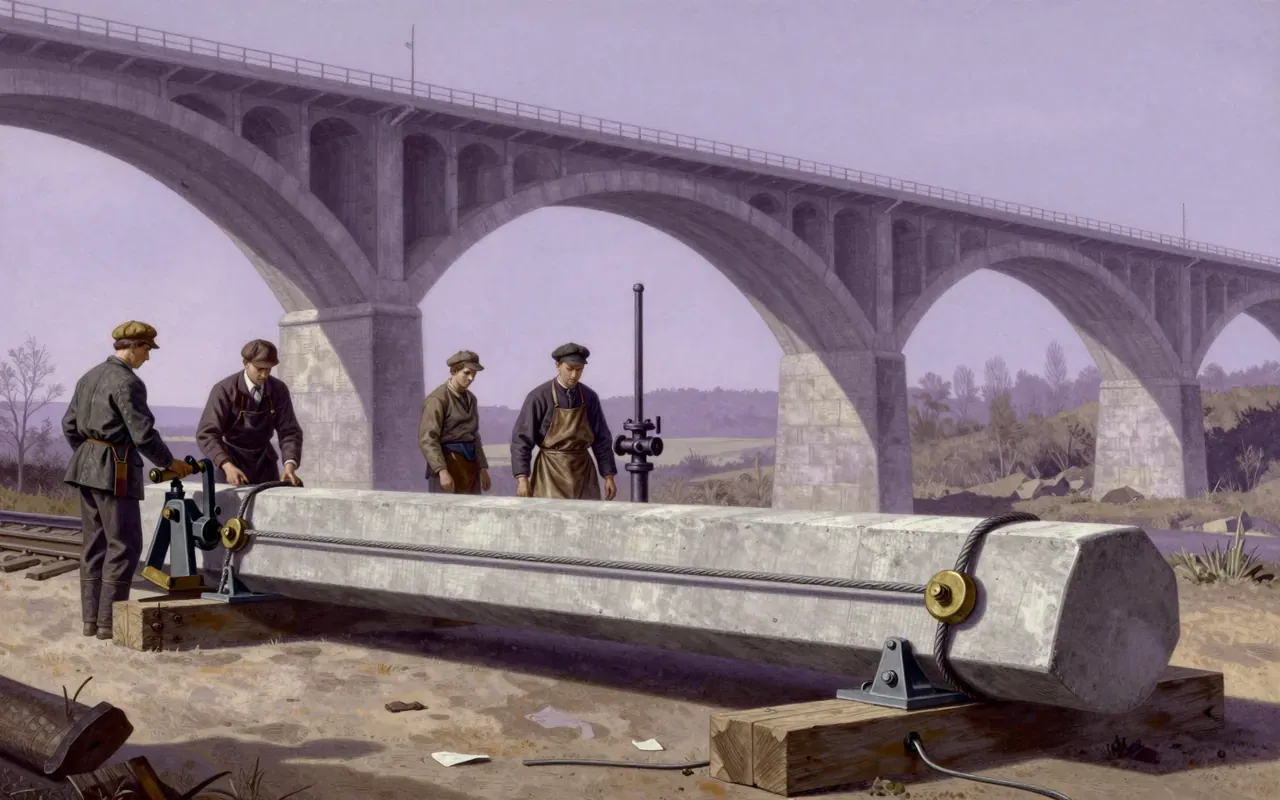
Prestressed concrete redefines concrete’s role in tension-critical structures—not by making it stronger, but by ensuring it never has to carry tension alone.


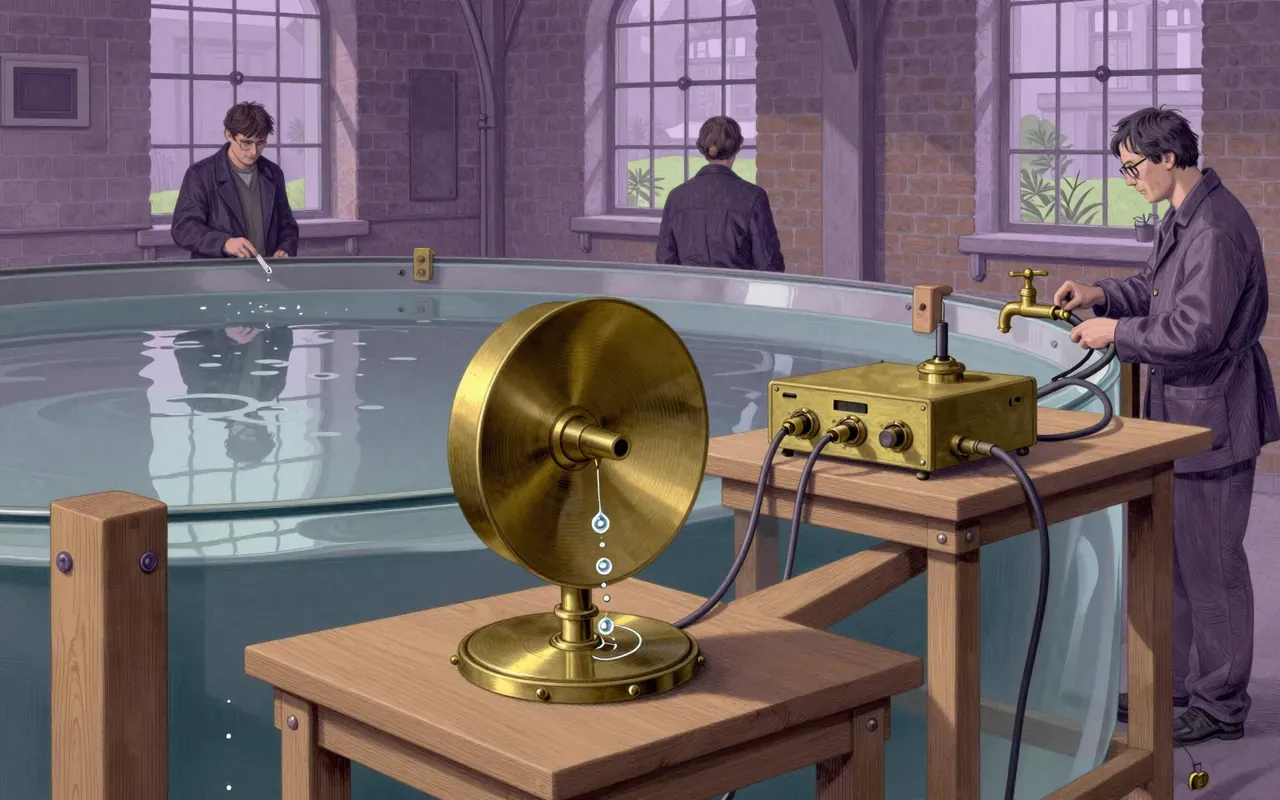
Langevin’s 1915 sonar was the first active underwater echo-ranging system. It used electrostatic and quartz piezoelectric transducers to send and receive ultrasound. Distance was calculated from signal time-of-flight. Though patented and physically demonstrated, it did not become operational before World War I ended. Electrostatic transducers were soon abandoned; quartz piezoelectric methods endured and scaled. The invention established the core mechanism of modern sonar — but delivered no tactical utility in its intended conflict.


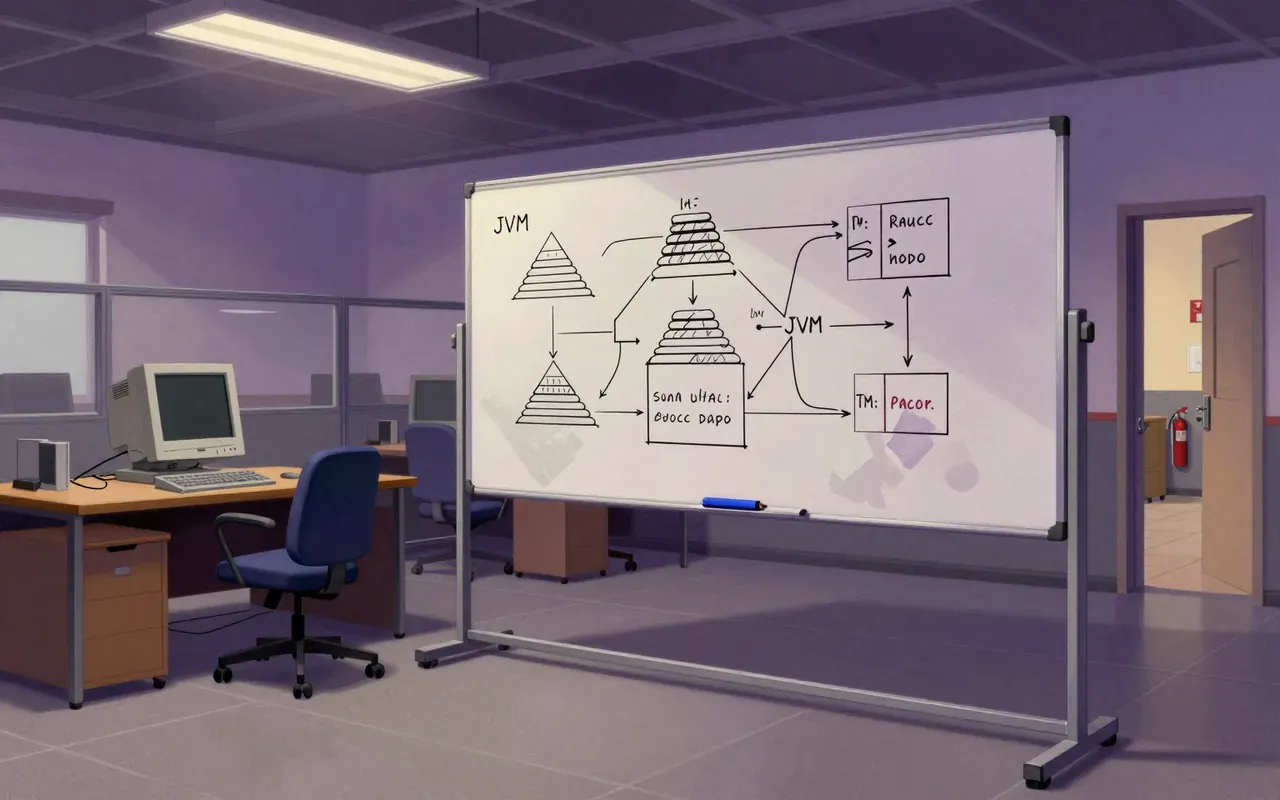
Java is a programming language built to enforce portability through mandatory compilation to JVM bytecode and strict memory safety via garbage collection and pointer omission. It solves cross-platform inconsistency at the cost of runtime overhead and abstraction rigidity. Its success rests on standardisation—not inevitability.

The rotary printing press solved the bottleneck of flatbed impression speed by rotating type cylinders against a fixed platform. It worked because rotation enabled stable, repeatable contact at scale. Its 1846 form was deployable; its 1870 web perfecting variant automated cutting and folding at 18,000 papers/hour. It did not eliminate manual feeding until the 1870 version. It changed publishing by making daily mass print economically viable. It matters for anyone studying how mechanical standardisation enables information scale.




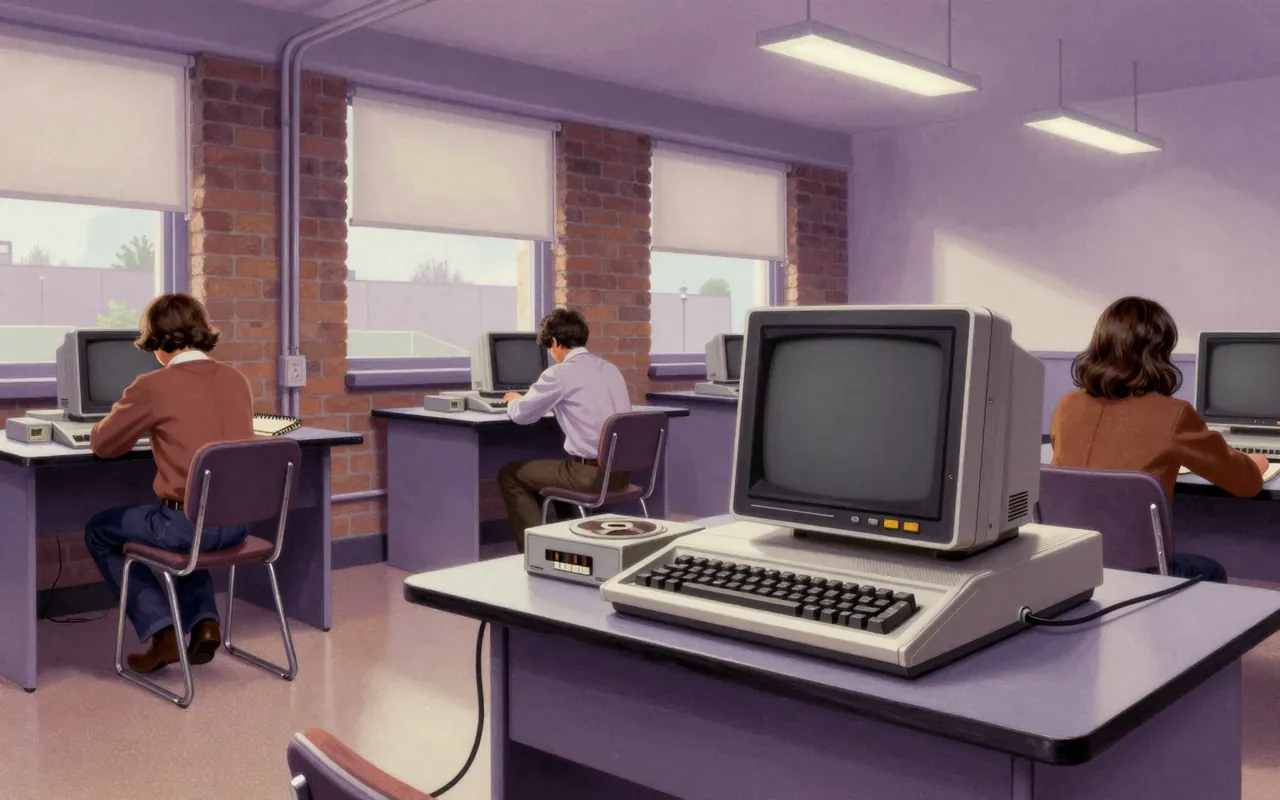

The PlayStation 2 is a home video game console developed by Sony Computer Entertainment, first released in Japan on March 4, 2000. It is the successor to the original PlayStation and a sixth-generation console that competed with Nintendo's GameCube, Sega's Dreamcast, and Microsoft's Xbox. It featured a built-in DVD drive and full backward compatibility with original PlayStation games and accessories. Its hardware included a custom-built Emotion Engine processor co-developed with Toshiba. It remains the best-selling video game console of all time, having sold 160 million units worldwide.


The IBM System/360 established architectural compatibility as a design principle — not a marketing claim. It delivered real portability across a wide performance range using microcode and custom transistor packaging. Its limitations — no ICs, partial model incompatibility, rare max-memory deployments — are as instructive as its successes.

DVD is a standardised optical storage format invented in 1995 and released in Japan on 1 November 1996. It stores any digital data. Its key advance over CD is higher capacity—up to 17.08 GB—achieved within identical physical dimensions via tighter pit geometry and layering. It succeeded commercially for video and software distribution but failed to unify playback due to format wars (DVD±R), region locks, and copy protection.



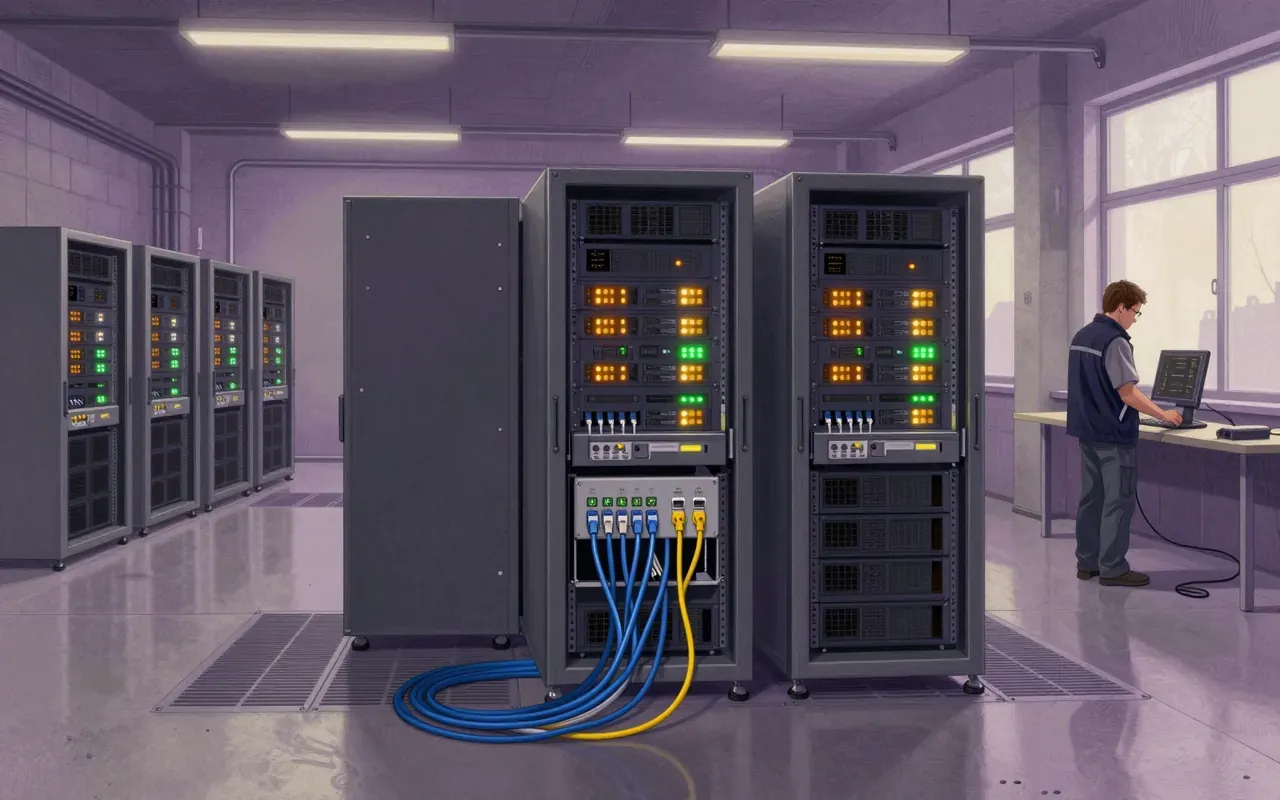
Terraform is infrastructure-as-code software developed by HashiCorp in 2014. It uses declarative configuration (HCL or JSON) and provider plugins to manage infrastructure across clouds and on-prem systems. It shifted from MPL 2.0 to BUSL on 10 August 2023, restricting commercial use by competitors and prompting the OpenTofu fork. It supports automation in large-scale service-oriented development but requires strict state management and does not enforce security or runtime behaviour.








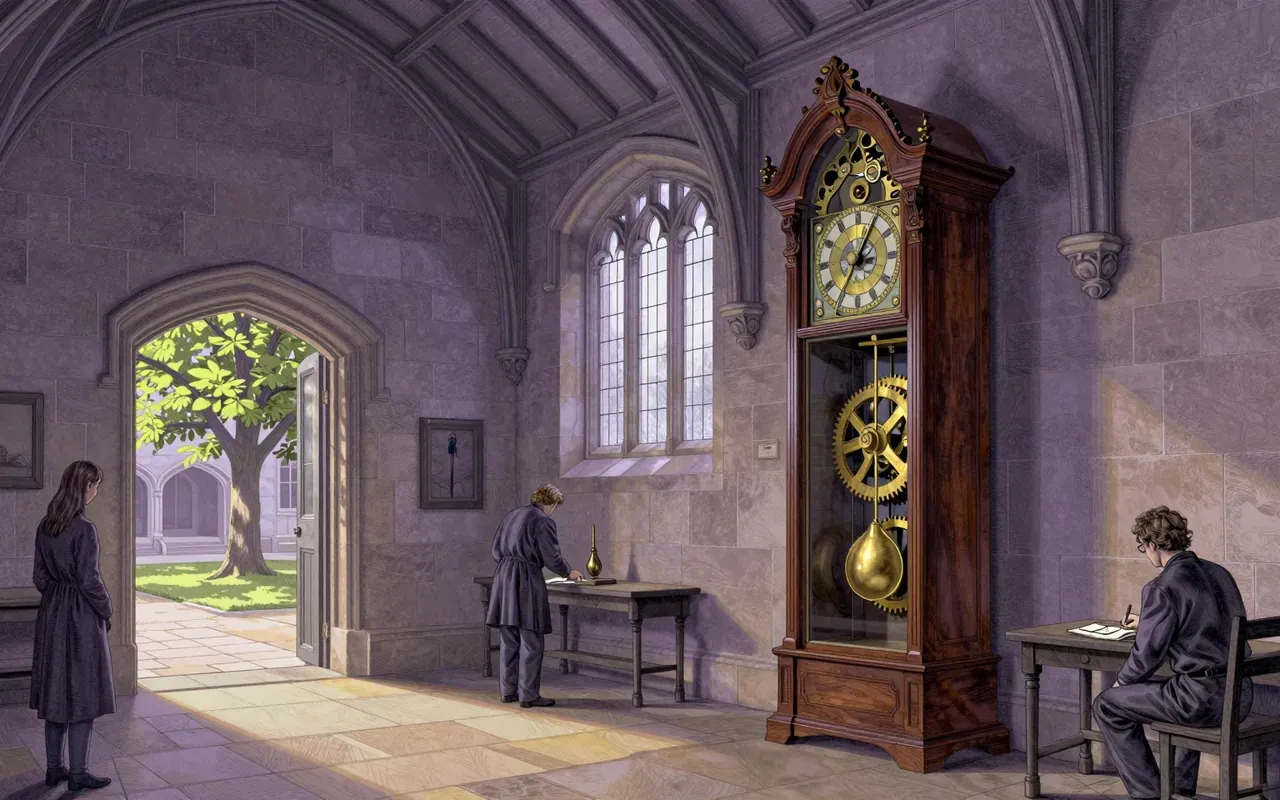

The AED is not one invention but three: Beck’s 1947 surgical intervention, Pantridge’s 1957 portable ambulance unit, and the Heart-Aid’s late-1970s public automation. Only the last meets the definition of 'automated external'. Its mechanism—real-time ECG analysis, voice-guided operation, and rhythm-dependent shock delivery—removes interpretation from the user. But it only works if pads are correctly placed and the patient is untouched during analysis. It does not diagnose other rhythms. It does not treat asystole or PEA. Its value lies in speed, not intelligence.
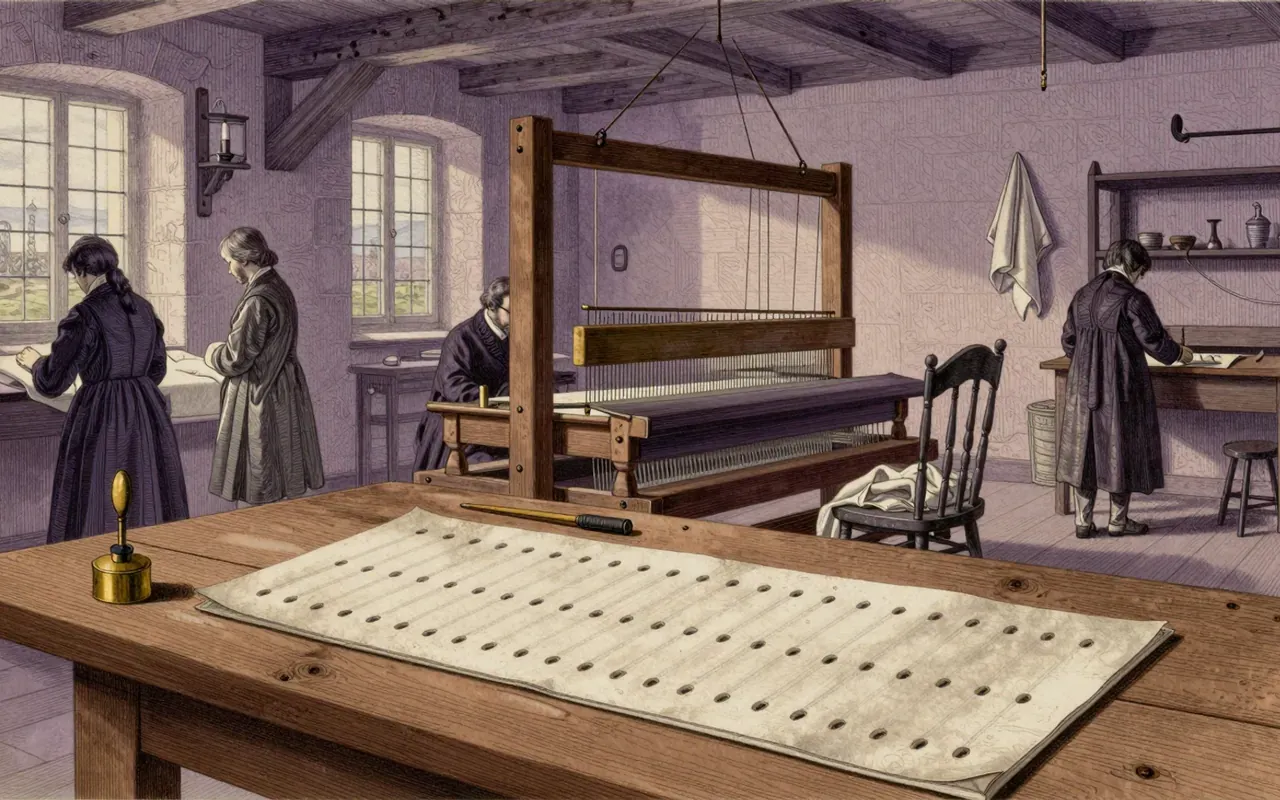
The Jacquard machine automated textile pattern weaving using replaceable punched cards — each encoding one row — to control warp threads individually. It improved fabric definition by drawing the figuring shed on every shot, not every fourth. It built directly on Bouchon, Falcon and Vaucanson, replaced Vaucanson’s paper strip with Falcon’s card chain by 1805, and was declared public property that year. Its use of external, swappable instructions influenced Babbage and became a conceptual precursor to programming — though it performed no computation, stored no state, and had no logic.




The Wright brothers solved the flying problem by inventing a three-axis control system—not an engine or airframe—but their patent, glider, and first flight all hinge on one insight: without reliable pilot control, powered flight is impossible.

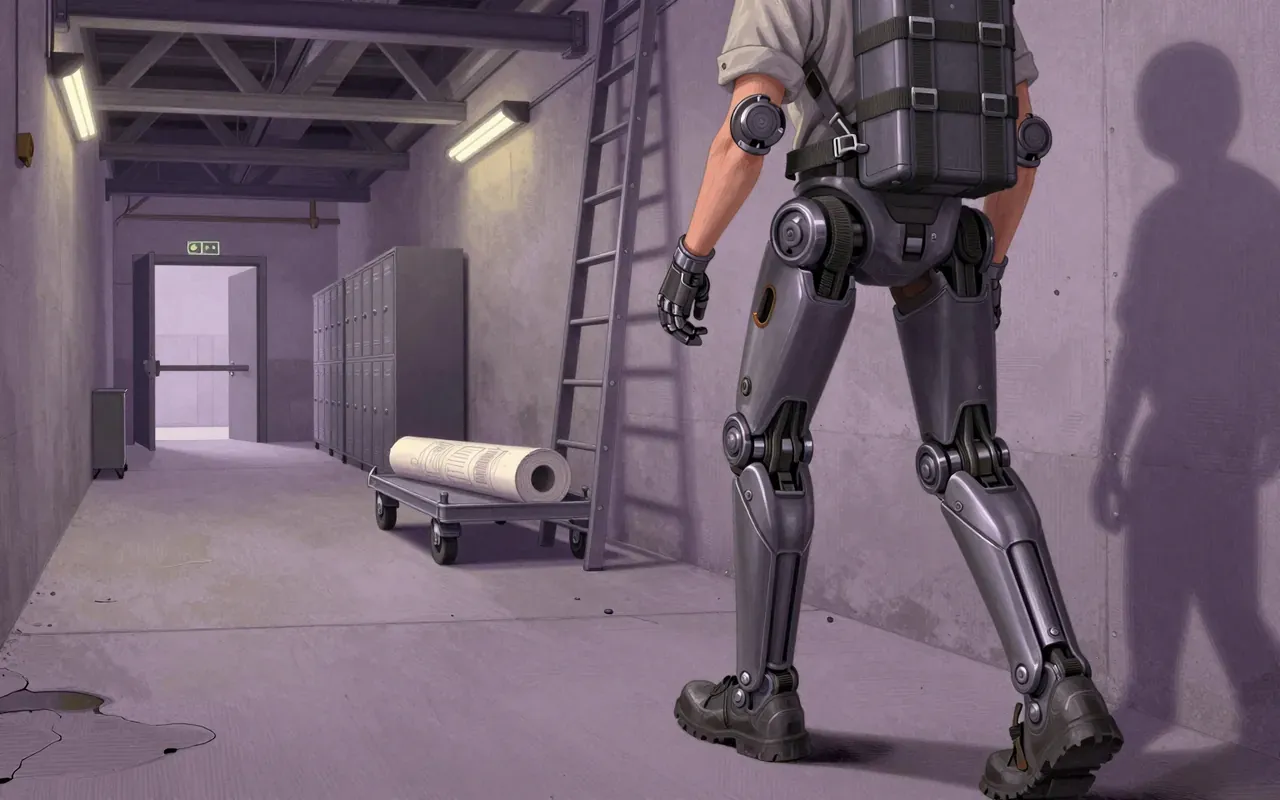
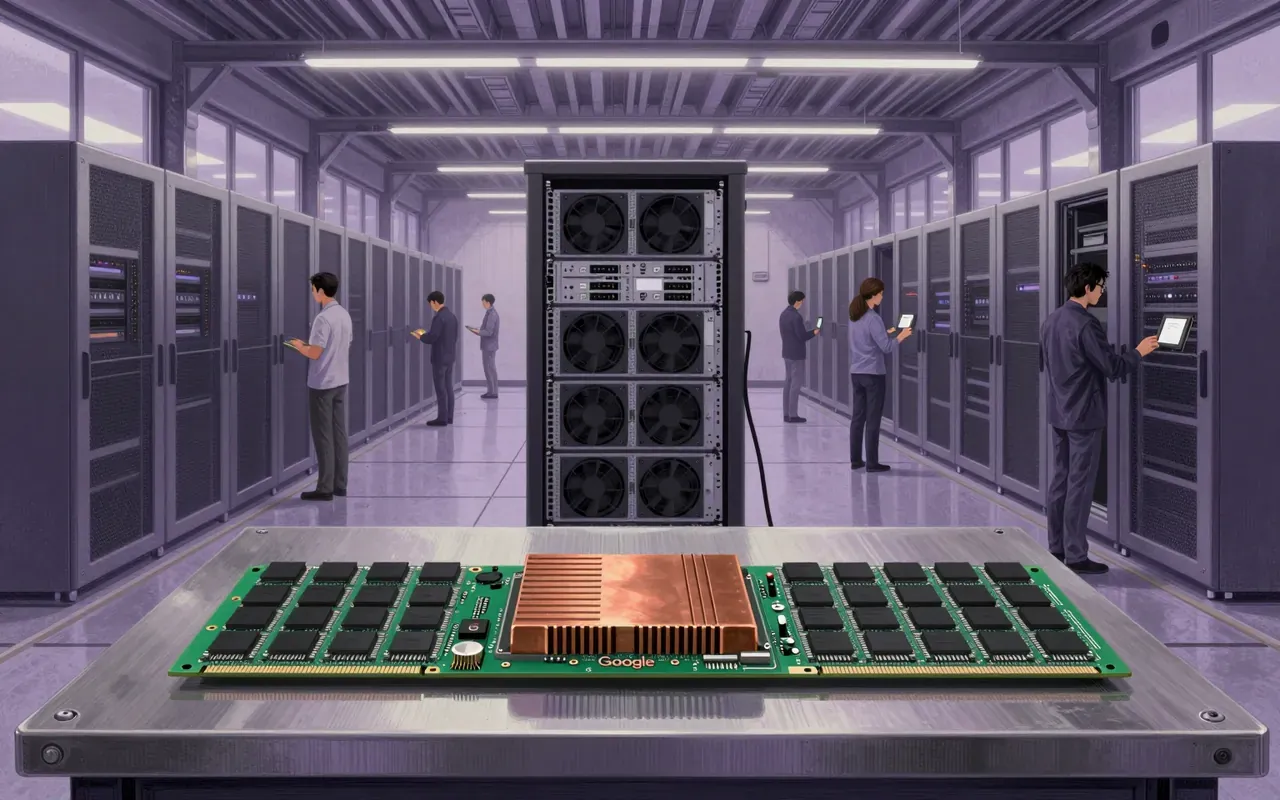

USB-C is a 24-pin reversible physical connector standardised by the USB-IF in August 2014. It replaces all prior USB connectors—designated legacy that year—and also supplants Mini DisplayPort and Lightning as a physical interface. Its capabilities depend entirely on supporting protocols (e.g., USB 3.2, USB4, Thunderbolt) and optional features like Power Delivery and Alternate Modes. USB4 (2019) is the first USB protocol usable only over USB-C. The standard mandates mechanical reversibility and symmetry but delegates electrical and logical behaviour to the Configuration Channel and external specifications. Compliance, certification, and security extensions—including Authentication and E-Marker chips—are defined across multiple revisions.

JPEG is a 1992 DCT-based lossy compression standard. It delivers predictable 10:1 size reduction with acceptable visual trade-offs. It defines only the codec—not the file format. Its lossless mode is unused. It remains dominant not by superiority but by inertia.
MongoDB is a document-oriented database program released in February 2009. It uses JSON-like BSON documents with optional schemas. It implements its own query language (MQL). It supports indexing with primary and secondary indices. It provides high availability via replica sets. It scales horizontally using sharding. It can be used as a file system called GridFS. It is source-available and designed for unstructured data. It added ACID transactions to broaden enterprise appeal. It launched Atlas, a SaaS offering, in 2016. It replaced AGPL with the Server Side Public License in 2018. As of 2025, it ranked fifth among database software and served over 65,200 customers. Atlas became 70 percent of MongoDB's revenue by 2024.

The ISBN is a pragmatic, nationally administered, error-checked identifier for book editions. It succeeded because it solved a narrow operational problem—inventory control—with minimal abstraction. It does not describe content, authorship, or meaning. Its longevity comes from institutional adoption, not technical elegance.


Blockchain is the public, distributed ledger Nakamoto built for bitcoin in 2008–2009. It uses cryptographic hashing, proof-of-work, and difficulty adjustment to prevent double-spending without central control. It works—but at high energy cost, low throughput, and contested governance.



MySQL AB’s 2001 product was a lightweight, open-source RDBMS built to replace mSQL. It solved developer pain around speed and licensing—but deferred complexity into operational trade-offs. Its success hinged on embedding itself into LAMP, not on technical superiority.
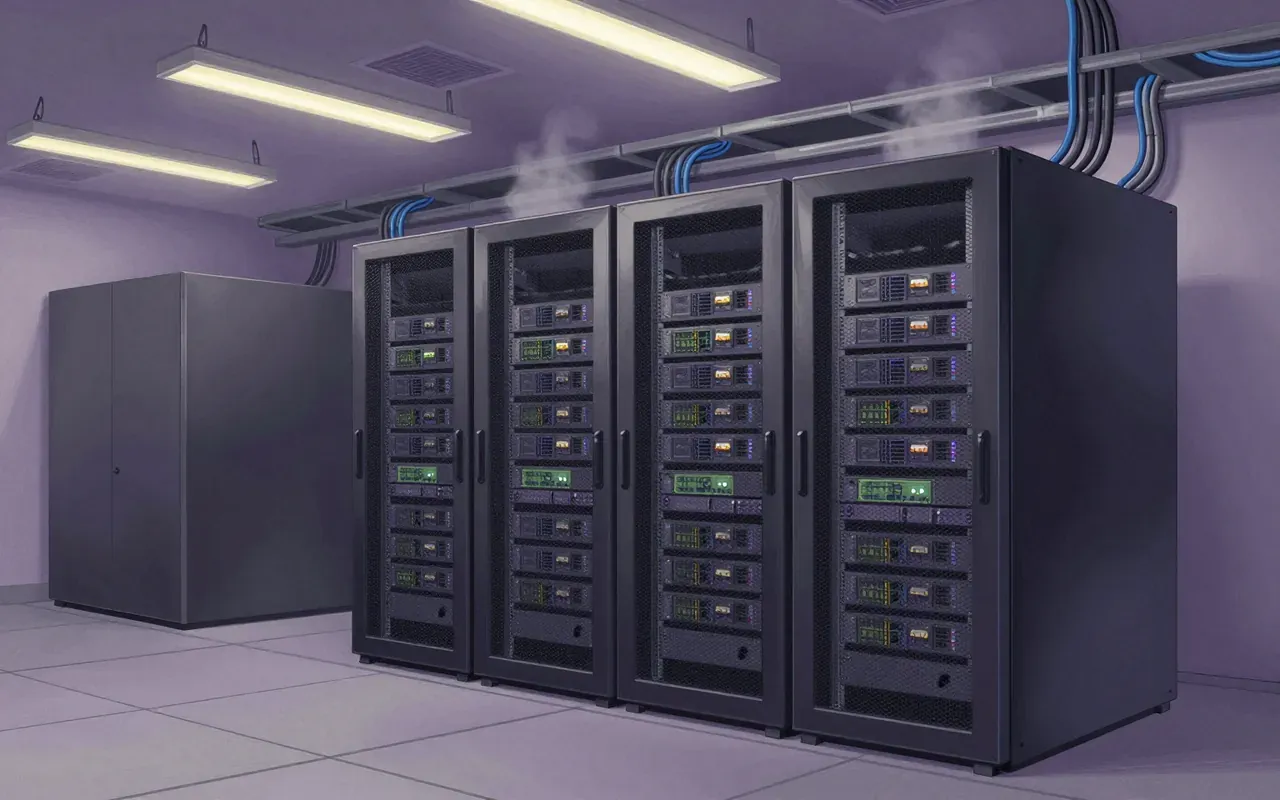
Redis is an in-memory key-value database introduced in 2009 by Salvatore Sanfilippo to solve scalability issues at his startup LLOOGG. It delivers low-latency operations by holding all data in memory and using the fork system call to enable concurrent client service and disk persistence. It supports two persistence methods—RDB snapshotting and AOF journaling—with journaling introduced in version 1.1 and considered safer. Default configuration limits data loss to a few seconds upon full system failure. Redis supports master-replica replication with hierarchical trees and introduced clustering in April 2015 with version 3.0. It grew into one of the world’s most popular databases for caching, message brokering, and primary storage. In December 2024, Sanfilippo returned to Redis and implemented the Vector Set data structure for vector similarity search.



Fitbit is a hardware product that delivers verified, location-dependent accuracy for step counting and heart rate—but fails at wrist-based calorie estimation and caused documented allergic reactions. It changed consumer expectations for passive tracking, not clinical standards.
TypeScript is a compiler-layered static typing system for JavaScript. It solves scalability problems in large codebases by enabling early error detection and better tooling — without breaking compatibility. Its mechanism is transpilation, not runtime enforcement. Its biggest win is developer velocity in complex projects — proven by the 8–12× speedup in TypeScript 7.0. Its cost is added complexity and no runtime guarantees.
Silicon Graphics built the first practical hardware-accelerated 3D graphics systems. Its Geometry Engine — designed at Stanford under ARPA — delivered ~6 million geometry operations per second. It pioneered scalable cc-NUMA architectures in the mid-1990s. But its reliance on proprietary MIPS and failed transitions to Itanium and Xeon eroded its position as PC graphics commoditised. It filed for bankruptcy in 2009.



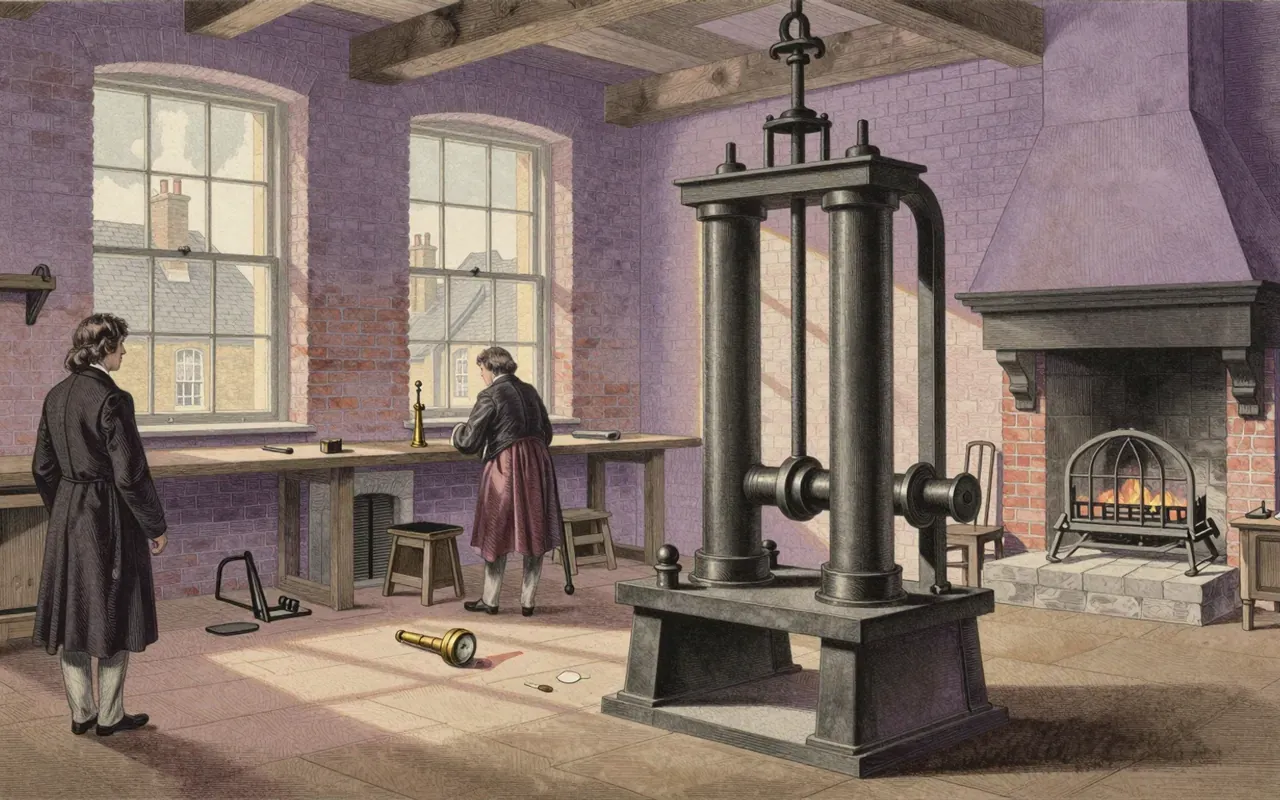
The hydraulic press is a force-amplifying apparatus built on Pascal’s principle. Bramah patented it in 1795. It works. It scales. It leaks. It endures.

Eastman did not invent photography. He invented the first scalable, separable, service-integrated imaging system — and made it flammable, proprietary, and profitable.


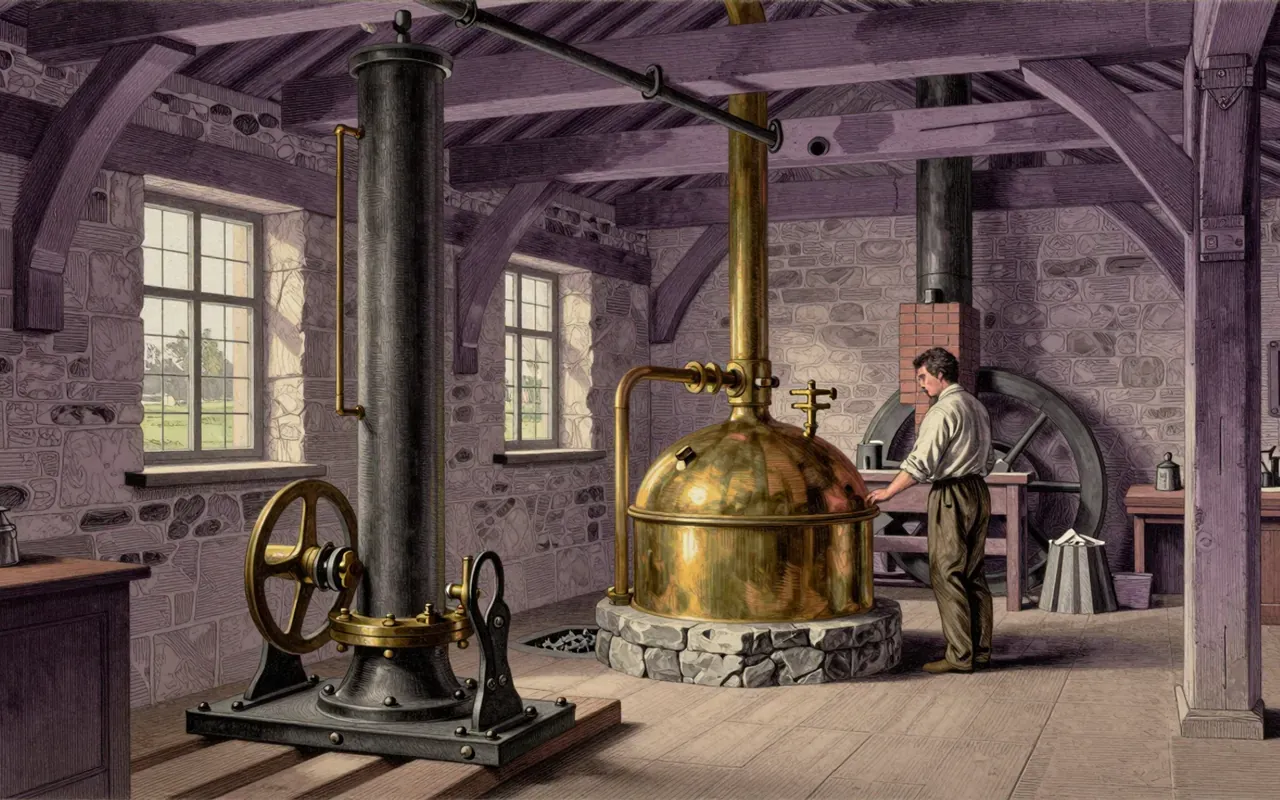
The Watt steam engine is not a leap forward in power—it is a correction of thermal waste. It separates condensation from the cylinder so steam condenses cold while the cylinder stays hot. This cut coal use in half versus the Newcomen engine. But the 1776 version delivered only reciprocating motion for mine pumps. Rotary motion, double-acting operation, and expansive steam were later additions—not features of the original commercial engine.






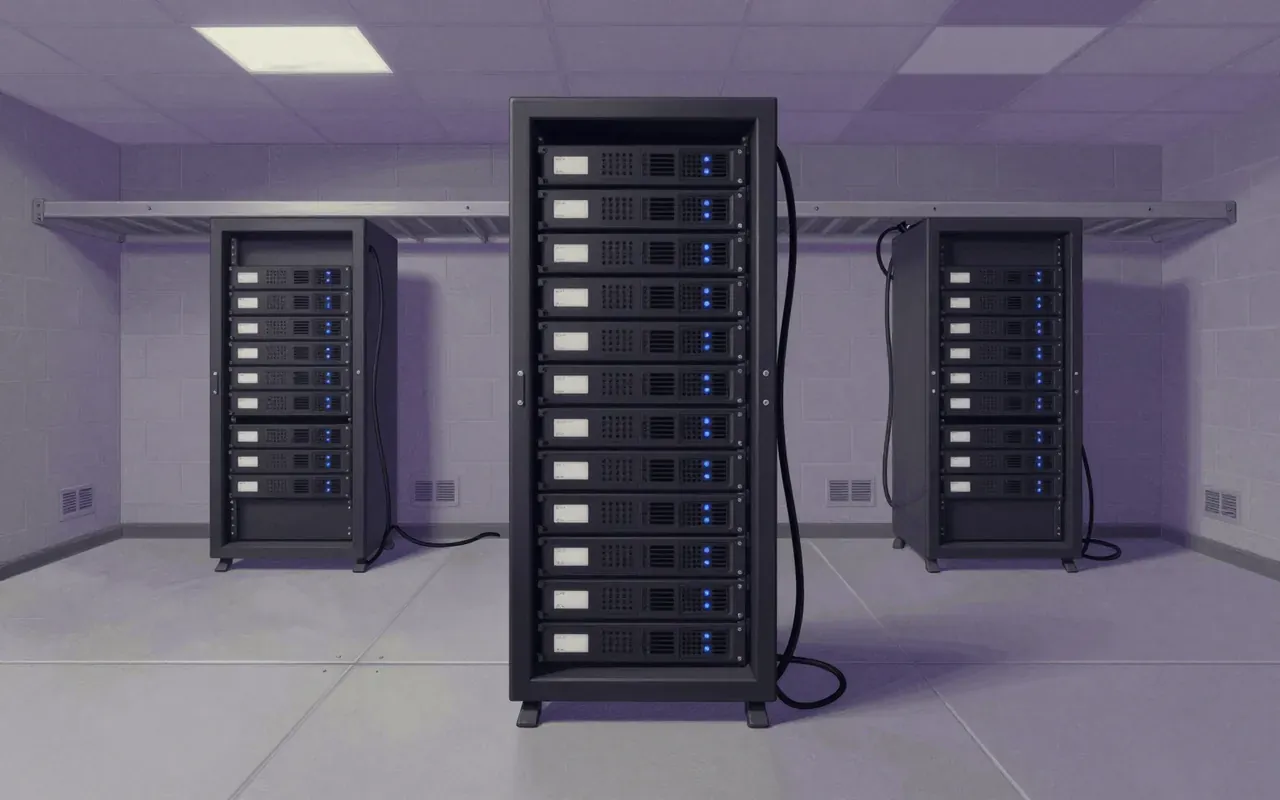
Cassandra is a distributed, wide-column database built for write-heavy, multi-datacentre workloads. It prioritises availability and scalability over consistency. It requires upfront schema design aligned to access patterns. It was developed at Facebook for inbox search and released open-source in July 2008.