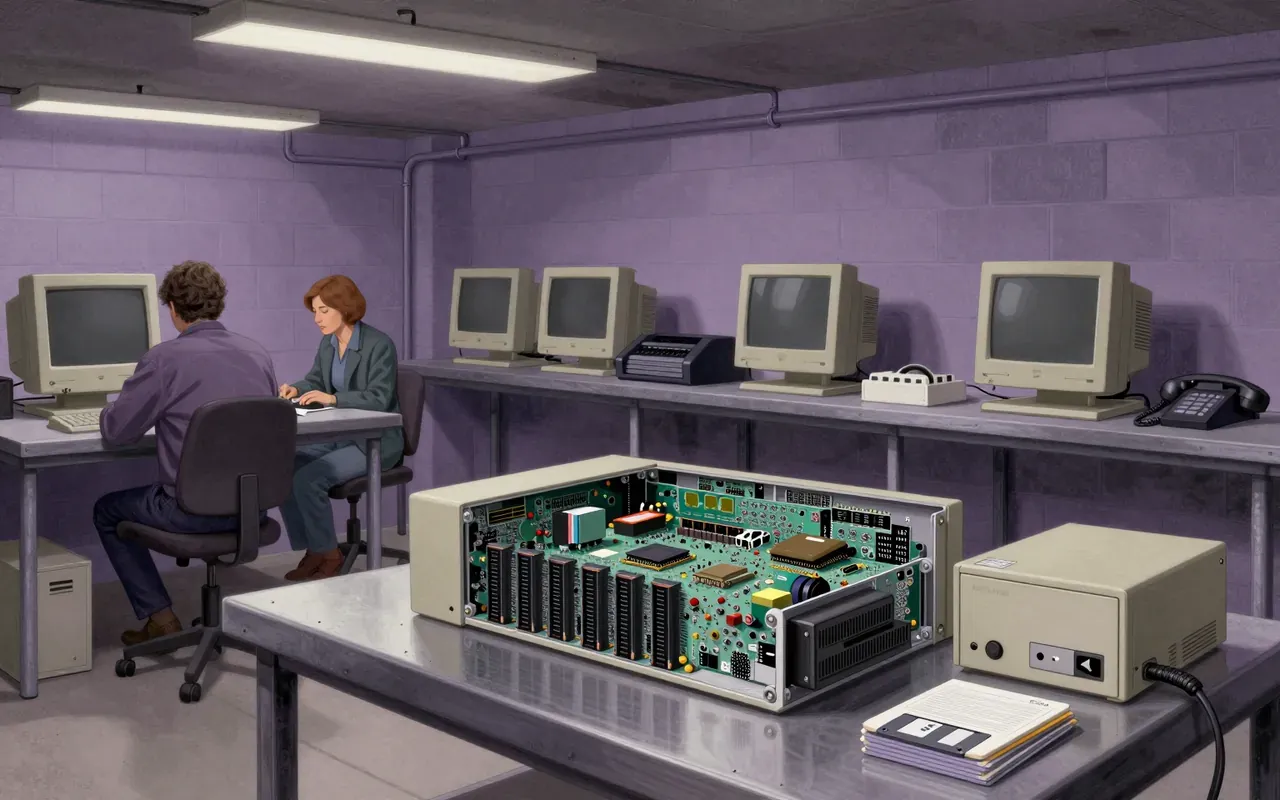
IBM Personal Computer XT
A hard drive bolted to a PC doesn’t make it smarter—it just makes forgetting harder.


Neo4j is a graph database built for relationship-heavy workloads. It delivers expressive querying and transactional safety—but horizontal scaling, vector search, and unified standards arrived over a decade after launch. Its value is real, but bounded by what it ships—not what it promises.

C++ is a systems programming language that enables high-level abstractions without runtime overhead. It delivers performance and control—but only to those who master its intricate, unforgiving rules.

ECC is a public-key method based on elliptic curves over finite fields. Proposed independently by Koblitz and Miller in 1985. Delivers equivalent security to RSA and ElGamal with smaller keys. Security rests on the hardness of the elliptic curve discrete logarithm problem — specifically, recovering scalar k from points P and Q = kP — and on efficient yet irreversible point multiplication for appropriate parameters.
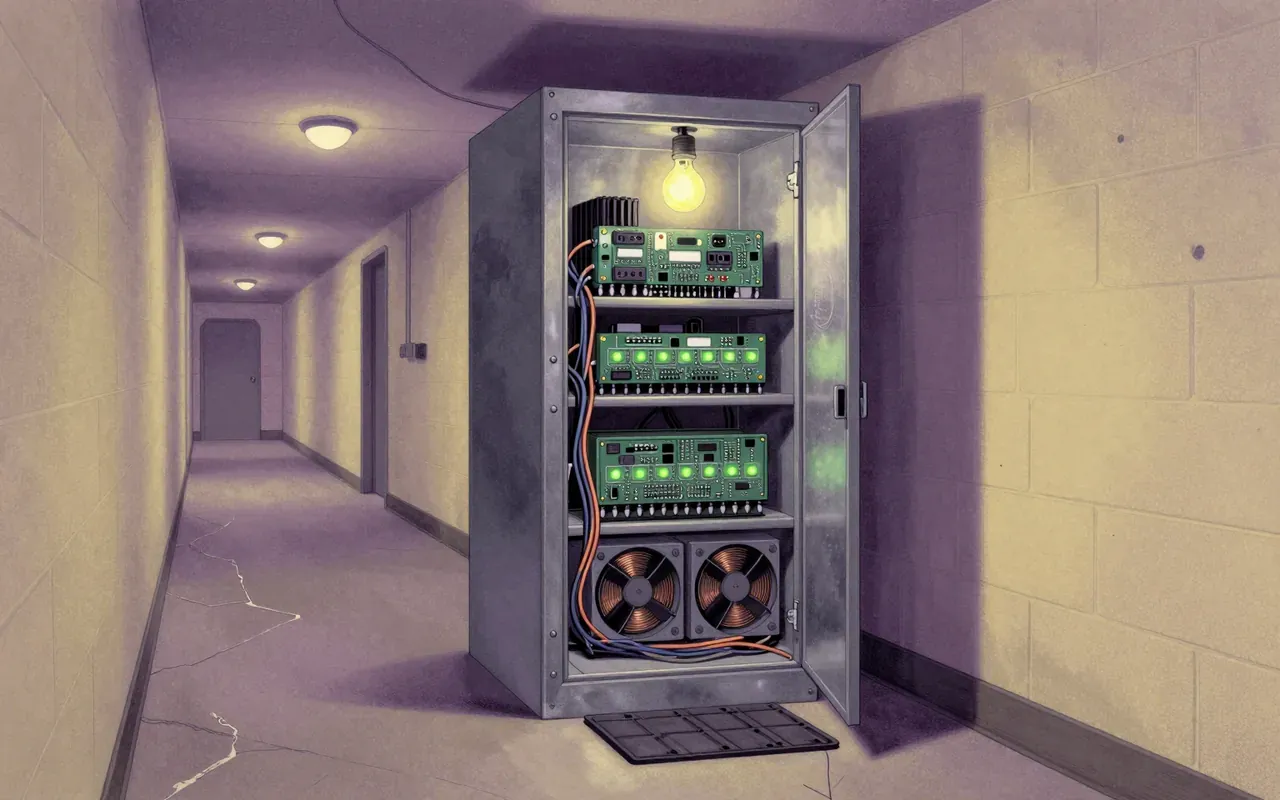




Kafka is a distributed, open-source event store and stream-processing platform developed at LinkedIn and open sourced in early 2011. It uses a binary TCP-based protocol and a 'message set' abstraction to optimise efficiency, enabling linear writes from bursty streams. It guarantees ordering within partitions, retains messages in a durable append-only log, supports manual offset management, and introduced share groups in 2025 for queue-like semantics. Kafka Connect and Kafka Streams were added in versions 0.9.0.0 and 0.10.0.0 respectively.

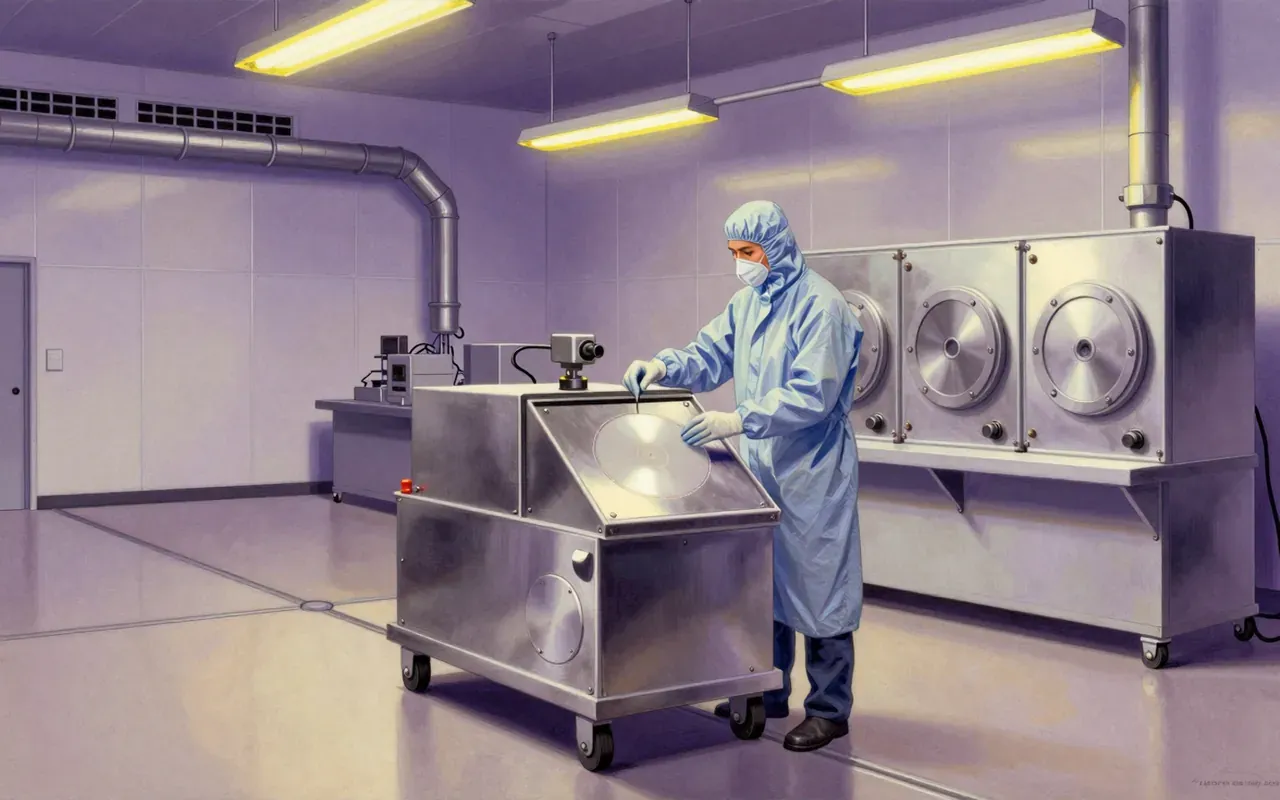


ISO 216 is the international paper size standard. It originated as DIN 476 in Germany in 1922. It was adopted globally as ISO 216 in 1975. It uses a √2 aspect ratio. Each size halves the area of the next larger size. Tolerances are specified per dimension range. It governs usage everywhere except the US and Canada.






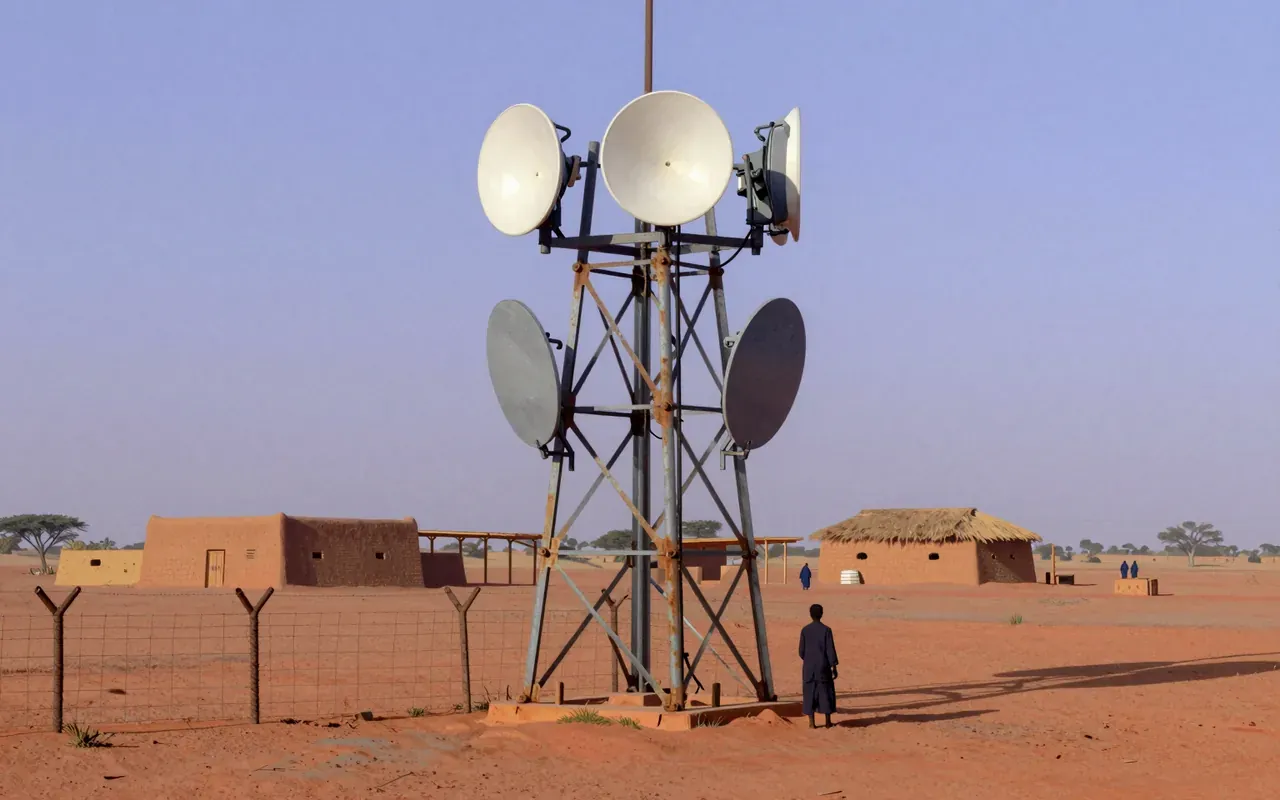








The QR code is a pragmatic, narrowly scoped hardware interface — not a digital protocol or cultural platform. It solved a specific logistics bottleneck in Japanese automotive manufacturing. Its longevity stems from mechanical robustness and open licensing, not technical novelty or user experience.
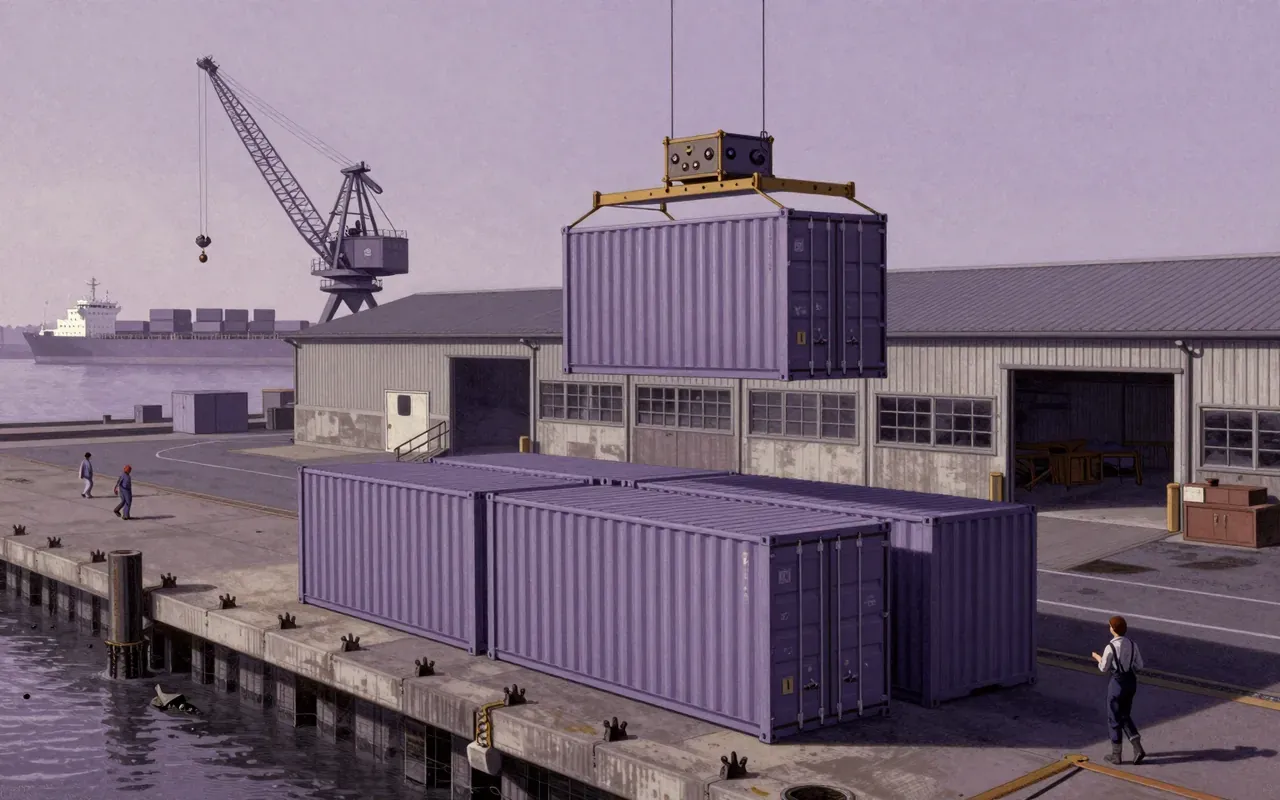
Containerization is the physical standardisation of cargo transport. It replaced break-bulk handling with sealed, stackable, crane-liftable steel boxes. McLean and Tantlinger designed it in 1955. Its twistlock corners enabled secure intermodal transfer. SeaLand released the patent in 1963. The design became the American and international standard in September 1965. It reduced cost and time. It displaced dock labour. It enabled just-in-time manufacturing. It remains the dominant form of non-bulk cargo transport.

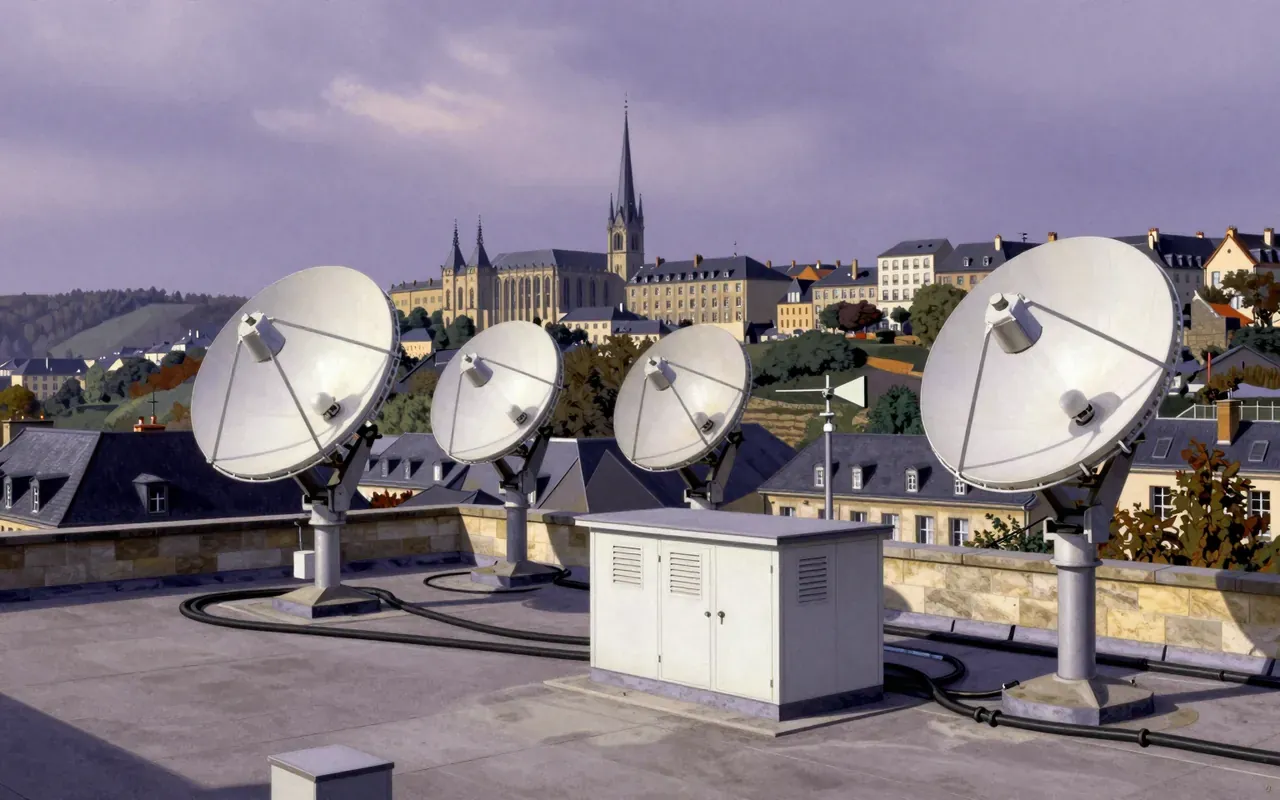


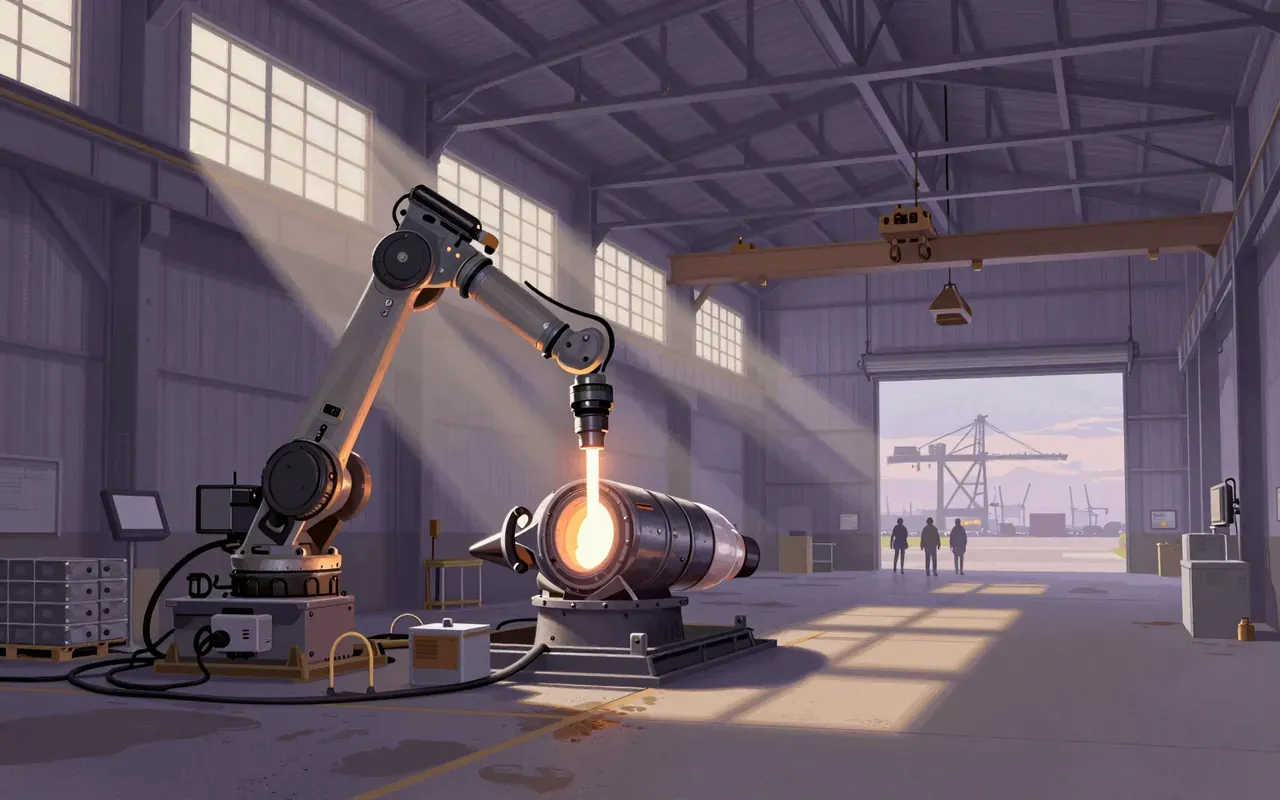
Ethereum is a decentralised mining network and software development platform enabling new cryptocurrencies and programs sharing a single blockchain. It solves the problem of building decentralised applications without forking Bitcoin or relying on centralised servers. It runs a Turing-complete virtual machine—the Ethereum Virtual Machine—specified by Gavin Wood in the Yellow Paper. It executes smart contracts as deterministic code on a decentralised network of nodes. Consensus was originally proof-of-work; it shifted to proof-of-stake on 15 September 2022. The EVM’s instruction set is Turing-complete. Smart contracts execute deterministically across thousands of nodes. The 2022 shift to proof-of-stake cut energy use by over 99%. It supports live, interoperable token standards and composability across deployed contracts. It does not deliver on its original promise of attaching real-world assets like stocks or property to the blockchain at scale. The EVM’s Turing-completeness enables bugs, re-entrancy, and gas-exhaustion failures that have caused repeated, costly exploits. Its consensus upgrade did not resolve scalability or finality trade-offs. It changed software development by making stateful, shared computation a first-class primitive on open networks. It enabled permissionless issuance of tokens and composable financial primitives—but entrenched a model where economic incentives dominate protocol governance. Yes—if you need programmable, trust-minimised execution across untrusted parties and can absorb the cost, complexity, and risk of on-chain logic. No—if you require predictable latency, low cost, or formal verification guarantees.






The Wii is Nintendo’s seventh-generation home video game console, launched in November 2006. It prioritises accessible motion-based interaction over computational power. Its innovation is the Wii Remote—using MEMS accelerometers and infrared sensors for gesture recognition and pointing—supported by the Sensor Bar. It introduced native Internet connectivity (802.11b/g Wi-Fi and Bluetooth), digital distribution via the Wii Shop Channel, and backward compatibility with GameCube software and accessories in early models. It achieved massive commercial success—over 101 million units sold by 2016—by appealing to non-traditional audiences through intuitive controls, low price, and family-friendly software like Wii Sports. Its hardware uses off-the-shelf components, prioritising cost efficiency and energy savings over high-definition graphics or processing power.





The Corliss steam engine is a mechanically elegant solution to stationary steam inefficiency—no more, no less.




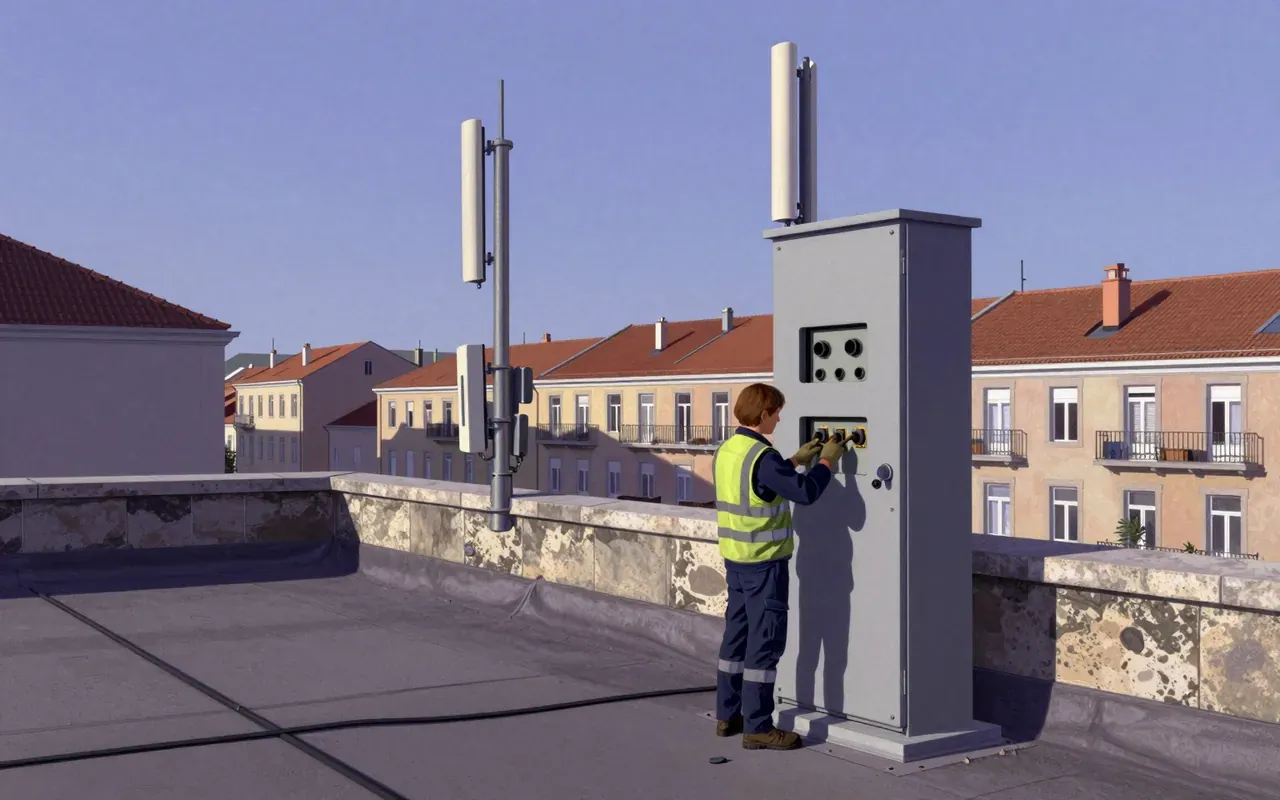
LTE is a 3GPP Release 8 standard finalised in December 2008. It replaces GSM/EDGE and UMTS/HSPA radio interfaces and the GPRS Core Network with a new air interface and IP-based Evolved Packet Core. It delivers peak downlink/uplink rates of 300/75 Mbit/s and sub-5 ms radio access network latency. It supports scalable bandwidths (1.4–20 MHz) and both FDD and TDD. It enables seamless handovers to GSM, UMTS, and CDMA2000. Its specifications span hundreds of documents per Release, organised into stages defining service requirements, architecture, and protocol implementation. It became the de facto upgrade path for carriers with both GSM/UMTS and CDMA2000 networks.

The World Wide Web solved CERN’s internal document chaos by replacing rigid hierarchies and keyword tagging with decentralised, cross-computer hyperlinks. It shipped as a working stack—browser, server, HTTP, HTML, URLs—by December 1990. It assumed voluntary adoption, required no central authority, and offered no search or persistence. Its 1993 royalty-free release enabled scale—but not control.



The 1835 Moore combine was a singular integration of three harvest operations — reaping, threshing, winnowing — in one horse-drawn machine. It proved the concept could function at scale (20+ ha by 1839) but introduced no labour savings, required massive animal power (20 horses), and left no operational legacy. Its importance is archival, not agronomic.



The Sega Genesis is a 16-bit fourth-generation home video game console adapted from Sega's System 16 arcade board, using a Motorola 68000 CPU and Zilog Z80 sound controller, released in Japan in October 1988 and North America in August 1989, playing over 800 ROM cartridge games, supporting add-ons like the Power Base Converter for Master System compatibility, and backed by two network services: Sega Meganet and Sega Channel.








AirPods are Apple-designed wireless Bluetooth earbuds announced 7 September 2016 and launched 20 December 2016. They use optical sensors and accelerometers to detect ear placement and pause audio automatically. A proprietary W1 SoC chip enables efficient Bluetooth 4.2 audio and battery management. Full feature support requires iOS 10, macOS Sierra or watchOS 3 or later. On non-Apple devices, they function only as standard Bluetooth headphones. Within two years, they became Apple’s most popular accessory.







Pascal is a disciplined, small-language experiment from 1970. It delivers on teaching structured programming and safe data modelling. It fails as a general-purpose systems language. Its influence lies in its constraints — not its adoption.




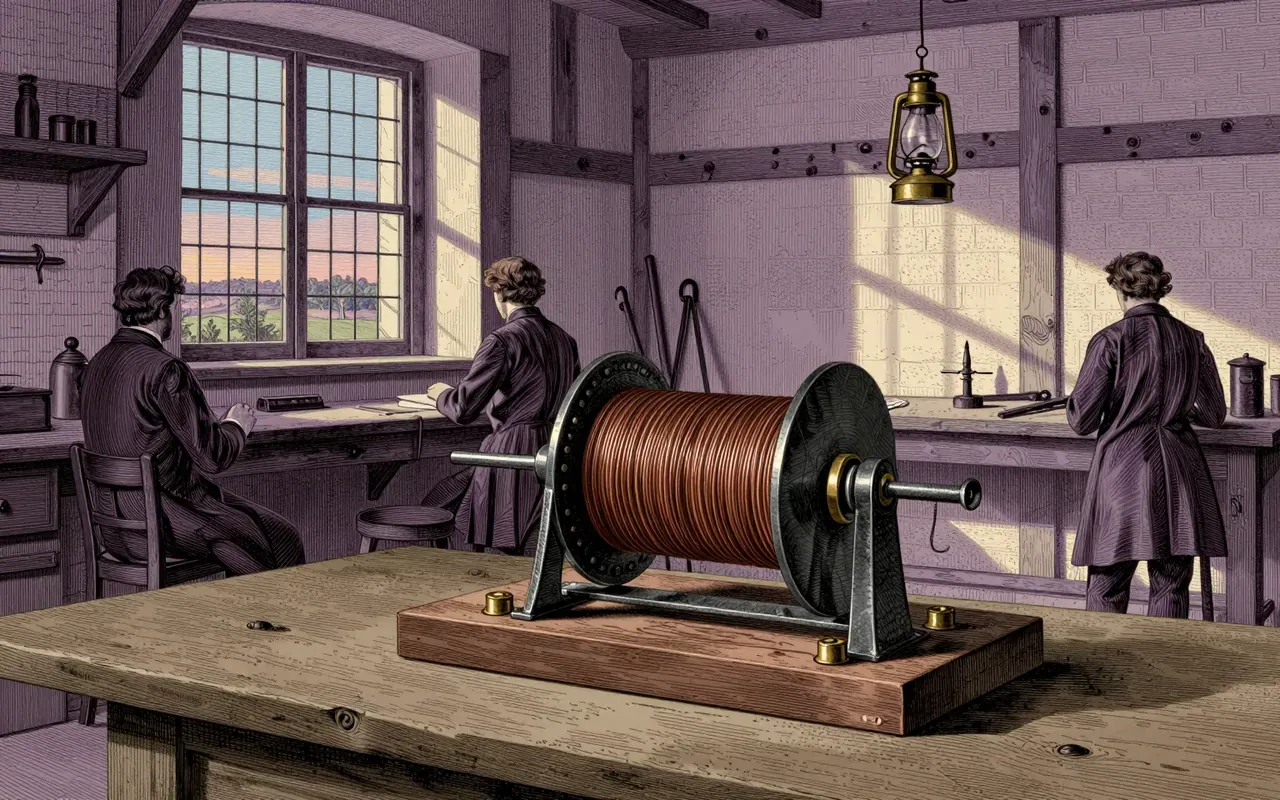

The spinning mule is a hybrid spinning machine invented by Samuel Crompton between 1775 and 1779. It combines Arkwright’s roller drafting with Hargreaves’s moving carriage to produce strong, thin, uniform yarn—specifically for muslin—using an intermittent draw-and-wind process. Its first version had 48 spindles and produced one pound of 60s thread daily. It raised yarn value sharply: 80s thread sold for 42 shillings per pound versus 14 shillings for coarser 40s. But its stop-start operation limited throughput and required manual intervention for clamping and reversal—making it powerful for quality, not speed.
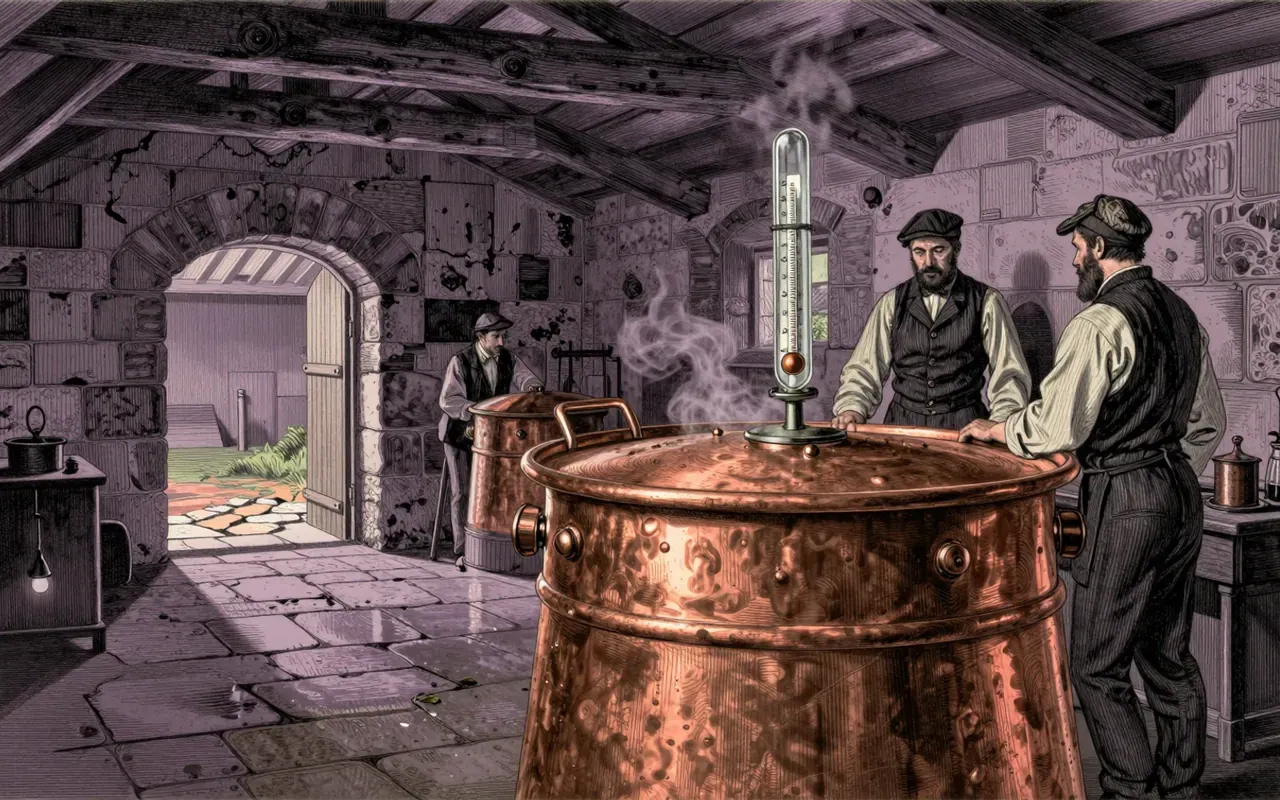
Pasteurization is a calibrated thermal intervention that stops microbial spoilage in liquids by killing vegetative bacteria and deactivating enzymes — without sterilising. It works because Pasteur proved microbes cause spoilage, not oxidation or time. Its limits are strict: spores survive, and efficacy depends on uniform heat delivery to every particle. It changed food safety from craft tradition to measurable process — but only where temperature can be controlled, verified, and sustained.


Grove’s fuel cell is a foundational experiment, not a functional technology. It demonstrated atomic reversibility, not power generation.


The Lippershey telescope is not the origin of astronomy—it is the origin of optical procurement. It works. It is limited. It was copied before it was patented. Its legacy is procedural, not optical.