technologybriefs
Longest first

All briefs

620 briefs · 6210 min · 481–576 on page 6 of 7
9:24

LED display

Nick Holonyak

The LED display is not Holonyak’s invention — it is HP’s. Holonyak’s 1962 GaAsP LED enabled it. HP’s 1969 Model 5082-7000 was the first intelligent, IC-integrated numeric display — fast, solid-state, low-power, and monochromatic. It displaced Nixie tubes but could not render text, graphics, or colour. Later all-LED flat panels remained monochrome and experimental.

9:24

Ericsson

Ericsson didn’t build the future—it built the switches, the standards, and the silence between promises and deployments.
9:24

Bicycle

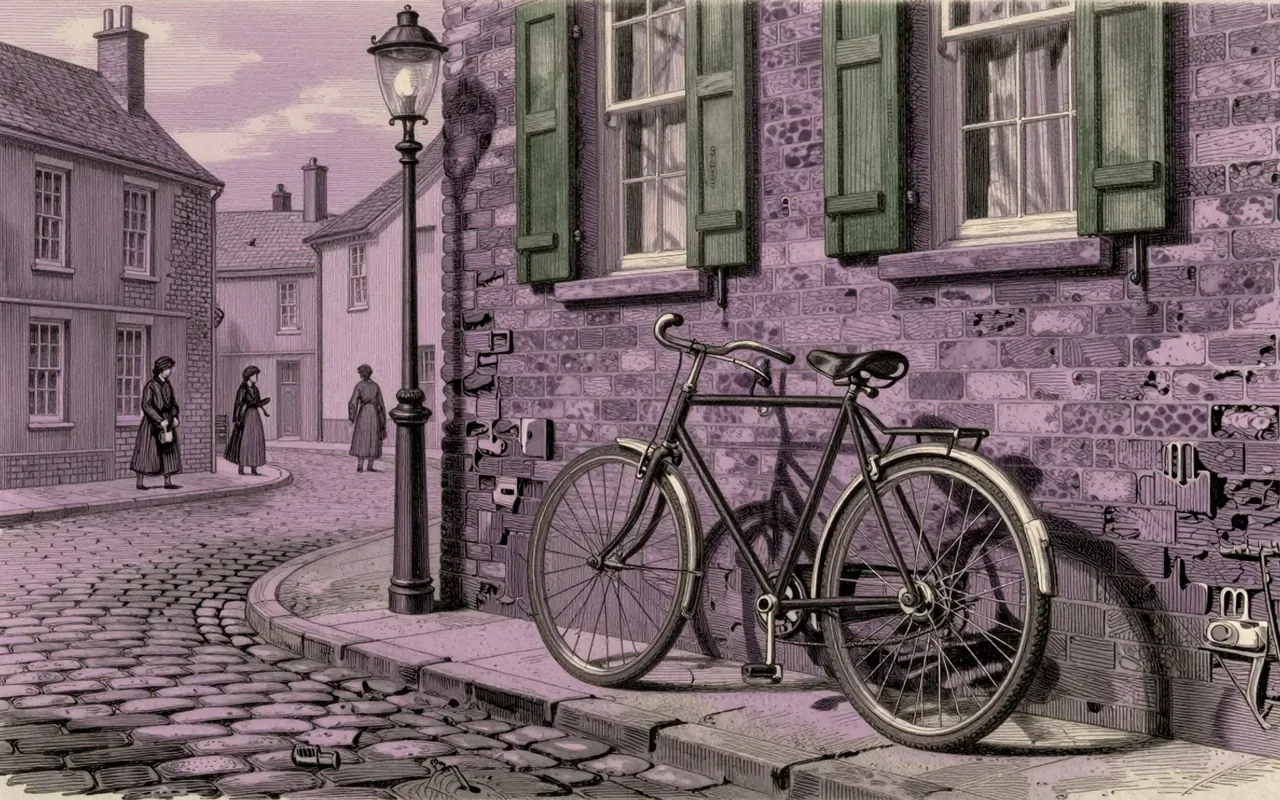
The 1885 safety bicycle didn’t invent mobility—it invented the industrial and cultural template for everything that followed.
9:24

Ventilator

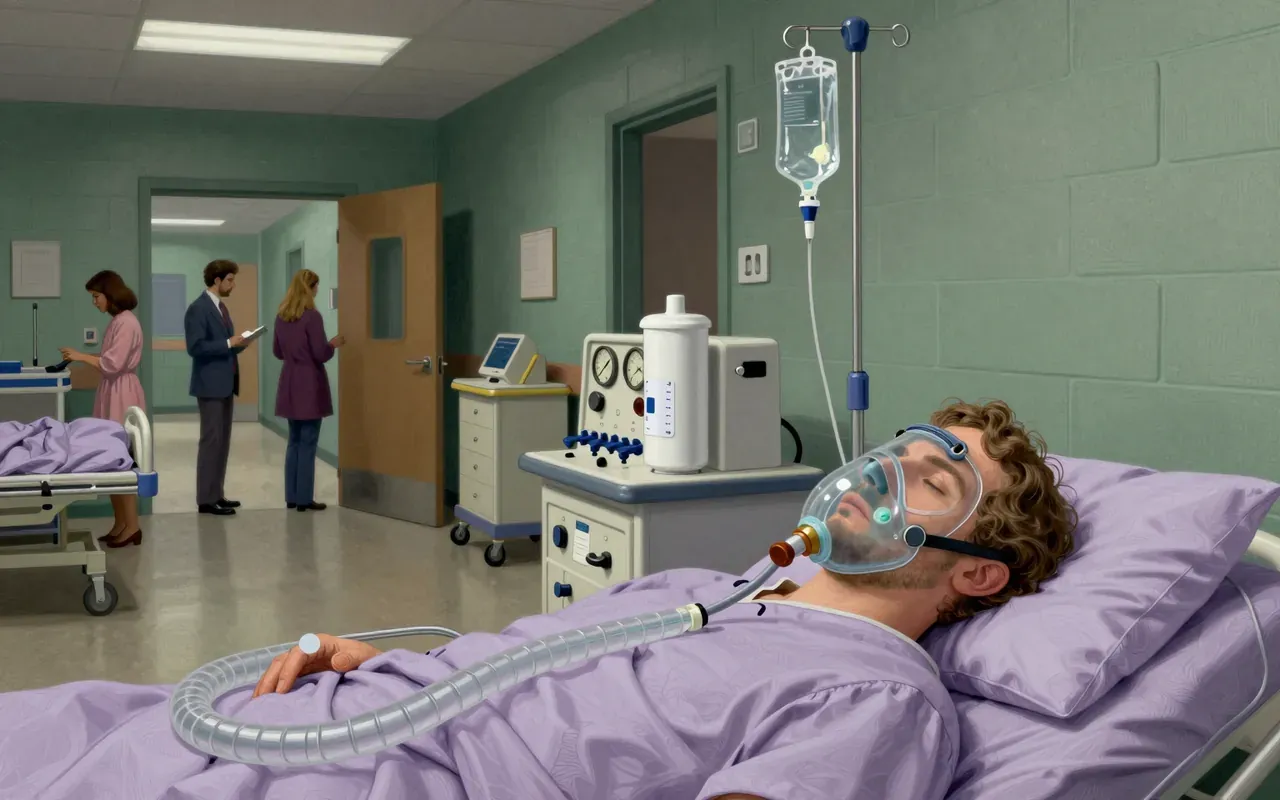
Ventilators don’t breathe for patients—they delegate breath to machines that must never misfire.
9:23

Crumple zone

Béla Barényi

The crumple zone is a hardware solution that redefined automotive safety by separating function across the car body: rigid for survival, deformable for energy absorption. It works. It spread. It remains indispensable.

9:22

Domain Name System

Paul Mockapetris

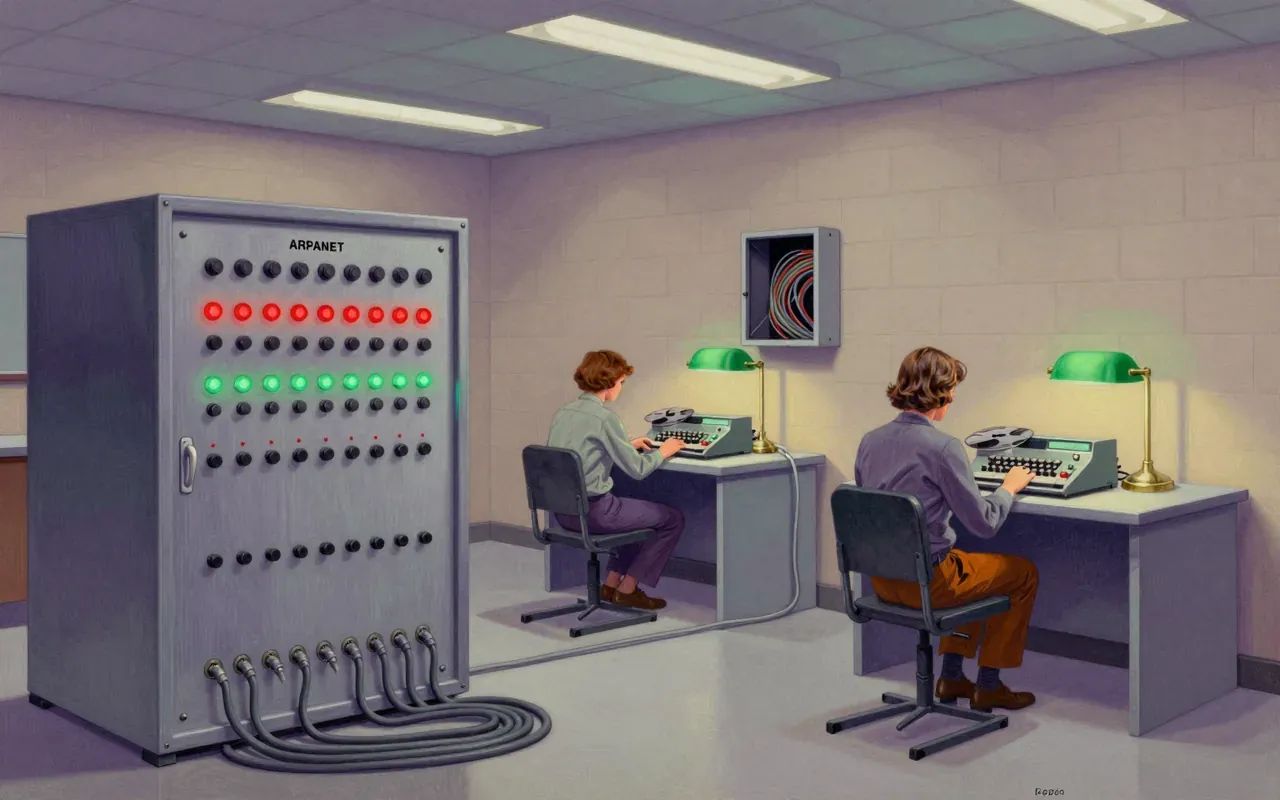
DNS is the distributed name-resolution system invented by Paul Mockapetris in 1983. It replaced the ARPAnet’s central hosts file. It uses a hierarchical zone model and originally ran over UDP. Later concerns about reliability, security, and privacy drove TCP use and protocol extensions. RFCs 882, 883, 973, 1034, and 1035 define its evolution. Mockapetris implemented the first version, 'Jeeves', for TOPS-20 the same year.

9:22

WebAssembly

WebAssembly delivers portable binaries—not portable semantics.
9:22

Floppy disk

IBM · 1964

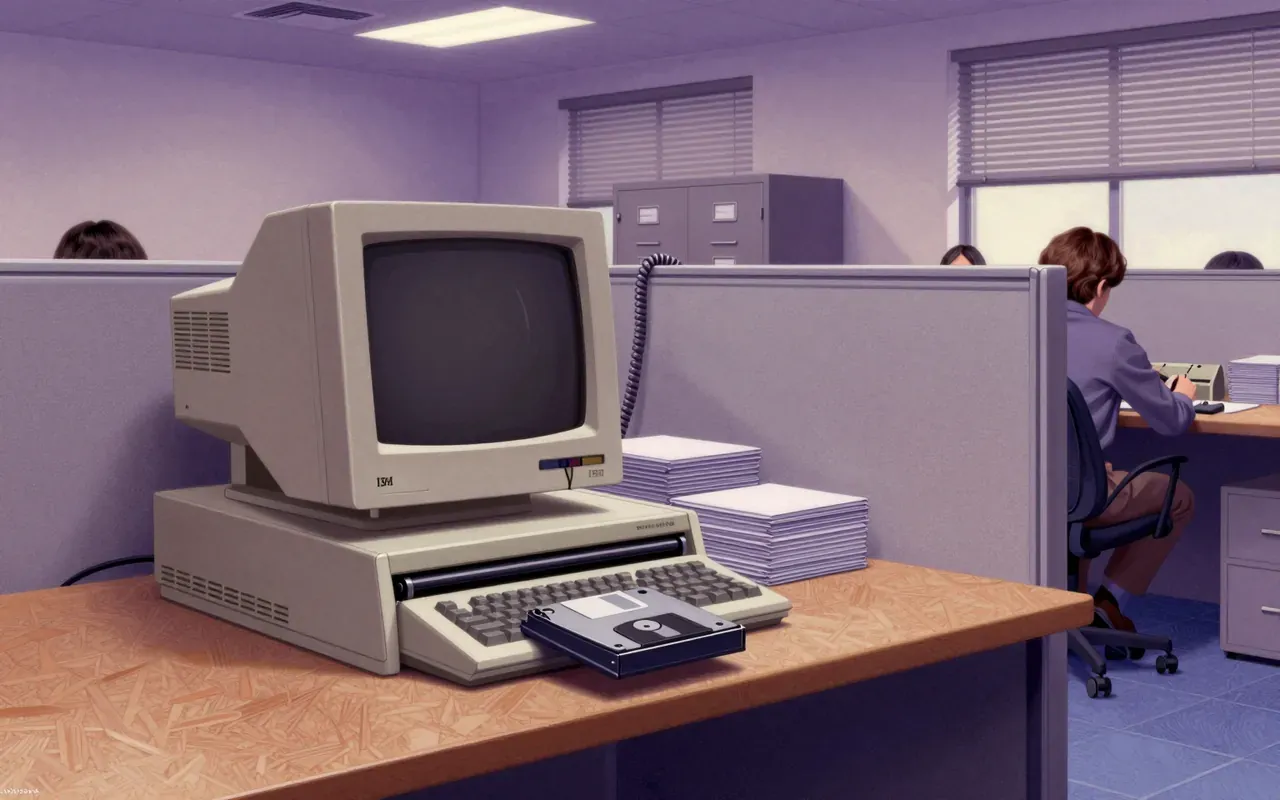
The floppy disk is a hardware innovation that enabled portable, standardised, low-capacity digital data exchange in IBM mainframe environments. It succeeded where earlier media failed — not by being faster or denser, but by being specifiable, licensable, and physically durable enough for daily use in controlled settings.

9:22

Unix shell

The Unix shell isn’t a tool—it’s the first operating system that lets you write the OS while using it.
9:21

Telefónica

Telefónica wasn’t built to innovate—it was built to control the line.
9:21

Polyvinyl chloride

Waldo Semon

Waldo Semon did not invent PVC. He invented how to make it behave. His 1926 method — blending it with additives like dibutyl phthalate — converted a brittle, unprocessable polymer into something elastic and non-adhesive. That enabled Koroseal: a salt-coke-limestone-derived polymer whose consistency could be set deliberately. It did not fix PVC’s thermal instability or environmental persistence. Its real innovation was tunability — proving synthetic polymers could be governed, not just discovered.

9:21

Microwave oven

Percy Spencer · 1945

Percy Spencer’s 1945 microwave oven invention repurposed radar magnetrons for cooking. It works by dielectric heating in a sealed metal cavity. Popcorn and candy heat reliably. Eggs explode. The first commercial unit—the Radarange—arrived in 1947. No claim about speed, size, price, or adoption beyond what sources state.

9:21

Thread (computing)

Threads didn’t make concurrency easier — they made it portable, then exposed how fragile portability really is.
9:20

Chiplet

Chiplets don’t replace Moore’s Law—they bypass it with Lego logic and yield math.
9:20

Cloudflare

Cloudflare doesn’t secure the internet—it outsources security to the edge, where lava lamps stand in for trust.
9:20

Nanotechnology

Nanotechnology is a scale-based definition—not an engineering discipline—and its real-world impact lies in bulk materials, not molecular machines.
9:20

PowerBook

It didn’t invent the laptop—but it invented how you hold one.
9:20

Smart grid

The smart grid doesn’t fix the grid—it rewrites its rules of engagement.
9:20

Arduino

Arduino didn’t democratise hardware — it outsourced the hard parts to hobbyists.
9:20

ELIZA

ELIZA doesn’t talk — it mirrors, misleads, and exposes how little it takes for humans to believe a machine is listening.
9:19

Military robot

Military robots don’t replace soldiers—they reconfigure accountability, delay ethical decisions, and make war faster than the law can keep up.
9:19

Packet switching

Packet switching doesn’t route data—it abandons it, trusting endpoints to find meaning in the wreckage.
9:18

Diffusion model

Diffusion models don’t generate images—they reverse entropy, one noisy step at a time.
9:18

Elasticsearch

Elasticsearch delivers real-time search—but abandons open source to do it.
9:18

System on a chip

SoCs shrink computers—but lock in obsolescence the moment they’re fabricated.
9:18

Nokia Networks

A joint venture built to survive — not lead — the mobile broadband transition.
9:18

Television

Television wasn’t invented—it was fought over, line by line, tube by tube, until one standard won by default.
9:18

Microprocessor

The microprocessor did not invent the computer—it miniaturised its most fragile part into silicon.
9:15

Mobile robot

Mobile robots are not intelligent agents—they are guided machines whose autonomy is strictly bounded by sensor fidelity and route control.
9:15

Read-only memory

Read-only memory isn’t about limitation — it’s about guaranteeing what cannot change.
9:14

Sodium-ion battery

Sodium-ion batteries are not lithium’s successor—they’re its pragmatic counterweight.
9:14

Apache HBase

HBase delivers Bigtable’s speed on Hadoop’s bones—but only if your data is sparse, your consistency needs are strict, and your tolerance for operational complexity is high.
9:14

CubeSat

A launch interface masquerading as a satellite standard.
9:14

Intelsat

Intelsat didn’t build the global internet—it built the backhaul for everything that couldn’t wait for fibre.
9:14

Toyota Prius

Toyota

The Prius established hybrid electrification as a viable mass-production pathway—not through technical novelty alone, but by shipping, selling, iterating, and breaking even. Its real innovation was industrial execution under constraint.

9:14

Vector database

It doesn’t understand meaning — it just maps distances between precomputed guesses.
9:13

Memcached

Brad Fitzpatrick · 2003

Memcached is a distributed in-memory key-value store designed to reduce load on databases in dynamic web applications. It delivers speed by bypassing disk and network I/O—but requires manual cache management, offers no consistency guarantees, and assumes trust within the network. It works because it is minimal, not because it is clever.

9:13

Philips

Philips didn’t invent the future — it licensed the present, then pivoted before the market caught up.
9:13

Inductive charging

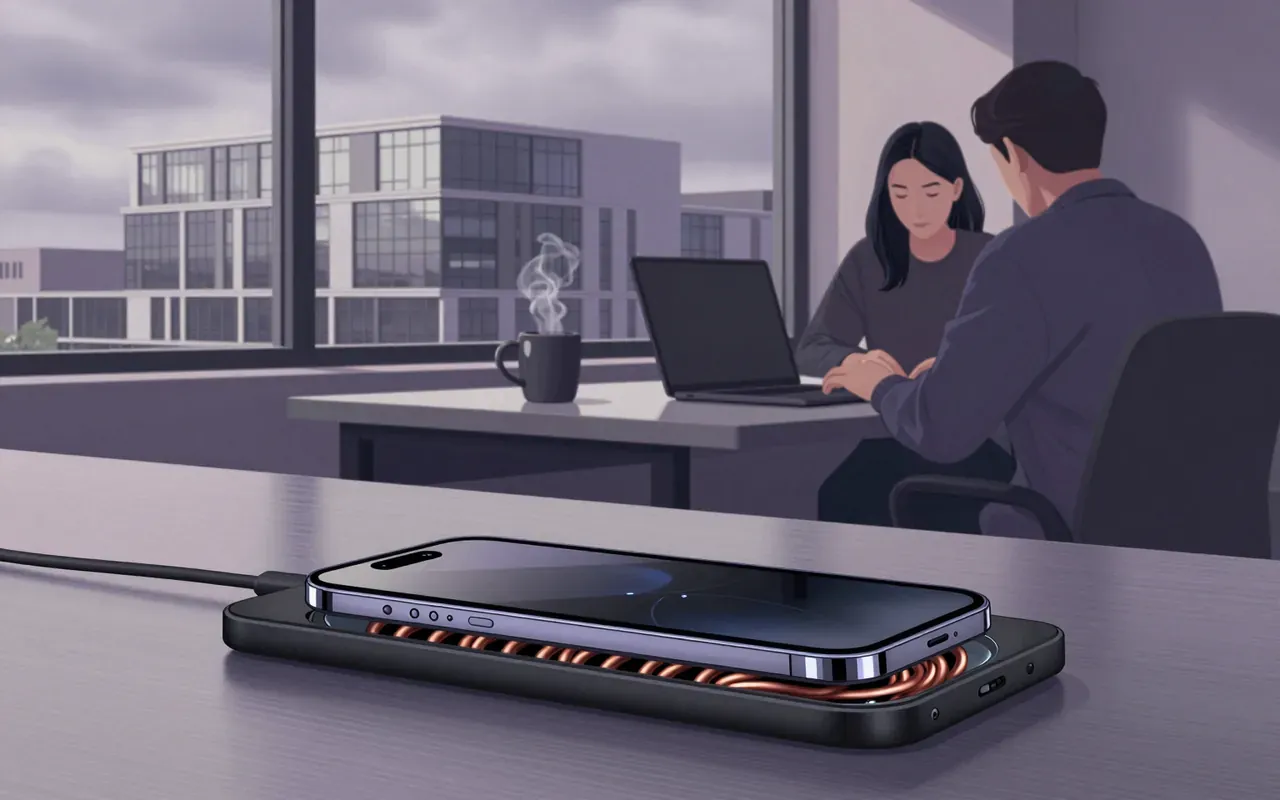
Wireless charging isn’t magic — it’s a patch for plug fatigue, standardised for phones and stalled for cars.
9:12

Search engine

Search engines don’t find truth — they map attention, then sell the map.
9:12

Graphical user interface

The GUI didn’t democratise computing—it deferred the problem of expertise into new forms of visual literacy.
9:12

Reinforced concrete

Joseph Monier · 1853

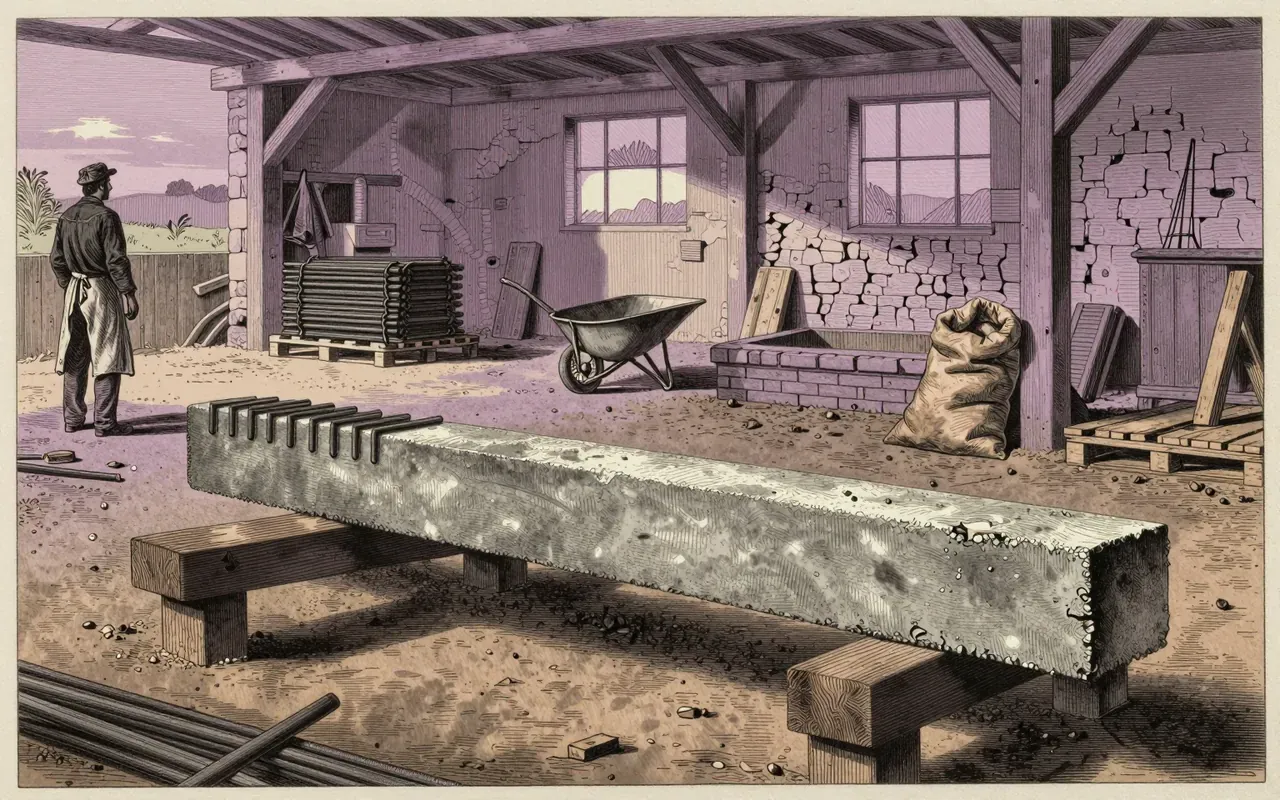
Reinforced concrete is not a theoretical breakthrough—it is a gardener’s empirical fix scaled into infrastructure. Monier solved flowerpot instability by embedding iron, then patented successive forms (wire mesh in 1867, iron rods in 1877) without quantifying mechanical gains. He proved thermal compatibility and rust protection through experiment—not calculation. His method enabled T-beams and pipes by 1878, but left tensile improvement unmeasured and corrosion science unexplored. It matters today because it reveals how material innovation begins in constraint, not abstraction.

9:10

Thunderbolt

Thunderbolt is a hardware interface, developed by Intel with Apple, that carries PCI Express, DisplayPort and power over a single cable to connect external peripherals to a computer.
9:10

Fused filament fabrication

Crump

Fused filament fabrication is fused deposition modeling repackaged: same thermoplastic extrusion mechanism, same 1988 origin, same patent. RepRap renamed it to escape Stratasys’ trademark. Its real impact arrived only after the 2009 patent expiry enabled open hardware development. It delivers functional prototypes—not precision parts. It trades repeatability for accessibility.

9:10

Microsoft Windows

Windows 1985 didn’t invent the GUI — it outsourced the OS to DOS and sold the interface as the product.
9:10

Synthetic rubber

Fritz Hofmann

Synthetic rubber begins as a chemical demonstration, not an industrial replacement. Hofmann’s 1909 work proves isoprene polymerisation yields rubber — and nothing more. No performance, scale, or economics are stated. Its value lies in reframing rubber as synthesizable — not in delivering a usable material.

9:09

Bluetooth

Bluetooth killed the headphone wire—but only by accepting ten metres as a ceiling.
9:09

IEEE 802.11

IEEE

IEEE 802.11 is the foundational WLAN standard family. It defines MAC and PHY protocols for wireless local area networking. It uses CSMA/CA for channel access. It supports multiple bands and modulation schemes. It enables interoperability with Ethernet and IP. It was first released in 1997. Amendments extend functionality without replacing the base.

9:09

Steam turbine

Charles Parsons · 1884

The steam turbine was not an incremental upgrade. It was a new mechanical paradigm: reaction-based, inherently scalable, and immediately deployable for electricity and propulsion. Its success came from eliminating reciprocating inertia, enabling higher speeds, smoother operation, and orders-of-magnitude growth in unit size. It delivered what it promised—cheap electricity and naval transformation—without hedging or delay.

9:09

Vacuum tube

The vacuum tube isn’t the birth of electronics—it’s the first deliberate bottleneck for electrons.
9:08

BeOS

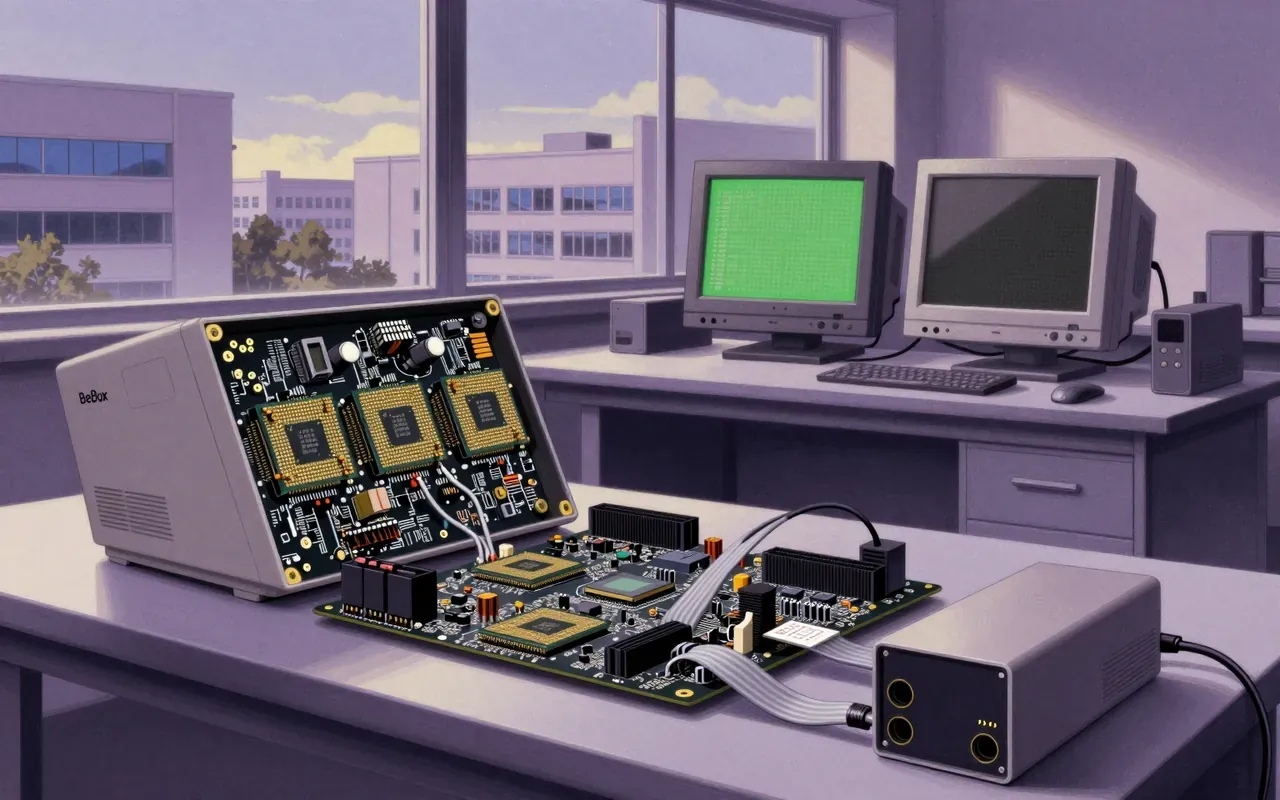
BeOS proved real-time multimedia was possible on commodity hardware — if you owned the hardware.
9:08

Nokia 3310

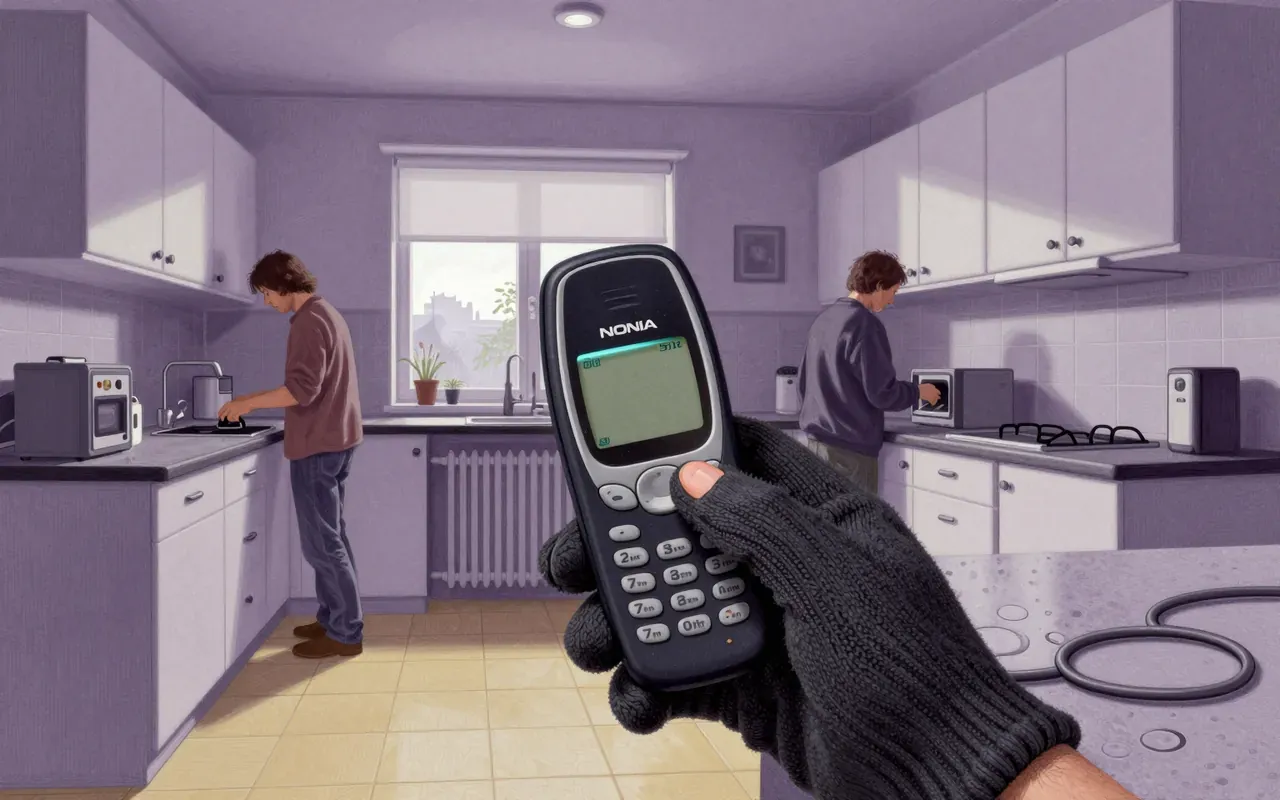
Durability isn’t a feature — it’s the entire product architecture.
9:08

Gyroscope

Léon Foucault · 1852

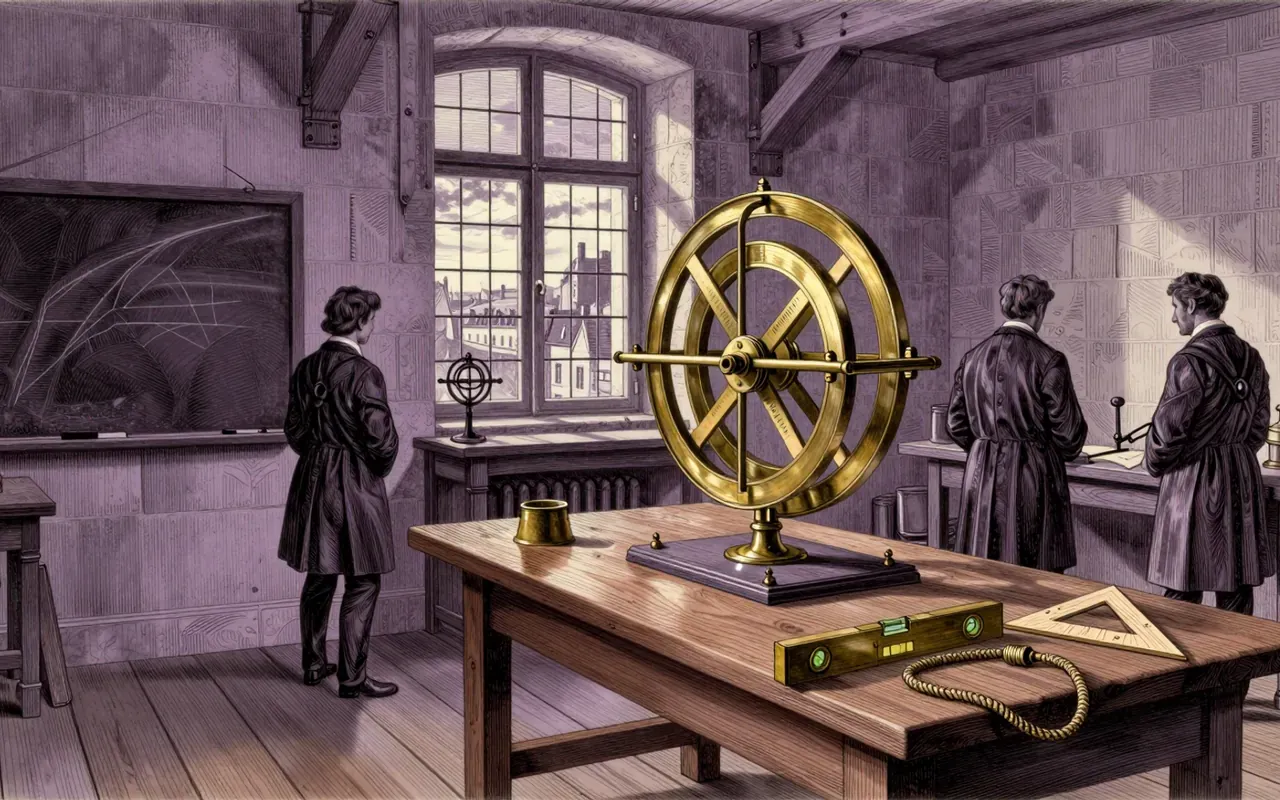
The gyroscope is a demonstration device, not a tool. It makes Earth’s rotation locally visible — for less than ten minutes — using nothing but inertia and friction. It changed pedagogy, not engineering.

9:07

Firewall (computing)

Firewalls enforce boundaries — but they assume threats stay outside, and packets tell the truth.
9:07

Google Glass

Ubiquitous computing failed because people refused to be constantly watched—even by themselves.
9:07

Kubernetes

Kubernetes replaced shell scripts with YAML—and made infrastructure legible only to those fluent in its object model.
9:06

Regenerative braking

Regenerative braking recaptures energy—but only because friction brakes still do the final, vital work.
9:06

JavaScript

Brendan Eich · 1995

JavaScript is the de facto client-side language of the web — not because it was well-designed for beginners, but because it shipped fast, ran everywhere, and locked in a runtime model no site could ignore.

9:06

Apollo program

Apollo was not about space—it was about deadline-driven systems integration under total political mandate.
9:06

Suspension bridge

Suspension bridges trade structural honesty for span length—and demand relentless vigilance to hold that bargain.
9:06

Threshing machine

Andrew Meikle · 1786

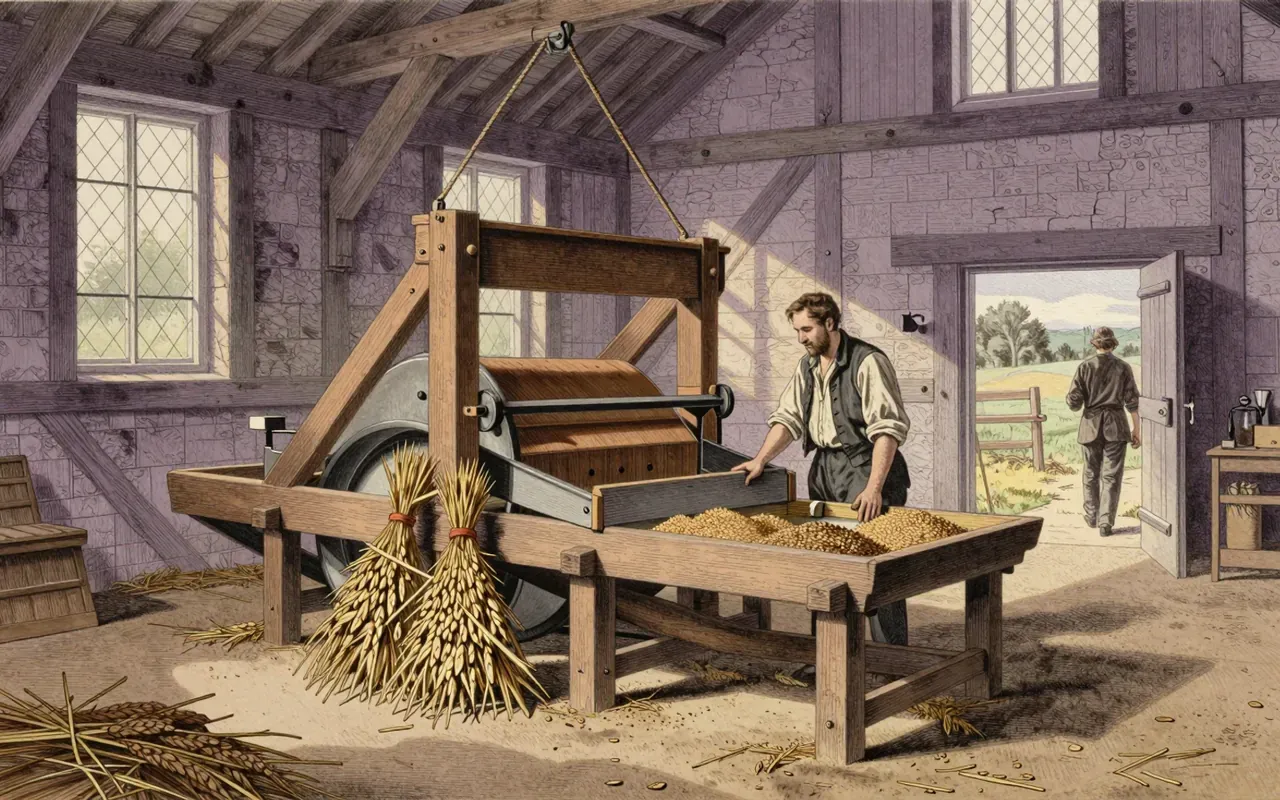
The threshing machine was the first agricultural device to mechanise grain separation—but its initial form solved only one step of a three-step process. Meikle’s 1786 invention used velocity-driven fixed beaters to dislodge grain. Early output remained mixed: straw, chaff, and grain formed a single heap. Only with added rakes, shakers, and fanners did it deliver clean, market-ready grain. It reduced labour by ~25%, lifted yield by up to 5%, and cut total processing cost below prior cleaning-only expense. It did not eliminate human oversight. It did not scale without infrastructure. It did not win immediate adoption. It established that mechanisation required integration—not just substitution.

9:04

UNIVAC

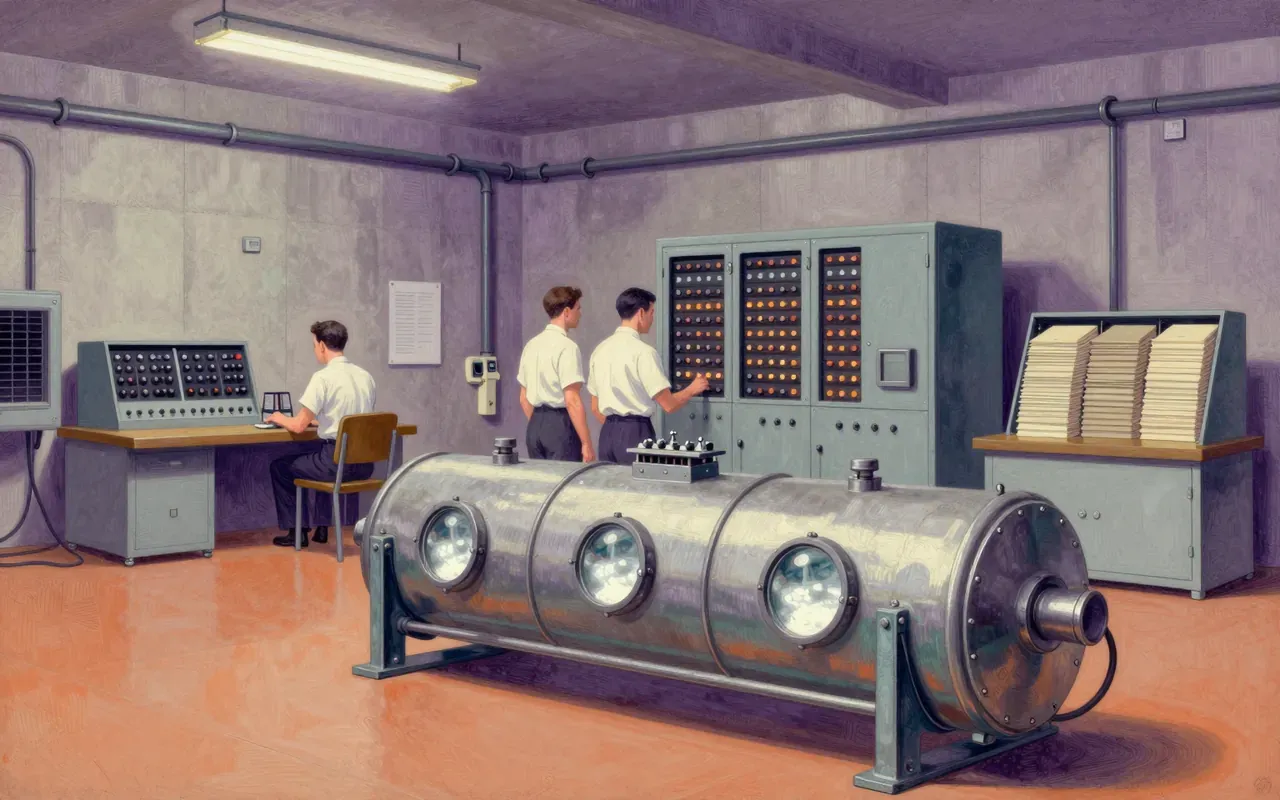
UNIVAC wasn’t the future of computing — it was the first machine that made governments believe their data could be trusted without clerks.
9:04

Safety bicycle

John Kemp Starley

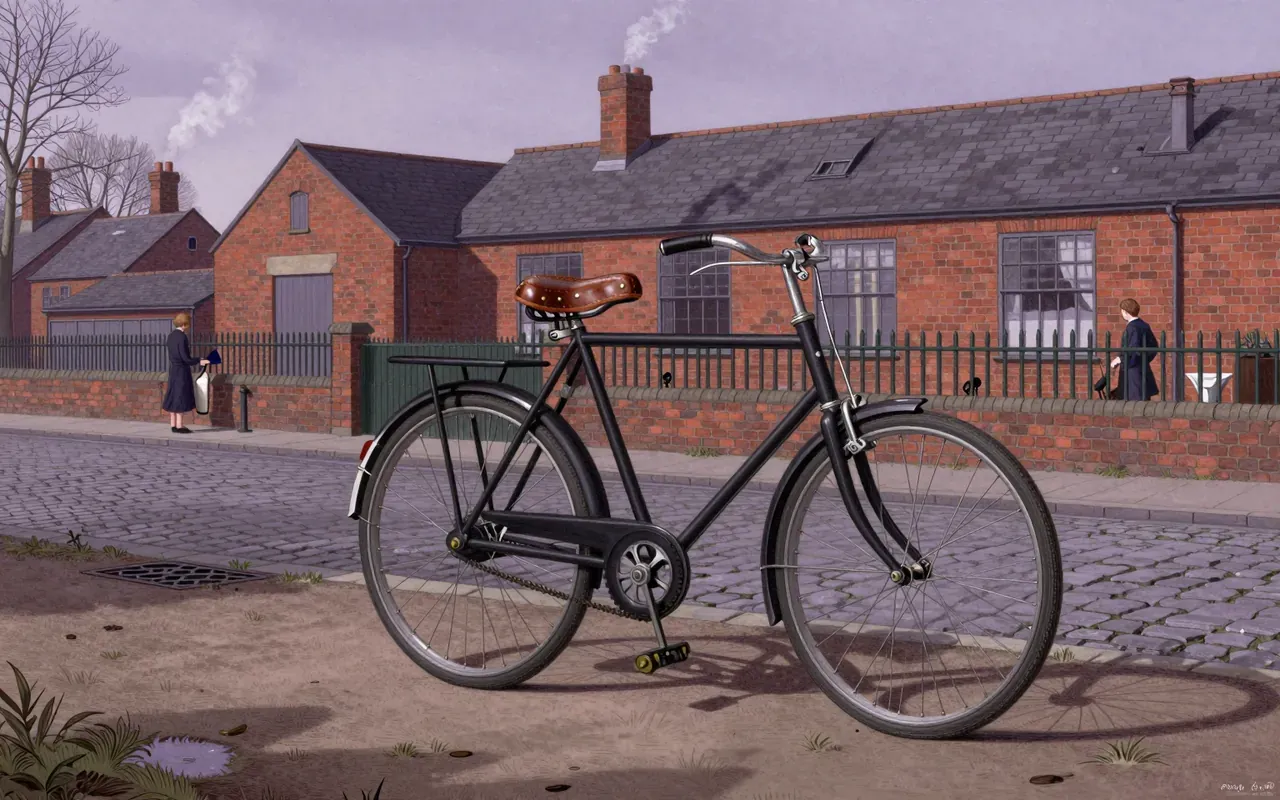
The safety bicycle solved the penny-farthing’s fatal instability by lowering the rider, equalising wheel size, and moving power to the rear wheel via chain. Starley’s 1885 Rover succeeded not because it was first, but because it combined rear-chain drive, direct steering, and balanced geometry — while most contemporaries still used front drives or indirect steering. It made cycling broadly usable, but only after overcoming real mechanical and ergonomic trade-offs.

9:03

Internet protocol suite

Vint Cerf and Bob Kahn · 1975

TCP/IP is a layered framework for end-to-end data communication. It specifies how data should be packetised, addressed, transmitted, routed, and received. Its architecture rests on the end-to-end principle—placing intelligence at the edges—and uses encapsulation and the robustness principle (conservative sending, liberal receiving) to achieve interoperability across heterogeneous networks. Developed by Cerf and Kahn starting in 1973 under DARPA, it replaced the ARPANET's NCP with a modular, host-responsible reliability model. IPv4 was installed in the ARPANET in 1983, and TCP/IP was formally adopted as the US DoD standard in March 1982. The defining technical specifications are RFC 1122 and RFC 1123, which codify its four-layer abstraction model.

9:03

Stent

Stents don’t fix arteries—they postpone the problem with metal scaffolds and drug coatings.
9:02

Motion capture

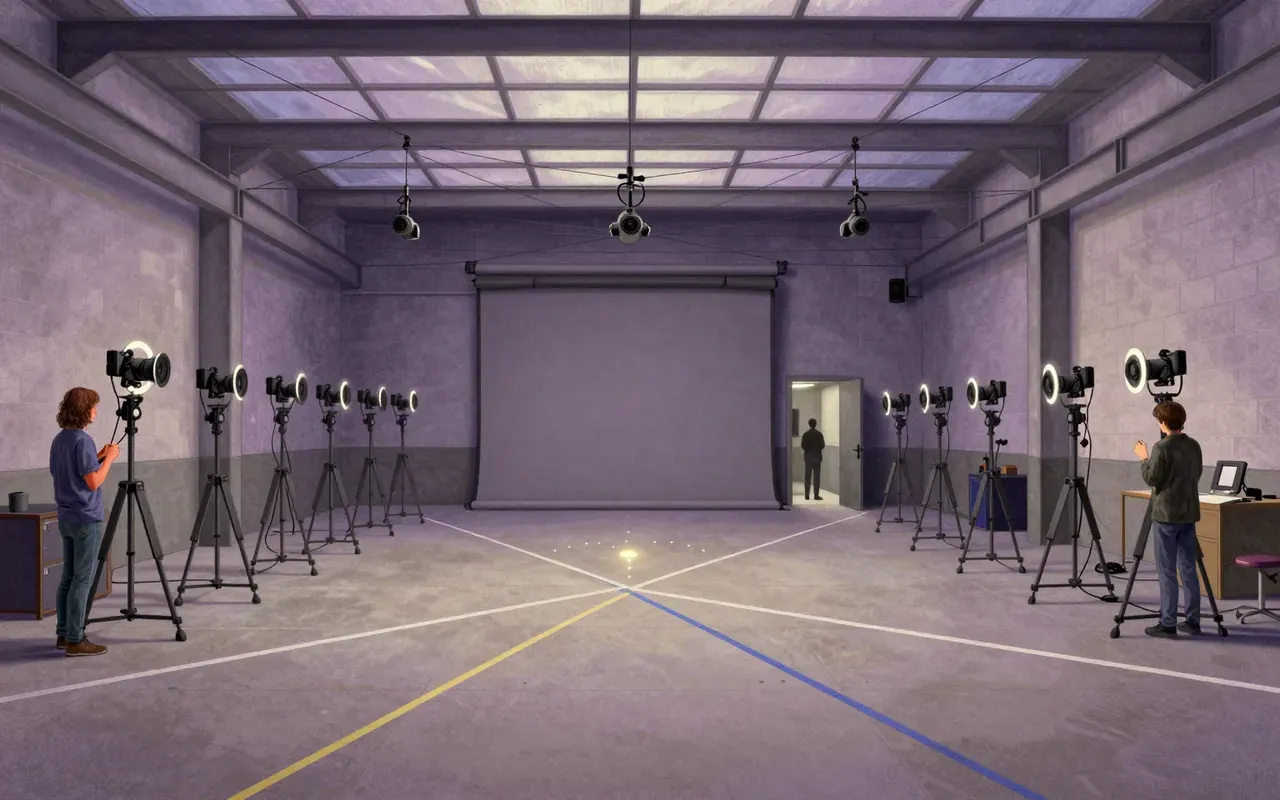
Motion capture records movement — not performance, not intention, not life.
9:02

Telegram

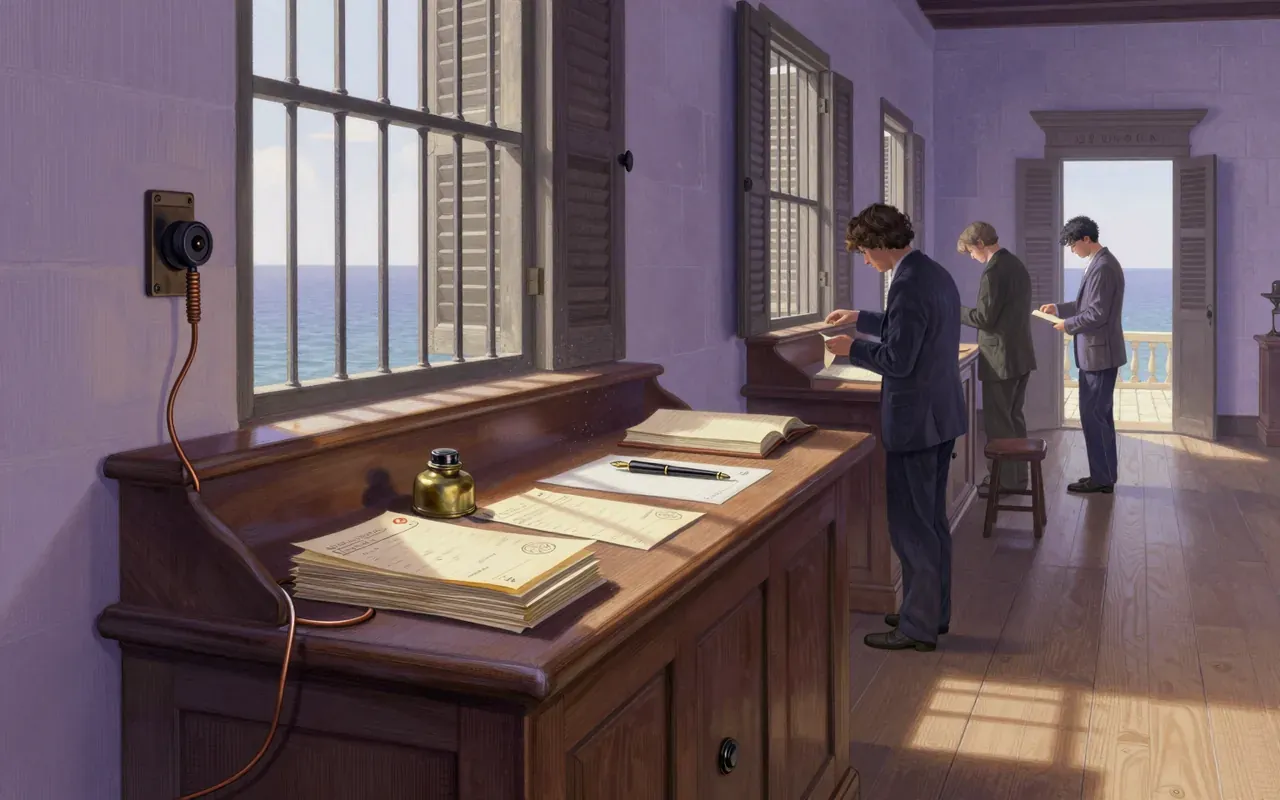
Telegram wasn’t an app — it was a paper slip, paid for by the word, and dead since the 1950s.
9:02

IPad

Apple

The iPad is a commercially dominant, long-lived tablet product line. It succeeded by committing to a specific form factor and interaction model—touch-first, app-centric, tightly integrated—then adapting its OS to sustain that model. Its scale (670M+ units) and market share (34.6%) confirm its category-defining role. It does not replace laptops or phones. It occupies the space between them—and has done so continuously since 2010.

9:02

MP3

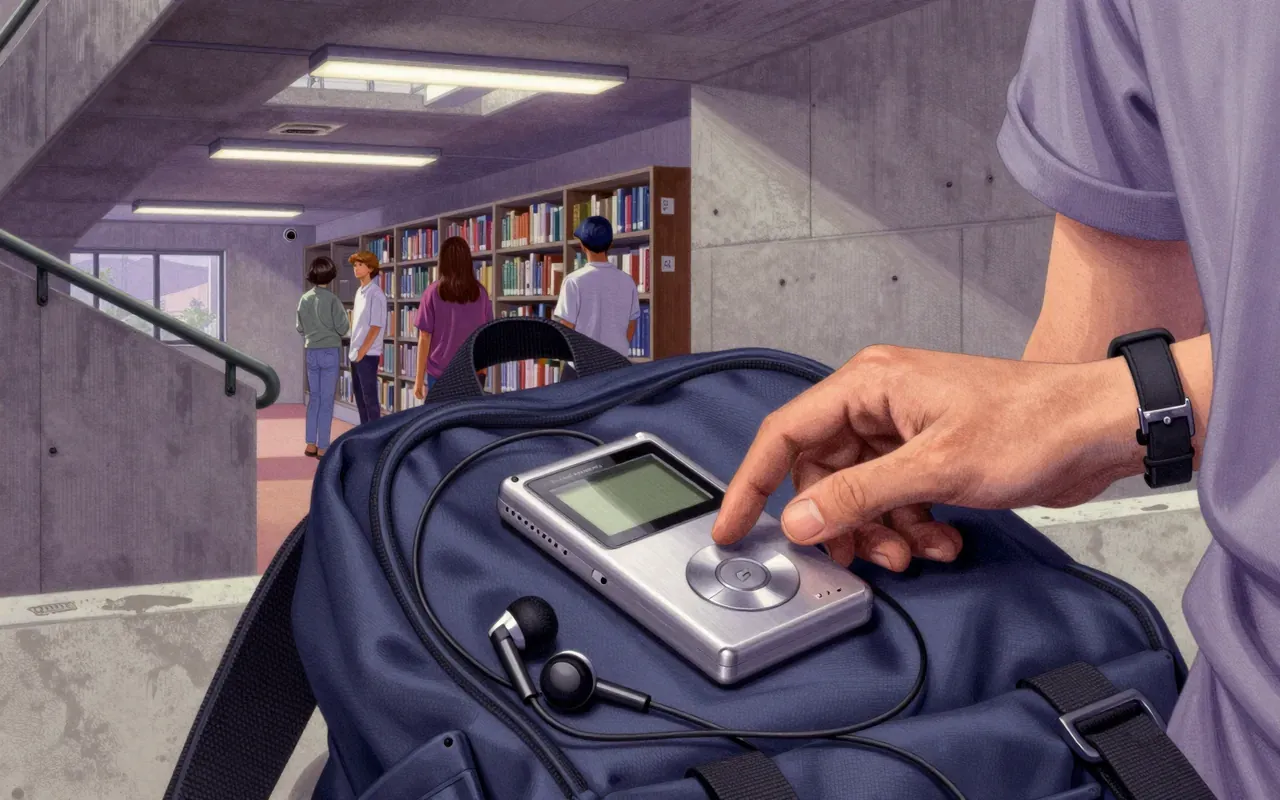
MP3 is not a codec—it’s a decoder contract with a thousand incompatible encoders.
9:00

Liquid-crystal display

George H. Heilmeier

The Liquid-crystal display (LCD) invented by George H. Heilmeier at RCA in 1964 was the first operational display based on dynamic scattering mode (DSM). It solved the problem of achieving solid-state visual output by exploiting field-induced light scattering in liquid crystals — not alignment-based modulation. DSM works by applying voltage to switch the layer from transparent to turbid, enabling rudimentary on/off display states in transmissive or reflective modes. It required considerable current, limiting practical use. Though credited as the invention of the LCD, DSM was superseded within a decade due to its power demands and lack of scalability. It changed display R&D by proving liquid crystals could be electrically switched, but it did not deliver on low-power, high-density, or long-life promises.

8:58

Dreamcast

Sega · 1998

The Dreamcast was Sega’s final home video game console. It launched in Japan on November 27, 1998, and globally in late 1999. It used off-the-shelf components, shared hardware with the NAOMI arcade board, avoided DVD licensing with GD-ROM, and shipped with a built-in dial-up modem — the first console to do so. It achieved strong initial sales: 150,000 units sold out in Japan on day one; over 225,132 sold in North America in 24 hours; more than 500,000 in two weeks; and 31% of US video game revenue by Christmas 1999. But momentum collapsed in 2000. Competition from PlayStation 2 and Xbox, weak third-party support, and financial strain forced Sega to discontinue the console on March 31, 2001 — ending its hardware business. Total sales: 9.13 million units. Games released: over 600.
8:58

GlobalFoundries

A foundry built to escape AMD’s balance sheet became a specialist anchor—just as the industry stopped chasing nanometres.
8:58

Proximity sensor

Proximity sensors don’t see—they sense presence. That narrow trick powers half your phone’s UX.
8:58

Radio

Radio in 1894 is not broadcasting — it’s Morse code jumping gaps in air, not voices crossing continents.
8:56

Jenkins (software)

Jenkins isn’t better software than Hudson—it’s the same software with a democratically ratified name.
8:56

Physics engine

Physics engines don’t simulate reality—they choose which errors to tolerate.
8:56

SQLite

D. Richard Hipp · 2000

SQLite is a C library that embeds a relational database engine directly into applications. It stores data in a single cross-platform file. It delivers ACID transactions and most SQL-92 features—but omits materialized views, full trigger support, and ALTER TABLE. It relies on file-system locking, not internal concurrency control. It enforces access via file permissions, not users or roles. Its type system is dynamic by default. It is widely deployed because it requires no installation, configuration, or administration.

8:55

Nexus One

Google didn’t launch a phone — it launched a test: how much carrier control could Android survive without?
8:52

Hard disk drive

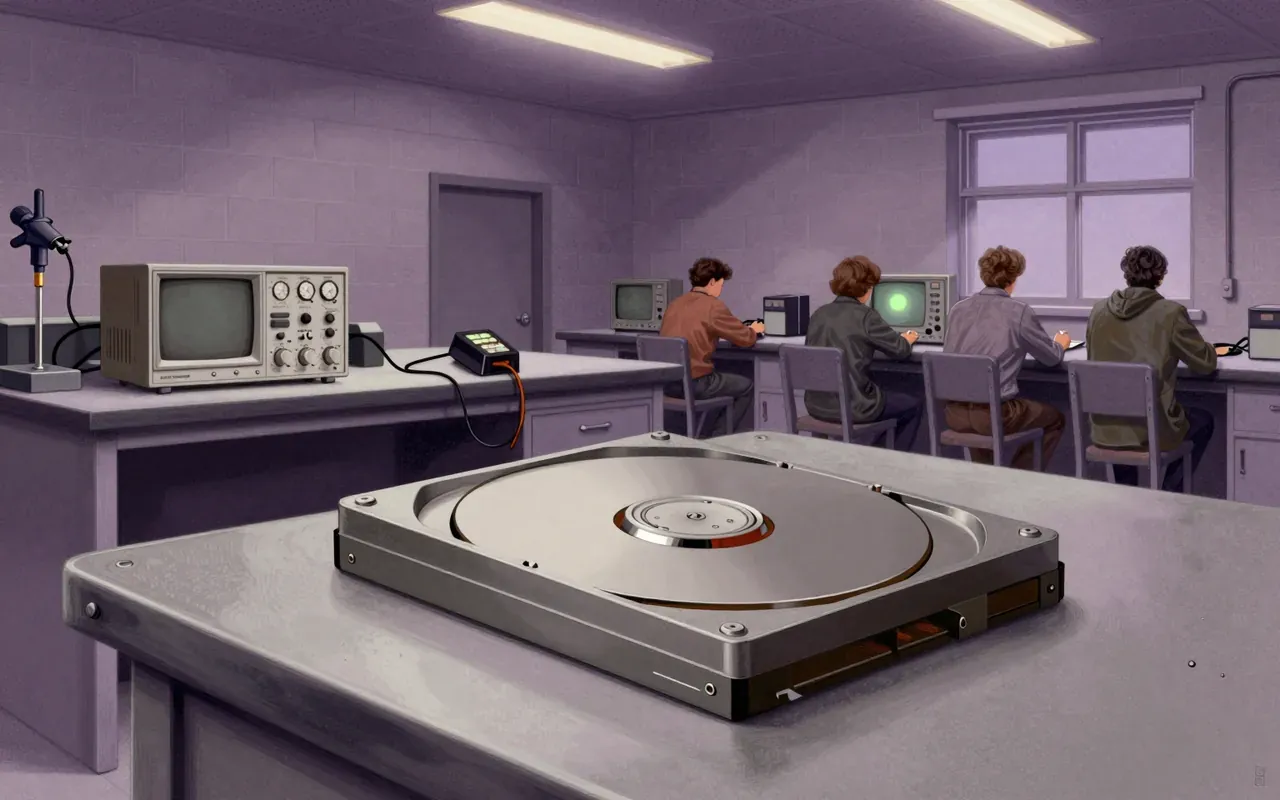
The hard disk drive didn’t invent storage—it invented *addressable* memory at scale.
8:52

Cryptocurrency wallet

A cryptocurrency wallet holds keys — not money — and gives you control only if you understand what control costs.
8:52

MS-DOS

MS-DOS didn’t invent personal computing — it licensed its way into becoming its gatekeeper.
8:52

Wind turbine

Charles F. Brush · 1887

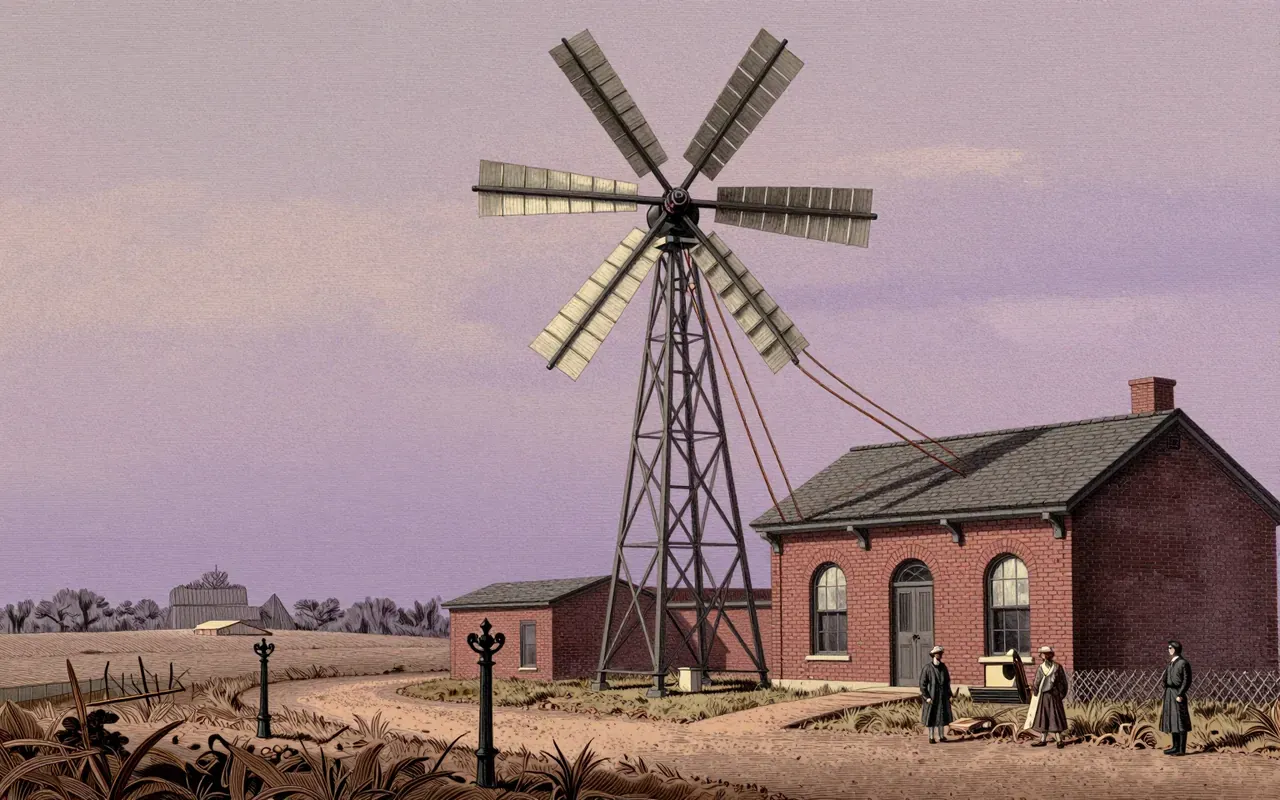
Charles F. Brush’s 1888 wind turbine was the first automatically operated system for electricity generation from wind. It powered his Cleveland mansion—the city’s first electrified home—for 20 years without failure, charging 12 batteries. Its success depended on isolation: wind electricity was more cost effective only where populations were widely scattered. It proved mechanical reliability but not scalability, economic transferability, or grid compatibility.

8:51

Mobile phone

The 1973 mobile phone was a working prop — not a product, not a system, and not a network.
8:50

File Transfer Protocol

Abhay Bhushan · 1971

FTP is a foundational but fatally flawed protocol. It delivered interoperable file transfer in 1971, but its reliance on unencrypted channels and rigid two-connection architecture made it unsustainable. It changed how machines shared data — then became the textbook example of inherited insecurity.

8:50

Botnet

A botnet is not infrastructure—it's theft with a network stack.