technologybriefs
Longest first

All briefs

620 briefs · 6210 min · 193–288 on page 3 of 7
10:21

Magnetic tape

Fritz Pfleumer

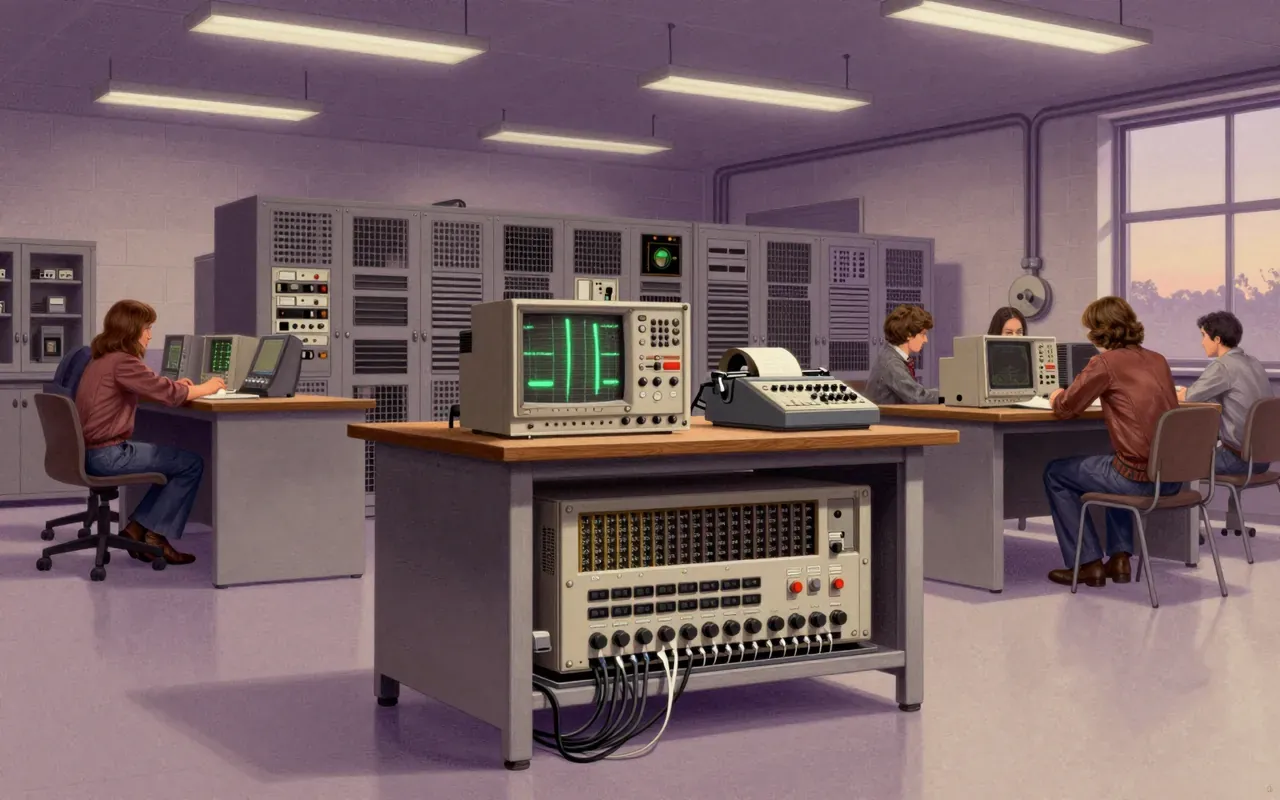
Magnetic tape is a plastic-backed iron-oxide medium for analog sound recording. It solved portability and repeatability in audio capture—replacing wire—but required mechanical precision, careful handling, and post-war reverse-engineering to spread. Its value lies not in fidelity alone, but in making recorded sound a transportable, storable, and re-broadcastable commodity.

10:21

Apple Vision Pro

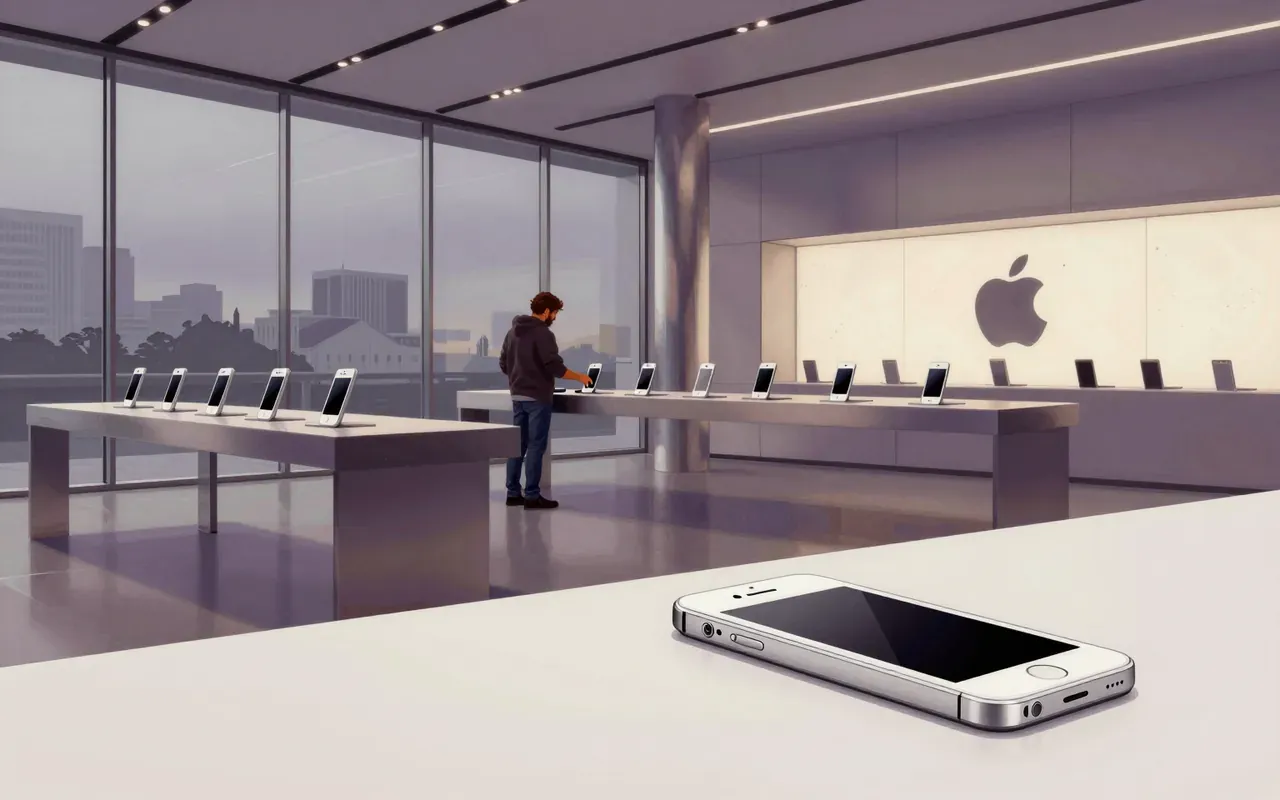
Apple Vision Pro isn’t virtual reality — it’s a head-worn computer that anchors windows to your walls, not your eyes.
10:21

Cellular network

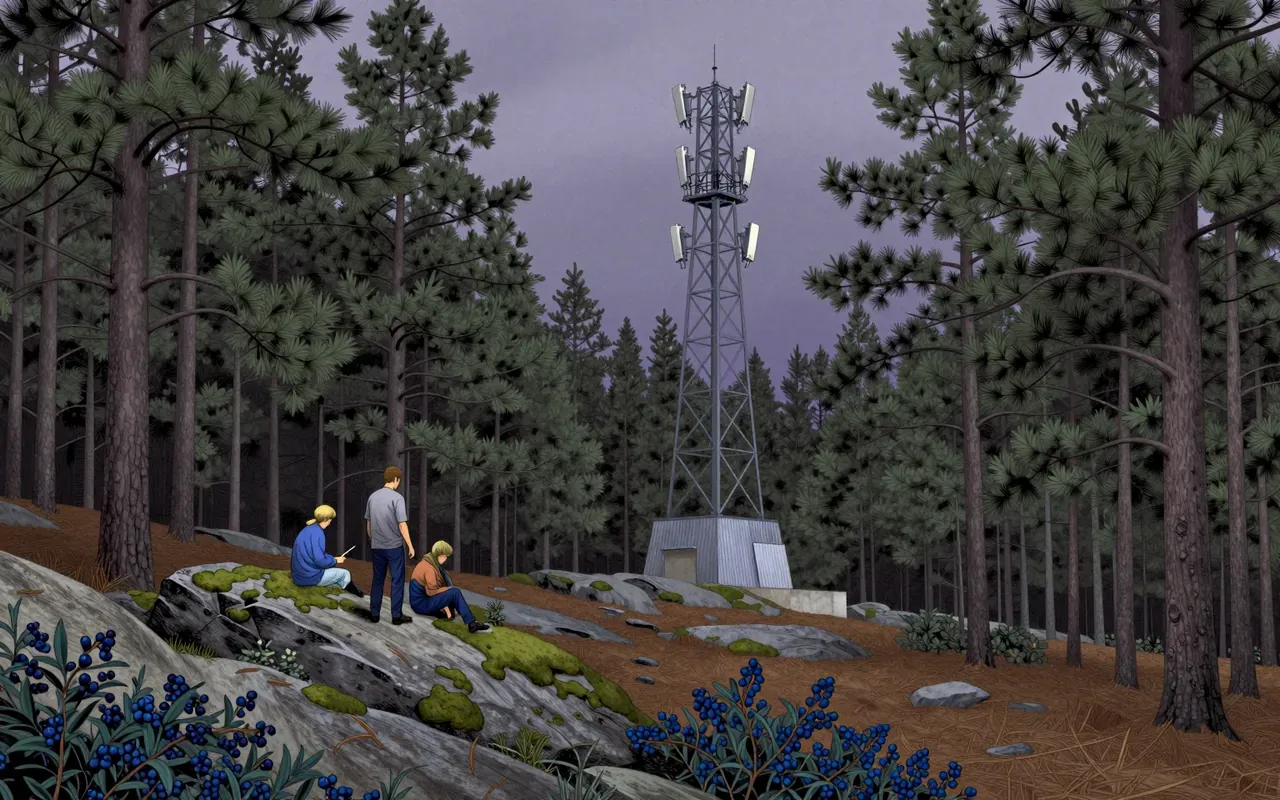
Cellular networks don’t eliminate spectrum scarcity—they just hide it behind geography and switching.
10:21

Nissan Leaf

Nissan

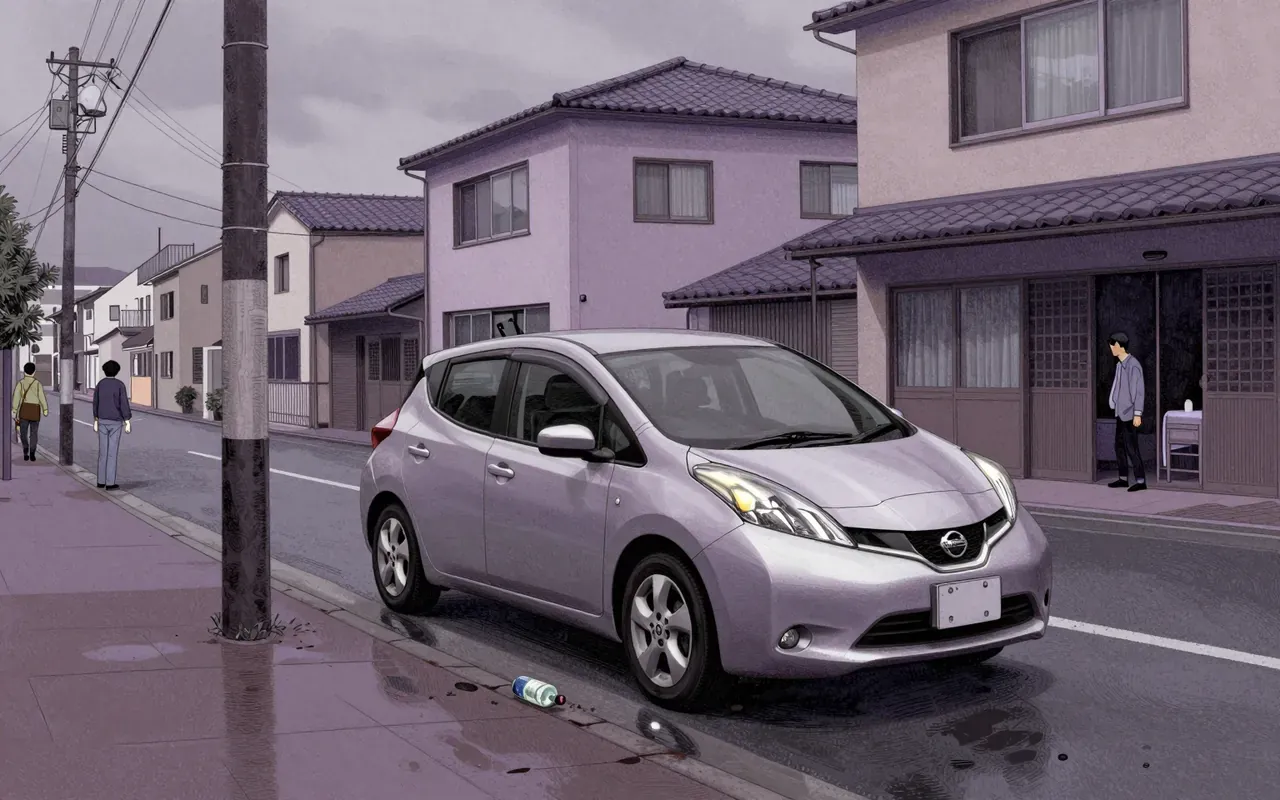
The Nissan Leaf is a battery electric car produced by Nissan since 2010. It was unveiled on 1 August 2009 as the world's first mass-market electric and zero-emission vehicle. Production began on 22 October 2010 at the Oppama facility in Yokosuka, Kanagawa. The first generation used a 192-cell laminated lithium-ion battery pack co-developed with NEC, positioned under the floor between the wheels for optimized handling and space. Its motor delivered 80 kW (110 hp) and enabled ~160 km (100 miles) of range on a full charge. It was offered exclusively as a 5-door hatchback until 2025, when it became a crossover SUV model. By December 2020, cumulative global deliveries reached 500,000 units.

10:21

WebAuthn

WebAuthn doesn’t kill passwords—it just makes them optional for those who can afford the stack.
10:20

Chevrolet Bolt

General Motors

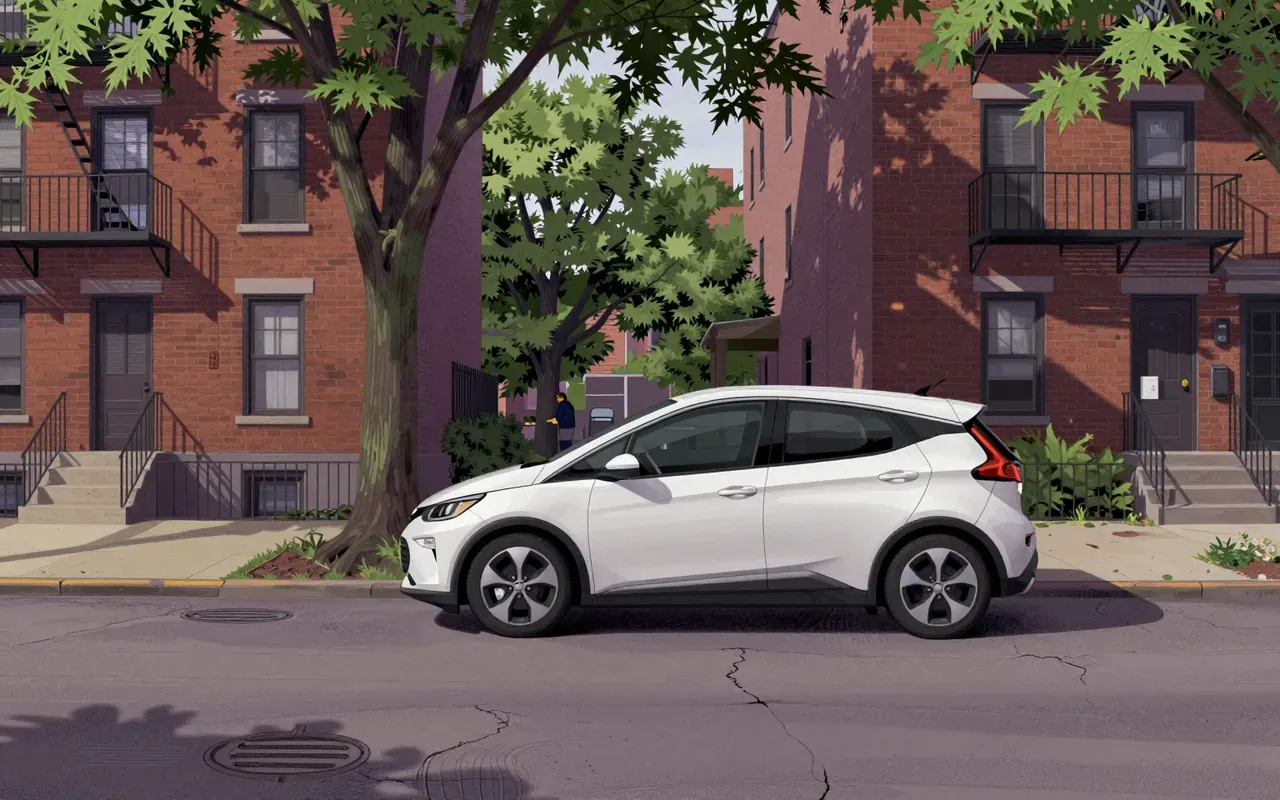
The Chevrolet Bolt EV redefined the mass-market electric vehicle by delivering over 200 miles of range at a $30,000 post-incentive price—verified in production by October 2016. Its development relied on LG for battery and drivetrain, GM for final assembly in Lake Orion, and Israeli engineers for the user interface. Prototype testing covered five key domains. But the sources say nothing about real-world durability, software evolution, charging speed, or cost of ownership.

10:20

Optical fiber

It does not carry electricity—but it carries light so precisely that medicine and telecoms had to rebuild themselves around it.
10:20

Ethernet

Bob Metcalfe

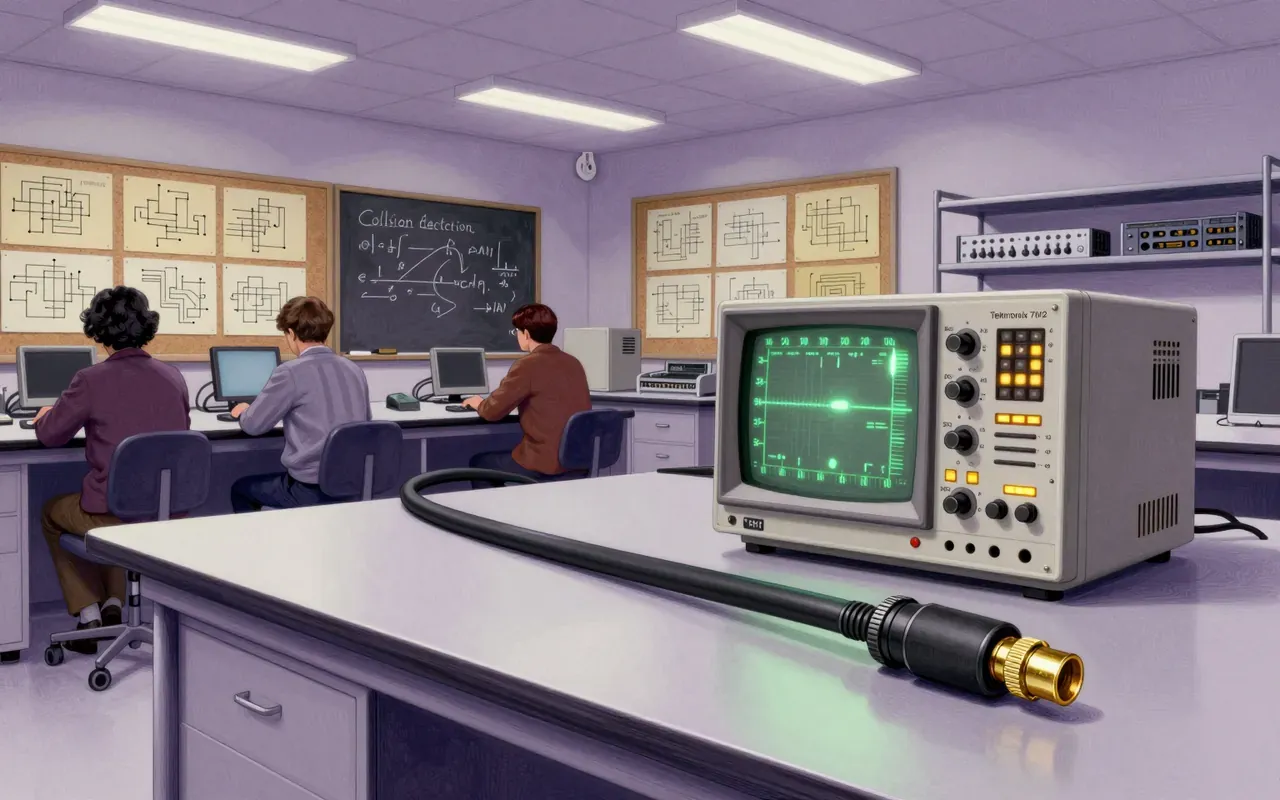
Ethernet is the coaxial-cable LAN co-invented by Metcalfe and Boggs at Xerox PARC in 1973 to link Alto computers to printers and ARPANET. It introduced CSMA/CD—carrier sensing before transmission, plus collision detection and random back-off—to adapt ALOHAnet for wired use. It ran first on November 11, 1973 at 2.94 Mbit/s. A 1980 Xerox report measured 98% throughput under heavy load. It was standardised as IEEE 802.3 in 1983. CSMA/CD does not scale or support modern requirements like QoS or determinism—and was phased out in favour of switched, full-duplex Ethernet.

10:19

Turboprop

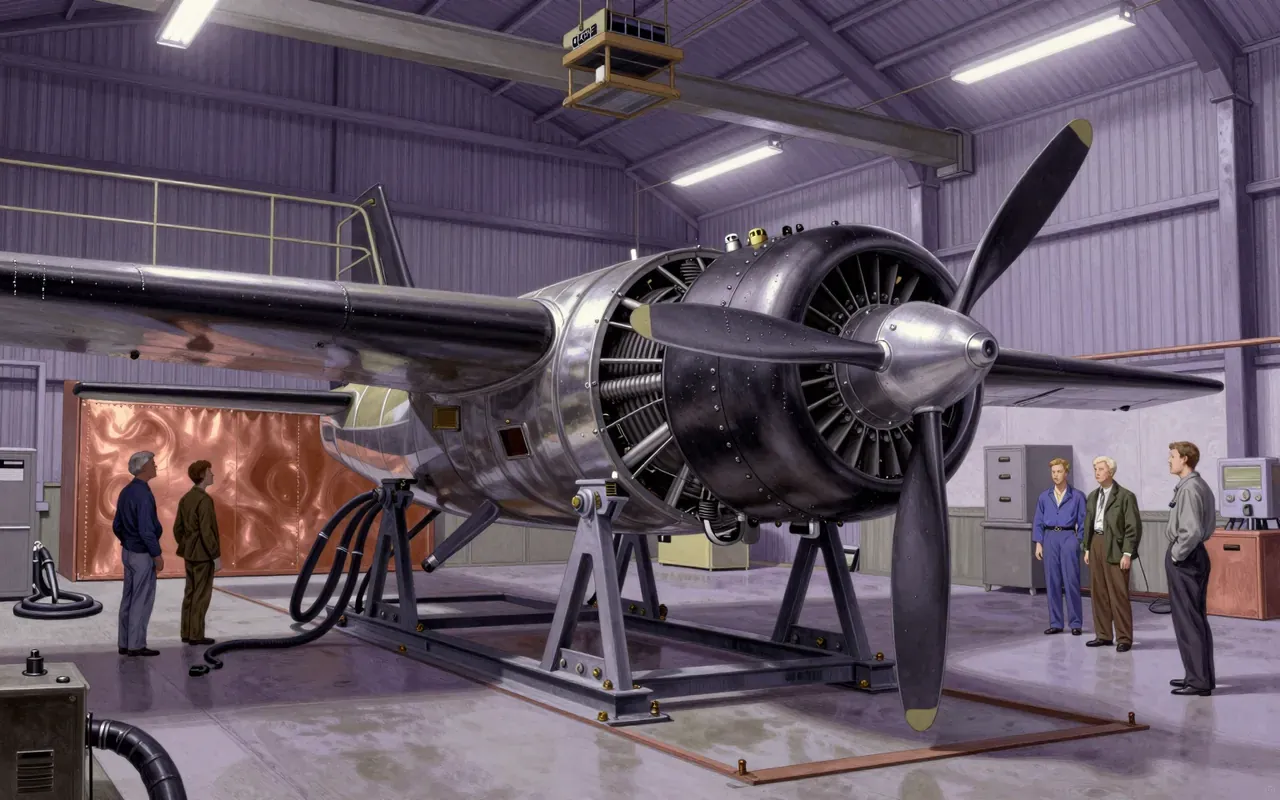
The turboprop trades jet speed for propeller efficiency—and it wins every time below 725 km/h.
10:18

PostgreSQL

University of California Berkeley · 1996

PostgreSQL is a free and open-source RDBMS that solves the problem of building reliable, scalable, and standards-compliant relational data systems without vendor lock-in. It emerged from Berkeley’s POSTGRES project in 1985 to address limitations in contemporary databases, especially Ingres’ lack of SQL support and type extensibility.

10:18

Smalltalk

Alan Kay and team · 1972

Smalltalk is a pure object-oriented language built for constructionist learning at Xerox PARC in the 1970s. Its first interpreter, Smalltalk-72, was written by Dan Ingalls in about 700 lines of BASIC for the Data General Nova in October 1972. It emerged from Alan Kay’s September 1972 bet that a message-passing core could fit on a page of code—and did so by the eighth morning. Smalltalk-80, released publicly in 1980, introduced foundational OOP ideas, featured an integrated development environment from inception, and established total reflection—both structural and computational. It has no primitive types: all values are objects, and all computation occurs via message passing. ANSI Smalltalk was ratified in 1998.

10:18

Diesel engine

Rudolf Diesel · 1893

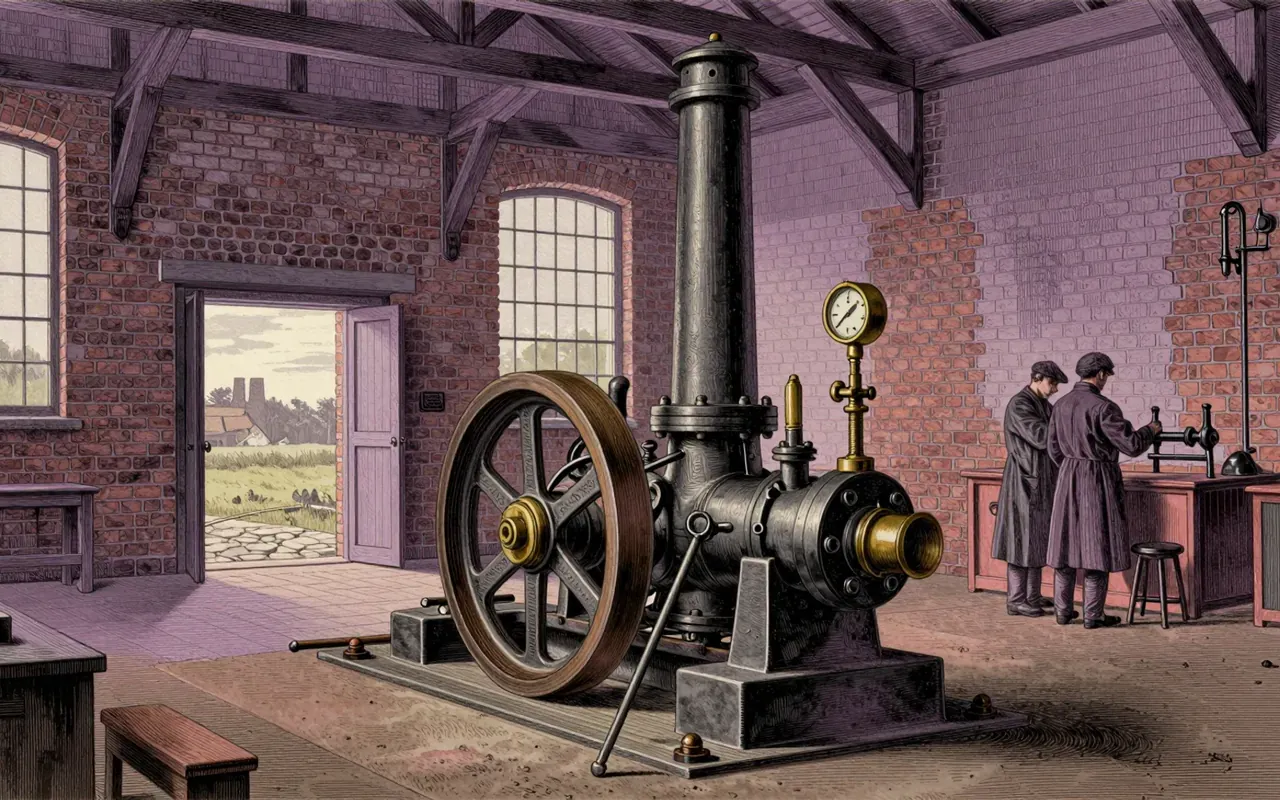
The diesel engine is a compression-ignition internal combustion engine that replaces spark-based ignition with heat from air compression. It solves the low efficiency of steam engines by achieving 26.2% effective efficiency by 1897 — 75% above steam’s 10% theoretical limit. Its core mechanism works: air compression alone ignites fuel. But its original isothermal-cycle theory failed — abandoned after criticism revealed it demanded physically impossible compression ratios. Diesel corrected to a constant-pressure cycle by June 1893, filed two patents, published a treatise, and proved the concept with petrol ignition on 10 August 1893. The first successful engine, Motor 250/400, was tested in 1897. It changes energy conversion by establishing compression ignition as a scalable, high-efficiency alternative — but only after discarding its founding premise. Worth your time if you work on thermodynamics, engine design, or historical technology development.

10:18

Wi-Fi 6

Wi-Fi 6 doesn’t make your laptop faster—it makes your conference room stop dropping calls.
10:17

History of the automobile

Karl Benz

The Benz Patent-Motorwagen is the first gasoline-powered automobile built in series and proven in extended real-world use. Its mechanism—four-stroke engine, belt-and-chain drive, evaporative cooling—was functional but limited. Its breakthrough was not theoretical elegance but empirical validation: Bertha Benz’s 1888 journey forced immediate, field-driven improvements. It changed nothing overnight—but it created the first reproducible template for what a car could be: a product, not a demonstration.

10:16

BlackBerry

BlackBerry didn’t invent mobile email — it made corporations dependent on it, then couldn’t survive the shift to apps.
10:16

Apple II

It didn’t invent the home computer—it weaponised distribution, turning schools and spreadsheets into its salesforce.
10:16

CUDA

CUDA didn’t democratise GPU computing—it weaponised it for Nvidia’s lock-in.
10:16

SUN workstation

A prototype that defined the workstation — then vanished before it could ship.
10:16

Rocket

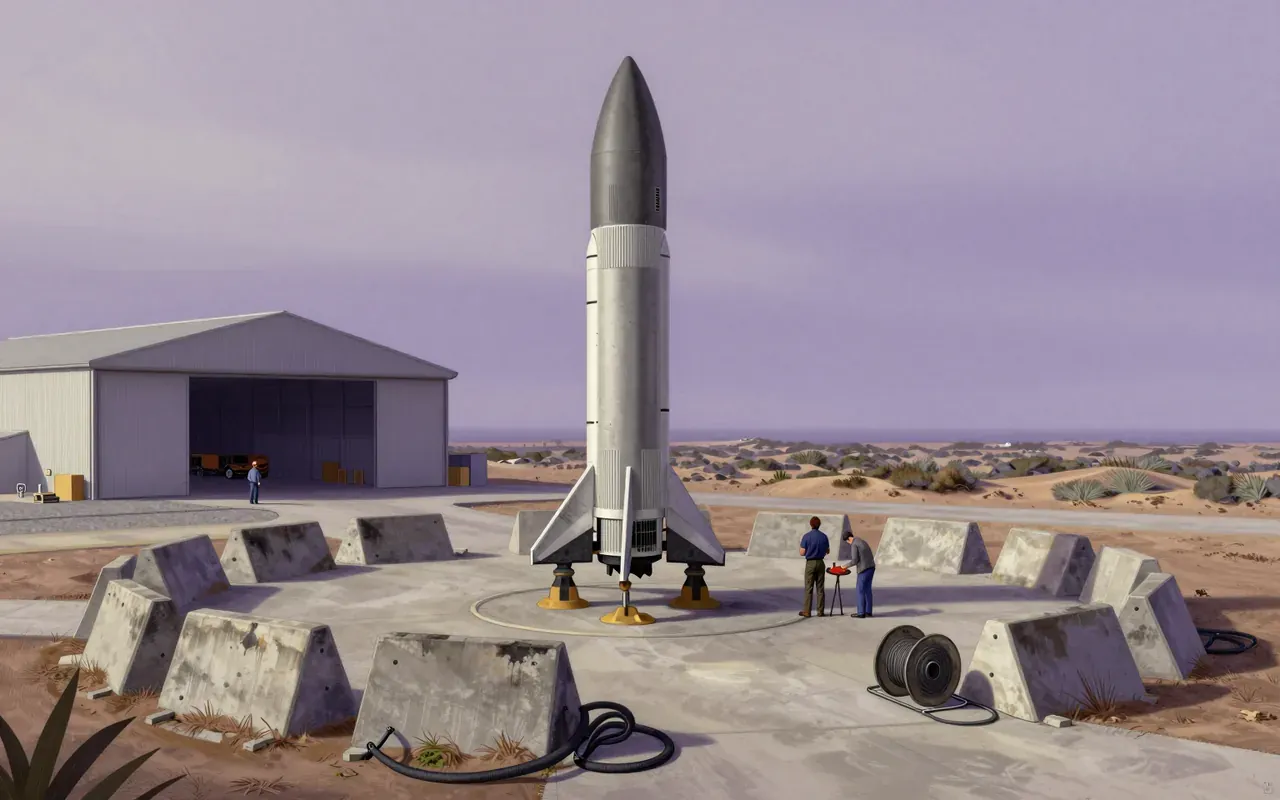
Rockets did not invent spaceflight—they made it mechanically inevitable by carrying their own sky.
10:16

Applied Materials

Applied Materials doesn’t make chips—it makes the machines that force atoms into place, one layer at a time.
10:16

Phonograph

Thomas Edison · 1877

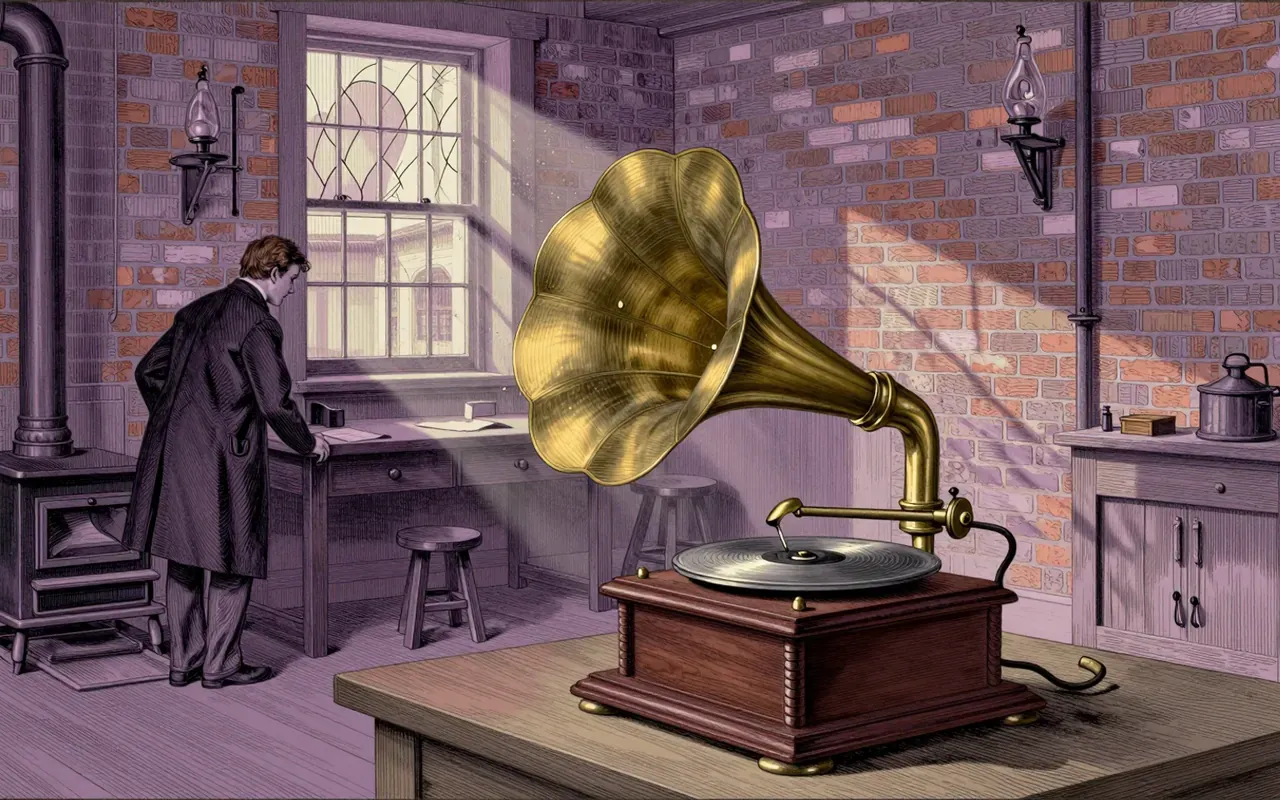
The phonograph established mechanical sound recording as possible — but delivered nothing usable. Its tinfoil medium broke, distorted, and wore out. Edison patented it in 1878 but shelved it for a decade. Only Bell’s wax-cylinder rival in the 1880s forced him to act.

10:15

Multi-touch

Multi-touch was operational before the Macintosh—and its real innovation wasn’t gesture, but exact spatial concurrency.
10:15

Steam shovel

William Otis · 1839

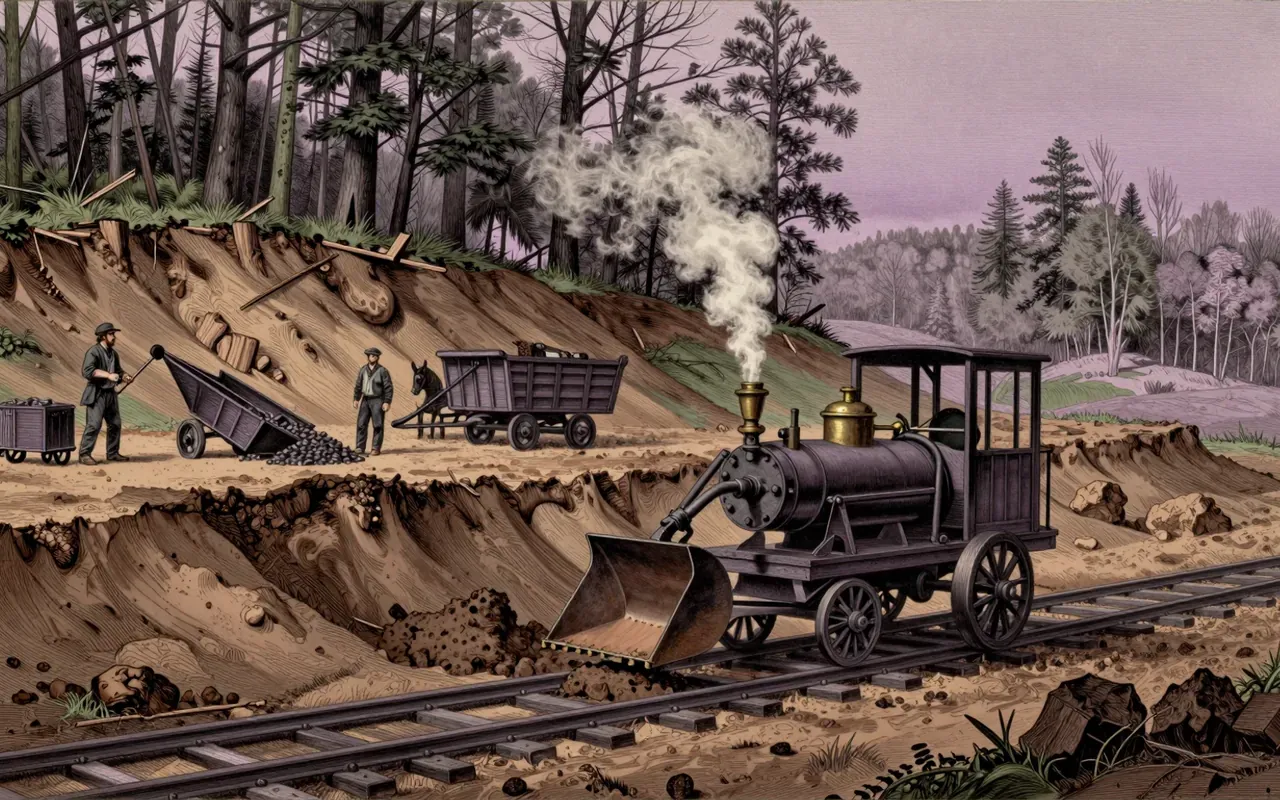
The steam shovel is a pivotal hardware innovation that mechanised excavation but remained tethered to rail logistics and partial rotation. It delivered measurable productivity gains (380 m³/day) in specific contexts — railroads, canals — yet offered no autonomy, adaptability, or terrain independence. Its legacy is infrastructural, not operational.

10:14

Relational model

Codd · 1969

Codd’s 1969 relational model is a formal specification—not software, not SQL, not a product. It defines data as tuples in relations, enforces consistency via logic, and insists all information be explicit. Real databases violate it daily. That gap is where data engineering begins.

10:14

OS/2

OS/2 wasn’t killed by bad code—it was strangled by incompatible ambitions.
10:14

The Pacemaker

Wilson Greatbatch

The editorial brief exposes a critical misattribution: 'The Pacemaker' DJ system (Jonas Norberg, 2008) is falsely presented as Wilson Greatbatch’s invention. Greatbatch co-created the implantable cardiac pacemaker and its lithium-iodide battery — a foundational medical engineering achievement. Norberg built a portable digital DJ tool. They share a name, not a lineage. The conflation undermines both histories.

10:14

Smartphone

It is not a phone that computes—it is a computer that phones, and that asymmetry defines every trade-off.
10:14

Steam engine

Steam engines did not invent industrial power—they outsourced combustion, then outsourced control.
10:14

Tesla Model X

Tesla · 2012

The Tesla Model X is a battery electric mid-size luxury crossover SUV developed from the Model S platform and distinguished by falcon wing doors. It shares ~30% of its parts with the Model S—half the originally planned 60%—and weighs ~10% more. Unveiled in Hawthorne on 9 February 2012, it entered production in Fremont and began deliveries in September 2015. In 2016, it ranked seventh among the world’s best-selling plug-in cars. A 2021 refresh added the Plaid model and updated interior, powertrain, and suspension.

10:13

PCI Express

PCI Express did not reinvent connectivity—it replaced a broken shared bus with a set of dedicated wires, each speaking in packets.
10:12

Apple Watch

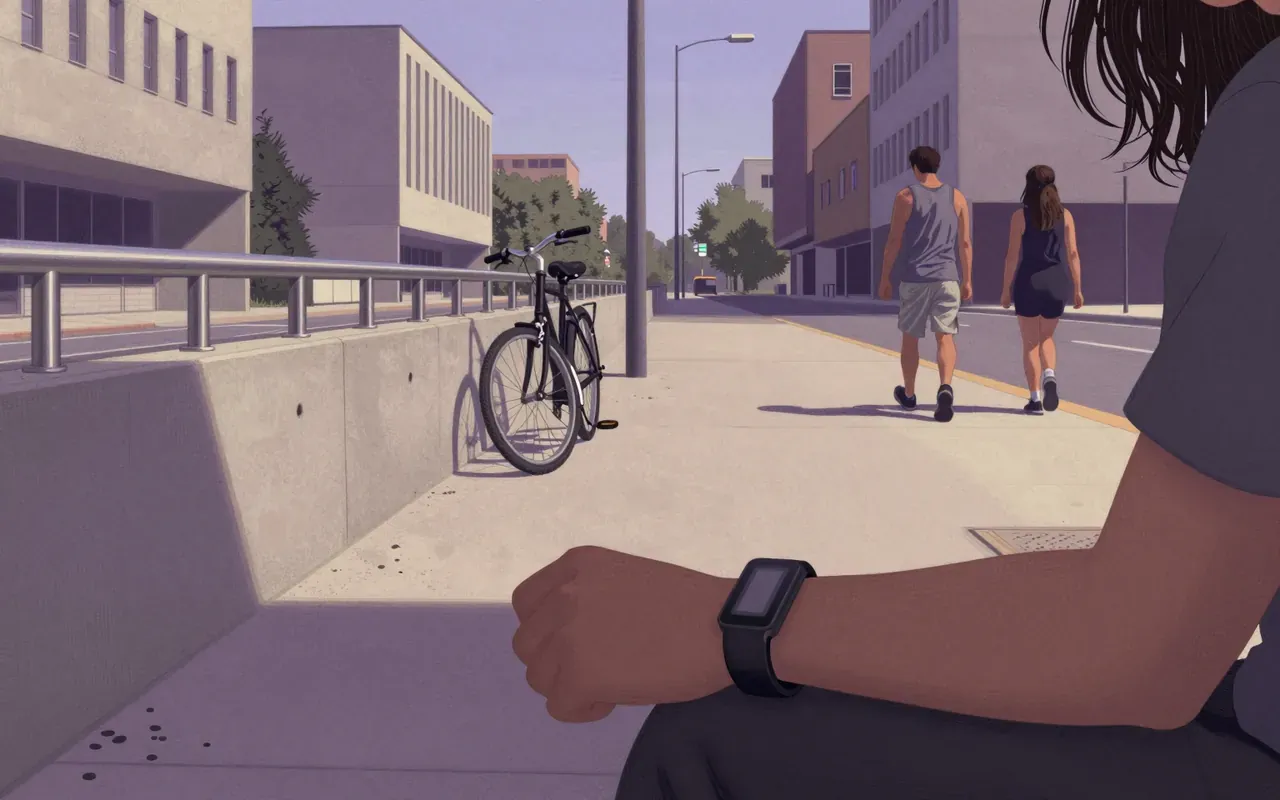
The Apple Watch isn’t a watch—it’s the first iPhone peripheral you wear.
10:12

Google Search

Google Search didn’t organise the web—it redefined authority as a function of linkage, then language, then generation.
10:12

Gas-turbine engine

John Barber · 1791

John Barber’s 1791 gas-turbine patent describes a continuous-flow internal combustion engine with compressor, combustor, and turbine — the first to integrate all three in a self-contained gas-generator core. It operates on the Brayton cycle. No evidence exists that it was built or ran. It changes how we classify engines — distinguishing true gas turbines from exhaust-driven devices — but delivers no working performance, no efficiency data, and no engineering resolution of ignition, heat tolerance, or rotational balance. Its significance is taxonomic, not operational.

10:12

Microphone

The microphone is not a passive listener—it is an active interpreter, distorting every word before it leaves the room.
10:12

Pressure cooker

Denis Papin

The steam digester is a 1679 experimental vessel that used trapped steam to raise boiling temperature and cut cooking time. It introduced the safety valve and demonstrated atmospheric pressure’s mechanical action — directly enabling Papin’s 1690 piston engine. It was never mass-produced, never used outside demonstration, and had no domestic adoption. Its value is archival and conceptual: it is the first device to treat pressure as a controllable variable in thermal systems.

10:11

Internet

U.S. Department of Defense (DARPA) · 1969

The Internet is a system for internetworking—designed to link disparate networks using standardised protocols. DARPA commissioned its core development in the 1970s. TCP/IP standardisation in 1982 enabled global proliferation. Its layered architecture and decentralised governance remain defining features—and enduring constraints.

10:11

PyTorch

Facebook · 2016

PyTorch is a Python-first deep learning library built by Meta in 2016 as Torch's successor. It enables rapid model prototyping via dynamic computation graphs (Autograd), tensor abstractions, and CUDA-accelerated training. As of 2025, it remains one of the most popular deep learning libraries—alongside TensorFlow and Keras—but its design prioritises researcher agility over production robustness, scalability, or deployment tooling.

10:11

IOS

iOS wasn’t born open—it was forced open, one SDK announcement at a time.
10:10

Fiber-optic communication

Charles K. Kao

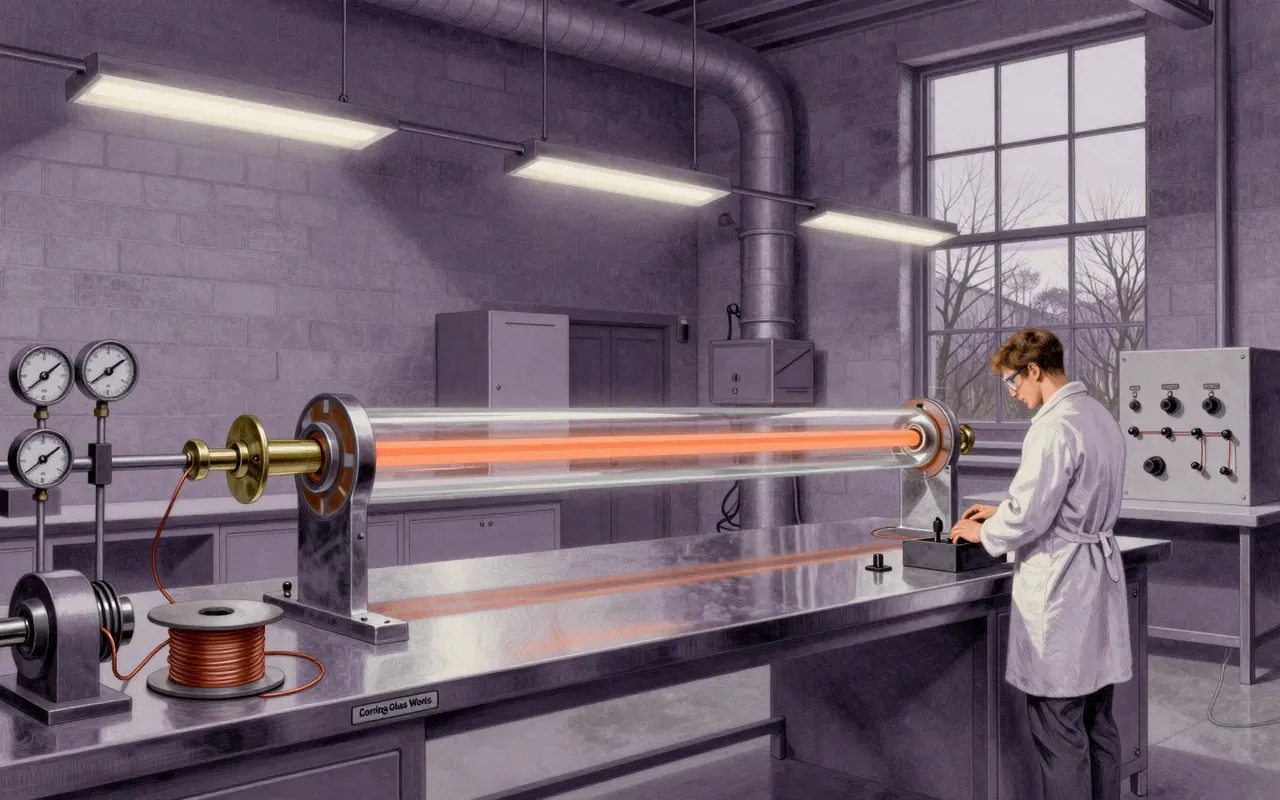
Kao and Hockham redefined optical fibre from a failed material into an engineering challenge. They showed attenuation was removable—not fundamental. That shifted R&D from ‘can we?’ to ‘how clean can we get?’. Corning hit 20 dB/km in 1970. Kao measured 4 dB/km in fused silica in 1969. Single-mode fibre became standard—but only after decades of laser and amplifier development. The invention is the insight, not the cable.

10:10

Kingston Technology

Memory wasn’t commoditised until Kingston proved it could be validated, branded, and sold outside the OEM.
10:10

CD-ROM

Philips and Sony · 1982

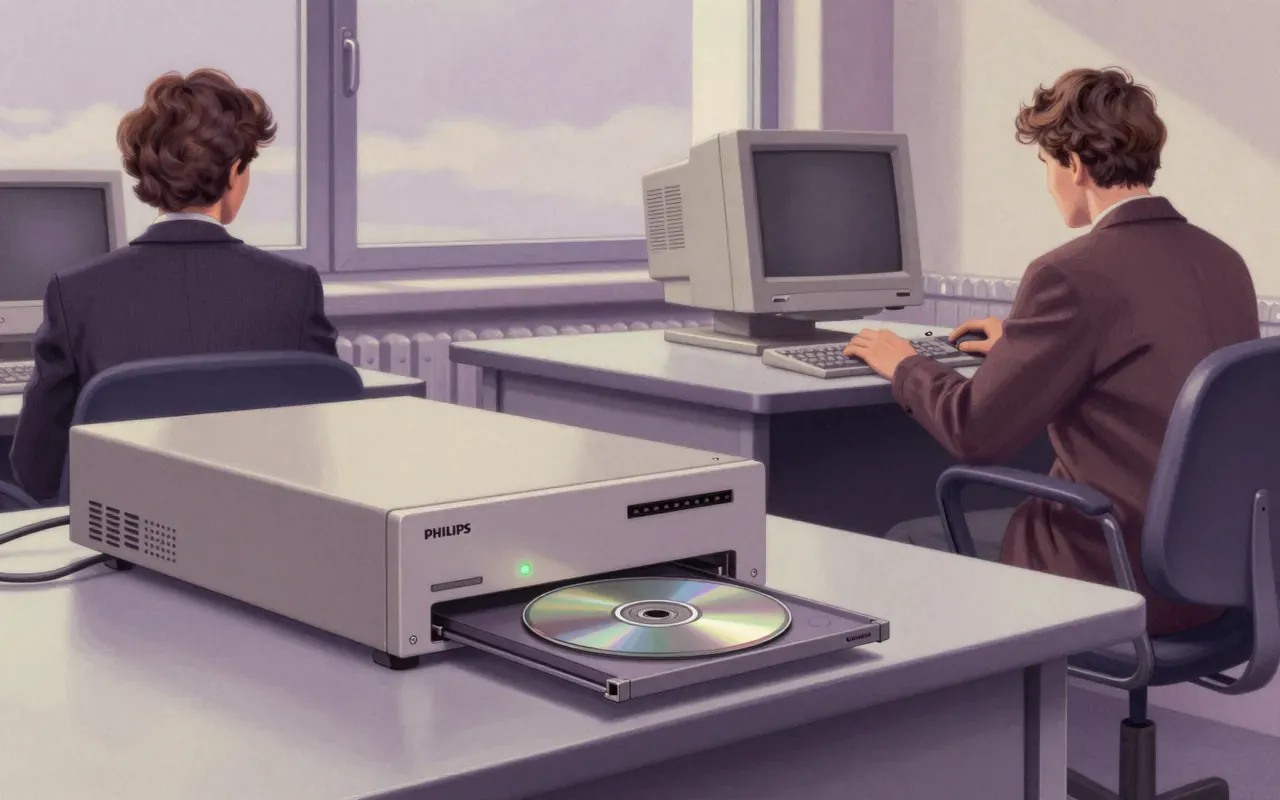
CD-ROM is a read-only optical data format co-developed by Philips and Sony, formalised in the 1983 Yellow Book. It reuses the CD-DA’s physical design and laser-read mechanism but repurposes pits and lands for arbitrary digital data—delivering 553 MB via destructive interference physics. It launched publicly in 1985 with Philips’ CM 100 drive. It solved mass-distribution problems for static software and reference material but failed as an archival or interactive medium—prompting Sony to launch write-once and magneto-optical variants by 1986 and 1988.

10:09

X86

x86 isn’t enduring because it’s good — it’s enduring because every fix creates new dependencies no one dares break.
10:09

Virtual machine

Virtual machines don’t replace hardware — they repackage its failures as features.
10:09

Windows NT

Windows NT didn’t modernise Windows — it replaced its soul with a new kernel, and broke everything to do it.
10:09

Firefox

Firefox didn’t dethrone IE—but it rewrote the rules every browser had to follow.
10:09

HDMI

HDMI unified home AV—but at the cost of opacity, fragmentation, and control locked behind corporate gates.
10:09

James Webb Space Telescope

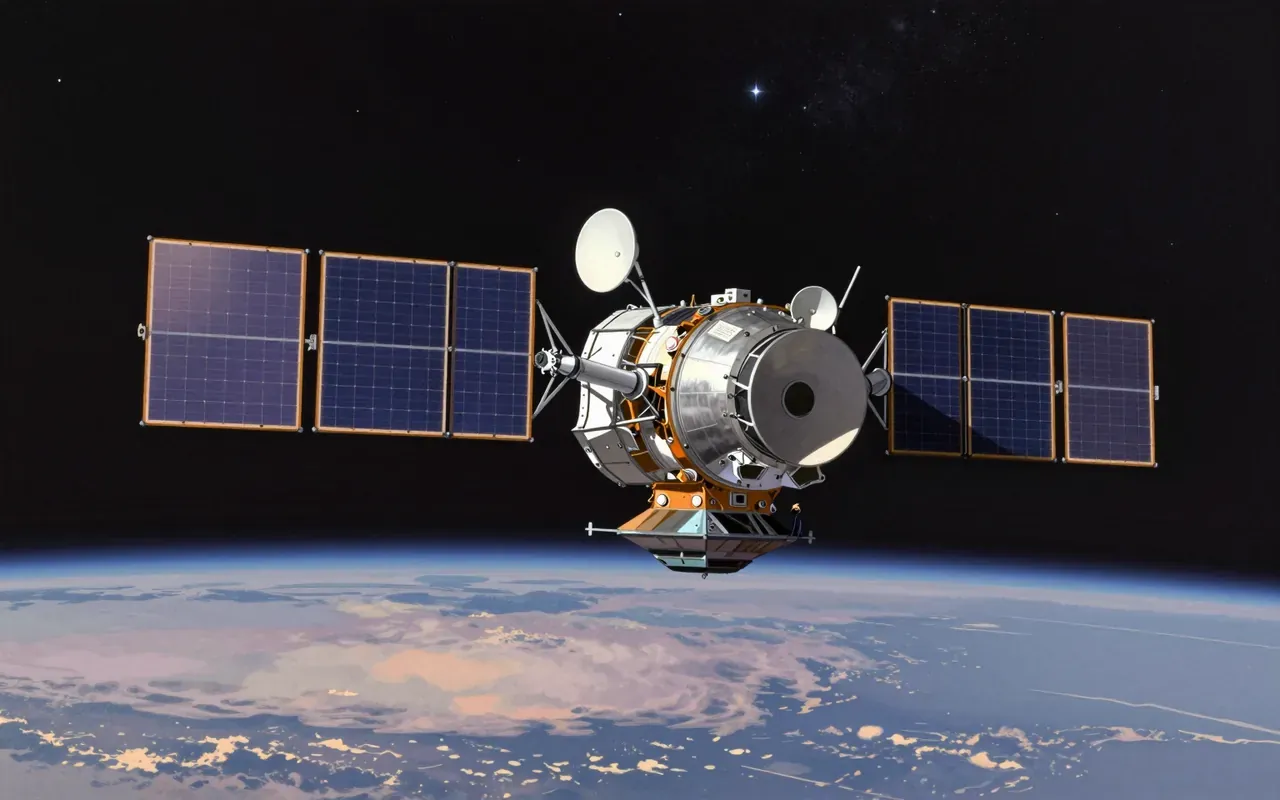
Infrared astronomy isn’t a compromise — it’s the only way to see the universe’s first light, and Webb delivers it without visible-light trade-offs.
10:08

Blu-ray

Blu-ray Disc Association · 2006

Blu-ray delivered on its central promise: 1080p video on a 50 GB optical disc, using a blue laser. It beat HD DVD not through superiority but through earlier hardware shipments, studio backing, and Toshiba’s withdrawal. It did not solve physical media’s cost, fragility, or obsolescence—and never replaced streaming for most users.

10:08

ARM architecture family

ARM isn’t about efficiency—it’s about offloading architectural control so others can build cheaper, cooler, more varied chips.
10:08

Transformers

Transformers is not AI, not robotics, and not a breakthrough — it is a repackaged toy line with a clever hinge.
10:07

GPS signals

United States Department of Defense

GPS signals are a U.S. Department of Defense standard defining CDMA-based ranging signals and structured navigation messages. They enable position and time determination—but only if receivers correctly decode Gold codes, resolve millisecond ambiguities, and parse ephemeris data. The standard delivers what it promises: signal formats. It does not deliver accuracy, reliability, or resilience.

10:07

Fitness tracker

It logs movement like a census — precise on headcount, blind to motive, health, or consequence.
10:07

Smartglasses

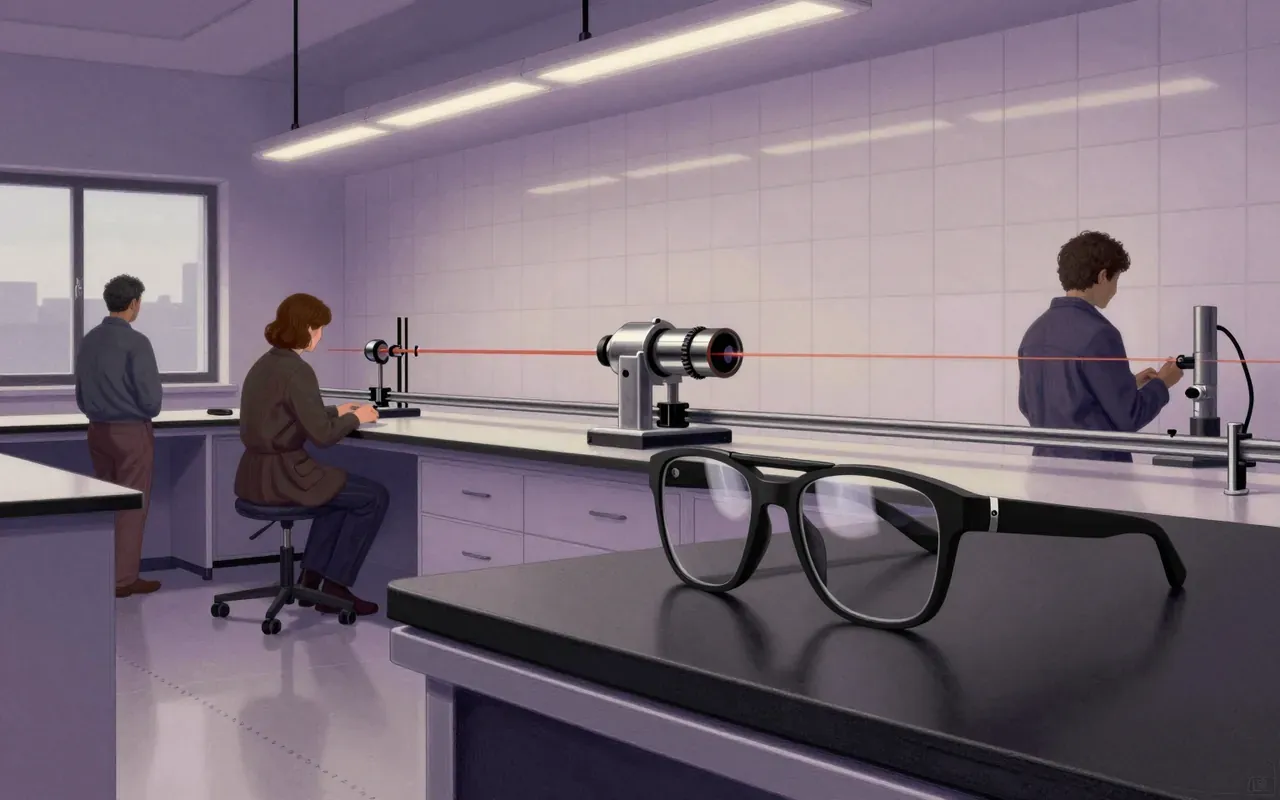
Smartglasses aren’t one thing — they’re three competing definitions stapled together with pose tracking.
10:06

Dell Technologies

A debt-fuelled merger, not a technology—Dell Technologies is infrastructure consolidation disguised as innovation.
10:06

Analog Devices

Precision signal conversion is not magic — it’s Analog Devices’ 1965 bet that the world would need chips that don’t lie about voltage.
10:06

ASCII

ASA

ASCII is a cost-driven, committee-built encoding that prioritised transmission efficiency and hardware simplicity over linguistic coverage. Its rigid separation of control and graphic codes enabled early parsing — but its 28 reserved slots and lack of international support created immediate pressure for extension.

10:06

Magnetic-core memory

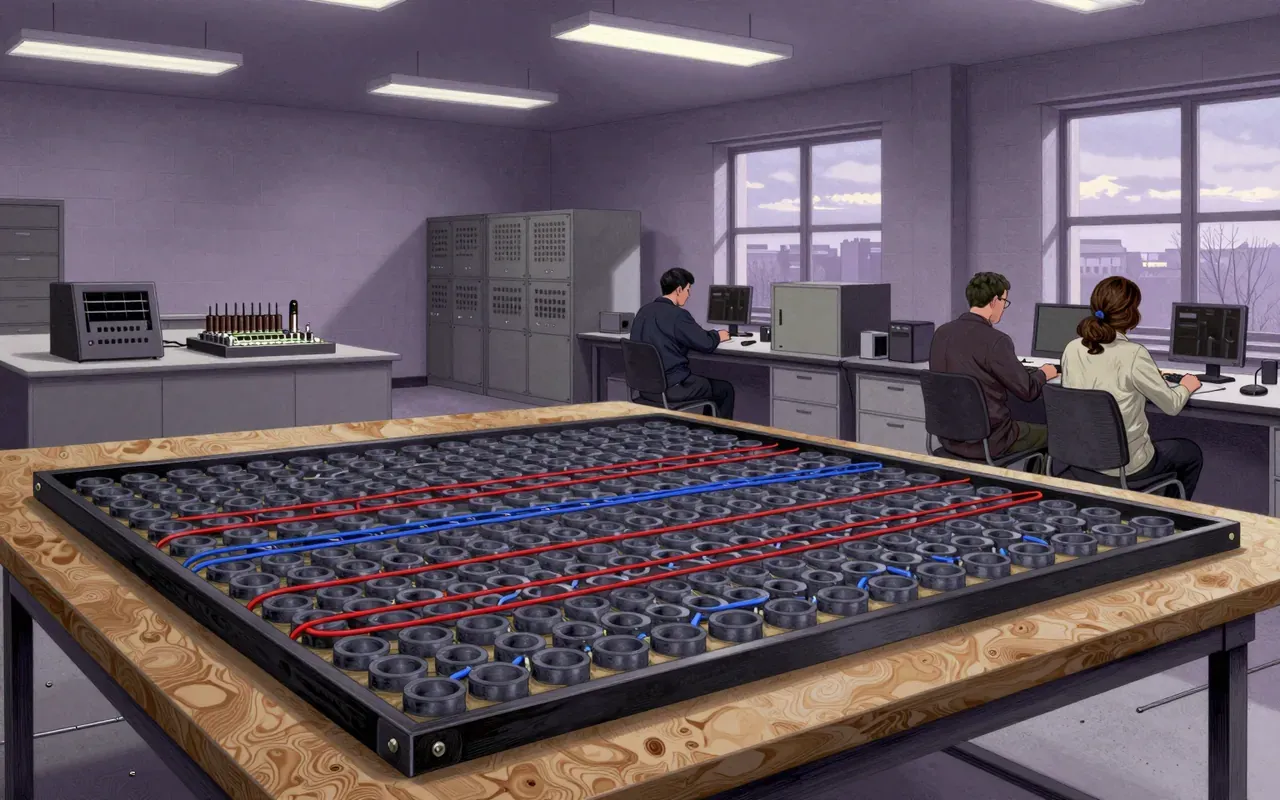
Destructive, deterministic, and hand-threaded: core memory didn’t scale — it imposed discipline.
10:06

Unimate

The first industrial robot didn’t think—it repeated, corrected, and kept workers out of fumes.
10:05

Turbofan

It trades jet speed for air mass—and rewrote aviation’s economics without ever breaking the sound barrier.
10:05

Yahoo

Human curation was the first scalable way to organise the web—but it collapsed the moment scale demanded automation.
10:04

ZX Spectrum

Clive Sinclair · 1982

The ZX Spectrum is an 8-bit home computer developed by Sinclair Research and launched in Britain on 23 April 1982. It prioritised low cost, simplicity, and compactness—using minimal components and transmitting video to televisions while loading software from audio cassettes. Its name highlighted its colour display, a key upgrade over the monochrome ZX81. Rick Dickinson designed its iconic case, rainbow motif, and rubber keyboard. Development began in September 1981, reusing parts from earlier models to accelerate production and reduce cost. The hardware centred on the Zilog Z80 microprocessor running at 3.5 MHz.

10:04

Cloud gaming

Cloud gaming moves the game out of your machine — but puts your reflexes at the mercy of your ISP.
10:04

Manchester Mark 1

It proved arrays could be traversed without self-modifying code—and then shipped that idea to industry before it had a compiler.
10:04

Punched card

A hole in paper was the first universal interface between human intention and machine action — and its limits defined the shape of computing for eighty years.
10:04

YAML

YAML trades parser reliability for human legibility—and wins only where humans edit more than machines validate.
10:03

Corsair Gaming

Corsair doesn’t make chips — it makes coherence out of chaos, one acquired brand at a time.
10:03

Go (programming language)

Robert Griesemer, Rob Pike, Ken Thompson · 2009

Go is a statically typed, compiled programming language designed in 2007 by Robert Griesemer, Rob Pike, and Ken Thompson at Google to improve programming productivity for multicore, networked machines and large codebases. It combines static typing and runtime efficiency like C, readability and usability like Python, and high-performance networking and multiprocessing. Publicly announced in November 2009 and released as version 1.0 in March 2012, Go emphasizes simplicity, safety, and developer tooling — especially around concurrency via goroutines and channels, packaging, testing, and deployment — while deliberately omitting features like inheritance, assertions, pointer arithmetic, and implicit type conversions. Its design reflects a focus on the software development process itself rather than just language syntax or semantics.

10:03

Rocket Lab

Rocket Lab delivers launch frequency—but not reusability—by owning the stack from thrusters to telemetry.
10:03

Radar

Robert Watson-Watt

Radar is a radio reflection system for aircraft detection. It solved urgent air defence needs by replacing sound with electromagnetic sensing. Its mechanism is simple: transmit, reflect, receive, time. Its success hinged on rapid scaling — from 16 to 60 miles in months — and integration into a fixed coastal network. It fell short on low-altitude coverage, mobility, and precision tracking. It changed warfare by enabling interception over reaction. It is worth your time because it demonstrates how repurposing existing tools under constraint yields decisive capability — not through invention ex nihilo, but through disciplined redirection.

10:03

Bessemer process

Henry Bessemer · 1855

The Bessemer process is the first industrial method to mass-produce steel cheaply — by blowing air through molten pig iron to oxidise impurities, especially carbon. It works by self-heating oxidation, cuts batch time from a day to under 20 minutes, and forces deliberate carbon readdition. It fails to deliver finished steel in one step and cannot treat phosphorus-rich iron without later refinement. It changed structural engineering by enabling steel’s substitution for cast and wrought iron. It remains foundational — not because it endures, but because it proved scalable metallurgical control was possible.

10:02

Wafer (electronics)

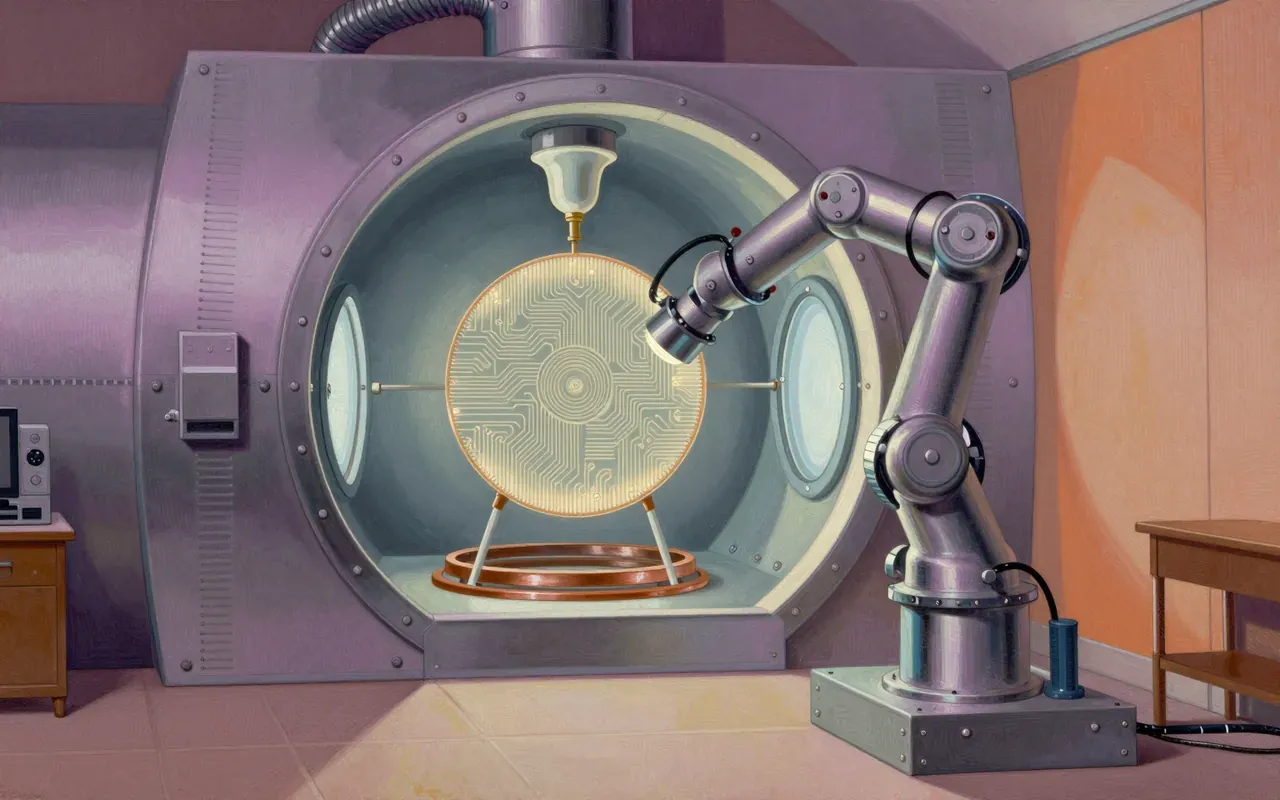
The wafer is not a component—it is the ground upon which computation is built, and its limits define what chips can do.
10:02

NPU terminology

NPU terminology fixes lab data chaos—but only where metrology matters more than medicine.
10:02

Electric light

Electric light succeeded not because it was brighter, but because it was safer, quieter, and easier to distribute than flame or arc.
10:02

Flash memory

Fujio Masuoka

Flash memory is a block-erasable, non-volatile semiconductor memory invented by Fujio Masuoka at Toshiba in 1980. It builds on EEPROM but replaces byte-wise erasure with faster block-wise erasure — enabled by floating-gate transistor design. The name 'flash' was coined by colleague Shōji Ariizumi to reflect that speed. Masuoka and colleagues presented NOR flash in 1984 and NAND flash at the 1987 IEDM. Toshiba began marketing flash memory and commercially launched NAND flash — both in 1987. The first published implementation held only 8192 bytes but became the basis for larger-capacity versions. Flash does not support byte-level writes or in-place updates; erasure is all-or-nothing per block. It cannot replace RAM or true EEPROM where fine-grained modification is required. Flash changed how portable devices store firmware and user data, enabling compact, shock-resistant, low-power storage that scales without moving parts — a prerequisite for digital cameras, USB drives, SSDs and smartphones.

10:02

Wheel

The wheel did not invent transport — it relocated friction, and nothing since has undone that bargain.
10:01

Hybrid seed

Donald F. Jones

Hybrid seed is a deliberate reproductive system—not a discovery, but an industrial workaround. It locks heterosis into a commercial cycle: high yield in year one, zero reliability in year two. Jones’ double-cross method made it viable. But the mechanism demands constant parental line upkeep, excludes farmer autonomy, and treats genetic diversity as a cost—not a resource.

10:01

Acer Inc.

Acer didn’t build the future—it bought, branded, and outsourced it.
10:01

Iridium

Iridium isn’t rare because it’s special — it’s special because it’s rare, and that rarity locks its utility into three narrow, high-stakes industrial niches.
10:01

Juniper Networks

Juniper didn’t invent the internet router — it weaponised packet switching against Cisco’s incumbency.
10:01

Python (programming language)

Guido van Rossum · 1991

Python is a dynamically typed, whitespace-delimited programming language conceived by Guido van Rossum in December 1989 as a successor to ABC. Its first release was Python 0.9.0 in 1991. It introduced a strict visual grammar for code blocks, paired dynamic typing with reference counting and cycle detection for memory management, and codified its philosophy in PEP 20. Python 3.0 (2008) broke backward compatibility. Optional static typing arrived in 3.5. Van Rossum named it after Monty Python's Flying Circus and wrote the first interpreter as a Christmas holiday project.

10:01

Laser

Theodore Maiman · 1960

Theodore Maiman’s 1960 laser is a milestone in quantum electronics—not because it launched applications, but because it proved coherence could be engineered in a solid, at room temperature, using flashlamp excitation. Its limitations are structural: three-level pumping demands high peak power and prevents continuous operation. Its success lies in specificity: 694 nm, pulsed, ruby, May 16, Malibu.

10:00

Canning

Nicolas Appert · 1810

Appert’s canning was an empirical fix for spoilage: cook food inside a sealed glass jar, and it lasts — unless the seal leaks. He never knew why. He avoided tinplate. He boiled for variable times. He built the world’s first bottling factory in 1804. His 1810 prize recognised a working solution, not a scientific insight.